REVIEW · KYOTO
Kyoto: Gion Magical Night Walking Tour with Geisha Insights
Book on GetYourGuide →Operated by TravelinGood!! · Bookable on GetYourGuide
Lantern light turns Gion into a living lesson. I like that this small-group tour keeps things calm while you move through Kyoto’s famous lanes, and you get the story behind what you’re seeing, not just a quick photo stop. I also love the focus on geisha culture with practical rules and trivia that make the district feel understandable instead of mysterious. One possible drawback: there are stairs along the route, so it’s not a good fit if you have limited mobility.
You’ll start at a clear landmark, then your guide leads you through the geisha district at the exact hour when Gion changes mood. The walk is relaxed enough to ask questions, and the night lighting makes shrines and backstreets look better than they do in harsh daytime sun. Just note that “seeing a geisha” is luck, not a guarantee, and the tour’s pace is still a real walking experience.
In This Review
- Key Points You’ll Care About
- Why Gion at Night Feels Worth Leaving the Day Plan
- Minamiza Theatre Start: The Easiest Way to Begin
- Walking Hanamikoji: Geisha District Etiquette You Can Actually Use
- Shrines, Lanterns, and the Night-Only Feel of Gion
- Photo Stops and the Big Advantage of a Small Group
- Price and Value: Is $34 a Good Deal?
- Timing That Works: The 6 PM Early Evening Option
- Who This Tour Fits Best (and When to Skip It)
- Practical Tips for a Smooth Evening Walk in Gion
- Should You Book This Gion Magical Night Walking Tour?
- FAQ
- Where do I meet for the tour?
- What time should I arrive?
- How big is the group?
- What is included in the tour price?
- Are children allowed?
- Is the tour accessible for wheelchairs or strollers?
Key Points You’ll Care About
- Minamiza Theatre as your anchor: you meet in front of the theater, with a guide holding a TravelinGood sign.
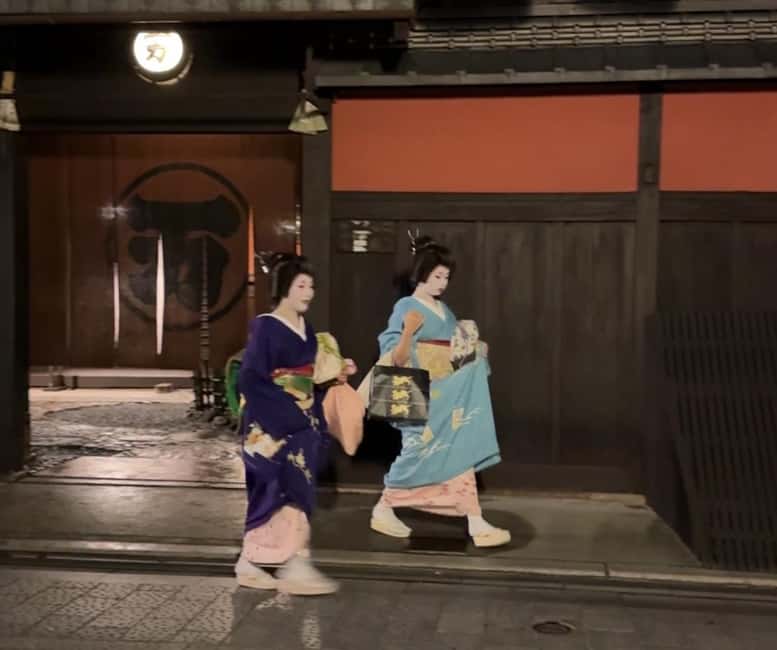
- Hanamikoji geisha district focus: expect street-level etiquette, rules, and culture trivia as you walk.
- Night-lit sights you can’t fake: a matchmaking shrine and a Buddhist pagoda illuminated for evening viewing.
- Photo help is part of the deal: a photography service is included, and your guide can take your picture at key spots.
- Small group means real conversation: up to 10 people, so questions don’t get lost.
- Early evening option: a 6:00 PM tour (starting in August) runs before sunset, handy for families and plans.
Why Gion at Night Feels Worth Leaving the Day Plan

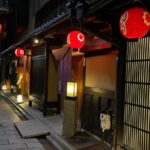
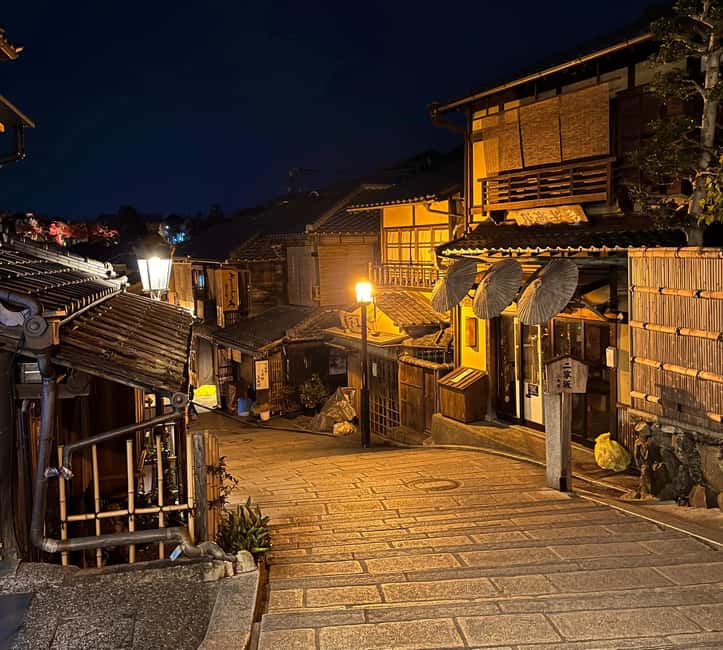
Gion at night isn’t just prettier. It’s quieter, slower, and easier to read. The lanterns soften the streets and make wooden façades, stone paths, and shrine steps look like part of one lived-in scene rather than a postcard you rush past.
I especially like that this tour gives you context for what you’re seeing. You’re not only walking through “the geisha district,” you’re learning how the culture works—things like the rules around the district and the meanings behind certain places. That turns the whole area from surface-level sightseeing into something you can actually understand as you go.
The other win is timing. Evening in Kyoto—especially during hot months—can be more comfortable than midday walking. And since the tour’s designed as a night experience, the lighting and atmosphere are the point, not a coincidence.
You can also read our reviews of more walking tours in Kyoto
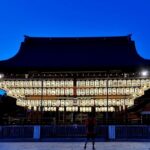
Minamiza Theatre Start: The Easiest Way to Begin
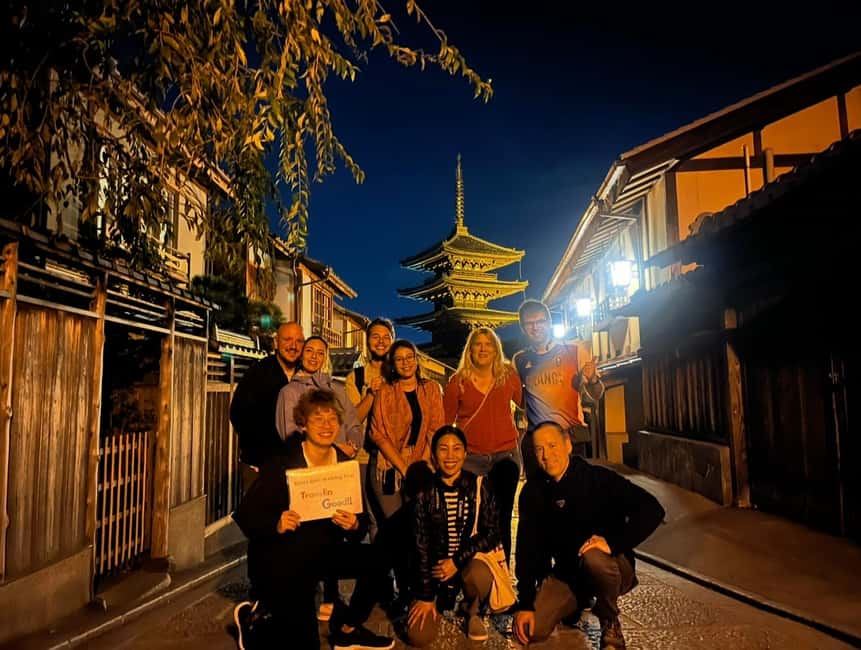
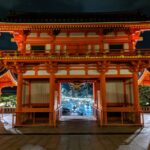
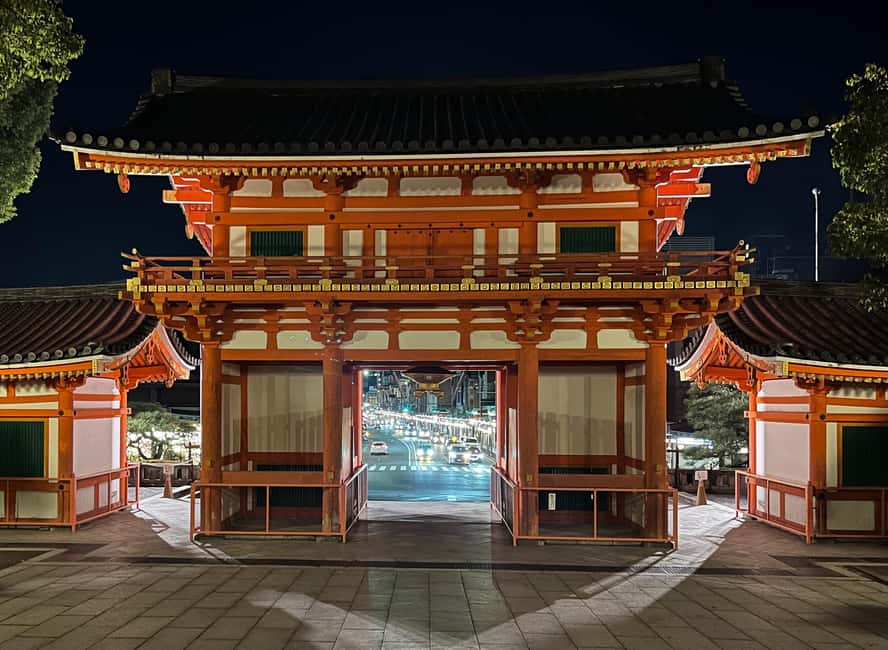
You start at Minamiza Theatre in Gion. Meet in front of the theater on the front side, and look for your guide holding a sign that says TravelinGood. This matters because Gion can be confusing if you arrive early and try to find the group on your own.
Also pay attention to how the timing works: the start time is when the group leaves, not when you meet. Arrive at least 5 minutes early so you’re not stressing while everyone else is already gathering. The tour ends back at the same meeting point too, which makes planning the rest of your evening simpler.
If you’re coming by bus or taxi, give yourself extra buffer for traffic. Kyoto traffic can turn a quick ride into a slow one, and you don’t want to cut it close before a walk like this.
Walking Hanamikoji: Geisha District Etiquette You Can Actually Use
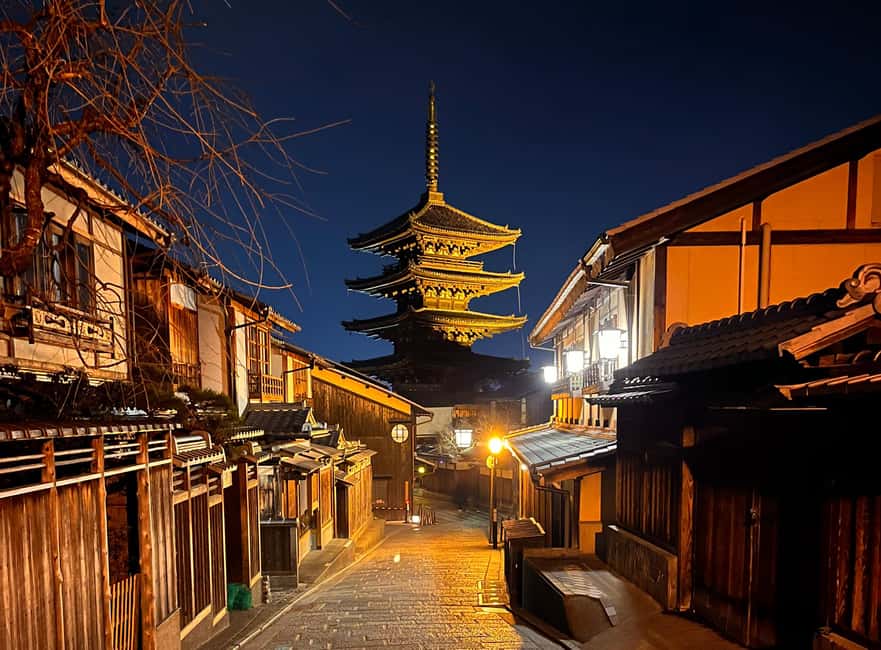
After meeting, you head into Hanamikoji, the famous geisha district street. This is where the tour earns its name as a “magical night walking tour.” The street lighting slows your steps, and your guide uses that setting to explain what you’re looking at and why it matters.
What I like here is the mix of storytelling and specifics. You’ll learn mysterious rules and trivia of geisha culture from your guide as you walk, which makes the sights feel more meaningful. It’s the difference between seeing signage and noticing details that hint at tradition and daily life.
And yes, there’s a possibility of spotting a real performer. The tour says you might even see a Geisha if you’re lucky. That’s not something you can schedule, but the guide’s guidance helps you stay focused instead of constantly spinning around looking for movement.
The big practical takeaway: you’re walking a district that’s tied to real people’s routines. If you keep your expectations realistic and behave respectfully, the experience becomes smoother for everyone involved.
Shrines, Lanterns, and the Night-Only Feel of Gion
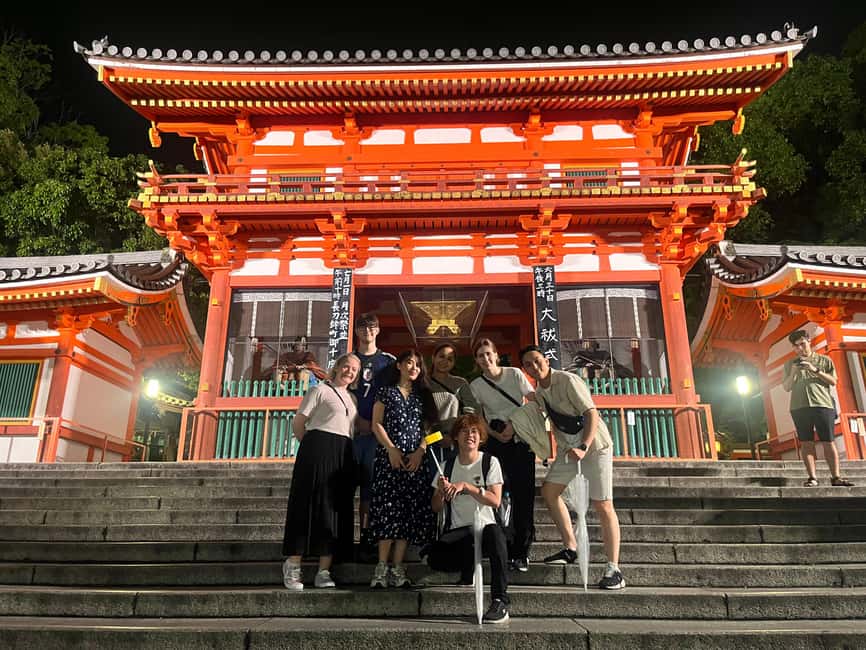
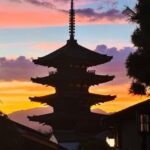
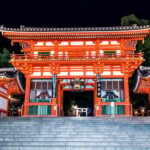
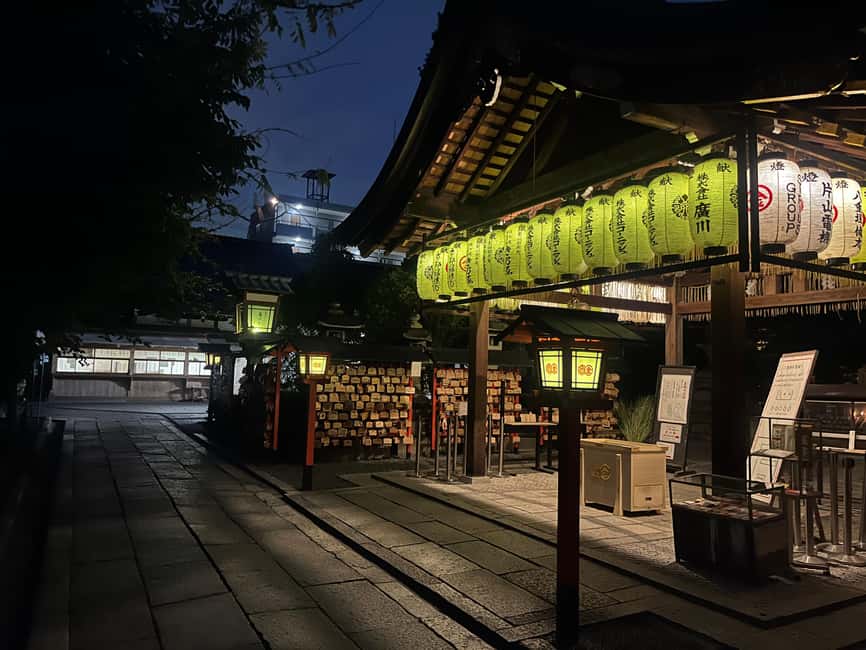
The tour doesn’t stop at one famous street. After Hanamikoji, you’ll visit a shrine linked to matchmaking, then a beautiful Buddhist pagoda that’s illuminated at night. This is the kind of stop that works best after dark, because the light turns the structure into part of the streetscape.
Your guide can also take your picture there if you want. That’s a small detail, but it changes the experience. You won’t spend the best photo moments trying to position yourself while another person holds your phone at arm’s length.
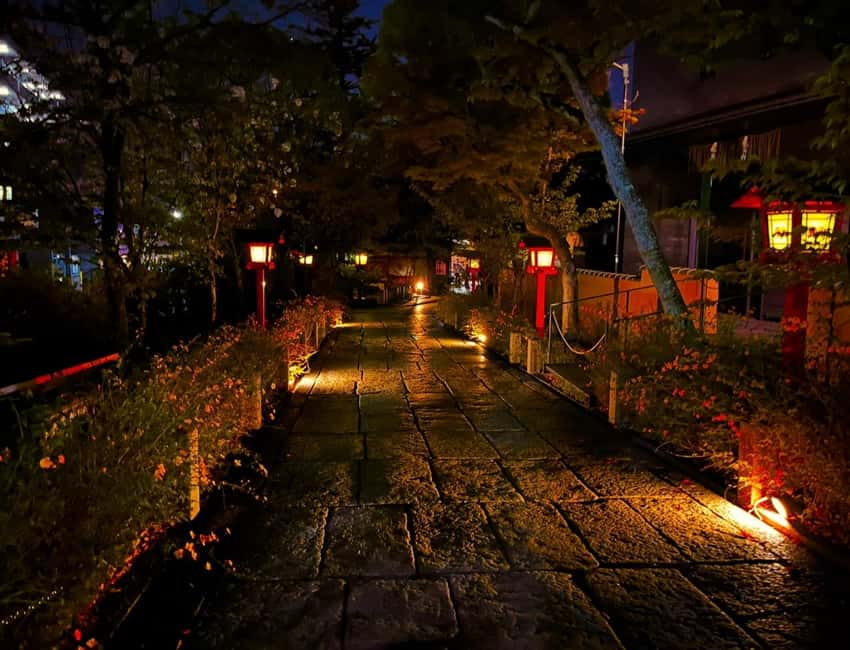
Then you continue through hidden spots and pathways. This matters because Gion can feel crowded in some areas during the day, but at night the side streets can feel more intimate. Your guide is doing more than showing famous angles—they’re guiding you through quieter routes that make the district feel lived-in.
The tour ends with a visit to a shrine that’s over 1000 years old. That gives the walk a satisfying arc: you start in the geisha district’s evening atmosphere and finish at a place with real time depth.
Photo Stops and the Big Advantage of a Small Group
This tour is capped at up to 10 people, and that size affects everything. You get time to ask questions, and your guide can respond without rushing you through the next stop. In a busy city, that kind of attention is rare.
Photography service is included, which is another value booster. Even if you love taking pictures yourself, it helps to have someone who knows the good sightlines and the moments when the lighting looks best.
You’ll also likely hear details that help you tell the difference between common terms you’ll see around Gion. Some guides focus on explaining distinctions people ask about—like the difference between geisha-related roles and terms you might hear in the district. That sort of clarity makes the evening less confusing when you’re trying to connect what you see to what you read.
And because the group is small, you can compare notes on what you’re noticing: lantern colors, street layouts, and the little visual cues around shrines and entrances.
You can also read our reviews of more evening experiences in Kyoto
Price and Value: Is $34 a Good Deal?
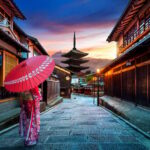
At $34 per person, this tour is priced like an experience you can fit into an evening without wrecking your budget. The value comes from two things you don’t always get together: a guided cultural explanation plus night-specific sightseeing plus photo support.
Here’s how I’d judge the value if I were choosing again:
- You pay for context, not just motion. The geisha culture rules and trivia turn “walking the district” into something you’ll remember.
- You get a real guide, not a headset and a vague route. Small-group size means you’re less likely to feel like a number.
- You get photography help. Even if you only want a couple of images, that’s part of the product, not an add-on.
If your goal is purely photos, you can wander on your own in Gion. But if you want the meaning behind places and you like being able to ask direct questions, $34 starts to feel reasonable fast.
Timing That Works: The 6 PM Early Evening Option
This tour isn’t just about “night.” There’s a 6:00 PM tour designed to run before sunset during August, and that’s a smart solution for a common Kyoto problem: hot afternoons and fatigue.
For families, that timing is especially useful. Shorter waits, cooler walking conditions, and an earlier finish make it easier to keep kids happy and keep your evening plans intact.
It also helps if you like your evenings structured. Some people hate arriving late and dealing with dinner chaos. An early evening slot gives you a “Kyoto night experience” before the city’s nighttime rhythm becomes fully hectic.
If you have flexibility, consider the hour that matches your energy level. The earlier 6 PM option is built for comfort and family-friendly logistics.
Who This Tour Fits Best (and When to Skip It)
This tour is best if you want a guided walk focused on Gion’s culture and atmosphere. It’s ideal when you:
- want an easy-to-follow route anchored at Minamiza Theatre
- like small groups and conversation
- enjoy night lighting and shrine viewing
- want geisha culture explained in plain terms
It’s not suitable if you have mobility challenges. The route includes stairs, and the tour isn’t accessible for wheelchairs, baby carriages, or those with limited mobility. It also notes it’s not suitable for people with a cold, so if you’re feeling under the weather, you may want to postpone.
One more fit note: the tour is a walking experience. If you don’t like moving for an extended period, you might feel impatient. In that case, you could pair Gion wandering with a shorter stop somewhere else.
Practical Tips for a Smooth Evening Walk in Gion
A few details will make your night go smoother:
- Wear shoes you don’t mind walking in. The route includes stairs, so plan for uneven stone and steps.
- Arrive early. Because the tour start time is when you leave, being on time matters for pacing.
- Bring a charged phone or camera, but don’t rely on it for every shot. Your guide’s photo service means you can focus on the experience instead of hunting for angles.
- Keep expectations flexible about performer sightings. The tour says you may see a Geisha if you’re lucky, but it’s not guaranteed.
If you’re booking, make sure your ticket matches your booked date and time. Tickets are valid only for the booked slot, and joining another tour without confirmation isn’t allowed, because the tour size is kept small for everyone’s comfort.
Should You Book This Gion Magical Night Walking Tour?
I’d book it if you want a night in Kyoto that feels more like guided culture than random wandering. The small group size is a big deal, and the combination of geisha district insights, night-lit shrines, and included photo help gives you value that’s hard to replicate on your own.
Skip it if stairs are a problem for you, or if you’re sick. Also skip it if you’re expecting a guaranteed geisha sighting, because this is about atmosphere and storytelling first.
If you can handle a walk and you’re ready to learn what you’re seeing, this is one of the cleanest ways to experience Gion after dark.
FAQ
Where do I meet for the tour?
Meet in front of Minamiza Theatre, on the front side. Your guide holds a sign that says TravelinGood.
What time should I arrive?
Arrive at least 5 minutes before the start. The listed time is when the group leaves, not when you meet.
How big is the group?
The tour runs in a small group of up to 10 people, so the guide can give everyone proper attention.
What is included in the tour price?
You get an English guide and a photography service.
Are children allowed?
Children under 6 years old don’t need to purchase tickets.
Is the tour accessible for wheelchairs or strollers?
No. The tour is not accessible due to stairs along the route, so it’s not suitable for wheelchair users or baby carriages.