REVIEW · KYOTO
Kyoto: Gion Night or Morning Walking Tour with Local Snacks
Book on GetYourGuide →Operated by TripGuru Japan · Bookable on GetYourGuide
Gion at night is where Kyoto feels like a movie. This 3-hour walk pairs the old-street glow of Hanamikoji Street with shrine stops like Yasaka Shrine, plus a local snack break that keeps things relaxed. I like the small-group setup (max 9 people), which makes it easy to ask questions and move at a human pace.
I also love how guides bring the area to life with real context, from geisha culture to why specific streets and buildings look the way they do. When I read about guides like Raphael, Jasmine, and Vicent, the common thread is clear pacing and good explanations. One consideration: this is a walking tour, and it’s not suitable for people with mobility issues, or for some health conditions, so wear comfortable shoes and plan for steady time on your feet.
Key points I’d circle before you book
- Lantern-lit Gion route with Hanamikoji Street and shrine stops built in
- Small group of 9 or fewer, which makes photos and questions easier
- Snack included (often with matcha options, depending on the stop)
- Photo guidance for geiko and maiko so you can capture moments respectfully
- Meeting at Kyoto Kawaramachi Garden in a clear, easy-to-find spot
In This Review
- Why Gion at night changes the whole Kyoto experience
- The 3-hour walk from Kyoto Kawaramachi Garden to Sanjo Bridge
- Hanamikoji Street and Kyoto Minami-za: the main stage, explained well
- The scenic backstreets between stops: where your photos get better
- Maruyama Park: a short breather that makes Yasaka feel closer
- Yasaka Shrine (Gion Shrine): tradition you can feel in your feet
- Pontocho’s lantern lanes plus the snack stop that keeps you walking
- Geiko and maiko photos: how to get shots without being a nuisance
- Group size, pace, and what to wear in Kyoto evenings
- Price and logistics: is $46 a good deal?
- Who should book this tour, and who should skip it
- Should you book the Kyoto Gion Night or Morning Walking Tour with local snacks?
- FAQ
- How long is the tour?
- Where do I meet the guide?
- What does the tour include?
- Do I get hotel pickup or drop-off?
- Is geiko or maiko viewing guaranteed?
- What should I bring?
- How big is the group?
- Is the tour suitable for people with mobility impairments?
- What if I’m late to the meeting point?
- Are refunds available if I cancel?
Why Gion at night changes the whole Kyoto experience
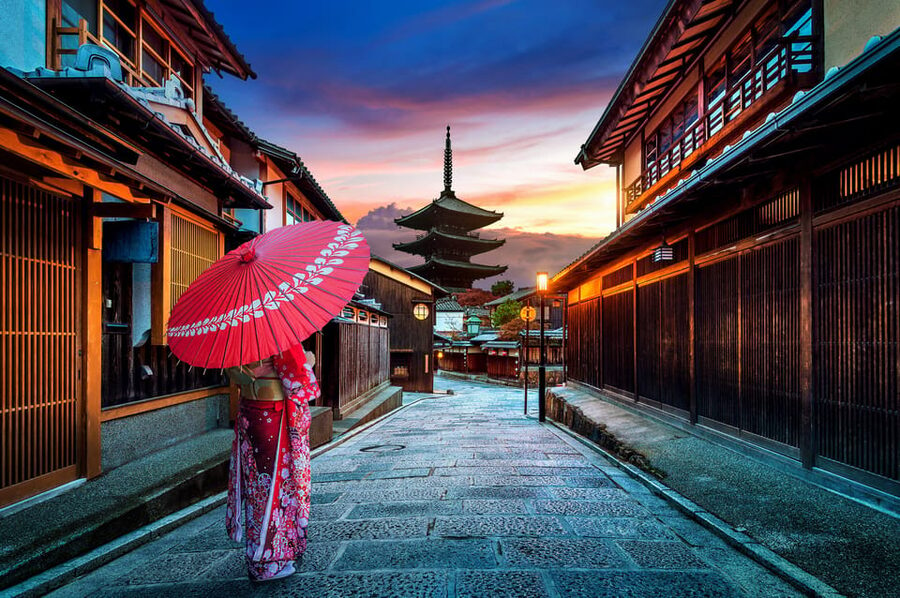
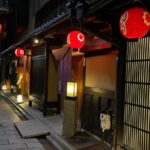
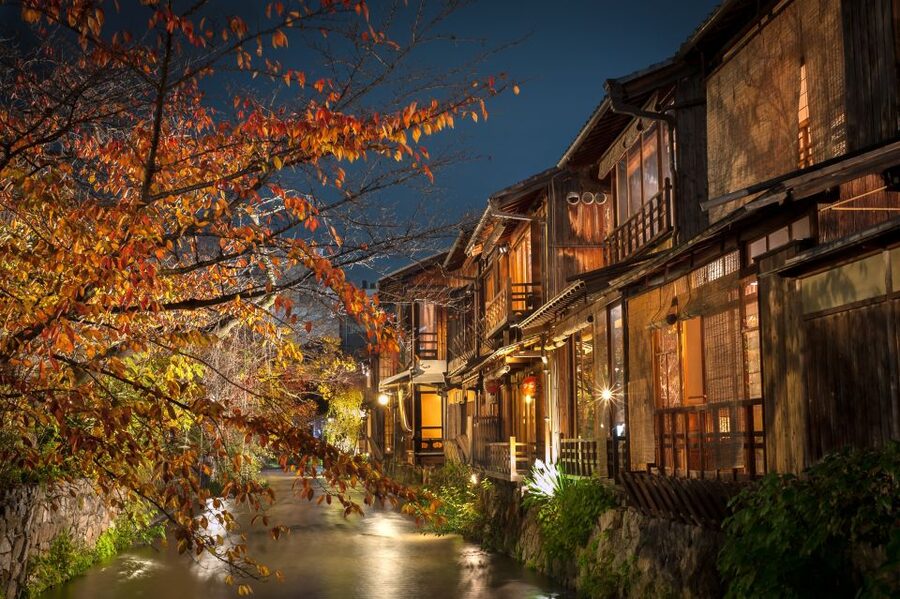
If you’ve only seen Gion in daylight, night can feel like a different neighborhood. The big difference is mood. As the evening sets in, lanterns and warm light make the streets look older and more intimate, and the side lanes between buildings feel like they belong to Kyoto’s daily life, not just postcard photos.
This tour is built for that shift. You’ll get guided structure for the highlights, but you’re still walking the district at a pace that lets you notice details: the way people enter small eateries, the contrast between main streets and quieter backstreets, and the rhythm of shrine-area crowds moving in waves.
You’re also getting more than a checklist. A strong guide helps you understand what you’re seeing. In the best versions of this tour, guides (like Jasmine and Raphael, based on how they’re described) focus on culture and practical context, not just names on signs. That turns Gion from pretty scenery into a place with meaning.
The 3-hour walk from Kyoto Kawaramachi Garden to Sanjo Bridge
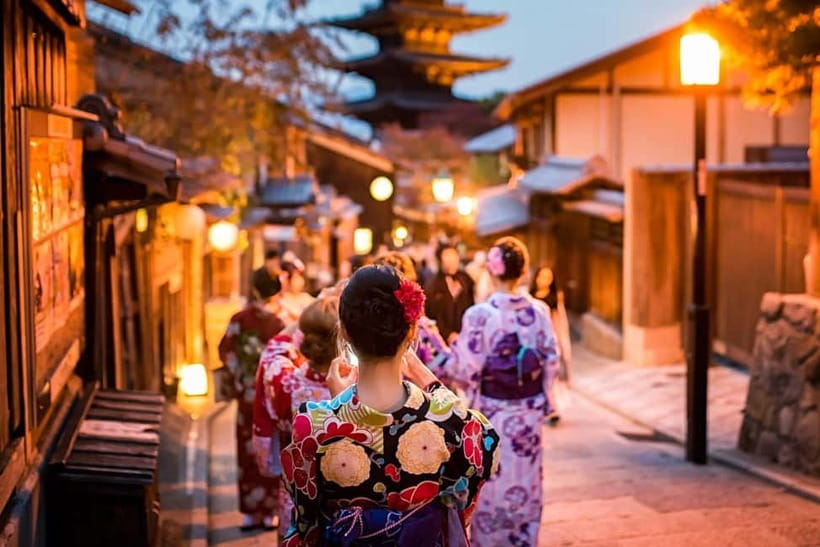
The whole thing is short on purpose: about three hours, with stops that keep your attention and your legs in sync.
You start at Kyoto Kawaramachi Garden corner, in front of the big black world map. Your guide waits there wearing a TripGuru shirt or holding a TripGuru sign, so you should be able to find them without playing detective.
From there, the route moves through Gion in a way that makes sense geographically. You’ll pass by Kyoto Minami-za for about 10 minutes, then spend time on major photo-and-story stops like Hanamikoji Street. After that, you get a couple of scenic segments, a park moment, and then Yasaka Shrine. The snack stop comes later, so you’re walking first and then refueling.
You’ll also reach Pontocho near the end. This area is famous for its lantern mood and narrow-lane feel. The tour finishes around Sanjo Bridge and, according to the activity details, returns you back to the meeting area zone—so you’re not stranded across town.
Important timing note: your guide only waits up to 10 minutes at each step. So arrive early enough that you’re calm, not rushed. Comfortable shoes matter more than you think on this kind of evening walk.
You can also read our reviews of more walking tours in Kyoto
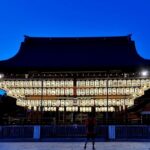
Hanamikoji Street and Kyoto Minami-za: the main stage, explained well
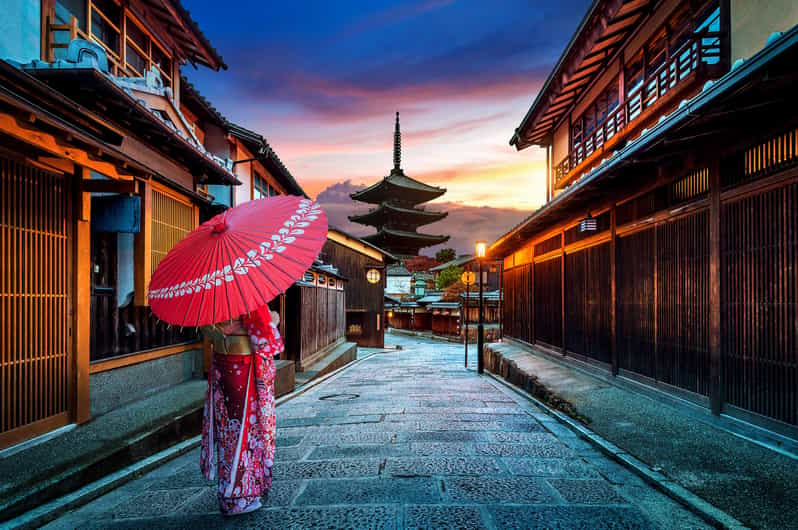
Hanamikoji Street is the star of the show for a reason. It’s one of the best-preserved historic streets in the area, and at night it looks extra elegant. On this tour, you don’t just walk through it. You’re there with guided time, so your guide can point out what makes the street special—like how the buildings relate to traditional geisha entertainment life, and why the street feels different from the surrounding modern blocks.
You also pass by Kyoto Minami-za early on. Even though it’s a short “pass by” moment, it helps anchor the area in what’s happening culturally. Kyoto isn’t frozen in time, and seeing a theater space in the mix is a quick reminder that traditional districts still function in the present.
One of the best reasons to do this with a guide is that you’ll learn what to look for while you’re still there. Guides like Alex/Alejandro and Raphael are repeatedly described as doing exactly this: giving cultural context in a way you can actually use while walking.
The scenic backstreets between stops: where your photos get better
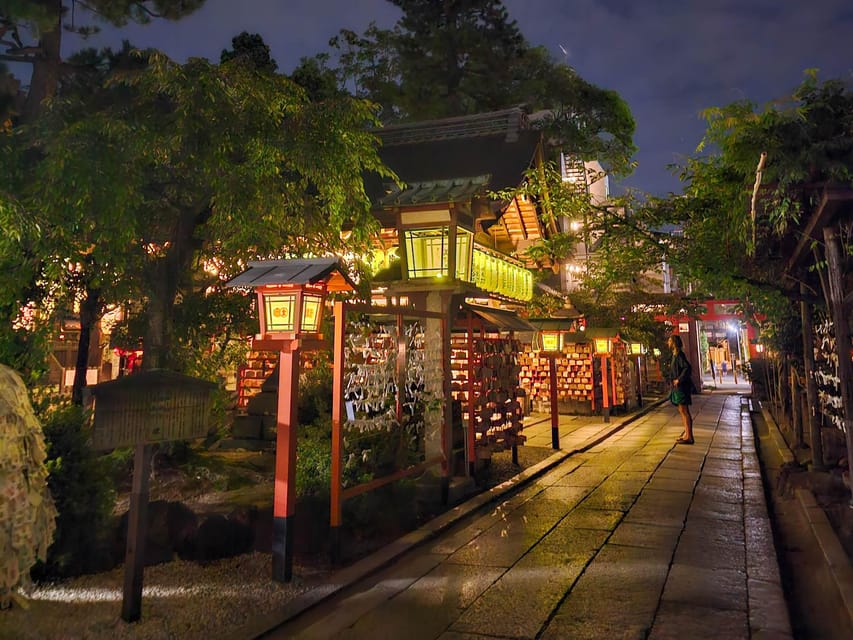
Between the main named spots, the tour includes longer guided and sightseeing segments with scenic views on the way. One section is listed as a 30-minute stop, and later another scenic stretch is about 25 minutes.
Why that matters: those in-between lanes are often where the “how did this look so perfect?” photos happen. If you walk Gion on your own, you can accidentally spend your best light hunting for the next landmark. A planned route keeps you moving so you hit the right streets without wasting time doubling back.
These scenic segments also help you understand orientation. You start to get a mental map of where broad views open up, where the streets narrow, and how the district’s layout funnels people toward the shrine and evening food areas.
Keep your camera handy, but also remember the tour pace is part of the experience. Stop and shoot, then move on. The street has a flow—catch the moment, don’t trap yourself.
Maruyama Park: a short breather that makes Yasaka feel closer
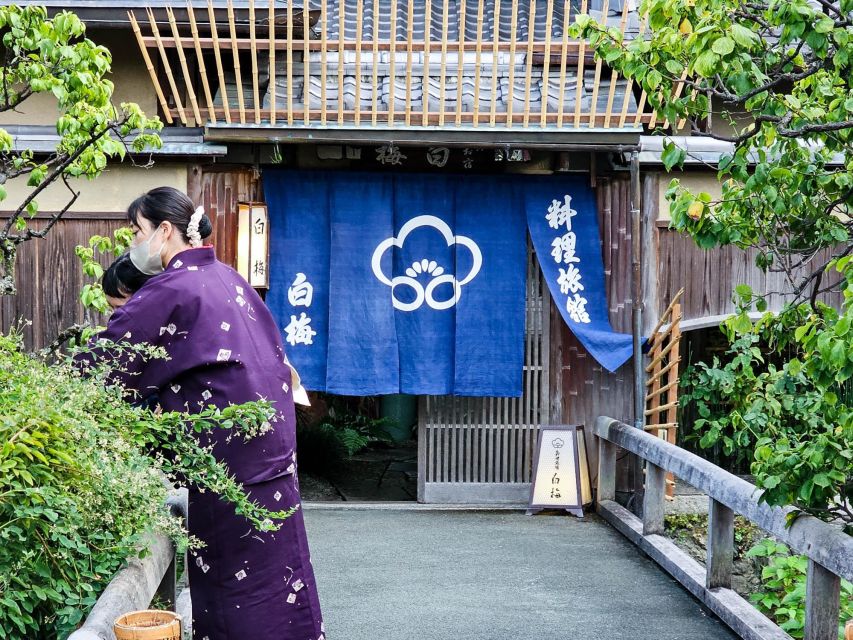
Maruyama Park is a quick stop (about 15 minutes), but it plays a practical role. It’s the pause that breaks up the walking so you can reset your eyes before the shrine area.
This matters if you’re traveling with jet lag or if you just want a tour that doesn’t feel like nonstop marching. In the cold seasons, some guides have added a warmth-focused break, and at least one description mentions a tea break and matcha. Even if your exact stop varies, the idea is consistent: you get a moment to cool down or recharge before the next “big” cultural stop.
At this point, you’ll also be in better position to appreciate why Yasaka Shrine is the heart of the area’s evening atmosphere. From the park area, the shrine zone feels less like a single destination and more like the center of how people move through Gion.
Yasaka Shrine (Gion Shrine): tradition you can feel in your feet
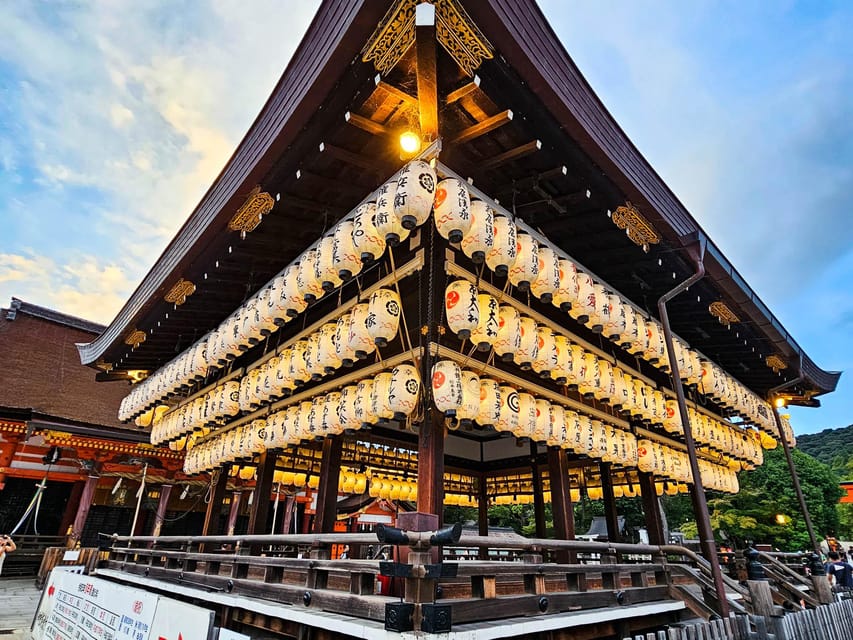
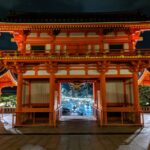
Yasaka Shrine is one of those Kyoto places where your first impression isn’t architecture—it’s energy. People gather, light reflects off surfaces, and the area has its own tempo. On this tour, you spend about 20 minutes at the shrine with guided sightseeing.
A good guide makes this stop click. You’ll hear about customs and the meanings connected to the space, and you’ll get pointed toward key features so you’re not just taking quick photos and leaving.
Also, shrine timing can make your experience better or busier. Because this is a short, guided group walk, you generally won’t spend time wandering aimlessly if the crowd pattern shifts. The guide helps you keep moving in the right direction.
And this is where photo behavior becomes important. If you want pictures of geiko or maiko in the district, Yasaka’s area is the kind of place where you might encounter them. The tour materials stress respectful behavior: keep distance, don’t interrupt daily life, and if they come close, step out of their path, smile, bow briefly, and thank them. Use a longer lens rather than moving in.
You can also read our reviews of more evening experiences in Kyoto
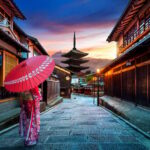
Pontocho’s lantern lanes plus the snack stop that keeps you walking
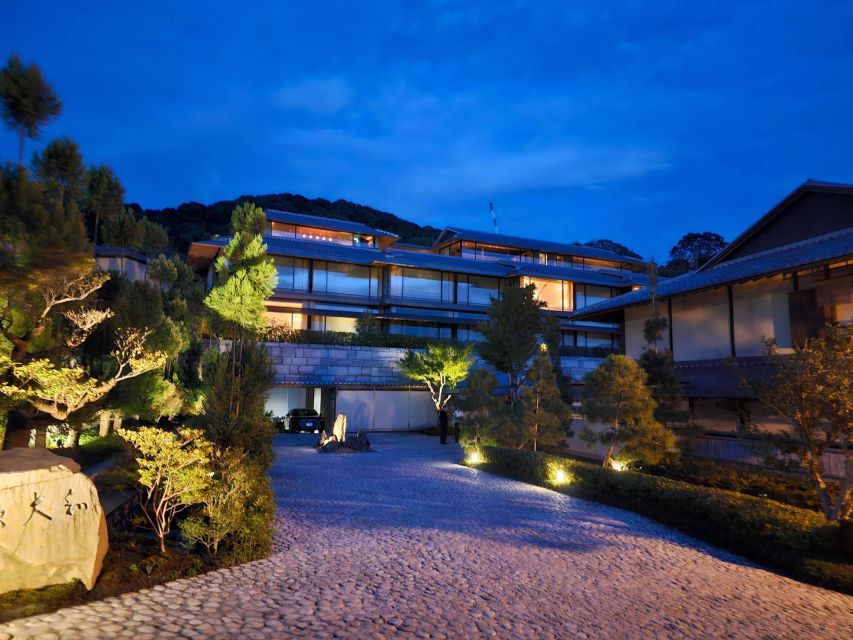
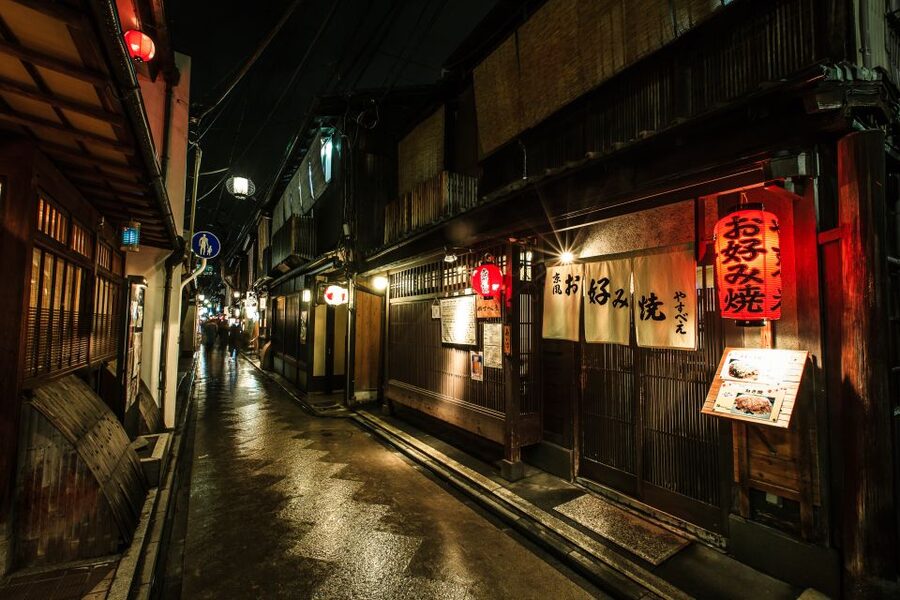
After Yasaka, the route brings you toward Pontocho, a classic evening hangout area with narrow lanes and a lantern vibe. You get about 20 minutes there with guided sightseeing.
This is where Gion’s night personality really shows. Pontocho’s look is different from the wider streets: more alley-like, more intimate, more “you could be part of the scene” if you keep your eyes open.
Then comes the local snack stop (about 20 minutes). The tour includes a snack, and a major value point here is that you’re not left with the decision fatigue of figuring out where to eat while walking. Your guide handles the timing, and you get a break built into the itinerary.
Some descriptions mention matcha specifically, including matcha desserts served during a café-style stop. If you’re a matcha fan, that’s a nice bonus. And because cash is recommended, it’s smart to bring some yen in case you want add-ons. One mention includes other food options up to 1000¥, which suggests you may have the chance to pay for extra bites beyond the included snack.
Geiko and maiko photos: how to get shots without being a nuisance
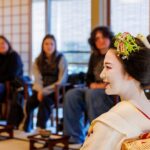
You might catch a glimpse of a geiko or maiko during the evening walk, but it’s not guaranteed. That’s the honest part. The useful part is how to behave when you see them.
Here’s the approach your guide materials recommend, and it’s the one that keeps the moment respectful and smooth:
- Keep your distance and avoid stepping in front of their path
- Don’t interrupt or crowd for photos
- Use a longer lens if you have one
- If they come close, step aside, smile, do a quick bow, and thank them
This also affects your photography in a practical way. If you’re trying to “hunt” someone down, you’ll end up taking worse photos and annoying people along the way. If you treat sightings like a bonus, you’ll naturally frame better shots and maintain good street etiquette.
Guides like Vincent and Katz are described as predicting where sightings might happen, which can help your timing. Still, the key is you’re staying respectful either way.
Group size, pace, and what to wear in Kyoto evenings
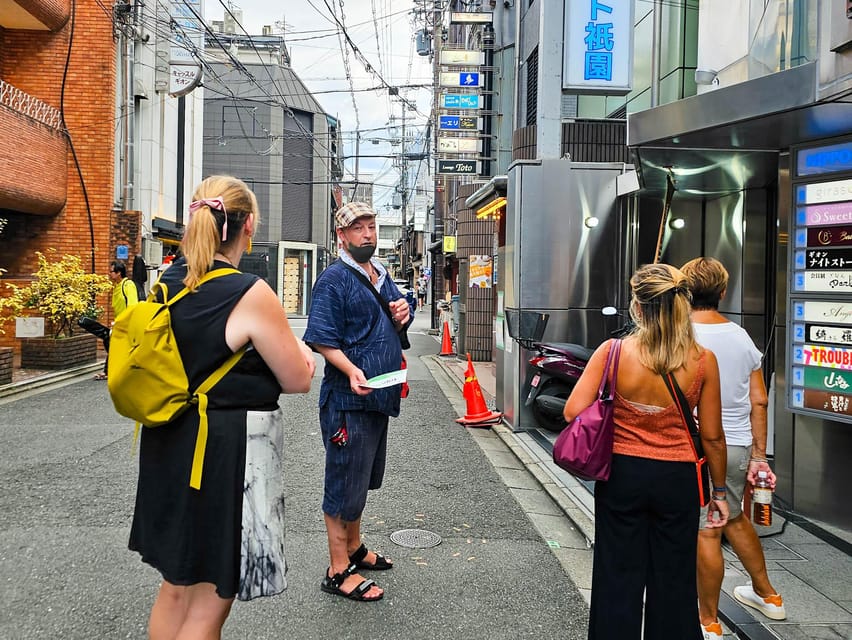
This is a small-group tour, limited to 9 participants. That size is a sweet spot. You don’t get the herd feeling of big group tours, and you can actually hear your guide. It also makes it easier to pause for photos without blocking everyone behind you.
The tour is about three hours of walking with stops, so plan for constant motion with short breaks. Comfortable shoes aren’t optional. Even if it feels like “just strolling,” the evening surfaces and uneven paving in older districts can add up.
The tour isn’t suitable for:
- Pregnant women
- People with mobility impairments
- People with heart problems
- People with respiratory issues
If any of those apply to you, you’ll be safer choosing a different format with less walking time.
If you’re generally healthy and mobile, it’s a very manageable length. You’ll see a lot of Gion’s layout in a short window, without spending your whole evening reading maps.
Price and logistics: is $46 a good deal?
At $46 per person for about three hours, the value comes from three places:
First, you get an English-speaking guide (and also French and Spanish options). That’s the part that turns Gion into a story you can follow.
Second, you get a guided route that strings together major and supporting locations—Hanamikoji Street, Maruyama Park, Yasaka Shrine, Pontocho—plus scenic stretches. That route planning matters more in Kyoto than in many cities, because neighborhoods don’t always align with obvious “tourist squares.”
Third, you get a snack included. It’s not a full meal, but it offsets the “I need food right now” problem that hits during evening sightseeing.
What’s not included is also important. There’s no hotel pickup or drop-off, so you need to get to Kyoto Kawaramachi Garden yourself. Also, meals and other drinks aren’t included. Bring cash for the snack stop and for any extras you choose.
If you’re trying to make the most of your first evening in Kyoto, or you only have a couple hours and want something structured, this price is fairly on target for what you get: guide time, a focused route, and food support.
Who should book this tour, and who should skip it
I’d recommend it if:
- You want Gion’s night atmosphere with context, not just photos
- You like small groups and real interaction with a guide
- You’re short on time and want a tight, well-paced route
- You enjoy cultural explanations around traditions and etiquette
Skip it if:
- You can’t handle steady walking or uneven surfaces
- You need a fully accessible itinerary
- You’re looking for a guaranteed geiko/maiko sighting (it’s not guaranteed)
If you’re the type who likes to ask questions—about religion, architecture, geisha customs, or everyday life—this style of tour tends to reward you.
Should you book the Kyoto Gion Night or Morning Walking Tour with local snacks?
Book it if your goal is a high-quality evening introduction to Gion in about three hours. The included guide, small group size, and snack stop make it feel designed rather than improvised. Plus, guides such as Jasmine, Raphael, and Nobumasa Miyake are repeatedly described as friendly, engaging, and strong on cultural storytelling, which is exactly what you want in a district that’s easy to misunderstand.
Don’t book it if you’re hoping for a low-effort, sit-and-watch experience. This is walking, and the experience depends on moving through the streets at the right time of day.
If you can arrive a little early, wear good shoes, and treat possible geiko/maiko sightings with respect, you’ll likely come away with a better sense of how Gion actually works—beyond the surface photos.
FAQ
How long is the tour?
The tour lasts about 3 hours.
Where do I meet the guide?
Meet at Kyoto Kawaramachi Garden corner, in front of the big black world map. The guide will be holding a TripGuru sign or wearing a TripGuru shirt.
What does the tour include?
You get an English-speaking tour guide (also French and Spanish options), a walking tour, and a snack.
Do I get hotel pickup or drop-off?
No. Hotel pickup and drop-off are not included.
Is geiko or maiko viewing guaranteed?
No. You might catch a glimpse, but it’s not guaranteed.
What should I bring?
Wear comfortable shoes and bring a camera. Cash is also recommended.
How big is the group?
The tour is limited to a small group of no more than 9 participants.
Is the tour suitable for people with mobility impairments?
No, it is not suitable for people with mobility impairments.
What if I’m late to the meeting point?
Be at the meeting point at least 10 minutes early. The guide will only wait a maximum of 10 minutes before moving to the next stop.
Are refunds available if I cancel?
You can cancel up to 24 hours in advance for a full refund.