Gion changes when you know the backstory. This Kyoto geisha walking tour is built for seeing Gion with fresh eyes: cobblestone lanes, teahouses, and the chance to spot Geiko and Maiko headed to appointments. Add temple stops and a few off-the-path corners, and you get more than photos, you get context.
Two things I love are how the guide explains Kyoto geisha culture (its origins and why it matters in modern Kyoto) and how each stop feels purposeful rather than random. One consideration: you’re walking the district and sightings are up to timing, so go for learning and atmosphere first, and dress for the weather.
In This Review
- Key moments you’ll care about
- Gion, Geisha Culture, and why this walk feels different
- Meeting point by Hotel Alza Kyoto: start easy, not stressful
- What you see first: teahouses, machiya townhouses, and the Gion look
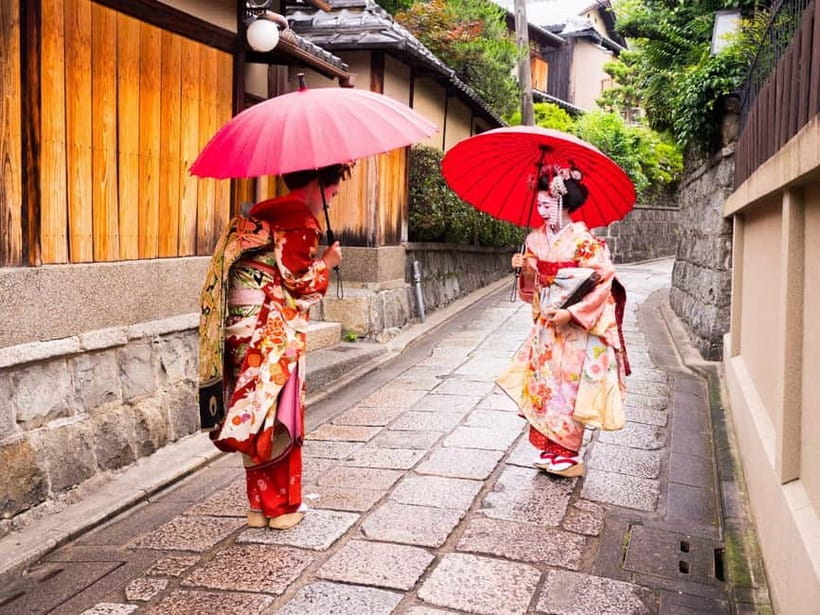
- Spotting Geiko and Maiko: what to watch for and how to act respectfully
- Hōkan-ji Pagoda and Kennin-ji Temple: heritage stops that add meaning
- Chion-in Temple: the “often overlooked” national treasures stop
- Off-the-beaten-path photo stops and the lantern-lit timing
- The guide experience: stories, humor, and practical recommendations
- Price and value: why $25 for 2 hours works in Kyoto
- Who this Kyoto geisha walking tour suits best (and who should skip)
- Quick practical tips for the best experience
- FAQ
- How long is the Kyoto Gion geisha walking tour?
- How much does the tour cost?
- Where do we meet for the tour?
- Will the tour be in English?
- What can I see during the walk?
- Are there places to take photos?
- Which temples or landmarks are included?
- Is the tour wheelchair accessible?
- Can I pay later and cancel if plans change?
- Should you book this Kyoto Geisha Walking Tour?
Key moments you’ll care about
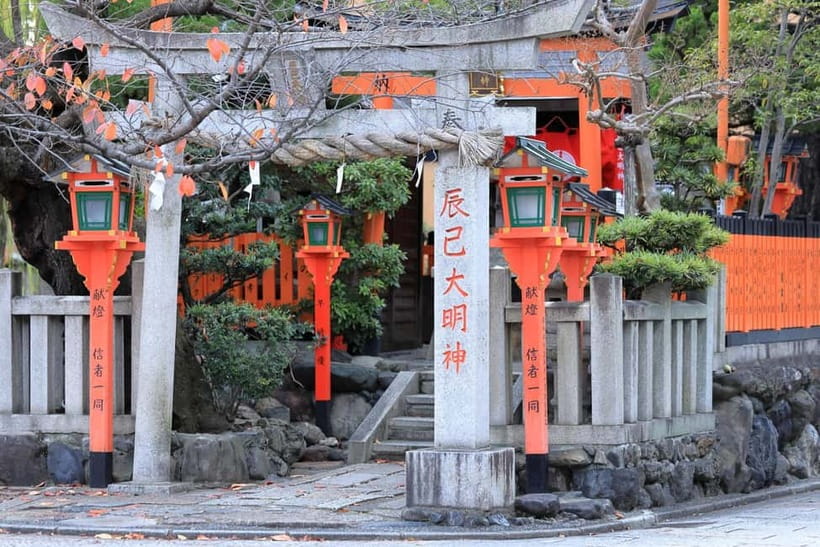
- Geiko and Maiko on appointment routes: your guide points out what to watch for as they move through Gion
- Temple-and-pagoda context in one walk: stops include Hōkan-ji Pagoda, Kennin-ji Temple, and Chion-in
- Quiet streets plus preserved machiya: you’ll pass beautifully kept townhouses and lesser-seen side streets
- Off-the-beaten-path photo help: you get specific photo opportunities, not just general sightseeing
- Practical guide time + post-tour recommendations: you leave with a tried-and-trusted list for food, bars, shops, and more
Gion, Geisha Culture, and why this walk feels different
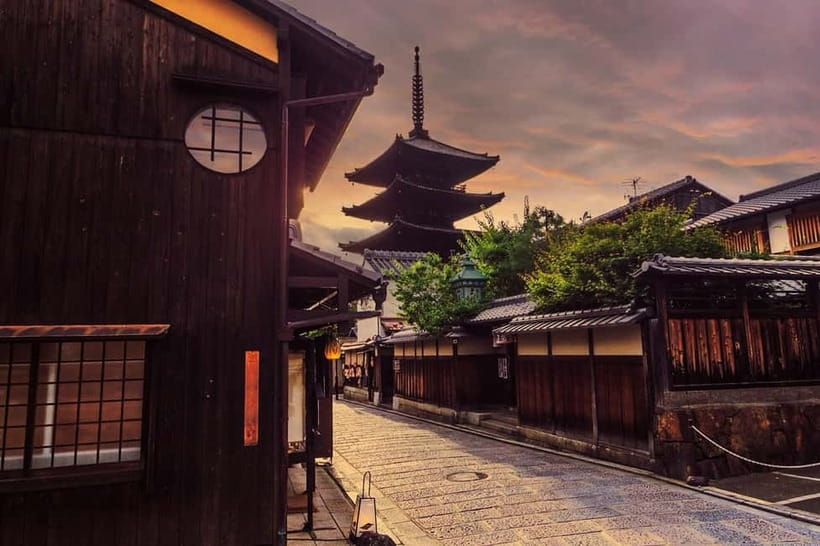
Gion is one of those Kyoto districts where you can wander for hours and still miss what you’re actually looking at. This tour helps you connect the dots. You learn why the district is shaped the way it is, how geisha culture grew in Kyoto, and how it fits into today’s city.
I like that it isn’t just costumes and street scenes. You also get history tied to real places: temples, architecture, and the streets where tradition still shows itself. If you’re the type who likes to understand what you’re seeing as you see it, this format works.
You also get a friendly, question-friendly guide experience. Many guests highlight guides who answer questions clearly and make the walk feel relaxed, with a comfortable pace and time to interact.
You can also read our reviews of more walking tours in Kyoto

Meeting point by Hotel Alza Kyoto: start easy, not stressful
To keep your morning or evening low-stress, you’ll want to find the meeting spot quickly. The meeting point is on a side street next to Hotel Alza Kyoto. Look for the red parasol with marble seats underneath.
That detail matters more than it sounds. In Gion, side streets can look similar from a distance, so having a clear landmark helps you start on time and avoid that end-of-trip scramble.
The tour is in English with a live guide, and it runs about 2 hours. That’s a sweet spot: long enough to feel like you covered real ground, short enough that you can still plan dinner right after.
What you see first: teahouses, machiya townhouses, and the Gion look
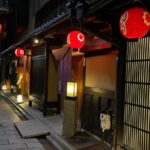
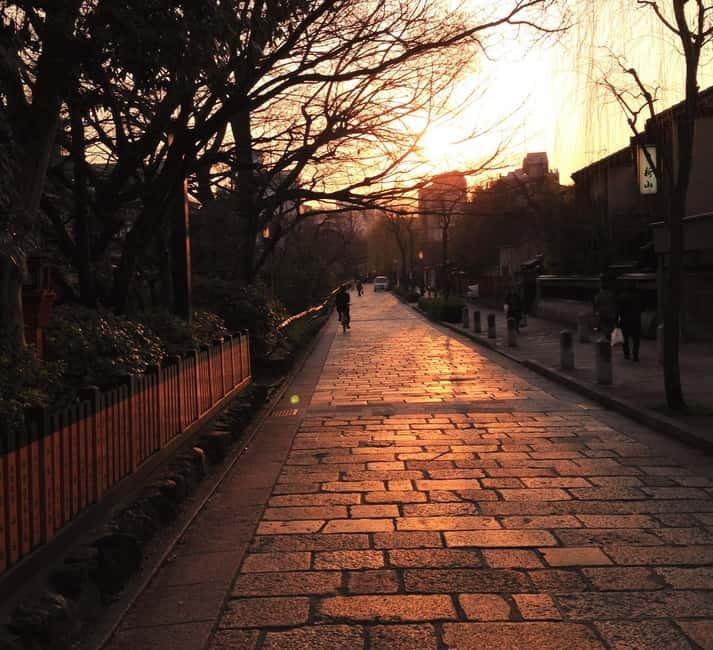
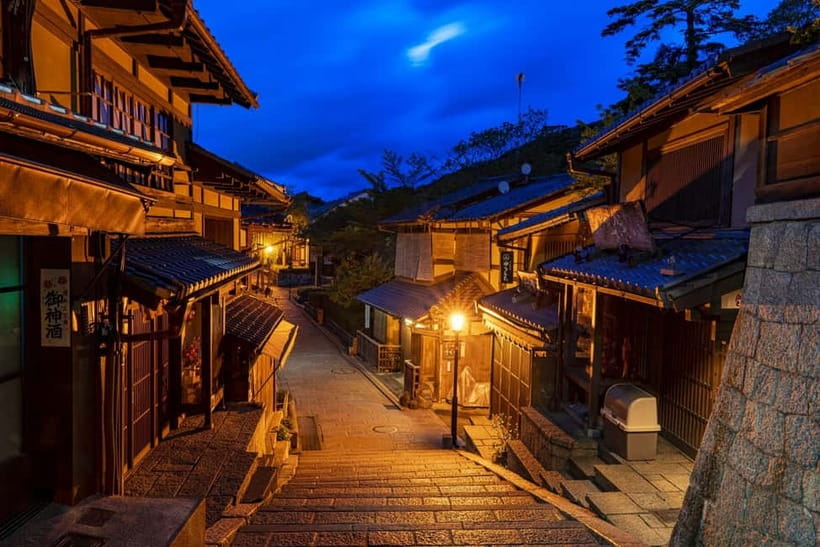
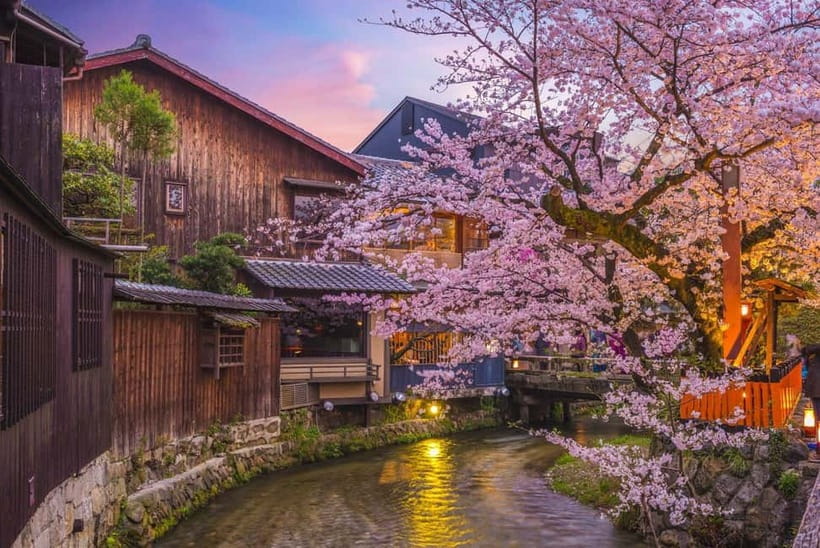
The heart of the experience is a walk through Gion’s historic district, where teahouses and older Kyoto architecture shape the scenery. You’ll follow cobblestone streets lined with classic building fronts, and you’ll also pass preserved machiya townhouses that show what neighborhood life looked like in earlier eras.
You’ll hear how teahouses connect to geisha life. The tour includes stops where you’ll learn about the kind of private performances geisha are known for—particularly the exclusive events associated with wealthy clientele. Even if you don’t enter any performance space, you’ll understand what those buildings represent and why they’re part of Gion’s identity.
Along the way, you’ll also spot smaller, boutique-style souvenir shops. I like that this isn’t only temples and big landmarks; you get the full street-level feel of the district.
Spotting Geiko and Maiko: what to watch for and how to act respectfully
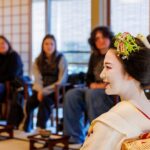
This is the main reason many people book: the chance to see Geiko and Maiko as they head to appointments. Your guide also gives you cultural context so you understand what you’re seeing, not just that you saw something pretty.
Here’s how to think about it: sightings depend on schedules. So I’d treat it like a bonus, not a guarantee. One guest noted they weren’t lucky enough to spot geisha, which is a reminder to prioritize learning and atmosphere even if you don’t get a perfect sighting.
When you do see them, keep it simple and respectful. Don’t crowd, don’t block the path, and don’t call out. If you’re taking photos, be mindful of space and angle. This is one of those situations where good travel manners are part of the experience.
Your guide also helps you notice the difference between geiko and maiko by explaining their role and place in Kyoto’s tradition. That makes the moment feel more real and less like a random street sight.
Hōkan-ji Pagoda and Kennin-ji Temple: heritage stops that add meaning
A big part of the value here is that your walk connects Gion street scenes to Kyoto’s broader cultural backbone.
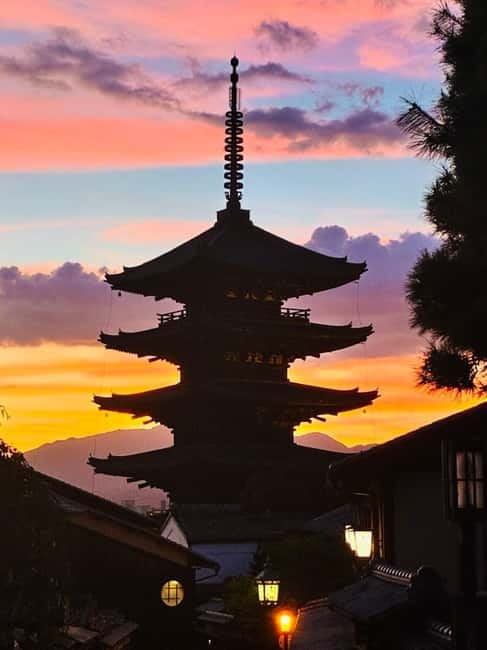
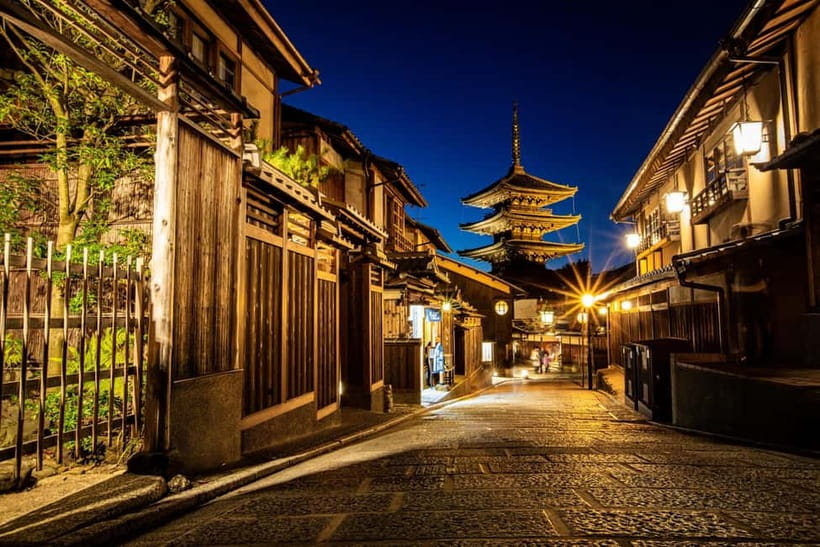
You’ll see the Hōkan-ji Pagoda, described as a symbol of Kyoto’s cultural heritage. Even if you’ve seen pagodas in other places, this stop helps you interpret why certain structures feel so central to Kyoto’s identity.
Then you’ll head to Kennin-ji Temple, noted as the oldest Zen temple in the city. This is where the mood can shift from lively streets to calmer grounds. I like that it gives your brain a rest: you walk, you observe, you learn, and then you get a quieter moment to absorb the setting.
If you’re the kind of visitor who likes to understand religion and art without getting lost in academic detail, these stops are a good match. They’re meaningful, but they’re still part of a walk you can handle in 2 hours.


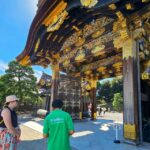
Chion-in Temple: the “often overlooked” national treasures stop
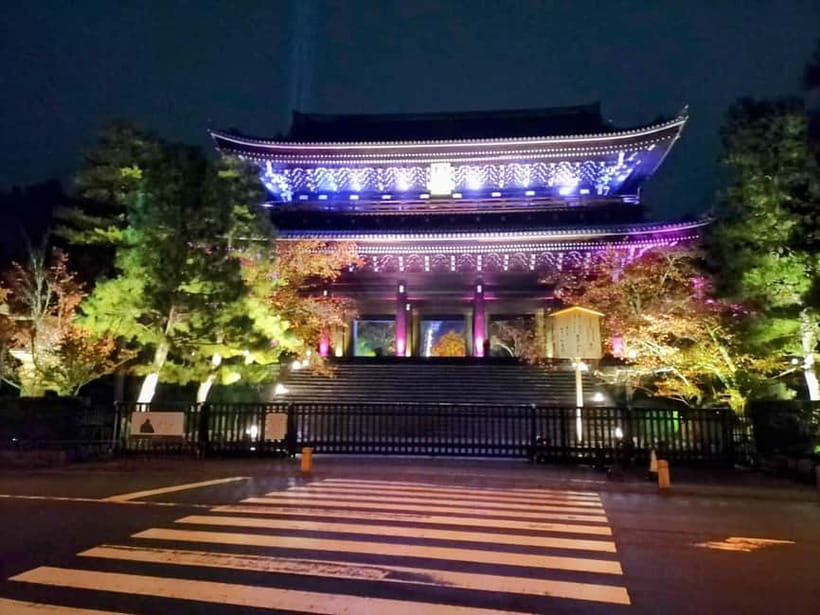
If you want a lesser-visited highlight, Chion-in Temple is built into the route for a reason. The tour calls it an often overlooked stop, and it’s home to three designated national treasures within the larger temple grounds.
That phrasing matters. National treasures can sound abstract, but hearing it tied to a specific place helps you understand why the grounds deserve time. You’re not just ticking a box; you’re learning what makes this temple special in Japan’s preservation story.
Chion-in also works as a contrast to the Gion street vibe. It’s still Kyoto and it still carries tradition, but in a different emotional register. Expect serenity and a visual shift that makes the walk feel varied rather than repetitive.
Off-the-beaten-path photo stops and the lantern-lit timing
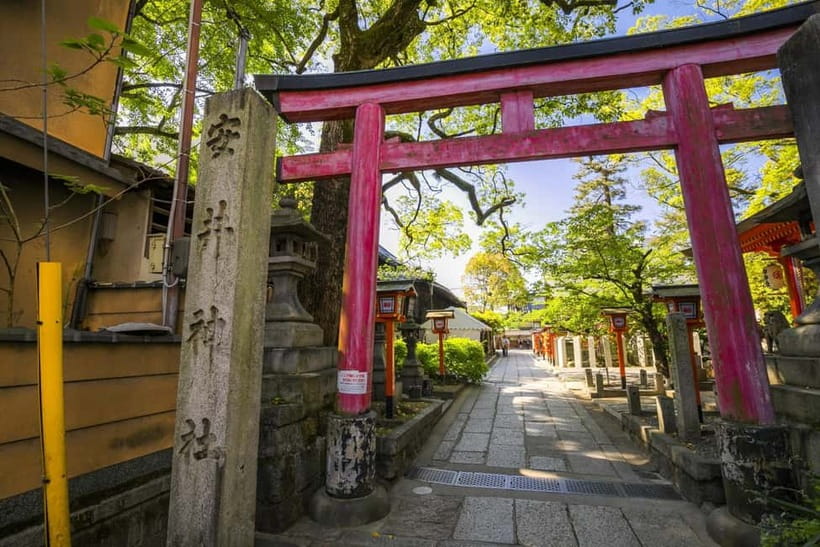
The tour includes photo opportunities at off-the-beaten-path locations along the way. That’s more valuable than it sounds because Gion’s best angles are often on small lanes where you need either local knowledge or a guide who knows when the light hits.
Timing is another key piece. The tour description specifically notes that as evening falls, Gion becomes more magical with lantern-lit streets. One practical hint from real guest experiences: a time slot around 6pm has been seen as a good window because the area can feel quieter and more open for photos and questions.
Even if you don’t catch perfect geisha sightings, you can still leave with strong images because the lighting and the side streets do the work. And since your guide helps you plan photo stops, you’re less likely to end up shooting the same postcard corner everyone else uses.
Also keep your pace in mind. One guest praised the tour pace as comfortable and never rushed. That matters in Gion because if you’re sprinting, you miss the details your guide is trying to point out.
The guide experience: stories, humor, and practical recommendations
This tour’s strength is the people piece. Many guests specifically praise guides like Michael, describing him as friendly, funny, and clear. Other guides named in recent bookings include Yuri, Anton, Ikuro, and Hiroko, with consistent feedback that they explain the history and architecture in a way that’s easy to follow.
You’ll also find value in how the guide handles questions. Multiple reviews highlight Q&A that goes beyond the route, with answers that connect Kyoto’s past and present. That turns a simple walk into something closer to a personal lesson plan.
Then you get a bonus: a full list of the guide’s tried-and-trusted recommendations. The tour explicitly says you’ll receive suggestions for restaurants, bars, shops, and places to visit for the rest of your trip. I love this kind of add-on because it saves you the guesswork of searching after a busy day.
Price and value: why $25 for 2 hours works in Kyoto
At $25 per person for about 2 hours, this is strong value if you want a guided introduction rather than a deep multi-day commitment. You’re paying for more than walking through Gion: you’re paying for context at real sites, including major temple stops like Kennin-ji and Chion-in.
You’re also getting:
- a chance to spot Geiko/Maiko on appointment routes
- multiple meaningful stops (pagoda and two key temples)
- photo help at specific off-the-path spots
- a guide-led history story about geisha culture’s origins and its role today
- recommendations for what to do next
In Kyoto, where self-guided sightseeing can be beautiful but confusing, that guide time can easily pay off. If you already know Kyoto’s geography, you might still benefit from the cultural explanations. If you’re brand-new to geisha culture, this is a very efficient start.
Who this Kyoto geisha walking tour suits best (and who should skip)
This tour is a good fit if you:
- want a first introduction to Gion and geisha culture
- like walking tours with real stops, not just street scenery
- want photo-friendly guidance and an easy route length
- enjoy getting recommendations for where to eat and explore afterward
It’s not a good fit if you have mobility limitations. The activity notes it is not suitable for people with mobility impairments or wheelchair users. It’s also built around a walking pace, so if you prefer minimal walking, look for another option.
If you’re traveling with kids, you might still enjoy it, since guides are described as engaging and some reviews mention good performance for families. Just keep expectations realistic: you’re seeing Kyoto’s culture in motion, not sitting in a museum for long explanations.
Quick practical tips for the best experience
- Wear layers. One guest mentioned it was freezing cold, and you’ll be outside for the full walk.
- Bring a camera or phone with a charged battery. The tour emphasizes photo stops.
- Go in with a learning mindset, not only a sighting hunt. Geiko and Maiko spotting depends on timing.
- If you can, choose a later slot around 6pm for the lantern-light atmosphere and a calmer feel in the streets.
FAQ
How long is the Kyoto Gion geisha walking tour?
The tour lasts 2 hours.
How much does the tour cost?
The price is $25 per person.
Where do we meet for the tour?
Meet on a side street next to Hotel Alza Kyoto, and look for the red parasol/umbrellas with marble seats underneath.
Will the tour be in English?
Yes, the tour is guided in English.
What can I see during the walk?
You’ll tour the Gion district, learn about geisha culture, and have an opportunity to spot Geiko and Maiko as they make their way to appointments.
Are there places to take photos?
Yes. The tour includes opportunities to take stunning photos at off-the-beaten-path locations along the way.
Which temples or landmarks are included?
The route includes stops such as Hōkan-ji Pagoda, Kennin-ji Temple (described as the oldest Zen temple in Kyoto), and Chion-in Temple (home to three designated national treasures).
Is the tour wheelchair accessible?
No. The tour is listed as not suitable for people with mobility impairments and wheelchair users.
Can I pay later and cancel if plans change?
You can reserve now & pay later, and there is free cancellation up to 24 hours in advance for a full refund.
Should you book this Kyoto Geisha Walking Tour?
If your goal is a smart, efficient introduction to Gion, I’d book it. For $25 and 2 hours, you get guided context at multiple meaningful sites, a real chance to see Geiko and Maiko, and a helpful list of where to go next in Kyoto.
Book especially if you want your geisha culture questions answered while you’re still standing in the places that shaped it. Skip it only if you can’t do a walking tour or you need full accessibility support, since it isn’t designed for wheelchair users or mobility impairments.