REVIEW · KYOTO
Kyoto: Private 2.5 Hour Historical Walking Tour
Book on GetYourGuide →Operated by Enjoy KyotoWalking · Bookable on GetYourGuide
Kyoto’s shrines make sense fast. This private historical walk links the stories behind Yasaka Shrine and Kiyomizu-dera with real stops, clear explanations, and photo-friendly moments along the way. I especially love the Zen temple pause at Entokuin and the way the route still covers the postcard sights without feeling like a checklist. One thing to consider: temple entrances are not included, and the Kiyomizu-dera area can be crowded, so you’ll spend more time walking and navigating than hanging out inside.
What really makes the tour click is the guide’s pacing and the way history gets translated into what you can actually see on-site. I like that guides such as Hisako-san (and other English-speaking guides listed by name in past tours) often show hand-drawn maps and visuals while you walk, so you’re not just hearing facts—you’re building a mental picture. My main caution is simple: this is a walking tour with steps and uneven temple paths, so comfy shoes matter more than you’d think.
In This Review
- Key Highlights You’ll Notice Quickly
- Walking From the Yasaka Shrine West Gate Into Real Kyoto
- Entokuin Zen Temple: Dry Garden Quiet and Traditional Rooms
- Maruyama Park and Nene-no-michi: Follow the Story Between Streets
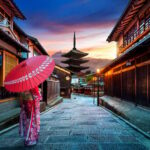
- Yasaka Kōshin-dō and the Pagoda View You’ll Actually Want
- Kiyomizu-dera: The Stage View, Kannon Statues, and Pure Water Rituals
- The Kannon focus and the main hall area
- The Koyasu Pagoda and easy-birth prayers
- Pure water, lines, and the iron stick/clogs challenge
- Price and Value for a Private Group (What Makes It Feel Fair)
- How the Stops Add Up: A Practical Sense of the 2–2.5 Hour Walk
- Who Should Book This Tour (and Who Might Want a Different One)
- Should You Book This Kyoto Historical Walking Tour?
- FAQ
- Where is the meeting point?
- Which train station should I use?
- What if I’m coming by bus?
- How long is the tour?
- Is this a private tour?
- Is the guide included?
- Are temple admission fees included?
- What should I bring?
- Where does the tour end?
- What cancellation window is offered?
Key Highlights You’ll Notice Quickly
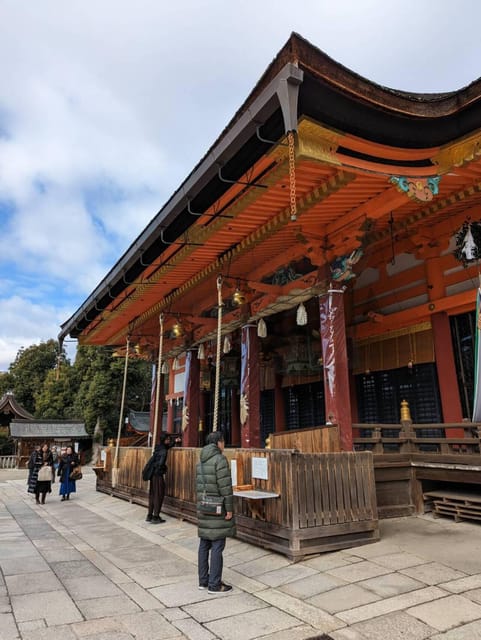
- Yasaka Shrine worship basics so you know what you’re looking at when you arrive
- Entokuin’s Zen dry-garden scenes plus calligraphy-style artwork on sliding doors
- A five-storied pagoda photo moment (Yasaka-no-to) seen from the street
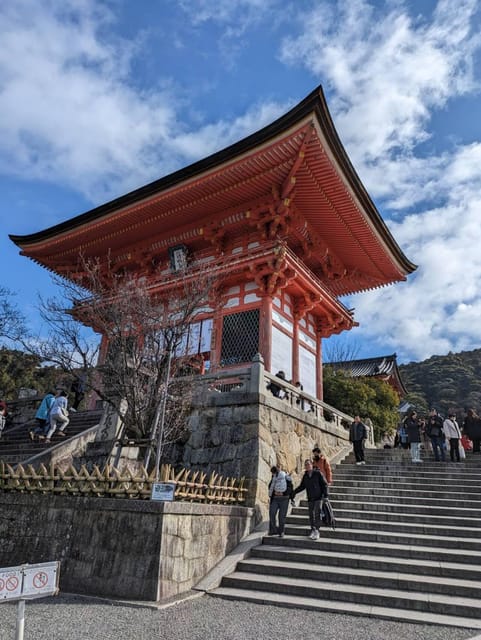
- Scenery from Kiyomizu-dera’s main hall area, including the stage viewpoint
- Pure-water ritual details at Kiyomizu-dera, including how locals use the stream
- Jishu Shrine match-making context that makes the ending feel purposeful
Walking From the Yasaka Shrine West Gate Into Real Kyoto
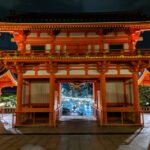
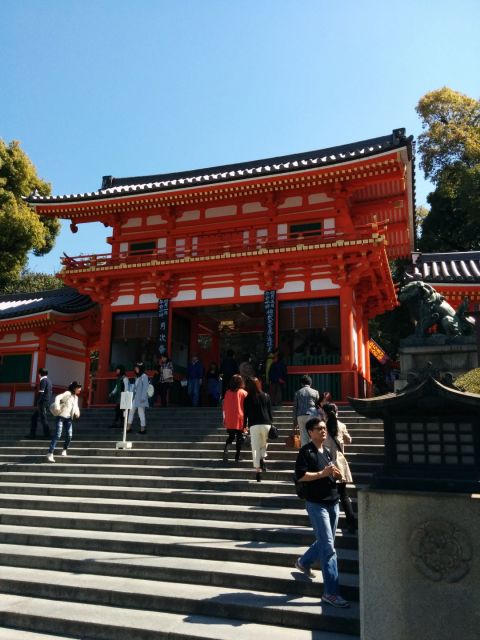
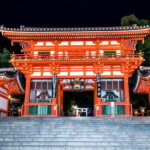
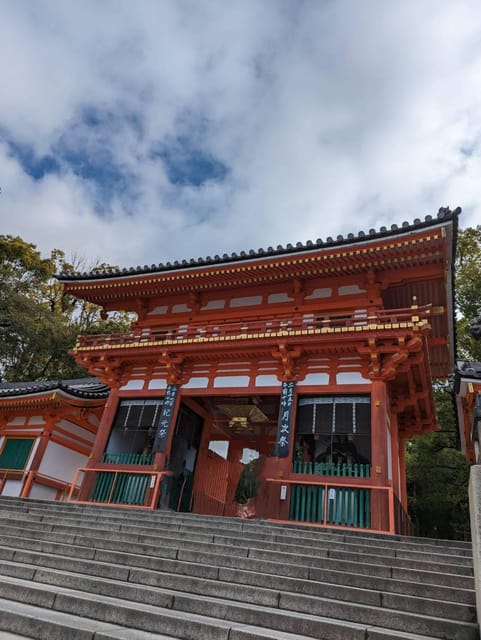
Most Kyoto “history walks” start with big claims. This one starts with orientation—and that’s a big deal on your first day in the city. You meet at the west gate (the red gate) of Yasaka Shrine, where the guide gets you grounded with a map of Kyoto and a short framing of what you’ll see and why it matters.
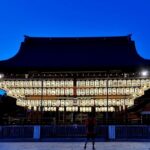
From there, the tour doesn’t rush. You begin with Yasaka Shrine itself, then you move into the daily texture of the Gion area. You’ll get a practical explanation of how people worship at a shrine, which means the rituals you might otherwise skim past start to make sense. That turns these places from scenery into lived culture—something you can carry with you for the rest of your trip.
This opening section also helps you avoid the most common Kyoto mistake: walking through famous spots without understanding the rules, symbols, and timing that shape the experience. If you like seeing how the city works, not just what it looks like, you’ll enjoy this part.
You can also read our reviews of more walking tours in Kyoto
Entokuin Zen Temple: Dry Garden Quiet and Traditional Rooms
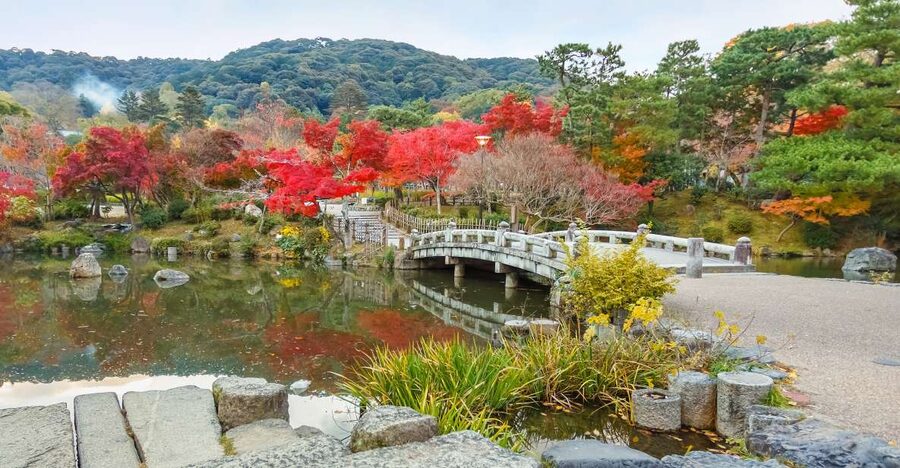
The next major stop is Entokuin, a Zen temple tied to Nene (Nene-no-michi is the street you’ll pass next). The pace here is the opposite of a sprint: plan on a calmer feel and time to take in the atmosphere.
What I love about Entokuin is that it’s not only about viewing a garden. You get to understand how this kind of Zen space is meant to be read—especially the dry garden scenes. The guide also points out details you might miss on your own, including the famous picture depictions on sliding doors in the temple rooms.
You’ll also spend time inside traditional Japanese rooms. That matters because it connects the art to the setting. The rooms aren’t just decorative backdrops; they help you feel the intended mood—quiet, contained, and slow.
Potential drawback: if you’re the type who wants maximum time in one place, the stop is designed to keep the whole route flowing. You’ll get a meaningful visit, but it won’t turn into an all-afternoon temple retreat.
Maruyama Park and Nene-no-michi: Follow the Story Between Streets
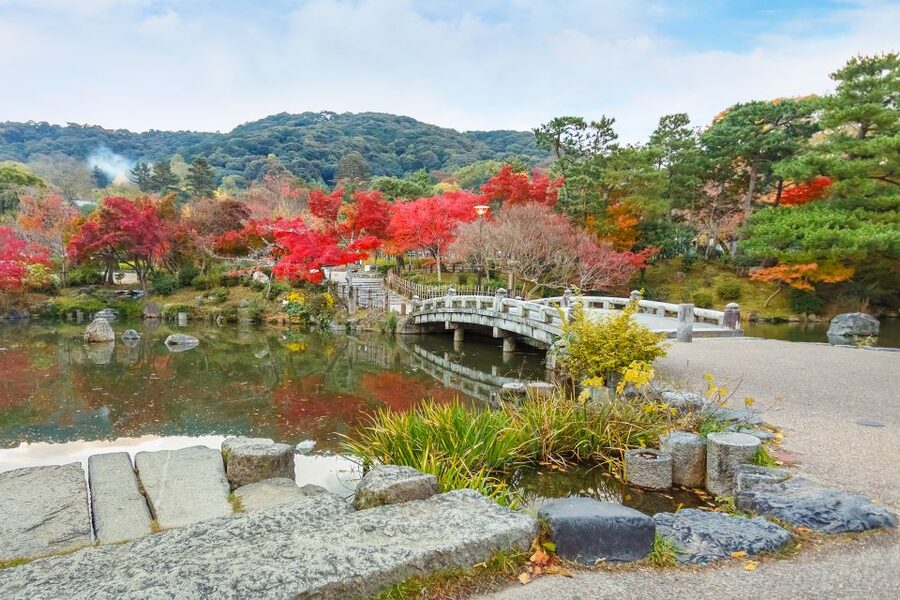
Between Yasaka Shrine and Entokuin, you pass through Maruyama Park and then into Nene-no-michi, a busy street named for Nene, the wife of Toyotomi Hideyoshi (late 16th century). This is where the tour starts linking Kyoto’s political history to the geography you walk through.
On this stretch, the guide’s job isn’t just to tell you a name. It’s to show you how those names survived by living in the street layout and local memory. You’ll learn how Entokuin fits into that connection—so the temple doesn’t feel random, and the street doesn’t feel like just another photo line.
This is also a helpful moment for you to reset your expectations. Kyoto’s top sites can be chaotic, but a good guide helps you read the chaos. Here, you’re learning what you should notice while you’re moving.
Yasaka Kōshin-dō and the Pagoda View You’ll Actually Want
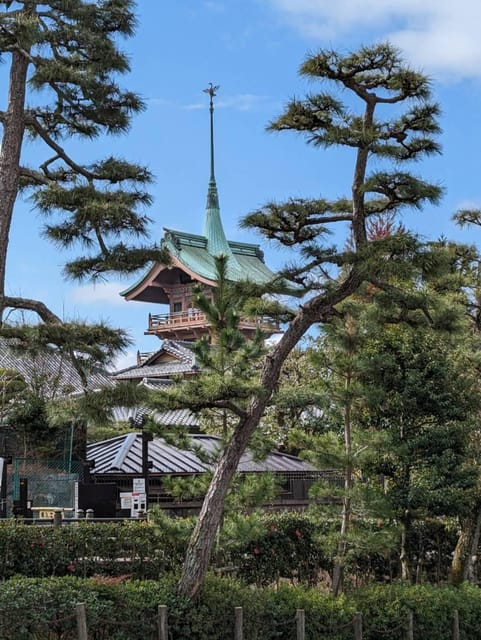
After Entokuin, you continue on foot and reach Yasaka Kōshin-dō Temple. The visit is shorter, so treat it like a context stop: you’re gathering more religious and cultural layers rather than aiming for a long deep stay.
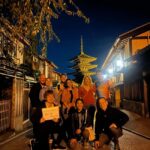
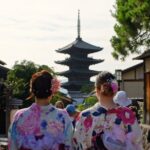
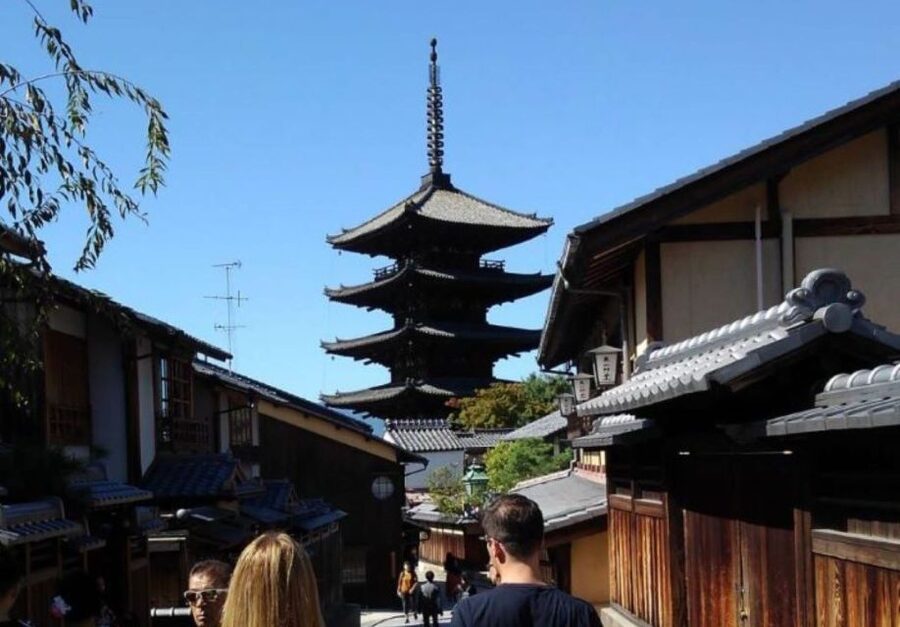
Then comes one of the tour’s most practical highlights: the five-storied pagoda, commonly called Yasaka-no-to (pagoda). You’ll see it close to Koshindo and, importantly, you’ll see it from outside. That sounds like a minor detail, but it’s actually why it works for most people. You’re not waiting around for access. You’re getting a recognizable landmark and a famous photo spot without the hassle of trying to force a perfect angle on a tight timeline.
From there, you’ll head toward your big finale at Kiyomizu-dera. By this point, you’ve already learned how to interpret what you see, so Kiyomizu-dera won’t feel like a total reset.
Kiyomizu-dera: The Stage View, Kannon Statues, and Pure Water Rituals
Kiyomizu-dera is the final destination and, frankly, it’s the stop that makes this tour feel worth your time. It’s one of Kyoto’s most popular temples, originally built in the 8th century, and you’ll feel that popularity the moment you arrive—there’s a steady flow of visitors from all over the world.
You can also read our reviews of more private tours in Kyoto
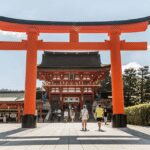
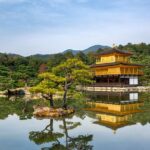
The Kannon focus and the main hall area
The main object of worship is Kannon Bodhisattva. You’ll see Buddhist statues, including Kannon Bodhisattva. The guide helps you connect what you’re seeing to the broader religious meaning, so it’s not just sight-seeing plates lined up in a row.
One of the most memorable details is the wooden stage attached to the main hall. The structure is a wooden structure without nails. That fact alone makes it interesting to look at with your hands-off curiosity—you’re watching craftsmanship and design, not just buildings.
The Koyasu Pagoda and easy-birth prayers
From the stage, the scenery is the payoff: you can see a three-storied pagoda called Koyasu Pagoda—literally a pagoda for easy birth. Women visit and pray for easy birth. Even if you’re not there for a personal ritual, you’ll understand the meaning in seconds because the guide frames it clearly.
Pure water, lines, and the iron stick/clogs challenge
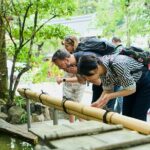
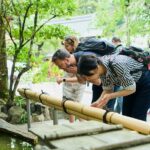
Kiyomizu literally means pure water. Behind the temple, a stream of water runs down and never dries up. You’ll see visitors waiting in line to drink the water, because that act is part of the temple’s lived tradition.
In the precincts, there are iron items donated to the temple: an iron stick and iron clogs. The iron stick is very heavy. The guide encourages you to try lifting it—so you’re not just observing; you’re participating in a small, physical moment of temple culture.
Potential drawback: because this is Kiyomizu, it can be busy. You’ll want to be patient and accept that your best photos may come from timing and small positioning rather than having empty space.
Price and Value for a Private Group (What Makes It Feel Fair)
At $80 per group (up to 5 people), you’re paying for a guide and a paced route—not for entrance fees. That matters for value. If you were trying to piece together the same sequence on your own, you’d spend time figuring out what to look for at each stop, then you’d still miss the “why” behind the places.
Two things help this price make sense:
- It’s private, so the guide can match your pace, and you can ask questions as you go.
- You get context that improves how you see Kyoto on the spot, especially the shrine worship basics and the religious connections between places.
What can change the total day cost: temple admission fees are not included. So if you’re budget-conscious, set aside additional money for entrances once you see which sites charge.
How the Stops Add Up: A Practical Sense of the 2–2.5 Hour Walk
The walking time and visit lengths are balanced to give you variety without dragging you through every corner of Gion and Higashiyama.
You start at Yasaka Shrine’s west gate, walk to Entokuin, then continue through a mix of shrine/temple stops and viewpoints. By the time you reach Kiyomizu-dera, you’ve already built an understanding of how Shinto shrine worship and Zen/Buddhist temple culture show up in daily form. That’s why Kiyomizu-dera feels like more than a final photo stop—it feels like the conclusion of a story you’ve been following.
You should also expect some stair climbing and stone-step navigation in the meeting approach (and around temple areas). If you’re even slightly unsure about your footwear, bring the most comfortable pair you own.
Who Should Book This Tour (and Who Might Want a Different One)
This tour is a great fit if you:
- Want a first-time Kyoto orientation that still includes real temple time
- Like understanding worship customs, not just architecture
- Prefer a private walking pace with room for questions and photos
- Enjoy guides who use visuals and simple explanations to connect history to what you can see
You might think twice if you:
- Want long time inside major halls at Kiyomizu-dera
- Strongly dislike walking on steps and uneven temple paths
- Are hoping all major entrance fees are included
Should You Book This Kyoto Historical Walking Tour?
Yes—if you want Kyoto to click. The biggest strength is how the guide turns famous stops into meaningful scenes, especially at Entokuin and Kiyomizu-dera. The route hits high-demand sights like the five-storied pagoda and Kiyomizu-dera, but it also includes quieter context that helps you understand what you’re seeing.
Book it early in your Kyoto trip if you can. Learning how to read shrines and temple spaces here makes the rest of your days feel easier, because you’re no longer guessing what matters.
FAQ
Where is the meeting point?
You meet at the west gate (red gate) of Yasaka Shrine.
Which train station should I use?
For the Keihan Line, get off at Gion Shijo Station. For the Hankyu Line, get off at Kawaramachi Station, then walk to the east along Shijo Street and go up the stone steps to the top.
What if I’m coming by bus?
Get off at the bus stop named Gion, then look for the stone steps before the red gate.
How long is the tour?
It runs for about 2 hours (with the walking and stop times totaling roughly a 2 to 2.5 hour experience).
Is this a private tour?
Yes. It’s a private group experience up to 5 people.
Is the guide included?
Yes. A live English-speaking guide is included.
Are temple admission fees included?
No. Admission fees to the temples are not included.
What should I bring?
Comfortable shoes are strongly recommended.
Where does the tour end?
The tour ends at Kiyomizu-dera.
What cancellation window is offered?
Free cancellation is available up to 24 hours in advance for a full refund.