REVIEW · KYOTO
Kyoto Gion Geisha District Walking Tour – The Stories of Geisha
Book on Viator →Operated by Localized Walking & Food Tours · Bookable on Viator
Gion looks different after dark. This small-group evening walk takes you through Kyoto’s geisha district when the streets feel calmer, and when you might even catch geiko and maiko heading to appointments. I love that the group stays max 15, so you’re not stuck listening over a crowd, and the tour can slow down when questions pop up.
I also love the way the stops connect art and daily life, from the legend of Izumo-no-Okuni to the cultural performances tied to Gion. One possible drawback: you’ll be on your feet for about 2 hours, and Kyoto nights can get cold fast, so plan for walking comfort and bring your own water since it isn’t included.
In This Review
- Key things I’d watch for on this Gion Geisha tour
- Gion After Dark: Why the Night Changes Everything
- Maximum 15 and a Guide Who Can Actually Talk
- Price and Value: Getting More Than a Walk for $25
- Walking Route: From Izumo-no-Okuni to Yasaka Shrine Lights
- Stop-by-Stop: What Each Place Adds to the Story
- Stop 1: Statue of Izumo-no-Okuni (plus a nod to kabuki origins)
- Stop 1 (Theater connection): Minamiza
- Stop 2: Tatsumi Bridge
- Stop 3: Hanamikoji Street
- Stop 3 (Cultural stop): Gion Corner
- Stop 4: Yasaka Shrine (Gion’s major shrine anchor)
- What You’ll Learn: Geisha Culture as a System, Not a Costume
- Practical Tips for a Comfortable Night Walk in Kyoto
- Should You Book This Kyoto Gion Geisha District Walking Tour?
- FAQ
- How long is the Kyoto Gion Geisha District walking tour?
- How big is the group?
- Where does the tour start?
- Where does the tour end?
- Is the price of the tour all-inclusive?
- Is bottled water provided?
- Do I get a mobile ticket?
- What happens if the weather is bad?
- Can I cancel for a full refund?
Key things I’d watch for on this Gion Geisha tour
- After-dark timing: you see the district after the biggest daytime crush fades
- Maximum 15 people: more time for real questions, not a silent shuffle
- Art-to-life storytelling: kabuki origins, theater culture, shrines, and Gion’s codes
- Specific photo-and-meaning stops: Hanamikoji Street, Tatsumi Bridge, and more
- Strong guide reputation: names like Shin, Deborah, Melanie, Manuel, Joy, Nami, Kenji, Adrian, Tommy, and Ben come up for clear explanations and friendly Q&A
- Bring your own comfort items: bottled water isn’t provided, and cold weather can be real
Gion After Dark: Why the Night Changes Everything
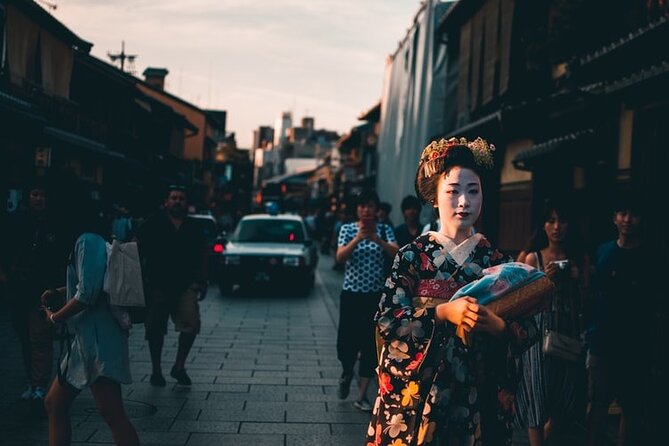
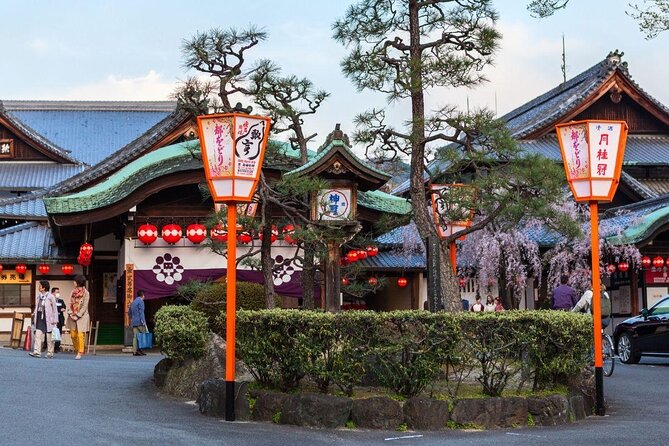
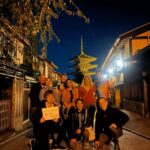
Gion during the day is a photo factory. You’ll see plenty, sure—but the feeling is different. This tour is built for the evening window when the streets quiet down and the district starts to feel like a place with routines, not just a backdrop.
As you walk, you’ll notice little contrasts: quieter teahouse fronts, dimmer street light bouncing off traditional façades, and the sense that life moves at a different pace here. The tour also focuses on that after-dark atmosphere while you pass spots where geisha and maiko may be heading to appointments. You might not see a full performance up close on the street, but you’ll get the context that helps everything make sense.
You can also read our reviews of more walking tours in Kyoto
Maximum 15 and a Guide Who Can Actually Talk
One of the smartest things about this tour is the small-group size (15 maximum). In Gion, a normal tour crowd can turn every alley into a bottleneck. Here, the smaller number gives your guide room to stop, explain, and answer questions without everyone spilling into the same narrow strip.
I’ve found that’s when the best learning happens. The guide names that show up again and again—Shin, Deborah, Melanie, Manuel, Joy, Sakuri, Nami, Kenji, Adrian, Tommy, Ben, Nikki—share a common theme: they don’t just list facts. They connect what you’re seeing to how the culture works, and they seem comfortable answering follow-up questions. That matters because geisha culture can be confusing if you only get a surface-level script.
Price and Value: Getting More Than a Walk for $25
At $25 per person for about 2 hours, this is priced like a short evening activity—not a museum ticket day. The value comes from two things you actually feel while you’re there:
- You’re guided to meaning, not just locations. Gion is full of “pretty streets.” The tour helps you understand why specific corners and buildings matter.
- You get multiple cultural stops in one loop. You move through the district and hit key points tied to arts, theater traditions, and shrine life, instead of spending the whole time at one photo spot.
Also, it’s good to know that the tour includes all fees and taxes, so your final cost stays simple. Bottled water isn’t included, though—more on that below.
Walking Route: From Izumo-no-Okuni to Yasaka Shrine Lights
You start near Ben’s Cookies Kyoto Shijo (89 Shinchō, Shimogyo Ward), then finish at Yasaka Shrine (625 Gionmachi Kitagawa, Higashiyama Ward). That end point is handy: you can keep exploring afterward, grab dinner nearby, or shift to a different area of Higashiyama without backtracking.
The walk is built around a sequence of cultural “anchors.” Instead of treating the evening as a casual stroll, the route keeps tying back to how Kyoto’s arts scene connects with Gion’s traditions. It’s the kind of structure that helps you feel oriented fast—even if you’ve never been to Gion before.
Stop-by-Stop: What Each Place Adds to the Story

Stop 1: Statue of Izumo-no-Okuni (plus a nod to kabuki origins)
You’ll begin with the Izumo-no-Okuni Statue, a bronze tribute to Okuni—often described as a legendary founder of kabuki. This matters because it frames Japanese traditional performance not as random spectacle, but as something with roots that shaped Kyoto’s cultural identity.
Why this works early: it gives you a mental model for what you’re about to see later. Gion isn’t only about street appearances. It’s connected to the broader world of theater and performance culture.
What you might notice: the statue itself is free to visit, and the stop is short—about 10 minutes—so it’s more about the story you’re told than lingering on visuals.
Stop 1 (Theater connection): Minamiza
Next comes Minamiza, described as a historic theater in Kyoto known for hosting traditional kabuki performances. The value of adding a theater stop here is that you start connecting performance arts with the cultural atmosphere surrounding Gion.
Even if you don’t sit in a show that night, you’ll understand the language of costumes, staging, and dramatic storytelling that kabuki is known for. That context helps you recognize why traditions continue to matter in Gion.
Practical thought: Minamiza is a reminder that this cultural world isn’t frozen in time. It has venues, schedules, and professional craft.
Stop 2: Tatsumi Bridge
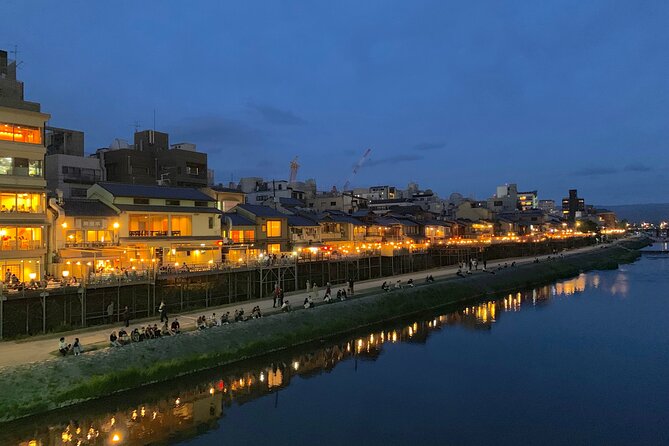
Then you walk past Tatsumi Bridge. Bridges in Kyoto often function like quiet landmarks—places that shape movement through the area and connect neighborhoods.
This stop is short (about 10 minutes), but it’s one of those pauses where you can catch the changing light across the district. It’s also a good moment to reset your pace before heading toward the more famous main streets.
Stop 3: Hanamikoji Street
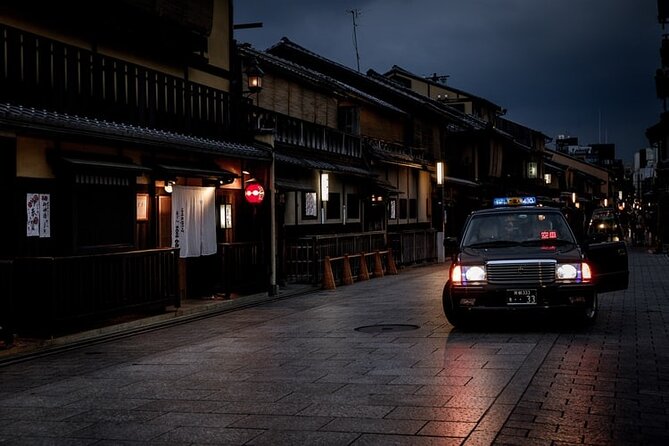
Now you enter Hanamikoji Street—one of Gion’s most recognizable thoroughfares. It’s famous for its traditional machiya houses, along with upscale restaurants and teahouses.
Here’s the trick: Hanamikoji is famous, so it can feel like a stage even at night. The tour helps you read it instead of just photographing it. When you understand what these buildings and street patterns were used for, the street stops feeling like a postcard.
Stop 3 (Cultural stop): Gion Corner
Next is Gion Corner, a cultural center and performance venue that offers a condensed experience of traditional Japanese arts and culture. The idea isn’t “watch one big show.” It’s “sample key traditions in a structured format,” so you can leave with more than just impressions.
If you’re trying to understand why Gion feels culturally dense, this kind of stop helps. You’ll see that the district is tied to organized cultural presentation—not only private world-of-performance routines.
Stop 4: Yasaka Shrine (Gion’s major shrine anchor)
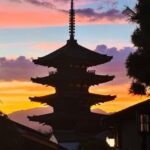
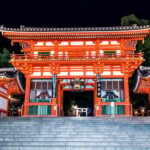
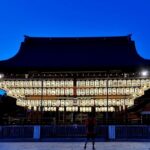
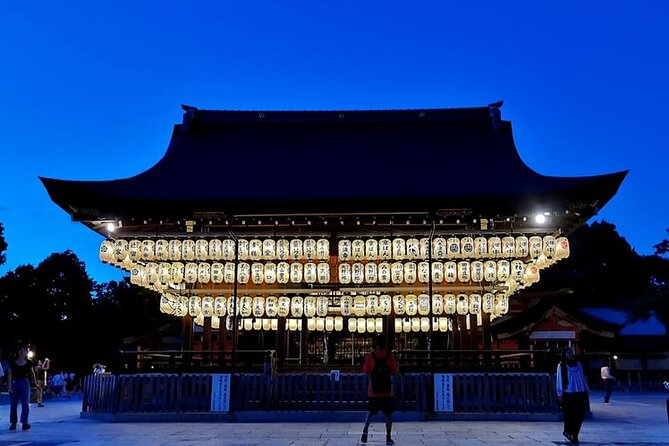
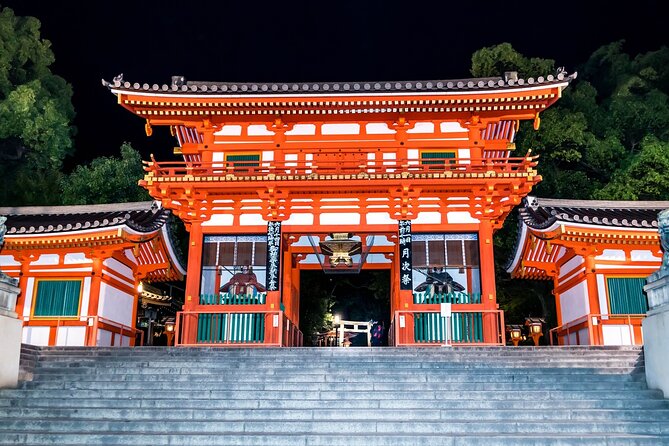
You finish at Yasaka Shrine, one of the prominent Shinto shrines in the Gion area and known for vibrant festivals. The timing and location matter here: by the time you reach Yasaka Shrine, you’ve already walked through arts connections and everyday cultural landmarks, so the shrine feels like the spiritual backdrop to the whole district.
This ending point also makes sense logistically. Leaving from Yasaka Shrine puts you near an area where it’s easy to keep going.
What You’ll Learn: Geisha Culture as a System, Not a Costume
The tour’s title leans toward geisha stories, but the real payoff is how it explains the culture as a system: performance traditions, theater history, and the daily rhythms that kept those arts alive in Kyoto.
That’s why so many guide-focused comments mention people learning more than they expected. For example, Manuel and Manny are praised for very detailed explanations of how geisha evolved. Joy is described as friendly and highly informed about geiko and maiko life. Nami stands out in write-ups for connecting geisha history to Kyoto’s broader story. Sakuri is highlighted for pointing out ordinary-looking buildings and explaining why they matter in geisha culture.
Even if you come in with questions like Who’s who? or What’s the difference between geisha and related roles?, the tour approach seems designed to answer those gaps with real context tied to what you’re seeing.
Practical Tips for a Comfortable Night Walk in Kyoto
Kyoto after dark can be stunning, but it can also be cold. Several guides’ write-ups specifically mention winter comfort, and I’d plan accordingly. Wear layers, bring a warm outer layer, and consider gloves if you’re sensitive to cold.
A few practical notes from the tour details:
- Bottled water isn’t included, so if you’re walking at night, bring your own or plan to buy some nearby before you head out.
- The tour is near public transportation, which helps if you’re pairing it with other evening plans.
- Most travelers can participate, and service animals are allowed, so it’s generally feasible for a wide range of visitors.
One more small tip: wear shoes that handle uneven or stone surfaces. You’re moving through older Kyoto streets, and comfort matters more than style here.
Should You Book This Kyoto Gion Geisha District Walking Tour?
Book it if:
- You want Gion at night after the heaviest crowds fade.
- You like your cultural tours tied to specific places and stories, not just general history.
- You value a small group where you can ask questions and get answers.
Skip it or choose another option if:
- You’re looking for a long, sit-down cultural program rather than a 2-hour walking format.
- You get uncomfortable walking in cold weather and don’t want to plan for it.
For most first-time Kyoto visitors, especially if you’re curious about geisha culture beyond the movie version, this is a strong value. The route keeps changing your perspective—kabuki roots at the start, street landmarks in the middle, and Yasaka Shrine at the end—so you’re not repeating the same type of “look here” moment over and over.
FAQ
How long is the Kyoto Gion Geisha District walking tour?
It runs for about 2 hours.
How big is the group?
The group is limited to a maximum of 15 travelers.
Where does the tour start?
The meeting point is Ben’s Cookies Kyoto Shijo, 89 Shinchō, Shimogyo Ward, Kyoto.
Where does the tour end?
The tour ends at Yasaka Shrine, 625 Gionmachi Kitagawa, Higashiyama Ward, Kyoto.
Is the price of the tour all-inclusive?
All fees and taxes are included in the $25 price.
Is bottled water provided?
No, bottled water is not included.
Do I get a mobile ticket?
Yes, the tour uses a mobile ticket.
What happens if the weather is bad?
This experience requires good weather. If it’s canceled due to poor weather, you’ll be offered a different date or a full refund.
Can I cancel for a full refund?
Yes. You can cancel up to 24 hours in advance for a full refund. If you cancel within 24 hours, the amount paid won’t be refunded.