REVIEW · KYOTO
Kyoto Arashiyama Walking Tour: Bamboo, Monkeys, Gardens & Secrets
Book on Viator →Operated by Japanify Tours · Bookable on Viator
Arashiyama feels like Kyoto’s nature park. What I like most is the straightforward flow through big-name stops like Tenryu-ji and Okochi Sanso, without you spending mental energy figuring out tickets and routes. I also love how the guide adds real context at each shrine and temple, so the day turns into more than just photos.
One thing to plan for: the Monkey Park section includes a 20–25 minute hike up a fairly steep path. If you’re not comfortable with hills, this tour will feel like more effort than you expect.
In This Review
- Key highlights to look for
- Arashiyama with a plan: why a guided walk is worth it
- Getting to the start: avoid the Arashiyama station trap
- Stop 1: Saga-Arashiyama area warm-up
- Stop 2: Nonomiya Shrine and the idea of purification
- Stop 3: Okochi Sanso Garden for quiet, elegant pacing
- Stop 4: Bamboo Grove Trail, but with less chaos
- Stop 5: Tenryū-ji Garden (Sogenchi Teien), the UNESCO highlight
- Stop 6: Togetsukyō Bridge views and the Kimono Forest area
- Stop 7: Monkey Park Iwatayama hike and monkey-time at the top
- Lunch break: don’t over-plan your timing
- What makes the guides’ job obvious (and your day easier)
- Price and value: what you get for about $65.57
- Who this tour is best for
- A few rules that matter day-of
- Should you book this Kyoto Arashiyama walking tour?
- FAQ
- How long is the Kyoto Arashiyama walking tour?
- Where does the tour start and end?
- What is included in the price?
- Is lunch included?
- Is the Monkey Park part of the tour difficult?
- Are the tours available in languages other than English?
- Can I record video or livestream during the tour?
- What if there aren’t enough people booked?
Key highlights to look for
- Small-group size (max 12) keeps the day from turning into a moving parade
- Admissions included for the main sights, so you don’t waste time chasing tickets
- Route planning that avoids the worst crowds, even in a heavy-tourist area
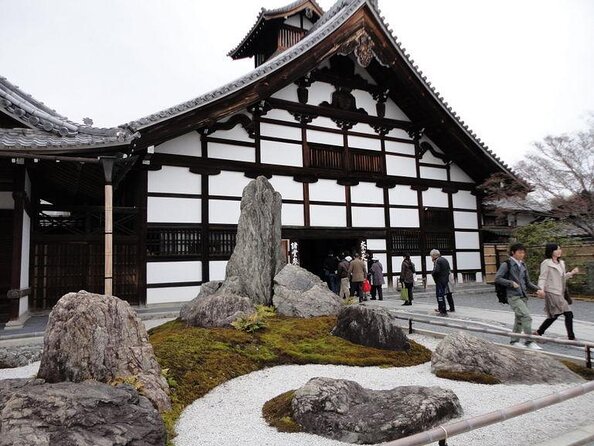
- Tenryu-ji garden (UNESCO) gives you a calm, cultured break from bamboo and river photos
- Monkey Park Iwatayama hike is the “workout moment,” with a payoff at the summit
Arashiyama with a plan: why a guided walk is worth it
Kyoto’s Arashiyama is famous, which means it gets crowded. The value of this walking tour is that you don’t just arrive and wander. You get a clear order to the day, with enough pacing that the sights feel connected instead of rushed.
I like that the tour is designed for first-timers. It starts you at the right transit hub in Arashiyama and then builds toward the best nature-and-culture mix: bamboo, shrines, gardens, a major river bridge view, and finally the monkey overlook. If you’ve ever tried to see Arashiyama on your own, you know how easy it is to lose time just moving between highlights.
The guide makes a difference in the smaller details. People remember bamboo because it looks incredible, but they also remember the explanations—why a shrine is placed where it is, what a garden design is aiming for, and how the area’s history connects to what you’re seeing right now.
You can also read our reviews of more walking tours in Kyoto
Getting to the start: avoid the Arashiyama station trap
Practical tip: Arashiyama has multiple stations with similar names. One review noted how easy it is to end up at the wrong Arashiyama stop before finding the correct meeting point. So do this early and don’t wing it.
If you’re coming from Kyoto Station, the train connection to Saga-Arashiyama is usually the efficient option compared with bus time plus extra walking. Once you’re in Arashiyama, the tour begins from the local area around Saga-Arashiyama Station, with the group gathering there.
What I’d recommend for you: arrive a few minutes early and double-check you’re at Saga-Arashiyama (not one of the other “Arashiyama”-named stops). It’s a small action that prevents a stressful scramble.
Stop 1: Saga-Arashiyama area warm-up
You start at the Saga-Arashiyama Station area, with time to meet up and get oriented. This little buffer matters more than it sounds. In Arashiyama, people move in waves—knowing where your group is headed next keeps you from wandering into crowds right away.
You also get a chance to see that Arashiyama is more than bamboo. There are side streets, local storefronts, and a calmer rhythm in places just a few minutes away from the main photo routes.
Stop 2: Nonomiya Shrine and the idea of purification
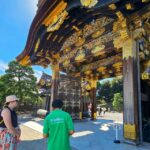
Next up is Nonomiya Shrine, a smaller Shinto site with historical significance tied to purification rituals and imperial connections. Even if you don’t read every sign, you can feel the intent of the space—this is a stop that shifts the day from scenic walking to cultural context.
A good shrine experience is short but meaningful. This one is timed to keep you moving without skipping the spiritual layers that make Kyoto feel like Kyoto.
Watch for your pace here. Shrines slow people down naturally; then the guide picks the route back up again toward the garden.
Stop 3: Okochi Sanso Garden for quiet, elegant pacing
Then you enter Okōchi Sansō Garden, one of Arashiyama’s most peaceful spots. The tour time here is long enough for you to do more than pass by. You’ll walk through a designed landscape with a calm rhythm—good if you want a break from the bamboo crowds and the river snap-and-go.
The cool part is the backstory. The garden was once the private villa of a famous Japanese actor. That detail changes how you look at it: you’re not only admiring nature; you’re seeing a home-style garden meant for leisure and viewing.
If you want photos, this is one of your best windows for calmer shots. If you want to reset your feet, this is also a good place to do it.

Stop 4: Bamboo Grove Trail, but with less chaos
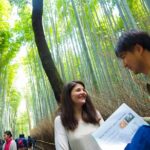
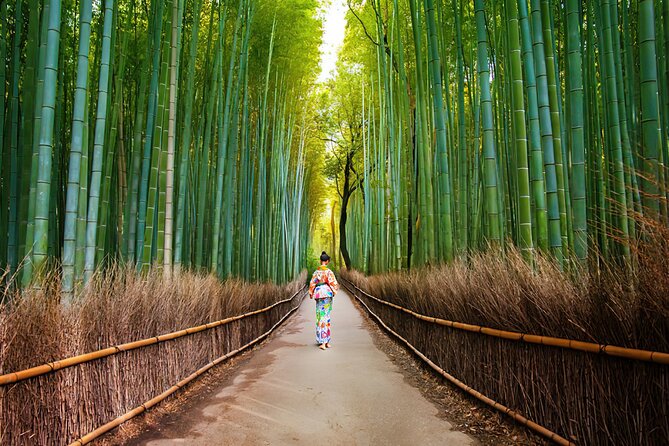
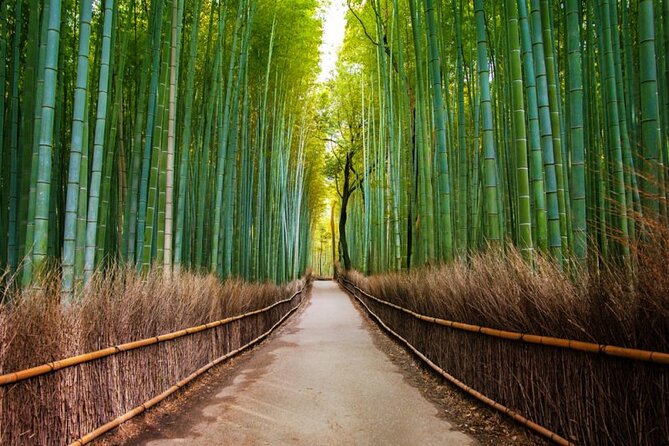
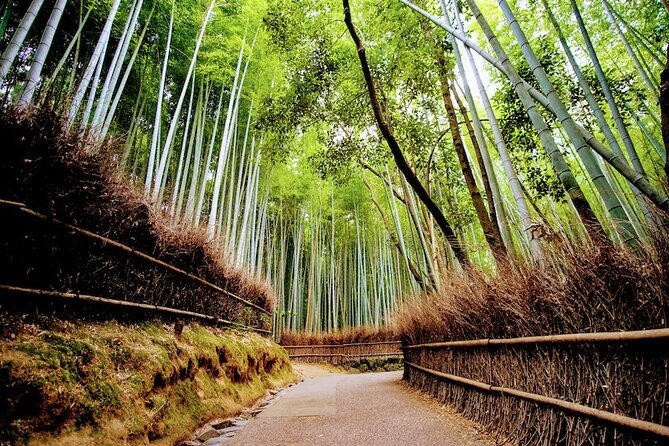
Yes, you get the bamboo. The Bamboo Forest Trail is only a short walk from the station area, and you’ll see towering stalks that instantly make you understand why Arashiyama has become a global magnet.
Still, the tour’s advantage is how it handles the crowd factor. Even on busy days, you’re walking as a group and moving along the planned path rather than getting stuck in the same bottleneck everyone else fights through.
Two practical notes for you:
- Dress for shade and damp. Bamboo areas can feel cooler and often a bit humid.
- Don’t spend too long stopping at only the most obvious photo spots. The best shots come from walking a few minutes deeper into the trail flow.
Stop 5: Tenryū-ji Garden (Sogenchi Teien), the UNESCO highlight
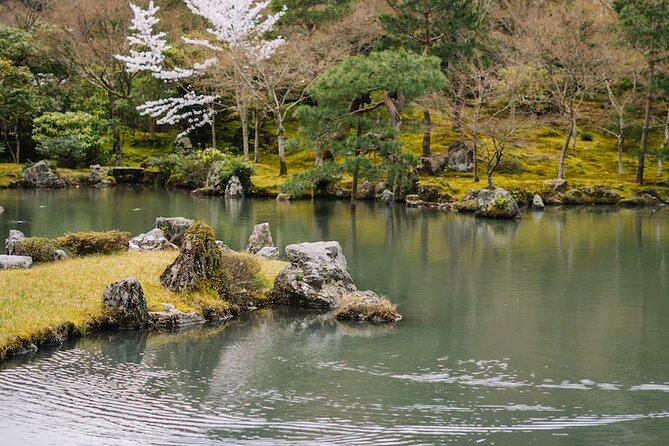
Tenryū-ji is a major stop, and the garden you visit is Sogenchi Teien. This is the big UNESCO-name moment of the day, and it’s timed well so you get a cultured breather after bamboo.
What I like about visiting a major garden with a guide is that you learn where to look. You start noticing things beyond the “pretty trees” effect—how viewing positions matter, how water and path alignments shape your sense of space, and why the garden design is respected.
This stop also helps the whole day feel balanced. If you only did bamboo and monkeys, Arashiyama would feel like an amusement park of sights. Tenryū-ji brings it back to Kyoto’s slower, reflective pace.
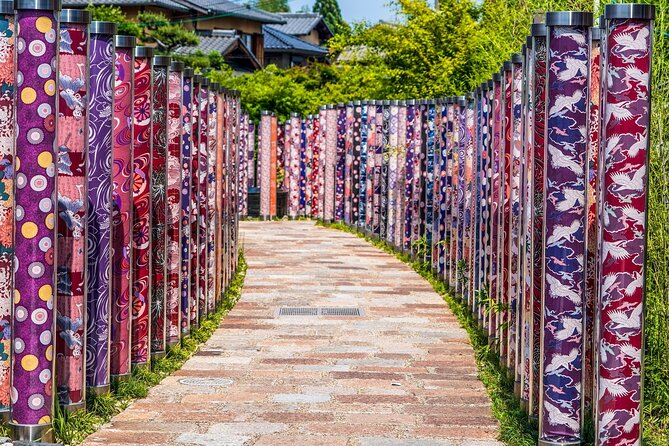
Stop 6: Togetsukyō Bridge views and the Kimono Forest area
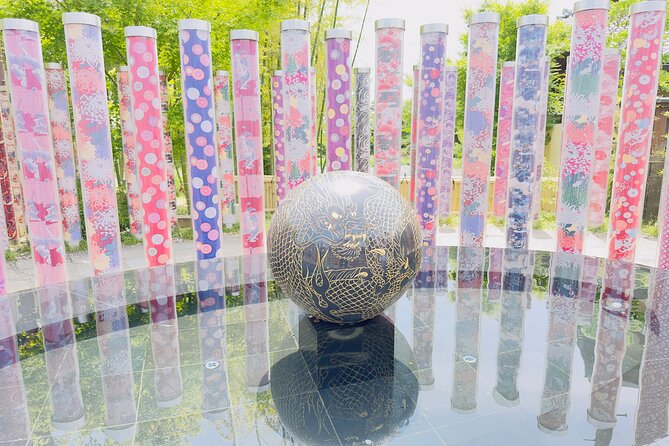
After Tenryū-ji, you head toward Togetsukyō Bridge. This is one of Arashiyama’s most popular attractions because the view hits hard: the Hozu River, the surrounding mountains, and that classic Kyoto river-scene feeling.
This is also where many people “run on instinct” to take the same bridge photos. Your tour keeps it from feeling chaotic by timing the walk and giving you guidance on where to look.
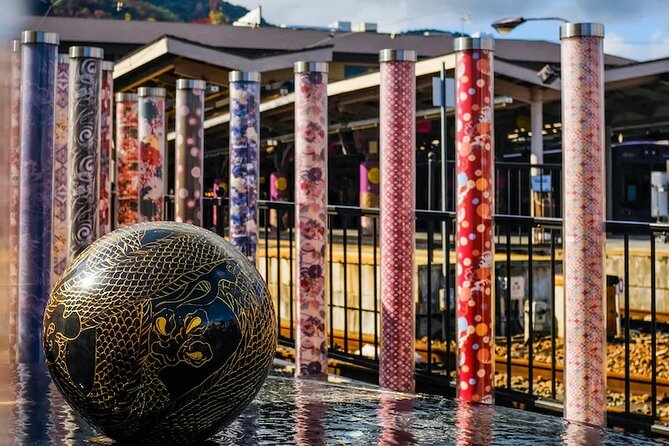
You’ll also pass through the Kimono Forest area mentioned in the day plan. Even if you’re not shopping or doing a photo shoot, it’s a useful contrast to the temples and bamboo. It’s a reminder that Arashiyama runs on both tradition and modern tourist staging.
Stop 7: Monkey Park Iwatayama hike and monkey-time at the top
This is the part of the day with the most physical effort, and it’s why I’d call the tour “active.” From the bridge area, you hike up to Monkey Park Iwatayama on a mountain path with a 20–25 minute uphill segment. The trail is described as a bit steep.
Here’s what to do so this doesn’t feel like misery:
- Bring water.
- Wear shoes with grip.
- Expect it to be warmer than you think even if the surrounding area feels cooler.
Once you reach the top, the payoff is the chance to see Japanese monkeys at their viewing area. The tour includes admission for the experience, and the time here is long enough that you’re not watching from one glance and leaving.
A bunch of guides do a good job timing this climb so you’re not stuck in the peak crush. The better guides also help you spot behavior in the group—who moves, who rests, and where monkeys tend to gather.
If you’re anxious about monkeys, don’t worry—you’re not thrown into a chaotic animal zoo scene. It’s a viewpoint-style experience, but you should still respect the fact that these are wild animals in a protected habitat.
Lunch break: don’t over-plan your timing
You get a quick lunch break with time set aside, but lunch isn’t included. This is a flexible window, and it helps you avoid the common mistake of trying to eat during peak congestion.
My advice: pick a simple meal near your walking route and don’t insist on a “perfect” restaurant. Arashiyama is full of choices, but the clock matters when you still need to finish the tour.
What makes the guides’ job obvious (and your day easier)
The most praised aspect in the feedback is how guides connect each stop to the bigger story of Arashiyama. People repeatedly highlight guides such as Teri, Marie, Mari, and Osin for explaining what you’re seeing and keeping the schedule on track.
You also see a pattern: great guides help the group avoid the worst crowd moments. One review even pointed out that the route included backstreets so the day felt quieter than the main tourist lanes.
Another recurring detail: some guides are photo-friendly. Several people mentioned that guides helped with photos, and a couple referenced extra touches like a short sake tasting and a polaroid souvenir. I can’t promise those add-ons happen the same way every day, but the broader point is real: the best guides treat the day like more than a checklist.
Price and value: what you get for about $65.57
At about $65.57 per person, this tour is priced like a day that includes more than walking. Here’s why it can feel good value for you:
- Admissions are included for the main sites on the plan (Nonomiya Shrine, Okochi Sanso Garden, Bamboo Forest access, Tenryū-ji garden, Monkey Park, and the key attractions tied to the bridge area).
- You’re paying for direction and timing, not just access.
- It’s a small group capped at 12, so you can ask questions without feeling swallowed by the crowd.
Is it the cheapest way to see Arashiyama? No. But it’s often cheaper than the cost of doing the sites plus the wasted time trying to connect them yourself.
And that time can be priceless in Kyoto. Arashiyama is huge, and moving between famous spots is where many self-guided days lose their smoothness.
Who this tour is best for
This tour is a great fit if you want a “greatest hits” Arashiyama day with real context.
It’s especially good for:
- First-time Kyoto visitors who don’t want to do route math
- People who care about temples and gardens, not just photos
- Anyone who prefers small groups and bilingual guidance
It’s less ideal if:
- You don’t like uphill walking. That Monkey Park hike is a clear requirement.
- You want total freedom to linger or skip stops. The tour timing is designed to move.
A few rules that matter day-of
The tour is English-speaking only. If you need a different language, you’ll want to ask before booking since that’s not guaranteed.
Also note the policy on recording: recording and live streaming aren’t allowed during the tour. Smart glasses with recording capability (for example, Ray-Ban Meta glasses) are not permitted. If you like filming, plan to take regular photos and keep the phone use respectful.
Should you book this Kyoto Arashiyama walking tour?
I’d book it if you want an efficient Arashiyama day with the structure you need and the context you’ll appreciate later. The combo works: bamboo for atmosphere, Nonomiya and Tenryū-ji for cultural depth, Okochi Sanso for calm, Togetsukyō Bridge for big views, and Monkey Park for the memorable summit moment.
I wouldn’t book it if you’re avoiding hills. The Monkey Park climb is part of the deal, and the tour explicitly expects you to manage that 20–25 minute hike.
If you’re on the fence, be honest about your feet and then enjoy the payoff. With a good guide and the right pacing, Arashiyama turns from a crowded checklist into a day that feels like Kyoto, not just a stop on a route.
FAQ
How long is the Kyoto Arashiyama walking tour?
The tour runs about 5 to 6 hours.
Where does the tour start and end?
You meet in the Arashiyama area, with the plan starting near Saga-Arashiyama Station. The end point is in the Arashiyama area near the Monkey Park Iwatayama location. Your confirmation message should contain the exact details.
What is included in the price?
Admissions for the places on the itinerary are included, along with a bilingual (English) tour guide. The listed inclusions cover the Bamboo Forest, Nonomiya Shrine, Okochi Sanso Garden, Tenryū-ji garden, Monkey Park, and Togetsukyō Bridge-related stops.
Is lunch included?
No. Lunch is a quick break and is not included.
Is the Monkey Park part of the tour difficult?
Yes, there is a 20 to 25 minute hike to the Monkey Park hilltop, and the path is described as a bit steep.
Are the tours available in languages other than English?
Tours are in English only. If you need a different language like German or Italian, you need to ask before booking.
Can I record video or livestream during the tour?
No. Recording and live streaming are not allowed during the whole tour, and recording smart glasses are not permitted.
What if there aren’t enough people booked?
Solo travelers can book, but there is a 2 guests minimum requirement for the tour to proceed. If only one guest is booked, the tour may be canceled, with options for rescheduling or a full refund.