REVIEW · KYOTO
Best of Kyoto: Gion, Geisha, Pagodas & Cobblestones
Book on GetYourGuide →Operated by Kyoto Fun · Bookable on GetYourGuide
Lantern-lit Gion changes Kyoto fast. On this 2-hour night walk through Gion and Higashiyama, you get to see how Kyoto’s old entertainment district turns calmer after daylight, with lanterns flickering along wooden facades and cobblestone lanes. It’s a focused way to understand the neighborhood instead of just snapping photos and moving on.
What I like most is the human lens the tour gives you. Your guide explains the customs behind the geisha world and the role of apprentice maiko-san, so when costumed women appear later in the route, you know what you’re actually looking at. Guides can vary, but names that come up often include Karim, Kevin, and Jannel, and the common theme is how well they answer questions and keep the pace relaxed.
One watch-out: it can get cold, and parts of the walk can be darker. Also, food and drinks aren’t included, so plan to eat afterward (the guide will share recommendations), not during the tour.
In This Review
- Key things that make this night walk worth your time
- Why a Gion Night Walk Feels More Real Than Daytime
- Is $24 Worth It for a 2-Hour Kyoto Culture Snapshot?
- Two Meeting Points: Yasaka Side or the Gion Area
- Yasaka Shrine: Start With a Shinto Anchor
- Ninenzaka: Narrow Streets and Old-World Atmosphere
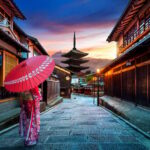
- Hōkan-ji Temple Photo Stop and the Lit Pagoda Moment
- Yasui Kompira-Gu Shrine: A Local Shrine Stop You’ll Appreciate More Later
- Gion at Night: The 45-Minute Walk Through the District
- Understanding Geisha and Maiko Without Making It Weird
- What Happens After the Tour: Drink and Bite Recommendations
- Who This Tour Fits Best
- Should You Book This Kyoto Gion Night Tour?
- FAQ
- How long is the Gion night walking tour?
- What does the tour cost?
- What is included in the price?
- Are food and drinks included?
- What languages are available?
- Where does the tour start?
- What if I’m late or can’t find the guide?
- Is there free cancellation?
Key things that make this night walk worth your time
- A crowd-smarter schedule that shifts your sightseeing into the quieter hours of Gion
- Shrines + old streets + temples in one tight route, including a lit pagoda photo stop
- Geisha and maiko context explained in a respectful, practical way
- Small groups or private options so you don’t feel like you’re marching in a crowd
- Real end-of-tour plans, with tips for where to grab a drink or bite
Why a Gion Night Walk Feels More Real Than Daytime

Gion in the evening has a different rhythm. During the day, you can get shoulder-to-shoulder with tour groups. At night, the streets thin out, lantern light softens the edges, and the district feels more like a living neighborhood than an open-air museum.
That shift matters. When you’re walking slowly with a guide, you’re not just seeing buildings—you’re learning why the streets are laid out the way they are, why certain shrine visits matter, and how the geisha traditions fit into modern Kyoto life. The tour leans into this night vibe on purpose, with lantern-lit streets and quieter lanes later on.
The other big plus: you’re not trying to “figure it out” alone. Kyoto’s layers can overwhelm fast. A two-hour guided route helps you get your bearings quickly, so your later visits to Higashiyama feel smarter and less random.
You can also read our reviews of more tours and experiences in Kyoto.
Is $24 Worth It for a 2-Hour Kyoto Culture Snapshot?
At $24 per person for a 2-hour guided walk, this is priced like a solid value day-activity in a city where tours can get pricey. You’re paying for two things: a guide’s context and access to a night route you can’t easily stitch together on your own without wandering.
Here’s the practical way to judge the value: you get a structured loop through multiple key spots, plus explanations of religion (Shinto and Zen) and the cultural world around geisha and maiko. Food and drinks aren’t included, so you’ll budget for a meal or snack after. If you want an evening that sets up your Kyoto experience—without spending half your day hauling yourself between locations—this price makes sense.
If you’re a first-timer, this tour is especially efficient. It gives you a “snapshot” of Gion and Higashiyama that you can build on the rest of your trip.
Two Meeting Points: Yasaka Side or the Gion Area
Your starting point can vary depending on the option you book. One common meeting spot is near Tsuruha Drug and Yasaka Shrine (there’s also a FamilyMart nearby). Another option is in the Kyoto Gion area.
Because meeting points can be busy and signage can be confusing at night, you’ll want a buffer. The tour information also shares that your guide will send a phone number, and you should call them—WhatsApp is recommended—if you’re having trouble locating the group. Importantly, if you arrive late or can’t find your guide, you won’t be refunded, so plan to be early rather than brave.
A tip that saves stress: take a screenshot of the meeting point area on your map before you leave your hotel. Kyoto streets can look alike, especially after dark.
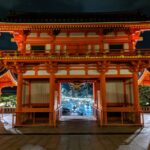
Yasaka Shrine: Start With a Shinto Anchor
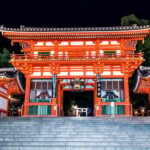
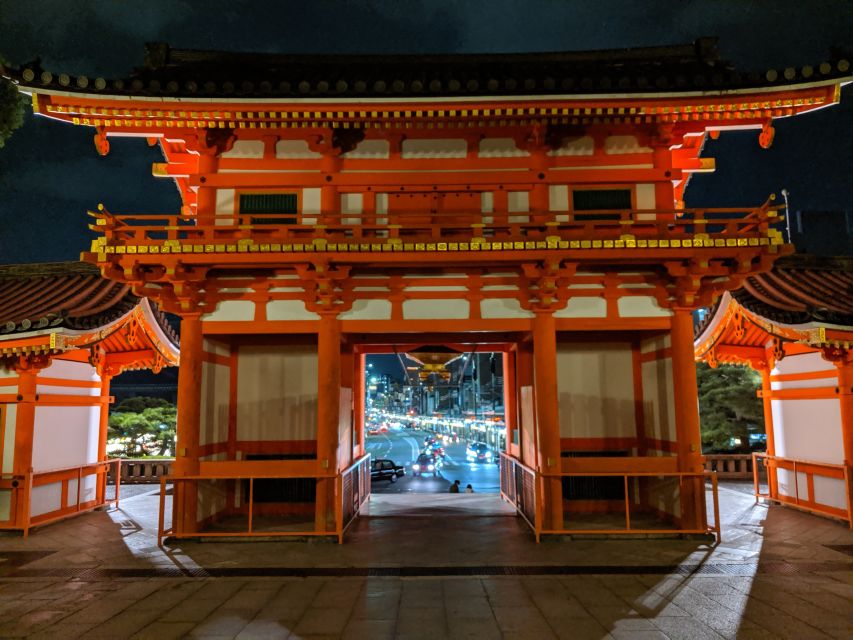
The tour begins with a visit to Yasaka Shrine for about 20 minutes. This isn’t just a “pretty stop.” Yasaka Shrine is a strong starting point because it grounds you in the Shinto side of Kyoto—where rituals, everyday reverence, and local tradition overlap.
At night, the mood changes. You see the shrine more quietly, and that helps you focus on your guide’s storytelling. You’ll likely hear what makes this kind of place significant in daily life, and how shrines connect to the district you’re about to walk through.
Possible drawback: early in the evening, it can still feel busy around popular shrines. But your tour’s structure moves you along quickly enough that you’re not stuck in one crowded pocket for long.
Ninenzaka: Narrow Streets and Old-World Atmosphere
Next comes Ninenzaka, where you spend around 20 minutes walking and getting guided context. Ninenzaka is one of those Kyoto streets that photographs well—but the tour helps you understand why it exists as a classic approach route and why it’s treated as more than a scenic backdrop.
This is also where the night lantern vibe starts to click. Narrow lanes + traditional wooden surfaces + soft lighting equals atmosphere. If you like wandering, this portion delivers the feeling you came for, especially when the flow of people is calmer than it is at midday.
Practical note: Ninenzaka involves walking on an old-street slope. That’s fine, but you’ll want shoes that work for uneven pavement. And if it’s cold, this is a good time to warm up with movement since the next stops keep you outside.

Hōkan-ji Temple Photo Stop and the Lit Pagoda Moment
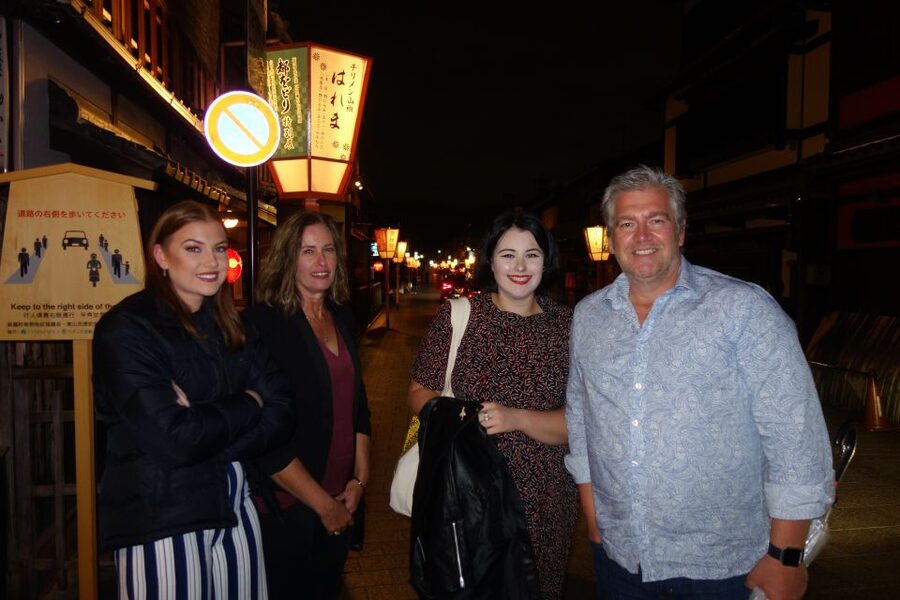
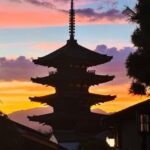
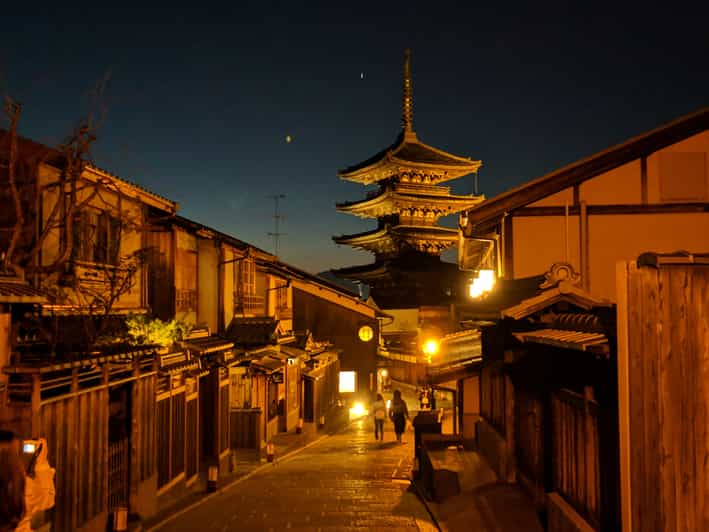
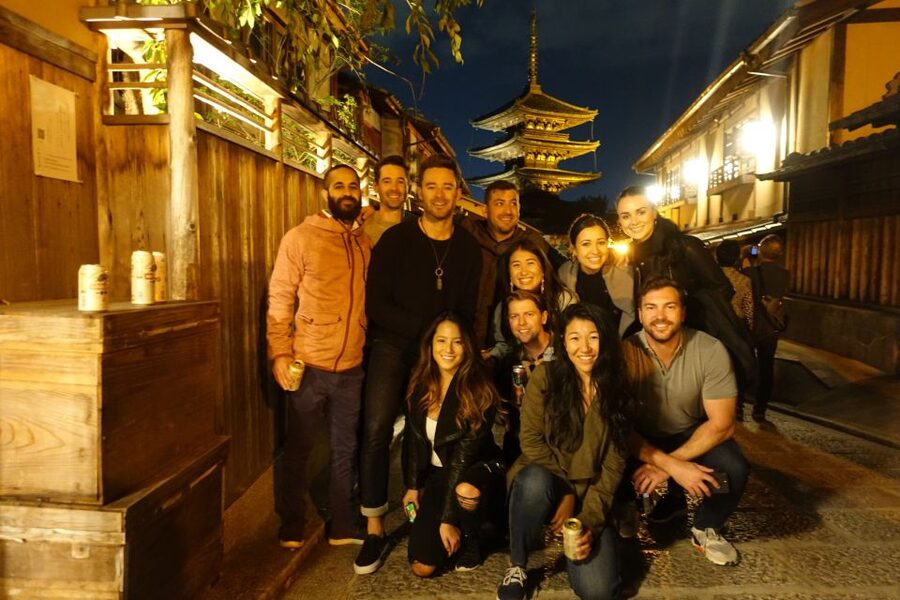
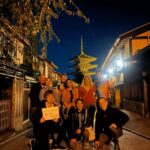
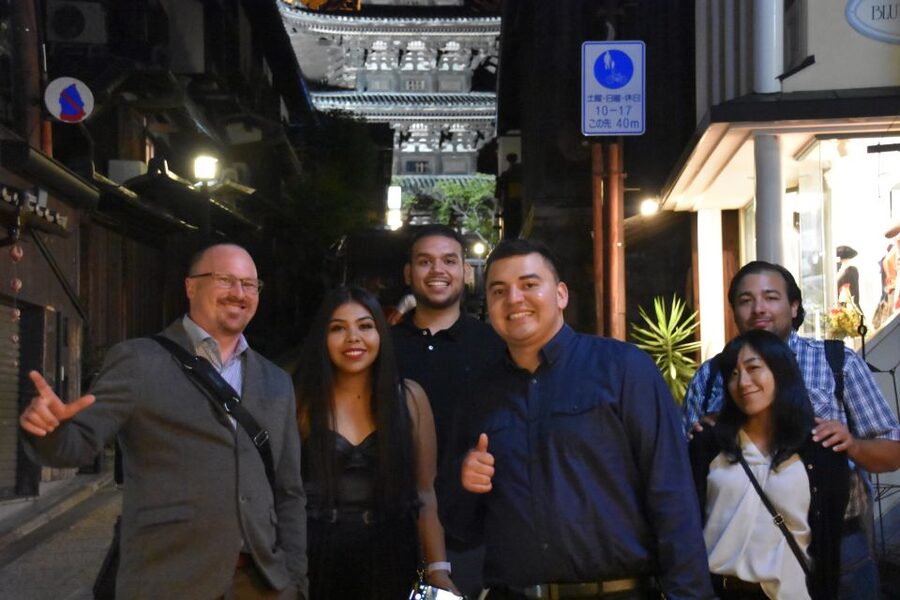
The Hōkan-ji Temple stop includes a photo stop for about 20 minutes. This is one of the tour’s most “Kyoto at night” moments because it features a beautifully lit pagoda. The guide’s job here is to help you see the structure as part of a Zen temple context, not just as a background for pictures.
Why this stop is valuable: it balances the street-level sightseeing with a calmer, more reflective setting. Shrines set a religious frame; temples add a different tone; and the pagoda lighting gives you a visual “anchor” you can remember later when you look back at your photos.
One consideration: because it’s a photo stop, you’ll be waiting a bit for the group to reposition. If you prefer long, independent time at one location, this isn’t the format. Still, the timing is long enough to capture the key angles and soak in the night mood.
Yasui Kompira-Gu Shrine: A Local Shrine Stop You’ll Appreciate More Later
After Hōkan-ji, the tour visits Yasui Kompira-Gu Shrine for about 15 minutes. This shorter stop matters because it keeps the tour feeling like more than just “fancy streets.” It’s another layer of Kyoto religious life, presented with just enough time to understand the setting before you move on.
Also, the route design helps. You don’t jump from one high-profile photo spot to another nonstop. You get a rhythm: street, shrine, temple, shrine—then Gion.
The main drawback here is straightforward: it’s only 15 minutes. If you want deep, extended exploration, you’ll treat this like an introduction and plan a longer return visit later on your own.
Gion at Night: The 45-Minute Walk Through the District
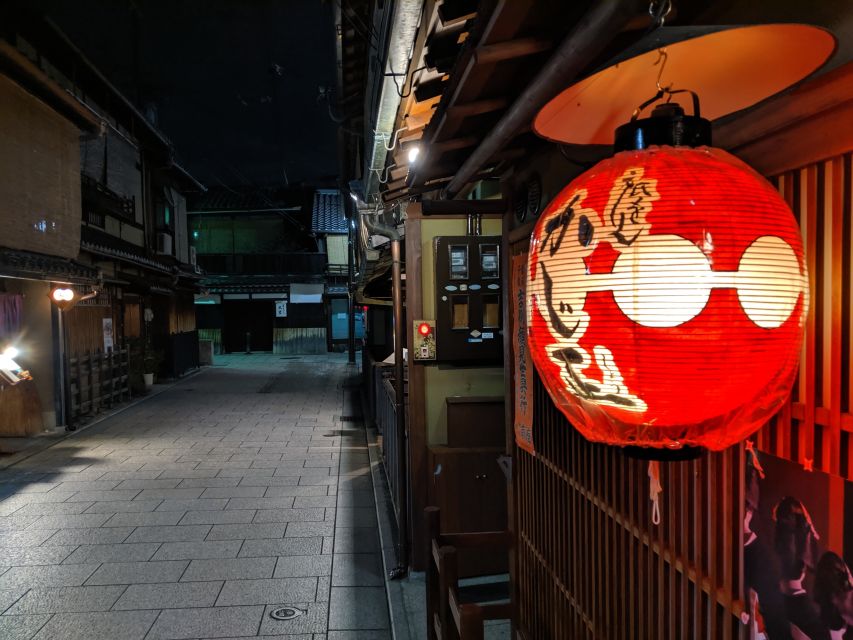
The heart of the tour is the Gion guided walk, about 45 minutes. This is where you feel why the tour is positioned as a night experience.
In this stretch, the streets tend to be quieter, and you get to walk at a pace that allows the guide to point things out. You’ll be told stories about the entertainment district and what it means historically and culturally. The route also keeps the group moving along narrow streets, so you experience Gion as a set of connections, not isolated landmarks.
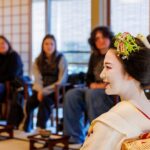
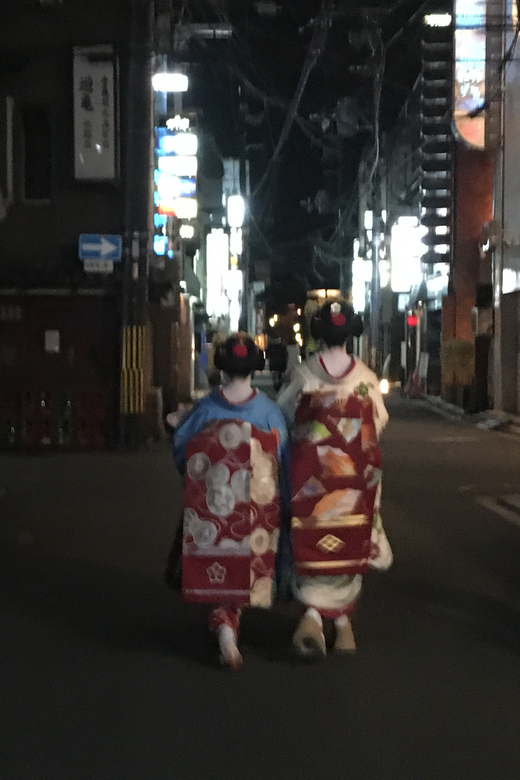
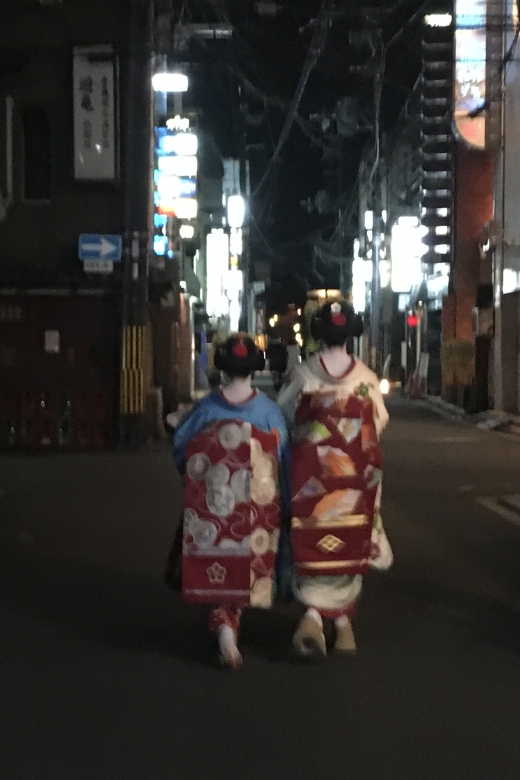
This is also the portion where costumed appearances become more likely toward the end of the walk. The tour doesn’t promise specific sightings, but it does set the stage so that if you catch a glimpse of women in full costume, you understand the significance. That context turns a fleeting sight into something memorable rather than just a quick photo.
One more practical point: some parts of the route can be darker. If you’re traveling with kids or you simply don’t love walking in low light, consider it. You’ll still be with a guide, but your comfort level with night streets matters.
Understanding Geisha and Maiko Without Making It Weird
The tour’s big cultural value is how it explains geisha traditions and the role of maiko-san. Rather than treating it like a Hollywood mystery, your guide frames it as a trained craft with customs, discipline, and a respectful place in Kyoto society.
From the way guides are described, expect a tone of respect. Several people highlight that their guide helped them avoid accidentally stepping into inappropriate behavior and pointed out good ways to look and photograph without being intrusive. That’s a big deal, because Kyoto’s culture is living, not staged for tourists.
What I think you’ll like: the explanations make the district feel less like a puzzle. You learn what terms mean, how apprentice training fits into the bigger picture, and why certain aspects of the entertainment world have strict rules. Once you understand that, even a short encounter can feel meaningful.
Also, some guides use visual aids on a tablet to explain history and roles more clearly. If your guide does this, it’s a nice way to break up walking and keep the story easy to follow.
What Happens After the Tour: Drink and Bite Recommendations
Food and drinks aren’t included, but the tour is designed to end with direction. You’ll get tips for where to grab a drink or bite to eat afterward, which is handy in a neighborhood where your brain may be too tired to plan.
I like this kind of follow-through because it turns the tour into a complete evening. You’re not left standing at the end like, Great, now what? With a couple of solid suggestions, you can keep your Kyoto momentum going.
If you’re hungry right after, prioritize convenience near your end point and choose a place that matches your energy level—quiet and local if you want to keep the night mood, or lively if you want a more social vibe.
Who This Tour Fits Best
This is a strong match if you:
- Want a first-day Kyoto orientation focused on Gion and Higashiyama
- Like walking tours that teach while you move
- Care about understanding geisha culture respectfully, not just chasing costume photos
- Prefer quieter streets and easier sightseeing later at night
- Travel in a small group or want a private guide option
It may not be the best fit if you:
- Hate cold weather and don’t want to be outside in it (the experience is run at night, and people have noted winter chill)
- Want lots of free time at each stop rather than a structured route
- Expect food included (it’s not part of the package)
Should You Book This Kyoto Gion Night Tour?
I’d book it if you want the most efficient way to understand Gion after dark. The price is reasonable for a guided, multi-stop route, and the evening timing is the secret sauce: quieter streets, lantern atmosphere, and the kind of shrine-and-temple mix that makes Kyoto feel layered rather than checklist-simple.
Skip it only if you strongly dislike nighttime walking or you need food on the itinerary. Otherwise, this is the kind of tour that gives you better later days—because once you know what you’re seeing in Gion, your own exploring becomes easier and more enjoyable.
FAQ
How long is the Gion night walking tour?
The tour lasts about 2 hours.
What does the tour cost?
The price listed is $24 per person.
What is included in the price?
You get a guided walk covering the Gion and Higashiyama districts and a live tour guide.
Are food and drinks included?
No. Food and drinks are not included.
What languages are available?
The live tour guide is available in English and French.
Where does the tour start?
The meeting point can vary depending on the option booked, with starting locations listed around Tsuruha Drug Yasaka Shrine Store / FamilyMart or in the Kyoto Gion area.
What if I’m late or can’t find the guide?
If you arrive late or are unable to find your guide, you will not be refunded. The guide phone number will be shared, and you should call at least ten minutes before the tour begins if you have trouble locating the meeting point (WhatsApp is recommended).
Is there free cancellation?
Yes. Free cancellation is available up to 24 hours in advance for a full refund.