REVIEW · KYOTO
Kyoto Gion: 2-Hour Geisha Culture & History Walking Tour
Book on Viator →Operated by Local Guide Stars · Bookable on Viator
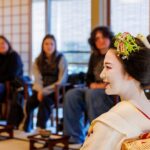
Geisha might cross your path in Gion. This 2-hour walking tour in Kyoto takes you through the heart of Gion and beyond, mixing geisha culture, quiet side streets, and classic landmarks like Yasaka Shrine. Even if you do not see a geisha, the route still teaches you how the district works.
Two things I really like here are the focus on geisha training and traditions (not just photos), and the way the walk threads together old Kyoto scenes in a short time. You get multiple free entry stops, plus viewpoints that help you understand why this area became a cultural magnet. A small group size also keeps the pace relaxed enough to actually listen.
One catch to keep in mind: spotting a geisha is never guaranteed, and the tour has to run in good weather to operate. It’s also a walking route, so wear shoes you can stand in for a solid couple hours.
In This Review
- Key things worth knowing before you go
- Entering Gion on foot: why this route works
- Meeting at McDonald’s Shijo-Ohashi: simple start, clear handoff
- Hanamikoji Street: geisha culture without the mystery fog
- Sannenzaka and Ninenzaka: Kyoto postcards with a myth attached
- Yasaka Shrine: the 1,000-year anchor of the area
- Hokan-ji Temple: where the photos happen
- Pontocho: the historic food street intermission
- Kamogawa River chill-out moment: a breather from the crowds
- Gion Shirakawa: Edo-period townhouses that look real, not staged
- Yasui-Konpiragu: Shinto worship in a short, meaningful stop
- Price and value: $23.88 for a packed, well-timed walk
- Best time to book if you care about geisha spotting
- Who this tour is best for
- Should you book this Kyoto Gion walking tour?
- FAQ
- How long is the Kyoto Gion geisha culture walking tour?
- What is the price per person?
- How large are the groups?
- Where do I meet for the tour?
- Is the tour ticket mobile-based?
- Do I need to pay admission fees at the stops?
- What can I expect to see on the walk?
- Can I have a good chance of seeing a geisha during the tour?
- What if the weather is bad or I need to cancel?
Key things worth knowing before you go
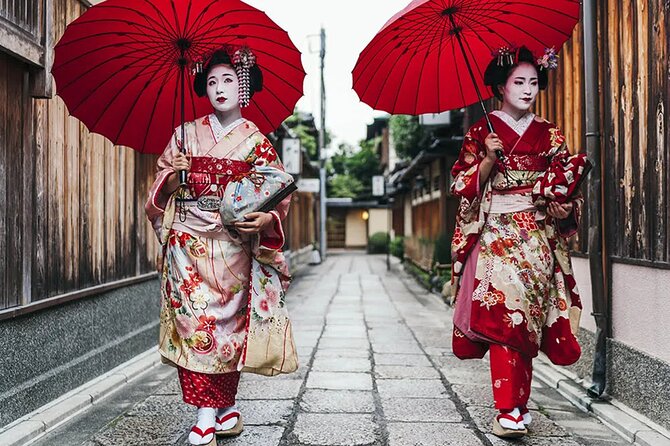
- Geisha odds improve around early evening, especially about 5–6 pm
- Hanamikoji Street first for maximum context on how Gion is organized
- A 1,000-year-old stop at Yasaka Shrine to anchor the whole area in time
- Hokan-ji Temple is a photo magnet, and the timing matters for the light
- Edo-period townhouses at Gion Shirakawa show what old Kyoto looks like in real life
- You’ll get local recommendations, since the guides share where they like to eat and drink
Entering Gion on foot: why this route works
Gion is the kind of neighborhood where direction matters. On a self-guided walk, you can spend time wandering busy streets and miss what’s special in the quieter corridors. This tour fixes that problem by walking you through the district with an expert to translate what you’re seeing.
The format is also practical: about 2 hours, max 15 travelers, and a route that returns you to the start. That makes it a good fit when you want culture without losing half a day.
Most stops are free, so your money goes to the guide and the time-saving route planning. At $23.88 per person, that’s fairly easy to justify in Kyoto, where paid attractions and guided tours can add up fast.
You can also read our reviews of more walking tours in Kyoto
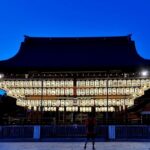
Meeting at McDonald’s Shijo-Ohashi: simple start, clear handoff
You’ll meet at McDonald’s – Shijo-ohashi Bridge (105-1 Hashimotochō, Shimogyo Ward). It sounds funny, but it’s a very workable meeting point in a city that loves changing street names and landmarks. The tour also says it’s near public transportation, which matters in Kyoto where taxis are pricey and buses take some patience.
The tour ends back at the meeting point. That reduces the risk of a logistical mess if you’re catching another plan afterward.
Hanamikoji Street: geisha culture without the mystery fog
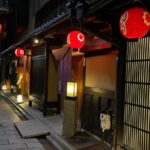
Your walk begins on Hanamikoji Street, the well-known geisha district spine. This is the part where the guide sets the rules of the game: what geisha and maiko training involves, how appearances are shaped, and why the craft behind kimono and hairstyles is more than costume.
This first stop is also your reality check. The street is where you’ll see the most obvious Gion theater, but it’s also where you can learn how the district’s traditions function. If you’re hoping to spot a geisha, this is one of the best early areas to start noticing details.
Tip from what you can glean from the route’s track record: the best odds tend to come later in the day, around 5–6 pm, when people are out and the light starts to soften. Still, remember: you’re watching for a chance, not a guarantee.
Sannenzaka and Ninenzaka: Kyoto postcards with a myth attached
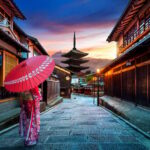
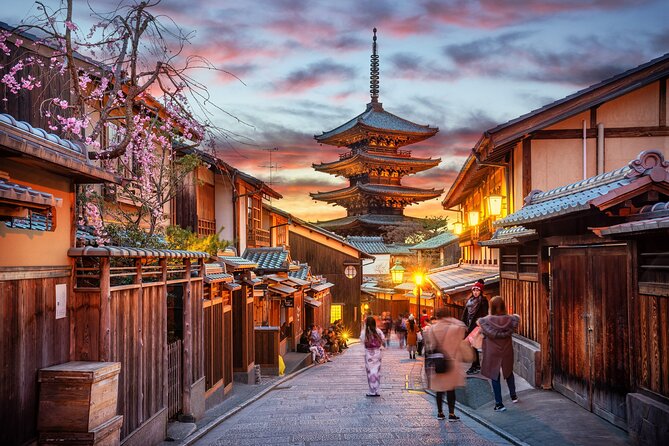
Next comes the famous pedestrian lanes of Sannenzaka Ninenzaka. If you skip photos here, you may feel like Kyoto stayed locked behind the lens. The streets are steep and layered with atmosphere, and they’re an easy way to see how tourists and locals share the same narrow space.
There’s also a rumor attached to the place about consequences if you fall. The guide’s role is helpful here: you get the story and, just as important, you get the truth behind the scare.
What makes this stop worth it is the context. Without someone explaining the neighborhood’s vibe and why these lanes became iconic, it’s just another old-street walk. With the talk, it becomes a quick history lesson on how Kyoto got photographed in the first place.
Yasaka Shrine: the 1,000-year anchor of the area
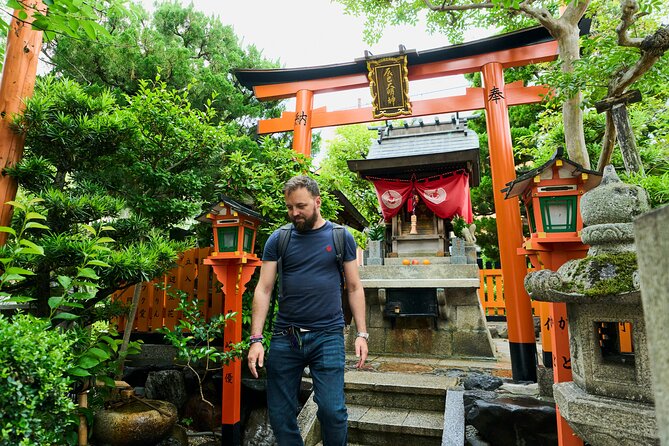
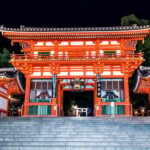
Then you reach Yasaka Shrine, with its celebrated 1,000-year legacy. Shrines in Japan are not just scenic backdrops; they’re part of how daily life and seasonal rituals keep moving. In a short tour like this, Yasaka Shrine gives you a time anchor so Gion feels like a living tradition, not a theme park.
The stop is about 20 minutes, which is enough time to look around, take a few photos, and absorb what the guide explains. The downside is simple: you won’t have the hours you’d want for a deeper temple-and-shrine wander. If you love religious sites and want slow reading time, plan another visit on a separate day.

Hokan-ji Temple: where the photos happen
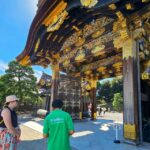
Hokan-ji Temple is described as the most photogenic stop on the route, and that matches how many travelers think about this area: angles, steps, and classic Kyoto architecture line up in a way that’s hard to fake.
You get around 20 minutes here. That is usually just right for snapping images and taking in the structure without turning the stop into a chore.
If you’re picky about photos, go in with a small plan. Stand back first, scan for the best line, then move in for your shot. Kyoto streets can change quickly as foot traffic swells, so being ready helps.
Pontocho: the historic food street intermission
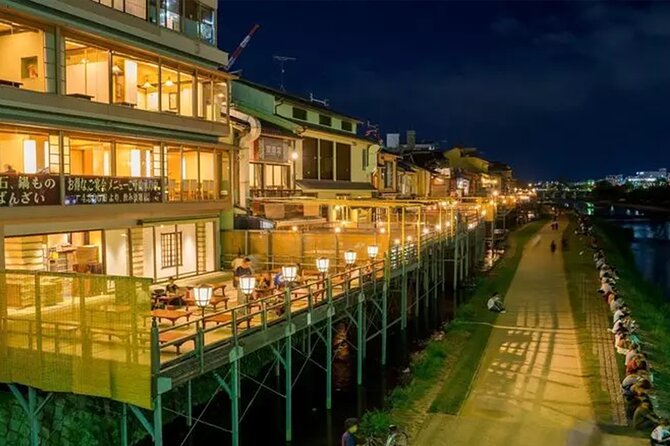
Pontocho is the historic gourmet lane you’ll walk through next. It’s one of those Kyoto streets that feels like it belongs to evenings—especially when lantern light starts to matter. Even if you’re not eating at that exact moment, the street gives you a sense of what people actually do with this neighborhood after the daytime rush.
The stop is brief (about 15 minutes), so treat it like a mood-setting walk-through. If you want dinner, ask your guide for practical options right after this segment, when they can still match your preferences to what’s nearby.
Kamogawa River chill-out moment: a breather from the crowds
At some point, you’ll also get a local chill-out spot by the Kamogawa River. This is a smart inclusion. After walking dense lanes and shrine-temple environments, you get a chance to reset and breathe.
This river break also helps you make your photos feel less like a rush job. Even a short pause gives you time to look up, check the street lines, and notice how Gion shifts in atmosphere as the evening approaches.
Gion Shirakawa: Edo-period townhouses that look real, not staged
Next up is Gion Shirakawa, where you’ll see Edo-period townhouses. This is the stop that often convinces people that Kyoto still has “old bones.” You’re not just learning names; you’re seeing building styles that carry the district’s older identity.
The segment is around 20 minutes, so you’ll have time to look at the architectural details while the guide ties it back to the broader story of how Gion developed. The main limitation is that architecture deserves longer viewing if you’re the type who likes to study gates, fences, and rooflines. Still, for two hours total, this is a solid use of time.
Yasui-Konpiragu: Shinto worship in a short, meaningful stop
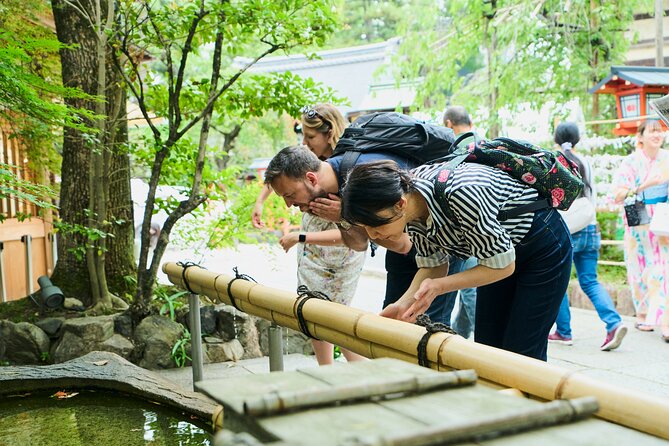
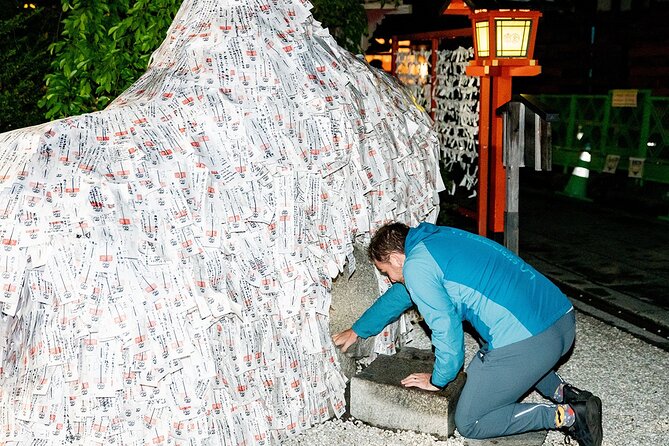
You’ll finish with Yasui-Konpiragu, where you can experience Shinto worship. This stop rounds out the tour by reminding you that Kyoto’s cultural rhythm isn’t only about traditional performers. Shrines are part of the same cultural system—festivals, prayers, and everyday connections to place.
The stop is about 15 minutes. That’s enough to observe respectfully, take in the space, and get the guide’s explanation, without turning it into a long sit-down event.
Price and value: $23.88 for a packed, well-timed walk
At $23.88, what you’re really paying for is routing plus interpretation. You’re getting a two-hour walk with multiple free cultural stops, a small group cap of 15, and a guide who tells the story behind what you see.
This matters because Kyoto is not always intuitive to newcomers. “Gion district” can mean anything from a main street selfie zone to a quieter lane with shrines tucked away. A guide helps you move with purpose.
There’s also clear value in the extras many guides include, based on guide performance: good storytelling, friendliness, patience, and practical recommendations for where to eat or even rooftop-style drinks afterward. That kind of local advice can easily save you money and time on your next meal.
Best time to book if you care about geisha spotting
If spotting a geisha is high on your list, plan around later afternoon to early evening. A tip from the tour’s experience is that 5–6 pm tends to work better than much earlier.
Also, choose weather that supports walking. The tour says it needs good weather to operate, and it’s easier to spot movement when you are not fighting rain gear and wind.
Who this tour is best for
This works great if you want:
- A short, guided introduction to Gion that goes beyond the obvious photo street
- Culture talk you can use to plan your next evening in Kyoto
- A mix of geisha context, shrines/temples, and old-town streets
It may feel less ideal if you:
- Want a long sit-down temple experience at each stop
- Prefer total independence with no guided interpretation
- Are sensitive to walking in heat (the route is designed for a moderate fitness level)
Should you book this Kyoto Gion walking tour?
I’d book it if you’re staying in Kyoto for a short time and want a guided path that makes Gion’s layout and traditions make sense fast. The combination of Hanamikoji context, Yasaka Shrine’s long timeline, Edo-era townhouses at Gion Shirakawa, and quick scenic hits like Hokan-ji is a practical use of time.
I would hesitate only if you’re expecting geisha sightings as a sure thing. This tour offers a chance, and you’ll get the right streets and timing to maximize your odds, but Gion is still Gion. If you show up curious and patient, you’ll leave with a clearer feel for why people come here and what to look for.
FAQ
How long is the Kyoto Gion geisha culture walking tour?
The tour lasts about 2 hours.
What is the price per person?
The price is $23.88 per person.
How large are the groups?
The tour has a maximum of 15 travelers.
Where do I meet for the tour?
The meeting point is McDonald’s – Shijo-ohashi Bridge, 105-1 Hashimotochō, Shimogyo Ward, Kyoto.
Is the tour ticket mobile-based?
Yes, it uses a mobile ticket.
Do I need to pay admission fees at the stops?
The stops listed are free to enter, with tickets noted as free.
What can I expect to see on the walk?
You’ll go through Hanamikoji Street, Sannenzaka Ninenzaka, Yasaka Shrine, Hokan-ji Temple, Pontocho, a Kamogawa River chill-out spot, Gion Shirakawa, and Yasui-Konpiragu.
Can I have a good chance of seeing a geisha during the tour?
The tour offers a chance to spot a geisha, and a practical tip from the tour experience is that around 5–6 pm can improve your odds.
What if the weather is bad or I need to cancel?
The experience requires good weather, and if it’s canceled due to poor weather, you’ll be offered a different date or a full refund. There is also free cancellation up to 24 hours in advance for a full refund.