REVIEW · KYOTO
Kyoto: Gion Walking Tour
Book on GetYourGuide →Operated by LAMBDA CUBE LLC · Bookable on GetYourGuide
Gion is more than a postcard. I love how this small-group walk (max 6) turns Kyoto’s famous alleys into a smart, relaxed Q&A experience, with a guide pointing out details most people walk right past. I also like the focus on daily life in Gion—how the hanamachi work, and what Maiko and Geiko routines look like when you’re told the story behind the doors.
Here’s the one catch to keep in mind: maiko or geiko sightings aren’t guaranteed, and Hanamikoji-dori isn’t included. If you’re coming only for one specific photo moment, you might leave a little frustrated instead of satisfied.
In This Review
- Key Things to Know Before You Walk Gion
- Entering Kyoto’s Gion With the Right Mindset
- The Route: Three Hanamachi in One Easy Afternoon Walk
- Pontocho Alley: Kaburenjo, Kamogawa Views, and River Street Clues
- From Sanjo Ohashi to Gion-Kobu: How Lanes Translate Into Culture
- Tatsumi Jinja and Tatsumi Hashi: A Shortcut to Deeper Kyoto
- Gion Higashi and Yasaka Shrine: The Gion Name Connection
- The Guides Make It Worth $35
- Price and Value: Why $35 Often Feels Like a Win
- Weather, Comfort, and What to Bring (Because Kyoto Doesn’t Care)
- Where You Meet and How to Avoid Stress
- Optional Extension: Gion Gallery Time
- Who Should Book This Tour (and Who Might Skip It)
- Should You Book the Kyoto Gion Walking Tour?
- FAQ
- How long is the Kyoto Gion Walking Tour?
- Where do we meet for the tour?
- How many people are in a group?
- What languages are available?
- Which parts of Gion are visited?
- Is Hanamikoji-dori included?
- Can you guarantee a maiko or geiko sighting?
- What should I bring?
Key Things to Know Before You Walk Gion
- Max 6 people means you can actually ask questions and hear the answers.
- Three hanamachi are covered in 2 hours: Pontocho, Gion-Kobu, and Gion-Higashi.
- Yasaka Shrine connection: you’ll visit the shrine tied to the name Gion (if time allows the festival context too).
- Maiko/Geiko sightings not promised, so go for understanding, not certainty.
- No amenities are provided, so bring water and plan for weather.
- Cherry blossom season route shifts slightly to showcase sakura around Gion.
Entering Kyoto’s Gion With the Right Mindset
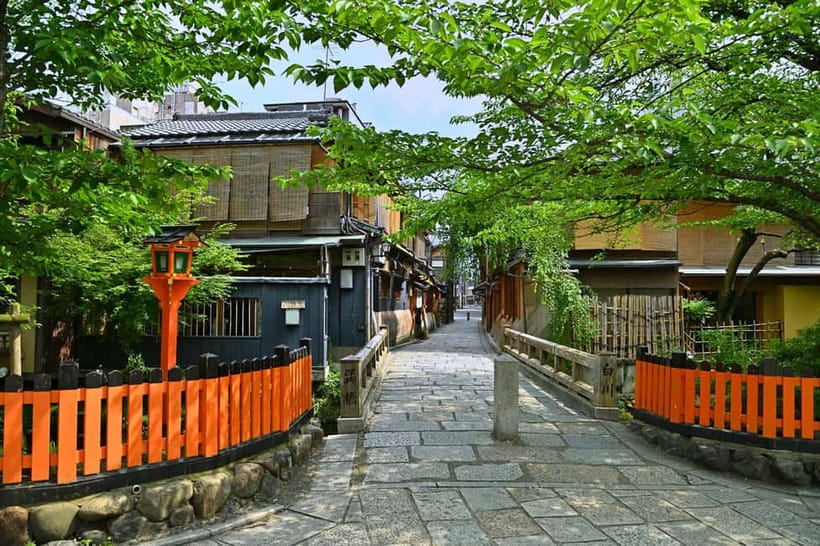
Gion can feel like a single famous neighborhood from far away. Up close, it’s a patchwork of old streets, bridges, and preserved corners—plus a very structured cultural world that most first-timers never understand.
This tour is built for that second step: not just “where to stand,” but why these lanes and buildings matter. You’ll walk about 3.3 km / 2 miles at a comfortable pace for roughly 2 hours, and you’ll cover three of Kyoto’s five hanamachi: Pontocho, Gion-Kobu, and Gion-Higashi.
I like that the guide doesn’t treat Gion as a museum display. The talk connects what you see—wooden townhouses, shrine grounds, street layouts—to how people have lived here for a long time, and how modern Kyoto fits into that story.
You can also read our reviews of more walking tours in Kyoto
The Route: Three Hanamachi in One Easy Afternoon Walk
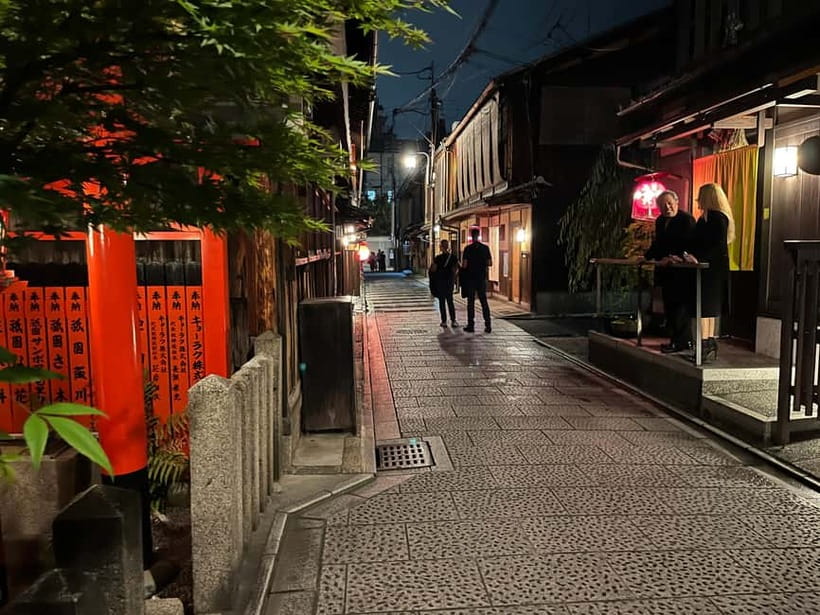
The route is compact on purpose. You’ll hit major “Gion feel” zones without burning your whole day on transit or long detours, which is perfect if you’re trying to get oriented fast.
A typical flow is:
- Pontocho → famous riverside alley vibe
- Sanjo Ohashi / Yamato-dori area → the bridge-and-street rhythm of downtown Kyoto
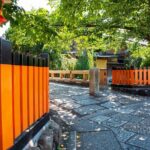
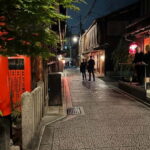
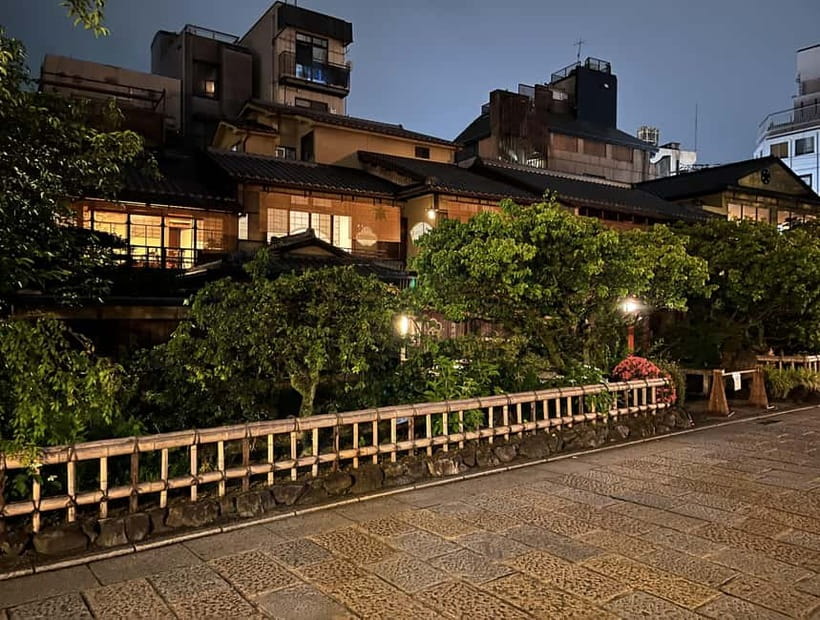
- Gion-Kobu (Gion-Shinbashi-dori and Gion Shirakawa) → preserved lanes and hanamachi life context
- Tatsumi Jinja and Tatsumi Hashi → quieter shrine + bridge perspective
- Gion Higashi + Yasaka Shrine → the name-of-Gion connection
The one practical note: Hanamikoji-dori isn’t on the itinerary. If you’re assuming you’ll automatically pass that famous street, don’t. Plan your expectations around the actual route.
Pontocho Alley: Kaburenjo, Kamogawa Views, and River Street Clues
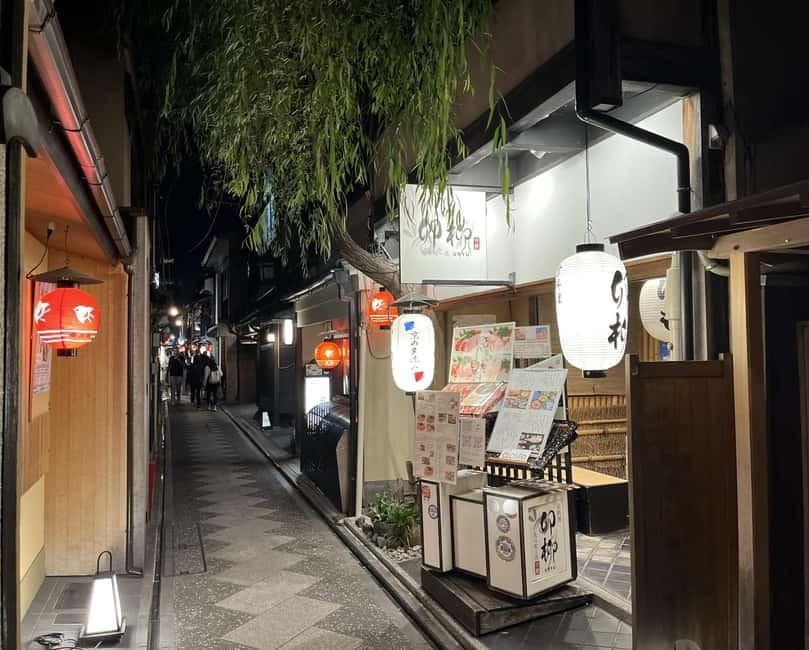
Your walk starts in the Pontocho area, where the atmosphere changes quickly with the river. Even if you’re just passing through, Pontocho’s narrow lanes and riverside geography help you understand how this district developed around movement—water, foot traffic, and nightlife.
Expect stops that focus on what you see at street level:
- Pontocho Kaburenjo
- Kamogawa river area
- Yagi-san & Kita-san statues
- Sanjo Ohashi bridge viewpoints
This is where the guide’s job really matters. From the pavement, a lot of details look decorative or random. With the right explanation, you start noticing patterns: how the lanes channel people, why certain spots became familiar meeting points, and what architectural features signal “this is a hanamachi neighborhood.”
From Sanjo Ohashi to Gion-Kobu: How Lanes Translate Into Culture
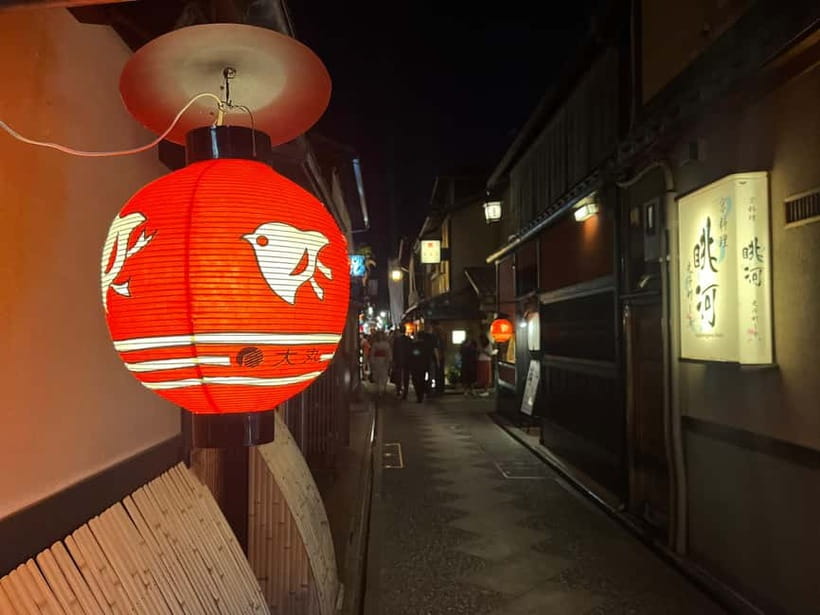
After Pontocho, you’ll transition toward Gion-Kobu, which is where the tour starts to feel more “inside” the system.
Key lanes on the route include:
- Gion-Shinbashi-dori
- Gion Shirakawa
This segment is often the biggest payoff for people who want to understand more than just scenery. The guide shares hanamachi structure and talks about Maiko and Geiko lifestyle, including practices and routines you’re unlikely to guess from a quick walk-by.
I like how this part turns the neighborhood into a set of clues. Instead of only pointing at famous places, you learn to “read” the district: the rhythm of side streets, how spaces relate to each other, and why some corners get more attention than others.
Tatsumi Jinja and Tatsumi Hashi: A Shortcut to Deeper Kyoto
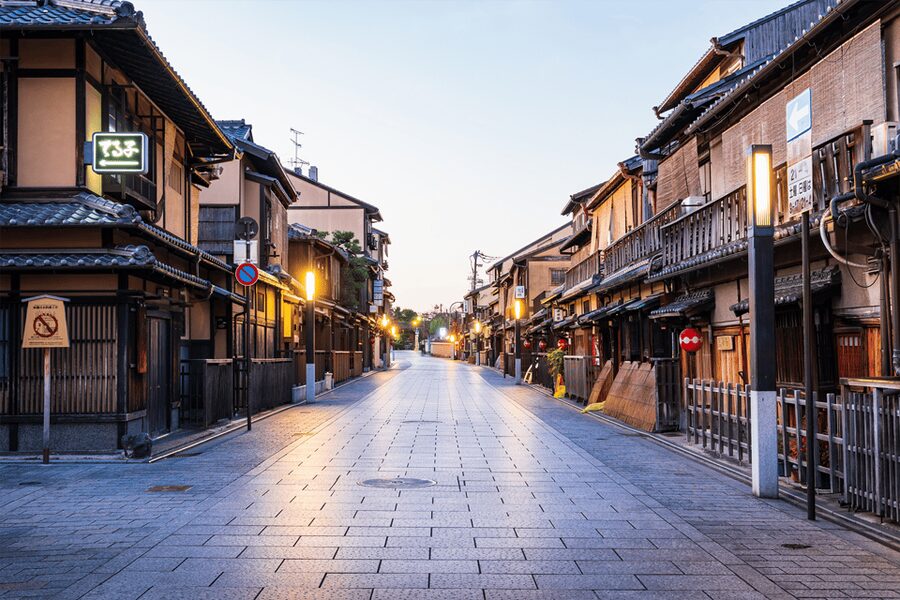
Not every Kyoto walking tour includes a shrine stop that actually supports the story you’re hearing. Here, Tatsumi Jinja and Tatsumi Hashi bridge add that missing context.
You get a nice shift in pace:
- a shrine moment that grounds the cultural timeline
- a bridge moment that reminds you how rivers and movement shape downtown life
This stop helps you connect the everyday beauty of Gion to the spiritual and historical layers that sit underneath it. Even if you’re not a big shrine person, it’s an easy, interesting break that also makes the next section (Yasaka) make more sense.


Gion Higashi and Yasaka Shrine: The Gion Name Connection
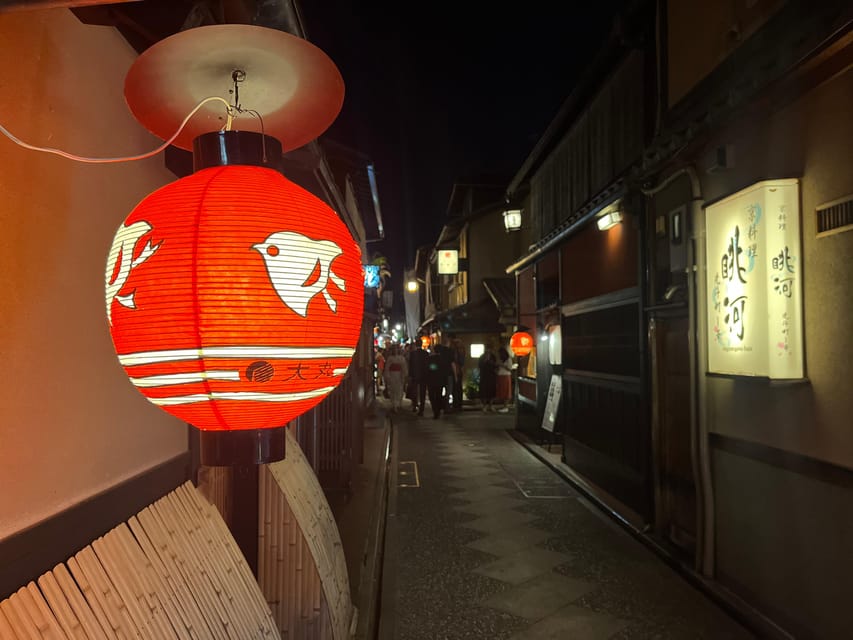
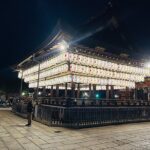
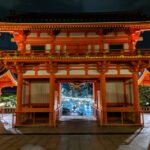
The walk finishes with Gion Higashi and Yasaka Shrine. This is a high-value stop because it ties directly to the district name.
The tour includes a visit to the shrine that was formerly called Gion Shrine—and today is Yasaka Shrine. You’ll also learn about the origin of the Gion name and the fact that its roots go back more than 1100 years.
If there’s time, the guide may also explain the Gion Festival, one of Japan’s best-known festivals, and how it links back to this district’s origins. This part is great for people who want to understand why Gion isn’t just about performances—it’s about a long-standing cultural calendar tied to place.
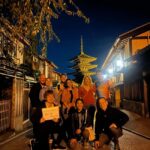
Even at night (the tour schedule includes morning slots like 9:45 and noon-style starts like 12:30), the shrine area can feel very different from the alley sections. You get a broader view of “Kyoto identity,” not only the hanamachi aesthetic.
The Guides Make It Worth $35
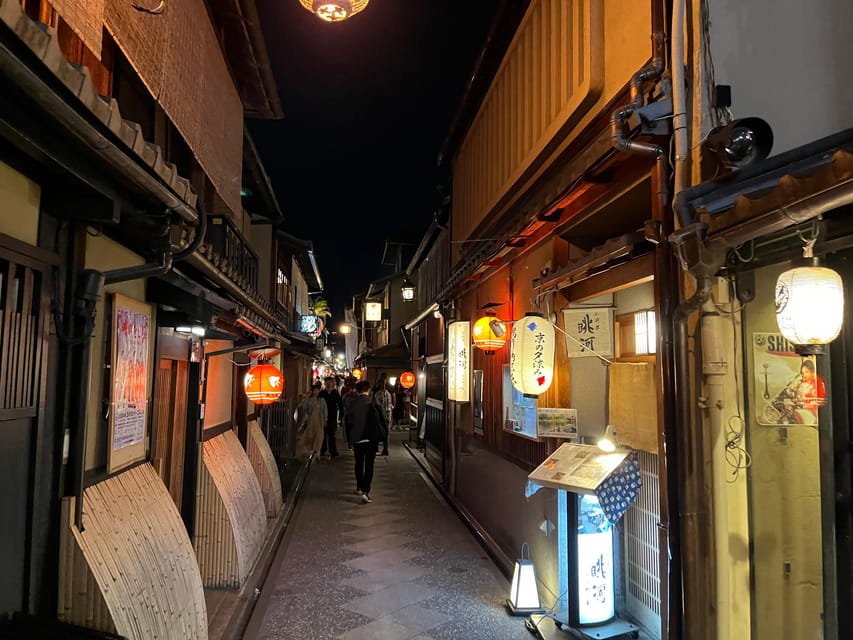
The best thing about this tour isn’t a single landmark. It’s the way the guide uses the walk to answer questions.
On this experience, I’d pay attention to the guide’s personal style because it strongly shapes what you get out of it. Guides such as Jose and Saskia are known for being energetic, organized, and genuinely excited about the city. You’ll also see them use an iPad for things like photos or visual explanations that help you place what you’re seeing into a bigger story.
The most practical value: the format is built around frequent stops and room for questions. In a compact loop like this, that matters. You’re not stuck waiting until the end to ask why a street, statue, or building looks the way it does.
Also, if you want specifics—architecture details, hanamachi routines, what daily life can look like—this tour is designed for exactly that. If you prefer quiet wandering with zero talking, you might find it more interactive than you expected.
Price and Value: Why $35 Often Feels Like a Win
At $35 per person for 2 hours, this isn’t a budget “see everything” deal. It’s priced for a small group and a guide-led experience with multiple district stops.
Here’s the value logic I’d use:
- Without a guide, you’ll see Gion as “nice streets” and famous alleys.
- With a guide, you get explanations tied to the exact places you pass—especially the hanamachi-focused parts and the Yasaka Shrine link to the Gion name.
- The max 6 group size keeps the experience interactive, not lecture-style.
And because it’s only 2 hours, it fits cleanly into a Kyoto day plan. It’s a good way to get context before you start exploring on your own, or a solid closer after you’ve already walked the big-ticket areas and want the meaning.
Weather, Comfort, and What to Bring (Because Kyoto Doesn’t Care)
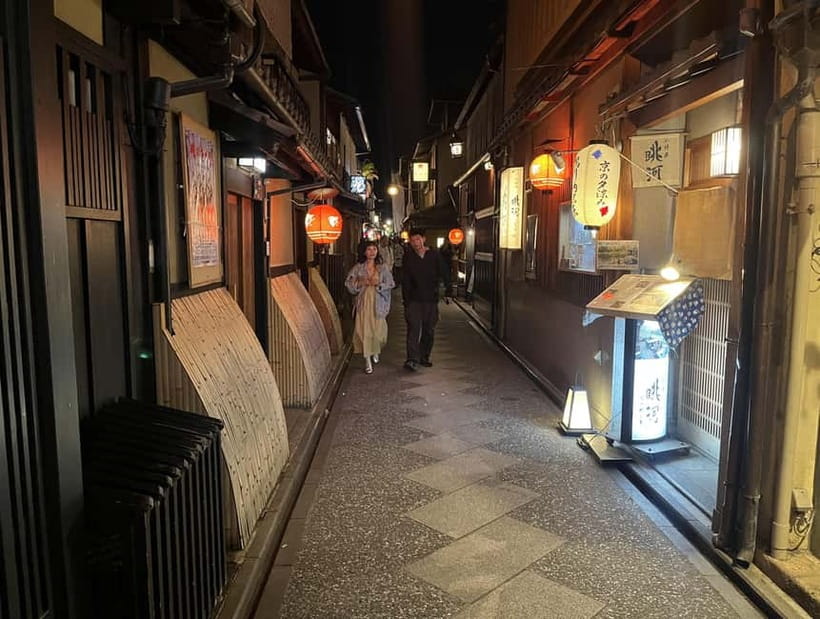
This tour provides no amenities, so plan like you’re heading outside for a short city hike.
Bring:
- comfortable shoes
- water
- umbrella (Kyoto weather changes fast)
- sun hat and sunscreen
A small umbrella isn’t just for rain. It can also be a lifesaver in bright sun during warmer months.
If you’re doing this during cherry blossom season (late March to early April), the route may be adjusted slightly to showcase sakura around Gion. That’s a nice bonus because it keeps the walk scenic without turning it into a detour marathon.
Where You Meet and How to Avoid Stress
You’ll meet at the Disney Store – Kyoto Shijo-Kawaramachi. The guide will be sitting down in front of the store, waiting.
Look for the person holding an iPad showing the Get Your Guide branding and the tour name.
It’s a simple meeting point, but you’ll feel better if you arrive a few minutes early and scope out the iPad cue. Kyoto sidewalks are busy, and you don’t want to waste tour time just searching.
Optional Extension: Gion Gallery Time
There’s also an option tied to certain start times. The 9:45 and 12:30 tours can include a free visit to the Gion Gallery if you want to extend your time.
If you’re curious about additional visuals after the walk—maps, photos, or interpretive displays—that can be a nice add-on.
Who Should Book This Tour (and Who Might Skip It)
This tour is a strong fit if you want:
- a clear introduction to Gion beyond the obvious photo streets
- a guide who answers questions and shares Maiko/Geiko context
- a small-group experience with time to talk
- a walking route that includes Pontocho, Gion-Kobu, Gion-Higashi, and Yasaka Shrine
You may want to rethink it if:
- you’re chasing guaranteed Maiko/Geiko sightings (they’re not guaranteed)
- you’re specifically focused on streets that are not part of the itinerary, like Hanamikoji-dori
Should You Book the Kyoto Gion Walking Tour?
Yes, I think it’s worth booking—especially if you’re in Kyoto for a short time and want your time in Gion to mean something. The small group size, the hanamachi-focused stops, and the Yasaka Shrine connection to the name Gion make it more than a casual stroll.
If your expectations are set correctly—go for understanding, not certainty of a celebrity-of-the-moment sighting—you’ll leave with better instincts for how to explore Gion on your own afterward. And for $35, that kind of context is hard to beat.
FAQ
How long is the Kyoto Gion Walking Tour?
The tour runs for 2 hours.
Where do we meet for the tour?
Meet at the Disney Store – Kyoto Shijo-Kawaramachi. The guide will be sitting down in front of the store holding an iPad with the Get Your Guide tour image.
How many people are in a group?
The group is small, limited to 6 participants.
What languages are available?
Live guides are available in Spanish, Dutch, French, and English.
Which parts of Gion are visited?
In 2 hours, the tour visits 3 of the 5 hanamachi: Pontocho, Gion-Kobu, and Gion-Higashi.
Is Hanamikoji-dori included?
No. Hanamikoji-dori is not included in the itinerary.
Can you guarantee a maiko or geiko sighting?
No. A Maiko and/or Geiko sighting cannot be guaranteed.
What should I bring?
Bring comfortable shoes, a sun hat, an umbrella, sunscreen, and water.