REVIEW · MUNICH
Munich Old Town Walking Tour
Book on Viator →Operated by Radius Tours GmbH · Bookable on Viator
Munich’s Old Town is compact, so this tour hits a lot fast. You’ll see major landmarks like Frauenkirche and the Marienplatz clock, plus get a real sense of the city from guides who tell stories with humor (I’ve seen how Dan, Maria, Patrick, and Timmy keep groups listening). One thing to plan for: it’s a walking tour through busy squares, so in crowded moments you may have trouble hearing if you’re far back.
The route is built for an easy 2-hour orientation—not a slog—ending around the central squares. I also like the small group size (max 25) and that the meeting point is public-transport friendly, so you can start with confidence and stay flexible.
In This Review
- Quick hits before you go
- Why this Munich Old Town walk is a smart first-day move
- Price and value: what $27.81 buys you
- Where you start: Radius Tours and getting oriented fast
- Stop-by-stop: what each major stop is really for
- 1) Karlsplatz / Stachus: the city-center kickoff
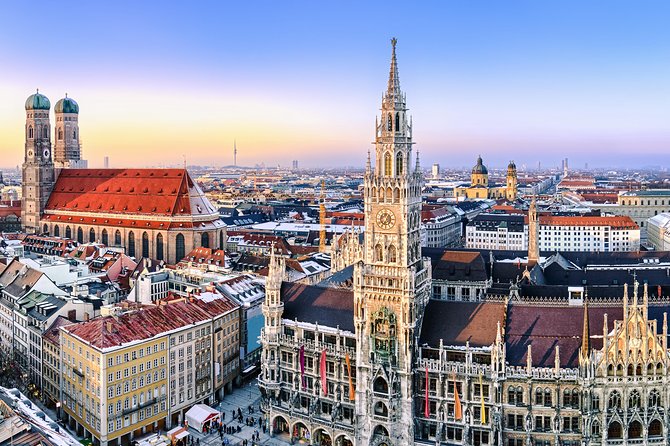
- 2) Frauenkirche: Munich’s iconic church exterior and scale
- 3) Rathaus-Glockenspiel: the clock that turns history into a show
- 4) Marienplatz: the Old Town center where everything connects
- 5) Viktualienmarkt: a market stop that feeds your day
- 6) St. Peter’s Church: Munich’s oldest structure
- 7) Alter Hof: Wittelsbach origins
- 8) Residenz München: the Wittelsbach royal residence
- 9) Odeonsplatz: your northern endcap of the Old Town
- The guide experience: why humor and pacing show up so often
- Who this tour suits best (and who might want something else)
- How to make the most of it (without over-planning)
- A quick note on what is and isn’t included
- Should you book the Munich Old Town Walking Tour?
- FAQ
- How long is the Munich Old Town walking tour?
- What does the tour cost?
- Where does the tour start and end?
- Is the tour offered in English?
- What sights are included on the route?
- What is included in the price, and what is not?
- What if the weather is bad or I need to cancel?
Quick hits before you go
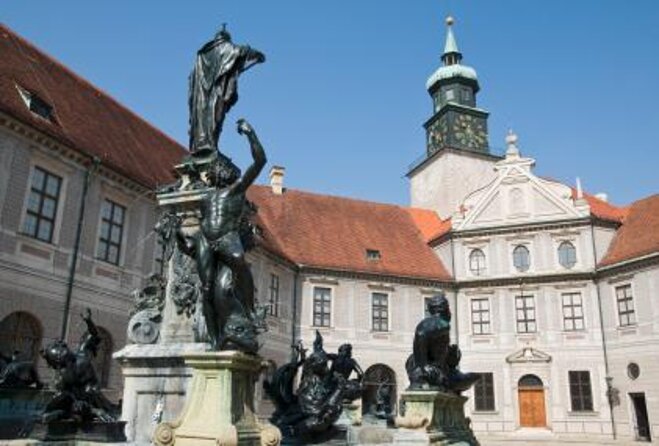
- Top-sight route in just 2 hours: Marienplatz, Frauenkirche, St. Peter’s, Odeonsplatz, and more
- Glockenspiel timing matters: you get the famous Rathaus-Glockenspiel moment and context
- Market stop with options: Viktualienmarkt is your food-and-beer-garden-style break
- You’ll get inside access moments: a peek at Hofbräuhaus beer hall is part of the experience
- Free-entry style stops listed: each stop is marked admission ticket free in the itinerary
Why this Munich Old Town walk is a smart first-day move
If you only have a day or two in Munich, you don’t need another list of landmarks. You need bearings—what’s where, why it matters, and what’s worth revisiting later. This tour is designed to do exactly that in about 2 hours, with a local guide who explains the city as you walk through it.
What makes it work is the blend. You’re not stuck staring at buildings from the sidewalk. You’re also learning the stories that connect them: Bavarian history, Munich’s old power centers, and how the city’s main squares functioned as social hubs. Guides like Dan and Maria are praised for keeping the pace smooth and the storytelling easy to follow, including plenty of time to ask questions.
Now the practical part: it’s still walking, and Munich’s center gets busy. You’ll want to pick a spot closer to the guide when you can, especially in places like Marienplatz and around the churches, where crowds can spread out and hearing can get tricky.
You can also read our reviews of more walking tours in Munich


Price and value: what $27.81 buys you
At about $27.81 per person for an approximately 2-hour guided walk, you’re paying for three things:
- A tight route across the most important Old Town highlights
- A professional guide with local storytelling (this is not just sightseeing)
- Time savings—you don’t have to research which landmarks connect to each other
You also get a tour setup that tends to reduce friction. It’s offered in English, you’ll have a mobile ticket, and each of the named sights is marked with free admission ticket info in the itinerary. That means you’re not likely to get hit with surprise museum-style ticket requirements mid-walk.
The one cost you still control: food and drinks are not included. If you want to eat during the tour, you’ll need to plan for it at stops like Viktualienmarkt, where options are right there.
Where you start: Radius Tours and getting oriented fast
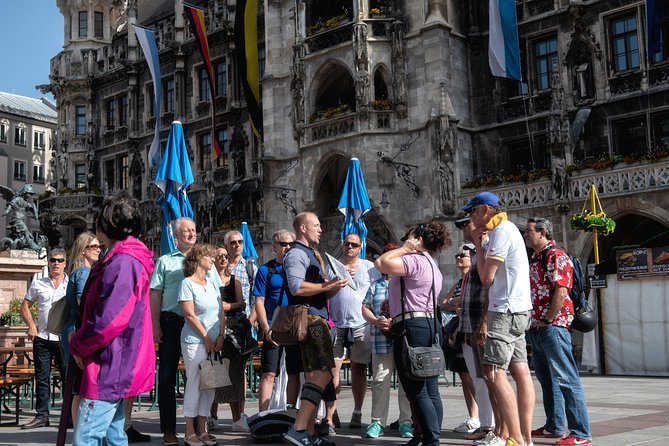
The tour begins at Radius Tours, Dachauer Str. 4, 80335 München. The exact vibe here is simple: you check in at the office, meet your guide, and then you’re off toward the city center.
This matters more than it sounds. Starting at a clear meeting point helps when you’re jet-lagged or figuring out transit. And because it’s near public transportation, you’re less dependent on getting a cab timing perfect.
Once the group moves, you’ll head toward the heart of the Old Town area. It’s an efficient way to start: you’re not wandering aimlessly first. You’re being guided to the places you’ll want to photograph and revisit.
Stop-by-stop: what each major stop is really for
Here’s how the route plays out, and why each stop earns its place.
1) Karlsplatz / Stachus: the city-center kickoff
After meeting, the first move is toward Karlsplatz, also commonly associated with Stachus. This is your launching pad into the historic core.
Why it’s worth it: your guide can set the context early—what Munich’s Old Town layout means, and how the squares you’ll see later fit into the city’s story. It’s the moment where the tour shifts from walking to understanding.
If you want an easy win, arrive on time here. The group is moving quickly, and early explanations are part of the payoff.



2) Frauenkirche: Munich’s iconic church exterior and scale
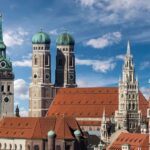
Next is Frauenkirche, the famous church in Munich. The tour notes it can hold up to 20,000 people, which gives you a real sense of its importance and scale.
Why this stop works on a walking tour: when you see a major church like this up close, it helps you understand why Munich’s central spaces became ceremonial and political stages. Also, churches tend to be “see once, remember later” landmarks. You’ll likely come back to it in photos and in your planning afterward.
3) Rathaus-Glockenspiel: the clock that turns history into a show
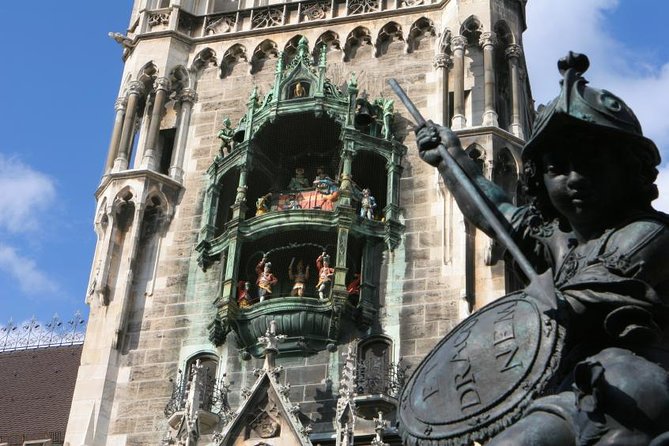
Then you reach the Rathaus-Glockenspiel at Marienplatz. This is the famous carillon that illustrates events from the 1500s.
Practical tip: plan for the timing. The show is the reason people gather there. On a guided walk, you’re not just looking at a clock—you’re learning how the pieces relate to Munich’s story. And guides often help you know what you’re looking at, instead of just pointing and moving on.
One review highlights how the Glockenspiel has a schedule and that it happens only a few times a day. The guided experience is useful because you’re less likely to miss the moment.
4) Marienplatz: the Old Town center where everything connects
From there, the tour spends time at Munich Marienplatz, the city center and a key hub for major landmarks.
This is where orientation becomes real. You’ll start noticing how the streets and buildings funnel back into the squares, and how easy it is to plan a second visit. Guides often recommend which nearby areas are better for meals, photos, or slower wandering later.
Also: if you like little local rituals and quirky stories, this is the kind of stop where you may hear about superstitions tied to the square (for example, one guide-related tradition mentioned in a review involves a lion-nose touch at Marienplatz).
5) Viktualienmarkt: a market stop that feeds your day
Next is Viktualienmarkt, described as Munich’s biggest and most famous market. The tour also notes it’s home to one of Munich’s best beer gardens.
Why I like this as a tour component: it’s not just a quick street-photo stop. Markets let you see daily life without turning it into a lecture. You’ll also be able to judge what kind of food and snack vibe you want afterward.
Since food and drinks aren’t included, your best move is to treat this stop as a planning moment:
- If you want a sit-down beer garden later, you’ll spot the vibe here
- If you want a quick snack, you’ll see what looks good and easy to carry or share
6) St. Peter’s Church: Munich’s oldest structure
Then you visit St. Peter’s Church, noted as the oldest structure of Munich in the tour info.
Why this matters: it gives you a sense of depth. When you pair this with the more “showy” landmarks like the Glockenspiel, you get the full timeline feeling—old roots and later power displays.
This is also a good stop if you like architecture and want to understand why Munich’s center stayed important even as the city changed.
7) Alter Hof: Wittelsbach origins
At Alter Hof, you’ll learn about the first residence of the royal Wittelsbach family.
This is a turning point in the tour’s story. Up to this point, it’s been about religious and civic landmarks. Alter Hof anchors the political reality: Munich’s history wasn’t only spiritual and cultural—it was driven by rulers who built and lived in these spaces.
8) Residenz München: the Wittelsbach royal residence
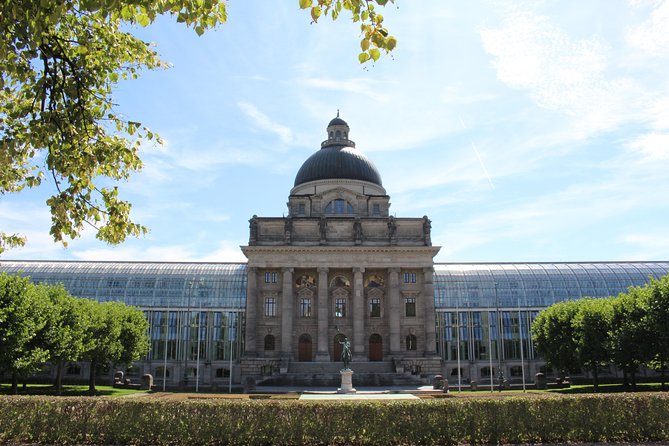
From Alter Hof, the tour moves to Residenz München, the famous residence of the Wittelsbach royal family.
Even if you don’t go inside (the itinerary frames it as a stop on the walk), the sight itself helps you connect Munich to broader European royal history. The guide’s job here is key: they help you see why this matters beyond just being a big building.
9) Odeonsplatz: your northern endcap of the Old Town
Finally, the walk ends at Odeonsplatz, described as the northern end of the city center.
This last step matters because it’s where you can split off easily. Depending on where your hotel or next plan is, you’ll likely find you’re in a convenient part of town to continue on your own.
The guide experience: why humor and pacing show up so often
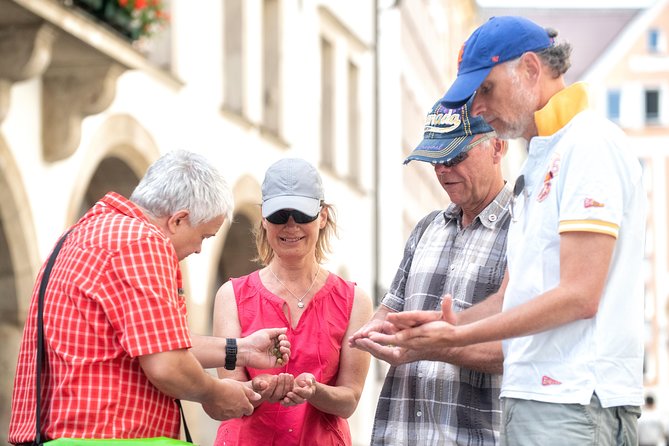
The biggest common thread across the praised reviews is how guides teach. Not in the lecture sense—more like: they keep the story moving, keep it funny, and keep it clear.
You’ll see that in the names people credit:
- Dan stands out for keeping the group entertained while still hitting key facts
- Adrian is mentioned for a smooth check-in and a friendly start
- Patrick is praised for stories and smaller details you might miss on your own
- Maria is highlighted for giving the right amount of info without overwhelming
- Mark is noted for a lot of history that never felt like it overloaded people
- Aileen is specifically praised for pacing and for directions at the end
- Anna receives repeated praise for being engaging and entertaining
- Timmy gets credit for mixing history with modern context
- Dani is praised for being easy to hear and understand
- Iain is praised for safety awareness while walking in busy streets
That last one is quietly important. In central Munich, pedestrians and traffic patterns can be chaotic. A guide who thinks about on-street safety means you can focus on the sights instead of constantly scanning for problems.
Who this tour suits best (and who might want something else)
This walk is ideal if you:
- Want a first-day orientation and a simple plan for revisiting places later
- Like mixing famous landmarks with local context
- Prefer hearing stories from a guide rather than reading a guidebook solo
It may not be ideal if:
- You’re sensitive to crowds and noise, since you’ll be near major attractions
- Your group needs a very quiet pace all the way through (a review mentioned that kids got bored mid-tour)
- You only want ticketed interiors all the time, because this experience is primarily a walking route with stops and viewpoints
How to make the most of it (without over-planning)
You’ll enjoy this more with a little prep and some smart behavior during the walk.
- Wear comfortable shoes. You’ll be on your feet for most of the 2 hours.
- Position yourself well. When the Glockenspiel and Marienplatz crowds thicken, get closer so you can actually follow the guide’s explanation.
- Use the end as your planning moment. Many guides provide direction and ideas so you can choose your next meal or sightseeing step with less guesswork.
Also: because the tour depends on good weather, have a backup mindset. If it runs, great. If it doesn’t, plan a flexible alternative in the Old Town area.
A quick note on what is and isn’t included
The essentials are covered:
- Professional guide and a local guide
- Mobile ticket and English service
- A route that includes major civic landmarks and key religious sites
What’s not included:
- Food and drinks
- Hotel pickup and drop-off
So you’ll want to have a plan for meals. If Viktualienmarkt is the place you want to linger, treat it as your self-guided food decision point.
Should you book the Munich Old Town Walking Tour?
I’d book it if you want a clean, high-value “start here” experience in Munich. It’s built around the city’s main squares and landmarks, timed for an easy orientation, and powered by guides who consistently earn praise for humor, clarity, and pacing.
Skip it or consider another option if you’re arriving and already know the city well, or if you dislike crowded walking routes. Also, if hearing the guide is a deal-breaker for you, aim to stay near the front and be ready for the busiest parts around Marienplatz.
If you like to understand a place as you walk through it, this is one of the better ways to do it in a short window.
FAQ
How long is the Munich Old Town walking tour?
The tour lasts about 2 hours.
What does the tour cost?
The price is listed as $27.81 per person.
Where does the tour start and end?
It starts at Radius Tours, Dachauer Str. 4, 80335 München, Germany. It ends around the central squares near Marienplatz, with the last stop at Odeonsplatz.
Is the tour offered in English?
Yes, the tour is offered in English.
What sights are included on the route?
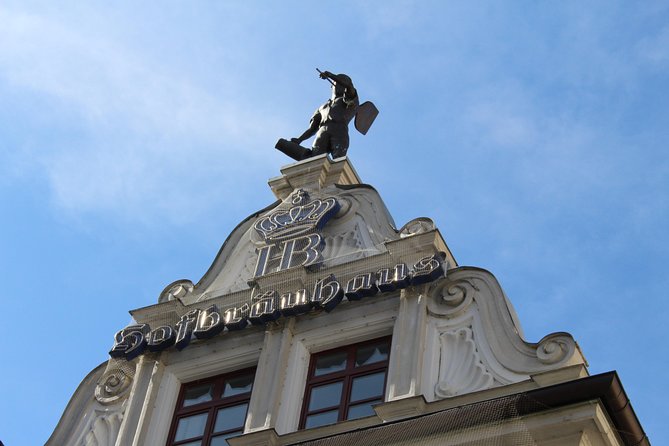
You’ll see landmarks such as Frauenkirche, Rathaus-Glockenspiel, Marienplatz, Viktualienmarkt, St. Peter’s Church, Alter Hof, Residenz München, and Odeonsplatz. The highlights also mention a peek inside the Hofbräuhaus beer hall.
What is included in the price, and what is not?
Included: a professional guide and a local guide. Not included: food and drinks, and hotel pickup and drop-off.
What if the weather is bad or I need to cancel?
This experience requires good weather. If it’s canceled due to poor weather, you’ll be offered a different date or a full refund. You can cancel up to 24 hours in advance for a full refund.