REVIEW · VIENNA
Vienna: Small Group Guided Walking Tour of City Highlights
Book on GetYourGuide →Operated by Maria Tours Live · Bookable on GetYourGuide
Vienna can feel like a giant museum. This 2-hour small-group walk keeps you moving through the imperial center with Maria telling the stories behind the stones. You get a focused route that covers the Hofburg Palace, Vienna State Opera, the Spanish Riding School, and St. Stephen’s Cathedral without the usual crowd-stomping.
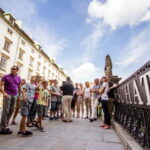
What I like most is the tight pacing and the personal feel: you’re limited to 14 participants or fewer, so questions don’t get lost. I also like the way the tour turns names you’ve heard—Habsburgs, Empress Sisi, Mozart, Beethoven, Johann Strauss—into real context you can picture while you’re standing there.
One consideration: it’s exterior-only and entrance fees aren’t included, so you’ll see the big sights up close from the outside rather than touring interiors.
In This Review
- Key highlights worth your attention
- A Small-Group Vienna Highlight Walk With Maria
- Getting Your Bearings: Ringstraße Monuments and Museum Facades
- Hofburg to Burggarten: Imperial Power on Foot
- Albertina and the Opera Area: How Vienna Performs
- Austrian National Library and the Spanish Riding School
- Coffee House Stories and the Historic Center Streets
- St. Stephen’s Cathedral: The Final Big Impression
- How the “Stories” Actually Help You Sightsee Better
- Price and Value: Is $40 Worth It for Two Hours?
- Pace, Photos, and What to Bring (So You Don’t Hate Walking)
- Who This Tour Suits Best
- Should You Book This Vienna Walking Tour?
- FAQ
- How long is the Vienna walking tour?
- Where does the tour start?
- Is this tour inside attractions or just outside?
- How big is the group?
- Is the tour guided and in English?
- Is it suitable for wheelchair users or people with mobility impairments?
- What should I bring?
- Are meals included?
- FAQ (continued)
- What if the weather is bad?
- Can I cancel and get a refund?
- Can I reserve now and pay later?
Key highlights worth your attention
- Maria’s story format: Habsburg power, Sisi drama, and composer legends woven between photo stops
- Small-group advantages: up to 14 people, more back-and-forth, better photo timing
- Big landmark visuals: Ringstraße architecture, Hofburg, and the Opera framed as you walk
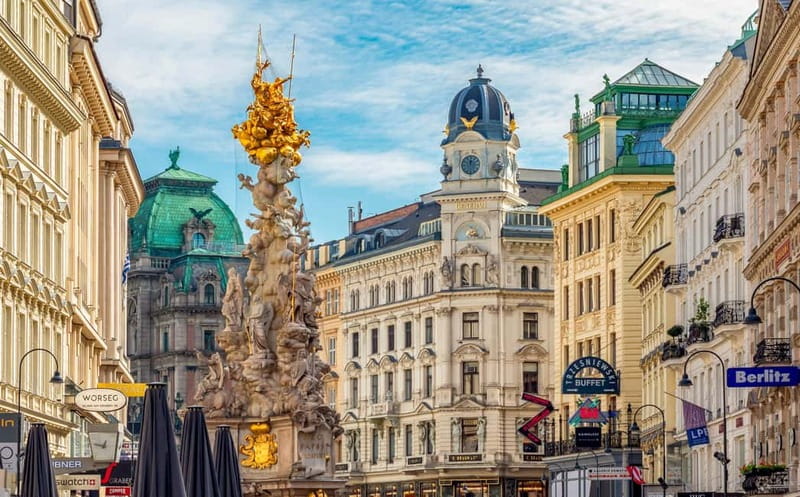
- Classic Vienna streets: Graben, Kohlmarkt, Michaelerplatz, and stops for quick city-center photos
- Two prime finish options: St. Stephen’s Cathedral or the Albertina area, depending on the drop-off
A Small-Group Vienna Highlight Walk With Maria
If you want a fast, high-quality way to get oriented in Vienna, this is the kind of tour that makes sense. You’ll cover major landmarks in a short window, but the experience is still human-sized. The guide—Maria Tours Live’s Maria—is the centerpiece, and the best tours are basically a good guide plus a good route.
The tour’s format helps you connect the dots. As you pass the Ringstraße monument to Maria Theresia and move toward the Hofburg complex, you’re not just looking at buildings—you’re learning who wanted them, who paid for them, and how power and art were tied together in the Habsburg era. That’s what makes the walk more than sightseeing.
And because the group is small, you’re more likely to get recommendations that match your interests: history lovers, architecture fans, and people who just want the best coffee and pastry stops all tend to leave with a useful next-day plan.
You can also read our reviews of more walking tours in Vienna
Getting Your Bearings: Ringstraße Monuments and Museum Facades
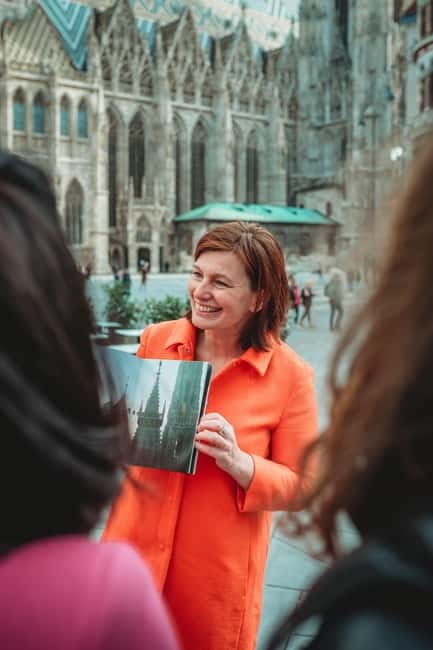
You begin in the inner-city zone near one of two starting points: Ankeruhr or the Maria Theresia Memorial. Either way, you’re set up to understand Vienna’s “big picture” quickly—this is the city where imperial identity shows up in stone, plazas, and long, formal streets.
From there, the walk takes you past two museum giants: the Kunsthistorisches Museum and the Naturhistorisches Museum. Even if you don’t go inside, the exteriors are a lesson. They’re built to impress, and they show how Vienna used culture and collecting as a form of prestige.
Then you move onto Ringstraße, the famous grand boulevard. This is where the city starts to feel organized, almost designed for walking and looking. The guide’s storytelling matters here. Vienna’s buildings can look similar at first glance—grand, symmetrical, ornate—so hearing the political and cultural context helps you notice the differences faster. You start to read the city like a map instead of a blur.
Hofburg to Burggarten: Imperial Power on Foot
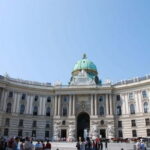
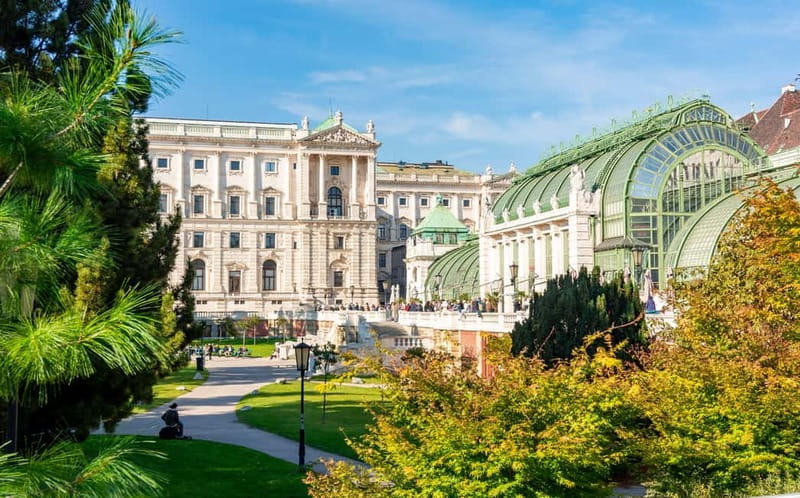
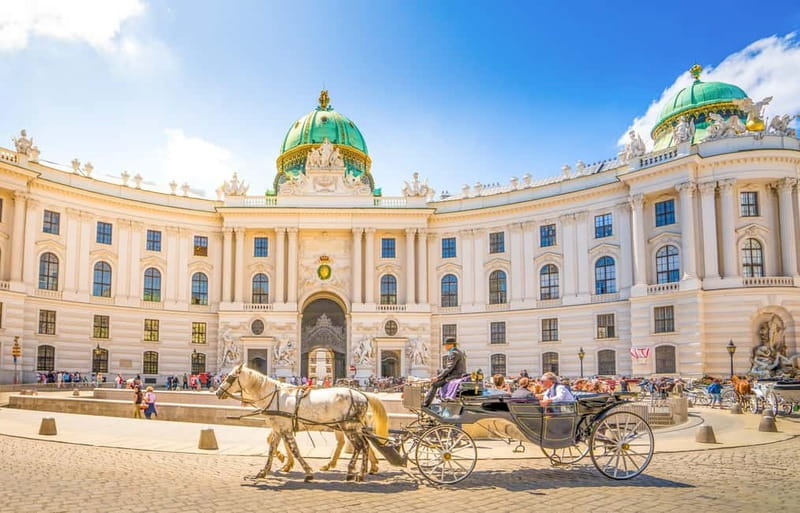
Next comes the Hofburg Palace area—one of Vienna’s core “you are in the Habsburg world now” moments. You’ll stroll through and around it with photo stops that make it easy to frame the palace correctly. The guide’s focus isn’t random trivia. It’s the logic of the place: power centered here for centuries, with politics and ceremony in the same orbit.
A standout segment is the approach toward Burggarten and the Palmenhaus. This is a nice break in mood. After the heavy imperial sites, the garden park gives you a calmer rhythm, plus the Palmenhaus area is a great place for photos without feeling like you’re fighting the crowd.
There’s also a pass-by stop at Schmetterlinghaus. Even though it’s not the headline, it adds a little texture to the route so the walk doesn’t feel like a checklist of only the most famous stops. That small variation is part of what makes this tour feel less mechanical.
Albertina and the Opera Area: How Vienna Performs
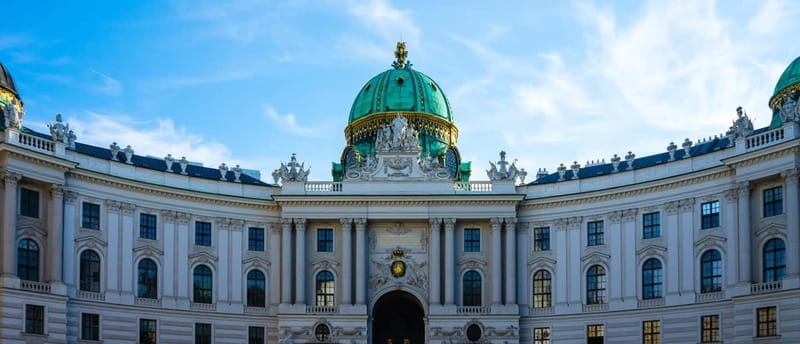
From the palace gardens, you roll into the Albertina area. The tour gives you time to look around and absorb the surroundings, and the Albertina Museum area is also a good “mid-walk reset.” You’re still in the historic center, but the pacing lets you breathe and regroup.
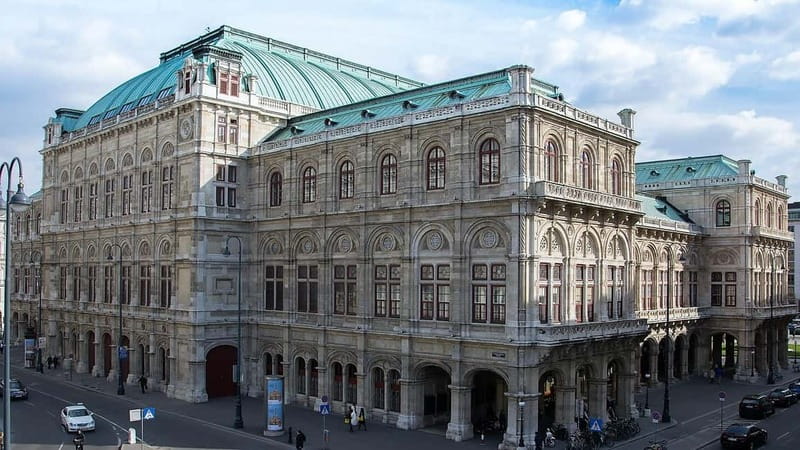
Then you’re in the zone of luxury and legend, with stops near Hotel Sacher and the Vienna State Opera. The Opera is the kind of building where photos never fully capture the impact. Up close, you understand why it’s a symbol: the formality, the detail, and the sense that performance matters here as much as governance.
The guide’s job is to make it more than a pretty facade. You’ll hear the kind of story that helps you remember the Opera in relation to the broader city—music, power, and public life. If you love composers, you’ll likely appreciate how Vienna keeps returning to art as a way to define itself.
Austrian National Library and the Spanish Riding School
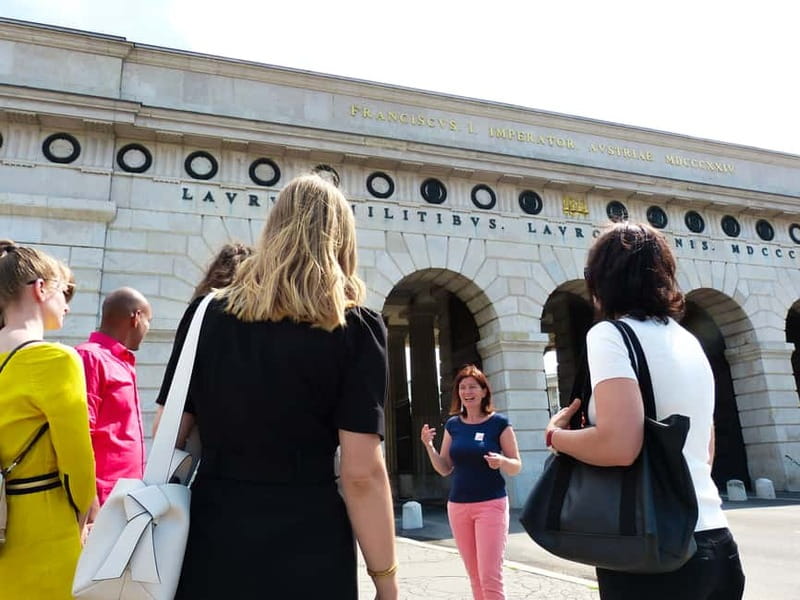
You move onward toward the Austrian National Library, with an outside photo stop and a walk-by. This is another “read the architecture” moment. Libraries and palaces in Vienna don’t just store knowledge; they display what a society wants to be known for.
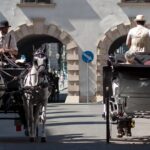
Then comes one of the most memorable themes of the tour: the Spanish Riding School and the Lipizzaner horses. Even if you’re not planning to attend a show, the exterior focus still helps you understand why this institution carries so much cultural weight. You’ll connect the dots between tradition and identity—how Vienna keeps old practices alive while also turning them into a living part of tourism and public imagination.
This part of the walk also works well for first-time visitors. It’s a distinct Vienna flavor that you don’t get by wandering alone. If you only see the big cathedral and the big palace, you miss some of what makes Vienna feel like Vienna.
You can also read our reviews of more guided tours in Vienna

Coffee House Stories and the Historic Center Streets
At this point, the tour shifts from grand institutions to the streets where everyday Viennese life has always happened. And that’s where the stories get especially useful.
You’ll pass through the historic center of Vienna, then hit a sequence of classic city-center stops: Michaelerplatz, Kohlmarkt, and Demel (a famous pastry name). This is the sweet spot for people who want the route that’s most useful for the rest of their stay. You learn the layout of the central streets, which makes it easier to return later for shopping, a casual lunch, or simply more walking.
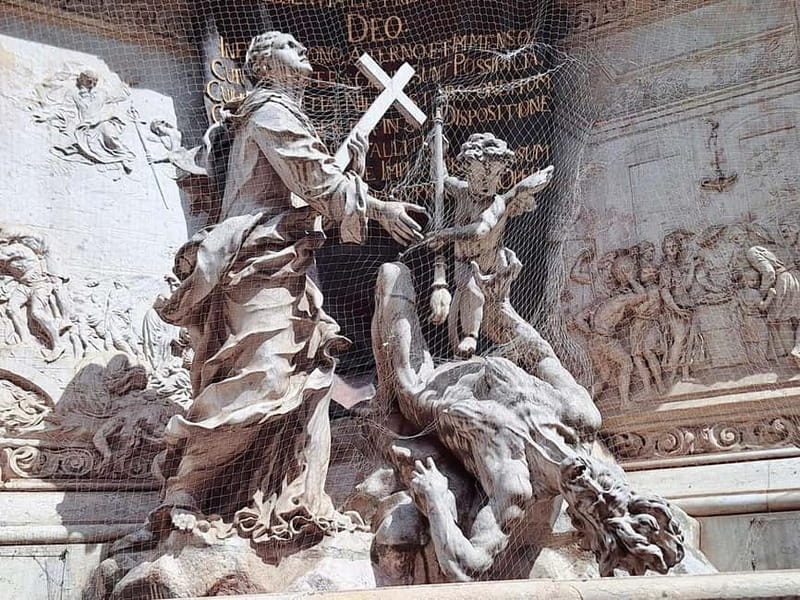
Then you head for Graben, one of Vienna’s iconic streets. After that comes St. Peter’s Church, and the Vienna Plague Column—both exterior photo moments that add variety. Vienna’s city-center look is often about ornate facades, but these stops highlight different layers: church history, public memory, and the city’s survival and reinvention over time.
The guide’s coffeehouse angle helps tie this neighborhood feel back to the bigger narrative. Vienna’s coffeehouses aren’t just places to eat. They’re part of how ideas circulated—music, politics, art, and opinions in the same conversations.
St. Stephen’s Cathedral: The Final Big Impression
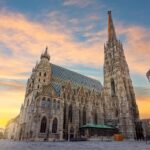
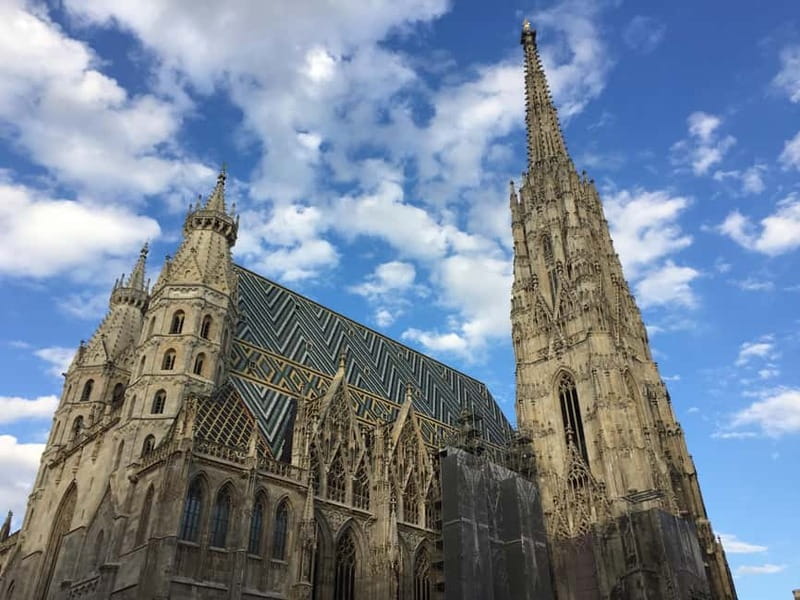
The tour ends near St. Stephen’s Cathedral in the heart of the city, which is a smart finish point. Even from outside, the cathedral is a visual anchor. You’ll also get a guided guided segment in the historic area around it, plus photo opportunities that make it easier to appreciate the architecture.
St. Stephen’s Cathedral is one of those places where you instantly see why it’s a must. The scale and detail are impressive, but the real value of the tour is the context you’re given while you’re there—so you don’t just see it, you understand what it represents in Vienna’s story.
Depending on the option you booked, your drop-off may also be near the Albertina. Either finish works well. If you finish at St. Stephen’s, you’re positioned for more walking in the oldest core. If you finish near Albertina, you’re set up for an easier hop into museums and shopping corridors.
How the “Stories” Actually Help You Sightsee Better
A good guide doesn’t just recite dates. Maria’s approach—based on what you’ll hear throughout the walk—connects characters and themes to locations you can physically see. You’ll get Habsburg context, Empress Sisi’s dramatic arc, and composer connections that include Mozart, Beethoven, and Johann Strauss. You’ll also hear about legendary Viennese personalities and coffeehouse culture.
That kind of storytelling is practical. It stops the common Vienna problem: seeing ten landmarks and remembering none of them. Here, you learn a few clear threads, so the city stops being a list and becomes a place with momentum.
You’ll also appreciate the guide’s local recommendations. The tour is designed to leave you ready to explore on your own, not dependent on the tour to lead every step. Even if you plan to hit museums later, you’ll likely find the sightseeing walk makes choosing where to go next much easier.
Price and Value: Is $40 Worth It for Two Hours?
At about $40 per person for a 2-hour small-group walk, this falls into the category of “pay a little to save time and avoid aimless wandering.” And in Vienna, time matters—because the best sites are close together but can still be a pain to sequence without a plan.
You’re not paying entrance fees, and it’s exterior-only. But you are paying for three things that are hard to replicate on your own:
- a tight route through the main sights (Hofburg, Opera, Spanish Riding School, St. Stephen’s)
- story context that turns architecture into understanding
- a guide who can give on-the-spot recommendations, so your rest-of-trip decisions feel smarter
The small-group limit (14 or fewer) is a hidden value point too. In a crowded big tour, you spend half your energy waiting and half taking photos between strangers. Here, you’re more likely to get your questions answered and actually enjoy the walk.
Pace, Photos, and What to Bring (So You Don’t Hate Walking)
This is a walking tour, and the best experience comes from arriving ready. Bring comfortable shoes and water. A camera helps, because the tour includes multiple photo stops outside major landmarks, including the Opera area, the Burggarten/Palmenhaus zone, and the St. Stephen’s area.
The tour runs in all weather conditions, so dress for rain or cold if needed. Also note the rules: no strollers, no luggage or large bags, and no audio recording. It’s set up for moving efficiently, and the group stays together.
If you’re traveling with mobility limitations, it’s not listed as suitable for wheelchair users or people with mobility impairments. So plan accordingly if you need step-free access.
Who This Tour Suits Best
This tour is a strong fit if you’re:
- visiting Vienna for the first time and want a clean overview of top landmarks
- short on time and still want more than the usual mass-tour experience
- into Habsburg and composer stories and want them connected to real places
- the kind of traveler who enjoys photo stops and quick, useful local tips
If you already planned to spend hours inside museums and palaces, you’ll still like this, but treat it as orientation and context, not a substitute for ticketed attractions. Since entrance fees aren’t included, the tour’s value is in what you see and understand from the outside.
Should You Book This Vienna Walking Tour?
I’d book it if you want a fast, high-quality Vienna introduction with a small group and a guide who clearly enjoys the city. The route hits the big hitters—Hofburg, Vienna State Opera, Spanish Riding School, St. Stephen’s Cathedral—while still making room for the streets and details that make Vienna feel lived-in.
Skip it only if you’re expecting a full interior tour with entrance tickets, or if you can’t do a steady 2-hour walk. For everyone else, this is the kind of small-group highlight tour that helps you start your Vienna trip with confidence—and finish with a plan.
FAQ
How long is the Vienna walking tour?
It runs for 2 hours.
Where does the tour start?
You start at one of two meeting points: Ankeruhr or the Maria Theresa Memorial. The exact starting point can vary depending on the option booked.
Is this tour inside attractions or just outside?
This is an exterior-only walking tour. Entrance fees are not included.
How big is the group?
The group is limited to a maximum of 14 participants or fewer.
Is the tour guided and in English?
Yes, it’s a live English-speaking professional local expert guide.
Is it suitable for wheelchair users or people with mobility impairments?
No. It’s not suitable for people with mobility impairments and not suitable for wheelchair users.
What should I bring?
Bring comfortable shoes, a camera, water, and weather-appropriate clothing.
Are meals included?
No. Meals and drinks are not included.
FAQ (continued)
What if the weather is bad?
The tour operates in all weather conditions, so dress appropriately.
Can I cancel and get a refund?
Yes, free cancellation is available up to 24 hours in advance for a full refund.
Can I reserve now and pay later?
Yes, it offers reserve now & pay later, so you can book and pay nothing today.