REVIEW · KYOTO
Kyoto Early Bird English Tour: Fushimi-Inari and Arashiyama
Book on Viator →Operated by Tomodachi Tours · Bookable on Viator
Beat Kyoto’s crowd rush with calm mornings. This English small-group tour focuses on two of the city’s most photographed spots, Fushimi Inari and Arashiyama, before the day-trippers arrive. You also get Tenryu-ji and Togetsu-kyo Bridge, with an expert guide to help you move efficiently.
I love how the early start changes everything. You get a calmer walk through the famous torii gates, plus time in Arashiyama that feels less like a queue. The other big win for me is the pacing and photo guidance from guides such as Vincent or Hiro, who consistently helped people find strong angles and keep the group moving. One drawback to consider: the tour price does not include the train/transport fare (¥390 per person), and if you’re big on shrine or temple stamp collecting, some stops may be later than you expect on early mornings.
In This Review
- Key things to know before you go
- Why this early morning Kyoto plan works
- Fushimi Inari-taisha: walking the torii without the chaos
- Arashiyama bamboo forest street: getting calm photos
- Tenryu-ji Temple: the Zen garden stop you’ll remember
- Togetsu-kyo Bridge: a quick hit with a big payoff
- Group size, guides, and the small touches that matter
- Price and value: what $96.83 really means
- What to bring for comfort on early Kyoto days
- Should you book this Kyoto Early Bird tour?
- FAQ
- How long is the Kyoto Early Bird English Tour?
- What is the group size for this tour?
- Where do I meet the tour?
- Is the tour guided in English?
- Which admissions are included?
- Is transportation included in the price?
- What ticket type do you use?
- Can I cancel and get a full refund?
Key things to know before you go
- Small group size (max 8 people) makes it easier to hear your guide and get photo turns.
- Early morning timing helps you beat the worst crowd crush at Fushimi Inari and Arashiyama.
- Tenryu-ji admission is included, so you’re not juggling extra tickets mid-morning.
- A mobile ticket is used for the experience.
- English-speaking guides include people such as Vincent, Caleb, Hiro, Jem, Eri, Haruka, and Cade (based on prior groups).
- Your meeting point is simple: a 7-Eleven at JR Kyoto Station.
Why this early morning Kyoto plan works
Kyoto is famous for staying popular. By late morning, both Fushimi Inari and the Arashiyama bamboo area can feel like you’re always stepping around other people. This tour is built to run the route in the morning when the vibe is still calm, and you can actually stop without feeling rude or rushed.
It’s also efficient. You’re not trying to coordinate trains and transfers on your own while also figuring out where to stand for photos. An English guide keeps you pointed the right way and helps you stay on track, so you spend more of the morning looking at Kyoto and less of it figuring out Kyoto.
If you’re traveling with limited time, this format is one of the best uses of a half-day: you hit four major sights (Fushimi Inari, bamboo, Tenryu-ji, Togetsu-kyo) in about 4 to 5 hours, then you’re back at the starting area near Kyoto Station.
You can also read our reviews of more tours and experiences in Kyoto.
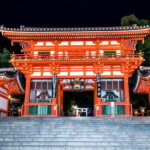
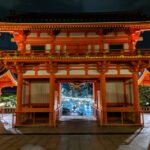
Fushimi Inari-taisha: walking the torii without the chaos
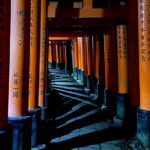
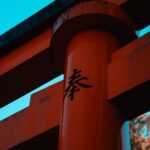
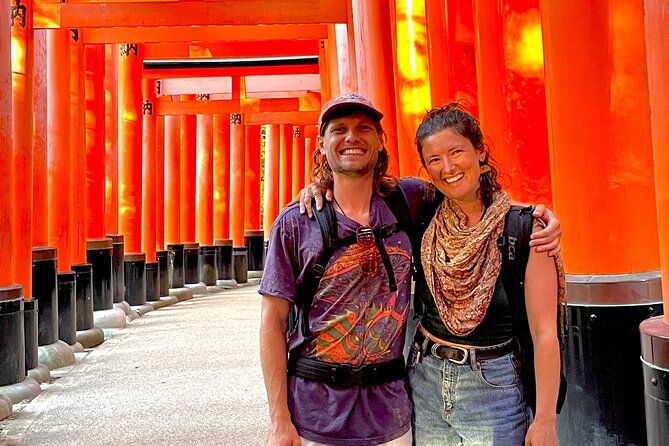
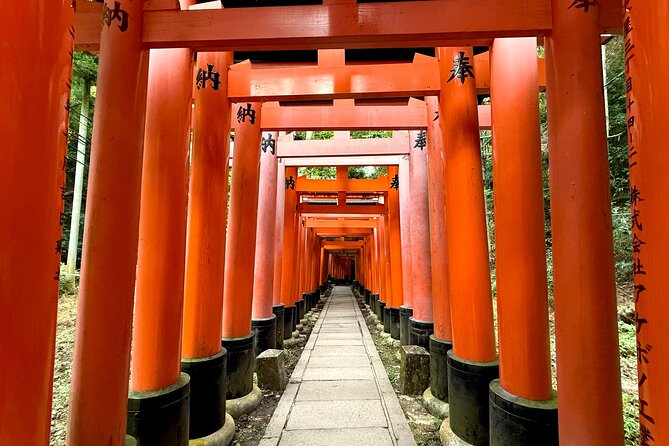
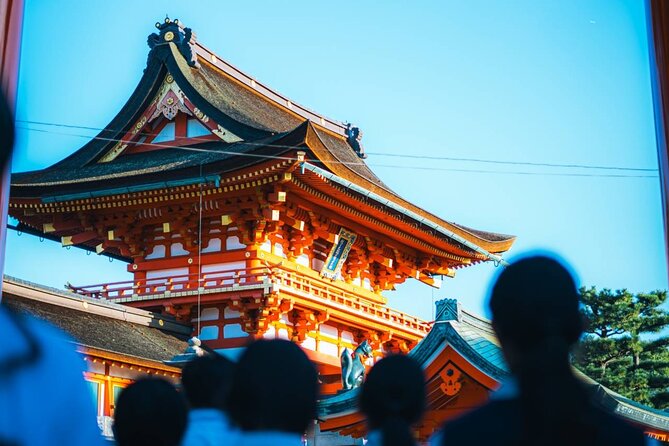
Fushimi Inari is the spiritual heart of the Inari worship tradition in Kyoto, and the red gates are the star. On this tour, you start at Fushimi Inari-taisha, with about 1 hour 30 minutes to explore.
Here’s what makes that time matter: most people rush through the lower sections for photos, then they get stuck behind crowds. With an early start, you can actually slow down. You can walk at your own pace, pause at key gate corridors, and take pictures that don’t look like a sea of heads.
A practical thing I like about going with a guide here is context. The torii aren’t just decoration. You get enough background to understand why the path feels ceremonial and why the hike-like climb up Mount Inari is part of the experience. Even if you don’t plan to go all the way up, you’ll still come away with the feeling of how vast the shrine network is.
One more pro-tip: wear shoes you can trust. The stone paths and steps can get busy later in the day, and early in the morning they’re still uneven in spots. Your guide can help you keep moving and avoid bottlenecks.
Arashiyama bamboo forest street: getting calm photos
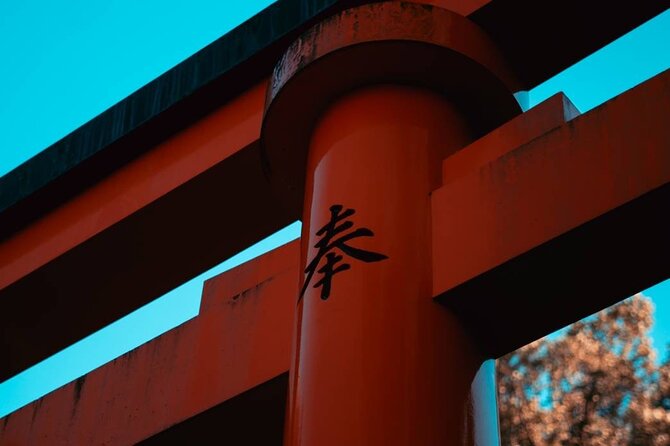
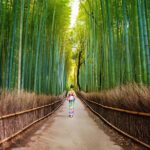
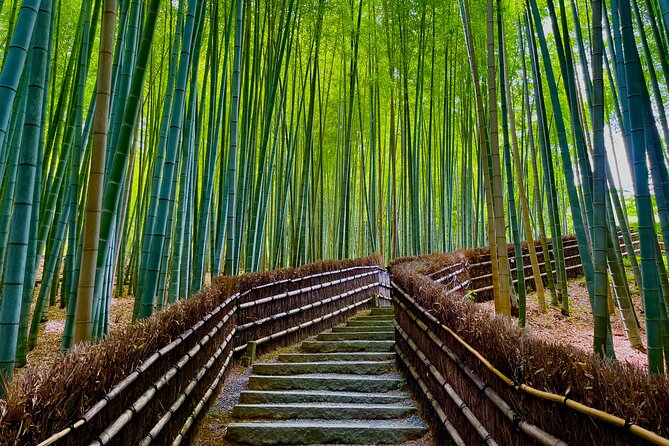
From Fushimi Inari you move into Arashiyama for the bamboo forest area, with about 1 hour at Bamboo Forest Street.
Let’s be honest: the bamboo is gorgeous, but it’s also famous. That means if you arrive late, you spend your time waiting for a gap to take a photo. Going early shifts your experience from chasing a shot to actually enjoying the atmosphere. You get that tall, green tunnel feeling with fewer interruptions.
This stop is also a good reset for your legs. After Fushimi Inari’s stairs and winding paths, bamboo feels more like a long walkway where you can stroll and look up. If you enjoy photography, this is where the guide’s photo tips help. In past groups, guides such as Vincent, Hiro, and Caleb were praised for leading people to strong vantage points and timing photo breaks so you aren’t standing in the thickest flow.
The bamboo area is free to enter, which is nice. But free doesn’t mean simple—crowds make it feel complicated. Early timing makes it feel doable.
Tenryu-ji Temple: the Zen garden stop you’ll remember
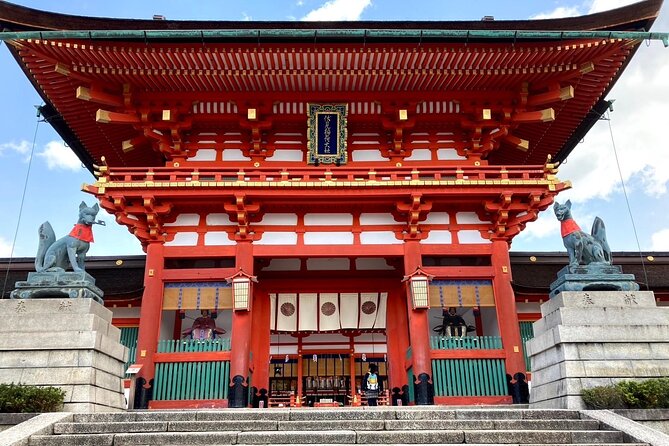
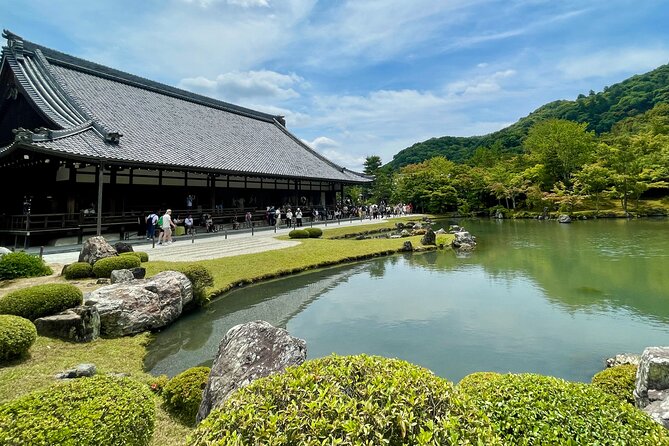
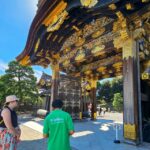
After bamboo, the tour heads to Tenryu-ji, one of Arashiyama’s major temples and a UNESCO World Heritage site. You’ll spend about 1 hour here.
Tenryu-ji is especially known for its Zen garden and classic temple views toward the surrounding mountains. This is a different mood from the photo-driven streets. You slow down. You look. You notice the way the garden design guides your eye.
One practical benefit of this tour: Tenryu-ji admission is included. That means less hassle, less standing in lines for tickets, and fewer questions in the middle of your morning.
A key consideration: on early tours, some temple functions or stamp options may not match what you’re hoping for. If you collect stamps or specific items, plan to be flexible. In at least one case from prior groups, the early timing affected stamp availability, and someone ended up returning later to complete their set. If stamps matter a lot to you, you might want a backup plan for an extra short visit.
Togetsu-kyo Bridge: a quick hit with a big payoff
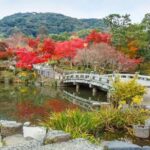
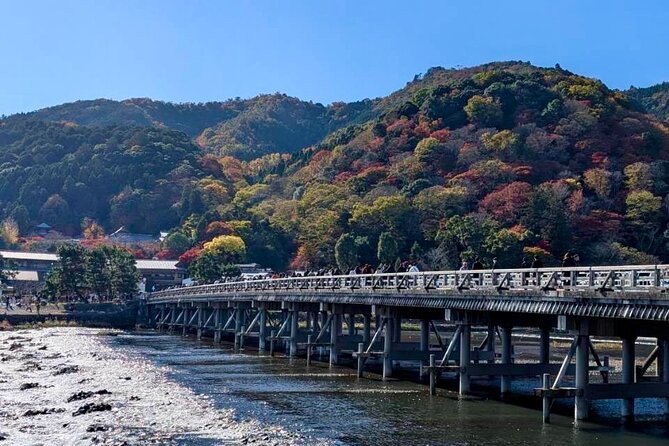
Next up is Togetsukyo Bridge, sometimes described as the Moon Crossing Bridge. You get about 15 minutes here, and the bridge is free to visit.
This stop is short on purpose. The goal is to give you a satisfying view and a classic Kyoto photo moment without letting the day get swallowed by extra walking or lines. Even in 15 minutes, the bridge can deliver a strong scene because it crosses the Katsura River and ties into the historic feel of Heian-period Arashiyama.
If you’re thinking like a photographer, this is the moment to be ready. Don’t fuss with your camera strap for three minutes—get positioned, take your shots, and let the guide move you to the best spots before the flow shifts.
Group size, guides, and the small touches that matter
One reason this tour keeps earning top marks is the group size. The experience runs with a maximum of 8 people, which is small enough for real interaction but big enough to keep the schedule running smoothly.
That small group size has practical effects:
- The guide can address your questions without repeating everything.
- You can hear explanations at key points.
- You get more flexibility to take photos without slowing ten strangers down.
English guides like Jem, Eri, Haruka, Cade, Caleb, Hiro, and Vincent have been praised for different strengths. Some focus on history and cultural context, others are good at photo timing and pointing out where to stand away from the worst pressure. In multiple groups, guides were also credited with making navigation easier by helping you understand the train system as part of the day.
Another subtle win: this tour ends back at the meeting point near Kyoto Station, which makes it easy to plan your next meal or stop afterward without guessing where you’ll land in the city.
Price and value: what $96.83 really means
The tour lists at $96.83 per person, and you’ll want to budget for one extra line: transportation fee ¥390 per person is not included. Food and drink are also not included.
So is it worth it? For me, the value comes from three places:
1) You’re saving decision fatigue. You don’t have to map out four sights, figure out the order, and negotiate trains while carrying the pressure of limited time.
2) Time is protected. The stops add up to about 4 to 5 hours, and you’re not spending that time stuck waiting for your own group to regroup.
3) Some admissions are handled. Tenryu-ji admission is included, and the biggest red flag costs are avoided at the main free stops like Fushimi Inari and the bamboo area.
If you were going entirely solo, you could also do this route on your own for the price of trains plus temple tickets. But solo travel usually costs you more time and more stress than you expect, especially when you want photos. Paying for a guide often comes out as a trade: money now for less wasted morning time.
What to bring for comfort on early Kyoto days
Even with early timing, Kyoto weather can be tough. One reason people love this format is that it often beats peak heat and peak crowds, but you’re still walking outside for multiple blocks and steps.
Bring:
- Comfortable walking shoes for stairs and stone paths
- A light layer for early morning air
- Water, since the tour doesn’t include food
- Weather gear if rain shows up (one group noted rain helped reduce crowd density)
Also think about your photo strategy. The guide will likely take the group to photo-friendly spots, but you’ll get better results if you’re ready before you stop. Charge your phone/camera, clear storage, and decide what you want most: torii gate corridors at Fushimi Inari or bamboo shots with less crowd clutter.
Should you book this Kyoto Early Bird tour?
I’d book this if you want Fushimi Inari and Arashiyama but you hate the feeling of fighting through crowds for every photo. The morning timing plus a small group makes the sights feel more human. You also get a useful temple stop at Tenryu-ji rather than only chasing the flashiest photo spots.
I’d think twice if:
- You want to use stamps at every stop and the early opening hours might mess with that.
- You’re traveling so lightly that paying extra train fare feels annoying and you’d rather manage the route on your own.
- You prefer very flexible timing where you can linger for as long as you want at just one location.
Overall, this tour is a strong value for a first Kyoto morning when you want the highlights with fewer headaches.
FAQ
How long is the Kyoto Early Bird English Tour?
It runs about 4 to 5 hours.
What is the group size for this tour?
The experience has a maximum of 8 people.
Where do I meet the tour?
You meet at the 7-Eleven Heart-In at JR Kyoto Station Central Entrance Store (烏丸通塩小路下ル Higashishiokojicho, Shimogyo Ward, Kyoto).
Is the tour guided in English?
Yes. It includes an English-speaking guide.
Which admissions are included?
Tenryu-ji Temple admission is included. Fushimi Inari, Bamboo Forest Street, and Togetsu-kyo Bridge are free.
Is transportation included in the price?
No. Transportation fee ¥390 per person is not included. The tour also does not include hotel pick-up or drop-off.
What ticket type do you use?
You use a mobile ticket.
Can I cancel and get a full refund?
Yes, you can cancel for free up to 24 hours in advance of the experience start time for a full refund.