REVIEW · KYOTO
Kyoto : Private Custom Walking Tour With A Local Guide
Book on GetYourGuide →Operated by Guydeez · Bookable on GetYourGuide
Kyoto can feel like a temple maze. This private custom walking tour turns confusion into a clear route, with a local guide to explain what you’re actually seeing. You get the big-name sights, plus quieter corners that help the city click.
What I like most is the customization. Tell your guide what you care about (temples, gardens, neighborhoods, even a museum stop) and they can shape the pacing and the route.
Another big win: you’re not just collecting photos. Guides like Maria (25+ years in Japan and a licensed tour guide) and Wajid (who walks you through places like Fushimi Inari and Kiyomizu-dera with real context) help you understand Kyoto’s rhythms, not just its landmarks. One possible drawback: because it’s a walking tour, you’ll want to match the duration to your stamina and plan for heat and time on your feet.
In This Review
- Key things to look for on this Kyoto walking tour
- Why a private Kyoto walk beats winging it
- Pick your route: how customization really helps
- Kyoto sights you might cover: torii gates, temple halls, and the streets between
- Fushimi Inari Shrine and its torii rhythm
- Sanjusangendo Temple and the scale of Buddhist art
- Kiyomizu-dera and the why behind the view
- Sannenzaka and Ninenzaka streets: Kyoto as a lived-in backdrop
- Gion and the neighborhood logic behind it
- Maruyama Park: geisha culture context and small surprises
- Daimonji, the Philosopher’s Path, and Ginkaku-ji (when your route includes them)
- A good guide’s job: pacing, photo stops, and getting around smart
- Price and value: what $62 buys you in Kyoto
- How long should you book: 2 hours versus 8 hours
- Meeting up and staying comfortable on foot
- Who this tour fits best (and who might prefer something else)
- Should you book this Kyoto private custom walking tour?
- FAQ
- Where does pickup happen?
- How long is the tour?
- Is this tour private?
- What languages are available?
- Is food included?
- Are attraction tickets included?
- Do you use public transportation?
- Can I include a museum visit?
- Is the tour wheelchair accessible?
Key things to look for on this Kyoto walking tour
- Private and customizable route that can fit couples, families, and solo travelers
- A local guide’s context for temples, shrines, and the neighborhoods between them
- Efficient movement on foot with public transport support when needed
- Photo stops and pacing that can be adjusted for kids or for hot afternoons
- Practical on-the-ground advice for what to do next, plus food suggestions afterward
Why a private Kyoto walk beats winging it

Kyoto has a way of overwhelming first-time visitors. You arrive thinking you’ll visit a couple temples, and suddenly you’re scheduling your day around crowds, bus stops, and the sun. A private walk changes the game because you’re not stuck with a one-size route.
Here’s the real value: you get a guide who can connect the dots between sights. When you’re moving temple-to-temple, it’s easy to miss the differences that make Kyoto make sense—why a place is a shrine versus a temple, why a gate matters, or how neighborhoods evolved around religion and daily life.
On this kind of tour, I like that the goal isn’t only the “checklist.” It’s getting you oriented so your next day in Kyoto feels easier. Many guides also help with ticket planning for the visits you choose (tickets themselves aren’t included).
You can also read our reviews of more walking tours in Kyoto
Pick your route: how customization really helps
The tour is built around flexibility. That sounds nice in theory, but in practice it saves time and prevents the common Kyoto mistake: forcing yourself to do too much, too fast.
I’d approach it like this: before your walk, think about three things.
- What you want most: temples and shrines, gardens, or classic neighborhoods like Gion
- What will slow you down: kids, mobility needs, long stairways, heat sensitivity
- Whether you want a stop that’s not purely outdoors, like a museum visit (your guide can adapt if you ask ahead)
The guides in this experience often tailor the route to your pace. For example, Frederic’s family-friendly day included adjustments for kids in Gion. Another guide focused on keeping the itinerary comfortable during hot weather by choosing timing and less-busy areas. That kind of planning matters in Kyoto, because the weather and crowds can hit hard.
Kyoto sights you might cover: torii gates, temple halls, and the streets between
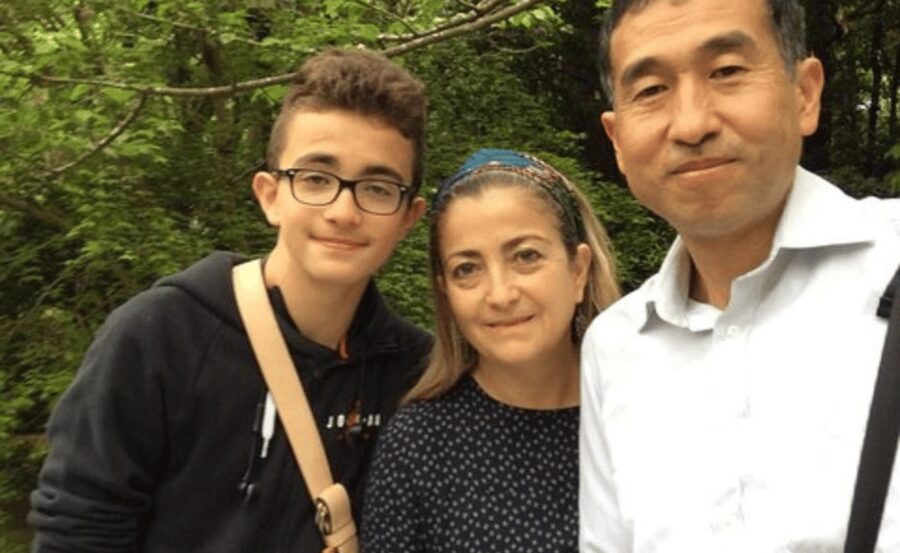
This tour is designed to show the main Kyoto sights you want, plus extra areas your guide feels are worth the walk. Based on the routes people reported, here are the kinds of highlights you can reasonably expect your guide to weave together.
Fushimi Inari Shrine and its torii rhythm
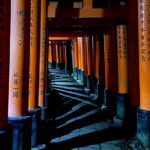
If your day includes Fushimi Inari, you’re walking through repeating torii gates that gradually shift from “iconic photo spot” into something more. A good guide helps you see the shrine as a living place, not just a backdrop.
One Kyoto guide, Wajid, was praised for walking people through the experience as they moved under the torii gates, with explanations that added depth instead of lecturing. That’s the sweet spot for Kyoto: short, clear stories as you go, not a textbook session.
Sanjusangendo Temple and the scale of Buddhist art
At Sanjusangendo, the draw is the sheer number of statues you see in one hall. When someone explains what you’re looking at and why it’s arranged that way, you stop thinking of it as a quick stop and start paying attention to detail.
This is another place where a guide can pace you so you don’t feel rushed. The room can be a lot even when you’re not tired, so guidance on how long to spend helps.
You can also read our reviews of more guided tours in Kyoto

Kiyomizu-dera and the why behind the view
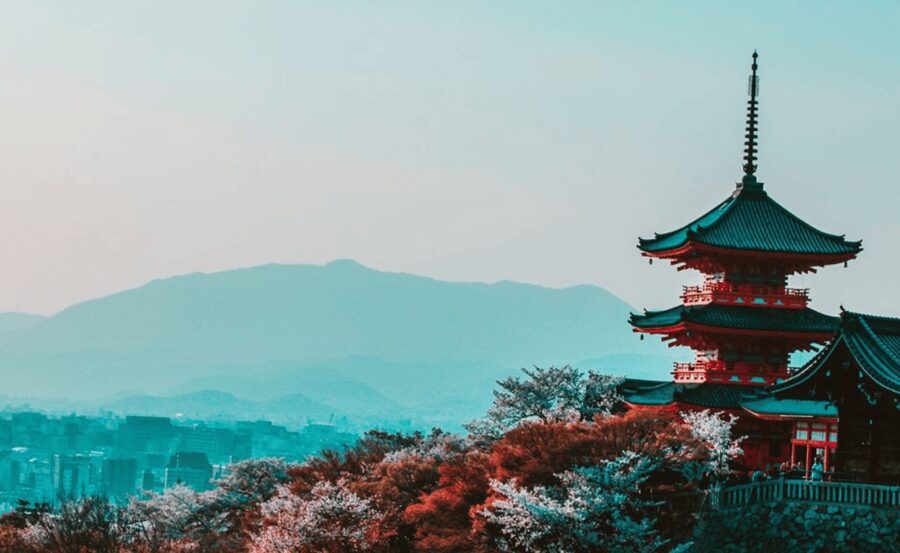
Kiyomizu-dera is UNESCO-class famous for a reason, but it can feel like just another checkpoint if you only see it from a distance. A strong guide ties the visual impact to the culture and architecture behind it, and helps you time it so your experience is more than a crowd weave.
Wajid’s visit style at Kiyomizu-dera was described as perfectly paced and richly informative, and that matters. Kyoto rewards attention. If you rush, you’ll forget the meaning of what you saw.
Sannenzaka and Ninenzaka streets: Kyoto as a lived-in backdrop
The slopes around Sannenzaka and Ninenzaka are where you feel the city’s “old Kyoto” mood: preserved street layout, traditional storefront vibe, and lots of photo opportunities. A guide helps you spot cultural details you might otherwise miss, and also points out photo spots that don’t require you to fight for the exact same angle as everyone else.
This is a great time to slow down. Even if you’re the type who wants to sprint from temple to temple, these streets help your brain reset.
Gion and the neighborhood logic behind it
Gion works best when someone helps you understand how it fits into Kyoto’s past. One guide (Jerome) was praised for discovering Gion in a way that worked well for families. That’s the practical part: route choice and pacing affect whether Gion feels magical or exhausting.
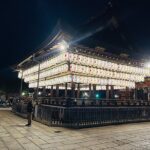
Kyoto at night can also be tricky, because you want to enjoy the atmosphere without getting lost. A local guide reduces that stress instantly.
Maruyama Park: geisha culture context and small surprises
If your walk reaches Maruyama Park, you’re stepping into a different side of Kyoto. One guide, Wajid, explained geisha culture and even pointed out a “Pokemon manhole,” which shows the kind of behind-the-scenes detail your guide can add to make the walk memorable.
It’s not about silly trivia. It’s about learning how Kyoto blends old and new right on the street.
Daimonji, the Philosopher’s Path, and Ginkaku-ji (when your route includes them)
Some versions of this tour include the Daimonji area, followed by classic sights like the Philosopher’s Path and Ginkaku-ji (Ginkaku Temple). In one detailed day, Kevin was praised for explaining the difference between temples and shrines before the climb and for watching the heat.
That sequence is useful because it creates a “story arc”: altitude viewpoint, then a scenic corridor, then a temple that feels quieter and more contemplative.
A good guide’s job: pacing, photo stops, and getting around smart
The best guides do three things at once: they manage time, they manage energy, and they manage information.
This tour includes photo stops and guided walking, and it’s built for private pacing. That means you’re not forced into a rhythm that suits someone else’s pace. Multiple reports mention guides adapting to family needs, handling heat, and choosing efficient movement through town.
I also like that guides often help you navigate Kyoto’s practical side. People were impressed by advice on the best way to move around (even in the heat) and tips for what to do after the tour.
And yes, you might end up with more photos than you planned. One guide was even noted for taking great pictures, which is a real travel service in its own right when you don’t have a second phone-holder.
Price and value: what $62 buys you in Kyoto
At $62 per person, this tour sits in the “worth it if you want clarity” category. You’re paying for a private guide’s time and the ability to build your route around your interests, not around a fixed mass-tour schedule.
Here’s how the value adds up:
- You’re not just buying walking time. You’re buying interpretation—what you’re looking at and why it matters.
- You get a guide who can handle the flow of a day so you don’t waste energy on the wrong priorities.
- The guide can help with booking tickets for the visits you choose, which saves friction when you want specific entrances.
What’s not included matters for budgeting:
- Food and drinks are on you.
- Attraction tickets are not included.
- It’s also not a car tour. The tour is walking, with public transport included in the general plan unless you select an option that changes transport. Car transport isn’t included.
So if you want a low-cost day, you might feel sticker shock once you add temple/attraction tickets and your own meals. If you want a day that feels organized and meaningful, the guide cost starts to make sense fast.
How long should you book: 2 hours versus 8 hours
The duration range is 2 to 8 hours, and that choice changes the whole feel of your Kyoto day.
If you book 2 hours, you’re basically buying focus. You can knock out a few key stops—places like Fushimi Inari or a short cluster of famous sights—without draining your legs. This is also a smart option when you just arrived and you want quick orientation.
If you book 4 to 6 hours, you get the “Kyoto rhythm.” You can cover a broader set of neighborhoods, include a slower street moment (like the Sannenzaka/Ninenzaka vibe), and still keep energy for museum timing or a thoughtful temple pause.
If you book 8 hours, you can build a fuller day that mixes big sights, quieter zones, and the kind of pacing that lets the explanations land. One of the tour’s strengths is that guides can adjust content and timing, which helps when you want to see more without turning the day into a sprint.
Meeting up and staying comfortable on foot
Hotel pickup is included if your accommodation is within the city. That’s practical. Kyoto can have confusing transit connections and lots of walking. Being picked up reduces the first-stumble problem.
Language support is also a big deal in Kyoto. The guide can work in Spanish, English, French, or Italian, so you can actually understand the stories behind the sights instead of nodding politely.
Wheelchair accessibility is listed, which is helpful for planning. Since the route can be customized, it’s worth telling the guide your needs early so they can choose a workable walking level.
Finally, remember that heat and season affect Kyoto dramatically. Guides were specifically praised for keeping groups comfortable during hot weather and choosing less-popular spots. That’s not a “nice bonus.” It’s what makes the day enjoyable.
Who this tour fits best (and who might prefer something else)

This Kyoto private walking tour is a strong match if you:
- Want to see the main sights without feeling rushed
- Prefer a route built around your interests (not a cookie-cutter itinerary)
- Travel with kids and want pacing that won’t steamroll them
- Care about the meaning behind temples and shrines, not only the photos
- Want practical advice afterward for meals and what to do next
It may be less ideal if you:
- Hate walking for long stretches
- Want a fully packaged day with food and all attraction tickets included
- Are looking for a “chauffeur + stops” style tour (this is walking-first)
Should you book this Kyoto private custom walking tour?

If you’re spending limited time in Kyoto and you want your days to feel organized, I think booking makes sense. Private customization is the key. When your guide can shape the route, you avoid the most common Kyoto trap: doing too much, then forgetting why any of it mattered.
Also, the fact that guides are praised for adapting to heat, family needs, and pacing is a good sign. Kyoto can be physically demanding. A guide who plans for real-world comfort changes the day from stressful to fun.
One more practical tip before you book: decide in advance what you want your guide to prioritize. If you tell them your top interests—plus any limits—you’ll get a route that feels like Kyoto, not like a checklist.
If you’re ready to trade “random wandering” for clear direction and real context, this tour is a smart pick. If you’d rather travel completely at your own pace with no guide input, you might skip it and build your own day using guidebooks and transit apps.
FAQ
Where does pickup happen?
Pickup is available in Kyoto, and you can meet your guide at your accommodation if it’s located in the city.
How long is the tour?
The duration is 2 to 8 hours, depending on what you select and availability for starting times.
Is this tour private?
Yes. It’s a private group walking tour, so you won’t be mixed into a large shared group.
What languages are available?
Guides can provide the tour in Spanish, English, French, or Italian.
Is food included?
No. Drink or food is not included, though your guide may suggest places to eat afterward.
Are attraction tickets included?
No. Tickets to attractions are not included, but the team can help book tickets for the visits you want.
Do you use public transportation?
This is a walking tour, and it includes walking plus public transport except if you select an option that changes the transport arrangement. Car transportation is not included.
Can I include a museum visit?
Yes. The guide can adapt the tour to your interests, including the option to add a museum visit if you let them know ahead of time.
Is the tour wheelchair accessible?
Yes. The tour is listed as wheelchair accessible.