REVIEW · KYOTO
Kyoto Geisha District Walking Tour in Gion
Book on Viator →Operated by Japan Wonder Travel · Bookable on Viator
Gion can feel like a lived-in set. This 2-hour small-group walk ties together Shinto landmarks and geisha-era history, so you’re not guessing where to turn. I like that the guide’s commentary gives you context as you move—especially if you want to understand what you’re seeing, not just photograph it.
My favorite part is the guided flow through the maze of lanes, including Yasaka Shrine, Hanamikoji Street, and the calm Shirakawa Canal area. The other big win is the outfit-size limit: a group capped at 10 keeps the pace relaxed and makes it easier to ask questions. One thing to consider: while most guides are praised for clear English and strong storytelling (names like Takuma, Yuko, and Tom come up often), there is at least one low-score note about disorganization and harder-to-follow English—so check your expectations for structure if you’re very language-dependent.
In This Review
- Key highlights that make this walk worth it
- Why Gion works best as a guided walk
- Meeting at Gion Kōbu Kaburenjō and what to expect on the ground
- From Yasaka Shrine to Gion: your first taste of the district
- Tatsumi Daimyojin and Tatsumi Bridge: small stops with big mood
- Shirakawa Canal to Hanamikoji Street: lantern hour without the chaos
- Gion Corner: the cultural bridge between streets and art
- Guides are the real value: why names like Takuma and Yuko come up
- Photo opportunities without ruining the vibe
- Price and value: $29.85 for a focused two-hour plan
- Who should book this tour, and who might not
- Should you book this Kyoto Gion geisha walking tour?
- FAQ
- How long is the Kyoto Geisha District Walking Tour in Gion?
- How many people are on the tour?
- What’s the meeting point and where does the tour end?
- Is admission included for the shrines and key stops?
- Is the tour walking-only and will it run in bad weather?
- What should I wear or bring?
- Is this tour suitable for children?
- Is it accessible for people with disabilities?
- What is the cancellation policy?
- If I choose the Kimono plan, where do I go after changing?
Key highlights that make this walk worth it
- Maximum 10 people means you actually stay together and get time to look closely
- Free-to-enter stops at major shrines and key Gion viewpoints help stretch your budget
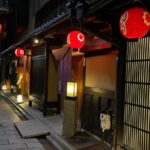
- Lantern streets and machiya lanes give you that Kyoto look without sprinting between places
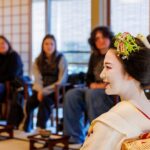
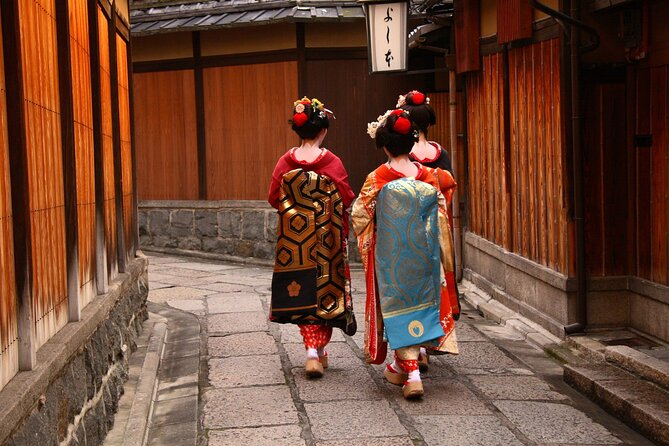
- Geisha or maiko sighting is possible when timing lines up, though it’s never guaranteed
- Guides bring culture to life with stories about both Shinto and geisha traditions
- Rain or shine + mobile ticket keeps the plan simple on arrival
Why Gion works best as a guided walk
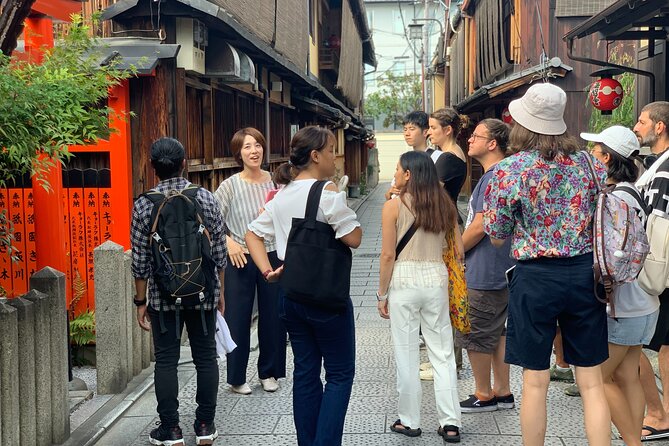
Gion is compact, but it’s not simple. The streets curve, narrow, and trade one photogenic corner for the next—often with crowds blocking your view at street level. A guide helps you “read” the area. Instead of wandering and hoping, you follow a route that links the shrine side of Kyoto with the geiko and geisha world that’s tied to the neighborhood’s history.
I also appreciate the pacing. Two hours sounds short, but it’s long enough to slow down at the key places: where lanterns and architecture set the mood, where you get a breather near the canal, and where you pause to understand what a shrine is doing culturally, not just aesthetically. If you’re visiting Kyoto for the first time, this kind of guided orientation can save you hours later when you’re trying to map the city on your own.
And yes, the photos are a big deal here. Gion’s wooden machiya houses, the lantern-lit lanes, and the bridge-and-water views around Shirakawa are exactly the kind of scenes that look good even after the first 20 minutes. A good guide also helps you choose angles without turning it into a busy street selfie contest.
You can also read our reviews of more walking tours in Kyoto

Meeting at Gion Kōbu Kaburenjō and what to expect on the ground
You’ll meet at Gion Kōbu Kaburenjō (570-2 Gionmachi Minamigawa, Higashiyama Ward, Kyoto). The tour is a true walking experience, so wear comfortable shoes and be ready for uneven sidewalks and the occasional stairway. The operator also notes it’s not suitable for people with disability due to stairs.
Because the group is capped at 10, you should expect a steady walking line rather than a chaotic pack. You’ll start and end at the same place, and the guide will help you figure out how to get back from there. The tour uses a mobile ticket, which is handy, but do yourself a favor and keep your phone charged.
Weather is handled too: rain or shine. That means a lightweight umbrella or rain shell is worth it, especially if your route includes outdoor shrine areas and canal-side paths. If you’re the type who needs to stop frequently to read signs, ask the guide what’s coming next—strong guides often adjust their speed to match the group.
From Yasaka Shrine to Gion: your first taste of the district
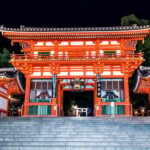
The walk kicks off at Yasaka Shrine, one of Gion’s best-known Shinto landmarks. Expect classic shrine architecture, lots of lantern color, and that distinct Kyoto calm once you’re inside the shrine grounds. Free admission is listed, which matters because it lets you spend money on meals and transit instead of stacking entry fees early in the trip.
After the shrine, you transition into Gion itself, where the atmosphere shifts from worship space to neighborhood streets. This is where the narrow lanes and traditional wooden houses do the heavy lifting. The tour’s description leans toward the lantern vibe as the day fades, and that’s the time when Gion’s paper lantern lighting can make everything look more theatrical—without needing fancy filters.
What I like most about starting with Yasaka Shrine is that it gives you context. When you later pass the geiko and geisha-related buildings and lanes, you’re not just seeing “old Kyoto.” You’re understanding how religious space, community tradition, and neighborhood life all sit in the same city block rhythm.
Tatsumi Daimyojin and Tatsumi Bridge: small stops with big mood
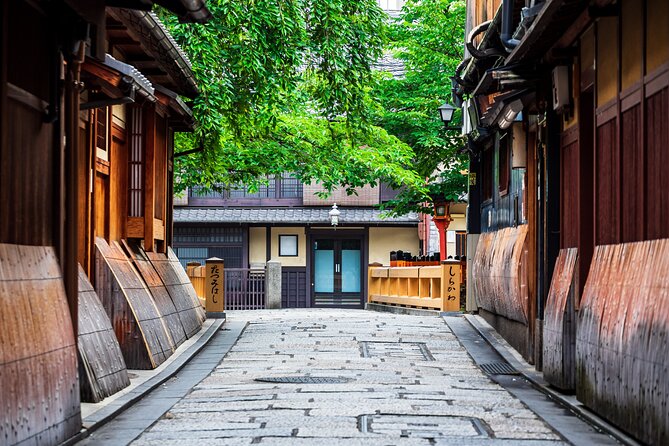
Next up is Tatsumi Daimyojin Shrine, a shrine tied to protection, good fortune, and safety—especially for travelers and warriors. The founding period is listed as the Heian period (794–1185), so even if you don’t read every sign in Japanese, you’ll have the sense you’re standing somewhere deeply rooted in Kyoto’s timeline. Admission is free, and the stop is short, which keeps the pace smooth.
Then you move to Tatsumi Bridge, a small bridge tucked into a quieter corner of Gion. The area around it is known for traditional wooden machiya houses, and that matters because it changes the feel from main street energy to something more cinematic and still. This is the stop where you’ll often pause without the pressure of a crowd rushing you along.
A practical note: these quieter corners can be great for photos, but don’t block the path. If you happen to spot anyone in traditional attire, keep your distance. In a place like this, respectful behavior helps the whole group—and it keeps the moment enjoyable instead of awkward.
Shirakawa Canal to Hanamikoji Street: lantern hour without the chaos
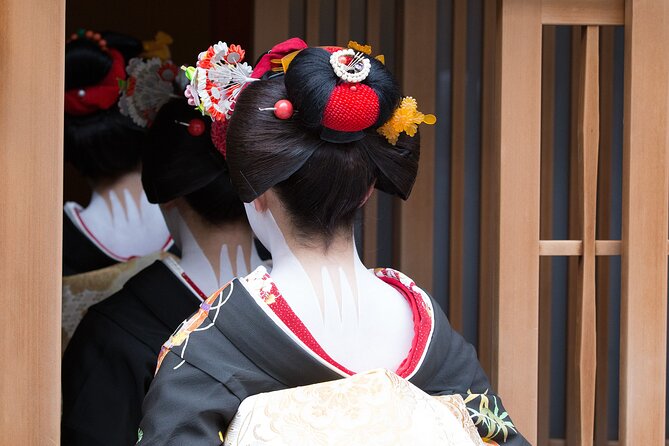
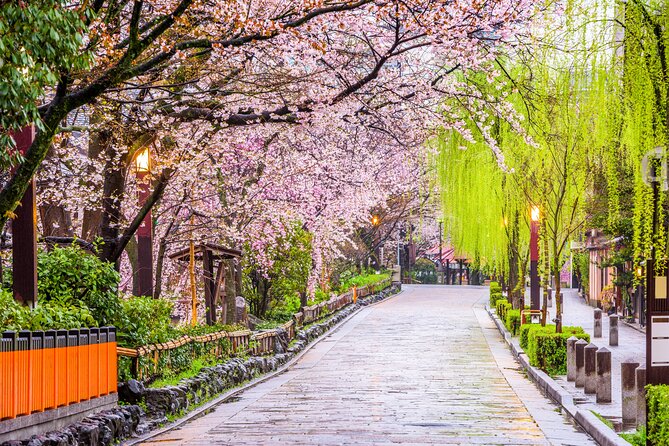
One of the best parts of the route is Gion Shirakawa (the canal area). This stretch is described as tranquil and picturesque, lined with preserved machiya houses and weeping cherry trees. Even if you’re not there during cherry blossom season, the canal-side layout tends to give you a calmer visual break from the busiest lanes. Admission isn’t the point here; the atmosphere is.
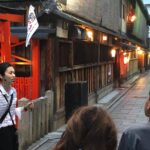
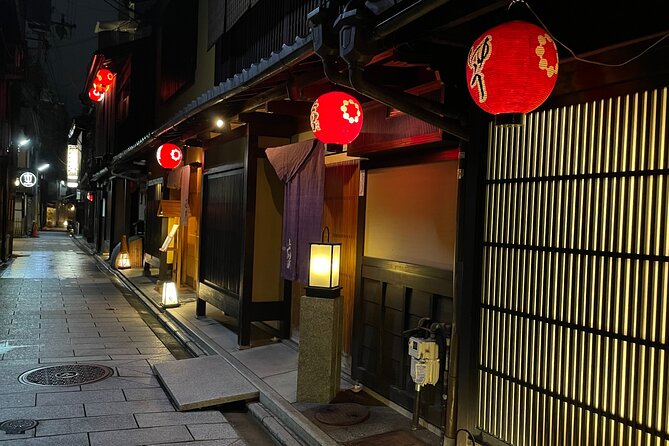
After that, you head toward the main artery: Hanamikoji Street. This is Gion’s classic “look at me” street—traditional machiya houses, tea houses, shops, and restaurants. It’s charming, but it can also be busy, especially near peak evening hours. The trick is to slow down and let your guide position you where the buildings and lanterns line up.
I like that the tour splits the experience: canal calm on one side, then Hanamikoji’s iconic street energy on the other. It keeps the sensory experience balanced. You get architecture and water views, then you get the busy Kyoto street vibe—so you walk away with a fuller picture instead of only the postcard angle.



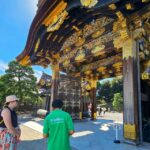
Gion Corner: the cultural bridge between streets and art
The final cultural stop on the route is Gion Corner, a venue that showcases traditional art performances and gives visitors an introduction to Kyoto’s cultural heritage. The tour description doesn’t list specific performance types or ticket details, but it clearly positions Gion Corner as more than a storefront pass-through.
Think of this stop as your “what you just saw, explained” moment. Gion isn’t only narrow streets and old wood—it’s also a place where performing arts and etiquette traditions are part of the neighborhood identity. A guide’s commentary here can help you connect the dots between shrine culture, neighborhood history, and the performing arts that tourists often hear about but don’t always understand.
If you’re traveling with people who get restless on long walks, this can be a useful mental break. Even if you only catch the highlights, it adds depth to the street scenes you’ve already been photographing.
Guides are the real value: why names like Takuma and Yuko come up
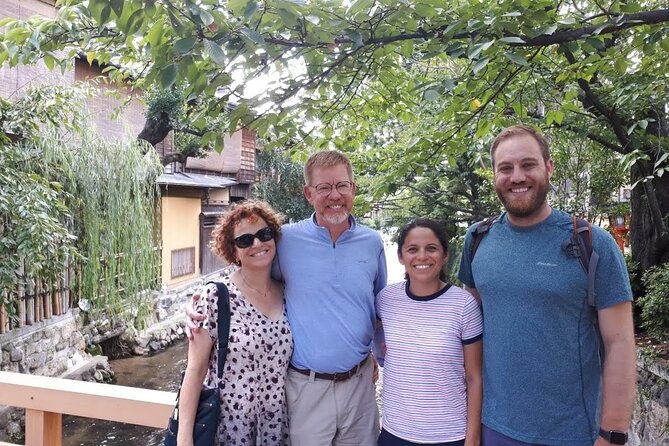
Most of the people who love this tour are reacting to the guide experience: friendly energy, strong explanations, and a sense of timing. In the provided feedback, names like Takuma, Yuko, Tom, Yuji, Hide, Eric, Harry, and Yoko show up as standouts. The consistent theme is that guides explain both Shinto context and geiko/geisha customs in a way that makes Gion feel understandable.
One extra detail that matters: some guides have been praised for English clarity, and one guide (Takuma) is noted for speaking a little Spanish, which can be a comfort if your Japanese is basic and you’re traveling with someone who doesn’t speak English well.
That said, I also keep a small caution in mind. There’s at least one low-score note about poor English clarity and disorganized leadership. The existence of that kind of feedback means you should plan for the possibility of variation in guide style, not assume every departure will feel identical.
Photo opportunities without ruining the vibe
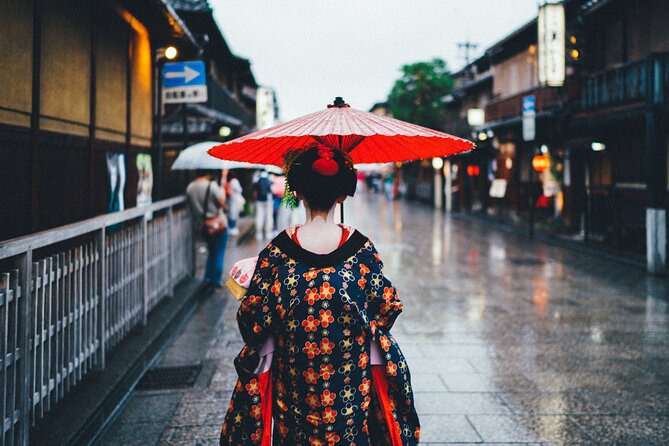
Gion photos are easy to chase, but this tour helps you chase better ones. Your route naturally includes high-impact visual spots: lantern-lit shrine areas, narrow wooden lanes, Tatsumi Bridge, and the canal-side views near Shirakawa. The itinerary design means you won’t waste time backtracking to find the same angle twice.
A practical approach: take photos when you stop, not while you walk. If you’re moving with the group, keep your phone away until the guide pauses. That keeps the group together and reduces the chance of blocking someone else’s shot.
Also, remember what you’re photographing. Gion is a working neighborhood, not only a theme park. If you’re lucky enough to spot a geiko or maiko, treat it like a glimpse, not a target. The tour description even frames sightings as luck-based, and some feedback includes sightings of maiko/geisha during the walk—but you’ll enjoy the experience more if you focus on the streets, shrines, and stories, not only the chase.
Price and value: $29.85 for a focused two-hour plan
At $29.85 per person, this walk is priced like a budget-friendly “Kyoto orientation with culture.” The real value is the combination of:
- a guide who explains what you’re looking at
- a compact route that hits major Gion landmarks in about 2 hours
- a small-group size (capped at 10)
- multiple listed stops with free admission
If you’re trying to compare options, the key question is this: do you want a guided story to go with your photos? If yes, the cost makes sense because you’re paying for interpretation and timing, not just walking around. If you prefer a self-guided wander with a map app and don’t care much about cultural context, you might feel the price is unnecessary.
Still, for first-timers, the guided orientation can reduce your research time later. It can also prevent the common mistake of seeing Gion as only lantern streets. This route adds Shinto and neighborhood context, so you leave with more than a set of pictures.
Who should book this tour, and who might not
This Kyoto Gion geisha district walk is a great fit if you:
- want geisha district context and Shinto insight in one organized loop
- like small groups and hate feeling lost
- enjoy photography but also want the “why” behind the buildings and shrines
- are traveling with kids who can handle short, guided stops (the tour notes children must be accompanied by an adult, and multiple feedback comments mention family enjoyment)
It’s less ideal if you:
- rely on wheelchair access due to stairs (the tour is not suitable for people with disability)
- need a very strict, classroom-style explanation every step of the way (there’s an outlier complaint about information depth and guide organization)
- are extremely sensitive to English clarity. Most are praised, but you’ll want to plan if language is your top priority
If you’re in Kyoto for a short time and want one high-yield evening-style walk, this fits that goal well.
Should you book this Kyoto Gion geisha walking tour?
I’d book it if you want a thoughtful, compact way to see Gion with cultural context and a guide who can help you connect the shrine and neighborhood sides of Kyoto. The small-group limit is a big advantage, and the route covers the places you’ll want anyway: Yasaka Shrine, Gion streets, Tatsumi Daimyojin, Tatsumi Bridge, Shirakawa Canal, Hanamikoji Street, and Gion Corner.
Skip it or consider alternatives if mobility is an issue due to stairs, or if you’re worried about differences in guide style and English clarity. In all other cases, the value is strong for the money: you’re paying for interpretation, timing, and a route that saves you from wandering blindly.
If your goal is to feel Gion become real—lantern-lit streets, quiet canal corners, and cultural stories you can repeat to friends—this walk is a sensible pick.
FAQ
How long is the Kyoto Geisha District Walking Tour in Gion?
The tour lasts about 2 hours.
How many people are on the tour?
The experience has a maximum group size of 10 travelers.
What’s the meeting point and where does the tour end?
You meet and end at Gion Kōbu Kaburenjō, 570-2 Gionmachi Minamigawa, Higashiyama Ward, Kyoto, 605-0074, Japan.
Is admission included for the shrines and key stops?
The itinerary lists admission as free for the stops that are shrines and the Gion areas included in the walk.
Is the tour walking-only and will it run in bad weather?
Yes, it’s a walking tour. It runs rain or shine.
What should I wear or bring?
Wear comfortable walking shoes since it’s a walking route. If it rains, having rain gear is wise since the tour still takes place.
Is this tour suitable for children?
Children must be accompanied by an adult, and most travelers can participate.
Is it accessible for people with disabilities?
It is not suitable for people with disability because the route includes stairs.
What is the cancellation policy?
Free cancellation is available up to 24 hours in advance for a full refund. If you cancel less than 24 hours before the start time, you won’t receive a refund.
If I choose the Kimono plan, where do I go after changing?
After changing into kimono, go to the Japan Kanji Museum & Library by yourself. It’s about a 5-minute walk from the kimono rental store, and after the tour you need to return the kimono by 5:30pm.