REVIEW · KYOTO
Kyoto: Gion Geisha District Walking Tour – Stories of Geisha
Book on GetYourGuide →Operated by Localized Walking & Food Tours · Bookable on GetYourGuide
Kyoto’s Gion at night tells its story. On this 2-hour walking tour, I like that you get more than photos: you’re shown the lanes where geiko and maiko move between appointments, and you also hear how performance arts connect to the district’s traditions. I also appreciate how the walk stitches together Gion and Pontocho in one route, so you’re not bouncing across town just to get the full picture.
The big consideration? Seeing geisha in person is always a bit hit-or-miss, since you’re watching them in real-world timing. It’s also a nighttime stroll through narrow streets, so bring water and stay alert while you enjoy the lights.
In This Review
- Key tour takeaways (what makes this walk worth your time)
- Meeting at Ben’s Cookies Kyoto Shijo: orientation in the middle of it all
- Pontocho Alley at night: the lantern lane and the world behind the doors
- The Izumo-no-Okuni statue: why kabuki belongs in the geisha story
- Gion district walking: the streets that teach you how to look
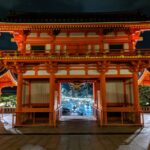
- Yasaka Shrine stop: anchoring the night in something deeper than lights
- Gion Corner: a short arts stop that changes how you interpret the area
- Hanamikoji Street at the end: your best shot at geiko and maiko on the move
- Price and logistics: how $20 works out for a guided night route
- The real payoff: what you learn about geisha culture (not just what you see)
- Who should book this Gion geisha district walking tour
- Should you book this tour?
- FAQ
- Where do I meet the guide?
- How long is the Kyoto Gion Geisha District Walking Tour?
- What languages are available?
- Is this tour suitable for children?
- What should I bring, and what’s not allowed?
- Is free cancellation available?
Key tour takeaways (what makes this walk worth your time)
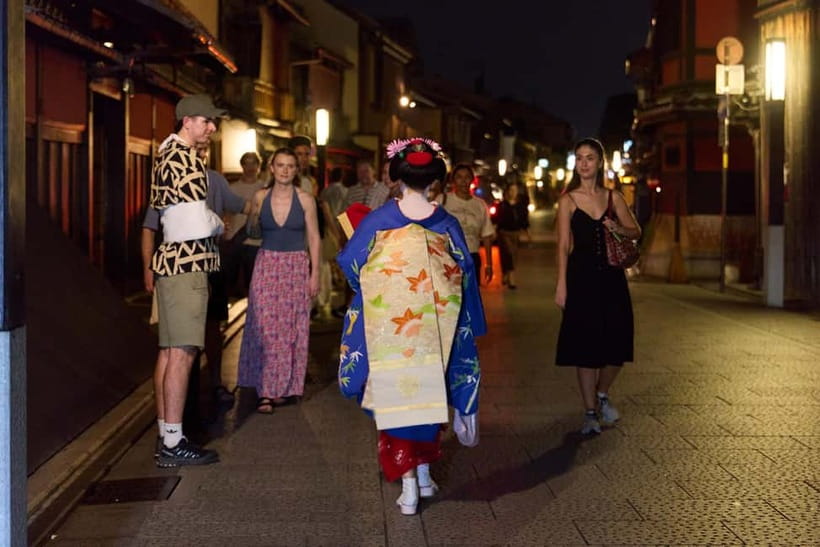
- Night-first pacing: you cover Gion’s key streets after dark, when the atmosphere really changes
- Pontocho Alley + river crossing: you get the lantern-lit dining lane and then the cultural story beat
- Izumo-no-Okuni statue stop: you learn why kabuki belongs in a geisha conversation
- Yasaka Shrine on the route: a major landmark that helps anchor the evening’s history and rituals
- Hanamikoji Street at the end: your last stretch focuses on spotting geiko/maiko en route
- Guides who answer questions: many guests praise how the guide keeps the tone friendly and the information clear
Meeting at Ben’s Cookies Kyoto Shijo: orientation in the middle of it all
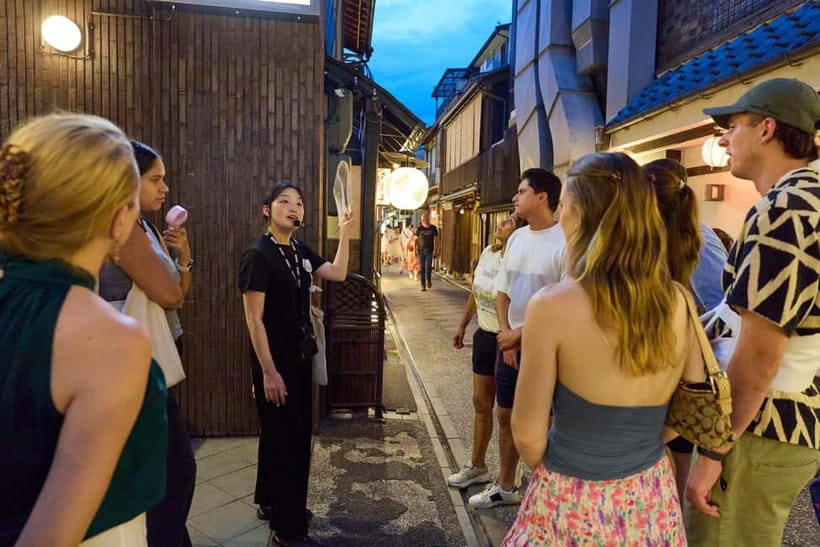
The tour starts in front of Ben’s Cookies Kyoto Shijo, where your guide will be holding a signboard. That small detail matters. A fixed, easy-to-find landmark means you can actually relax before the walk starts, instead of guessing which alley is the right one.
The first stop is short: a guided introduction of about 10 minutes at the meeting area. Think of this as mental setup. You’re not just walking to look at buildings; you’re walking to understand what you’re seeing—how the district functions at night, what the different entertainment neighborhoods have been doing for generations, and why geisha culture isn’t just costume drama. You’ll also get a sense of how your guide plans the evening so you can ask questions as you go.
If you’re coming to Kyoto for the first time, I find this kind of quick “what to watch for” start boosts everything that follows.
You can also read our reviews of more walking tours in Kyoto
Pontocho Alley at night: the lantern lane and the world behind the doors
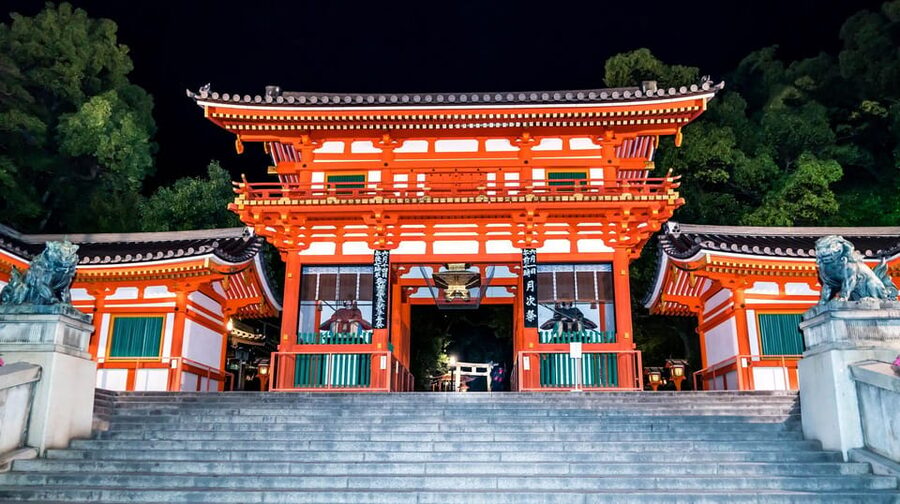
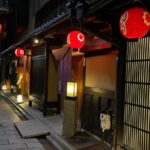
Next you head into Pontocho Alley. This is one of Kyoto’s most recognizable nightlife streets, lined with traditional Japanese eateries and also more exclusive clubs. On a night walk, the alley feels different than it does in photos: it’s tighter, moodier, and more lived-in.
You’ll spend about 15 minutes here with your guide. The value isn’t only the scenery. It’s context—your guide ties Pontocho’s role as an entertainment corridor to the broader geisha world. That’s when details like etiquette, appointments, and the way performers fit into the evening rhythm start to click.
A practical note: Pontocho is busy, but the tour is still paced for a small-group walking experience. One review mentioned a group starting around six people, while another referenced mixing into a larger group around a dozen. Either way, the route is designed for walking, not parking-and-staring.
The Izumo-no-Okuni statue: why kabuki belongs in the geisha story
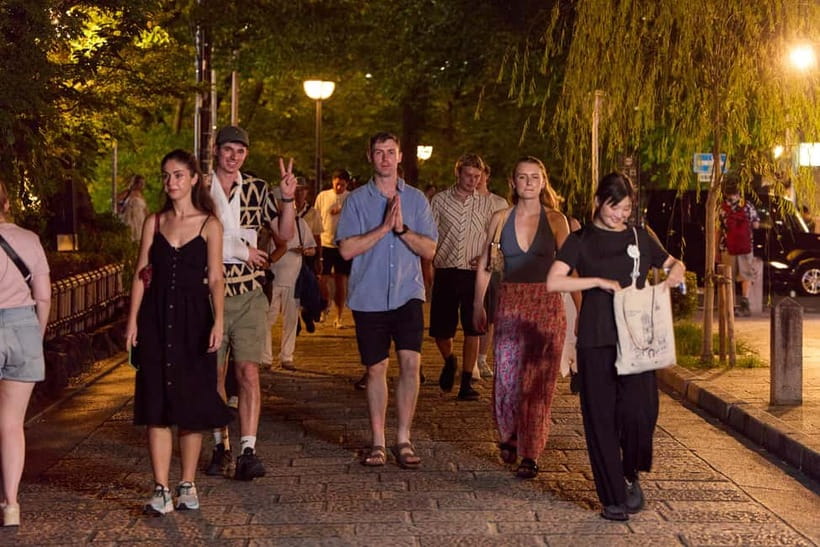
After Pontocho, the tour continues with a stop at the statue of Izumo-no-Okuni, with time set aside to learn the background. You’ll also cross the river as part of this segment.
Izumo-no-Okuni is framed here as the woman who invented kabuki. Even if you already know the name, hearing how kabuki fits into the same cultural ecosystem as geisha-style arts helps you connect the dots. It’s not only about “where geisha work.” It’s about understanding the stage arts that grew alongside them, and the long history of performance in Kyoto’s entertainment districts.
This is the kind of stop that makes the rest of the walk easier to understand. Once you can place kabuki in the larger arts map, you’ll listen differently to what your guide says about tradition, training, and how performance culture shaped these neighborhoods.
Gion district walking: the streets that teach you how to look
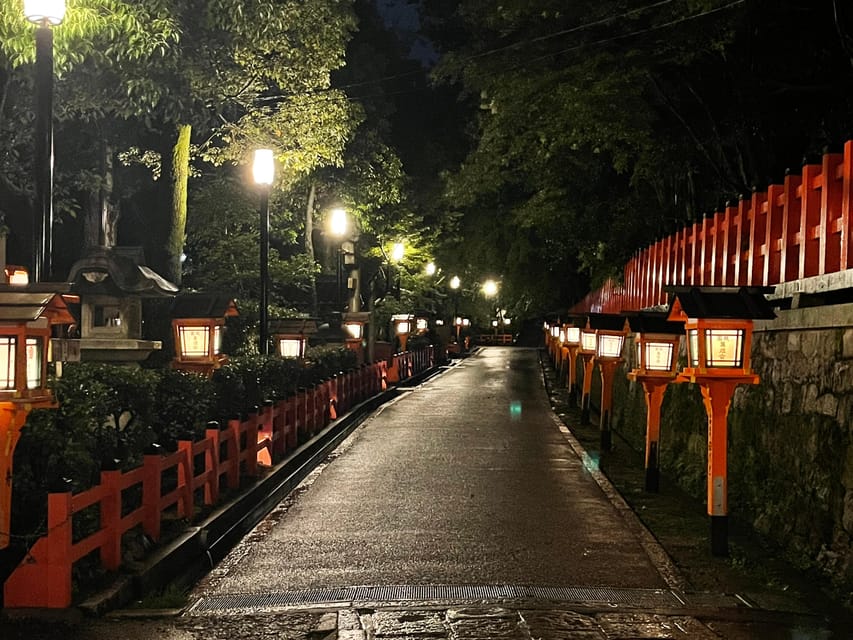
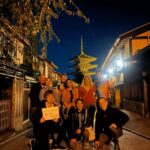
Now you’re in Gion, Kyoto’s most famous geisha district, with about 30 minutes dedicated to this central stretch. This is where the walking tour earns its keep: narrow alleyways, older wooden teahouse-style streets, and the feeling that time slows down.
Your guide will point out what to notice, including the way the neighborhood is structured for movement—how people pass through, how evening routines unfold, and what geisha culture looks like in real life rather than in postcards. The goal isn’t to treat geisha as museum pieces. It’s to help you understand them as professionals with roles, training, and schedule-driven appearances.
You’ll also get the most direct opportunity to see geiko/maiko en route. The tour specifically mentions encountering geisha and maiko along the way to appointments. From what I’ve seen reflected in the tour experience, this part is often the emotional highlight—when it works out, you get that sudden, real-world sense of the district coming alive.
And when it doesn’t? You still leave with language and context for what you observed. That’s a big difference between a “look-only” tour and a guided one.
Yasaka Shrine stop: anchoring the night in something deeper than lights
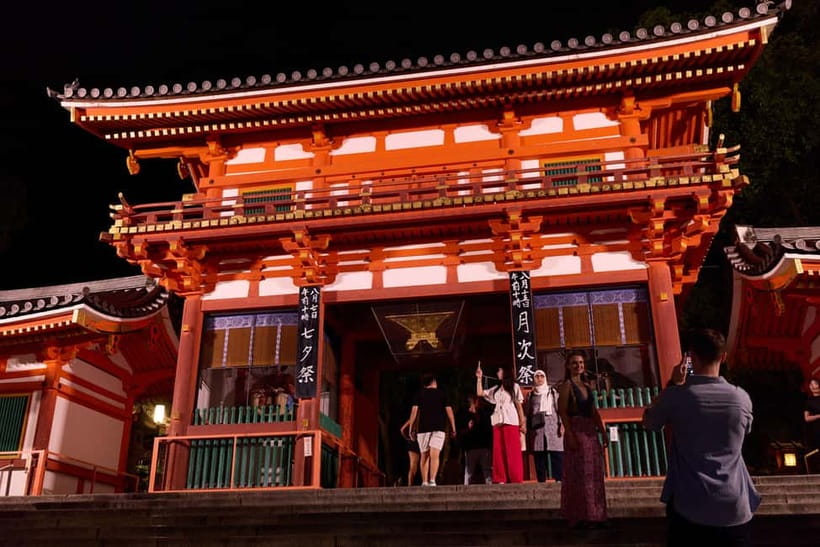
After the main Gion streets, the route includes the Yasaka Shrine stop, with about 25 minutes guided here. This is a recognizable Kyoto landmark, and including it on a geisha-district night walk does two things.
First, it helps you avoid the trap of thinking the entertainment districts exist in a bubble. Kyoto’s religious and cultural spaces overlap with daily life and tradition. Second, your guide can connect the shrine’s role in the district’s identity to the larger theme of ceremony and respect—values that come up repeatedly when geisha culture is explained.
Even if you’re not looking for shrine details, the timing works. Breaking the route with a major landmark gives your brain a chance to reset and absorb what you’ve already learned about performance culture and street life.


Gion Corner: a short arts stop that changes how you interpret the area
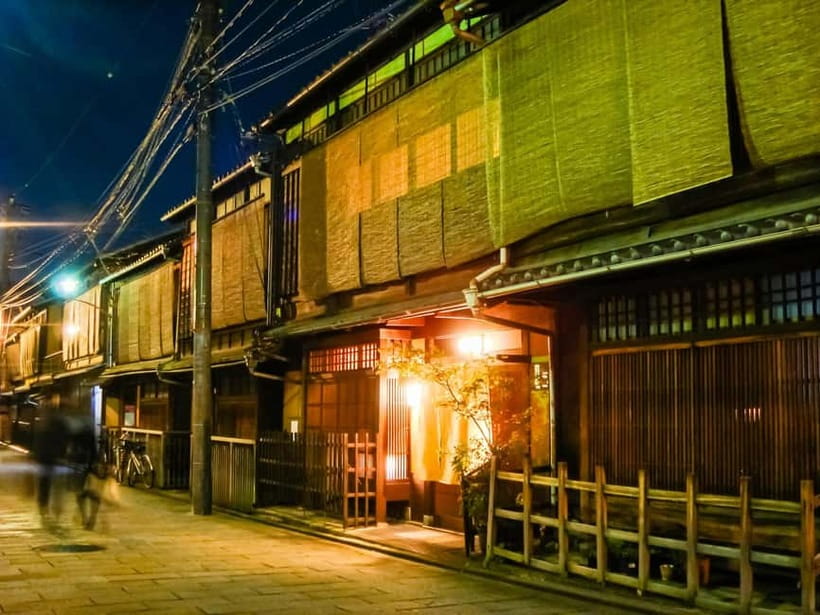
The itinerary includes a visit to Gion Corner for about 10 minutes. This is a shorter segment, so it won’t replace a full day of Kyoto sightseeing. But it can act like a bridge.
When you’ve walked the streets and heard about the role of performance, a stop like this helps you understand how the arts are presented and remembered in Kyoto. It’s also a good moment to ask questions, because you’re no longer just staring at scenery—you’ve already built context and you can turn that into better listening.
If you tend to enjoy cultural explanations more than landmark hunting, you’ll probably appreciate this “quick reset” stop.
Hanamikoji Street at the end: your best shot at geiko and maiko on the move
The last major walking segment is Hanamikoji Street, with about 15 minutes guided. This is one of the most famous lanes in Gion, and the tour frames it as your chance to keep an eye out for geishas moving to appointments.
The real benefit here isn’t only the chance to spot geiko and maiko. It’s that this is where the evening’s themes converge: older street design, performance culture, and the way tradition plays out in everyday movement.
A couple of practical things to set expectations:
- Some evenings may mean you see more activity than others. One guest noted that not many geishas were out, even though the story behind them was fascinating.
- Your guide’s focus is on respectful observation and context, so even a quiet street still feels meaningful when you know what you’re looking for.
If you’ve never heard the terms geiko and maiko explained in a way that makes sense, this is where the explanations tend to land. By the time you reach Hanamikoji, the words stop being labels and start being part of how Kyoto’s entertainment world is organized.
Price and logistics: how $20 works out for a guided night route
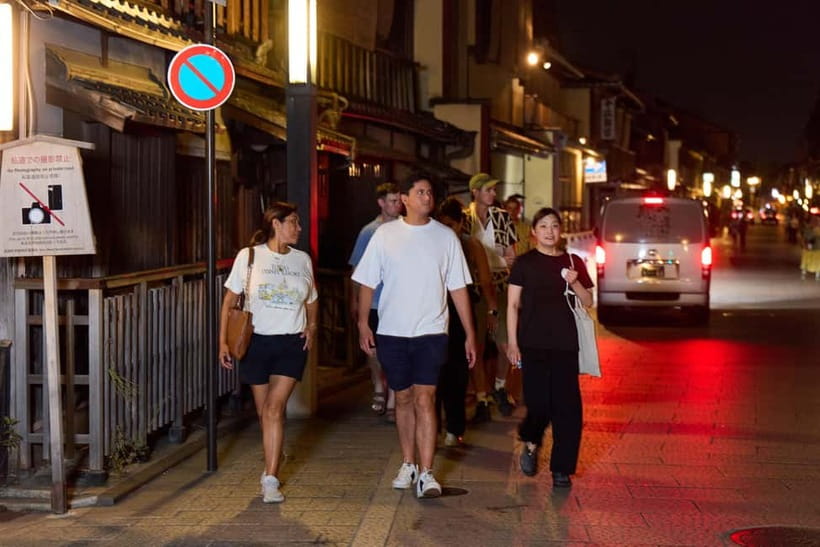
At $20 per person for a 2-hour walking tour, the value comes from concentration. You’re getting:
- A guided route through multiple key areas (Ben’s Cookies intro, Pontocho Alley, a river-crossing cultural stop, Gion, Yasaka Shrine, Gion Corner, Hanamikoji)
- A local guide who can answer questions as you go
- Built-in time for explanations and for taking photos
For this price, you’re not paying for transportation or a big museum entry. You’re paying for the guide’s ability to turn a set of streets into an understandable story.
A few small logistics points that matter for your comfort:
- Bring water. It’s a nighttime walk and you’ll be on your feet.
- Alcohol and drugs aren’t allowed on the tour, which keeps the vibe respectful and calm.
- The tour isn’t suitable for children under 10.
Also, it’s described as English and Spanish with a live guide. In practice, guests have praised guides for adjusting the tour for different familiarity levels, including people brand-new to geisha culture and people who wanted more historical detail.
The real payoff: what you learn about geisha culture (not just what you see)
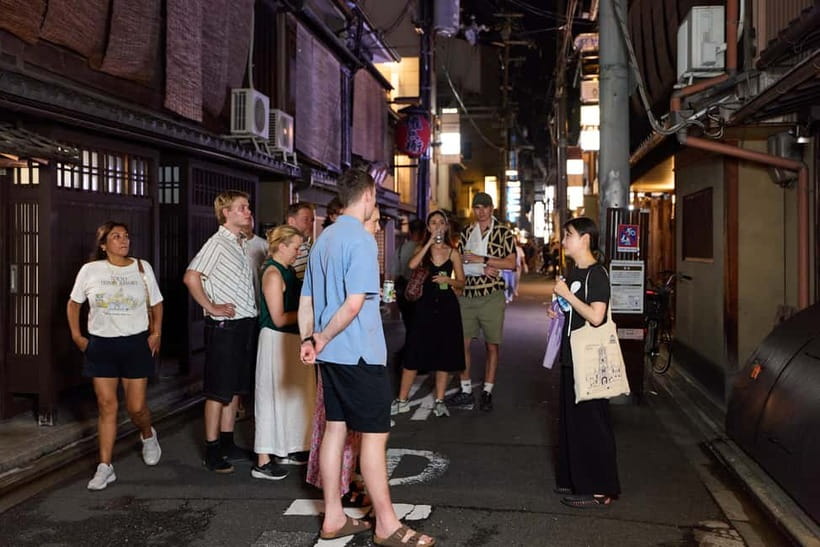
This tour is marketed as a deep look into geisha culture in Kyoto, and the best part is that it’s structured as a walking explanation. You’re not only hearing facts—you’re watching the spaces where the traditions make sense.
Across the experience of different guides, the most praised elements are consistent:
- Q-and-A time: guests highlight that the pace leaves room to ask questions and not feel rushed
- Storytelling that makes roles clear: the guide connects geiko/maiko history with how the districts work now
- Guide personality: multiple guests mention friendliness, humor, and a kind, respectful tone
- Use of visual support: one guest specifically noted that photographs helped explain details
You’ll come away with more than “geisha are performers.” You’ll understand why ceremony, training, and social roles are central to the culture, and you’ll better appreciate what you’re seeing in Kyoto afterward—whether that’s noticing etiquette in how people move or understanding why certain neighborhoods feel different at night.
Who should book this Gion geisha district walking tour
This is a strong fit if:
- You’re short on time and want a focused night plan that covers multiple locations
- You like guided context more than sightseeing checklists
- You want a respectful way to learn about geiko and maiko culture, including history and training
It may be less ideal if:
- You’re traveling with kids under 10 (the tour isn’t suitable)
- You need a fully guaranteed chance to see geisha in person—no evening walk can promise that, because appointments and timing are real-world
If you’re the kind of traveler who asks questions, this tour rewards you. The tour is explicitly set up for that, and guides are praised for answering thoroughly.
Should you book this tour?
If you want a night in Gion that feels like understanding, not just staring, this is an easy yes. $20 for two hours is a fair deal when you consider the guided route through Pontocho, Gion, Yasaka Shrine, and Hanamikoji—plus the live explanation that makes those stops matter.
Book it early in your Kyoto trip if you can. Getting the cultural basics first helps you see the rest of the city with better eyes.
My one advice for the night itself: go with patience. Sometimes you’ll catch geiko/maiko moving to appointments, sometimes the streets will feel quieter. Either way, you’ll be walking with context, and that’s what turns the evening into real value.
FAQ
Where do I meet the guide?
Meet in front of Ben’s Cookies Kyoto Shijo. Your guide will be holding a sign board.
How long is the Kyoto Gion Geisha District Walking Tour?
The tour lasts 2 hours.
What languages are available?
The live tour guide speaks English and Spanish.
Is this tour suitable for children?
No. It is not suitable for children under 10 years.
What should I bring, and what’s not allowed?
Bring water. Alcohol and drugs are not allowed.
Is free cancellation available?
Yes. You can cancel up to 24 hours in advance for a full refund.