REVIEW · BERLIN
Berlin: Historic Center Walking Tour with a Real Berliner
Book on GetYourGuide →Operated by You In Berlin · Bookable on GetYourGuide
Berlin’s old streets make sense fast. This 2-hour historic-center walk through Mitte gives you a ground-floor view of how Berlin grew from a trading village on the Spree into a modern European capital. You meet your guide at the Nikolaikirche area and spend the rest of the time tracing the city’s big turning points along the river, through Museum Island, and up to the Brandenburg Gate.
What I love most is the way it links landmarks to moments that actually changed Berlin—Prussian power, imperial building, war, division, and reunification. I also like how the pacing stays friendly and conversational, with plenty of time to ask questions, including how to orient yourself once you’re out on your own.
One thing to consider: this is an all-weather walking tour. If you’re not into lots of cobblestones and steady walking for about two hours, you’ll want comfortable shoes and a calm pace.
In This Review
- Key highlights worth your attention
- Mitte is the smart base for your first Berlin walk
- Meeting outside Nikolaikirche Museum: start in the oldest “center”
- Nikolaiviertel and the Spree walk: how Berlin grew beside the water
- Museum Island and Humboldt Forum: where art, faith, and power overlap
- Berlin Cathedral, Humboldt University, and the Prussia-to-present thread
- Unter den Linden: the boulevard you’ll recognize in any guidebook
- Brandenburg Gate: reunification explained, not just photographed
- Carlo’s guiding style: clear, friendly, and easy to follow
- Price and value: why $44 can be a smart buy
- Who should book this tour
- Should you book this Berlin historic center walk?
- FAQ
- Where does the tour start?
- How long is the tour?
- Is the tour offered in English?
- Does it run in bad weather?
- What should I bring?
- What’s included in the price?
Key highlights worth your attention
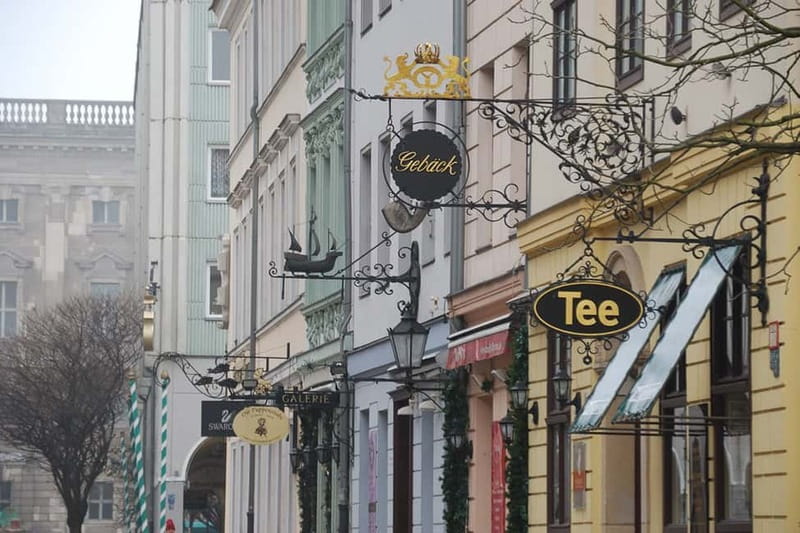
- Real Berliner storytelling that connects sites to the turning points behind them
- Spree + Museum Island route with big skyline views and major cultural stops
- Unter den Linden boulevard walk where you can read Prussian Berlin by foot
- Brandenburg Gate explained with the before, during, and after of division
- Small-group feel possible on some dates, which makes questions easier
Mitte is the smart base for your first Berlin walk
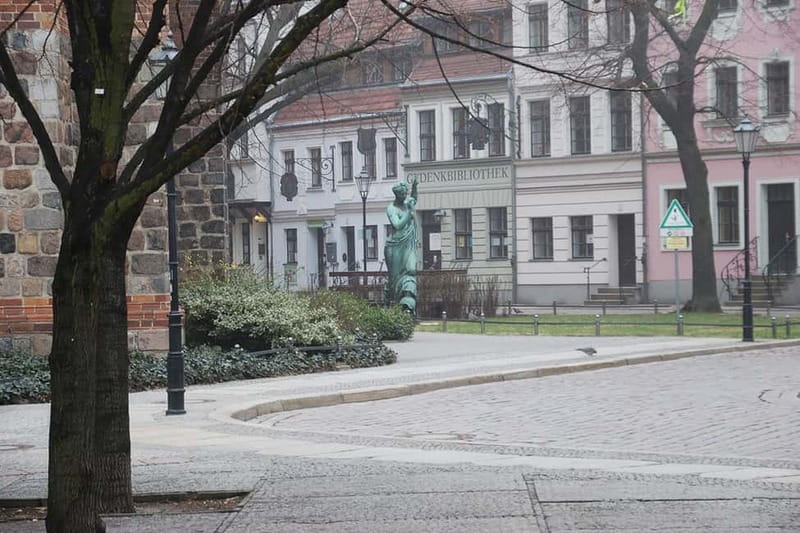
If Berlin feels like a puzzle, this route helps you start putting pieces together. Mitte is where a lot of the city’s political and cultural power has concentrated for centuries, so it’s a practical choice when you want meaning, not just photos.
The best part is that you’re not stuck with one theme. You’ll see royal-era grandeur, modern cultural institutions, and the postwar memory of division—all in one connected walk. It’s the kind of tour that helps you understand what you’re looking at later, even when you wander off.
You can also read our reviews of more walking tours in Berlin



Meeting outside Nikolaikirche Museum: start in the oldest “center”
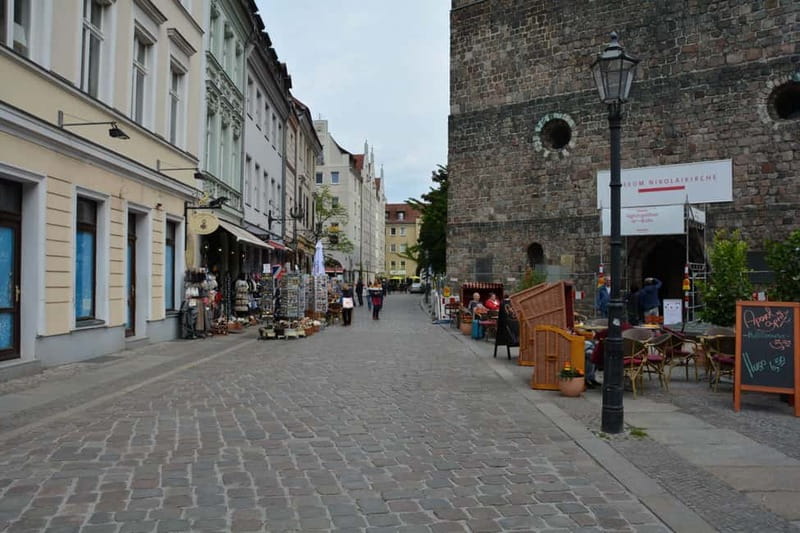
You begin at the Nikolaikirche Museum area, right by St. Nicholas’ Church Museum. It’s a good opening point because the neighborhood ties back to the early life of Berlin along the Spree—this part of town isn’t random. It’s where you can feel the city’s roots before you hit the grander landmarks.
The meeting point is also easy to spot: look for the guide with the Get Your Guide flag in front of the main entrance. From there, you’re walking pretty much immediately, so you avoid the awkward first 20 minutes that some tours waste.
Bring comfortable clothes and plan on a steady two hours. This tour doesn’t slow down for long museum detours, so your focus stays on seeing and understanding.
Nikolaiviertel and the Spree walk: how Berlin grew beside the water
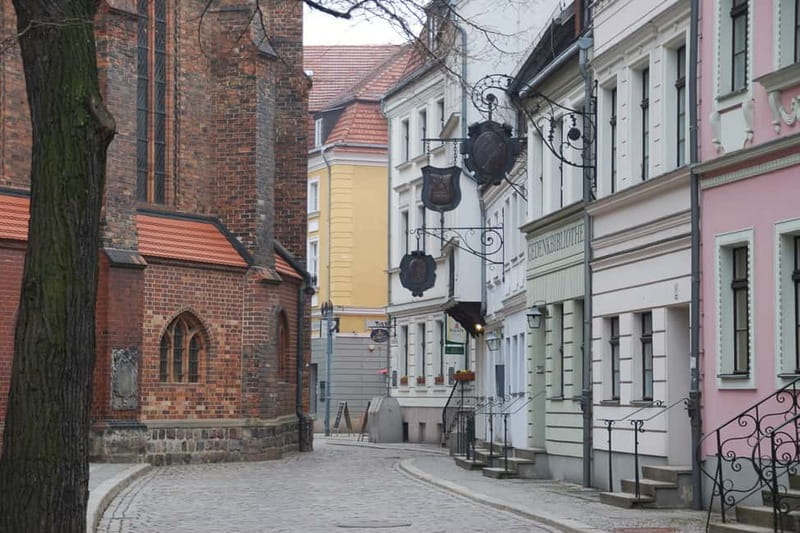
After you start near Nikolaikirche, you move toward Nikolaiviertel, a district that helps you picture Berlin’s early development. Then the story shifts into river mode: the Spree is the spine of the route, and your guide uses it to explain why Berlin became important in the first place.
One highlight: you’ll see Berlin’s Television Tower. It’s one of those skyline markers that looks modern from far away, but it also helps the tour show how Berlin’s identity changed over time—old city core, then big broadcast-era statements.
The riverfront walking section is also a nice reset. You get open views, photo angles, and a break from concentrating on architecture details every single minute. If you like understanding a city through its layout, this part does the job.
Museum Island and Humboldt Forum: where art, faith, and power overlap
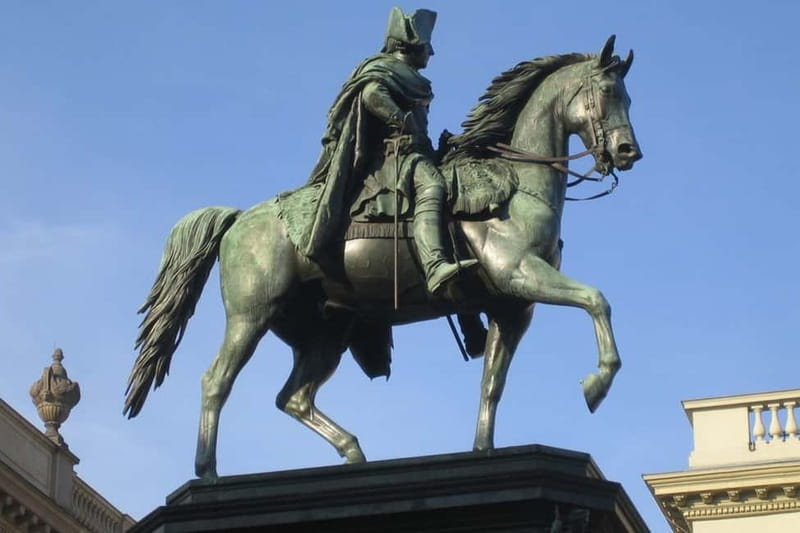
Museum Island is where Berlin starts to feel like a capital with serious institutions. You’ll be walking through the heart of the museum cluster with major landmarks in view, including the Berlin Cathedral and the Old Museum.
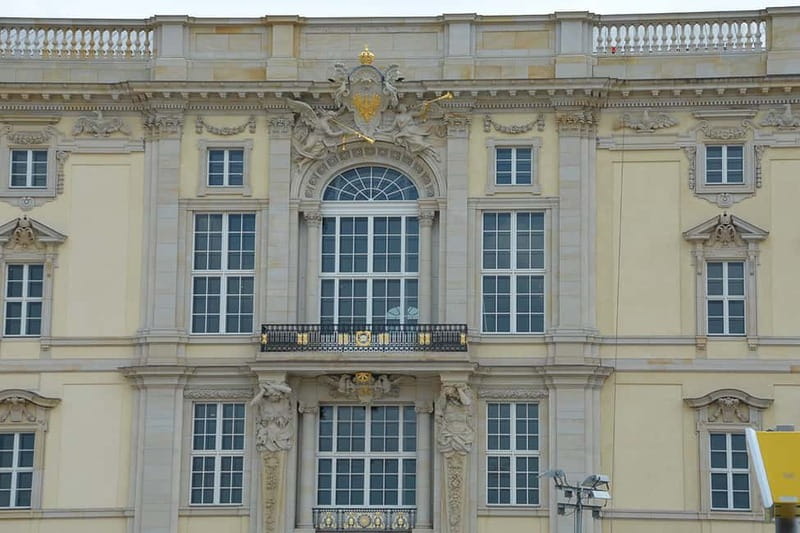
Then comes the Humboldt Forum, another anchor stop. Here, the tour points out the rebuilt Berlin City Palace, and that matters. It’s not just about a pretty reconstruction—it’s a reminder that Berlin actively negotiates with its own past, choosing what to display, how to frame it, and what story to tell the world.
If you’re a first-timer, this is a key section because it gives you a way to interpret the area later. You’ll look at the cathedral, the museum buildings, and the forum and think: okay, this isn’t only culture. It’s identity-building.
Berlin Cathedral, Humboldt University, and the Prussia-to-present thread
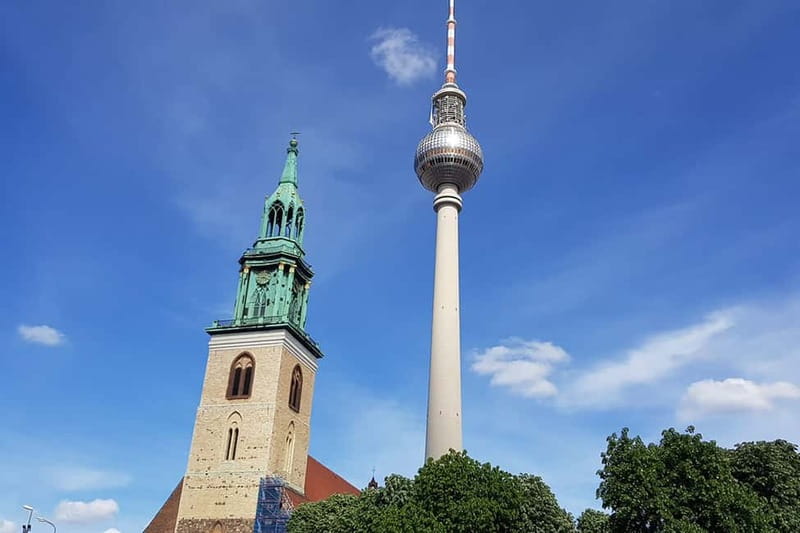
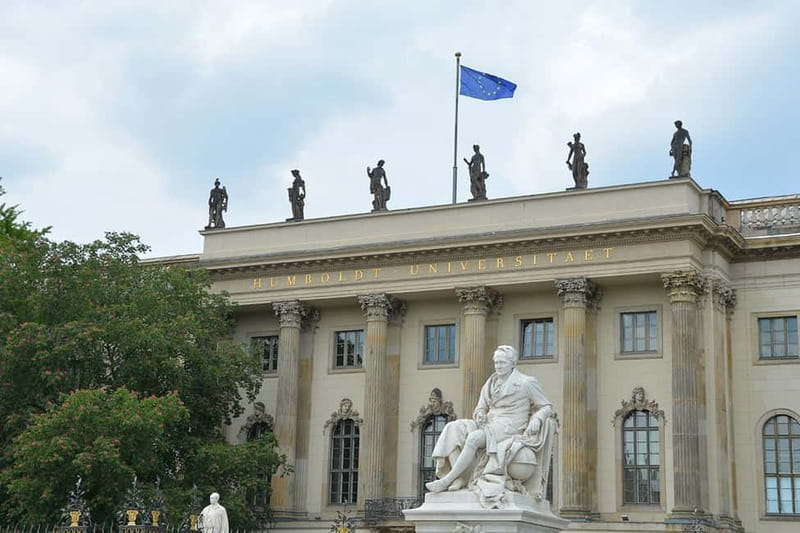
As you keep moving, you pass by Humboldt University, which reinforces that Berlin has always treated education and ideas as political tools—not just academic perks. You’ll also spend time at the Berlin Cathedral area, where your guide ties the landmark to the longer arc of Berlin as a seat of power.
This section works especially well if you want context beyond World War II. The tour is designed to show Berlin’s development from earlier eras—Prussia’s residence-city status, the capital rise, and the imperial mindset that shaped the cityscape.
Practical note: plan for photos, but don’t let photos steal your attention. The guide’s explanations are timed to what you’re seeing, so it’s worth pausing and listening instead of speed-walking straight through.
You can also read our reviews of more historical tours in Berlin





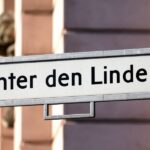
Unter den Linden: the boulevard you’ll recognize in any guidebook
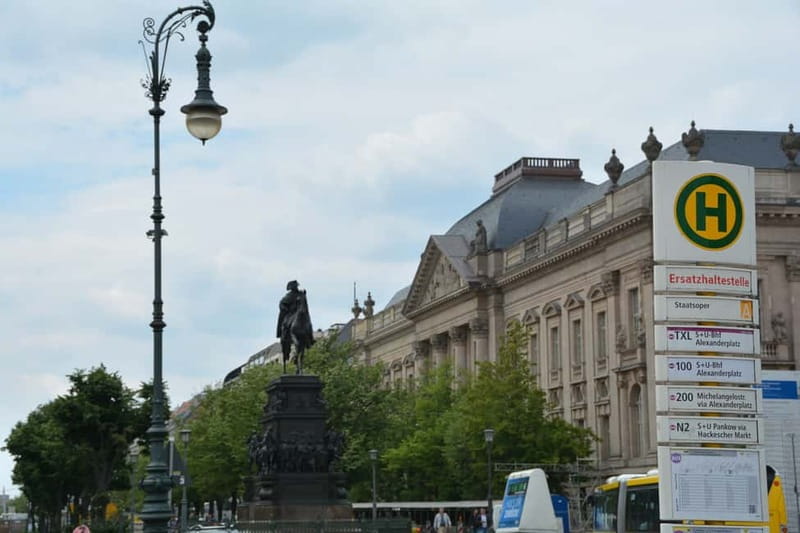
Unter den Linden is where your eyes start “reading” Berlin automatically. This is one of the city’s oldest boulevards, and the tour uses it like an open-air timeline.
You’ll see the Equestrian Statue of Frederick the Great, the State Opera, Humboldt University from a different angle, and St. Hedwig’s Cathedral. Even if you don’t know the names, the city layout starts to make sense: power centers, cultural institutions, and a rhythm of landmark-to-landmark walking.
This is also a stretch where you can adjust your pace. If your feet get tired, this boulevard still feels straightforward to walk. It’s not a maze, and it gives you a calming sense of direction as you approach the final big symbol.
Brandenburg Gate: reunification explained, not just photographed
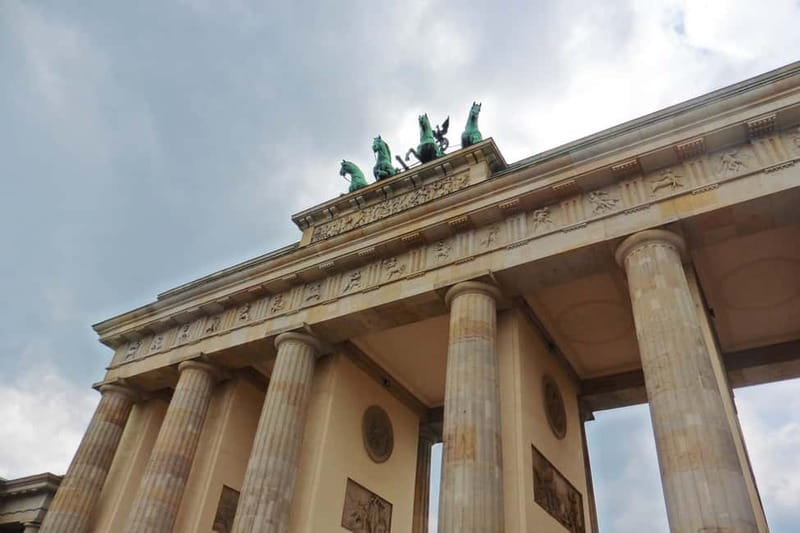
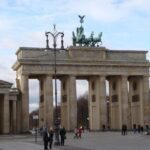
The last stretch brings you to Brandenburg Gate, Berlin’s famous symbol and a focal point for reunification in 1990. You don’t just arrive and move on. You get the story behind why the gate mattered before, during, and after Berlin’s division.
This part is memorable because the guide frames it in human terms: what the gate represented, how the city’s division shaped daily life and meaning, and why the reunification moment changed what people attached to this landmark.
If you’re visiting Berlin for the first time, I’d treat Brandenburg Gate as your “story payoff.” Up to now, you’ve seen cultural and political landmarks. Here, your guide ties it together with the modern turning point that still defines Berlin today.
Carlo’s guiding style: clear, friendly, and easy to follow
One reason this tour works well is the way it’s taught. Carlo (sometimes spelled slightly differently in listings, but the guide on the experience is Carlo) has a talent for explaining Berlin’s layers without drowning you in dates.
I like that he keeps the tone light and professional at the same time. He’s the kind of guide who can answer questions and help you picture where you are in the city, which matters when you’re about to explore on your own.
You’ll also notice the pace feels efficient rather than rushed. Two hours sounds short, but the route is dense with meaning, and the guide’s approach helps the time “fly” without you feeling like you missed the point.
Price and value: why $44 can be a smart buy
At about $44 per person for a 2-hour guided walking tour, this isn’t a budget “hop-on hop-off” deal, and it doesn’t try to be. What you’re paying for is a trained guide who can connect the landmarks into a clear timeline and help you navigate the center with confidence.
This value gets even better if it’s one of your first tours in Berlin. If you start with this walk, you’ll likely return to some of the same areas later with better context—meaning fewer “What am I looking at?” moments and more “Now I get it” moments.
What’s not included is also straightforward: there’s no food or drinks, and no hotel pickup/drop-off. So it’s best as a morning or early-evening activity when you can eat before or after. Also, bring water if you know you get thirsty on walks.
Who should book this tour
This is a great fit if you want:
- A first-time Berlin orientation in a short window
- A walking tour that focuses on how the city changed, not just what buildings look like
- A clear, guided route through the biggest Mitte highlights
- A guide who answers questions and helps you set your bearings fast
If you’re the type who prefers to do architecture reading on your own with an audio app, you might not need a guide. But if you want the “why” behind the major sites, this is a practical way to get there.
Also, the tour is wheelchair accessible, and it runs in all weather conditions. So if mobility is a factor, you’ll appreciate that it’s designed to be doable.
Should you book this Berlin historic center walk?
I’d book it if you want an efficient, meaningful walk through Mitte with a real Berliner style guide. The route covers the landmarks you’ll hear about everywhere—Museum Island, Unter den Linden, Berlin Cathedral, and Brandenburg Gate—but it also gives you the connective tissue that makes those names click in your head.
Skip it only if you strongly dislike walking in mixed weather or you want long museum time instead of a concentrated city story. For most people, this is a solid first-evening plan that helps your whole trip feel less scattered and more grounded.
FAQ
Where does the tour start?
It starts in front of the main entrance of St. Nicholas’ Church Museum (Nikolaikirche Museum). You should look for the tour guide with the Get Your Guide flag.
How long is the tour?
The duration is 2 hours.
Is the tour offered in English?
Yes. The live tour guide language is English.
Does it run in bad weather?
The tour takes place in all weather conditions and on all public holidays.
What should I bring?
Wear comfortable shoes and comfortable clothes.
What’s included in the price?
You get a professional city tour guide and the walking tour. Food and drinks, and hotel pickup and drop-off, are not included.