REVIEW · BERLIN
Discover Berlin Half-Day Walking Tour
Book on Viator →Operated by Original Berlin Walks · Bookable on Viator
History here feels close up.
This 3.5-hour walking tour strings together Berlin’s biggest story arcs—Prussians, Imperial Germany, Nazis, and the Cold War—so you’re not just seeing statues, you’re seeing cause and effect. I like the way it connects major sights along Unter den Linden and through central districts, with a guide who helps you hold all the eras in your head at once. One thing to consider: you’ll cover a lot of ground on foot, so it’s best when you pack light and are okay with chilly (or hot) weather.
What I like most is the focus on the city’s turning points, from government buildings to Holocaust-era remembrance. I’m also a fan of the way guides bring Berlin to life with real voice and pacing—people in the reviews name guides like Amanda, Georgia, and Tobi, and the common theme is clear, respectful storytelling plus lots of room for questions.
The main drawback is the sheer number of stops. Even with frequent quick pauses, you won’t get slow museum time at every landmark, so if you want deep interior visits, you’ll need to plan that for another day.
In This Review
- Key things to know before you go
- Why this 3.5-hour route is a smart first day in Berlin
- Meet at Neue Promenade 3: pacing, group size, and what the walk feels like
- Museum Island area: where the city shows its ambition
- From Stadtschloss to Rotes Rathaus: reading power in the city center
- Unter den Linden to Brandenburg Gate: the boulevard that links eras
- Holocaust remembrance and Nazi memory: learning without turning away
- Checkpoint Charlie and the Berlin Wall: Cold War history at street level
- When the guide is great, the tour gets meaning
- Price and value: what $24.19 really buys you
- Should you book this Berlin half-day walking tour?
- FAQ
- How long is the Discover Berlin Half-Day Walking Tour?
- What’s the price per person?
- Is the tour offered in English?
- Where does the tour start?
- Where does it end?
- Is food and drinks included?
- Do I need to buy tickets for the stops?
- Is there a cancellation option?
Key things to know before you go
- Tons of landmarks, short stops: you’ll see many of Berlin’s highlights in a single half-day, but not at a museum-slow pace
- English guide-led context: the guide explains what you’re looking at, so you don’t waste time guessing
- Cold War and Nazi history, handled directly: sites like Checkpoint Charlie and Topography of Terror are built for serious reflection
- Limited group size: up to 25 people, which usually keeps the walk lively and manageable
- You’ll walk “across eras”: Prussian/Imperial themes mix with Nazi-era sites and Cold War boundaries
- Plan for no included food: bring water plans, and expect you may choose a café break on your own
Why this 3.5-hour route is a smart first day in Berlin
Berlin can feel like a big pile of neighborhoods until you get the “map in your brain.” This tour is designed to give you that map fast—by linking iconic monuments with the reasons they matter. You walk through parts of central Berlin where the city’s past keeps showing up in the street plan, the architecture, and the memorial landscape.
At $24.19 per person, the value is less about saving money on entry tickets and more about saving your time and attention. With an expert guide for roughly half a day, you skip the awkward stage of standing in front of a landmark and trying to connect it to the next one.
One reason this works so well for first-timers: you get a “why here” explanation before you decide where to return later for longer stops. A lot of visitors use this kind of walk as their orientation, then come back on day two or three for the places that grabbed them most.
You can also read our reviews of more walking tours in Berlin



Meet at Neue Promenade 3: pacing, group size, and what the walk feels like
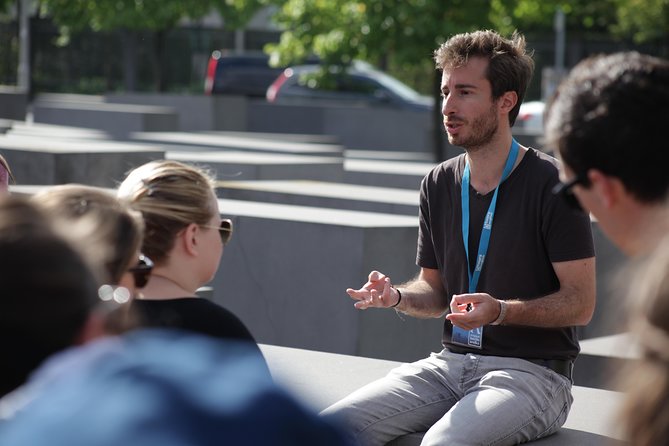
You start at Neue Promenade 3, 10178 Berlin, and the tour ends somewhere else in the city (your booking details will specify the exact finish point). The route is built as a walking loop through central sights, with a guide steering you between stops and offering short explanations along the way.
The group max is 25 travelers, and that small cap matters. You get a human guide instead of a talking audiobook, and you can usually ask follow-up questions without feeling lost in a crowd.
From reviews, guides repeatedly show up as the secret sauce. People name tour leaders like Joachim, Emma, Rebecca, Gregor, Glenn, and Ru—often praising how they keep the group moving, stay respectful with heavy topics, and still make time for humor and everyday details. If you’re the type who likes history that has personality (not just dates), this is a good match.
Museum Island area: where the city shows its ambition
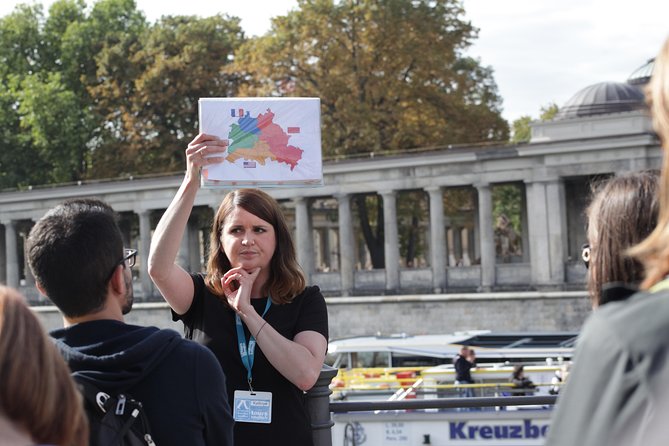
The tour starts with quick stops in central Berlin, then swings into the Museum Island zone and nearby landmark clusters. Even if you’re not buying museum tickets, this is one of the best areas for understanding Berlin’s “big idea” side—how the city tried to define itself through culture, institutions, and impressive public space.
You’ll make early photo-and-story stops such as Hackescher Markt and James Simon Park. These are useful waypoints because they help you understand how Berlin’s central core connects to later developments farther west.
Next comes the Museum Island stretch, where the guide can point out how Berlin gathered world-class institutions together in one concentrated area. You’ll pause at Museum Island and then hit multiple museums and civic landmarks in the area, including Neues Museum, Pergamonmuseum, and Altes Museum. Even a short stop here can help you decide which museum feels right for you later, because you’ll hear the “why this building, why this place” context in real time.
Around these stops, you’ll also pass major landmarks like Berliner Fernsehturm (the TV Tower) and religious/historic sites including Stiftung Neue Synagoge Berlin – Centrum Judaicum and Cathedral of St. Hedwig. These pauses keep the walk from turning into only one theme. Berlin is never one story; it’s a stack.
From Stadtschloss to Rotes Rathaus: reading power in the city center
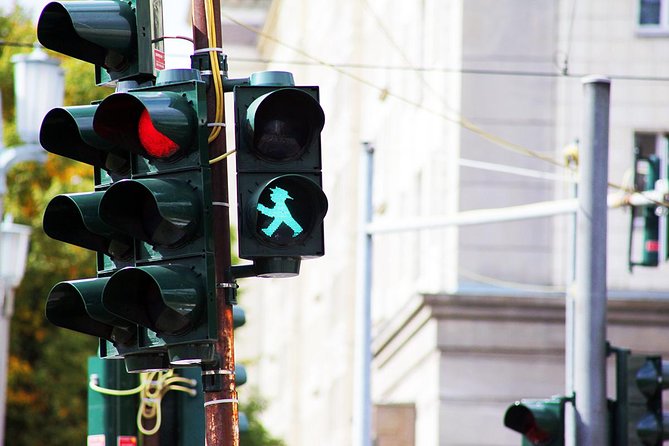
As the walk moves along, you start seeing how political power and national identity get built into the city. You’ll pass sights such as Stadtschloss Berlin, Rotes Rathaus, and nearby central squares and bridges like Schlossbrücke.
This section is valuable because it helps you notice the difference between architecture that’s trying to impress, architecture that’s trying to govern, and architecture that’s trying to remember. When a guide points out what to look for, the buildings stop being background.
You’ll also spend time around Lustgarten and Nikolaiviertel. Even if your photo instinct goes straight to the grand monuments, these quieter stops matter. They remind you that Berlin’s “official” story sits right next to everyday streets—so the history lands in lived space, not just in textbooks.
Unter den Linden to Brandenburg Gate: the boulevard that links eras
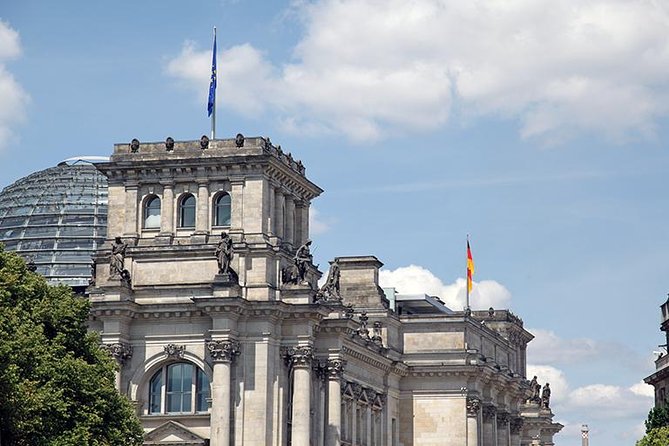
One of the clearest anchors on the route is Unter den Linden. This grand boulevard links key civic points, and the tour uses it like a timeline you can walk along.
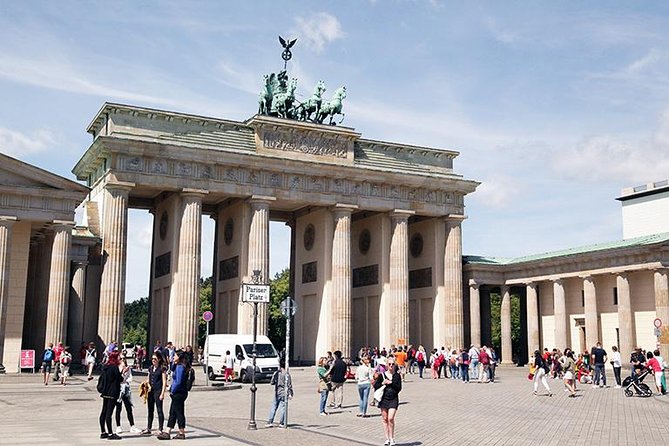
You’ll pass major nodes near Pariser Platz and the start of Unter den Linden’s monumental feel, then reach Brandenburg Gate. The gate works as a focal point because it’s a repeat character in Berlin’s modern narrative. It’s not just a landmark; it’s a symbol that different regimes and different generations have treated differently.
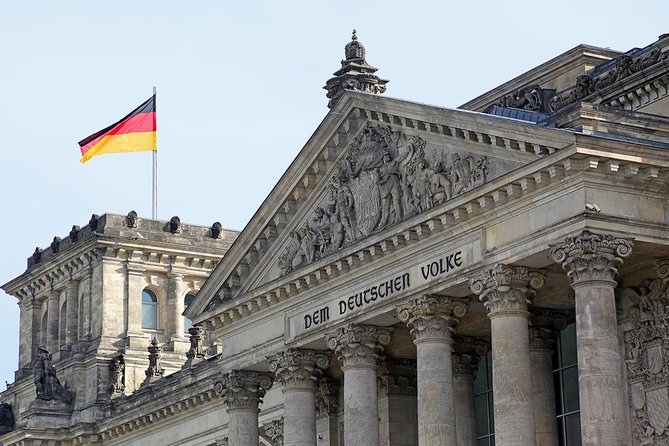
Close by, you’ll also see the Reichstag Building, where the tour’s framing turns into something practical: how a nation’s institutions respond under pressure. If you’re trying to understand Germany’s 20th-century turns without getting lost in details, this is where a good guide earns their fee.
A few more Berlin tours and experiences worth a look


Holocaust remembrance and Nazi memory: learning without turning away
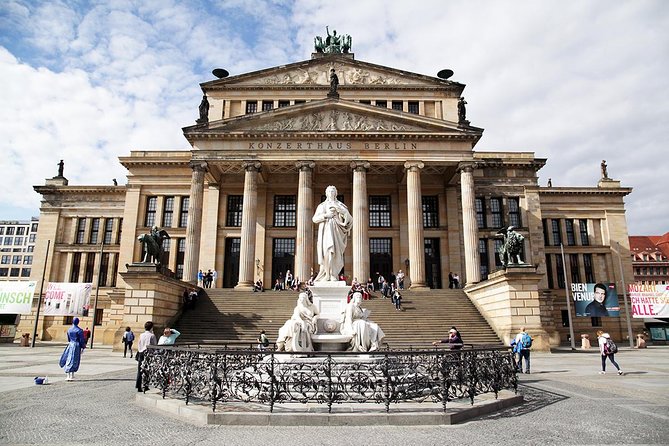
This is the part of the tour that hits hardest, and it’s handled with the kind of care that shows up in the guide style praised by reviewers. You’ll stop around Pariser Platz, and the route links that area to the Holocaust Memorial (Memorial to the Murdered Jews of Europe). You’ll also pause at sites connected to Nazi leadership and propaganda-era actions, including Bebelplatz and the Book Burning Memorial.
What makes this section worth your time is not just the sites themselves. It’s how the guide connects them to the idea of public memory—how a city decides what to show, what to mark, and what to face.
You’ll also walk by or stop near Fuhrerbunker, where the tour’s point is direct: Berlin’s built environment contains traces of the Nazi regime’s final chapter. Along the way, the guide also points out Victory Column and other civic monuments, which helps you see how “public grandeur” can coexist with dark politics.
This is also where you’ll notice a big difference between reading history and hearing it while standing in the right place. The emotional weight is real here, and a respectful guide makes it feel human rather than theatrical.
Checkpoint Charlie and the Berlin Wall: Cold War history at street level
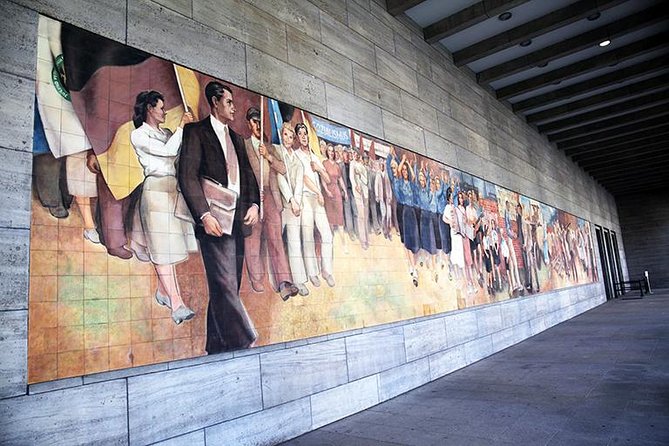
Next comes the story of division—how Berlin became a literal boundary. You’ll trace the route concept tied to the death strip and visit Checkpoint Charlie, then continue toward key boundary landmarks.
This section is important because Berlin’s Cold War story isn’t only about politics. It’s about movement: who could go where, what people risked, and how the city shaped daily life through concrete and checkpoints.
You’ll also see the Memorial of the Berlin Wall and stop at Topography of Terror. Topography of Terror is especially powerful because the site is connected to the former Gestapo and SS Headquarters. The guide’s explanation often centers on why the city chose to keep this location as a place of confrontation and reconciliation, rather than treating it as something to bury.
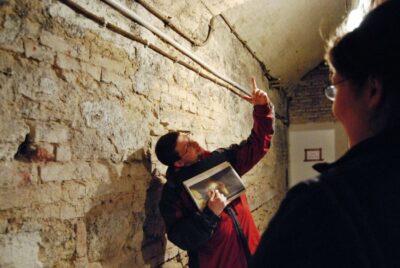
At Topography of Terror, you’ll also look down into excavated cellars, a haunting reminder of how political prisoners were treated here. From reviews, the best guides handle the subject with respect and care, keeping the tone serious without losing clarity.
When the guide is great, the tour gets meaning

This tour lives and dies by the guide. In the reviews, that shows up again and again. People describe guides as funny, engaging, and strong at connecting architecture to lived experience.
Names come up frequently: Amanda is praised for making divided Berlin feel real; Joachim for enthusiasm and an incredible view into German history; Georgia for historical background plus modern-day insight; and Tobi for humor and clear explanations that fit even cold weather. Other reviews add details like an East Berliner perspective and guides who keep the walk on point while still sharing personal anecdotes.
A good sign: you can feel whether the guide is treating the heavy parts as heavy. The best reviews highlight that the guides talk about darker history with care, not shock value. That matters, because sites like the Holocaust Memorial and Topography of Terror are not places for casual storytelling.
Price and value: what $24.19 really buys you
At $24.19, you’re paying for a professional guide and the ability to see a lot of Berlin’s key monuments in one organized walk. This is not a bargain because everything is free, because it isn’t. It’s a bargain because the guide helps you connect everything, and you don’t spend hours figuring out routing, context, and what’s worth your time.
Also, this tour avoids a common trap: you’re not forced to pick between “history” and “architecture” or “Cold War” and “Nazi-era memory.” You get them side by side, framed so you can understand the transitions.
One practical note from reviews: a few people mention a stop to warm up at a café or bakery during the walk. That’s not part of the core ticket, so if you want a break, treat it as optional and expect to pay extra for food and drinks.
If you’re traveling in a group, the value tends to go up. A guide can cover the context faster than most DIY routes, especially in a city where history layers pile up quickly.
Should you book this Berlin half-day walking tour?
Book it if you want a fast, guided orientation to Berlin’s most important modern landmarks, and you like history told in human terms while you’re standing in the right spot. It’s especially useful on a first or second day when you’re trying to build a mental map before committing to longer museum time.
Skip it or pair it carefully if you know you only want deep museum experiences. This walk keeps most stops brief, so you’ll likely come away with a shortlist of places to revisit for longer stays.
FAQ
How long is the Discover Berlin Half-Day Walking Tour?
It runs about 3 hours 30 minutes.
What’s the price per person?
The price is $24.19 per person.
Is the tour offered in English?
Yes, it is offered in English.
Where does the tour start?
You meet at Neue Promenade 3, 10178 Berlin, Germany.
Where does it end?
The tour ends in a different location from where it starts, and your booking details will show the exact endpoint.
Is food and drinks included?
No. Food and drinks are not included, unless specified.
Do I need to buy tickets for the stops?
The provided stop details list admission as free for the stops mentioned on the tour.
Is there a cancellation option?
Yes. You can cancel for a full refund if you cancel at least 24 hours in advance.