REVIEW · BERLIN
Potsdam, City of Emperors Walking Tour
Book on Viator →Operated by SANDEMANs Tours - Berlin · Bookable on Viator
Potsdam hits you with royal scale fast. This small-group walking tour traces Germany’s Prussian kings and Kaisers through baroque streets, palace grounds, and the story of Potsdam’s role in the talks that followed World War II. You’ll also get a very practical setup: the day starts with an easy meeting in Berlin and ends back in the city, with your guide pacing stops so you actually see things.
I particularly like the way the tour links architecture to power—baroque buildings stop being random photo backdrops and start making sense. I also love that you’ll touch big, recognizable moments like the Bridge of Spies and the Potsdam Conference setting, not just pretty palace lawns. One thing to consider: it’s still a busy day with public transit and about 5–6 km of walking, and the Sanssouci Palace entry is on your own ticket.
In This Review
- Key reasons this Potsdam tour works
- Price and logistics: what $80 really buys you
- Berlin meeting point: a smoother start than you’d expect
- Stop 1: Joachimsthaler Straße and getting oriented
- Glienicke Bridge: the Bridge of Spies stop that feels real
- Bassinplatz: UNESCO at the center of the story
- Babelsberg Castle: royalty meets film studios
- Cecilienhof Palace and Neuer Garten: where 1945 talk gets grounded
- Potsdam’s Brandenburg Gate: kings, wars, and Europe’s turn
- Sanssouci Palace: the finale with ticket strategy
- Timing and walking: pace it like a local
- Who this tour suits best
- Should you book Potsdam: City of Emperors?
- FAQ
- How long is the Potsdam City of Emperors Walking Tour?
- How much does the tour cost, and what’s included?
- Do I need a public transport ticket to get to Potsdam?
- Are entrance fees included for Sanssouci Palace?
- Is Sanssouci Palace open every day?
- How much walking is involved?
- What if I need to cancel?
Key reasons this Potsdam tour works
- Bridge of Spies at street level: you stroll to the crossing that still carries Cold War drama.
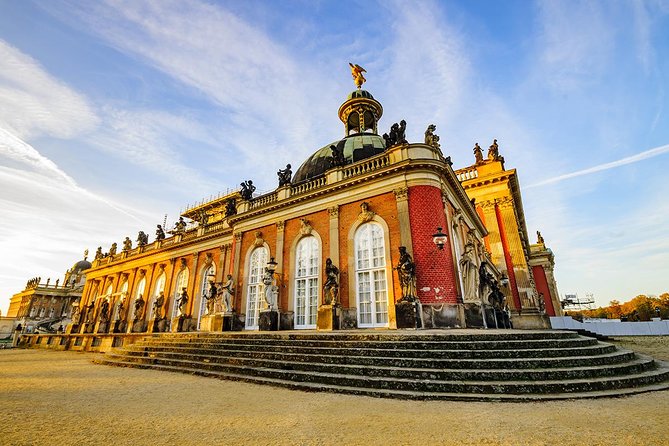
- Baroque Potsdam in a walkable loop: you get real street-and-garden context instead of speed-sightseeing.
- UNESCO town-center stop: you spend time at Bassinplatz, a major UNESCO site zone.
- Film-studio surprise at Babelsberg Castle: royal residence history meets modern cinema.
- Cecilienhof + post-WWII negotiations: you’ll connect the palace setting to the talks shaping 1945.
- Sanssouci Palace planning help: your guide explains how to get tickets and reduce line time.
Price and logistics: what $80 really buys you
At $80, this tour can feel like a steal if you like guided context. You’re paying for a local guide, structured time, and a lunch break included—so you’re not left trying to piece together a half-day of history with a tired brain. The tour length is about 5 hours 30 minutes (often described around 6 hours), and it’s capped at 30 travelers, which usually keeps things conversational.
Now for the budget part you should plan for. Public transport to and from Potsdam is not included—you’re told to buy an ABC travel ticket (single trip €3.40) before you join. Also, some entrances are not included, most notably Sanssouci Palace (about €12). So if you’re the type who hates splitting hairs at ticket booths, factor in the extra euros early and plan your day around it.
The tour does include admissions for several key spots, and that matters for value because you’re not paying separately for everything. In practice, you’re paying mainly for the guiding and the sequence. That’s the good part.
You can also read our reviews of more walking tours in Berlin


Berlin meeting point: a smoother start than you’d expect
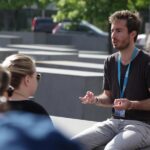
The meet-up is late morning in Berlin at a very clear location: in front of Starbucks at Joachimsthaler Str. 1–4, near Zoologischer Garten station. Start time is 10:00 am, and the end point is back in Berlin at S-Bahn Kundenzentrum Zoologischer Garten (Hardenbergpl. 13).
This start matters because Potsdam is outside the city center, and the tour is built around train + local transit. The day moves, but it’s not chaotic—your guide is there to keep you from wandering into the wrong station exits or losing the group on the way.
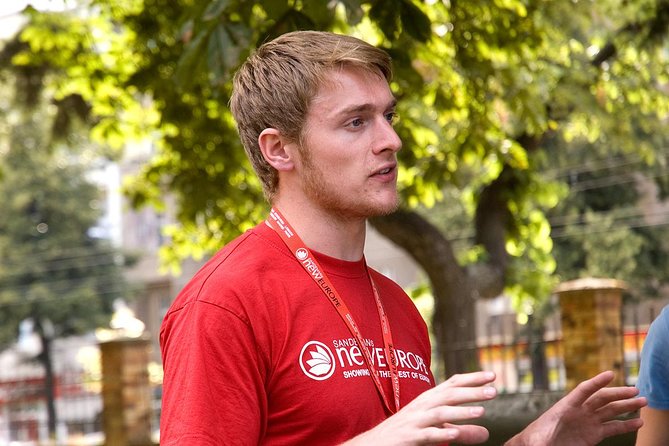
Also, this is one of those tours where the guide names show up in real feedback: people have mentioned guides like Sophia, Rodrigo, Susan, Alice, and Rochelle. The common thread is not just facts; it’s pacing and making the story readable as you walk.
Stop 1: Joachimsthaler Straße and getting oriented
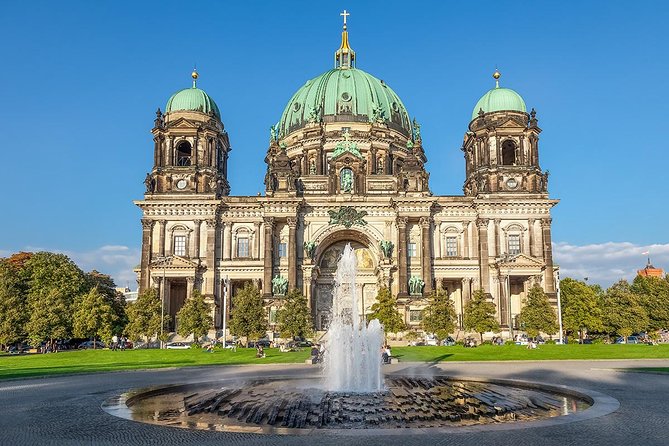
Stop 1 is Joachimsthaler Straße for about 45 minutes, and admission is free here. Even though it’s not a palace or bridge, it’s a useful runway: this is where you settle in, get your bearings, and begin the Prussian-to-Kaiser storyline before Potsdam starts throwing royal names and facades at you.
This is a good moment to adjust your expectations. Potsdam can look like one giant “pretty palace day,” but the tour frames it as a political stage—kings, armies, and negotiations. If you’re the kind of traveler who likes to know why you’re standing where you are, this early setup helps a lot.
Practical note: since you’ll walk later, wear comfortable shoes right from the start. The tour covers roughly 5–6 km, and that’s not a gentle stroll for your calves.
Glienicke Bridge: the Bridge of Spies stop that feels real
Once you reach Potsdam, you head to the Glienicke Bridge for about 30 minutes. Admission is included. This is the moment where the tour stops being theory and becomes tension you can photograph from actual viewpoints.
You’ll get context around the infamous Bridge of Spies. Even if you only know the story as a headline, standing there helps it click—this isn’t just a Cold War relic. It’s a geographic pinch point that put human stakes onto a map. The tour time here is short but focused, which is ideal when you want impact without burning the whole day.
This is also where I’d slow down a bit. Don’t rush the first minute. Take in the approach lines, the river setting, and the bridge connection. Then listen for how your guide frames the intrigue.
Bassinplatz: UNESCO at the center of the story
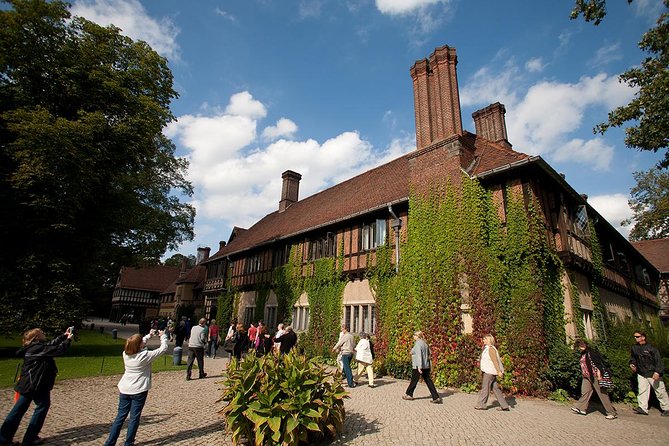
Next comes Bassinplatz, about 30 minutes, with admission included. You’ll take a short bus ride to Potsdam’s town center. Bassinplatz is described as Germany’s largest UNESCO World Heritage site zone, so this stop gives you a sense that Potsdam isn’t just one palace—it’s a carefully planned royal environment.
Why it works: the tour connects the palace look to how a royal city functioned as a whole. You’re not just seeing an object. You’re seeing a system of planned spaces and power references.
A drawback here is timing. When you arrive from transit, your feet may already feel warm and your brain may still be loading information. So use the first few minutes to look around first, then let the guide fill in the “why.”
You can also read our reviews of more city tours in Berlin

Babelsberg Castle: royalty meets film studios
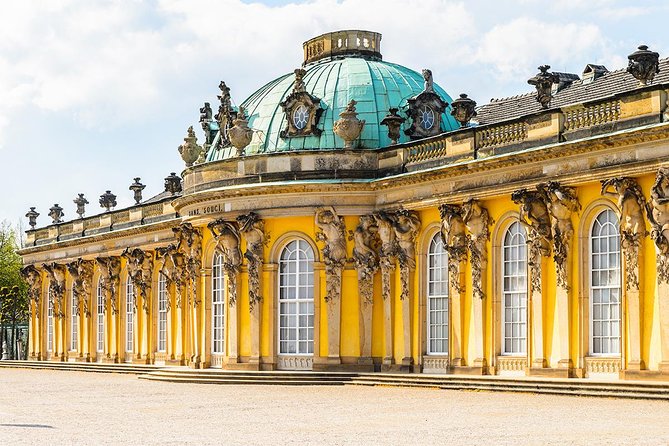
Stop 4 is Babelsberg Castle, around 30 minutes. Admission is not included. You’ll take a tram to the palace area, and this is where the tour adds a modern twist: the palace is now associated with Babelsberg film studios.
This stop is a clever balance between eras. You get the feel of formal royal residence, but you also understand how the setting continues to matter. If you like when travel connects past and present, this is a good one to pay attention to.
The main consideration is entry cost and expectations. Since admission isn’t included here, you might not be going inside. Even so, the value is in the guide’s explanation of why Potsdam became the city of the German Kaisers and how the place relates to both royal life and the larger historical shifts.
Cecilienhof Palace and Neuer Garten: where 1945 talk gets grounded
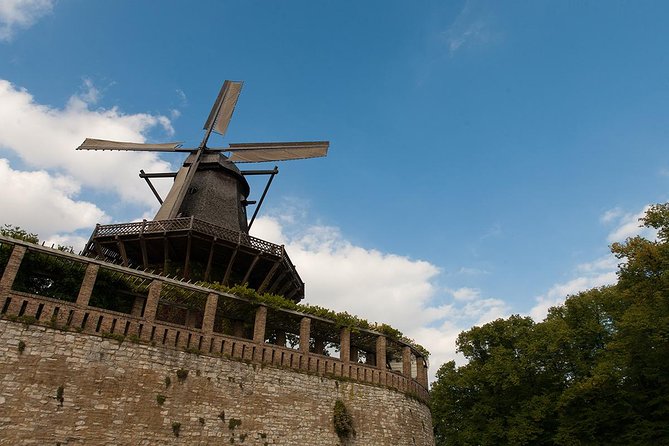
Stop 5 is Schloss Cecilienhof, about 30 minutes, with admission not included. The tour also ties in Neuer Garten (New Garden), and this is another UNESCO-linked moment. Your guide explains how the Crown Prince lived there before the royal family abdicated at the end of World War II.
This is one of the stops where I think the tour earns its “City of Emperors” label. Cecilienhof isn’t just about past comfort. It’s where politics and endings show up. The tour highlights Potsdam’s role in negotiations that helped end World War II—an idea reinforced by feedback mentioning how the conference setting gets covered.
One practical note: since admissions aren’t included, you should be ready to pay attention from outside or from whichever portions you’re allowed access to on the day. If you strongly want indoor time, plan to do that on your own after the tour ends—especially since Sanssouci is also not included.
Potsdam’s Brandenburg Gate: kings, wars, and Europe’s turn
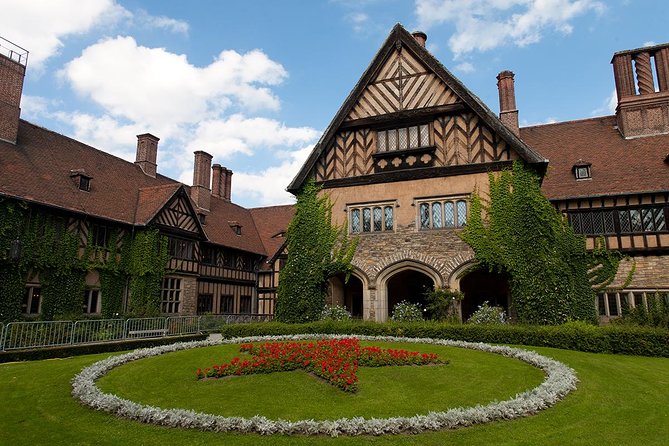
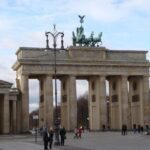
Stop 6 is the Brandenburg Gate in Potsdam for about 30 minutes, with admission included. The guide uses it as a storytelling checkpoint: the city grows through the efforts of four generations of exceptional kings, then pushes through the two World Wars that sealed Europe’s fate in 1945.
This stop is short, but it’s valuable because it compresses the arc. Instead of having the end-of-WWII story float in the background, you get it tied to a visible marker in the city.
If you tend to remember places better than dates, this is the kind of stop that helps. Look at the gate structure, then listen for how your guide links the symbolism to the timeline.
Sanssouci Palace: the finale with ticket strategy
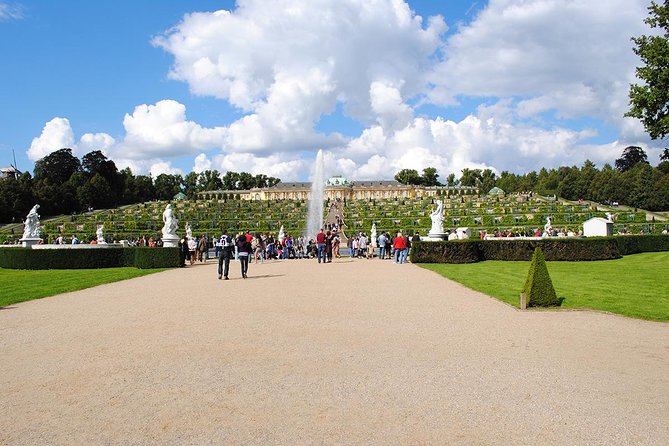
The tour ends at Schloss Sanssouci (Sanssouci Palace) for about 30 minutes. Admission is not included, and the big planning tip is that your guide will share details to get best-priced tickets and skip long lines. You’ll also get views of the palace while you’re still fresh enough to enjoy them.
This is the stop where you should be most strategic. Since you’re paying separately for entry, decide in advance how you want to use your final minutes. If your top priority is the garden views, you might be happier staying mostly outside and saving indoor time for later. If you want interiors, use the guide’s ticket advice right then so you aren’t fighting queues on your own.
Two practical considerations from the info you have:
- Sanssouci is closed on Mondays. If your travel dates put you on a Monday, don’t assume you can swap it last minute.
- In winter, some statues may be covered, which can change what you’re expecting to photograph. If you’re visiting in colder months, keep your expectations flexible.
Also, there’s a small-but-real chance the experience may vary by guide and group flow. One piece of feedback noted disappointment when the tour ended outside the palace despite expectations of more direct entry support. That’s not guaranteed, but it’s a reason to arrive prepared: buy tickets early when possible, and plan to manage entry yourself if needed.
Timing and walking: pace it like a local
This tour covers 5–6 km and requires moderate physical fitness. That doesn’t mean it’s an athletic training day, but it does mean you’ll want to move with purpose. The timing also includes public transit segments—walk some, wait some, ride some. If you hate standing around, this isn’t your kind of tour. If you like steady progress with stops that actually last long enough to breathe, you’ll do fine.
My advice: bring water, wear layers, and keep your phone battery charged. You’ll likely use maps and photos during the day, especially at the bridge and palace viewpoints.
And when the group gets moving, don’t drift. With a max of 30 people, you can still find yourself stuck half a minute behind if you pause at the wrong time. The whole day depends on keeping the group together, so walk-smart beats walk-fast.
Who this tour suits best
This tour is a strong match for you if:
- You want a guided story that connects Prussian kings, Kaiser era life, and the post-WWII negotiations.
- You like pairing architecture with context so it’s easier to remember.
- You’re okay doing some transit and moderate walking for a well-structured day.
It may be less ideal if:
- You want zero thinking about tickets and entrances (Sanssouci and some other sites aren’t included).
- You expect a super small group vibe every time. The tour is capped at 30, and you might still feel the difference if the group size is near the cap.
Should you book Potsdam: City of Emperors?
I’d book it if you want your Potsdam day to feel like a guided narrative, not a checklist. The value comes from the combination of practical pacing (including a lunch break), strong anchor stops like the Bridge of Spies, and the way the tour frames Potsdam as both royal stage and postwar turning point.
Skip or at least reconsider if you’re visiting on a Monday and you’re counting on Sanssouci, or if you dislike paying extra for entrances and prefer fully packaged admissions.
If you do book, go in with the right mindset: treat it as a guided walk through power, not just a palace stroll. That’s when it clicks hardest—and Potsdam stops being “a nice day trip” and starts feeling like you’ve learned how Europe got reshaped right there.
FAQ
How long is the Potsdam City of Emperors Walking Tour?
It lasts about 5 hours 30 minutes (approximately). The tour may vary depending on what the guide thinks is best for the group.
How much does the tour cost, and what’s included?
The tour costs $80. It includes a local guide and a break for lunch.
Do I need a public transport ticket to get to Potsdam?
Yes. Transportation to and from Potsdam is not included. You should purchase an ABC travel ticket (single trip ABC €3.40) before joining the tour.
Are entrance fees included for Sanssouci Palace?
No. Sanssouci Palace entrance is not included (listed as about €12). The tour ends at Sanssouci, and your guide shares ticket tips to help you avoid long lines.
Is Sanssouci Palace open every day?
No. Sanssouci Palace is closed on Mondays.
How much walking is involved?
You should plan for about 5–6 km of walking and have a moderate physical fitness level.
What if I need to cancel?
You can cancel for a full refund if you cancel at least 24 hours before the experience’s start time. If you cancel less than 24 hours before, you won’t get a refund.