REVIEW · BERLIN
Sachsenhausen Memorial: Walking Tour from Berlin
Book on GetYourGuide →Operated by Vive Berlin e.G · Bookable on GetYourGuide
A concentration camp tour that stays with you. I like how this trip pairs guided clarity with specific, memorable locations, from Tower A and the roll-call square to Station Z. It’s also close enough to Berlin that the whole day still feels manageable, even though the subject matter is anything but.
Two things I especially appreciate: you get a focused walking route through the former camp, and the guide’s explanations use historical research plus survivor testimony to make the system of Nazi terror easier to understand. The only real drawback is practical: it’s a lot of walking in all weather, with no lunch stop and no eating on the memorial grounds.
In This Review
- Key things to know before you go
- Why Sachsenhausen hits differently when it’s close to Berlin
- Berlin to Oranienburg by train: the easiest part of the day
- The Oranienburg moment: a short setup before the memorial
- The 3.5-hour walking tour: what you’ll actually see
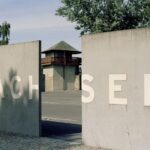
- Tower A and the roll-call square
- Forced labor and punishment systems
- Prison barracks and medical experimentation rooms
- The former kitchen, now a museum
- Station Z: crematoriums and the gas chamber site
- Beyond the camp layout: why the guide’s explanations matter
- Daily life, resistance, and the end of the war (without skipping the hardest parts)
- What about the guides: language, tone, and handling sensitive topics
- Timing: how the day flows, and where you need to plan for effort
- What to pack: shoes, lunch, and the essentials that actually matter
- Price and value: $511 per group up to 6
- Who should book this tour (and who should think twice)
- Should you book Sachsenhausen Memorial: Walking Tour from Berlin?
- FAQ
- How long is the Sachsenhausen memorial walking tour from Berlin?
- What languages are offered for the live guide?
- Do I need to buy public transport tickets?
- Is lunch provided during the tour?
- Is a donation required for the memorial?
- Is this tour suitable if I don’t like walking?
Key things to know before you go
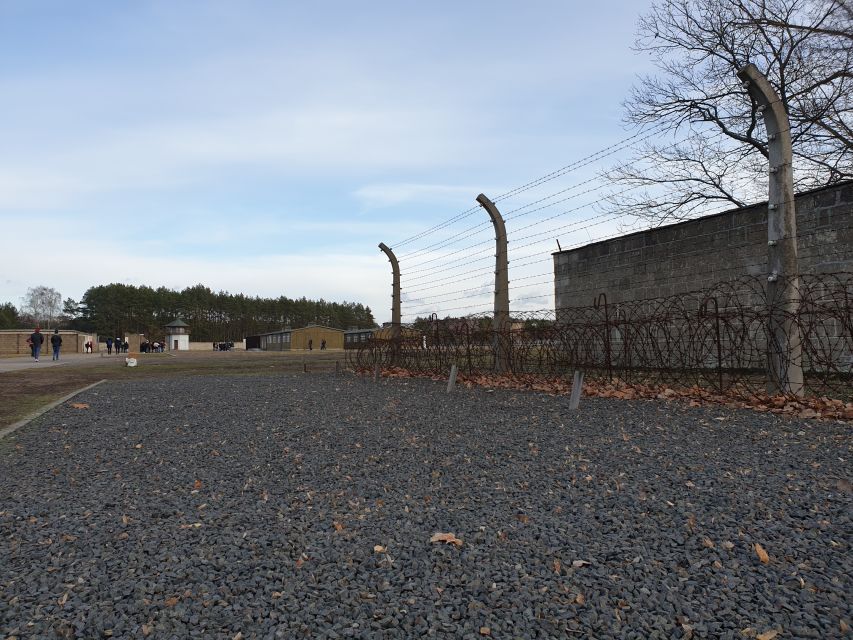
- 3.5-hour walking tour inside Sachsenhausen with a professional guide
- Station Z stop to understand the machinery of murder (including crematoriums and what’s been preserved of the gas chamber site)
- Architecture as control, explained through the camp’s layout and SS authority
- S-Bahn to Oranienburg together, with timing that leaves little room for being late
- €3 cash memorial donation required at the meeting point
- Guides are available in French, Italian, and English, and you’ll see strong praise for guide performance (names like Fabio, Lorenzo, Soleil, Sueli, and Andrea appear in the supplied feedback)
Why Sachsenhausen hits differently when it’s close to Berlin
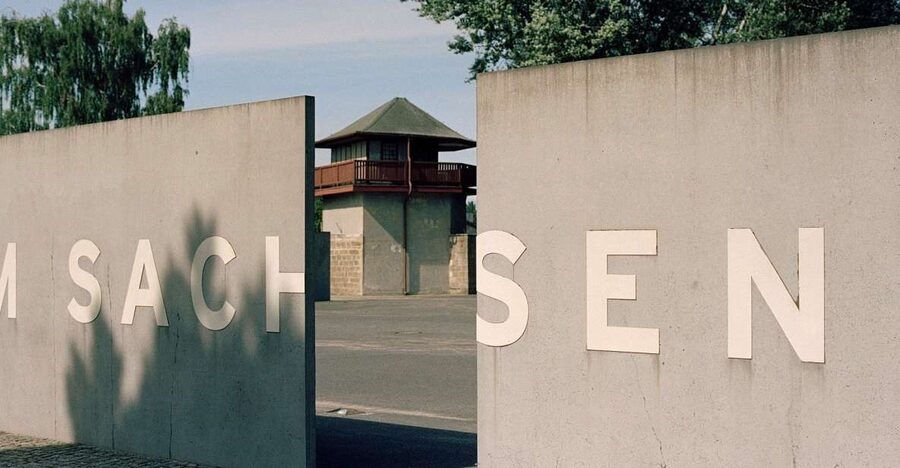
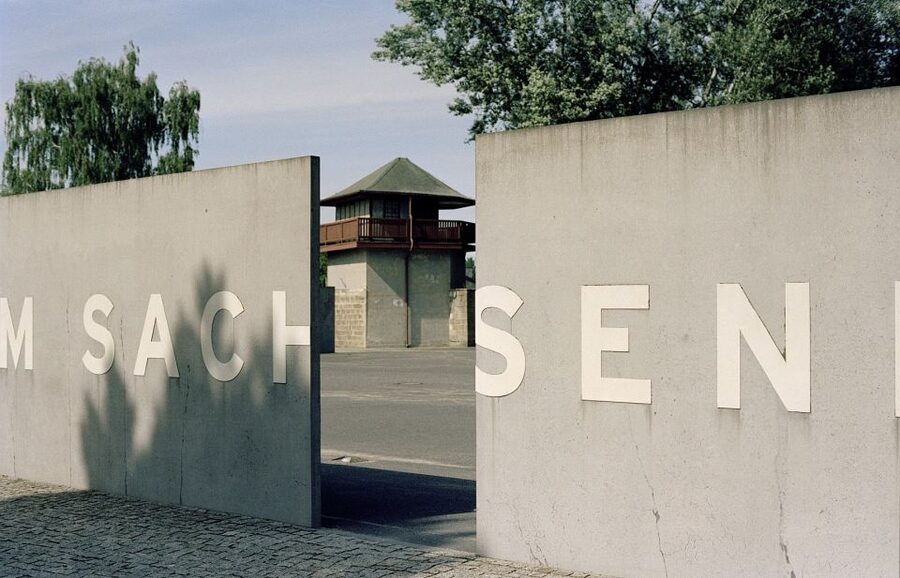
Sachsenhausen is the concentration camp closest to the Nazi capital, and the proximity matters. Standing in the grounds, you get a grim sense that this wasn’t some remote fringe of the regime—it was part of the same machinery operating near the decision-making center.
The tour doesn’t treat the camp like a random historical stop. Instead, it frames Sachsenhausen as a prototype for how later camps were organized, run, and used for terror and exploitation. That point changes how you read everything you see: not just what happened, but how the Nazis built a system that could keep working.
You can also read our reviews of more walking tours in Berlin


Berlin to Oranienburg by train: the easiest part of the day
You’ll start in Berlin, then head by train (S-Bahn) toward Oranienburg, the nearest station by the memorial. The ride is about 35 km, and the schedule is built around getting you there without you having to plan the route yourself.
This is where timing matters most. The tour setup is prompt: the train is expected to depart about 5 minutes after the official start time, and you’re advised to arrive 15 minutes early. If you’re the kind of traveler who likes to linger at the platform, adjust your habits for this day.
Also note the transport ticket requirement: you need a 24-hour ticket for Berlin zones ABC. It’s a small detail, but it prevents the annoying scramble of figuring out transit rules mid-morning.
The Oranienburg moment: a short setup before the memorial
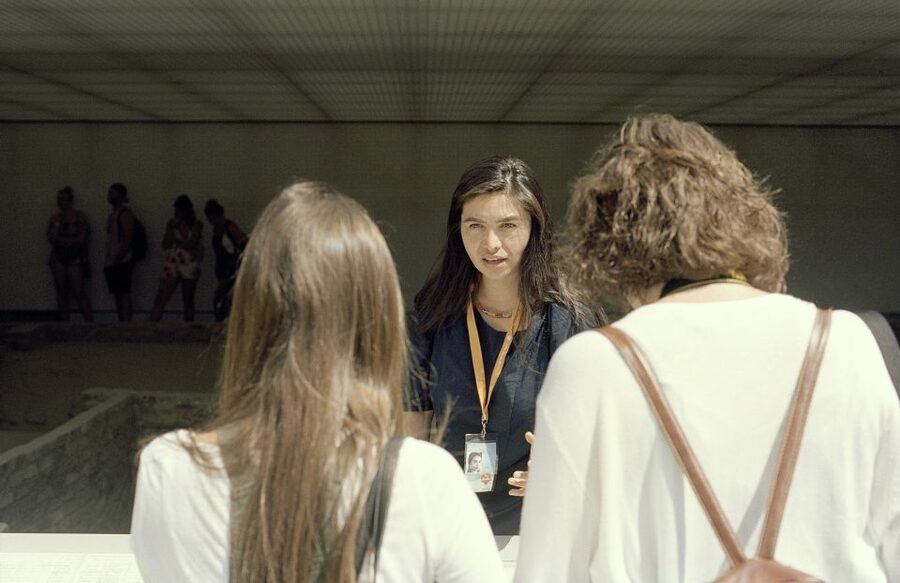
Once you reach Oranienburg, you get a brief guided segment before you go deeper into the camp grounds. That short stop helps you connect the external geography to what you’ll soon see inside Sachsenhausen.
I like this pacing. It’s not a long lecture on the train that leaves you tired and scattered. It’s more of a “get your bearings fast” approach, so when you arrive, the explanations land on something real.
The 3.5-hour walking tour: what you’ll actually see
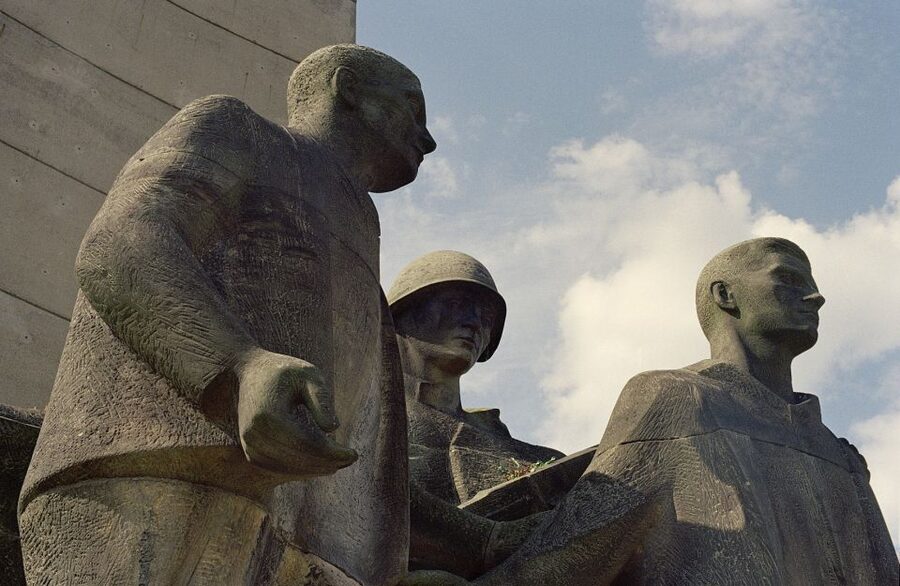
Inside Sachsenhausen, the tour is built around key places that explain how the camp functioned day to day, not just how it ended. The walk lasts about 3.5 hours, and it’s intense in the best, most necessary way: you move through the site in a sequence designed to clarify the logic of the Nazi dictatorship.
Here are the main stops you should expect:
Tower A and the roll-call square
Tower A and the roll-call area are central for understanding how surveillance and routine control worked. The guide’s job here is to help you read the space like the SS did—how visibility, order, and intimidation reinforced obedience.
It’s also one of those locations where you immediately get why the camp was designed the way it was. Even if you don’t know the details beforehand, the atmosphere tells you this was built for domination.




Forced labor and punishment systems
You’ll walk through the logic of the camp’s work and disciplinary structures. The tour explains the system of forced labor and punishment, showing how exploitation wasn’t just an outcome—it was part of the camp’s purpose.
This is where the tour’s context is important. You’re not only hearing about “bad conditions.” You’re learning how conditions were engineered to break people and keep the machinery running.
Prison barracks and medical experimentation rooms
The tour includes the prison barracks and rooms tied to medical experimentation. Even when you’ve read about atrocities before, these stops can feel different in person because they connect policy to physical space.
This section is often where a guide’s tone and structure matter most. A good guide keeps the explanation clear and avoids sensationalism, so you leave with understanding rather than shock alone. In the supplied feedback, multiple guides are praised for being empathetic while still sharing detailed historical information.
The former kitchen, now a museum
You’ll visit the former kitchen, which is now presented as a museum. It’s a smaller stop, but I find it useful because it grounds the story in daily camp systems—food, routine, and the way even basic functions were controlled.
That kind of detail helps the camp feel real without turning it into spectacle.
Station Z: crematoriums and the gas chamber site
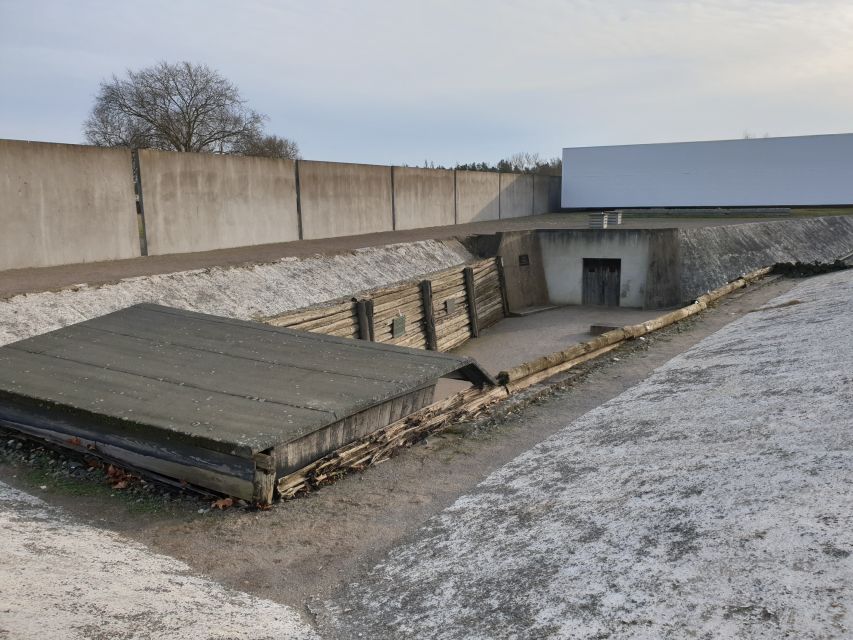
Station Z is described as a key moment of the tour, including the preserved areas tied to the crematoriums and the gas chamber. This isn’t handled like a “look and move on” stop. The tour ties the site to the broader system of exploitation and extermination across Nazi Europe.
If you’re prone to rushing through difficult places, slow down here. Let the guide’s explanation give the site meaning, because otherwise it can blur into generic “horrors of the Holocaust” in your head. Here, you want it to stay specific.
Beyond the camp layout: why the guide’s explanations matter
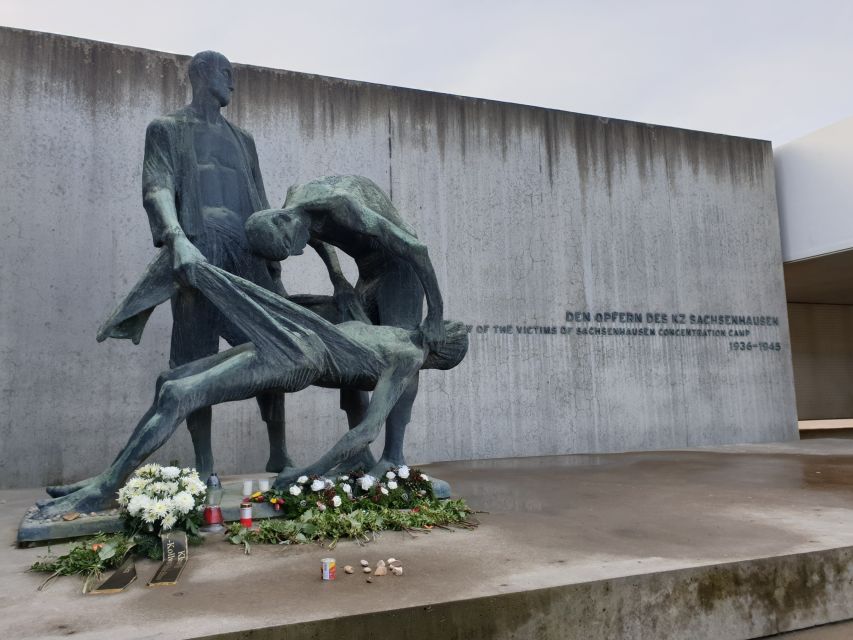
Sachsenhausen wasn’t only a place where people suffered. It was also used as a model “SS concentration camp” and training center for SS guards. The tour explains that role, so you see how brutality was taught, standardized, and exported.
You’ll also hear about who was imprisoned over time: political opponents first, then Sinti and Roma, Jews, prisoners of war, and Jehovah’s Witnesses. More than 40,000 people perished here under horrific conditions. The tour connects these groups to the way the Nazi regime expanded its system over time.
Another important theme is the deliberate use of architecture to enforce subjugation. The guide walks you through how Nazi architects and SS decision-makers used the physical space—visibility, movement patterns, and separation—to make power constant and resistance harder.
Daily life, resistance, and the end of the war (without skipping the hardest parts)
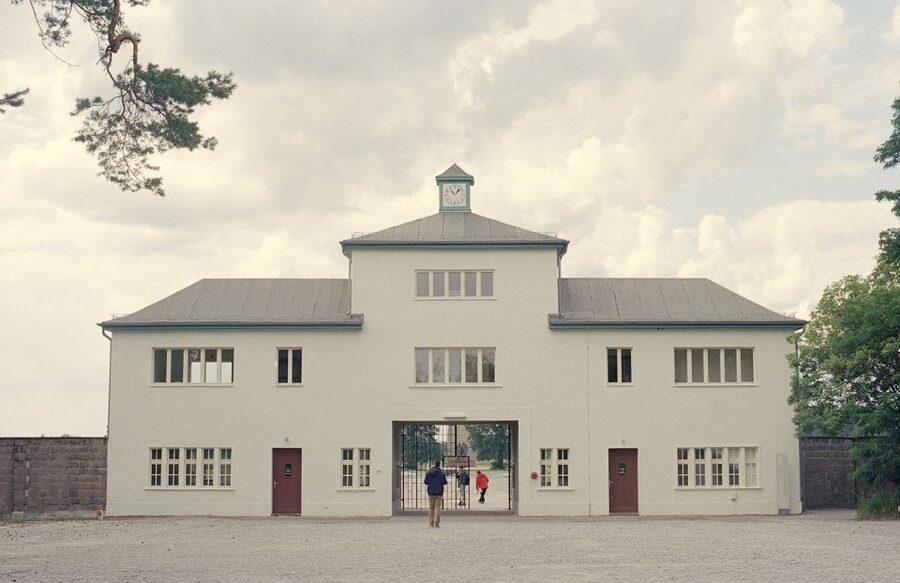
The tour covers daily life in the camp and prisoners’ attempts at resistance. It also includes the death marches at the end of the war, plus what happened after the Nazis fell.
After World War II, under Soviet occupation, Sachsenhausen continued to operate as a special camp where thousands of people—including former Nazis, political opponents, and civilians—were detained. Many died of hunger and disease. That part matters because it shows the site wasn’t instantly “closed” in a simple way; it remained a place of detention and suffering.
This is also why the tour works better with a qualified guide. You get chronology and cause-and-effect. Without it, the site can feel like disconnected scenes instead of one brutal system.
What about the guides: language, tone, and handling sensitive topics
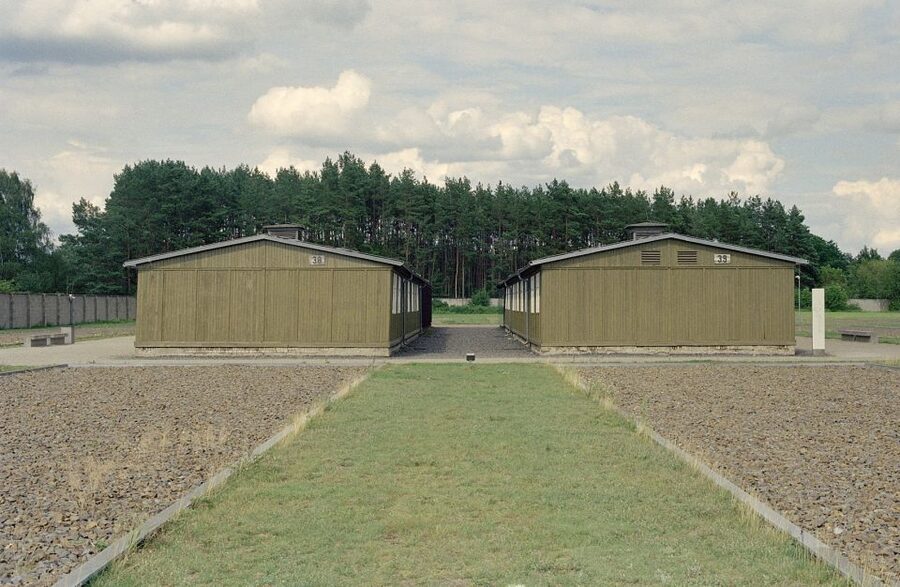
This experience is built around qualified, professional guides. You can choose among live guide languages: French, Italian, or English. In the supplied information, guides are described as friendly and knowledgeable, and several named guides show up in the feedback (Fabio, Lorenzo, Soleil, Sueli, Andrea).
What I’d look for in any guide here is empathy plus structure. The tour is long—around 6 hours total—and the subject matter is heavy. A strong guide helps you stay grounded: explaining what you’re seeing, why it was designed that way, and what it meant for prisoners’ lives.
Timing: how the day flows, and where you need to plan for effort
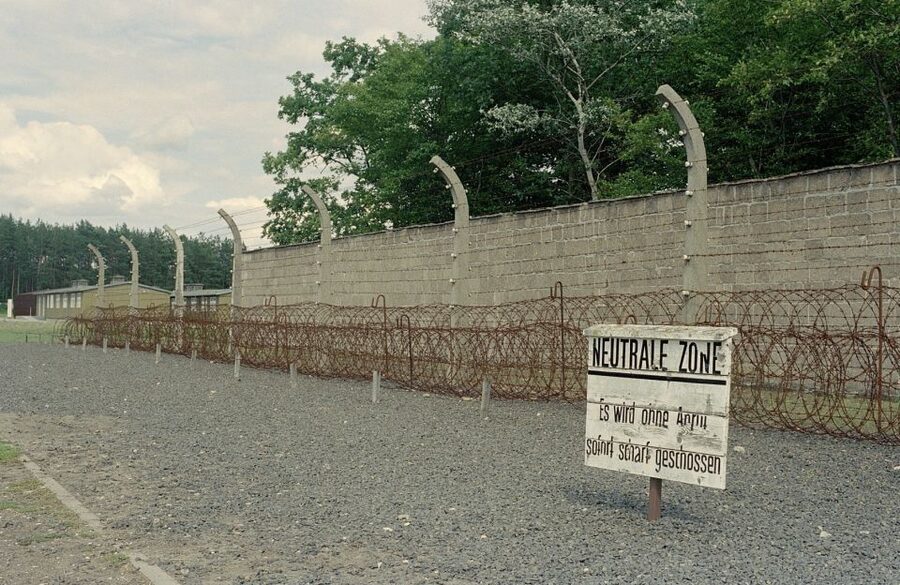
Total duration is about 6 hours, and the schedule is built around train rides plus a long walk inside Sachsenhausen. There are two drop-off locations in Berlin at the end (Potsdamer Platz 10 and Friedrichstraße 141), so you’re not stuck searching for a last-leg connection.
Two practical realities:
- It’s a lot of walking, and you should expect to move continuously.
- It takes place in all weather, so bring layers and a rain-ready plan.
Also, eating rules are strict. Eating isn’t permitted on the memorial site, and there’s no lunch stop during the entire activity. The best move is to pack your lunch and eat it on the train rather than hoping you’ll find a place after the tour starts.
What to pack: shoes, lunch, and the essentials that actually matter
Here’s what you should bring based on the tour notes:
- Comfortable shoes (non-negotiable)
- Food and drinks, but plan to eat them off the memorial grounds
- Your public transport ticket (Berlin ABC 24-hour ticket)
If you want a smooth day, I’d also pack a small layer for wind and cold, plus a bag you can keep close during transit. The memorial is serious, and you’ll appreciate keeping yourself organized.
One more restriction: no smoking, no alcohol, no drugs, and no nudity. That’s straightforward, but it’s worth knowing before you show up.
Price and value: $511 per group up to 6
The price is listed as $511 per group up to 6, and that’s worth thinking about in terms of value rather than just converting to a per-person rate.
Why it can feel fair:
- You’re paying for a guided walking tour with a professional guide and a structured visit through major sites inside Sachsenhausen.
- You also get help with getting there and back from Berlin together by train, so you don’t spend the day solving transit logistics.
- The experience lasts about 6 hours, which is long enough to provide real context instead of a rushed “see the basics” walk.
The question for you: is this something you want to do with control over the group size? If you’re traveling as a small group, private-group style pricing can make sense because you’re sharing cost while keeping the experience more personal. If you’re solo and want the lowest price, you might compare options elsewhere—but based on the structure here, the value comes from the guided time inside the camp.
Who should book this tour (and who should think twice)
This is best for you if:
- You want a guided, site-focused visit with context about how the camp operated.
- You prefer historical explanations that connect architecture, daily systems, and Nazi ideology.
- You’re comfortable spending hours walking on a meaningful, heavy route.
Think twice if:
- You hate long walking days or don’t handle emotionally difficult topics well. This isn’t a “light museum stop.” It’s a serious visit that stays serious throughout.
Should you book Sachsenhausen Memorial: Walking Tour from Berlin?
I think you should book this tour if you’re serious about understanding Sachsenhausen as more than a landmark. The structure—moving through exact locations like Tower A, roll-call areas, the prison and experimentation spaces, and Station Z—helps the story stay coherent.
Go for it if you like guidance that’s clear, respectful, and specific. You’ll also appreciate the practical setup: train travel together, a defined schedule, and a return to Berlin at the end.
Before you book, set yourself up for success: wear comfortable shoes, bring your lunch for the train since there’s no lunch stop, and arrive early so you don’t miss the departure.
If you want to pay once for a guided day that does more than “check a box,” this one fits that goal.
FAQ
How long is the Sachsenhausen memorial walking tour from Berlin?
The total experience lasts about 6 hours, including train travel and the 3.5-hour guided walking tour inside the memorial grounds.
What languages are offered for the live guide?
The live guide is offered in French, Italian, and English.
Do I need to buy public transport tickets?
Yes. You need an ABC 24-hour ticket for Berlin public transport. The tickets are not included.
Is lunch provided during the tour?
No. There is no lunch stop, and eating isn’t permitted on the memorial site. It’s recommended that you bring your own lunch for the train journey.
Is a donation required for the memorial?
Yes. You must pay a mandatory €3 memorial donation in cash at the meeting point. The entire amount is donated to the Sachsenhausen Concentration Camp Memorial.
Is this tour suitable if I don’t like walking?
Plan for a lot of walking. The tour takes place in all weathers, so comfortable shoes and weather-appropriate clothing are important.