REVIEW · BERLIN
Small Group Walking Tour of East Berlin with a French Guide
Book on Viator →Operated by Vive Berlin Tours · Bookable on Viator
East Berlin feels different when you walk it with context. This small-group French-language tour turns major Cold War landmarks into real stories you can picture, from the Berlin Wall Memorial to Alexanderplatz and the East Side Gallery. The one thing to watch: the explanations are in French, so if you don’t read or listen comfortably in French, you’ll want to go in with realistic expectations.
I like how the route keeps moving, so you’re not stuck in one place staring at a plaque. You get a focused 3 hours (about), and the group is kept to a maximum of 25 people, which makes it easier to hear your guide and ask questions. My practical caveat: plan for a moderate walking pace and some time outdoors, because this is very much a street-level experience.
If you’re the type of person who wants the why behind the what, this tour is a strong fit. It covers separation, repression, peaceful demonstrations, and the wall’s symbolism—without turning history into a lecture marathon.
In This Review
- Key points I think you’ll care about
- Entering East Berlin with the right kind of guide
- Start at Potsdamer Platz, then to the ghost-station link near Nordbahnhof
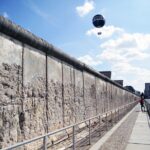
- The Berlin Wall Memorial on Bernauerstrasse: the death-strip reality
- Alexanderplatz: peaceful demonstrations versus STASI repression
- East Side Gallery finale: 104 murals and the Brezhnev–Honecker moment
- Price and value: what $27.91 buys you in real terms
- Language, pace, and what you should bring
- Where the small-group size helps (and where it doesn’t)
- Who should book this East Berlin walk
- Should you book this tour?
- FAQ
- What language is the tour?
- How long is the walking tour?
- Where does the tour start and what time?
- Where does the tour end?
- Do I need to buy tickets for the sights?
- Is transportation included?
- Is a refund available if I cancel?
Key points I think you’ll care about
- French-language guide story-telling that connects the landmarks to Cold War life and choices
- Wall Memorial focus including an original section tied to the death strip and escape attempts
- Alexanderplatz + STASI context tied to peaceful demonstrations and the political pressure that followed
- East Side Gallery finale with 104 murals and the Brezhnev–Honecker kiss you’ve probably seen in photos
- Small group size (max 25), so the walk stays manageable and more personal
Entering East Berlin with the right kind of guide
East Berlin isn’t just a set of stops on a map. The streets feel ordinary, but the past underneath them is complicated—policies, fear, and everyday compromises. That’s why this tour’s structure works so well: it pairs political landmarks with the human stories attached to them.
The French-language narration is also part of the experience. Even if your French is only “good enough,” you’ll likely catch themes through tone and repetition, especially when your guide points out specific locations. And if you’re fluent, you’ll probably appreciate the extra layering—how the guide links separation, repression, and political change into one line you can follow.
One more thing I appreciate: the tour keeps you outside and walking. You’re not waiting around for long museum-style exhibits. You’re seeing how Berlin’s geography shaped movement—where people could go, where they couldn’t, and what it meant to stand close to evidence that still remains.
You can also read our reviews of more walking tours in Berlin



Start at Potsdamer Platz, then to the ghost-station link near Nordbahnhof
You meet at Potsdamer Platz 10 at 10:00 am, and the group heads by public transit toward Nordbahnhof. This matters more than it sounds. Nordbahnhof is described as a “ghost station” that remained closed for nearly thirty years after the Wall’s construction, which immediately frames the walk with the theme of blocked movement.
It’s a short transit segment—about 10 minutes—so you’re not losing the day to transportation. But it gives you a meaningful setup: you’re stepping into East Berlin history already shaped by barriers, not simply arriving at landmarks after the fact.
Practical tip from a value standpoint: because transportation isn’t included, make sure you have the right public transportation day card for zones AB. If you show up without it, you’ll burn time sorting tickets instead of listening to the guide.
The Berlin Wall Memorial on Bernauerstrasse: the death-strip reality
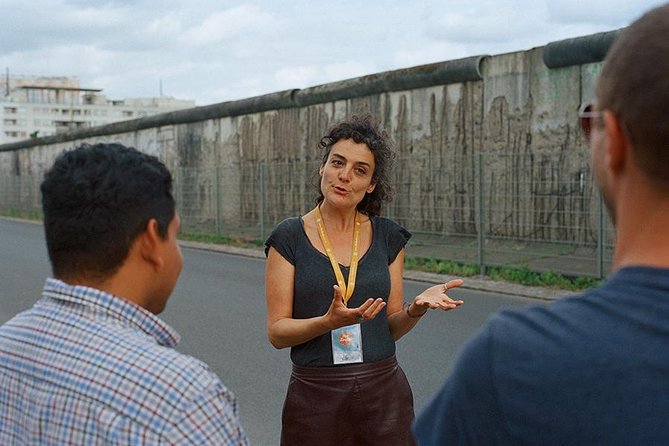
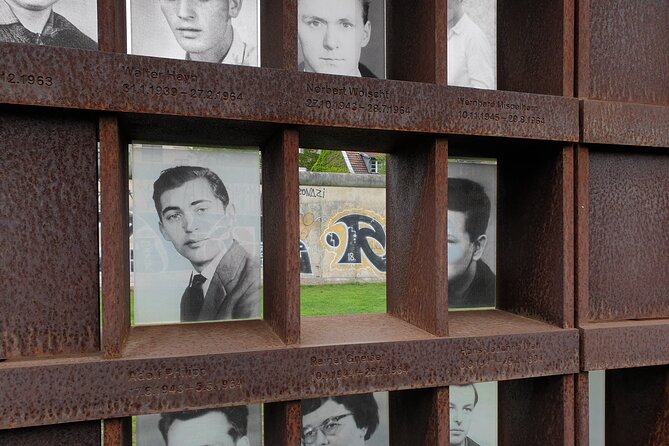
The emotional centerpiece is the Memorial of the Berlin Wall on Bernauerstrasse. Here, the tour focuses on an original part tied to the separation of families and neighborhoods—the area described as the death strip and no man’s land. That’s heavy subject matter, but it’s handled through location, not vague storytelling.
Expect a longer stop—about 50 minutes—because the guide uses this space to connect multiple threads: escape attempts, tunnels dug for those attempts, and the human cost when people lost their lives trying to flee. Standing in this kind of place changes how you read the wall’s purpose. It turns it from a political symbol into something painfully physical.
What makes this stop especially valuable is that it’s not just “see the memorial.” It’s “understand why these borders were so lethal.” Even if you already know the general timeline of the Cold War, you’ll likely pick up the specifics—how people planned, how authorities reacted, and how the environment around the Wall shaped both fear and determination.
Potential drawback to consider: if you’re sensitive to tragic stories, this is the most intense part of the route. It’s not a casual photo stop. Plan to go in ready to listen.
Alexanderplatz: peaceful demonstrations versus STASI repression
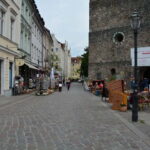
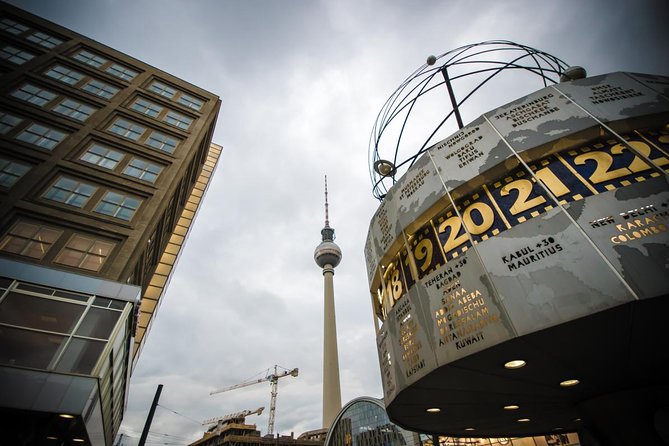
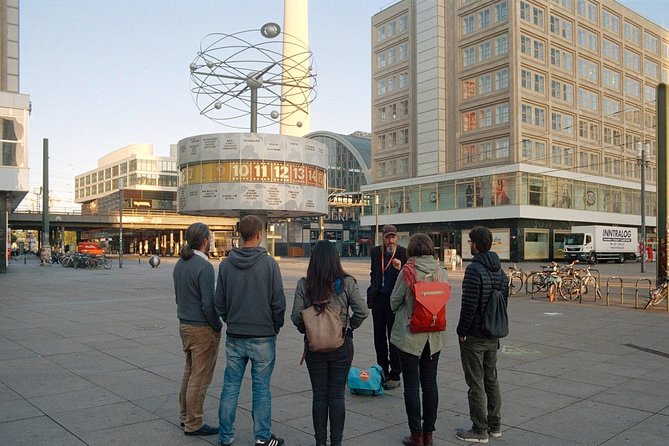
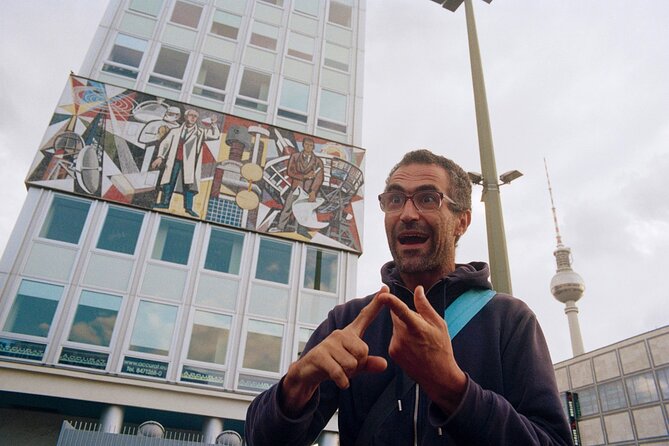
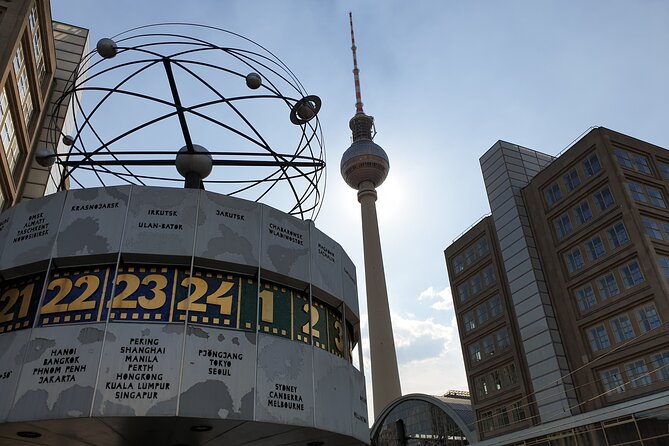
Next you move to Alexanderplatz, one of the best-known squares in Berlin. The tour explains why this location mattered in socialist East Berlin—especially how public space became a stage for political pressure. The guide describes the emotions of thousands who relied on peaceful demonstrations to resist STASI repression.
This segment lasts about 20 minutes, which is short by walking-tour standards, but it’s timed well. You’re not meant to linger forever; you’re meant to connect what you see in the buildings around you to what the square represented during the period when dissent became dangerous.
If you only visit East Berlin’s big memorial sites, you might still miss how change happened. This stop helps fill that gap by shifting from the Wall as a barrier to the Wall as something people could challenge from the outside. It’s where the story starts turning from separation into collapse—described as triggering the collapse of the Wall and the disintegration of the Soviet bloc afterward.
One practical note: Alexanderplatz is a busy, open public area. You’ll want to keep your attention on your guide and your surroundings at the same time. This is a spot where people pass through quickly, so staying focused is part of getting the most out of the explanation.
East Side Gallery finale: 104 murals and the Brezhnev–Honecker moment
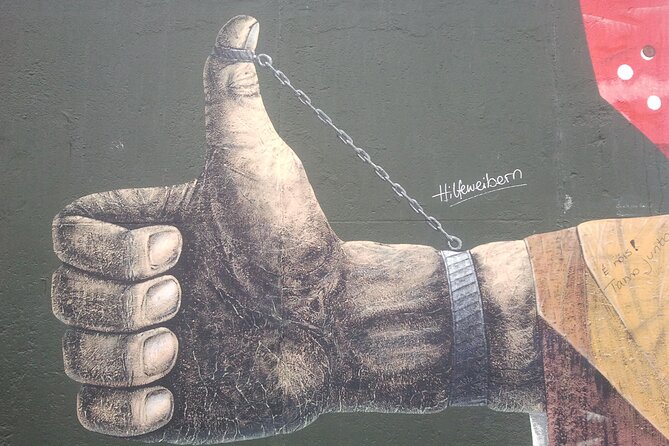
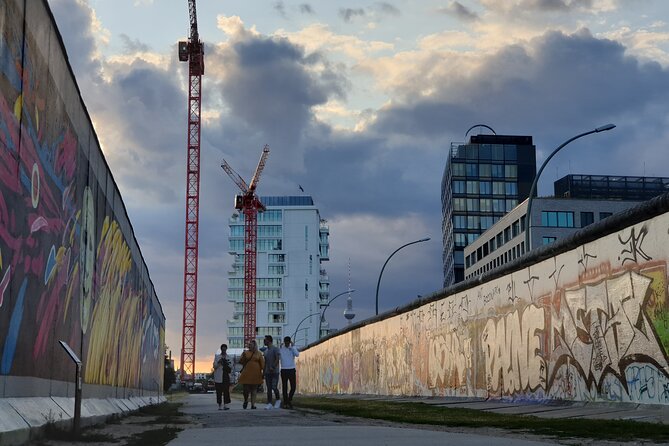
The tour ends with the East Side Gallery, famous for its long stretch of murals on the Berlin Wall. You get about 15 minutes here, and the focus is on the scale and symbolism—104 murals—not just on one or two “headline” paintings.
If you’ve ever seen the iconic image of the Brezhnev and Honecker kiss, this is where it belongs. The guide uses the mural tradition to show how the Wall transformed from a symbol of separation into a canvas for memory, politics, and commentary. That shift is the emotional payoff of the walk.
Because the time is shorter, I’d treat this as a “see and interpret” moment rather than a “take 100 photos” moment. Look for what feels connected to the Cold War theme your guide just worked through. The murals are fun to view, but they’re also part of the story of how people processed what the Wall meant.
If you’re a detail person, you might wish you had more time here. Still, the tour’s strength is that it doesn’t just end with art; it closes with the wall’s legacy living in images.
You can also read our reviews of more guided tours in Berlin


Price and value: what $27.91 buys you in real terms
At about $27.91 per person for roughly 3 hours, this is priced like a tight, practical walking tour rather than a full-day deep museum program. I like that the cost feels aligned with the experience: a dedicated local guide, a structured route through meaningful sites, and free admission at multiple stops.
Included is the local guide and local taxes. Not included is transportation to and from attractions and any food or drinks. That matters because in Berlin you’ll likely be using transit anyway, and the tour assumes you’ll plan for it with a day card for zones AB.
When you’re assessing value, the big question is simple: does the guide connect the locations into a coherent story? Here, the answer seems to be yes. The tour is built around clear political landmarks, and the content emphasis is on separation, escape attempts, STASI repression, and the demonstrations that shifted momentum.
Also worth noting: the average booking window is about 34 days in advance. That doesn’t automatically mean it sells out instantly, but it does suggest people decide ahead and plan their days. If your schedule is firm, booking sooner is smart.
Language, pace, and what you should bring
This is a French-language walking tour, and that’s the biggest “fit” factor. If you’re comfortable with French, you’ll likely enjoy the structure much more. If you’re not, you can still enjoy the physical locations—but you’ll lose part of the storytelling layer that makes the tour feel like more than sightseeing.
The pace is described as requiring moderate physical fitness. That’s a good sign for most visitors who can handle normal walking in a city. You’re also dealing with multiple stops spread across central East Berlin, so good shoes help more than fancy footwear.
I’d also pack the boring essentials: water for outdoors time, and a small layer for weather changes. Since you’re on foot and outside for stretches, comfort affects how much you absorb.
Where the small-group size helps (and where it doesn’t)
With a max of 25 travelers, this tour is the kind where you can usually hear the guide without shouting. Smaller groups tend to work better for history tours because questions and clarifications can actually happen on the move. It also helps at emotional stops like the Berlin Wall Memorial, where the atmosphere benefits from calm attention.
That said, small-group also means the tour’s flow is coordinated. If you need to pause frequently for photos or you get distracted easily, you might feel slightly rushed in the shorter segments like Alexanderplatz and East Side Gallery.
Who should book this East Berlin walk
This tour is a strong pick if you want to understand East Berlin beyond surface-level photos. It’s best for people who like political and social context—how systems affected daily life, how repression worked, and how change gained momentum.
It also fits well if you’re time-limited. In around 3 hours, you cover several major landmarks you’d otherwise scatter across different days.
You might consider a different option if you strongly prefer tours in languages other than French, or if you want a longer focus on one single site with more time for in-depth museum-style exploration. This one is built to connect multiple locations efficiently.
One last note I found useful from guide mentions: French guides such as Paul and Stéphane have been described as friendly and good at explaining clearly. That matches the structure here—stories tied to specific places, delivered in a way that stays understandable.
Should you book this tour?
Yes, I’d book it if you want a focused East Berlin route that ties landmarks to Cold War human stories. The Berlin Wall Memorial stop plus the Alexanderplatz and East Side Gallery ending makes the arc feel complete: separation, repression, resistance, then a public transformation of the Wall’s meaning.
Book it with a small expectation adjustment: it’s French-language and outdoors, with short time windows at the end. If that fits your style, it’s excellent value for the price, especially with the included local guide and the free admission noted at multiple stops.
If you’re unsure, check your comfort with French. If you can follow French explanations, you’ll likely walk away with much more than pictures—you’ll have the “why” behind what you saw.
FAQ
What language is the tour?
The tour is led by a French-speaking guide, so the explanations are in French.
How long is the walking tour?
It lasts about 3 hours (approx.), with shorter timed segments at each stop.
Where does the tour start and what time?
It starts at Potsdamer Platz 10, 10785 Berlin at 10:00 am.
Where does the tour end?
It ends at nextbike Berlin Jelbi Mühlenstraße/ Straße der Pariser Kommune (FHA/MU), 10243 Berlin.
Do I need to buy tickets for the sights?
Admission is listed as free for the stop at Nordbahnhof and at the Berlin Wall Memorial, Alexanderplatz, and the East Side Gallery segments.
Is transportation included?
No. You’ll need a public transportation day card for zones AB for getting between attractions.
Is a refund available if I cancel?
Yes. Cancellation is free if you cancel up to 24 hours before the experience starts, and you can cancel for a full refund within that window.