REVIEW · BERLIN
The History of Berlin: WWII PRIVATE Walking Tour With Locals
Book on Viator →Operated by Withlocals · Bookable on Viator
Berlin’s WWII story starts on city streets. This private walk is built for your pace and guided by a local host who ties together major Cold War and WWII sites in a way that actually makes sense. You’ll move from the Moorish New Synagogue area to the Palace of Tears, then onward to Checkpoint Charlie and the sobering WWII stops that Berlin handles with care.
I love that the guide keeps it personal: you’re not stuck in a group clump, and you can ask questions as you go. I also like that you’re mostly viewing landmarks from outside and using the walking time for context, so you’re not racing between ticket lines. The one catch is simple: this is still 4 hours of walking, and the route can shift to match your interests—so tell your guide what must be included.
In This Review
- Key Highlights You’ll Notice Right Away
- A Private WWII-and–Cold War Walk You Can Actually Control
- Price and Value: What $143.97 Buys in Berlin
- Where You Start: Oranienburger Str. and Getting Oriented Fast
- Stop 1: Museum Island, UNESCO Grounds, and How a City Rebuilt
- Reichstag Building Time: From Imperial Government to 1933 Damage
- Cold War Escape Stops: New Synagogue Area, Palace of Tears, Checkpoint Charlie
- The Holocaust Memorial and Why the Walk Feels Different
- Brandenburg Gate, Bebelplatz, and the Architecture Thread
- How the Guide Makes It Feel Personal (Seth, Sara, Boyd, Miha, Pablo)
- Timing and Walking Load: What a 4-Hour Tour Really Means
- What You Don’t Pay For (and How to Plan Around It)
- A Balanced Way to Learn WWII Without Feeling Lost
- Who This Tour Is Best For (and Who Might Want Something Else)
- Should You Book This Private WWII Walking Tour?
- FAQ
- How long is the WWII private walking tour?
- Is this tour private?
- Are entrance tickets included?
- Where does the tour start?
- Is the tour offered in English?
- Is the tour carbon offset or carbon neutral?
Key Highlights You’ll Notice Right Away
- Private pace with local attention so you can ask hard questions on the spot
- Cold War escape points like the Palace of Tears and Checkpoint Charlie, explained in plain language
- WWII moral geography across places linked to Nazi rule and the Holocaust Memorial
- Landmarks that connect big names like the Brandenburg Gate with smaller architecture stops along the way
- Museum Island + Reichstag area time for context around how Berlin rebuilt after 1933
- A guide-led day, not a ticket grab since entrances are generally not included
A Private WWII-and–Cold War Walk You Can Actually Control
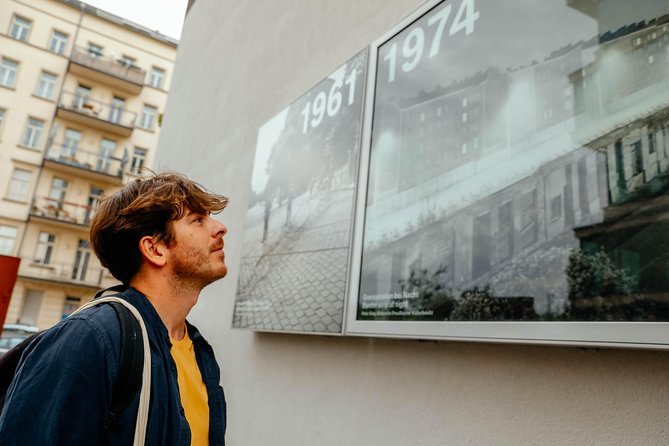
Berlin can feel like a “look at the building” city. This tour works because the guide focuses on why the places mattered—during WWII, right after, and through the Cold War years—without turning it into a lecture you survive. You’re starting in Oranienburger Strasse in West Berlin, then building a story as you walk.
The big win for me is the format: it’s a private tour exclusively for your party. That means you’re not waiting for stragglers, and you’re not stuck with a one-size-fits-all route. It also means you can steer the day slightly—if you care more about escapes, architecture, or the rise of the Nazi party, the host can shape the emphasis.
You can also read our reviews of more walking tours in Berlin


Price and Value: What $143.97 Buys in Berlin
$143.97 per person for about 4 hours sounds steep until you compare it to how Berlin tends to price private experiences. What you’re paying for here is a local guide’s time and attention, plus a day plan designed around major landmarks that you’d otherwise piece together yourself.
Two details make the price easier to swallow. First, it’s private, so the value doesn’t collapse if your group is small. Second, it’s carbon-offset labeled as CO2 neutral, which is a nice bonus if that matters to you.
One more practical note: most entrances are not included, and the tour is designed around seeing places from outside. That keeps your day flexible, but it also means you should expect extra costs if you decide you want museum or building interior time on your own.
Where You Start: Oranienburger Str. and Getting Oriented Fast
You meet at Oranienburger Str. 36, and the tour ends back at the same meeting point. That simple loop matters. You’ll start with your bearings, then walk through the center in a way that links West Berlin and the political geography of the Cold War.
It’s also near public transportation, which helps if you’re arriving from another neighborhood. No hotel pickup is included, so plan to show up on your own—then let the guide do the work of connecting everything.
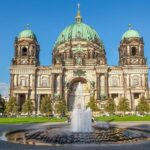
Stop 1: Museum Island, UNESCO Grounds, and How a City Rebuilt
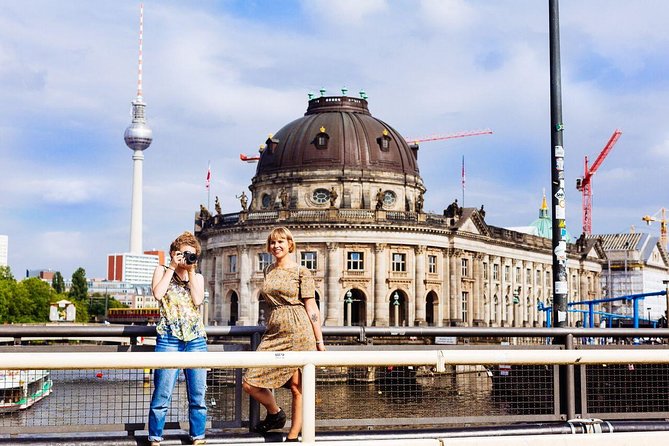
Museum Island sits on the northern part of Spree Island in Berlin’s historic core. You get about an hour here, but admission isn’t included, so you’ll be using the time for orientation and context rather than a full museum session.
This stop is valuable because it anchors the day in Berlin’s “after” story. WWII and the Cold War aren’t just grim events; they shaped how Berlin re-established institutions, memory, and public life. If you want to connect the dots, this is where you’ll feel the shift from destruction and division toward reconstruction.
What to watch for: Berlin’s museum buildings can look grand on the outside, but the guide will help you see them as part of a much bigger plan—turning the capital into a place that explains itself. If museums are closed on your day, you’ll still get the sightseeing and story, since the tour isn’t built entirely around interior entry.
Reichstag Building Time: From Imperial Government to 1933 Damage
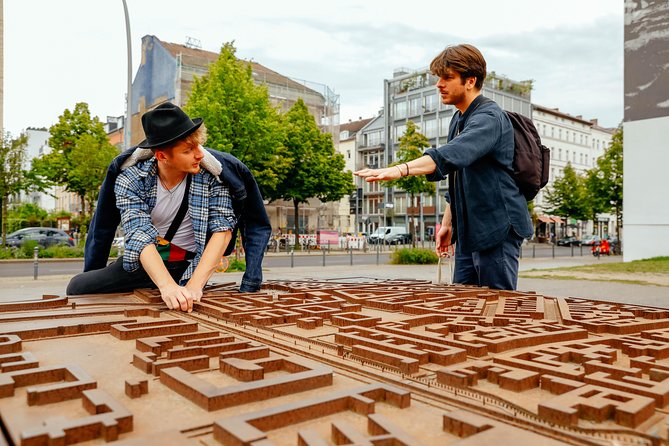
Next up is the Reichstag building, with about 30 minutes on the clock. The Reichstag story is heavy for a reason: it was built for the Imperial Government of the German Empire (opened in 1894), and it suffered major damage after a fire in 1933.
Even without going inside, this stop can be gripping. You’ll connect how political power physically occupied the space—and how quickly that shifted once the Nazis took control. The guide’s job is to help you read the building and the timeline together so it doesn’t feel like random German history dates.
If you’re the type who likes cause-and-effect, the Reichstag stop usually lands well because it connects architecture with the point of no return. It also pairs nicely with what comes later: Berlin isn’t only about what happened in the bunker or at checkpoints. It’s about how power got normalized.
You can also read our reviews of more private tours in Berlin



Cold War Escape Stops: New Synagogue Area, Palace of Tears, Checkpoint Charlie
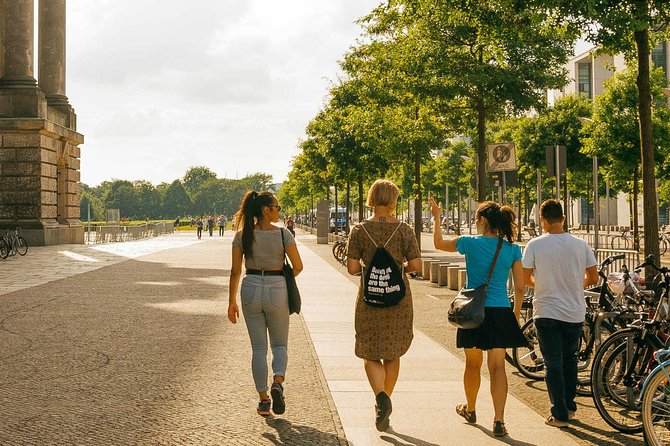
This is where the tour’s title really earns its keep. You’ll pass by the New Synagogue and pause to admire its striking Moorish architecture. It’s an important mood-setter: Berlin is not only gray memorials and war rubble. It’s also a city that once tried to be culturally plural—then got crushed by ideology.
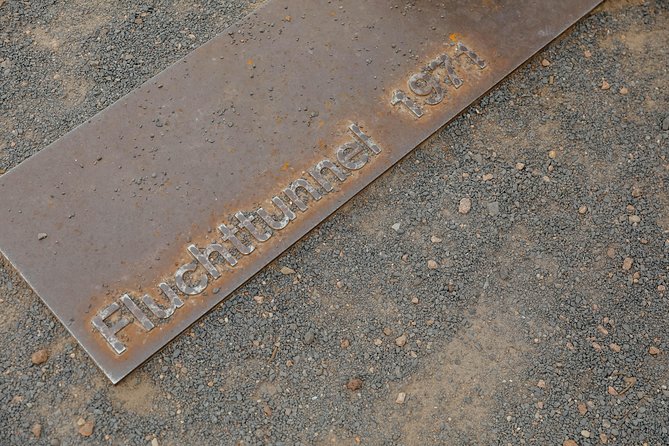
After that, you walk to the Palace of Tears, a former border point between East and West Berlin. The guide explains what divided Berliners faced during the Cold War—especially attempts to flee from Russian-occupied East Berlin into Allied-occupied West Berlin. The point is not just that people escaped. The point is how hard and bureaucratic survival became.
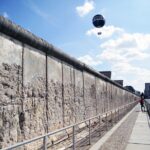
Then you hit Checkpoint Charlie, the most famous Berlin Wall crossing point between East Berlin and West Berlin during the Cold War. You’ll spend about 30 minutes here, and it’s listed as admission free. The guide’s interpretation is what makes it work; it turns the site from a photo stop into a real-world look at how borders functioned.
Practical tip: This section tends to move quickly, so if you want questions answered, ask early. The guide will often connect these sites to broader WWII outcomes so your understanding holds together.
The Holocaust Memorial and Why the Walk Feels Different
You’ll walk through the Holocaust Memorial, and it’s described as moving for good reason. This isn’t a place designed for quick sightseeing. You’ll feel the weight of the history as you move through it, and the guide can help you understand what you’re seeing without turning it into a script.
Next, the tour includes time related to Hitler’s bunker. You’ll get more context on WWII history and the rise of the Nazi party. This is where the day shifts from “the timeline” into “the moral geography.” It’s not just about where events happened. It’s about what decisions and systems made those events possible.
One thing I appreciate about this tour’s setup is that it doesn’t treat memorials as add-ons. The flow places them after the border and Cold War stops, so you can understand how one era’s trauma fed the next era’s fear.
Brandenburg Gate, Bebelplatz, and the Architecture Thread
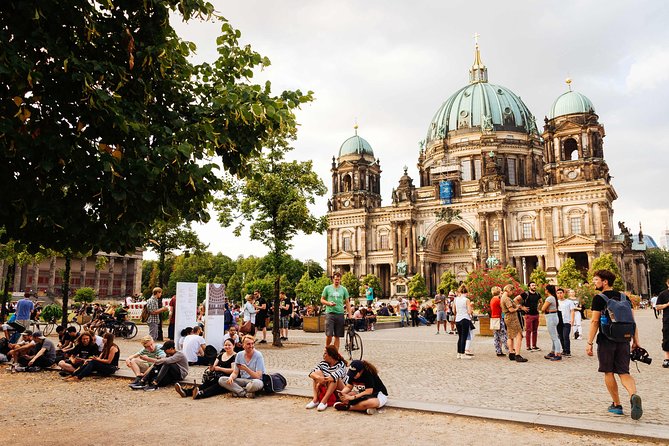
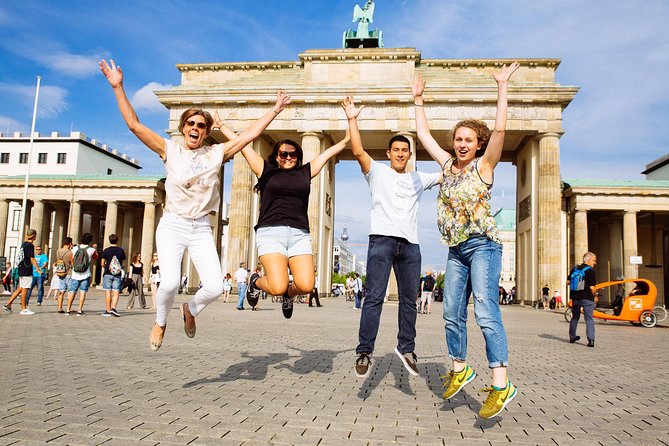
Then you’ll make your way toward the Brandenburg Gate for photos. It’s one of Berlin’s most significant historic monuments, and it’s a magnet for lots of emotions, not just tourists. Seeing it in the middle of a WWII-and–Cold War narrative helps you understand why it has such weight in the modern city.
From there, you stroll around Bebelplatz, known for some impressive architecture. This stop matters because it gives your brain a break between heavy sites while still staying inside the theme. The guide connects why these buildings and public spaces carried political meaning, then ties it back to Berlin’s decades of upheaval.
After Bebelplatz, you cross over toward Museum Island again, fitting the UNESCO-listed area into the broader arc. The whole day becomes less like a checklist and more like a route through time.
How the Guide Makes It Feel Personal (Seth, Sara, Boyd, Miha, Pablo)
A private tour can be great or frustrating depending on the host. The good news: the experience seems to earn standout reactions when the guide clicks with the group.
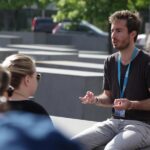
Seth gets repeated praise for being engaging and passionate, with stories that put WWII and Cold War events into clear focus. Sara is praised for being energetic, answering questions, and adapting the pace so the tour doesn’t drag. Boyd also shows up in feedback for bringing the city to life with love and strong enthusiasm, and for adding practical details like where to take pictures.
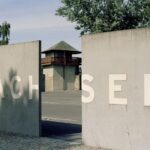
Other guide names you might encounter include Pablo, with stories plus hidden gems, and Miha, who is mentioned as friendly and able to answer lots of questions. One person also notes an added stop to a Gestapo camp depending on the chosen route, which is a reminder that customization can shape what you see.
That customization is the double-edged sword. It’s great when the guide matches your interests. It’s risky if you assume the day will hit every famous WWII and Berlin Wall photo stop without steering.
If Berlin’s big sights are non-negotiable for you—like the Brandenburg Gate, the Holocaust Memorial, or a specific Berlin Wall-related spot—message your must-sees in advance and confirm what route your guide plans to use.
Timing and Walking Load: What a 4-Hour Tour Really Means
The tour is listed at about 4 hours, and it’s walking-heavy. One review mentions around 15,000 steps, which is a useful warning sign if you’re used to slower sightseeing.
This is manageable for most adults with moderate fitness, but you’ll want the right expectations. Wear comfortable shoes you can handle on cobblestones and uneven paths. Bring water if you tend to get thirsty quickly. And if you like breaks, know that some guides build in coffee or bathroom pauses, which can make the day feel much more human.
Also, museums and buildings can have closures depending on the day. One guide reportedly handled a closure by shifting to other interesting sites. That’s not something you can plan around, but it’s reassuring that the day can adjust without becoming a disappointment.
What You Don’t Pay For (and How to Plan Around It)
Entrance tickets are generally not included. That means you should expect outside viewing for many stops, especially if you’re trying to keep costs controlled.
Still, you’ll get time at key areas:
- Museum Island for about an hour (admission not included)
- Reichstag Building for about 30 minutes (admission not included)
- Checkpoint Charlie for about 30 minutes (listed as admission free)
- A longer Berlin landmarks section with the theme connected through the guide’s stories
So the smartest planning move is this: treat the tour as your guided map and context. If you want extra interior time, decide what’s worth paying for after you’ve heard the story.
A Balanced Way to Learn WWII Without Feeling Lost
Berlin’s WWII and Cold War history can overwhelm you fast. What this tour does well is stitch the big events to physical places, so you don’t just memorize facts. You get a movement-based story: synagogue architecture, border points, political buildings, memorial space, and the public squares where history still lives.
You’ll also see how Berlin’s identity changed through rebuilding. That’s the point of combining stops like the Reichstag era details, the border geography around East and West Berlin, and the memorials that force you to confront what happened.
If you want your Berlin history day to feel like a conversation rather than a slideshow, the private format is a real advantage.
Who This Tour Is Best For (and Who Might Want Something Else)
This fits you best if you:
- Want a private guide to explain WWII and the Cold War in a connected way
- Like walking city centers and seeing how political events shaped real streets
- Prefer asking questions on the spot, instead of waiting at the back of a group
- Care about both the WWII story and the Berlin Wall-era context
It may be less ideal if you:
- Need minimal walking or have limited mobility (the day is physically demanding)
- Want guaranteed interior museum time at every stop, since entrances aren’t included
- Are expecting a fixed script with every famous photo stop, because the route can be customized
Should You Book This Private WWII Walking Tour?
Yes, if you want Berlin’s WWII and Cold War story guided by a local host who can answer questions and adjust to you. The high rating and the repeated praise for guides like Seth and Sara point to a strong chance you’ll come away with clearer understanding, not just photos.
Before you book, do one simple thing: tell your guide what you most want—especially if Berlin Wall-related stops, the Holocaust Memorial, and the Brandenburg Gate are top priorities. That one message can turn a great tour into an excellent one.
If you want a history day that moves, pauses, and explains why these places matter, this is a strong pick.
FAQ
How long is the WWII private walking tour?
It’s listed at about 4 hours.
Is this tour private?
Yes. It’s a private tour/activity, and only your group participates.
Are entrance tickets included?
No. Entrance to attractions is not included, and you’ll generally visit from outside. Some specific stops are listed as admission free.
Where does the tour start?
The meeting point is Oranienburger Str. 36, 10117 Berlin, Germany, and the tour ends back at the same location.
Is the tour offered in English?
Yes, it’s offered in English.
Is the tour carbon offset or carbon neutral?
It’s listed as CO2 neutral, with carbon emissions offset for the tour.