REVIEW · BERLIN
Berlin: History of the Third Reich Guided Walking Tour
Book on GetYourGuide →Operated by Sandemans Tours · Bookable on GetYourGuide
Berlin gets heavy fast. This 2-hour walking tour follows the Nazi rise and collapse through real-world locations, including one of the best surviving examples of Third Reich architecture. You’ll also stand at memorials tied to the Battle of Berlin, which gives the story its moral weight, not just dates.
I especially liked how the tour anchors big themes in specific buildings. The Luftwaffe Air Force headquarters is the kind of place you see and immediately understand why the Nazis loved spectacle and control.
A second win for me is the human scale of the storytelling: guides like Dani, Marcel, and Hannah are praised for making complex, dark material feel clear and even, at times, surprisingly approachable. One consideration: expect a tour with somber stops and emotional subject matter, and you’ll be on your feet the whole time—so plan comfy shoes and a steady mind.
In This Review
- Key highlights to look for
- Walking Berlin’s Nazi trail, without turning it into a checklist
- Meeting by Brandenburg Gate: easy start, clear team look
- Luftwaffe HQ: where bombing didn’t erase the regime’s design
- Goebbels’ Propaganda Ministry: the nerve center of control
- SS and Gestapo headquarters at Prinz-Albrecht-Straße: fear made visible
- The Soviet Memorial: honoring 80,000 fallen liberators in the city streets
- Where the bunker was: seeing the end of the Nazi regime
- How guides keep 2 hours meaningful (and why the break helps)
- Price check: what you’re really paying for at $30
- Who should take this tour, and who might want a different style
- Useful tips so the tour lands well
- Should you book this Berlin Third Reich walking tour?
- FAQ
- How long is the tour?
- What does it cost?
- Where do I meet the guide?
- Is the tour in English?
- Do I need to buy transportation tickets?
- Are entrance fees included?
- Is food or drinks provided?
- Is the tour wheelchair accessible?
- Is there a break during the tour?
- Are kids allowed?
Key highlights to look for
- Third Reich architecture that still survives at the Luftwaffe headquarters
- Goebbels’ propaganda machine explained on-site so you get the logic of control
- SS and Gestapo headquarters area with an exhibition in the basement
- Berlin Wall traces nearby while you study the regime’s terror system
- Soviet memorial for 80,000 soldiers tied directly to the Battle of Berlin
Walking Berlin’s Nazi trail, without turning it into a checklist
This tour is short, but it doesn’t feel rushed in the way some “highlights” walks do. The goal here is to connect power, fear, propaganda, and war using places you can literally stand in front of. That matters in Berlin, where a lot of the city looks normal unless you know what used to happen there.
You’ll be moving through a sequence: how the Nazi state grew, how it controlled people, and how it ended. That’s the difference between reading about the Third Reich and seeing the machinery of it in space—straight lines of influence, not just random landmarks.
And yes, it’s intense. You’ll be walking past institutions tied to persecution and terror, and the tour also includes memorial space for those who died in the fighting that ended the Nazi regime.
You can also read our reviews of more walking tours in Berlin


Meeting by Brandenburg Gate: easy start, clear team look
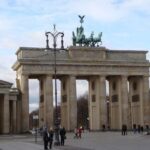
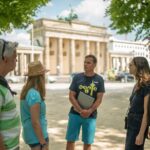
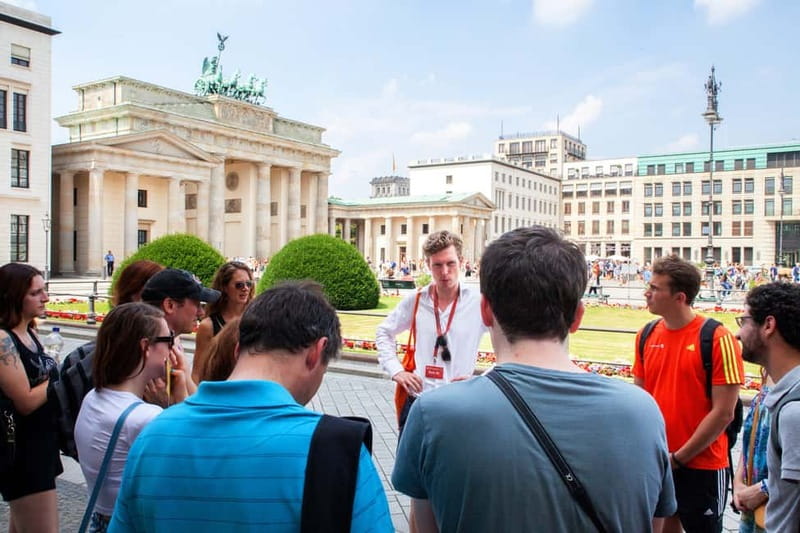
The meeting point is simple: in front of Starbucks Café near Berlin’s Brandenburg Gate. The local operator team wears red t-shirts and uses red umbrellas, so it’s hard to miss the group.
Why this helps you: it reduces the time you’d normally spend hunting for the right tour at a busy landmark. In a 2-hour tour, those minutes count.
Also note two practical things up front: you’ll need to bring comfortable shoes, and there’s a break partway through. That pause makes the walk feel more manageable, especially on cold or rainy days.
Luftwaffe HQ: where bombing didn’t erase the regime’s design
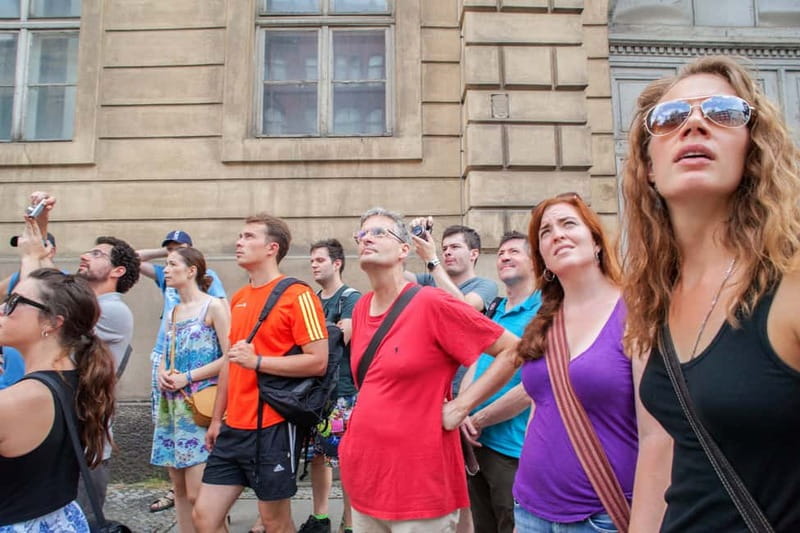
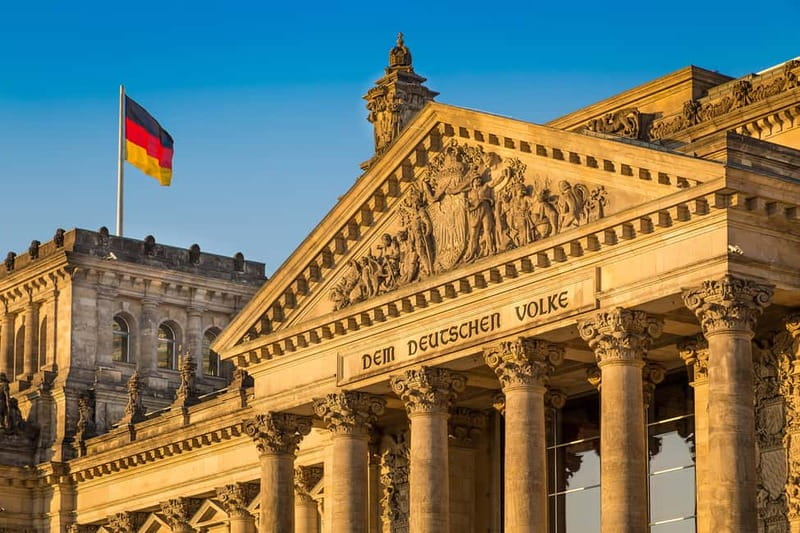
The tour kicks off at the Luftwaffe Air Force headquarters, a major starting point because it’s a rare survival. The building’s Third Reich architecture is intact enough to show scale and intent—big, monumental, and built to project authority.
This is the place where the Nazis’ love of showmanship becomes physical. Even without a single explanation, the structure communicates power. And because it survived Allied bombing, you get a clearer sense of what the regime wanted to look like when it was at full momentum.
You’ll also hear how Hermann Göring’s base became a centerpiece of the Luftwaffe system. For many people, it’s the first “wait, that’s still here?” moment of the tour—and it sets you up for the later stops, where propaganda and terror institutions show up in a different but equally cold form.
Best part: when you can see surviving architecture like this, it makes later discussions about control feel grounded, not abstract.
Possible drawback: this is an early stop, so arrive ready to focus. If you’re arriving frazzled, it’s better to take a minute to collect yourself before the guide starts connecting the dots.
Goebbels’ Propaganda Ministry: the nerve center of control
Next comes Joseph Goebbels’ Propaganda Ministry, built on what had been the Berlin Press Office before the war. The key idea you’ll take away is that propaganda wasn’t a side project. It was a governing tool—used to steer what people saw, heard, and believed once the Nazis had taken hold.
On a walking tour, this kind of stop works because you can connect the story to the address. You’re not only learning that the Nazis controlled media; you’re learning that they built an operation for it, with a purpose-designed role in the state.
If you’ve ever wondered how a regime can spread and sustain itself beyond force, this is where the mechanism becomes clearer. Propaganda is how power recruits agreement and smothers dissent.
Small tip: be ready to listen in a slightly slower way here. The information can be dense, but the payoff is understanding the logic behind the regime’s control of public reality.
SS and Gestapo headquarters at Prinz-Albrecht-Straße: fear made visible
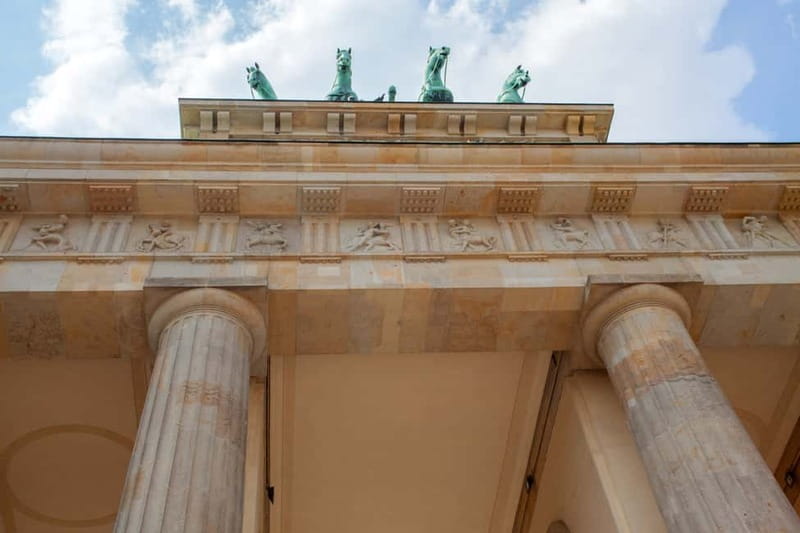
One of the most memorable segments is the walk to the area tied to the SS and Gestapo headquarters on Old Prinz-Albrecht-Straße. Even as you move through the city streets today, the guide helps you picture the machinery of repression that used this space.
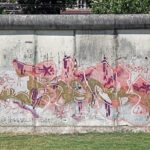
You’ll also hear an extra Berlin layer: this area includes one of the remaining stretches of the Berlin Wall. That connection matters because Berlin’s story doesn’t end with the Third Reich. The city’s divided history keeps echoing in the built environment.
The tour goes further by showing you basement remains of two buildings, now converted into an exhibition documenting the Nazis’ rise to power. Having that exhibition underground is important. The subject matter is heavy, and the setting underlines how the regime operated away from daylight and normal civic life.
Why this stop is worth your attention: it’s one thing to know the Nazis were brutal. It’s another to see how institutions were positioned and structured, and then to walk away understanding the street-to-basement-to-exhibition connection.
Consideration: the topic is emotional. If you’re traveling with someone who finds WWII history very hard to process, talk it through before you start.
You can also read our reviews of more guided tours in Berlin



The Soviet Memorial: honoring 80,000 fallen liberators in the city streets
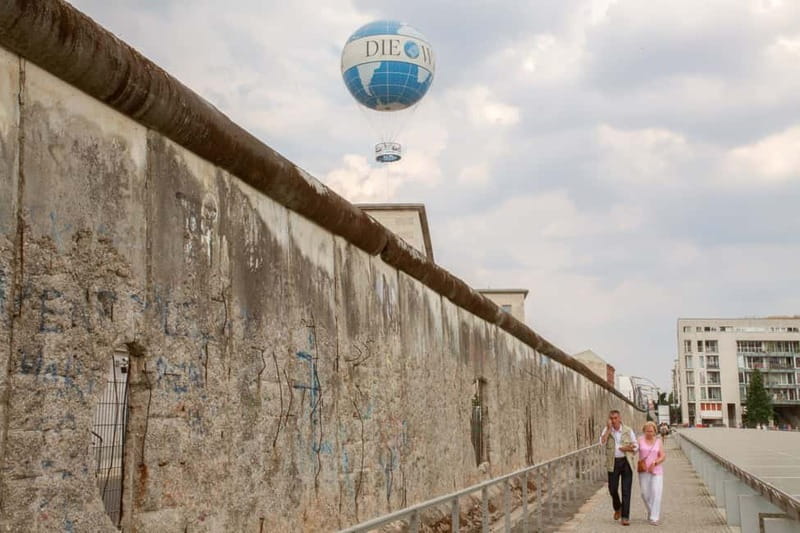
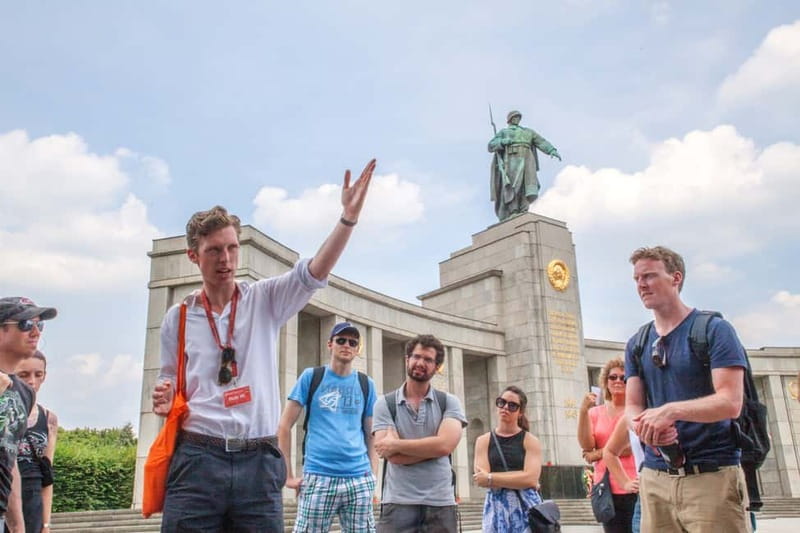
Then you’ll step into the memorial side of Berlin’s WWII reckoning. The tour includes a Soviet Memorial dedicated to the 80,000 soldiers who lost their lives liberating the city during the Battle of Berlin.
The guide points out the scale and cost of that final battle. It’s easy to treat war as a set of outcomes. This stop forces you to think about numbers and loss.
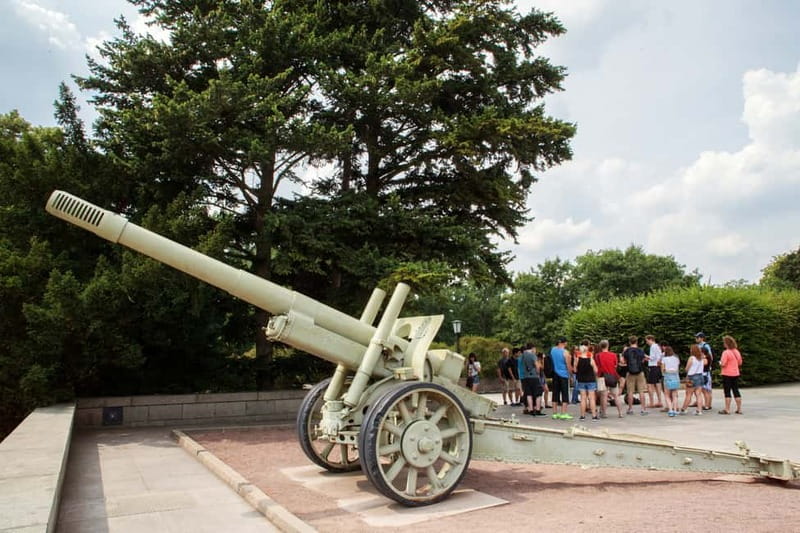
On-site, you’ll see two artillery pieces and two tanks now standing silent guard. That visual detail helps you slow down. Even if you’ve seen Soviet war memorials before, this one lands differently because it’s woven into the narrative arc of Nazi collapse, not separated as an unrelated stop.
For many people, this becomes the emotional turning point: the tour has been describing how the Nazi regime functioned. Here, you confront what the end of that regime cost others.
Where the bunker was: seeing the end of the Nazi regime
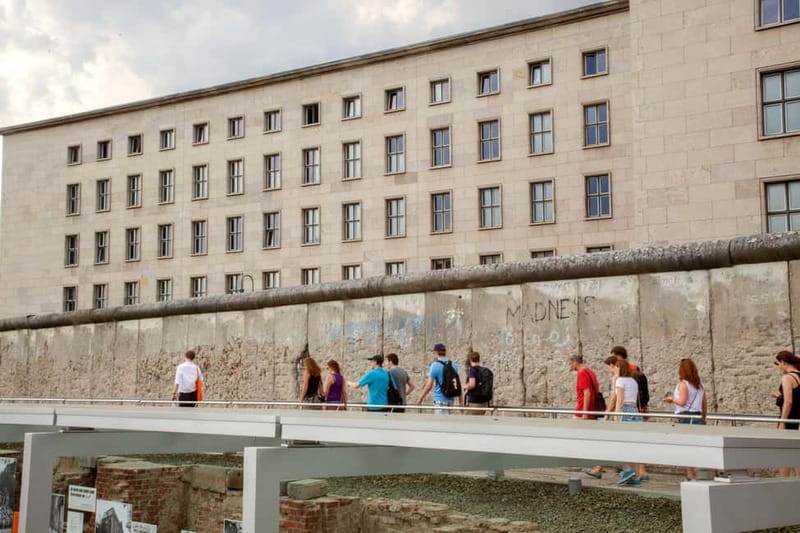
The final major historical location is the site of the former so-called Führer bunker, the place associated with where Nazi Germany ended as the Russian army closed in.
Standing above the area where the bunker existed gives you a strange kind of perspective. The tour is already dealing with architecture, institutions, and propaganda. This stop reframes the story as an ending—one linked to the collapse of the system you’ve been studying.
You don’t just learn that Hitler’s regime fell. You’re guided to understand the moment as part of the same chain of decisions and consequences that built the Third Reich in the first place.
If you’re the kind of traveler who likes a final “big picture” moment, this is it. It helps the entire tour click into a single timeline.
How guides keep 2 hours meaningful (and why the break helps)
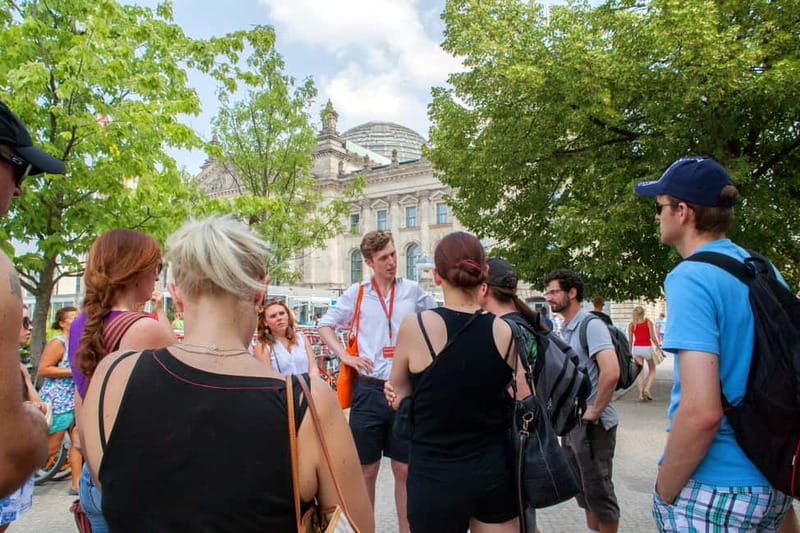
A lot of walking tours run long on talking. This one is 2 hours, so the structure matters. You’ll hear a lot, but you won’t feel trapped in one long speech.
The break partway through also matters. One review highlights a mid-tour pause that helps you reset, and that lines up with what the tour description says. In cold weather, that pause can feel like an emotional and physical breather—not just a logistics stop.
Group size can vary depending on the day, and guides seem to handle that well. One write-up notes a group split into two when attendance was larger, which usually means you still get explanations tailored to how your group moves.
In short: if you want heavy content in a time-efficient format, this is built for it.
Price check: what you’re really paying for at $30
At $30 per person for a 2-hour live guided walking tour, you’re not paying for comfort. You’re paying for interpretation.
That interpretation is the whole point here. WWII history can turn into a list of locations if you don’t have someone connecting why each site mattered. With this tour, the guide’s job is to show you how Nazi institutions operated and how the pieces fit together—propaganda, fear, war, and aftermath.
Value also comes from the fact that so much is handled on your behalf. You get the live guide and a walking route that links multiple major sites. What’s not included is also important: entrance fees and transportation tickets are not included, and you’ll want to budget for those separately.
For many people, the math works out because a short, guided route like this is often cheaper than piecing together multiple separate visits and paying for time and transit between them.
Who should take this tour, and who might want a different style
This tour fits best if you:
- Want a guided, chronological sense of how the Nazi regime rose and ended
- Prefer seeing sites on foot instead of hopping between disconnected museums
- Like getting clear storytelling, even when the subject is painful
- Can handle emotional memorial moments without needing to avoid them
It might not be the best fit if you:
- Want a lighter, mostly architectural tour
- Dislike walking for 2 hours straight
- Prefer deep museum time over street-level context
One more practical note: it’s wheelchair accessible, which is a real plus if mobility is an issue. Still, bring your own comfort plan for street conditions and walking pace.
Useful tips so the tour lands well
- Buy or plan your transit ahead. You will need an AB transport ticket for this tour.
- Wear shoes you trust for a 2-hour walk.
- Expect a break partway through, and use it to reset your brain for the next theme.
- If you’re nervous about emotionally heavy stops, know that the tour still includes memorial space for the human cost on multiple sides of the war.
Should you book this Berlin Third Reich walking tour?
I’d book it if you want Berlin’s WWII story explained through the actual institutions and spaces where power operated—then tied to the memorial reality of what that era cost.
Skip it if you’re looking for a casual stroll, a pure architecture tour, or something that avoids emotional material. This one doesn’t dodge the hard parts. The payoff is that it makes the timeline make sense and helps you read the city with more understanding than you’ll get from wandering alone.
If you do book, choose comfortable shoes, plan your AB transport ticket, and show up ready for a guide-led walk that moves fast but aims to be clear.
FAQ
How long is the tour?
The tour runs for 2 hours.
What does it cost?
It costs $30 per person.
Where do I meet the guide?
Meet in front of Starbucks Café near Berlin’s Brandenburg Gate. Look for the team in red t-shirts with red umbrellas.
Is the tour in English?
Yes, the live guide speaks English.
Do I need to buy transportation tickets?
Yes. You will need to purchase an AB transport ticket for this tour.
Are entrance fees included?
No. Entrance fees are not included.
Is food or drinks provided?
No. Food and drinks are not included.
Is the tour wheelchair accessible?
Yes, it’s wheelchair accessible.
Is there a break during the tour?
Yes, there will be a break partway through the tour.
Are kids allowed?
Children up to 13 years old can join for free, and the operator may ask for valid ID.