REVIEW · BERLIN
Berlin: Discover Berlin Walking Tour
Book on GetYourGuide →Operated by Original Berlin Walks GmbH · Bookable on GetYourGuide
History in Berlin walks by. This tour strings together Prussian, Nazi, Cold War, and modern Berlin sites into one logical story you can actually follow. You’ll move past famous landmarks with context, not just photo stops.
What I love most is the clear cause-and-effect storytelling. Guides like Anja (a historian-archeologist) and Philipp (warm, passionate, and focused) help you understand how each era shaped the next—without turning it into a lecture. Second, I like how many headline sights you hit in a short span, from Brandenburg Gate to Checkpoint Charlie, Museum Island, Bebelplatz, and the spot where Hitler took his life.
One consideration: the subject matter is intense. You’ll hear about Nazi crimes, including the murdered Jews of Europe, and you’ll stand where Hitler died—so if you want light sightseeing only, this may feel heavy.
In This Review
- Key things to know before you go
- Walking Route That Explains Why Berlin Looks Like Berlin
- Brandenburg Gate and Checkpoint Charlie: Two Icons, One Cold War Mindset
- Museum Island and Berlin Cathedral: The City’s Brain, Not Just Its Bunkers
- Bebelplatz Book Burning Site: Where Censorship Became Public Theatre
- The Berlin Wall, Escape Stories, and the Human Math of Division
- Memorial Controversies and the Tragedy Remembered
- Standing Over Hitler’s Suicide Site in April 1945
- How the Guides Make It Fly (and Stay Human)
- What You’ll Learn Beyond the Photos (Einstein, Marlene Dietrich, JFK)
- Price and Timing: Is $23 Good Value for Central Berlin?
- Should You Book This Berlin Walking Tour?
- FAQ
- How long is the Berlin Discover Walking Tour?
- How much does the tour cost?
- What are the main stops included?
- What languages are available for the guide?
- Does the tour run in bad weather?
- What should I bring?
- Is a guide included?
- Where is the meeting point?
- Is free cancellation available?
Key things to know before you go
- A tight 2–4 hour route that connects major landmarks into one timeline
- Brandenburg Gate + Checkpoint Charlie both included, with Cold War context
- Museum Island visited, so you understand Berlin’s “thinkers” as well as its power politics
- Bebelplatz book burning site explained in a way that shows what censorship does to a society
- Hitler’s suicide site handled with historical context, not sensationalism
- Guides who stop for people: in very cold weather, you may get extra guidance in sheltered spots (Joel did this for his group)
Walking Route That Explains Why Berlin Looks Like Berlin
Berlin can feel like a patchwork from the street. This tour helps you read that patchwork.
Instead of treating the city as separate attractions, the guide weaves themes across time: Prussia and Imperial ambitions, the Nazi years, the Cold War’s border logic, and the city’s 21st-century identity. That’s why it works so well for first-timers. You’ll see landmarks you’ve already heard of, then suddenly they connect to real stories about power, propaganda, survival, and rebuilding.
The experience is also very guided in a practical way. The guide doesn’t just point and talk; you’re guided from one meaningful location to the next, so your walk feels like progress. Even when the topics get grim, you keep moving through a structured narrative. And because it’s a live guide in German and English, you can ask questions and get answers on the spot.
You can also read our reviews of more walking tours in Berlin



Brandenburg Gate and Checkpoint Charlie: Two Icons, One Cold War Mindset
Two of Berlin’s most recognizable symbols show up here, and the value is how the guide frames them.
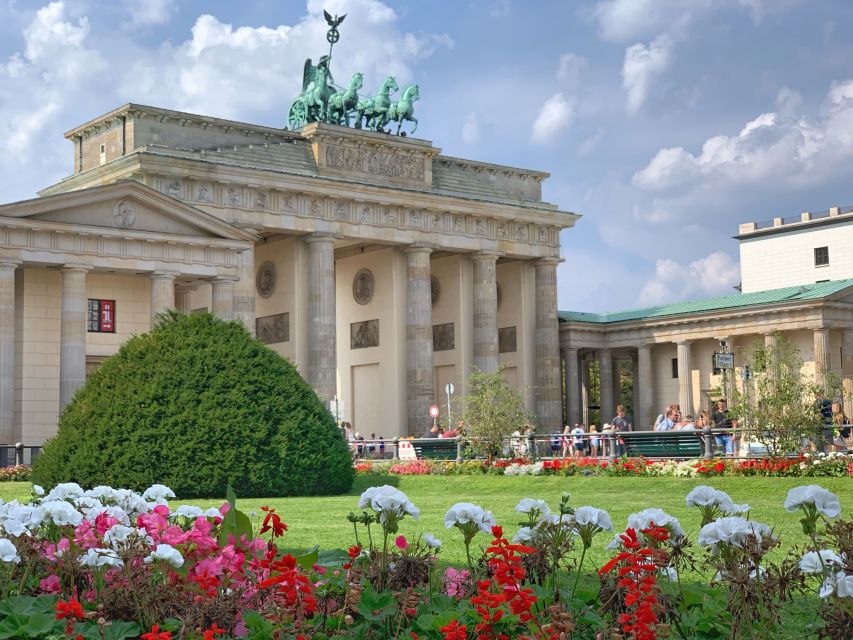
At the Brandenburg Gate, you’re not only looking at a monument. You’re seeing a site that has carried different meanings through different eras. The guide’s story typically ties it to how states use grand architecture to project authority—then how that authority collapses, reforms, and rebrands.
Then comes Checkpoint Charlie, where the Cold War stops being abstract. You’ll hear why this border crossing mattered, not just as a checkpoint on a map but as a stage for tension and daring. It’s the kind of place where your imagination might go wild—so the guide’s job is to keep it grounded in what people actually tried to do, and why it was so dangerous.
If you like history you can walk through (instead of reading about it later), these two stops deliver. They’re close enough together that your brain can hold the contrast: the grand face of Berlin versus the gritty reality of a divided city.
Museum Island and Berlin Cathedral: The City’s Brain, Not Just Its Bunkers
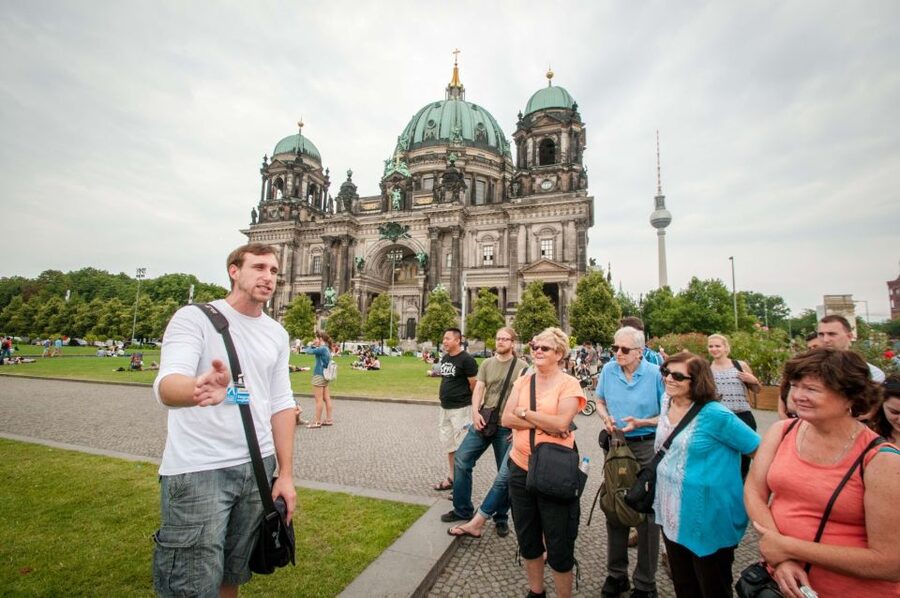
A lot of Berlin tours focus almost entirely on wars and borders. This one still covers those, but it doesn’t ignore Berlin as a cultural center.
You’ll visit Museum Island, which helps balance the story. Berlin wasn’t only a stage for dictators and spies; it was also a place where ideas, art, and scholarship became part of the city’s self-image. The guide’s narrative makes museum space feel less like a ticketed attraction and more like a symbol of what Berlin wanted to be in different centuries.
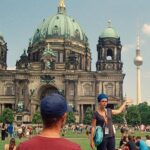
Berlin Cathedral and the Palace Square area add a second layer. This part of town gives you a sense of how power expressed itself visually—through symmetry, grand civic space, and monumental design. Even if you’re not a history nerd, you’ll start noticing patterns: how new regimes use familiar “respectability” (or rebuild old prestige) to gain legitimacy.
Practical tip: you’ll likely want to linger briefly for photos, but don’t get stuck. The tour works because it moves you through moments quickly while the guide ties them to the larger story.
Bebelplatz Book Burning Site: Where Censorship Became Public Theatre
One of the most memorable stops is Bebelplatz, known for the Nazi-era book burning. The tour doesn’t treat this as a spooky trivia fact. It explains what the act meant in context.
This is the kind of location that reframes everything you’ve seen so far. Earlier stops show political power; here you see cultural power—how regimes try to control what people can think, learn, and argue about. The guide’s talk tends to connect the book burning to broader Nazi tactics: propaganda, intimidation, and the removal of voices that don’t fit the state’s worldview.
What makes this stop especially useful is how it builds empathy and clarity. You can’t “undo” what happened, but you can understand the mechanism: destroy knowledge, silence disagreement, then replace it with approved narratives. That’s why Bebelplatz lands differently than a standard memorial photo.
The Berlin Wall, Escape Stories, and the Human Math of Division
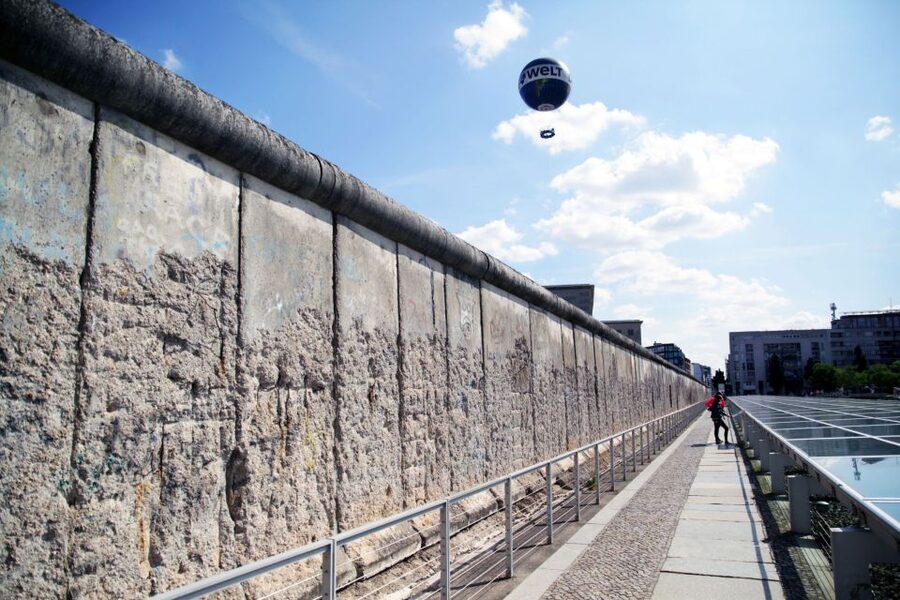
The tour covers the Berlin Wall and the space around it in a way that focuses on people—not just concrete history.
You’ll hear about daring escapes across the Wall before its fall in 1989. That detail matters. Walls aren’t only physical barriers; they create systems—rules, surveillance, fear, and forced choices. By grounding the story at real locations, the guide helps you understand why escapes were so risky and why they required planning, luck, and help from others.
This is also where the guide’s storytelling shows its value for non-specialists. You’ll pick up the “human math” of division: what it costs to cross, what it costs to stay, and how time pressure shaped decisions. The result is that the Wall becomes more than a symbol. It becomes an environment.
And if you’re traveling with someone who thinks history is boring, this segment is often the turning point—because it’s about courage and survival, not only dates.





Memorial Controversies and the Tragedy Remembered
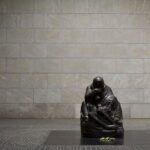
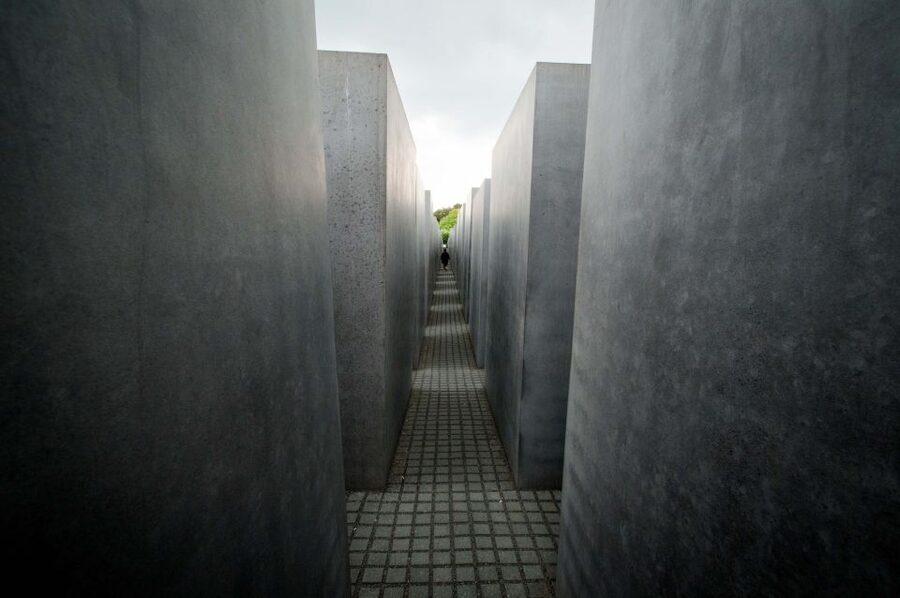
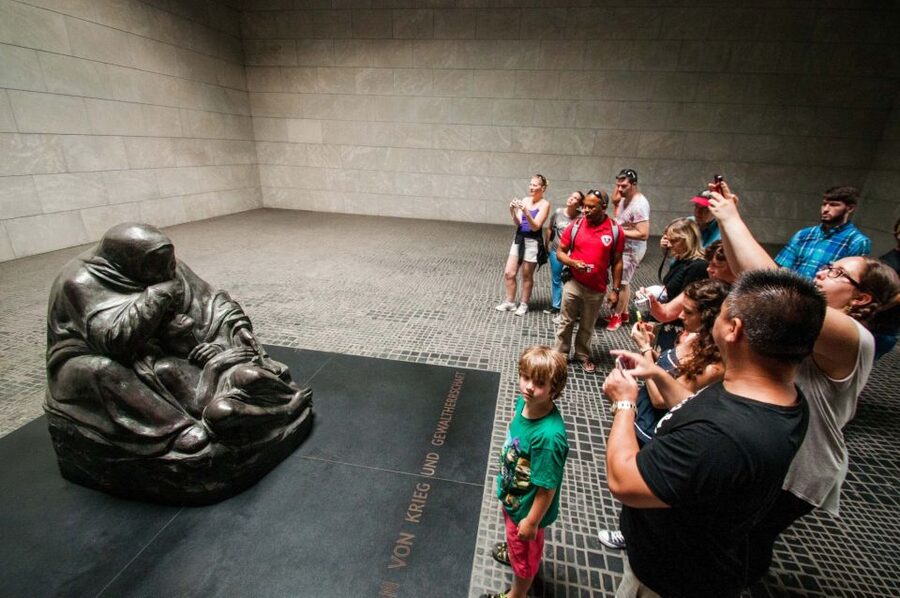
The tour doesn’t shy away from remembrance, including the tragic story of the murdered Jews of Europe and discussion of controversies over the design of the memorial.
This part of the experience is important for two reasons. First, it explains why memory isn’t simple. Public memorials involve art, politics, and moral questions. Second, it reminds you that Berlin’s present-day streets are layered with obligations—how a city chooses to remember shapes how people learn and talk.
If you’re the type who likes meaning, you’ll appreciate that the guide doesn’t just list the memorial’s features. The guide gives enough context to understand why people argue about how something is shown.
Just give yourself a moment here. You’ll likely feel a shift in tone, and that pause is part of what makes the tour feel respectful rather than rushed.
Standing Over Hitler’s Suicide Site in April 1945

Later on, you’ll stand over the spot where Hitler took his life in April 1945. This is one of those stops where the guide’s delivery matters a lot.
The value is in historical framing: the guide ties this moment to Berlin’s final-war chaos and to the broader collapse of Nazi power. You won’t need to know military details to understand what’s happening. The guide makes it readable and connects it back to the earlier themes you’ve already heard—propaganda, control, terror, then collapse.
It can be unsettling, but it’s also clarifying. By the time you reach this site, you’ve already seen how Berlin moved from dictatorship to division. Ending with the collapse gives the whole story a sharper ending.
How the Guides Make It Fly (and Stay Human)
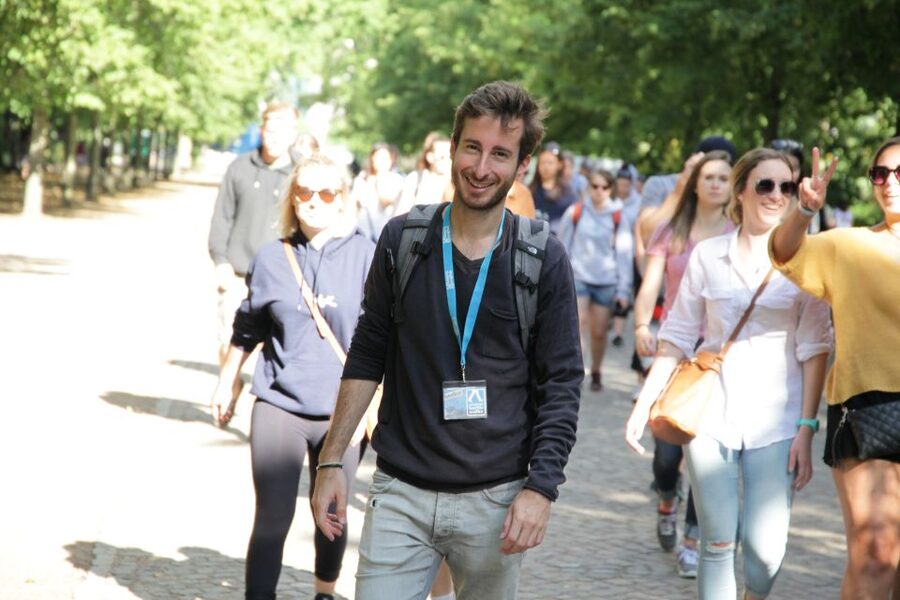
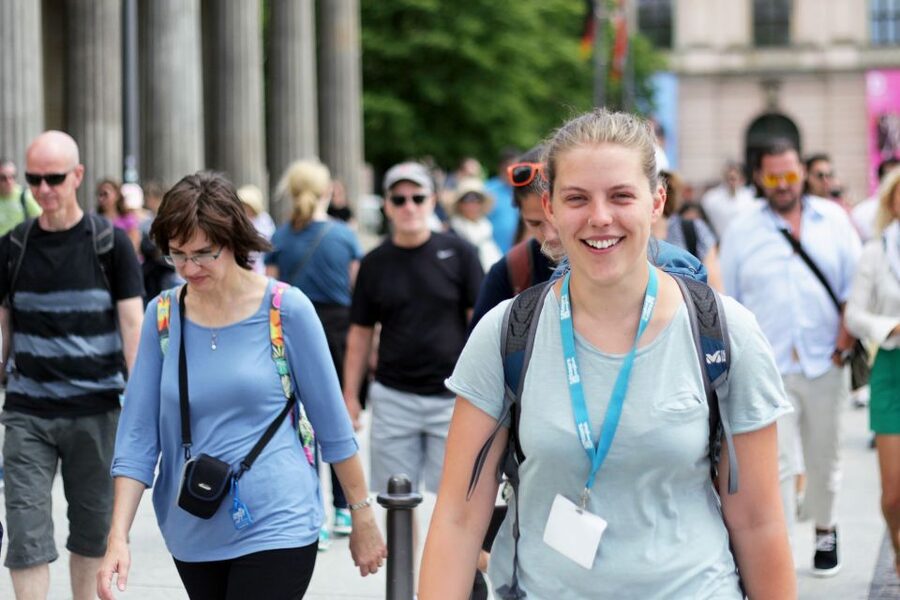
This is a guide-led tour, and the reviews make one thing clear: the best guides on this walk know how to teach without crushing your energy.
I noticed a pattern in the guide styles described: warm personality + structured explanation. People specifically praised guides for being able to answer questions, keep a good pace, and make complex events understandable. Names that came up include Anja, Philipp, Ben, Joel, Georgia, Tobi, Stefan, Luisa, Gregor, Walid, Glen, and others.
One thing I especially like as a traveler: several guides are described as witty or humorous in a way that doesn’t cancel the seriousness of the subject. That’s a real skill. You want relief, but you don’t want disrespect.
Also, the tour is rain or shine. If Berlin weather is doing its thing, a good guide will keep you moving and adjust when possible. In freezing conditions, Joel was noted for steering his group to warmer spots and even offering a hat when someone forgot one.
What You’ll Learn Beyond the Photos (Einstein, Marlene Dietrich, JFK)
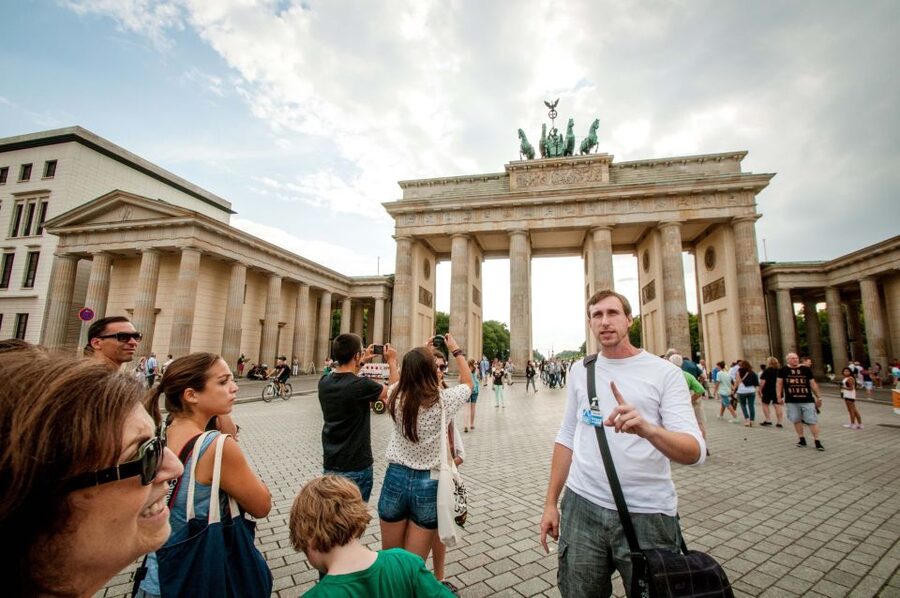
A big part of the tour’s charm is that it doesn’t treat Berlin as a museum of rulers. You also get the city through famous individuals connected to its story—Albert Einstein, Marlene Dietrich, and JFK show up in the narrative.
This matters because those names act like doorways. Einstein helps you understand Berlin’s intellectual pull and what political terror did to thinkers and communities. Marlene Dietrich brings in culture and the way art intersects with politics. JFK ties in Berlin’s Cold War international weight.
Even if you don’t leave with a new encyclopedia in your head, you leave with a better sense of how Berlin influenced people—and how people influenced Berlin’s image to the wider world.
Price and Timing: Is $23 Good Value for Central Berlin?
At $23 per person for a 2–4 hour walking tour with a live guide, the value is strong if your goal is to connect the dots quickly.
Here’s the practical way to think about it:
- You’re paying not only for “seeing places,” but for someone helping you understand why those places matter.
- Over 2–4 hours, the guide can turn iconic landmarks into a coherent narrative—something you won’t get as easily from a self-guided audio tour.
- Because the route includes major hits like Brandenburg Gate, Checkpoint Charlie, Museum Island, and Bebelplatz, you’re getting a high density of central locations in one outing.
The only trade-off is time. You’ll be moving between sites on foot, so you’re not doing slow, independent wandering for every curbside detail. If you like long pauses and unplanned detours, plan some extra time later in Berlin.
Should You Book This Berlin Walking Tour?
Book it if you want a first-timer-friendly history walk that actually makes Berlin’s layers make sense. It’s a smart choice when you have limited time and you want major landmarks—Brandenburg Gate, Checkpoint Charlie, Museum Island, Bebelplatz, plus the most heavy-hitting sites—handled with context.
Skip it (or consider a lighter alternative) if you want an upbeat day. This tour goes through Nazi crimes, the murdered Jews of Europe, and the site where Hitler died. For many people, that’s exactly what they came to understand. For others, it’s too much emotionally.
If you do book, do one small thing that makes the day better: wear weather-appropriate clothing and show up ready to listen. With the right guide—people like Anja, Philipp, Joel, and others have been described as strong story-tellers—the walk becomes more than a checklist. It becomes a way to read Berlin as a lived story.
FAQ
How long is the Berlin Discover Walking Tour?
The duration is listed as 2 to 4 hours.
How much does the tour cost?
The price is $23 per person.
What are the main stops included?
The tour highlights include Checkpoint Charlie, the Brandenburg Gate, Museum Island, Bebelplatz (Nazi book burning), and the site of Hitler’s suicide, plus other central sights.
What languages are available for the guide?
Live tour guides are available in German and English.
Does the tour run in bad weather?
The tour takes place rain or shine.
What should I bring?
Bring weather-appropriate clothing.
Is a guide included?
Yes, the tour includes a guide.
Where is the meeting point?
The meeting point may vary depending on the option booked.
Is free cancellation available?
Yes. You can cancel up to 24 hours in advance for a full refund.