REVIEW · BERLIN
Berlin: Charité Hospital History Walking Tour
Book on GetYourGuide →Operated by Beyond and Beneath Tours · Bookable on GetYourGuide
Berlin’s medical story starts long before hospitals felt modern. This walking tour takes you across Charité, Berlin’s oldest hospital, where science, ethics, and society collide in real stone and real names. I love that it connects famous breakthroughs to people like Rachel Hirsch, and I also like that you get a specific, hands-on architectural stop at the Veterinary Anatomy Theatre. One drawback: a lot of the route is outside, so cold weather (and comfortable shoes) matter.
You’ll get clear context on Charité’s founding in 1710 as a plague house, then see how the site evolved alongside doctors who changed medicine. On the way, the tour also covers darker chapters, including how Nazi-era medical practices ignored ethics and tied into racial hygiene. Still, the subject matter is heavy, so it may feel like a lot in one sitting, even though the tour keeps a good pace.
Meet your guide at Robert-Koch-Platz by the Robert Koch statue, and look for an orange umbrella. I like that the tour is built around a small set of focused stops in about two hours, not a marathon of endless streets. If the Veterinary Anatomy Theatre is closed on the day you go, you may lose that one signature element, so check expectations for short stops and plan for the possibility.
In This Review
- Key points worth knowing
- Charité in two hours: why this tour is more than a photo stop
- Getting started at Robert-Koch-Platz and finding your orange-umbrella guide
- Stop by stop: the Veterinary Anatomy Theatre and the story it tells
- Circling the neo-gothic Charité campus: architecture that fits the science
- Rachel Hirsch and the push for women in medicine
- The Nazi era chapter: ethics erased, and what that did to patients
- East Germany’s framing and the story behind bricked-up windows
- The human guide factor: why Martina’s style matters
- Practicalities: what you should plan for before you go
- Price and value: $28 for medicine, politics, and a real theatre visit
- Who should book this Charité walking tour?
- Quick FAQ
- FAQ
- Where does the tour start?
- What is the tour duration?
- How much does it cost?
- Is the Veterinary Anatomy Theatre included?
- Are there any extra tickets or entry fees?
- Is the tour mostly indoors or outdoors?
- What should I bring?
- Is the tour wheelchair accessible?
- What languages are offered?
- Is the theatre ever closed?
- Is this suitable for children?
- Should you book Charité Hospital History?
Key points worth knowing

- Neo-gothic Charité campus views: great exterior architecture and a clear route to follow
- Veterinary Anatomy Theatre visit: a major historical stop (free admission)
- Medicine’s big names: Robert Koch and Rudolf Virchow are part of the walking story
- Rachel Hirsch connection: first woman medical professor in Prussia (1913), with real resistance mentioned
- Nazi and East Germany chapters: medical ethics and state control both get addressed
- Outdoor time: you’ll want warm layers and shoes made for standing
Charité in two hours: why this tour is more than a photo stop
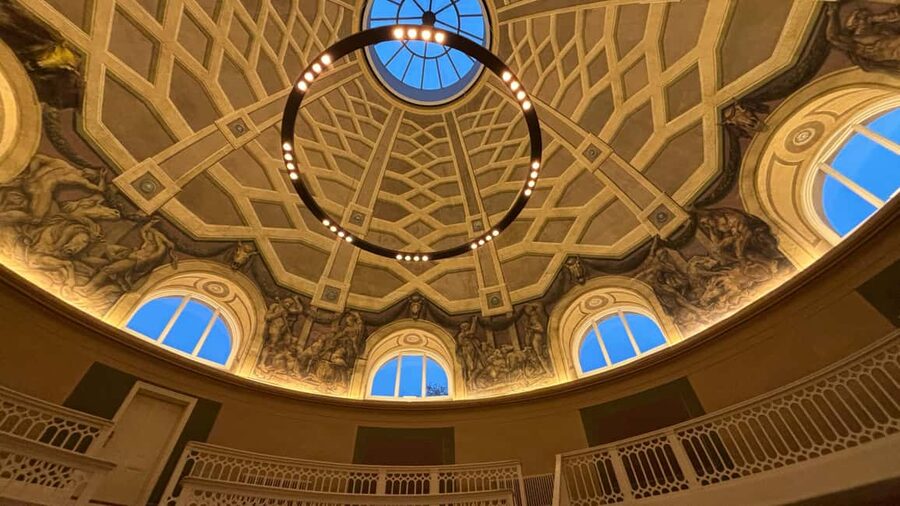
Charité isn’t just another Berlin landmark. It’s one of the places where medicine grew teeth and ideology at the same time, and this tour shows you both sides of that coin. You start with the hospital’s early purpose and treatment methods, then shift into the science names people recognize from textbooks. After that, the tour doesn’t shy away from how medical institutions were used during the Nazi era and later handled messaging during East Germany.
That mix is the main reason the experience works. It’s not only about what was discovered. It’s about what power did with discoveries. You’ll likely leave with a sharper sense of why medical history is also political and personal.
And the route is practical. You’re moving for about two hours, with short guided segments and one real in-person stop inside the Veterinary Anatomy Theatre. If you like guided structure instead of aimless wandering, this format is a good fit.
You can also read our reviews of more walking tours in Berlin



Getting started at Robert-Koch-Platz and finding your orange-umbrella guide
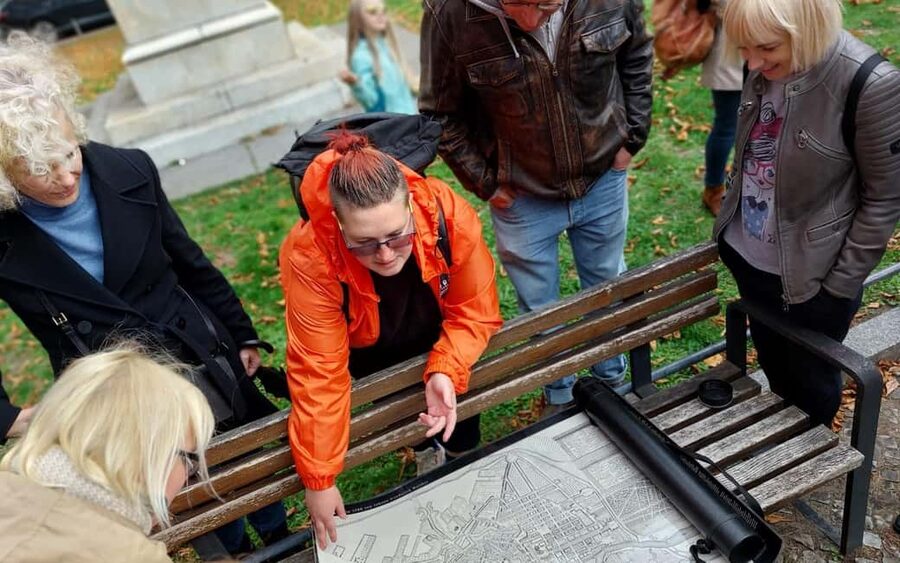
Your start point is Robert-Koch-Platz, right by the Robert Koch statue. The meeting instruction is simple: look for your guide holding an orange umbrella. That matters more than it sounds, because Charité sits in a busy area and you don’t want to waste time guessing where the group is.
This opening stretch sets the tone. You’re not just collecting trivia; you’re being lined up with the hospital’s timeline. The tour begins with the foundation story in 1710, when Charité started as a basic plague house to protect people from an approaching epidemic. From there, the guide builds out how medicine at the time often meant brutal, direct interventions, like bloodletting, mercury doses, and amputations.
I appreciate that the early-medical context is explained in human terms. It helps you understand why later breakthroughs felt like miracles: people were working with very limited tools and very different ideas about the body.
Stop by stop: the Veterinary Anatomy Theatre and the story it tells

The tour’s first major stop is the Veterinary Anatomy Theatre, where you’ll spend about 15 minutes. This place is special for one main reason: it’s linked to how the 18th-century city learned about disease through animals. The theatre is described as the oldest academic building still in existence in Berlin, and that alone makes it a worthwhile break from outside walking.
Why you’ll care: livestock and cavalry horses were central to everyday life back then. When illnesses hit animals, it affected food supply and transport. So researchers studied animal ailments to better understand what might be happening around humans. In other words, this wasn’t random curiosity. It was practical problem-solving for a whole society.
Also, it’s the kind of stop that gives your brain somewhere to land. Two hours of history can sound like a lot, but a real building visit helps the timeline stick. And because admission to the theatre is included (free admission), you’re not paying extra for the one place that feels most “must-see.”
A practical consideration: on occasion, the theatre can be closed due to internal events or public holidays. If that happens, you still get the overall story, but you may lose that specific architectural moment. Warm plan: treat the theatre as the highlight, but be ready for the guide to adjust if access is unavailable.
Circling the neo-gothic Charité campus: architecture that fits the science
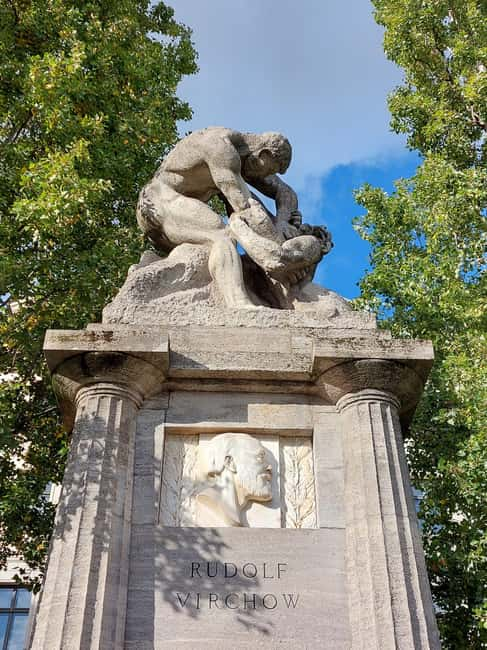
After the theatre, the tour transitions into guided walks that take you around the historical neo-gothic Charité campus. You’ll get additional guided segments (about 15 minutes each in the plan), and the idea is to let the buildings do part of the storytelling.
Neo-gothic architecture isn’t just decorative here. It signals the hospital’s long ambition to be more than emergency care. It’s an institutional statement: medicine as a serious field, organized learning, and respected authority. As you circle the campus, you’ll also hear about the breakthroughs tied to prominent medical pioneers such as Robert Koch and Rudolf Virchow.
This is where the tour becomes a little more than a list of names. You learn what the hospital represented during different periods: scientific progress in the public spotlight, then, later, medical ethics twisted by state goals. When those shifts are laid onto a campus you can actually see, the story becomes more believable and harder to forget.
Rachel Hirsch and the push for women in medicine
One of the most striking social threads in the tour is Rachel Hirsch. The guide connects Charité to the fact that in 1913, Hirsch became the first woman to hold a medical professorship in Prussia. The tour also explains that she faced resistance within the institution.
This matters because it shows you progress as something that happened inside systems, not outside them. The story isn’t only that opportunities existed or didn’t exist. It’s that institutions actively fought change. Hearing that resistance described alongside the broader scientific context makes the struggle feel real, not romantic.
If you’re interested in how professional fields evolve, this section is one of the tour’s best payoffs. It helps you connect medicine to broader cultural shifts in early 20th-century society, especially questions of authority, legitimacy, and who gets to teach.
You can also read our reviews of more historical tours in Berlin






The Nazi era chapter: ethics erased, and what that did to patients

This part of the tour can feel heavy because it has to be. The Charité story during the Nazi regime included medical ethics being disregarded and ideas of racial hygiene being ruthlessly imposed. The tour also notes that some doctors kept quiet, while others helped organize the extermination of psychiatric patients.
Why I think this is valuable for you: history tours often focus on what was discovered or built. This one adds what was done to people when science met ideology. Even if you already know the broad outlines of the era, hearing it tied to a specific institution helps you understand how organized systems can turn moral language into something violent.
It’s not a scare tactic. The tour treats it as part of the institution’s real record. And it helps explain why modern medical ethics exist as firm rules, not polite suggestions.
East Germany’s framing and the story behind bricked-up windows

The tour then moves forward to later decades, where East Germany emphasized achievements connected to Charité. At the same time, it notes an uncomfortable detail: windows that faced the capitalist West were bricked up.
This is one of those facts that sounds simple until you think about it. Physical changes in a building can reflect what a regime wants people to see, and what it wants them to ignore. When a guide points out the meaning of those changes, the campus stops being just architecture. It becomes a document of messaging.
If you like Berlin history that connects politics to everyday space, this section delivers. It also pairs well with the Nazi-era discussion, because it shows how different governments shaped the story of medicine for their own goals.
The human guide factor: why Martina’s style matters

The experience stands or falls on the guide. In the feedback I saw, Martina is repeatedly described as friendly and enthusiastic, with a habit of sharing lots of interesting facts. One comment highlights that she guided people through Charité’s history while also connecting Berlin’s medical story, and that the tour felt thoughtfully designed.
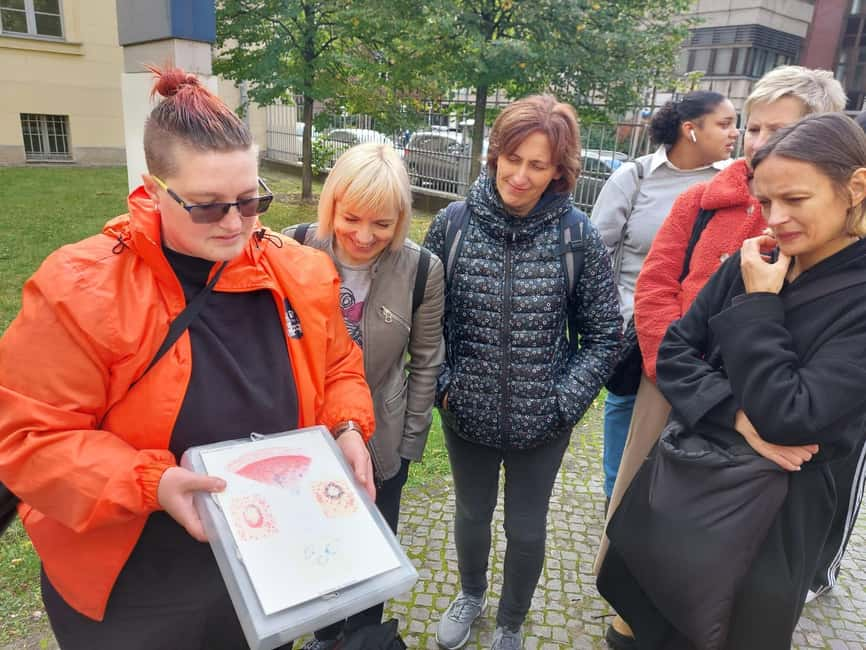
Another detail that fits the tour’s purpose: Martina is described as using extra material to clarify parts of the story. That’s a big deal for this topic. Medicine spans centuries and includes technical ideas, and visual or supporting context can help you follow the timeline instead of drifting.
So if you value a guide who keeps the flow tight and adds just enough interpretation to make facts land, this tour is a strong bet.
Practicalities: what you should plan for before you go
Most of the walk is outdoors, so plan for cool Berlin weather. The tour advice is straightforward: dress warmly and bring water. Wear comfortable shoes you can trust for standing and walking for about two hours.
If you’re thinking about who this fits: it’s recommended for ages 14 and up because the content is historically deep. There’s no strict age rule stated, but minors must be accompanied by an adult. If you’re traveling with teens who like history or science, this is a good shared activity, not just a museum stop.
Wheelchair access is listed, which is a plus. Still, it’s a walking tour, so it’s smart to ask about pace with the operator if you have mobility concerns.
Languages are English and German, and you’ll have a live guide throughout. That matters because so much of the value here is interpretation, not just reading plaques.
Price and value: $28 for medicine, politics, and a real theatre visit
At $28 per person for about two hours, this tour sits in a reasonable range for a guided historical experience with a specific included site. The biggest value lever is that the Veterinary Anatomy Theatre visit is included with free admission, so you’re not paying extra for that key stop.
Also, the tour does something that costs more time than a casual stroll: it connects Charité’s foundation in 1710, early treatment methods, major scientific names, gender progress through Rachel Hirsch, and the institution’s darker Nazi and East Germany chapters. That’s a lot of content for two hours, and the guidance helps keep it coherent.
What’s not included matters too. Entry to the buildings where hospital or university activities happen isn’t included, and some areas of the campus may be restricted for guided tours. You’re getting a structured overview plus a real included theatre visit, not full access to everything on the grounds. If you want behind-the-scenes hospital access, this isn’t that tour.
Who should book this Charité walking tour?
Book it if:
- You want a guided Berlin history walk that tackles both medical breakthroughs and medical wrongdoing.
- You like institutions with strong architecture, and you enjoy when buildings add meaning to the story.
- You’re interested in the link between medicine and social change, especially the Rachel Hirsch angle.
- You want a 2-hour plan that ends near Berlin Central Station so you can keep moving the same day.
Skip it (or choose another option) if:
- You dislike heavy topics. The Nazi-era section is direct and serious.
- You don’t want outdoor walking in cool weather.
- You’re expecting entry into active hospital or university areas. The included access is focused on the theatre and guided campus viewing.
Quick FAQ
FAQ
Where does the tour start?
It starts at Robert-Koch-Platz, and you should meet by the Robert Koch statue. Look for the guide holding an orange umbrella.
What is the tour duration?
The walking tour is scheduled for about 2 hours.
How much does it cost?
The price is listed as $28 per person.
Is the Veterinary Anatomy Theatre included?
Yes. You visit the Veterinary Anatomy Theatre, and admission is free and included.
Are there any extra tickets or entry fees?
Entry to buildings where hospital or university activities take place is not included, and some campus areas may be restricted for guided tours.
Is the tour mostly indoors or outdoors?
Most of the tour takes place outside, so bring warm clothes for cold weather.
What should I bring?
Wear comfortable shoes and bring water.
Is the tour wheelchair accessible?
Yes, the tour is listed as wheelchair accessible.
What languages are offered?
The tour is offered in English and German.
Is the theatre ever closed?
On occasion, the Veterinary Anatomy Theatre can be closed due to internal events or public holidays.
Is this suitable for children?
It is not suitable for children under 14. The tour is recommended for ages 14 and up, and minors must be accompanied by an adult.
Should you book Charité Hospital History?
If you want Berlin history that connects medicine, ethics, and society to real places, I’d book it. The included Veterinary Anatomy Theatre stop, the campus architecture you’ll see around neo-gothic Charité, and the way the tour handles major figures like Robert Koch and Rudolf Virchow all make the price feel fair for a guided, structured experience.
Just go in with the right mindset. This is a serious story, including Nazi-era crimes and later state-controlled framing. If that doesn’t bother you, you’ll come away with a much clearer picture of why Charité matters beyond textbooks.