REVIEW · BERLIN
Berlin: David Bowie & 1970s Berlin Guided Walking Tour
Book on GetYourGuide →Operated by insightcities.com · Bookable on GetYourGuide
Bowie’s Berlin still hums. This 3-hour, historian-led walk drops you into 1970s West Berlin through the places tied to David Bowie’s Low, Heroes, and Lodger, starting around Zoo Station and ending near his favorite hangouts. I love the way the guide connects song-era details to real locations, and I love that the storytelling often uses audio, video clips, and photos to bring each stop into focus. One thing to consider: at $135 for a short outing, it’s best value if you plan ahead for the day metro pass, since you’ll use public transport a few times and there’s no food included.
In This Review
- Quick hits before you go
- Why 1970s West Berlin powers the Low, Heroes, Lodger story
- Meet at Ständige Vertretung, then start where Bowie crossed the city
- Bertolt-Brecht-Platz, Tränenpalast, and Anhalter Bahnhof: the “moving through” Berlin stops
- Martin-Gropius-Bau and Topographie of Terror: where the atmosphere gets real
- Hansa Studios: the Berlin recording myth, brought down to street level
- KaDeWe, Potsdamer Platz, and Bowie’s nightlife trail
- Berlin Wall moments and Bowie’s former home: the walk turns personal
- Price and time: is $135 for 3 hours good value?
- Who this Bowie in Berlin walk suits best
- Should you book this 3-hour Bowie trail?
- FAQ
- How long is the Berlin David Bowie walking tour?
- Where does the tour start?
- What sites are included on the route?
- Is the tour guided in English?
- Do I need a public transport ticket?
- Is food or drink included?
- What is included in the price?
- Is this tour only for large groups?
- What is the cancellation option?
- Can I reserve without paying right away?
Quick hits before you go
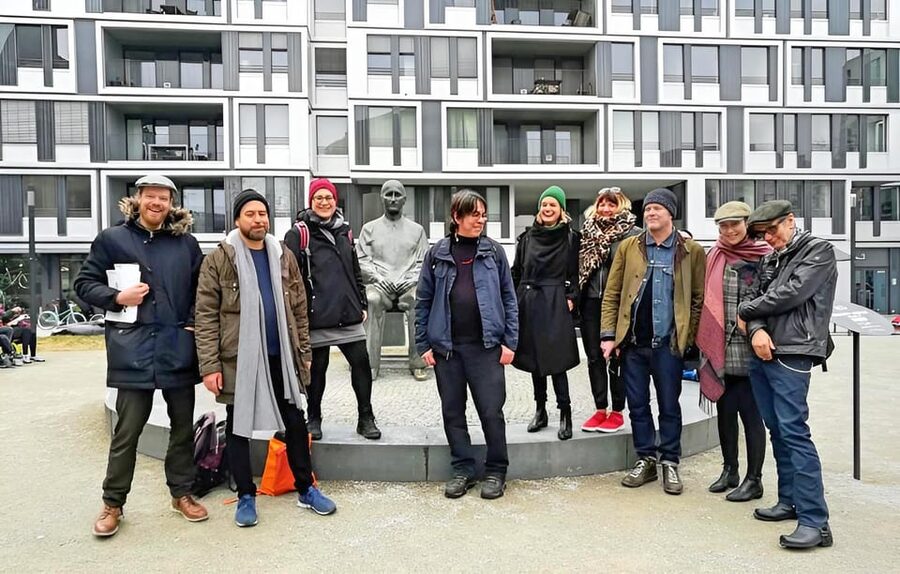
- Zoo Station start, Bowie finish nearby: The route is built around his Berlin routine, not a generic highlights loop.
- Hansa Studios on the walk: You get the famous recording-studio connection to the sound of the Berlin albums.
- Cold War stops with context: Sites tied to surveillance and terror sit alongside nightlife landmarks.
- Small-group feel and Q&A moments: Guides often keep the pace interactive, not lecture-style.
- Music used as a guide map: Hearing excerpts and seeing visuals makes the places click faster.
Why 1970s West Berlin powers the Low, Heroes, Lodger story
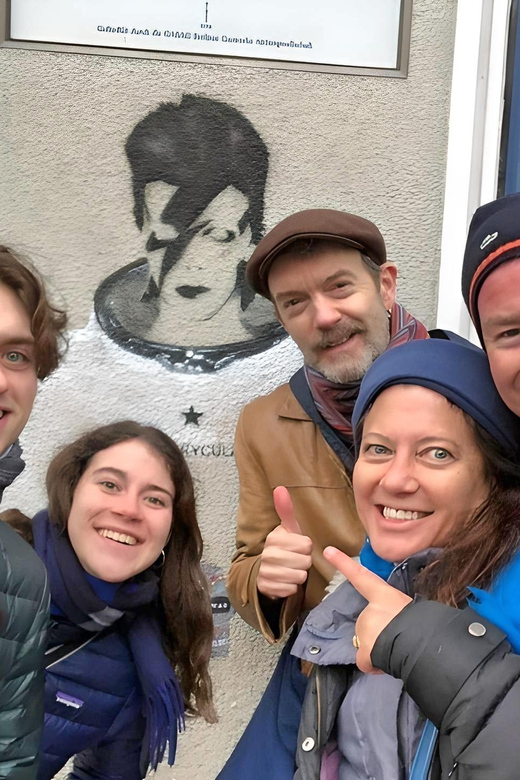
If you only know Bowie’s Berlin from album covers and interviews, this tour helps you understand what those songs were reacting to. West Berlin in the 1970s wasn’t just an exciting art scene. It was an emotional pressure cooker, split by politics, borders, and constant tension—an atmosphere that shaped the themes and mood of Low, Heroes, and Lodger.
What I like most is that the tour treats Bowie’s Berlin as a real place with real daily movement. You’re not just ticking off famous addresses. You’re seeing how art, nightlife, and the Cold War ran side by side. And because the guide is a historian, the talk stays grounded in the city’s social reality, not just Bowie trivia.
The payoff is personal even if you are not a die-hard fan. You get a better sense of why an artist would come into a divided city and turn that friction into a new sound. That is the magic here: the music is the thread, but Berlin is the reason it matters.
You can also read our reviews of more walking tours in Berlin



Meet at Ständige Vertretung, then start where Bowie crossed the city
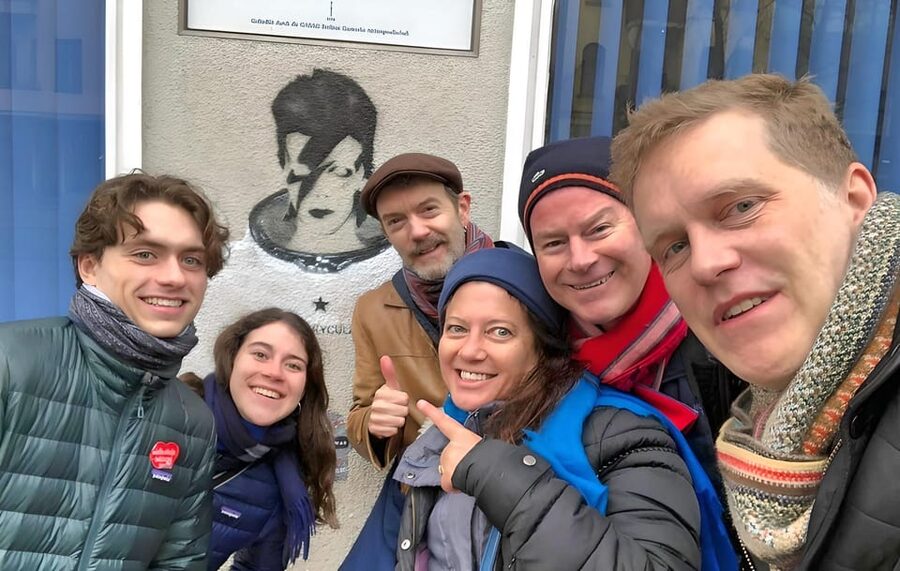
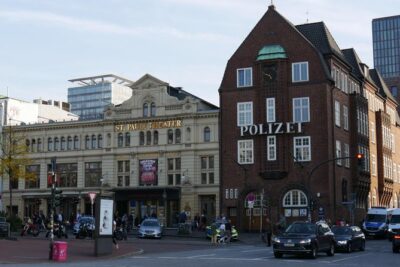
The tour meeting point is Ständige Vertretung, a memorabilia-filled cafe at Schiffbauerdamm 8 (10117 Berlin). It’s a fitting place to begin because it sets the tone: this is a music-and-city walk, not a quick museum dash.
From there, you head out toward Zoo Station, described as the starting point for the Bowie trail. Zoo Station matters because it’s a practical landmark in West Berlin—somewhere people could pass through, meet, and shift between parts of the city. For fans, it also anchors the walk in the real geography of the era rather than in a single neighborhood bubble.
One practical note: this tour uses public transport a few times because some of the key stops are too far to cover comfortably on foot. If you do not already have a Berlin visitor transit pass, it’s a good idea to buy a day metro pass. If you cannot sort it before the first ride, the guide can help you purchase it at the first metro station on the route.
Bertolt-Brecht-Platz, Tränenpalast, and Anhalter Bahnhof: the “moving through” Berlin stops
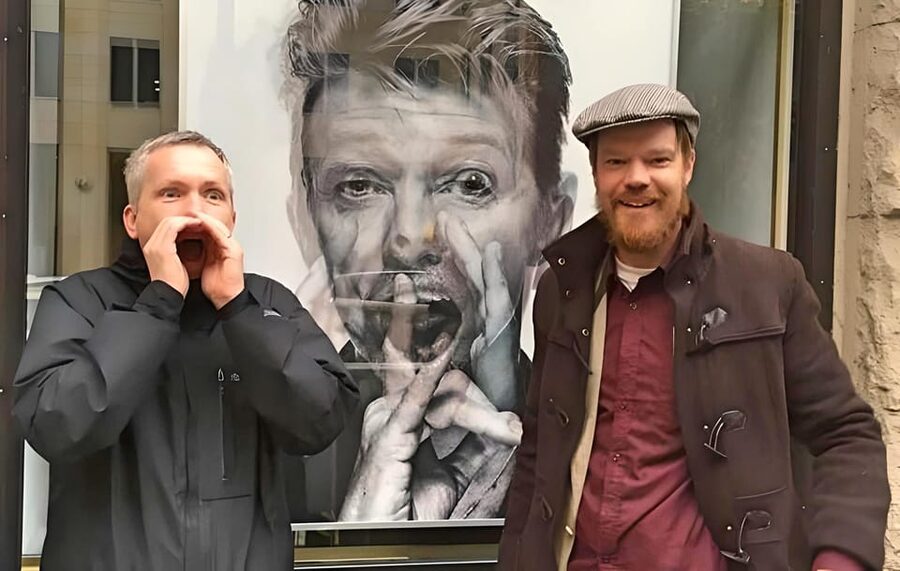
Early on, you’ll move through areas that show how West Berlin functioned day to day. Places like Bertolt-Brecht-Platz and Tränenpalast come up as part of the larger story of a city shaped by separation—where travel, arrivals, and public spaces felt charged.
The tour also includes Anhalter Bahnhof, a station tied to the city’s transportation history and its postwar character. Even if you have seen Berlin before, stations like this change how you read the city. They remind you that Cold War Berlin was built on routes—literal and political—guiding how people lived, worked, and escaped.
This part of the walk is a reminder that Bowie’s Berlin did not happen in a studio vacuum. He moved through a city that was always in motion. You’ll feel that in how the guide links locations to the overall atmosphere: the tension, the crowd energy, and the feeling that the city was both broken and full of possibility.
Martin-Gropius-Bau and Topographie of Terror: where the atmosphere gets real
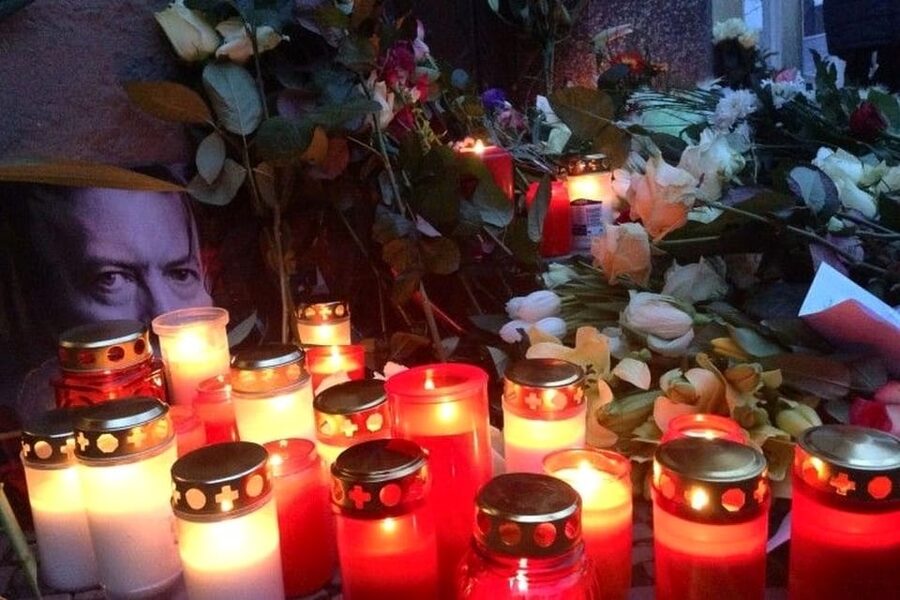
Then the tour shifts to the darker side of the period with Martin-Gropius-Bau and Topographie of Terror. Topographie of Terror is a big emotional anchor on this walk. It pushes past the glamour of clubs and records and makes you face what the Cold War years inherited and what the city had to process.
Martin-Gropius-Bau adds another layer because it sits in the middle of the broader cultural map of Berlin. It helps explain how art institutions and public spaces coexisted with the political machinery around them. That contrast matters for Bowie’s Berlin albums. Low doesn’t feel like a postcard. Heroes doesn’t feel like a vacation. Lodger reads like someone mapping a world that’s slightly off-kilter—because it was.
This section can hit hard if you are sensitive to history tied to terror and oppression. But if you want the tour to make emotional sense, it’s also the reason it does. The best Bowie-in-Berlin experience is not just fun. It’s meaningful in how it connects mood to place.
Hansa Studios: the Berlin recording myth, brought down to street level
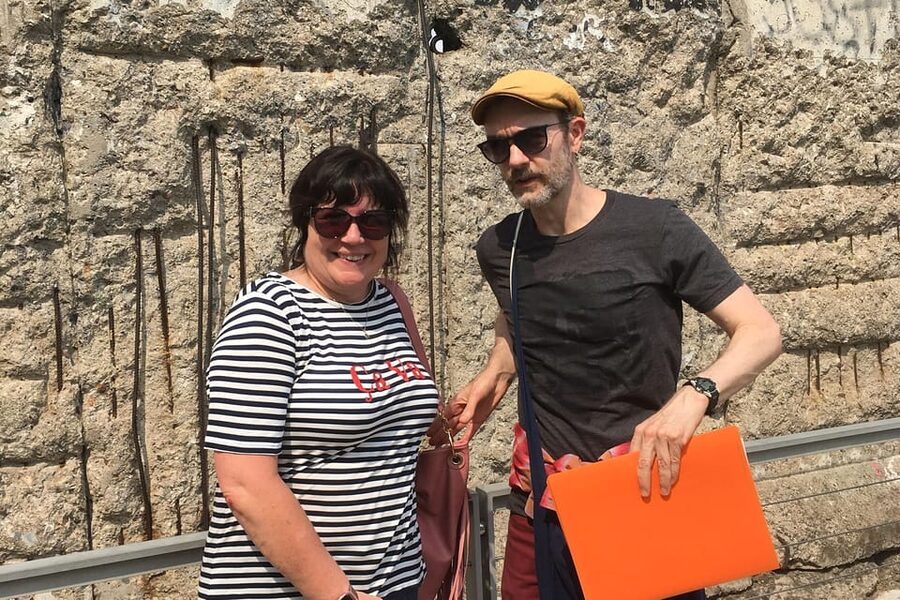
One of the most praised stops is Hansa Studios. Even if you never visited a recording studio before, you can feel why this place matters. Hansa is tied to the sound and spirit of the era, the kind of environment where the Berlin sound could take shape.
What makes this stop valuable is how the guide frames it. You’re not just hearing that Bowie recorded there. You’re hearing what Berlin offered artists at the time: a creative ecosystem shaped by limited comfort, fierce independence, and constant cultural exchange. The studio becomes part of a wider story about production, collaboration, and experimentation.
The tour also uses small teaching tools that help the studio stop land. Some guides bring in video clips and photos, and in general, the walk incorporates music excerpts while you move. That combination helps you connect what you hear in Bowie’s Berlin work to why that work feels so particular.
For fans, this is often the “this is why I came” moment. For music lovers more broadly, it’s a smart lesson in how environments shape sound—without turning it into a lecture.
You can also read our reviews of more guided tours in Berlin




KaDeWe, Potsdamer Platz, and Bowie’s nightlife trail
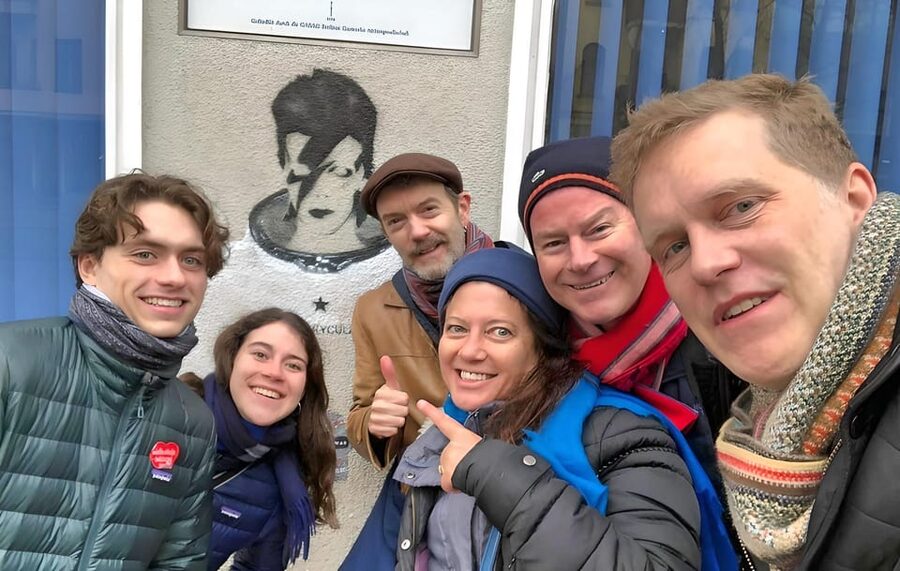
After the studio connection, the tour pulls you back toward the city’s living pulse. You’ll see places like KaDeWe and Potsdamer Platz, plus stops that connect to Bowie’s and Iggy Pop’s nightlife world.
KaDeWe is the kind of location that reminds you Berlin had consumer life and social rituals, not only political pressure. Potsdamer Platz does the same on a larger scale: it’s a reminder that people were gathering, watching, and moving through public space long before it became a modern landmark.
Then you get the nightlife side, including the former Dschungel Club and other spots tied to where Bowie and Iggy Pop hung out. One review highlight I kept in mind while thinking about this part: guides often share lesser-known stories, not just the famous names. That makes the clubs and cafes feel like places where art happened, not just backdrops for your playlist.
You’ll also visit Cafe Neues Ufer, which brings the tour into a more everyday rhythm. Cafes are where Berlin becomes human-scale: a pause, a chat, a place to decompress between late nights and early plans. For a Bowie trip, that matters because the songs are not only about dramatic moments. They’re about the after-hours feeling too.
Berlin Wall moments and Bowie’s former home: the walk turns personal
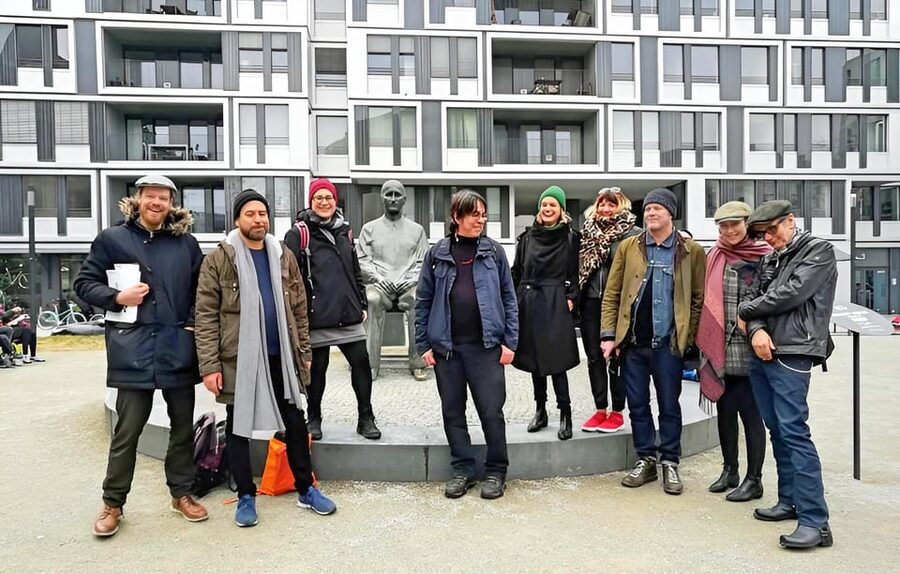
The route includes the Berlin Wall and Topographie of Terror, then continues toward Bowie’s former home. This combination is powerful because it forces the story to do two things at once: show the political boundary and show the human life shaped by it.
Bowie’s flat connection is a key part of the story too. The tour follows his trail to the apartment he shared with Iggy Pop. Even if you only know Iggy Pop as a musician, this stop reframes their Berlin years as a shared environment—two artists building a routine together inside a city that offered both danger and freedom.
This is where the tour earns its emotional reputation. In several guides’ style notes, there is a sense of respect for the people and the era, with moments that feel moving rather than gimmicky. If you care about how culture changes under pressure, this is the section that connects the dots between politics, nightlife, and songwriting.
Also, the tour uses a practical rhythm here: you’re moving from one meaning-heavy place to another, and because you’re walking and sometimes riding, you’re not stuck in one interpretation bubble. It’s easier to absorb the shifts in tone.
Price and time: is $135 for 3 hours good value?

$135 for a 3-hour guided experience isn’t a bargain, but it’s also not random pricing. You’re paying for two things you can feel during the tour: a historian guide and a route built around specific Bowie-era locations across multiple parts of Berlin.
The value is strongest if you want more than a standard sightseeing loop. If you like context, music excerpts, and city history tied to real addresses like Hansa Studios, KaDeWe, and Cafe Neues Ufer, this price makes sense. If your goal is only to see a few famous buildings and move on quickly, you might feel the cost more.
Two practical tips help you get more out of it. First, wear sturdy, supportive footwear—parts of the route cover real walking distances. Second, plan transit so you do not waste time at stations. Since public transport tickets are not included and you’ll use transit a few times, a day pass can protect your energy and your schedule.
Who this Bowie in Berlin walk suits best
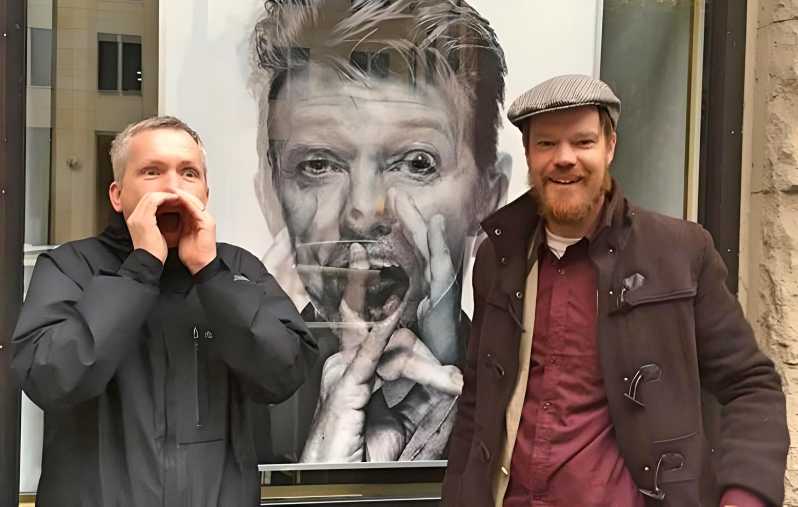
This tour is a strong fit for anyone who wants the Berlin albums explained through place. If you love Low, Heroes, or Lodger, you’ll likely enjoy seeing how those ideas map to specific stops like Hansa Studios and the nightlife zones tied to Bowie and Iggy Pop.
It’s also worth it for people who care about Berlin’s broader creative scene. Guides often bring in extra Berlin cultural context, and that means you may leave knowing the city better, not only knowing Bowie better.
Finally, if you are traveling with someone who is less of a Bowie fan, you’re in luck. Several guides keep the pacing friendly and story-driven, so the city history and Cold War atmosphere can carry the day even if the listener is there for something other than a discography deep dive.
Should you book this 3-hour Bowie trail?
Yes—if you want a guided Berlin story that connects music to the real streets where it happened. The strongest reasons to book are the focus on Bowie’s Berlin albums, the inclusion of Hansa Studios, and the way the best guides use music excerpts plus visual context to make the time period feel close.
Book it sooner rather than later if you can handle a bit of history intensity, and if you are okay with some transit during the route. If you arrive with a rough sense of what Low, Heroes, and Lodger sound like, you’ll start noticing how the city’s mood shows up in the music faster.
If you are expecting a simple museum-style tour with seats and minimal walking, this may not be your match. But if you like moving through a city with a story that keeps changing as you go, this one is hard to beat.
FAQ
How long is the Berlin David Bowie walking tour?
The tour lasts 3 hours.
Where does the tour start?
It starts around Zoo Station, and the meeting point is Ständige Vertretung, Schiffbauerdamm 8, 10117 Berlin.
What sites are included on the route?
You’ll pass or visit stops including Hansa Studios, KaDeWe, Cafe Neues Ufer, Topographie of Terror, the Berlin Wall area, Bowie’s former home, and other notable Berlin locations tied to his 1970s routine.
Is the tour guided in English?
Yes, the live tour guide speaks English.
Do I need a public transport ticket?
Public transport ticket(s) are not included. The tour includes a few times where you’ll use transit, so it’s advised to get a Berlin day metro pass if you do not already have one.
Is food or drink included?
No. Food and drink are not included.
What is included in the price?
The price includes a 3-hour tour with a historian guide.
Is this tour only for large groups?
The tour offers private or small groups.
What is the cancellation option?
Free cancellation is available up to 24 hours in advance for a full refund.
Can I reserve without paying right away?
Yes, it offers reserve now & pay later, so you can book your spot and pay nothing today.