REVIEW · KYOTO
Kyoto: Private Walking Tour with a Local
Book on GetYourGuide →Operated by Lokafy · Bookable on GetYourGuide
Kyoto feels less like a checklist when you walk with a local. This private experience is built around a tailored conversation and a route that fits your pace, so the city becomes about people, not just landmarks.
I especially like the no-group, no-script approach, with Lokafy matching you with a passionate guide who steers the day based on what you care about.
Second, I like how the guides tend to swap in Kyoto that’s calmer and more personal, not just the usual photo stops. You may hear stories, get pointed toward a favorite courtyard café, and find temple or shrine moments that avoid peak crowds, like one guide taking guests to a less-trailed autumn-color temple. One consideration: it’s a walking day, and entrance fees plus city transport are on you, so your final spend depends on what you add and how far you go.
In This Review
- Key Things You Should Know Before Going
- Why This Kyoto Private Walk Feels Different Than a Standard Tour
- Meeting Up Near Kawaramachi and Getting Your Start Right
- What 3 to 6 Hours Looks Like on the Ground (Without Rushing You)
- Temples, Shrines, Markets, and Courtyard Stops Beyond the Main Trail
- Getting Food Advice You Can Use the Same Day
- Walking Style, Comfort, and When You Should Use Transit or a Taxi
- Cost and Value: Is $82 Worth It for Kyoto?
- Language and Personal Fit: English, Spanish, German
- Who This Tour Is Best For (And Who Might Want Something Else)
- Should You Book This Kyoto Private Walking Tour?
- FAQ
- What is the duration of the Kyoto private walking tour?
- How much does the tour cost?
- Is this tour private or shared with a group?
- Where does the pickup happen?
- What languages are available for the live guide?
- Is the tour wheelchair accessible?
- What’s included in the price?
- What’s not included?
- Do I need to pay for entrance tickets if we visit an attraction?
- Can we use transit or a taxi during the tour?
Key Things You Should Know Before Going
- No-group flexibility: your route changes based on your interests and energy level
- Real neighborhood finds: you’ll likely trade famous sights for quieter corners and local routines
- Guide-driven comfort: guides have helped with everything from kid-friendly pacing to limited mobility setups
- Food and transit advice that sticks: you get practical recommendations, not just directions
- Private means you can ask questions: expect conversation, not rehearsed facts
Why This Kyoto Private Walk Feels Different Than a Standard Tour
Most Kyoto tours do the same thing: they move a group through a list of sights. This one works differently. It’s private, and it’s shaped by a local guide you connect with through Lokafy. That matters because Kyoto is a city where small details carry weight—an alley name, a family-run shop, the way people queue for a temple gate, or why one neighborhood feels calmer at 3 p.m.
The “local friend” vibe isn’t just marketing language. Guides you might be matched with include people like Nicolo, Agustin, and Maha, and the reviews pattern is clear: they’re friendly, they laugh with you, and they adapt. If you’re the type who asks why something is arranged the way it is, you’ll get more than a quick lecture. If you’re the type who just wants a good walk and a few great stops, you can keep it simple.
You can also read our reviews of more walking tours in Kyoto


Meeting Up Near Kawaramachi and Getting Your Start Right

Kyoto starts smoothly if your meeting point is easy. You get pickup included, and the tour can start from your hotel lobby or just outside your Airbnb—so long as it’s a centrally located landmark or intersection within the city center.
One specific option named is around MACCHA HOUSE Kyoto Kawaramachi. There’s also a second centrally located pickup point listed (a city office area). Practically, this is good news: you’re not forced to travel across town with a backpack just to meet a guide.
My advice: pick a meeting location you can explain in one sentence to a taxi driver or to your guide, and plan to arrive a few minutes early. Kyoto neighborhoods can be busy, and a clean start helps your guide settle you into the day’s pace.
What 3 to 6 Hours Looks Like on the Ground (Without Rushing You)
The tour runs 3 to 6 hours, and you can request a specific time. The timing range is important because Kyoto can feel either effortless or exhausting depending on season and crowd levels.
A typical flow includes a photo stop to get oriented, then guided sightseeing and a steady walk with scenic views along the way. The key is that it’s not locked into one “route script.” This flexibility is where the value lives: if you want more temples, your guide can steer that way. If you’d rather spend more time in a neighborhood cafe, they can build around it. If you care about street art or culture, some guides will shape the walk to match.
If you’re on your first trip to Kyoto, this kind of structure helps you learn the city’s logic fast: where to slow down, where foot traffic spikes, and how different districts feel. If you’re on a return visit, it becomes your chance to bypass the obvious and focus on what you missed.
Temples, Shrines, Markets, and Courtyard Stops Beyond the Main Trail
Kyoto’s big sights are big for a reason. The advantage here is how the route can prioritize meaning over crowds.
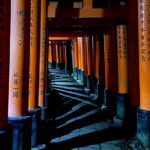
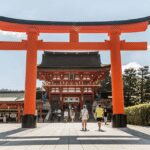
In the reviews, you can see guides selecting calmer options—like Agustin taking people to a temple that wasn’t on the main tourist trail during autumn color season. Another guide helped guests hike toward the top of Fushimi Inari Shrine and then pair temple visits with walks through areas like Nishi Market. That kind of mix is hard to replicate with a rigid group tour.
You might also find:
- a smaller temple or shrine stop that lets you see the atmosphere without fighting crowds
- a neighborhood-cafe moment locals tend to love, including courtyard-style places
- a personal story tied to a district, so the scenery turns into something you can picture later
One practical takeaway: go into your booking with at least a couple priorities. For example, if you love shrines, say so. If you’re into Japanese arts and small antiques, bring that up. One guide even followed up with researched info after the walk—museum exhibition and antique shop leads related to Japanese netsuke. That’s the kind of “after-hours value” that makes the tour feel like it continues beyond the last photo.
Getting Food Advice You Can Use the Same Day
Kyoto food is a research project unless you have a local in your ear. What I like about this tour setup is that food recommendations come from a guide who understands your route and timing.
In the experiences shared, guides didn’t just suggest famous restaurants. They took guests to places they personally like. One guide took a family to a favorite restaurant by a river where the sashimi was excellent. Another guide helped with pacing for families, including time to make space for a 5-month baby.
Even if you don’t want to stop for a full meal during the tour, you’ll often leave with:
- where to eat based on the neighborhood you’re already in
- what to order if you want something local and easy
- how to avoid the most crowded time windows
My advice: tell your guide your food boundaries. If you want vegetarian, budget-friendly spots, or something more traditional, say it upfront. Private tours work best when the guide has a target.
You can also read our reviews of more private tours in Kyoto


Walking Style, Comfort, and When You Should Use Transit or a Taxi
This is a walking tour, and that’s not a small detail in Kyoto. Distances feel longer on foot because sidewalks and crossing points can shift by neighborhood. Comfortable shoes are strongly recommended.
There’s also flexibility with movement. During the tour, you can take public transportation or a taxi at your own expense, so you don’t burn your energy getting to the next area. You can also advise if you’d like a private car included—the guide can adjust the plan around that.
So here’s the decision rule I’d use if it were my day:
If your must-see stops are spread out, use taxi or transit to preserve time and energy. If the route fits together in a walkable loop, lean into walking. Kyoto rewards walking, but only when you’re not constantly dragging yourself between distant points.
Cost and Value: Is $82 Worth It for Kyoto?
At $82 per person for 3 to 6 hours, the price isn’t just paying for movement. You’re paying for private time with a local who tailors the day and helps you avoid wasted hours.
What’s included is straightforward:
- a local guide
- a customized private walking tour
What’s not included can affect your total:
- entrance fees
- optional activity costs
- meals and drinks
- personal expenses
- transportation around the city
There’s also one special cost note: if you add a visit to an attraction, you may need to cover the entrance cost for the local guide.
Why that matters for value: if you keep the tour mostly outdoors (walks, viewpoints, temples where you don’t pay much, neighborhood wandering), you’ll feel the cost more directly. If you want multiple paid attractions, add transport, or tack on extra experiences, your overall spend rises. Still, that can be worth it if the guide is helping you select the right spots for your interests instead of you guessing on your own.
My practical suggestion: decide your “paid stops” in advance. If you want one paid attraction, great. If you want five, understand your budget will shift.
Language and Personal Fit: English, Spanish, German
Language is a real factor, especially when you want conversation instead of just headings. Tours are available with guides in Spanish, English, and German.
In practical terms, this means you can ask follow-up questions naturally: about shrine etiquette, what you’re seeing in a neighborhood, or why a certain route feels different. If you’re traveling with kids, seniors, or anyone who needs slower explanations, having a shared language can make the whole day feel calmer.
Who This Tour Is Best For (And Who Might Want Something Else)
This is a great match if you:
- want orientation for a first Kyoto trip
- prefer real conversation over scripted facts
- care about crowd levels and quieter corners
- travel with kids and want a guide who can adapt pacing
- want help with practical logistics like trains and meeting points
The reviews also show guides can adjust for special needs. One guide prepared an excellent plan for a wheelchair user with limited mobility, which is a strong sign that the tour can work beyond the standard “all walking all the time” model. Still, because it’s a walking tour, you should discuss your mobility needs early so the route matches what you can handle.
You might consider a different option if you want a strict checklist, you dislike walking for hours, or you want entrance fees fully included. This experience is flexible, not all-inclusive.
Should You Book This Kyoto Private Walking Tour?
If you want Kyoto to feel personal, I think this is a smart booking. The best part is the private, no-script style: it lets you steer toward what matters to you, whether that’s calmer temples, a neighborhood café, street culture, or a market stop that feels local.
Book it if you’re the type who enjoys asking questions and building your day around a guide’s instincts. It’s also good value when you factor in the time you save not figuring out everything alone.
Don’t book it if your budget only works when everything is included, or if you prefer a fixed route with zero walking uncertainty. Otherwise, for most people, this is an excellent way to see Kyoto through the eyes of someone who actually lives it.
FAQ
What is the duration of the Kyoto private walking tour?
The tour lasts 3 to 6 hours. Starting times depend on availability.
How much does the tour cost?
The price is $82 per person.
Is this tour private or shared with a group?
It’s a private group, with no groups in the tour format.
Where does the pickup happen?
Pickup is included. The tour can begin from your hotel lobby or outside your Airbnb, as long as it’s a centrally located landmark or intersection within the city center. One listed option is near MACCHA HOUSE Kyoto Kawaramachi.
What languages are available for the live guide?
The guide can be in Spanish, English, or German.
Is the tour wheelchair accessible?
Yes, the tour is listed as wheelchair accessible.
What’s included in the price?
You get a local guide and a customized private walking tour.
What’s not included?
Not included are entrance fees, personal expenses, optional activity costs, meals and drinks, and transportation around the city.
Do I need to pay for entrance tickets if we visit an attraction?
If you want to include a visit to an attraction, you’ll need to cover the entrance cost for the local guide.
Can we use transit or a taxi during the tour?
Yes. You’ll have the option to use public transportation or a taxi at your own expense. You can also request that a private car be included.