REVIEW · KYOTO
Kyoto: Private Customized Walking Tour with a Local Insider
Book on GetYourGuide →Operated by City Unscripted · Bookable on GetYourGuide
Kyoto changes when you walk with a local. I like the true personalization driven by the pre-tour questionnaire, and I like how the tour stays flexible enough to follow your energy instead of a rigid route. One thing to consider: because it’s a walking tour, you’ll be on your feet the whole time, and any hops between areas may involve extra public transport or taxi costs.
The best part is that you’re not stuck with a one-size itinerary. Guides named in feedback—Pam, Mia, Kenta, Harun, Milos, Emi, Hiro, and Nisa—show up again and again with the same theme: listening first, then steering you toward the Kyoto that fits your trip. Expect lots of practical advice (including getting-around help), plus hands-on culture stops and food recommendations that feel local, not packaged.
In This Review
- Key things that make this Kyoto tour work
- Why this private Kyoto walk feels different from a set itinerary
- Price, time, and what $64 buys you in Kyoto
- Where you meet: central Kyoto pickup (and the Starbucks option)
- How your host builds the route: a realistic “walk flow” you can expect
- Step 1: Start with your interests, then set the tone
- Step 2: Choose your “culture cluster” (shrines or temples)
- Step 3: Add a garden or tea stop for Kyoto depth
- Step 4: Lock in food with local pacing
- Step 5: Traditional streets and seasonal lanes (optional based on your timing)
- Step 6: Finish with a “what next” list
- Temples, gardens, and matcha: where the day can feel calm and meaningful
- Food stops that actually taste local: Nishiki and lunch beyond the obvious
- Gion, Philosopher’s Path, and the art of avoiding crowd chaos
- Should you book this private Kyoto walking tour?
- FAQ
- How long is the Kyoto private walking tour?
- Is this tour private?
- How does the tour get customized to my interests?
- Where do we meet if we don’t get hotel pickup?
- Can I get hotel pickup?
- Are meals and attraction tickets included?
- Is transportation included?
- What languages are the guides?
- What’s the cancellation and payment flexibility?
Key things that make this Kyoto tour work
- Questionnaire-built route so your host can match your pace and interests before you even meet
- Private, like-minded hosting that turns Kyoto from a checklist into a conversation
- Food-first options like Nishiki Market and lunch picks that can match dietary needs
- Off-the-crowd detours mentioned in multiple guide experiences (think quieter paths and side streets)
- Seasonal flexibility such as routes that can include cherry blossoms along the Philosopher’s Path and Gion
- Real-world help from train/getting-around support to even practical problem-solving like a lost phone
Why this private Kyoto walk feels different from a set itinerary
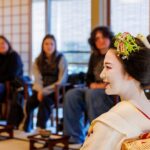
This tour is built around a simple idea: you shouldn’t have to “keep up” with a schedule to see Kyoto. Before you go, you fill out a questionnaire about your interests and personality. Then your host takes that input and shapes the route so it matches what you actually want—shrines, food, Geisha/Gion culture, gardens, or just wandering with good stories guiding the way.
You also get direct communication with your host, which matters more than it sounds. It’s the difference between following directions and getting tailored context: where to spend time, when to move, and what to skip if it doesn’t fit you. Multiple experiences in the feedback highlight this “listen first” approach—like a host building a route around what the group wanted to see, then adding useful follow-up tips after the tour so you can keep going confidently.
In practical terms, this means you’ll spend less time guessing and more time noticing. Kyoto is full of signs, gates, and poetic lanes, but the meaning isn’t always obvious at first glance. When a guide explains what you’re looking at (without rushing you through it), the city starts to click.
You can also read our reviews of more walking tours in Kyoto

Price, time, and what $64 buys you in Kyoto
At $64 per person, this is priced like a bargain relative to the value you get from a private host plus customization. You’re paying for more than walking alongside someone who points things out. You’re paying for a route designed around your pace, your interests, and the kind of day you want—whether that’s a tight 2-hour hit or a slower 6-hour exploration.
Duration is where the value shows. A 2–3 hour option tends to work best for “first contact” sightseeing—get your bearings, hit a handful of key stops, and learn how to navigate. A 4–6 hour walk is where Kyoto becomes more than highlights: you can fit in extra context, food time, and detours that keep the day from feeling like a sprint.
One key consideration for value: transportation isn’t included. Since it’s a walking tour, you’ll be moving on foot. If your route requires crossing between distant pockets, your host may suggest public transport or a taxi, and you’ll talk about costs after booking. That’s still often worth it because it lets you focus on the neighborhoods you want, not the ones that happen to be closest to your hotel.
Where you meet: central Kyoto pickup (and the Starbucks option)
You have two practical meeting paths:
- Hotel pickup can be arranged for central Kyoto hotels.
- If not, you meet at Starbucks Coffee – Kyoto Sanjo-ohashi Bridge.
I like clear, central meeting points in cities like Kyoto. It reduces the stress of “where exactly do we gather?” and it makes a smooth start. Also, Sanjo-ohashi is a familiar landmark area, which helps if you plan to jump into the rest of your day right after the tour.
For first-time visitors, this matters because Kyoto can feel confusing fast. Having a host who meets you centrally—and can then guide you on how to get around afterward—saves time and mental energy. In one experience, the guide even helped with train basics and getting-around support, which is exactly the kind of value that shows up later when you’re exploring on your own.
How your host builds the route: a realistic “walk flow” you can expect
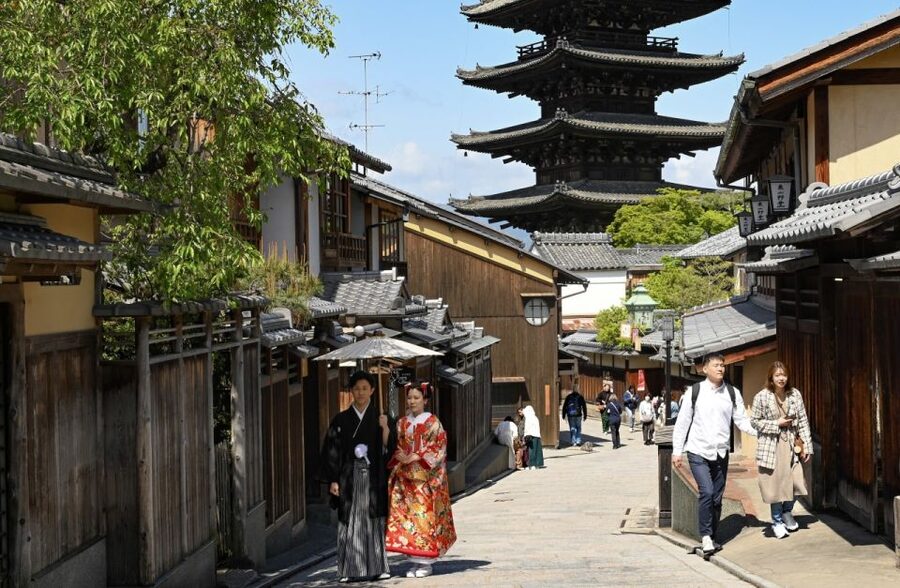
Kyoto is too big for a single perfect route, so the tour’s strength is that your host decides how to group areas. You might see ancient shrines, traditional streets, market life, and gardens—often in a way that avoids the worst crowd pinch points.
Here’s a practical way to think about how the walk can flow, with real examples that showed up in feedback:
Step 1: Start with your interests, then set the tone
Early on, your host steers the day. Some guides focus on culture and history through the places you’re seeing. Others start with food and then attach the cultural meaning to those stops. Either way, you’re not stuck watching from the sidelines—you’re walking and asking questions.
You can also read our reviews of more private tours in Kyoto
Step 2: Choose your “culture cluster” (shrines or temples)
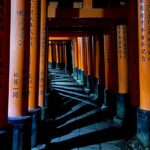
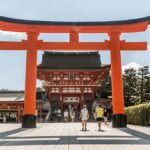
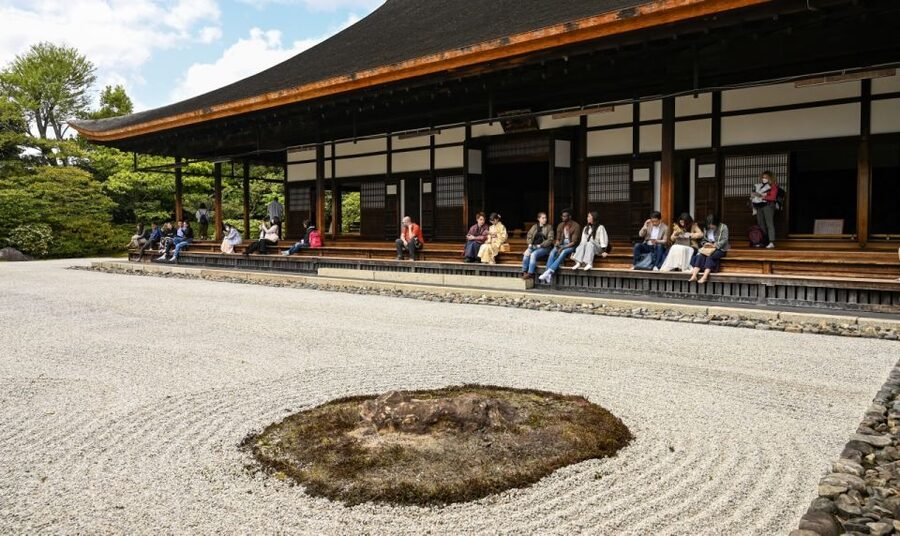
Many routes include shrine and temple time. One experience mentions visiting shrines as part of the plan, and another highlights Nanzenji with a tea moment. If you love atmosphere and quiet details, temple time often feels like Kyoto’s real volume knob—you slow down without being asked to.
Potential drawback: temples and shrines can involve more walking on uneven ground or steps. The tour is wheelchair accessible, but your exact route may still need gentle adjustments depending on your needs and the specific sites your host chooses.
Step 3: Add a garden or tea stop for Kyoto depth
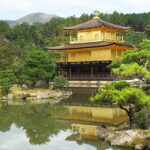
A garden stop can turn the day from sightseeing into understanding. One guide experience included Japanese garden storytelling and time at Nanzenji, plus matcha in a traditional tea room setting. If you like nature as design—ponds, bridges, seasonal views—this part is often the payoff.
Step 4: Lock in food with local pacing
This is where the tour often delivers the “I’m glad we did this” feeling. Food stops referenced include Nishiki Food Market, lunch recommendations, and even a tiny counter meal in someone’s home. Another host catered to dietary requirements, which is huge if you’re traveling with restrictions.
Potential drawback: food markets can be crowded, so timing and route order matter. A good host won’t just bring you there—they’ll help you experience it without losing an hour to slow-moving lines.
Step 5: Traditional streets and seasonal lanes (optional based on your timing)
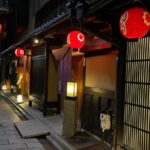
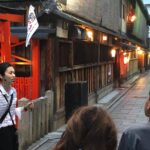
If you’re visiting during cherry blossom season, your route might include the Philosopher’s Path and Gion. Even outside blossoms, Gion can be a highlight because it feels like you’re walking inside Kyoto’s “old habits.”
This is also the zone where detours help. Off-the-beaten-path side streets showed up repeatedly in feedback, including routes with fewer crowds.
Step 6: Finish with a “what next” list
Many guides didn’t just end the tour and vanish. Feedback includes follow-up tips for additional temples, restaurants, and key spots. One guide even helped retrieve a lost cell phone during the tour—proof that good local support sometimes means more than sightseeing.
Temples, gardens, and matcha: where the day can feel calm and meaningful
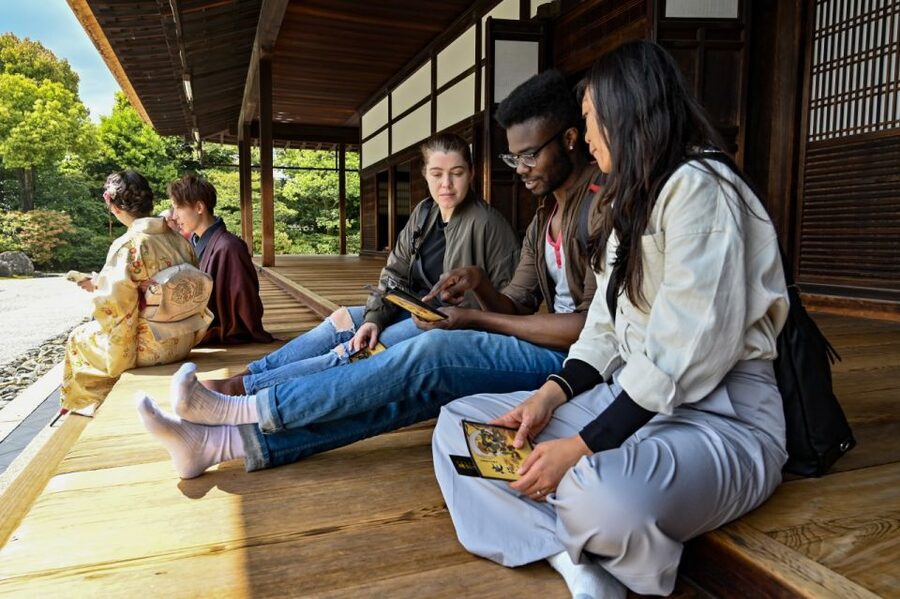
If you want Kyoto to slow you down, choose a route with at least one temple or garden stop. The feedback examples are clear: Nanzenji comes up in particular, paired with a tea moment. Matcha at a traditional tea room setting is one of those Kyoto experiences that’s hard to replicate on your own unless you’re already in the right place at the right time.
Garden-focused routes also show up with strong effect. One guide experience centered on Japanese garden storytelling, which is useful because gardens aren’t just pretty—they’re designed with paths, sightlines, and seasonal cues. When someone explains what you’re seeing, you stop treating the garden like a postcard and start seeing the logic behind it.
What to watch for:
- If you have limited time, prioritize one major garden/temple stop rather than scattering your attention across too many small sites.
- If you dislike walking on slopes or steps, tell your host early. Since you’re on a private route, adjustments are usually possible.
Food stops that actually taste local: Nishiki and lunch beyond the obvious
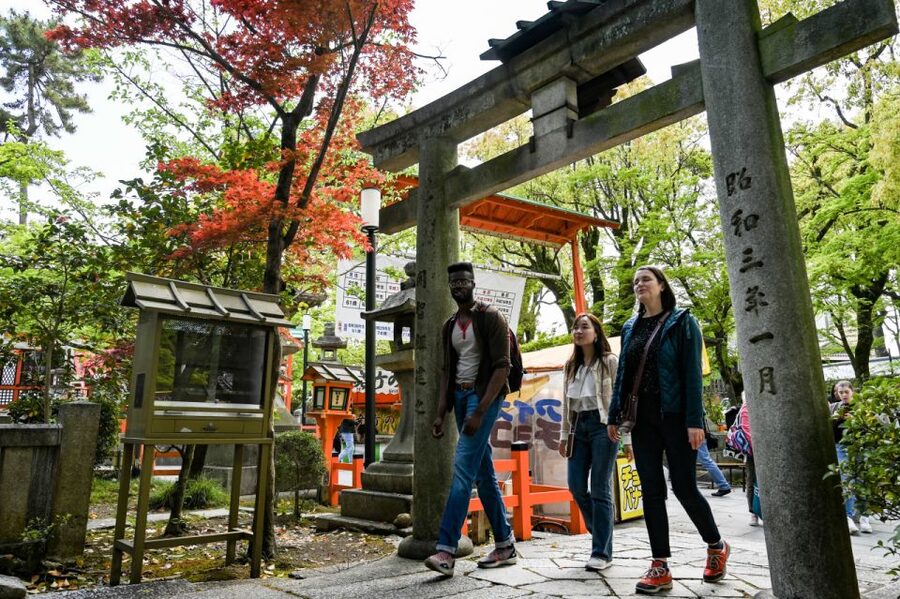
Kyoto’s food scene is one of the reasons people book walking tours in the first place. Here, the value is in the choices, not just the fact that food exists.
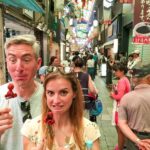
Nishiki Food Market is a standout example. Guides took guests there for a food-focused stroll, and the market experience can be excellent when it’s part of a thoughtful route instead of a random detour. If you like sampling and chatting about what you’re eating, a market stop works well.
Lunch is another place where your host can make or break the day. Feedback includes:
- a delicious lunch recommendation,
- a lunch that catered to dietary needs,
- and a meal experience at a tiny counter in someone’s home.
That last one is the type of “how did we end up here?” memory you can’t buy with a ticket. It’s also why private tours can be worth more than big-group options: the host has local instincts about where the day should go next.
One consideration: lunch isn’t included, so you’ll want to budget for it. The good news is that your host’s recommendations can prevent costly missteps—like picking a place that’s convenient but not special, or ordering something that doesn’t match your preferences.
Gion, Philosopher’s Path, and the art of avoiding crowd chaos
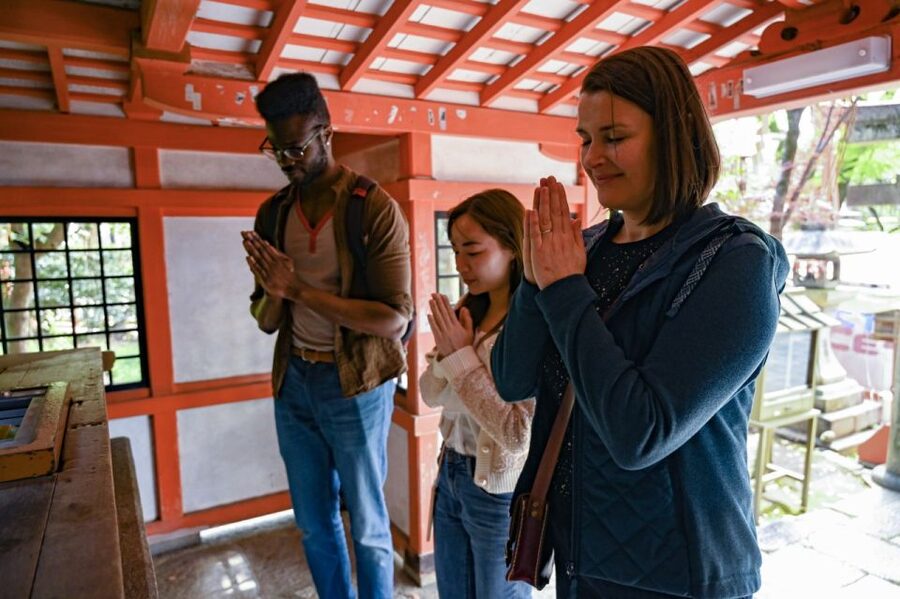
Gion is often on your list, but the difference is whether you feel like you’re looking at Kyoto—or actually walking through it. Guides referenced in feedback helped guests experience Gion in a way that felt personal, including routes tied to cherry blossoms along the Philosopher’s Path.
What I like about this style of routing: it’s not only about iconic photos. Multiple guide experiences mention going off the beaten path and avoiding crowds. That’s the secret sauce in Kyoto. If you hit the popular lanes at the wrong time, you’ll spend your energy fighting elbows instead of noticing details.
A good host also helps you time your day. Even when you can’t control crowds completely, you can control your exposure. That might mean adjusting the order of stops, adding side streets, or choosing a quieter pocket first.
Finally, if you’re traveling with kids, one guide example mentioned helping cheer up a grumpy kid so the whole group could enjoy the day. If you’re a solo traveler, another advantage is getting basic cultural and practical support early—one experience mentioned helping someone feel more prepared culturally and with society-day-to-day planning.
Should you book this private Kyoto walking tour?
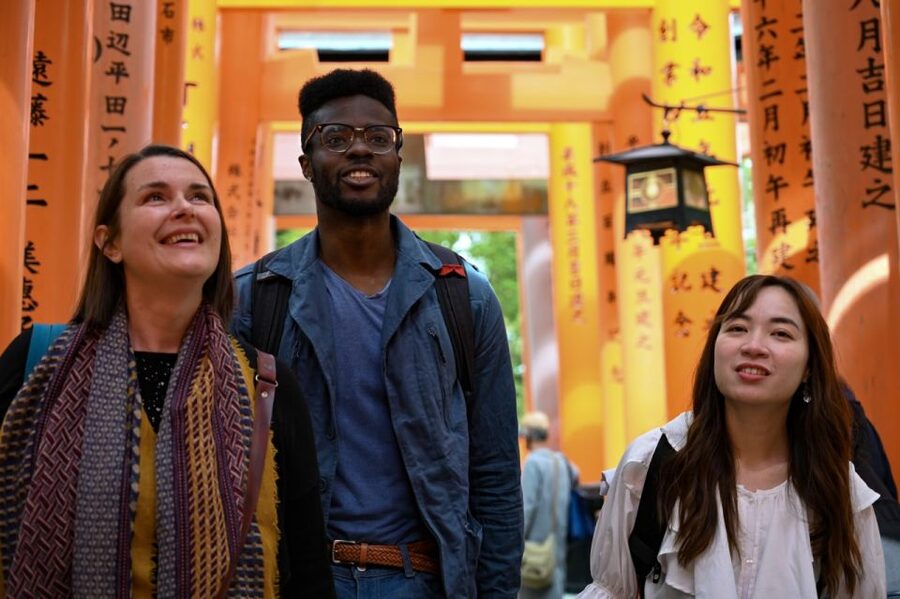
Book it if you want Kyoto to feel tailored, not templated. It’s a strong choice for:
- first-time visitors who want quick orientation plus local insight,
- travelers with specific interests (food, temples, gardens, Geisha-era culture),
- and anyone who values flexibility over speed.
Skip (or at least think twice) if you hate walking or you expect your day to be mostly “sit and watch.” Since it’s a walking tour, the city will be on your feet. Also, if your itinerary is far-reaching across Kyoto, budget for possible transit or taxi costs your host may recommend between sites.
My bottom line: for $64 per person, the best value is the combination of private hosting + customized planning + real food and side-street choices. If you want Kyoto with a human, this is one of the more practical ways to get it.
FAQ
How long is the Kyoto private walking tour?
It runs for 2 to 6 hours, and you can choose your preferred duration when booking.
Is this tour private?
Yes. It’s a private group walking tour.
How does the tour get customized to my interests?
You complete a pre-tour questionnaire, and a like-minded host is assigned based on your responses. You’ll also communicate directly with your host to plan the itinerary and recommendations.
Where do we meet if we don’t get hotel pickup?
You’ll meet at Starbucks Coffee – Kyoto Sanjo-ohashi Bridge (central Kyoto).
Can I get hotel pickup?
Yes—hotel pickup can be arranged for central Kyoto hotels. If not, you’ll meet at the central Starbucks location.
Are meals and attraction tickets included?
No. Food, drinks, and attraction tickets are not included. Your host can suggest where to eat.
Is transportation included?
No. It’s a walking tour, and public transport or local taxis may be used between sites. Any transportation costs can be discussed with your host after your reservation is finalized.
What languages are the guides?
The tour guide language options are English and Japanese.
What’s the cancellation and payment flexibility?
There is free cancellation up to 24 hours in advance for a full refund, and you can reserve now and pay later (pay nothing today).