REVIEW · BUDAPEST
Alternative Budapest Walking Tour
Book on GetYourGuide →Operated by Absolute Tours · Bookable on GetYourGuide
Budapest has a street-art secret route. This Alternative Budapest Walking Tour is built for people who want the city’s present-day creative energy, not another checklist of postcard stops. You’ll move between Buda and Pest, track down murals and graffiti culture, and step into pockets of the city where music, fashion, design shops, and ruin bars live side by side.
Two things I really like: first, the small group size (max 10) keeps the pace human, and you get real chances to ask questions as you walk. Second, you’re not just looking at art on walls—you’re learning how local graffiti writers and street artists fit into Budapest’s changing neighborhoods, especially around the Jewish district.
One thing to consider: it’s not a cheap splurge, and one past guest felt it was slightly overpriced. Also, since food and drinks aren’t included, you’ll likely want to add a coffee or beer stop on your own when the route offers them.
In This Review
- Key Things That Make This Walk Worth It
- Street Art Isn’t the Point. The City Is.
- Where You Start at the Lutheran Church Steps
- How the Tour Keeps You Moving Without Feeling Rushed
- The Alternative Route: Jewish District, Squats, and Creative Hangouts
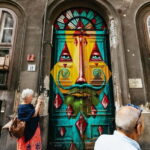
- Street Art Stops: What You Should Look For
- Ruin Bars and Community Nightlife: Not Just Alcohol
- Coffee, Design Shops, and Art Spaces You’d Walk Past
- Live Music and Venue-Style Stops (Including the A38 Idea)
- Buda and Pest, but With a Point of View
- Guide Quality: Why This Tour Feels Personal
- Price and Value: Is $67 Fair for 2.5 Hours?
- Small-Group Comfort Notes You Shouldn’t Skip
- Who Should Book This Alternative Budapest Tour?
- Quick Guide to Getting the Most Out of the Walk
- Should You Book This Alternative Budapest Tour?
- FAQ
- How long is the Alternative Budapest Walking Tour?
- How big is the group?
- What’s included in the price?
- Are entrance fees included?
- Is pickup or drop-off included?
- Are food and beverages included?
- Where do we meet the guide?
- What language is the tour in?
- Is the tour accessible for wheelchair users or people with mobility impairments?
- FAQ
- Can I get a full refund if I cancel?
- What should I bring for the tour?
Key Things That Make This Walk Worth It
- Small-group format (10 max) means more back-and-forth, not a lecture from 20 feet away
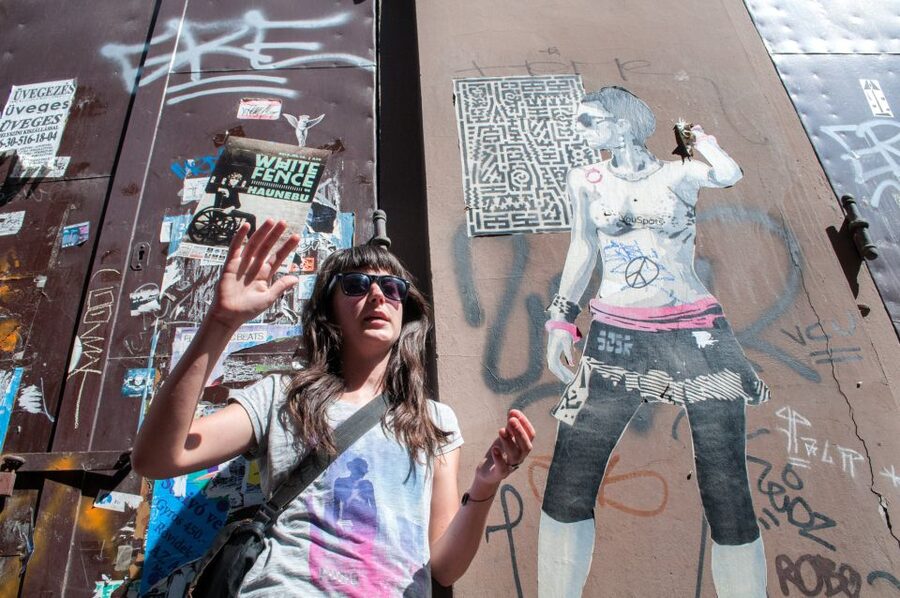
- Street art and alternative culture, with context on the people behind the murals and graffiti
- Buda + Pest coverage so you get a fuller sense of where the scene is growing
- Ruin bars, galleries, and creative shops you’d miss on a standard itinerary
- Local, up-to-date guidance for what to do after the tour, not just what you saw that day
Street Art Isn’t the Point. The City Is.
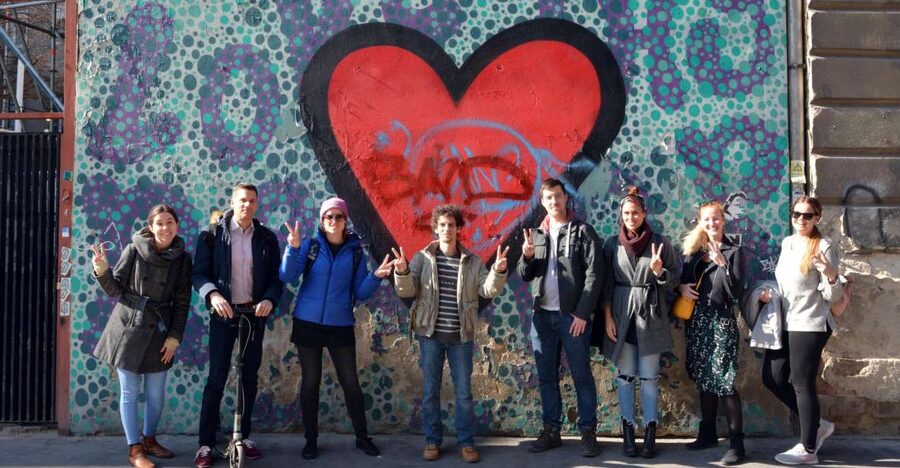
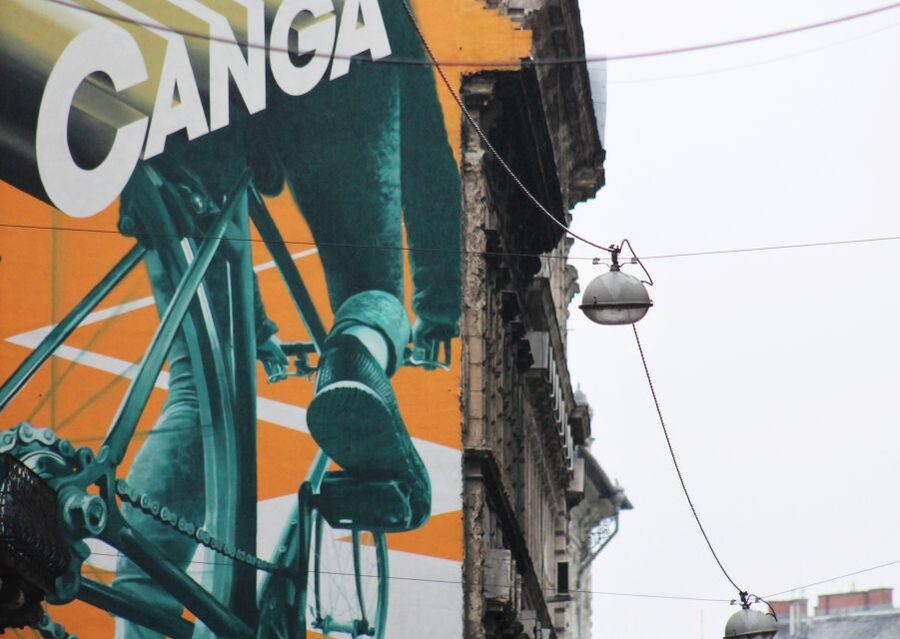
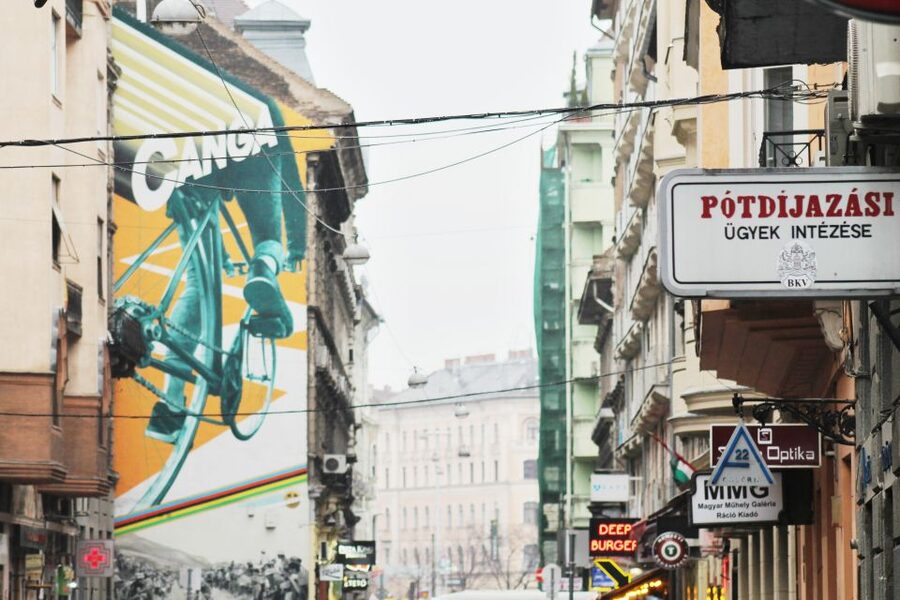
What makes this tour work is the framing. Street art is the hook, but the goal is to show you how Budapest’s alternative culture actually functions day-to-day. Instead of only talking about what the city used to be, you’re guided through places that reflect what’s happening now—and what’s next.
You’ll likely spend time in the Jewish district area, where the creative scene has grown fast. Think of it like a similar shift people talk about in other European cities: the parts that were ignored or left behind become the places people chase for art, late nights, and experimental community spaces.
I also like that the tour treats street art as local culture, not a souvenir. You’re meant to understand the street-art community: the writers, the styles, and how the neighborhood supports it.
You can also read our reviews of more walking tours in Budapest

Where You Start at the Lutheran Church Steps
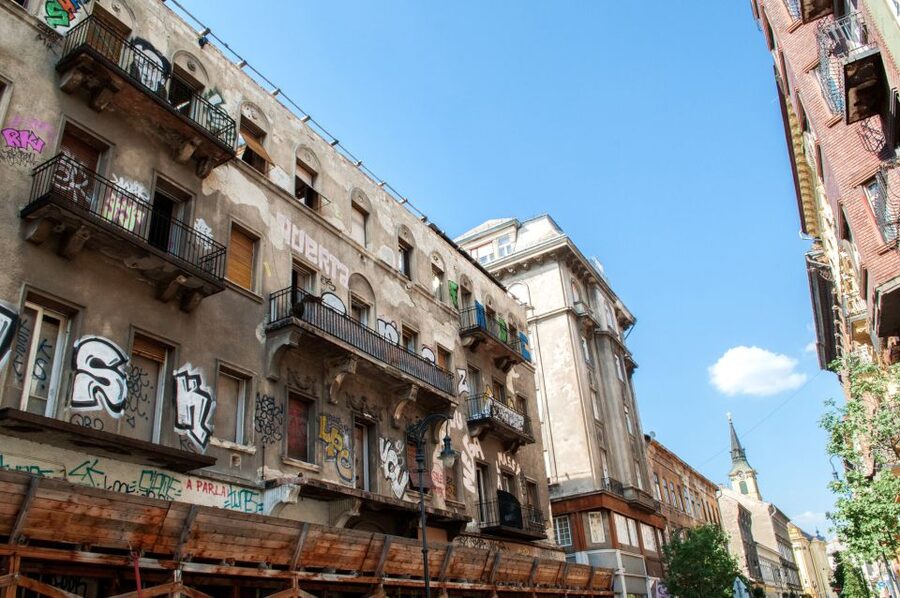
The meeting point is the Lutheran Church (pale yellow). You meet your guide in front of the church, right on the steps. It’s a straightforward start, but if you’re the type who hates standing around wondering who the guide is, do yourself a favor: arrive a few minutes early and look for the guide first, not the church’s name second.
If locating your guide is an issue, you can call the local partner for help. That matters more than you’d think because this is a walking tour, and getting separated early can throw off the whole rhythm.
How the Tour Keeps You Moving Without Feeling Rushed
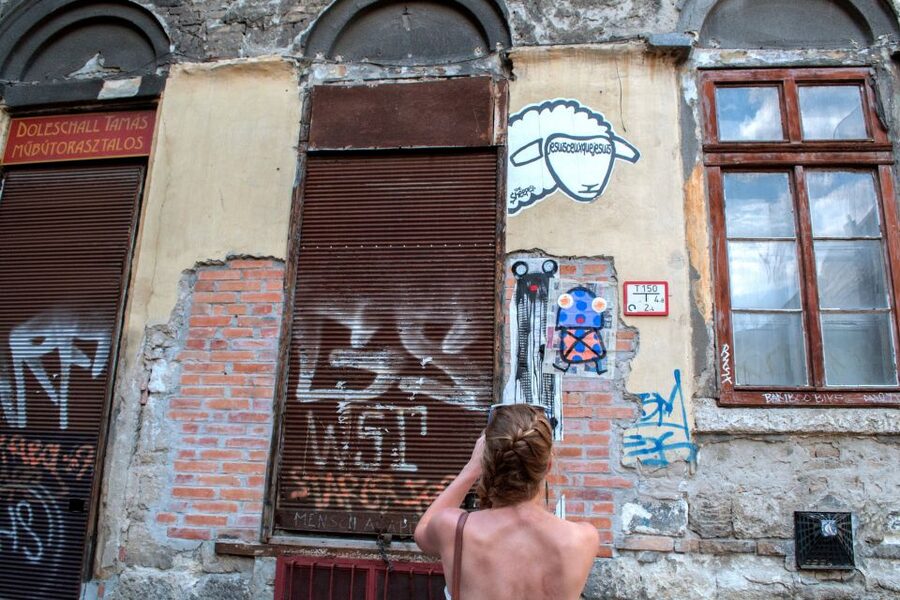
This walk runs about 2.5 hours, though some descriptions call it roughly 3 hours. Either way, the time is long enough to make several neighborhood stops, but not so long that you end up exhausted and numb to details.
The most practical part: it’s a walking tour on foot, with you wearing comfortable shoes and layers you can adjust as weather changes. You’ll want to dress for the day, not for a forecast snapshot—Budapest can be cold, windy, or show up with rain when you least expect it.
Because the group is small, the guide can slow down when someone asks a good question. That’s one of the biggest differences between this and the big-bus style of sightseeing.
The Alternative Route: Jewish District, Squats, and Creative Hangouts
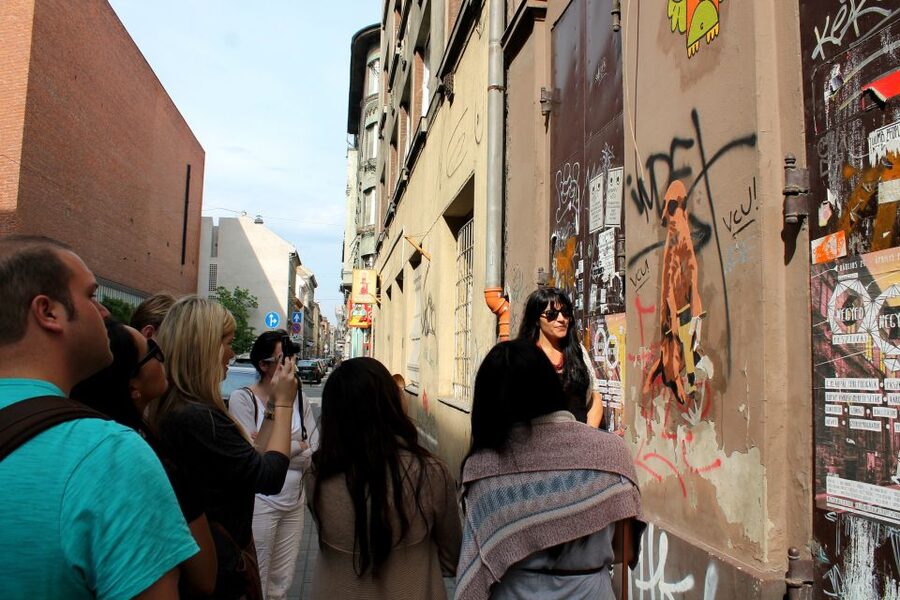
A key promise of this tour is that you’ll get off the usual tourist path. Instead of bouncing only around famous landmarks, you’ll head toward areas where alternative culture is building momentum. The Jewish district is central to the story, and it’s where the tour spends a lot of its energy.
What you might encounter along the way includes:
- places connected to squats and cultural centers
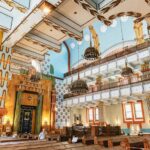
- sites tied to abandoned synagogues
- art galleries operating in spaces that don’t fit the typical museum model
- hangouts that blend community and nightlife, like ruin bars
Even when you don’t get a lot of time at each stop, the guide’s job is to connect what you’re seeing to the bigger change in the neighborhood. That’s why this works best early in your trip: it gives you a mental map of where creative Budapest happens.
Street Art Stops: What You Should Look For
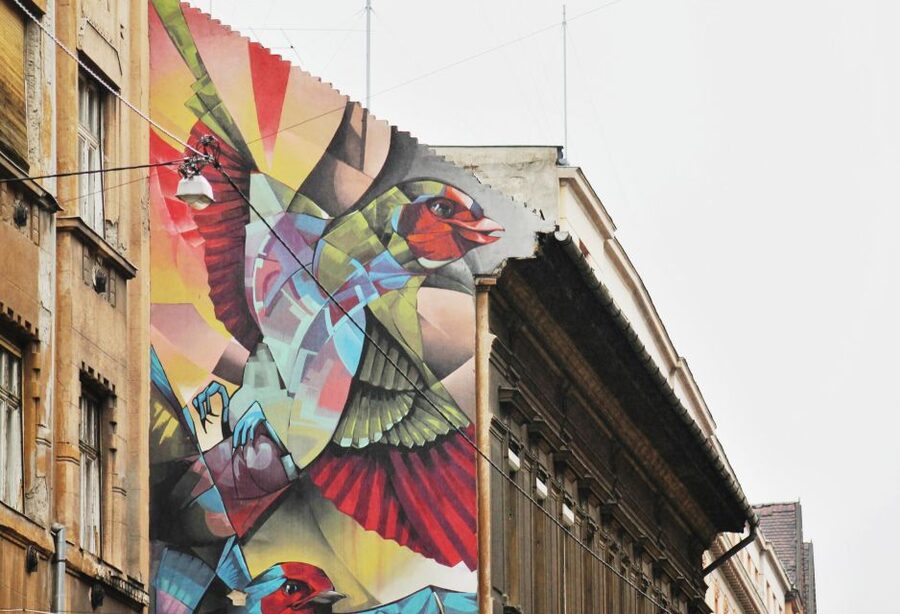
Street art tours can turn into fast pointing: mural there, tag here, end of story. This one is different because it explains the culture behind the walls.
As you walk, pay attention to:
- how murals sit in the street fabric (not just on isolated walls)
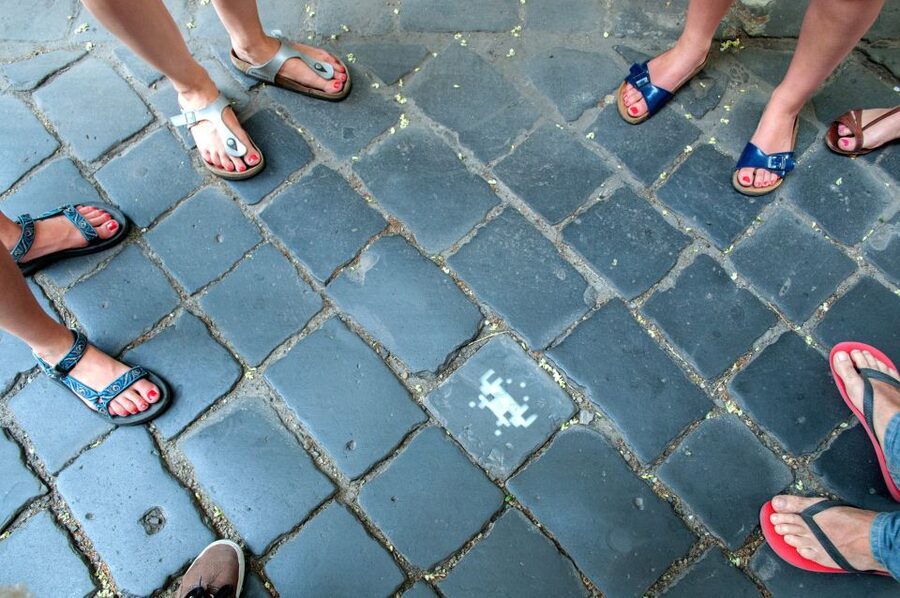
- symbols or styles that show up repeatedly in the same area
- how the guide talks about graffiti writers as part of local identity, not vandalism-as-a-plot-twist
If you’ve never cared about street art before, you’ll still get something out of this. The stories make it easier to read Budapest like a living city: layers on layers, and new voices showing up as the neighborhood changes.





Ruin Bars and Community Nightlife: Not Just Alcohol
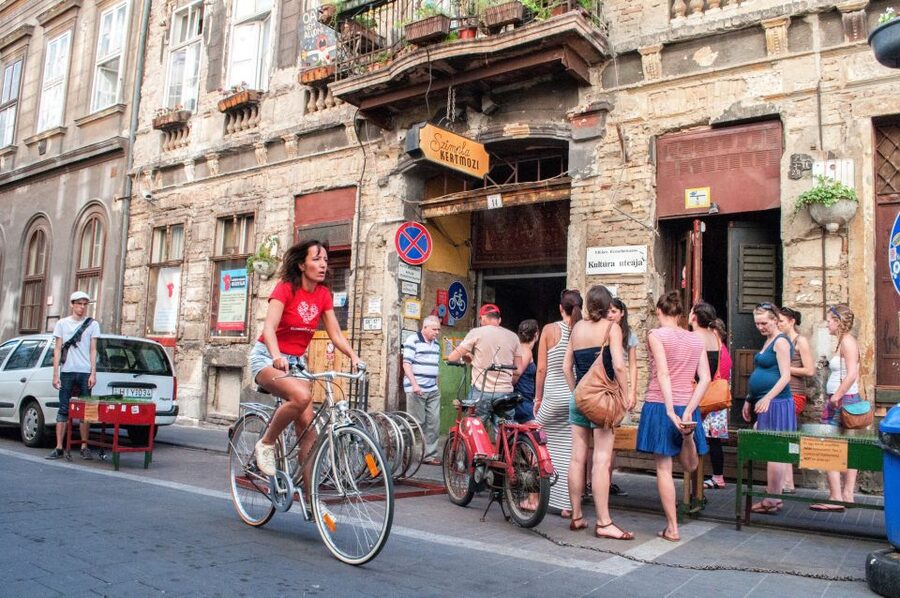
Ruin bars are often described like a novelty, but this tour treats them as cultural infrastructure. You may stop at at least one ruin bar, and one name comes up again and again: Szimpla Kert. It’s the kind of place where the rooms feel like they’re built from mismatched objects and old-world improvisation, and it’s exactly the sort of setting where alternative culture can breathe.
Other ruin-bar and community-space themes show up too, like community centers that also act as social hubs. The bigger point isn’t drinking. It’s how the city reuses space, rebuilds community, and turns leftover structures into meeting points for artsy crowds.
If you enjoy live music, you’re also in the right category of tour. The tour framework includes stops tied to music venues, underground sounds, and places that feel more like local scenes than planned entertainment.
Coffee, Design Shops, and Art Spaces You’d Walk Past
This tour doesn’t only chase night-life stops. It also has a daytime-friendly side built around art spaces and design stores.
In practice, that can mean:
- an art-and-coffee collective where you can take a breather
- a design or eco-themed shop that mixes creativity with everyday life
- book-and-café style places where people linger
- analogue photography spaces, where the focus feels old-school and hands-on
One specific shop name that shows up in past experiences is Printa, described as an eco design shop where the coffee stop is part of the route. Another named landmark from earlier walks is the bookshop café style stop that pairs local reading culture with a place to sit and talk.
These pauses matter. They turn the tour from a sprint into something you can absorb. And they also give you time to ask follow-up questions when you’re no longer concentrating on street navigation.
Live Music and Venue-Style Stops (Including the A38 Idea)
Budapest’s alternative culture isn’t only on walls; it’s in sound. Some versions of the route include venue stops, and one venue name that appears in the experience history is A38, the ship-turned-bar/venue concept (often mentioned with a sound check). You may not catch a sound check every time, but you’ll get the logic: the city’s creative scenes are tightly connected to spaces built for performance.
If you’re the type who wants a night plan after sightseeing, this tour gives you leads that actually match what you care about—street art people don’t always overlap with museum people, and this tour respects that.
Buda and Pest, but With a Point of View
Many Budapest tours treat Buda as a separate world and Pest as the main stage. This one tries to connect the dots between the two, showing how the alternative scene shifts across the river and through neighborhoods.
That’s why it’s helpful that the walk is “ever-changing.” The alternative scene moves, new art appears, old spaces change hands, and the guide’s job is to react to what’s currently alive—not what was popular five years ago.
If you like places with layers of meaning—where the architecture, the street art, and the nightlife all feel like they’re answering the same question—this style of route will click.
Guide Quality: Why This Tour Feels Personal
This is one of the most consistent reasons people rate the tour so highly: the guides bring strong local context and stay engaged.
Past guides you might encounter include names like Petra, Raymond (Ray), Krisztián, Anna, Zsophia, Lauren, and Bogata. The details vary by guide, but the pattern is the same: you get explanations that connect art and neighborhoods to real social history, plus time for questions.
In particular, one standout theme is flexibility. When you’re in a small group, the guide can adjust the pace and spend more time where your interests overlap—street art vs. music vs. Jewish district history vs. ruin bar culture.
That’s also why doing this tour earlier helps. Once you understand the city’s alternative logic, it’s much easier to choose where to wander afterward.
Price and Value: Is $67 Fair for 2.5 Hours?
At $67 per person for around 2.5 hours (sometimes described closer to 3), you’re paying for three things:
- a guide who knows the local culture behind the visuals
- time in specific neighborhoods you’d probably skip on your own
- a small-group experience that doesn’t chew through questions
One past guest thought it was slightly overpriced, and that’s a reasonable reaction if you’re comparing it to a broad, big-name walking tour. But if you care about Budapest today—street art, Jewish district changes, ruin bar culture, and live music spaces—this tour’s price starts to make sense.
Also, you should budget for optional spending. Since food and beverages aren’t included, your personal cost will rise if you add a coffee or beer at the stops.
Bottom line: if you like cities that reward curiosity, $67 feels more fair. If you just want photos of the famous sights fast, you’ll feel the cost more.
Small-Group Comfort Notes You Shouldn’t Skip
This tour is not suitable for people with mobility impairments or wheelchair users. It’s a walking route, and the neighborhood style includes uneven streets and lots of time on foot.
If you’re fine walking, bring:
- comfortable shoes
- comfortable clothes
- weather-appropriate layers
And plan for limited sitting time. There are stops where you can pause, but it’s still a walking experience.
Who Should Book This Alternative Budapest Tour?
Book it if you:
- want street art and alternative culture with local context
- enjoy Jewish district history tied to how neighborhoods evolve
- like ruin bars and music scenes as part of the city’s everyday identity
- prefer small groups and real conversation while you travel
You might skip it if you:
- only want major landmark sightseeing
- dislike walking for 2.5 hours
- need a fully accessible route
This is also a great choice if you’re traveling with friends and want something that feels less scripted. The tour’s format naturally sparks conversation.
Quick Guide to Getting the Most Out of the Walk
To maximize the value, go in with a couple of questions ready. For example:
- What parts of the alternative scene are changing fastest right now?
- Where should I go tonight that fits this vibe?
- How do the street artists and graffiti writers fit into the neighborhood story?
Your guide’s “brain pick” promise is real here: the goal is to give you up-to-date info for the rest of your stay, so you don’t leave with a pile of photos and no plan.
Should You Book This Alternative Budapest Tour?
I’d book it if your Budapest trip includes curiosity. This is one of those tours that helps you read the city as it is, not just how it’s sold. The small group size, the street-art culture explanations, and the mix of ruin bars, art spaces, and neighborhood history make it feel like a guided route into real local life.
But be honest about your priorities. If you want the classic sights only, this tour won’t replace them. If you want Budapest’s contemporary edge, it’s a strong use of a half day—especially early, when the recommendations you learn can shape the rest of your trip.
FAQ
How long is the Alternative Budapest Walking Tour?
The duration is listed as 2.5 hours.
How big is the group?
It’s a small group limited to 10 participants.
What’s included in the price?
The walking tour and a professional guide are included.
Are entrance fees included?
No. Entrance fees are not included.
Is pickup or drop-off included?
No. Pick up and drop off are not included.
Are food and beverages included?
No. Food and beverages are not included.
Where do we meet the guide?
Meet your guide in front of the Lutheran Church (pale yellow), on the church steps.
What language is the tour in?
The live tour guide is in English.
Is the tour accessible for wheelchair users or people with mobility impairments?
No. It’s not suitable for people with mobility impairments or wheelchair users.
FAQ
Can I get a full refund if I cancel?
Yes, there is free cancellation up to 24 hours in advance for a full refund.
What should I bring for the tour?
Bring comfortable shoes and comfortable, weather-appropriate clothing.