REVIEW · KYOTO
Kyoto Customized Private Tour: See Top Attractions in 1 Day
Book on Viator →Operated by Japan Wonder Travel · Bookable on Viator
One day, three Kyoto moods. This private, customizable tour helps you hit major highlights like Kinkaku-ji and Fushimi Inari while still steering toward what you actually want to see.
I love that you plan your route with your guide at the start, choosing classic stops such as Golden Pavilion, Fushimi Inari, Kiyomizu-dera, and Gion—or swapping in quieter textures like the Philosopher’s Path or Nanzen-ji. I also like the pickup and drop-off options built around Kyoto Station area (Kyo-Navi), so you’re not burning your energy on figuring out transfers. Guides like Hiro and Saeko are praised for shaping the day around your pace, even when mobility or timing gets tricky.
One possible drawback: the tour price covers guide service, but entrance fees and transportation (plus lunch) are not included. If you cram too many paid sites into the shorter window, you may feel time pressure.
In This Review
- Key things that make this tour worth your time
- How a one-day Kyoto plan stays flexible (and still hits the classics)
- Meeting at Kyo-Navi and using pickup to save energy
- Price and logistics: what $132.65 per person really buys
- Kinkaku-ji (Golden Pavilion): the first stop that sets the tone
- Fushimi Inari-taisha and its torii-gate rhythm
- Ryoan-ji’s zen garden: 30 minutes of focus
- Arashiyama Bamboo Forest Street and the art of respectful sightseeing
- Gion and Kiyomizu-dera: old Kyoto, then big views
- Nishiki Market for snacks and shopping (Kyoto’s kitchen)
- Nijo Castle: samurai power you can walk through
- Optional stops that let you build your own Kyoto personality
- Where the best guides add the most value (names to watch for)
- Who should book this private Kyoto day tour
- Should you book this Kyoto customized private tour?
- FAQ
- What’s the duration of the Kyoto customized private tour?
- Is this a private tour?
- Can I customize the itinerary?
- Are entrance fees included?
- Are transportation fees included?
- Is lunch included?
- Does the tour include pickup?
- Where does the tour start?
- Does it run in bad weather?
- What’s the cancellation policy?
Key things that make this tour worth your time
- Customize the route to your mood: half-day typically picks 2–3 spots; full-day adds 3–4.
- Guided navigation reduces Kyoto stress: fewer wrong turns and better timing between areas.
- Big icons plus neighborhood atmosphere: shrines, temples, markets, and areas like Gion.
- Great for first-time Kyoto: you can check the famous boxes without feeling like you’re sprinting solo.
- Rain or shine, plan stays moving: the tour runs even in wet weather.
- Value depends on your choices: you’ll add costs for entrance/transport/lunch, so choose stops that match your budget.
How a one-day Kyoto plan stays flexible (and still hits the classics)
This is a private tour, so it’s just your group. That matters in Kyoto, where walking routes and crowd levels can change hour to hour. The big idea here is simple: you choose the shape of your day, and your guide helps you connect the dots efficiently.
You can go half-day or full-day. In the shorter format, you’ll usually select 2–3 places—perfect if you want a deep look at just a couple of icons. In a full-day plan, you’ll usually choose 3–4 spots, which is the sweet spot for mixing the “must-see” temples with at least one living neighborhood (Gion and/or Nishiki Market show up often).
Your guide starts with a prearranged time, then talks through what you’re into. Food focus? You can steer toward Nishiki Market. Architecture fan? You can pull in Kyoto Station vibes or temples with standout structures. If you want the calmer side of Kyoto, you can build in routes like Philosopher’s Path.
You can also read our reviews of more private tours in Kyoto
Meeting at Kyo-Navi and using pickup to save energy
The tour meeting point is Kyoto Tourist Information Center Kyo-Navi, inside the Kyoto Station building (2nd floor). It’s a smart starting location because you’re already in the part of Kyoto that’s easiest to reach from trains.
Pickup is offered, and drop-off is included. Your tour typically ends back at your meeting point, though drop-off at your preferred location is described as part of the experience. Either way, the goal is to keep you from spending a chunk of your day just traveling between sights.
One practical thing I love about this setup: Kyoto Station area is where you can reset fast—bathroom break, grab water/snacks, and regroup before heading into the older districts.
Price and logistics: what $132.65 per person really buys
At $132.65 per person, you’re paying for private guide time plus a structured route that you can personalize. You’re not paying for every cost related to sightseeing.
Here’s what’s explicitly not included: entrance fees, transportation fees, and lunch (for you and the guide). That doesn’t make the tour “cheap” or “expensive” by itself. It just means your total day cost will depend on which sites you pick.
To judge value well, think like this:
- If you choose several temples and castles that require admission, your day will cost more, but you’re also buying back time and coordination.
- If you choose more free areas (like Fushimi Inari and sections of historic streets), you can keep costs lower while still getting guided context.
- If lunch is important to you, plan it yourself or budget for it separately, because it’s not covered.
Also worth noting: this tour is very popular and rated high overall, which usually points to consistently good guide quality and smooth day flow. Just remember that in a private, time-limited day, pacing still depends on how many stops you request.
Kinkaku-ji (Golden Pavilion): the first stop that sets the tone
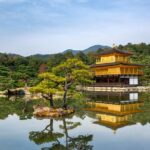
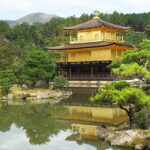
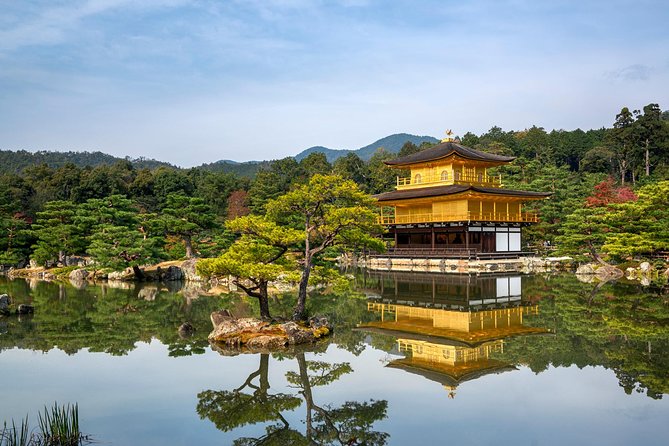
Kinkaku-ji is one of those Kyoto sights that grabs you even before you understand it. You’ll spend about 30 minutes here, and admission isn’t included.
What your guide adds is context. Instead of you just taking photos of a “pretty building,” you’ll get help connecting what you’re seeing to why it matters. Guides also help with timing and movement so you don’t feel stuck watching the same view from the same spot while crowds press in.
Practical tip: bring comfortable walking shoes. Even though the visit is timed, you’re still moving through approach areas and viewing zones. If you’re the type who likes to linger for photos, tell your guide early—you’ll want the plan to reflect that.
Fushimi Inari-taisha and its torii-gate rhythm
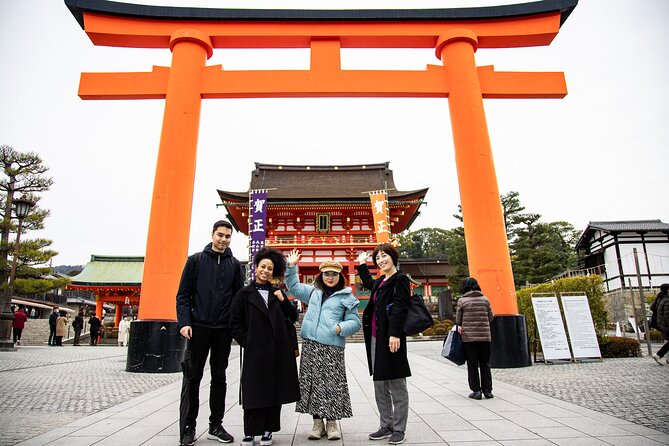
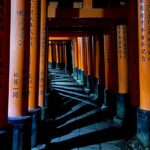
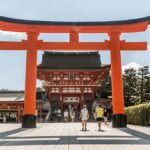
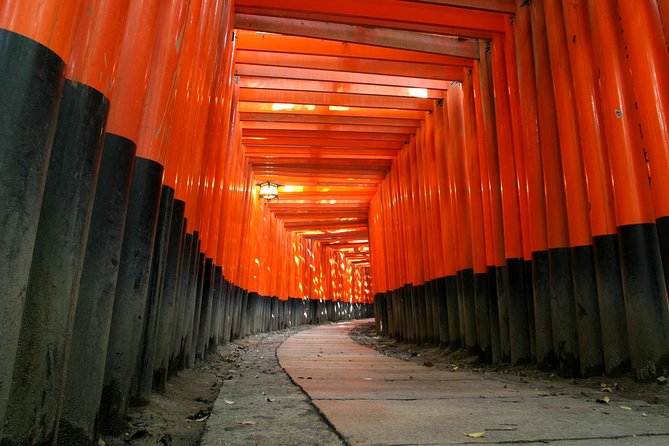
Fushimi Inari is famous for a reason: thousands of torii gates create a visual “ladder” into the hills. You’ll typically spend around 45 minutes here, and admission is free.
The value of a guided stop is learning how to read the shrine properly. You’ll get the story behind Inari and why the torii gates matter, plus practical guidance on how to pace the climb. You can treat it like a quick “walk-through” if you’re short on energy, or go farther if you want a bigger sense of the path.
One thing to keep in mind: it’s a busy place. A guide helps you move without feeling like you’re dodging the same bottlenecks all day.

Ryoan-ji’s zen garden: 30 minutes of focus
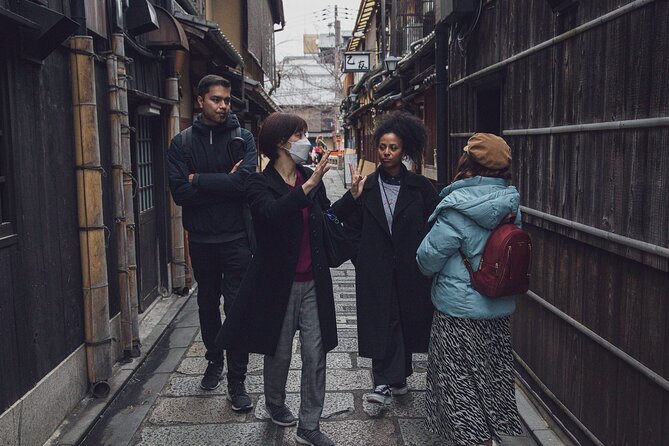
Ryoan-ji is timed at about 30 minutes, and admission isn’t included. This is where Kyoto slows down mentally.
The highlight here is the dry landscape garden—famous worldwide. One detail you can tuck into your memory: it’s the garden that Queen Elizabeth II praised. That kind of international spotlight makes the visit feel extra meaningful, but you’ll still need to slow your eyes down and let the layout do its work.
If you’re a person who likes quiet stops, pair this with a louder area later (like Gion). If your pace is fast, ask your guide for the best viewing rhythm so you don’t feel rushed.
Arashiyama Bamboo Forest Street and the art of respectful sightseeing
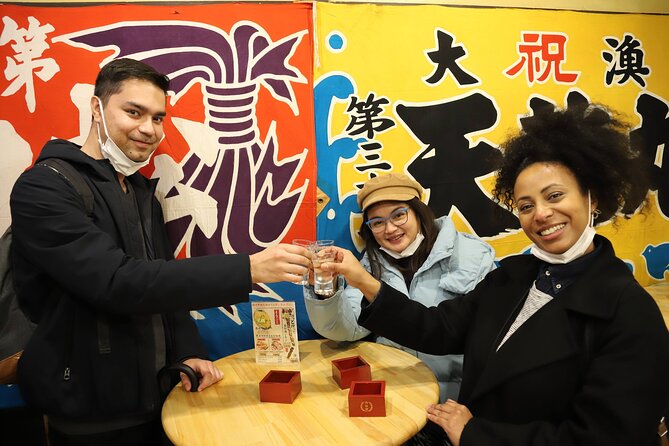
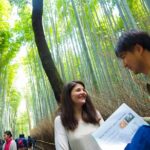
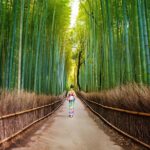
The Bamboo Grove (Arashiyama Bamboo Forest Street) is planned for about 45 minutes and the stop is free. You’ll walk through a corridor of tall bamboo stalks that visually changes as you move.
This is also a good place to practice good etiquette. Don’t stop in the middle of the path for long photo sessions, and keep your voice down. Your guide can help you find spots to look and photograph without blocking others.
If you want variety, it’s a great pairing with Ryoan-ji. One feels structured and open to interpretation; the other feels like a vertical tunnel of movement.
Gion and Kiyomizu-dera: old Kyoto, then big views
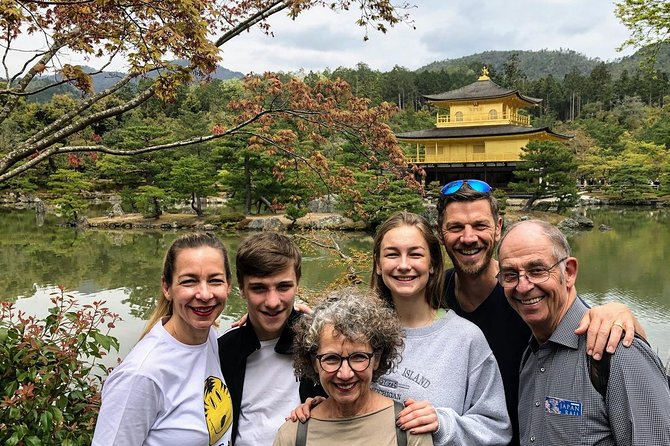
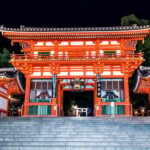
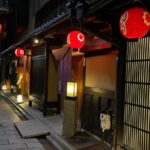
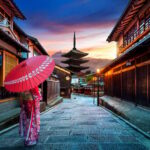
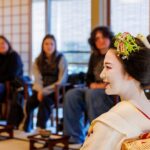
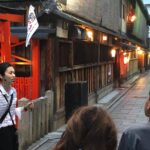
Gion is scheduled for around 30 minutes and is free. You’ll see the historic machiya-style neighborhoods and the area tied to geisha culture. Your guide can explain what you’re seeing, how the district works, and what to do (and avoid) so your photos and behavior feel respectful.
Kiyomizu-dera is next on many routes and is timed at about 30 minutes, with admission not included. This temple is known for standout architecture and panoramic views from its grounds. Even if you’re not a “temple person,” the location and viewpoint tend to convert people.
Then there’s the built-in “Kyoto streets” add-on: Sannenzaka and Ninenzaka. Those lanes are timed for about 45 minutes and are free, and they’re lined with traditional wooden houses, tea shops, and souvenir stalls.
Practical note: this part of the day is often where you’ll want to buy small snacks or browse—but lunch isn’t included, so plan what you want to eat with your guide’s help.
Nishiki Market for snacks and shopping (Kyoto’s kitchen)
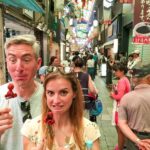
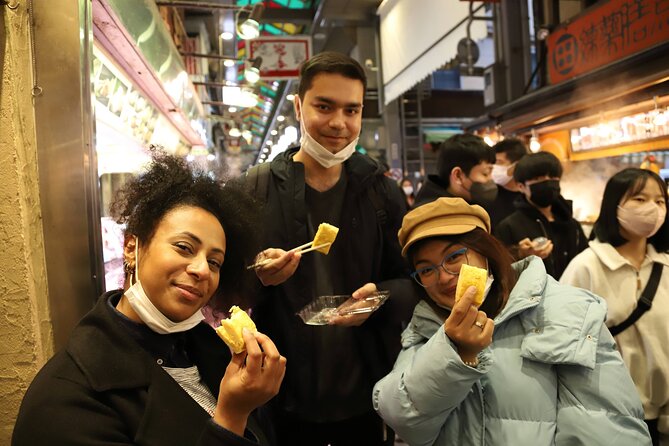
Nishiki Market is one of the best places in Kyoto to turn sightseeing into something edible. You’ll have about 45 minutes here, and the stop is free.
Expect a dense mix of food stalls and traditional goods—often described as Kyoto’s kitchen. This is a great break point mid-tour because it’s active, but it’s also easy to sample small items without committing to a full meal.
If you’re traveling with dietary restrictions, you’ll be glad you’re in a guided format. Your guide can help you figure out what’s offered and where to go next once you’ve had your fill.
Nijo Castle: samurai power you can walk through
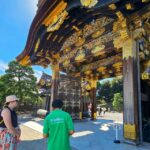
Nijo Castle takes about 45 minutes, and admission isn’t included. It’s famous for its artworks and gold leaf ceilings.
This is one of Kyoto’s history-heavy stops, and it works best if you like physical settings—rooms, corridors, and how design communicates status. A good guide helps you look beyond “cool interior” and notice why the castle is built the way it is.
If you’re worried about museum fatigue, ask your guide to keep the story points tight and focus on the must-see spaces.
Optional stops that let you build your own Kyoto personality
The tour doesn’t force every classic stop. It lists additional add-ons you can select based on your interests and time.
Commonly considered add-ons include:
- Tenryu-ji Temple: a Zen temple tied to UNESCO recognition, scheduled as a very brief stop (timed at about 1 minute in the outline) with admission not included.
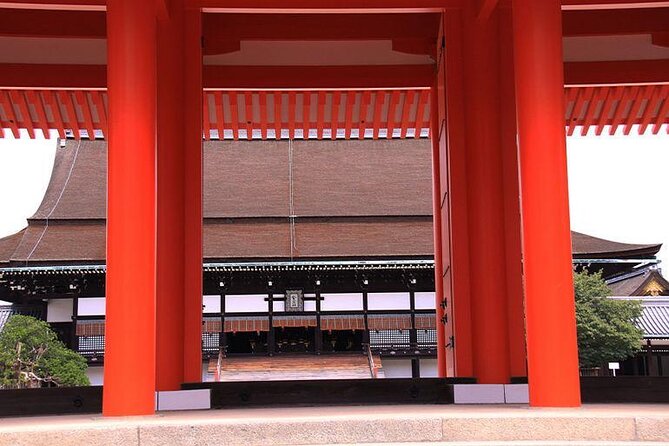
- Kyoto Imperial Palace: a short stop (timed at about 1 minute) described as free.
- The Philosopher’s Path: a scenic canal-side walk roughly 2 kilometers long near Ginkaku-ji (Silver Pavilion). This one can be a great choice if you want a calmer, stroll-friendly pace.
- Nanzen-ji Temple: described as a major Zen temple in the Rinzai tradition, with admission not included.
- Ginkaku-ji (Silver Pavilion): also a Zen temple with elegant gardens, with admission not included.
There’s also a mention of Pontocho, a dining district along the Kamo River. Even if it’s not your priority, it’s useful as a late-day option when you want atmosphere.
Where the best guides add the most value (names to watch for)
The tour works because your guide turns “sightseeing” into “a day that makes sense.” That’s the consistent theme in the guide praise you’ll see for this operator.
Here are examples of guide strengths you can aim for when you book:
- Hiro: praised for connecting sites to Shinto and Buddhist practice and for explaining Japanese culture in a way that feels natural, not like a lecture.
- Naomi: known for structuring time around places like Tenryu-ji and the bamboo grove, with a focus on what you’ll actually enjoy seeing.
- Saeko: praised for tailoring the itinerary around mobility issues without losing fun conversation flow.
- Mishima: helps with navigation and train schedule planning between places—useful if your day needs clever timing.
- Takuma: praised for explaining historical context for each site and helping manage the day at a relaxed pace.
- Yuka: praised for being efficient with transportation so you get more “Kyoto time” and less transit hassle.
- Kenji and Kiyoto: praised for smart pacing, great English, and pointing out where to photograph, plus avoiding unnecessary crowd crush.
If you care about conversation and culture, pick a guide style that matches you. If you care mostly about photos and timing, choose a guide who’s specifically praised for maximizing your route without rushing.
Who should book this private Kyoto day tour
This tour is a strong match if:
- You want a first-time Kyoto orientation but still want control.
- You like seeing classic landmarks like Kinkaku-ji and Fushimi Inari without spending hours planning the route.
- You’re short on time and want a half-day or full-day plan that can bend to your interests.
- You prefer private pacing over joining a bigger group.
It may be less ideal if:
- You expect everything to be included financially. Entrance fees, transport, and lunch are not included, so your total day cost will rise depending on your picks.
- You’re very sensitive to timing. In shorter options, choosing too many “ticketed” sites can compress the experience.
- You mainly want a self-guided walk with zero structure. This tour is designed to help you make smart decisions quickly.
Should you book this Kyoto customized private tour?
If you want Kyoto highlights with flexibility—and you’d rather spend your time walking with a plan than building one yourself—this is a smart booking. The private format and customized itinerary are the core value: you can focus on what you love, whether that’s shrines, food markets, temples, or quieter walking routes.
Before you book, decide your priorities in plain terms:
- Pick 2–3 “centerpiece” stops for a half-day, or 3–4 for a full-day.
- Budget for entrance fees and transportation on top of the $132.65 per person price.
- Tell your guide what matters most: photos, explanations, shopping, or a slower pace.
Do that, and you’ll end up with a Kyoto day that feels planned but not boxed in.
FAQ
What’s the duration of the Kyoto customized private tour?
The tour duration is listed as about 4 to 8 hours, depending on whether you choose a half-day or full-day style.
Is this a private tour?
Yes. It’s described as a private tour/activity, and only your group participates.
Can I customize the itinerary?
Yes. You discuss your itinerary with your guide at the start and select the spots you want to visit. The tour includes an option for half-day (typically 2–3 spots) or full-day (typically 3–4 spots).
Are entrance fees included?
No. Entrance fees are not included.
Are transportation fees included?
No. Transportation fees are not included.
Is lunch included?
No. Lunch (for you and the guide) is not included.
Does the tour include pickup?
Pickup is offered, and hotel pickup and drop-off are included according to the description.
Where does the tour start?
The meeting point is Kyoto Tourist Information Center Kyo-Navi in the Kyoto Station Building (2nd floor).
Does it run in bad weather?
The tour will take place rain or shine.
What’s the cancellation policy?
Free cancellation is available up to 24 hours in advance for a full refund. Changes within 24 hours aren’t accepted.