REVIEW · ZANZIBAR
Stone Town Historical Walking Tour
Book on Viator →Operated by Alfa Tours & Safaris · Bookable on Viator
That first cobblestone turn in Stone Town is a history lesson. This walking tour puts you on the ground in the old city with a professional guide, linking sites like the House of Wonders, Old Fort, Darajani Market, and the former slave market to the people who shaped Zanzibar—from Persians and Portuguese to the Sultanate of Oman. I especially like the way guides such as Alfa, Rabik, and Sultan turn tricky topics into something you can actually follow.
One possible drawback: the meeting area at the House of Wonders can be tricky due to nearby construction, so arriving a few minutes early helps.
In This Review
- Key points before you go
- Why This Stone Town Walk Works in 2–3 Hours
- Meeting at the House of Wonders (and How to Avoid Construction Confusion)
- From Stone Town Streets to Mj Mpongwe: Understanding the Old City Layout
- House of Wonders, Old Fort, and the Oman–Portuguese–Persian Layers
- Freddy Mercury House, Jaws Corner, and the Fun Stops That Don’t Waste Time
- Darajani Market and the Waterfront: What to Expect Beyond the Sights
- Churches, Trade, and the Former Slave Market Site: Serious History, Handled Carefully
- Private Guide Attention, Family-Friendly Pacing, and Solo-Traveler Support
- Price and What You’ll Likely Pay On Top of the $20
- Weather, Timing, and the Smart Way to Pair This With Other Plans
- Should You Book the Stone Town Historical Walking Tour?
- FAQ
- How long is the Stone Town Historical Walking Tour?
- How much does it cost?
- Where does the tour start?
- Is this tour private?
- What is included in the price?
- Is the former slave market site included?
- What if the weather is poor?
Key points before you go
- Certified guide, private group feel: Only your group walks the route, with a guide who answers lots of questions.
- A tight 2–3 hour route: You hit major landmarks without burning a whole day.
- Freddie Mercury house stop: You get the pop-culture angle alongside the old-city layout.
- Darajani Market + waterfront area: Expect sights and smells at the places locals really use.
- Sensitive stop at the former slave market site: You’ll learn the East African slave-trade story with care.
- One likely extra cost: The former slave market entrance fee is USD 5 per person.
Why This Stone Town Walk Works in 2–3 Hours

Stone Town can feel like a maze at first, but this tour gives you a route that makes sense. In about 2–3 hours, you cover the places that explain why the city looks the way it does—tight streets, iconic buildings, and trade hubs packed into walkable distance.
I like that it’s not just a checklist. The guide connects landmarks to the people and power shifts behind them, including Zanzibar’s ties to Persians, Portuguese influence, and the Sultanate of Oman period. That context helps when you’re standing in front of walls, doors, and churches that have seen a lot.
You’ll also appreciate the pace. Multiple guides (Alfa, Rabik, and Sultan show up in the experience feedback) are described as patient and tuned to different groups, including kids.
You can also read our reviews of more walking tours in Zanzibar


Meeting at the House of Wonders (and How to Avoid Construction Confusion)
The tour starts at the House of Wonders, on Sokoku St (meeting point marked by the listing as R5QQ+JR). It ends back at the same spot, so you’re not left figuring out how to get back through unfamiliar alleys.
Here’s the practical consideration: one review flagged that the map pin can land near a closed construction site, which can lead to a little wandering before you find the right spot. Your best move is simple—arrive early, stand near the House of Wonders area, and keep an eye out for your guide rather than trying to guess which door to enter.
From Stone Town Streets to Mj Mpongwe: Understanding the Old City Layout
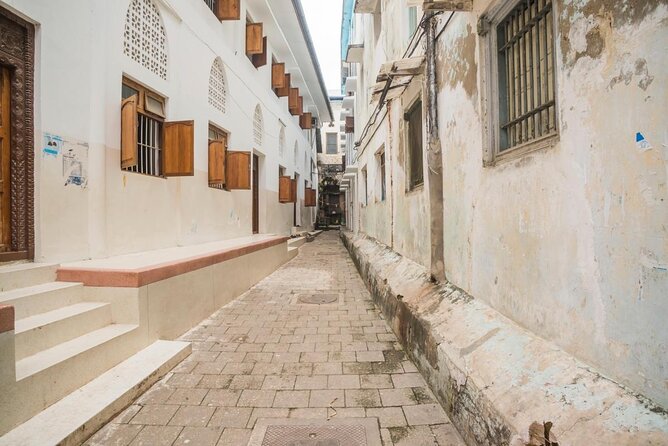
The route includes the older parts of Zanzibar City, including Mj Mpongwe. This matters because Stone Town isn’t just “historic buildings”; it’s an urban system shaped by trade, migration, and rule changes. Walking through the older sections helps you recognize patterns—where commerce happened, where communities lived, and how the street network funnels you past key landmarks.
Your guide typically gives you the big picture first: how Stone Town developed through contact with different regions and empires. Then you connect those ideas to what you’re seeing—street corners, building styles, and the way different sites sit close together.
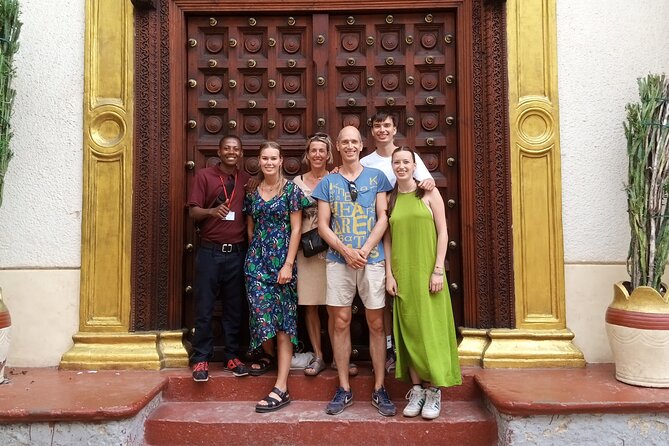
A bonus you’ll notice when you’re walking: the city’s details start to pop. In feedback from the experience, people mention spending time admiring the carved wooden doors, which is exactly the kind of thing you miss when you rush through.
House of Wonders, Old Fort, and the Oman–Portuguese–Persian Layers
You’ll visit major anchors like the House of Wonders and Old Fort. Even if some buildings show wear, that’s part of the story. Zanzibar’s architecture bears the marks of centuries and also the pressures of preservation.
The guide’s role here is big. Instead of tossing facts at you, a good guide helps you read the site. You learn which cultural influences are tied to the buildings and why certain places became important during different eras.
If you like photo stops, this part of the walk is made for it. The route is designed so you can pause, look closely, and ask questions—especially in areas where the details (doors, entrances, signage, and street geometry) help explain what happened there.
Freddy Mercury House, Jaws Corner, and the Fun Stops That Don’t Waste Time

Yes, this tour includes the Freddie Mercury house stop. That’s one of the reasons so many people treat the tour as a first-day activity: it gives you instant recognition, then the guide brings you back to the city’s actual history.
After that, you’ll head toward Jaws Corner and other landmark points. This isn’t a detour into “tourist stuff.” It’s used as a way to show how Stone Town’s public spaces and turning points shaped everyday movement—people lived here, traded here, and gathered here.
If you’re traveling with teens or kids who might not want a “history lecture,” this is where the tour earns its keep. It keeps attention while you still learn the real context.
Darajani Market and the Waterfront: What to Expect Beyond the Sights
Two stops you can’t really replace with a guidebook alone are Darajani Market and the waterfront area, including Forodhani Garden. This is where Stone Town feels alive in a practical way—food, foot traffic, and the everyday rhythm of a port city.
One thing I like about including markets on a short walking tour: you don’t just look at history. You see how people live right now. The experience feedback also mentions trying local treats like jackfruit, plus noticing the fish market area.
A tip for maximizing this part: come with a light stomach if you’re tempted to snack, and keep your hands free for browsing. Also, ask your guide what’s worth trying that day—guides on this tour tend to give practical suggestions rather than pushing sales.
Churches, Trade, and the Former Slave Market Site: Serious History, Handled Carefully

You’ll visit Anglican and Catholic churches, plus you’ll cover the former slave market site area (with the East African slave-trade story in the background). This is the most emotionally heavy section of the tour, and it deserves a calm pace.
What makes the experience valuable is that it doesn’t treat this like a quick photo stop. Your guide explains how the slave trade connects to Stone Town and the broader East African region. Then you’re left to process what you’re seeing as a real place of human suffering, not a distant “topic.”
Important cost note: the former slave market entrance fee is USD 5 per person and is not included in the base price. That’s an easy thing to plan for ahead of time so the moment doesn’t feel interrupted.
Private Guide Attention, Family-Friendly Pacing, and Solo-Traveler Support
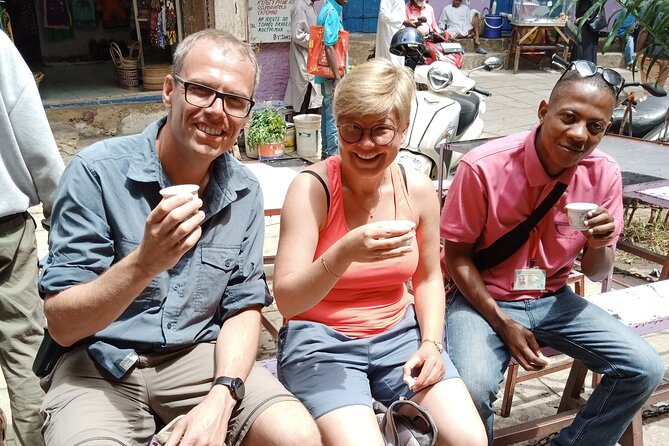
This is a private tour/activity, so you’re not getting swallowed by a large crowd. That private feel matters in Stone Town because questions come up constantly—about doors, street names, buildings, and why certain communities ended up in particular areas.
The experience feedback also points to guides who adapt to families. One review highlights a guide who kept kids (ages 7 and 12) engaged for 3+ hours by pacing the walk appropriately and keeping the story moving.
Solo travelers also get real help. One review mentions a guide stepping in with a loan of USD 5 for an entrance ticket when payment timing got complicated. You shouldn’t count on that happening, but it tells you the guides often treat the walk like a responsibility, not a script.
Price and What You’ll Likely Pay On Top of the $20
At $20 per person, the value comes from what you’re buying: a professional, certified guide who takes you through a tight route with context. In a city where “just walking” can mean getting lost or missing key connections, the guide is the main product.
Here’s what to budget for:
- Included: Professional & certified tour guide.
- Not included: entrance fees for the former slave market site (USD 5 per person), any taxes/fees beyond what’s stated, personal spending, and tips.
- Tip: You’ll want to plan for a guide tip at the end of the service.
Also keep your expectations aligned with the format: it’s a walking tour. Comfortable shoes beat everything. If you’re doing this right after arriving, take it easy—Stone Town streets can be tiring even when you’re enjoying every minute.
Weather, Timing, and the Smart Way to Pair This With Other Plans
The tour is described as requiring good weather. That’s a real factor here because you’re outside for 2–3 hours, and rain can turn slippery streets into a drag.
Timing-wise, this tour makes an especially good first-day plan. You get the “map in your head” effect: after you’ve walked the route and heard the story, everything else in Stone Town starts to make more sense—whether you’re grabbing dinner, exploring museums, or just finding your way back to your hotel.
If you’ve got limited time, this also works as a concentrated overview before you choose what to revisit.
Should You Book the Stone Town Historical Walking Tour?
Book it if you want a guided, walkable introduction to the city’s standout landmarks—House of Wonders, Old Fort, Darajani Market, churches, and the former slave market sites—without turning it into a full-day ordeal. This is one of the better ways to learn Stone Town’s layers quickly, especially because the guides (including Alfa, Rabik, and Sultan) are repeatedly praised for clear explanations and for helping people actually enjoy the walk.
Skip or think twice if:
- You hate walking for a few hours on uneven streets.
- You’re expecting a strictly “quick stop” tour with minimal questions. This experience is built around conversation and context.
- You’re arriving right on the dot and can’t handle a little meeting-point hunting near construction. Go early, and you’ll be fine.
If you like history with real-world street grounding—and you appreciate guides who can explain heavy topics with care—this $20 walk is a strong start in Zanzibar.
FAQ
How long is the Stone Town Historical Walking Tour?
The tour runs about 2 to 3 hours.
How much does it cost?
The price is $20.00 per person.
Where does the tour start?
It starts at the House of Wonders (listed meeting point: Sokoku St, Zanzibar, Tanzania).
Is this tour private?
Yes. It’s a private tour/activity, so only your group participates.
What is included in the price?
The tour includes a professional & certified tour guide.
Is the former slave market site included?
The former slave market entrance fee is not included. The listed entrance cost is USD 5 per person.
What if the weather is poor?
The experience requires good weather. If it’s canceled due to poor weather, you’ll be offered a different date or a full refund.