REVIEW · GETTYSBURG
Gettysburg: 1863 Historic Downtown Walking Tour
Book on GetYourGuide →Operated by Horse Tours of Gettysburg · Bookable on GetYourGuide
The war reached Main Street. This 2-hour downtown walk takes you through the center of Gettysburg the way it looked in July 1863, with civilian accounts and street-level context instead of a battlefield-only script. I love how the tour frames the Battle of Gettysburg through reluctant residents who watched it unfold from town streets, not just from behind a soldier’s map. I also love that you’re looking at existing structures and their settings, so you can mentally place what happened right where you stand today. One heads-up: it’s mostly an outside walking experience, and some older buildings may be privately owned, so don’t expect a lot of interior time.
In This Review
- Start at Lincoln Square, Then Let the Stories Lead
- A Simple Plan: Comfort First, Then Ask Questions
- Key Things That Make This Tour Special
- Two Hours Through Gettysburg’s 1863 Main Streets
- Starting at Lincoln Square: Your Walk Begins in the Right Place
- The Civilians Are the Main Characters, Not an Afterthought
- Existing Structures Downtown: What You’re Really Learning
- How July 1863 Unfolds When You’re Walking the Town
- Group Size and Pace: Easy Walking, Big Storytelling
- Price and Value: Why $25 Can Feel Like a Bargain
- Who This Tour Is Best For (and Who Might Want Something Else)
- Practical Tips to Get the Most From Your Walk
- Should You Book This Gettysburg Downtown Walking Tour?
- FAQ
- How long is the Gettysburg 1863 Historic Downtown Walking Tour?
- Where do I meet the guide?
- What is the tour price?
- What does the tour cover?
- Is the walking tour wheelchair accessible?
- What should I bring?
Start at Lincoln Square, Then Let the Stories Lead
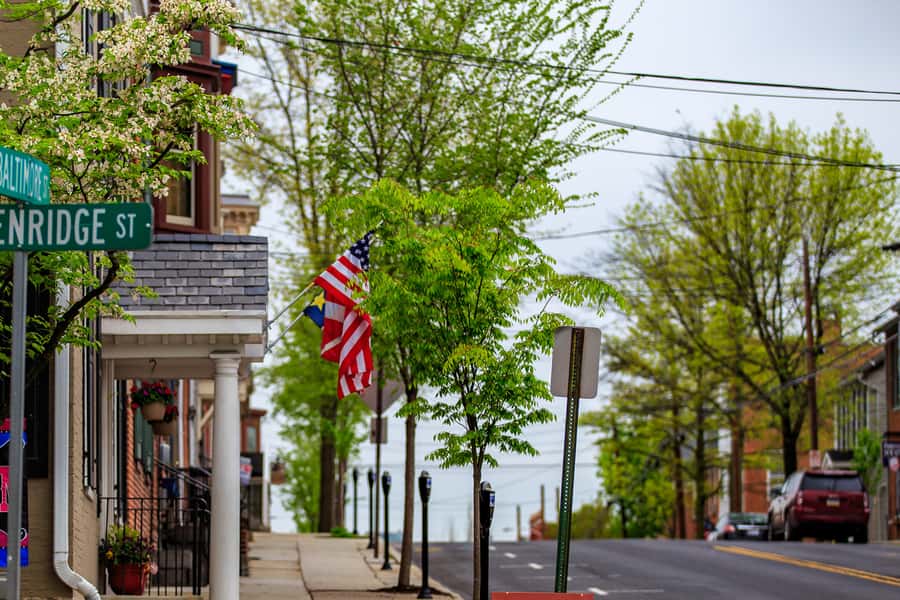
You meet at 11 Lincoln Square by the Statue of President Lincoln and the benches, so you get your bearings fast. The guides can be storytellers in character, and I like that the presentation stays interactive rather than lecture-only, with names you might hear like Ken Rich, Jeff Greenawalt, Rich, Jeff, and Bruce depending on the guide for your date.
A Simple Plan: Comfort First, Then Ask Questions
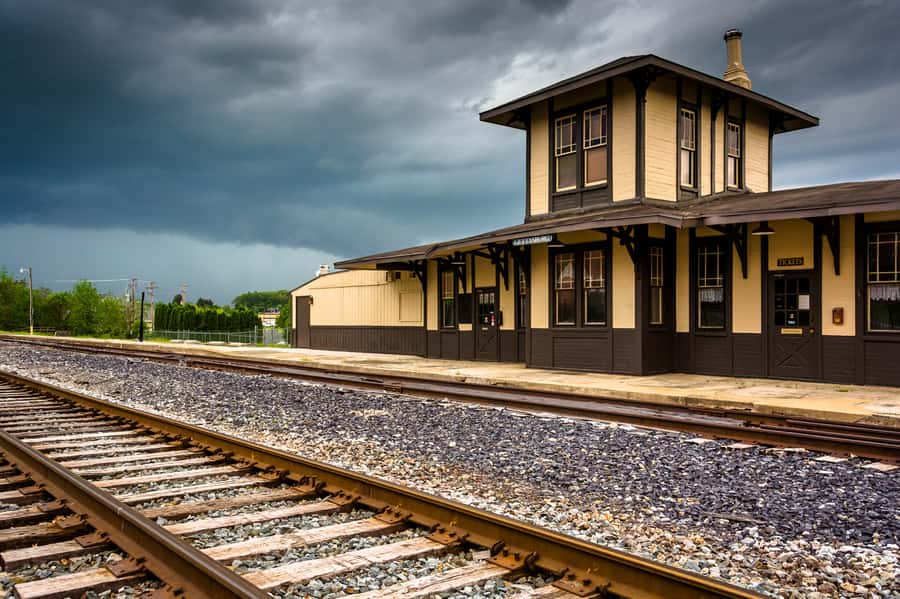
Bring comfortable shoes and dress for whatever the weather has planned. If you’re a history buff, this tour rewards you with specifics about how July 1863 played out in the town, and if you’re newer to Gettysburg, it gives you a human layer that makes the battlefield narratives click.
You can also read our reviews of more walking tours in Gettysburg

Key Things That Make This Tour Special
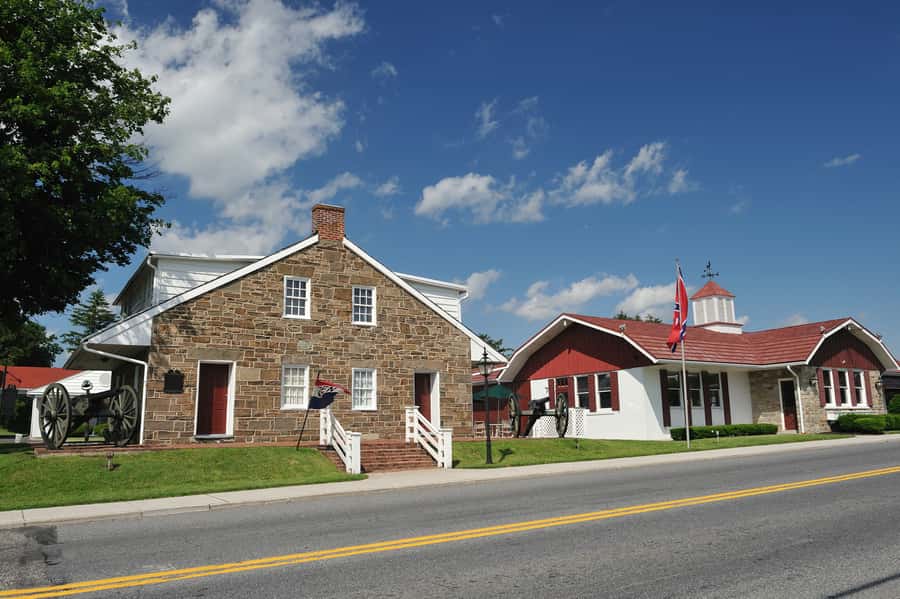
- Civilian perspective first: You learn how local residents lived through and remembered the fighting.
- July 1863, told street-by-street: The guide narrates how events unfolded while connecting it back to downtown life.
- Outside, walkable, and paced: It’s a leisurely two-hour center-town stroll rather than a long hike.
- Multiple guides, consistent focus: Many guides (like Ken Rich, Jeff Greenawalt, Rich, Jeff, and Bruce) build a vivid town portrait.
- Expect fewer interiors: A few of the oldest buildings may be private, so the story is mainly told from the sidewalk.
Two Hours Through Gettysburg’s 1863 Main Streets
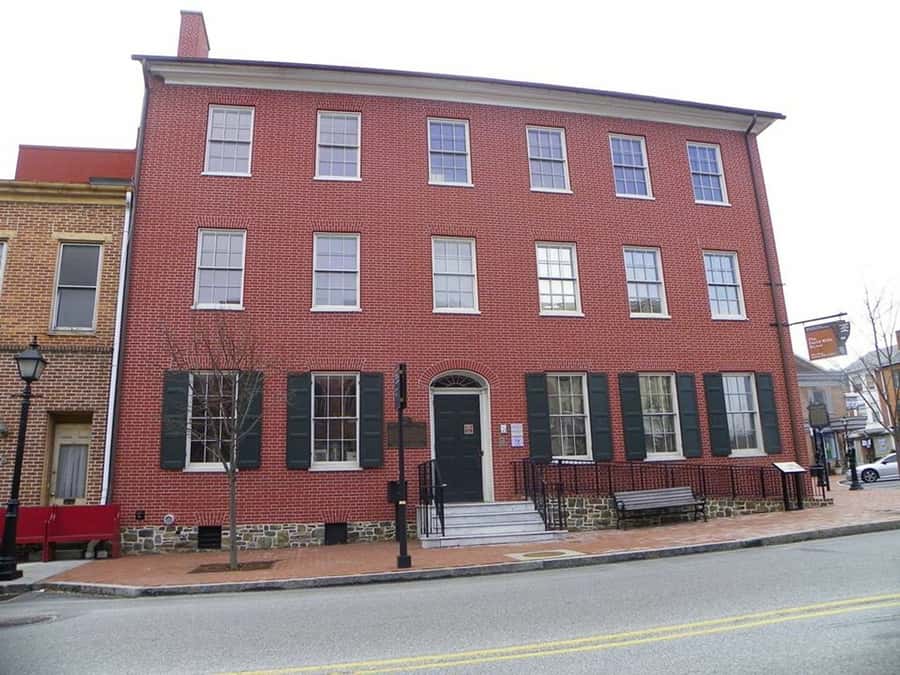
This is the type of tour that changes how you see Gettysburg. The big museum-and-battlefield picture is still there in your mind, but now you add the everyday layer: what it meant for families, shops, and neighbors when the battle arrived at the edge of their routines.
You’ll walk the center portion of downtown, the heartbeat of the town in 1863. The goal isn’t to speed through famous stops. It’s to slow down enough that you can make mental pictures: what structures were where, how the town looked, and why civilians experienced the war differently than the troops.
The tour is also a good reality check. The Battle of Gettysburg isn’t only about charges and lines. It’s also about confusion, fear, moving through crowds, and trying to understand what was happening while the streets kept functioning as best they could.
Starting at Lincoln Square: Your Walk Begins in the Right Place
Meeting at Lincoln Square is smart. You’re at a recognizable civic anchor right from the start, which helps if this is your first day in town. You’ll meet by the Statue of President Lincoln and the benches, and you should aim to arrive about 15 minutes early so you’re not rushing and missing the pre-walk setup.
From there, you head into the center-town area where you can connect the guide’s stories to real streets and buildings. Even when you’re not seeing a battlefield scene, you’re still learning where the war touched ordinary life.
One practical bonus: starting in a central, walk-friendly location means you can plan the rest of your day easily. This tour fits well before or after heavier battlefield time, because it helps you “translate” what you’ll see later into a town context.
The Civilians Are the Main Characters, Not an Afterthought
What I like most is how the guide puts civilians at the center of the story. You’re not just hearing what happened to armies. You’re hearing the experience of people who were reluctant witnesses—people who didn’t sign up for war, but still had to live with it.
That matters because Gettysburg can feel like a history exam when you only focus on troop movements. This tour shifts the lens. You start to understand why some accounts are emotional, why some details stick in memory, and why rumors and uncertainty spread in towns caught in the middle.
The guide’s delivery often includes character-style storytelling. Depending on your date, you may hear portrayals connected to Civil War veterans and local perspectives, and guides such as Ken Rich, Jeff Greenawalt, Jeff, Rich, and Bruce are known for turning facts into a narrative you can actually follow.
If you enjoy asking questions, you’ll likely have fun here. The tour is designed for conversation and follow-ups, which is exactly how you go from names and dates to a clearer picture of daily life in 1863.
Existing Structures Downtown: What You’re Really Learning
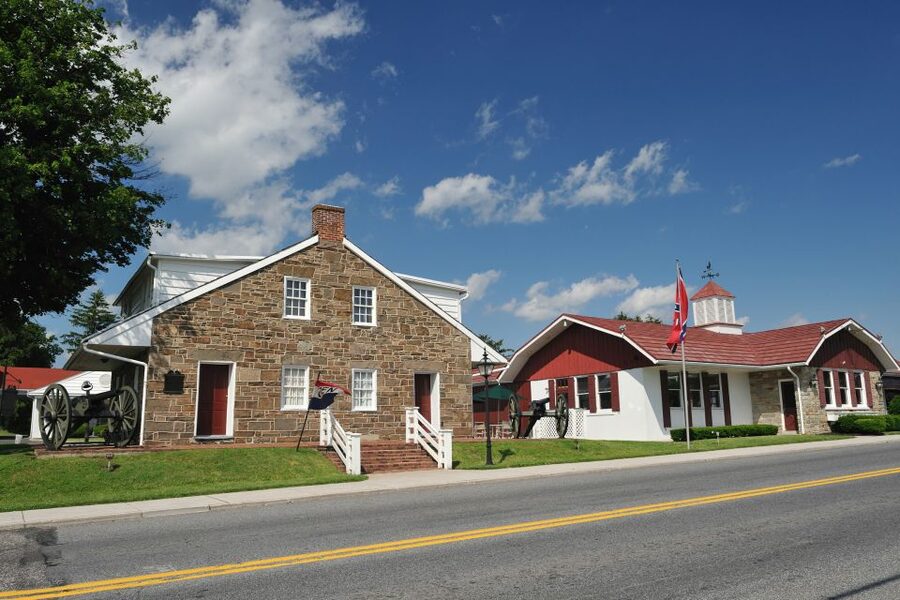
You won’t just listen to stories in the abstract. You’ll be looking at the kinds of buildings and street patterns that let you imagine 1863 more clearly. The guide points out what still stands, then helps you connect that to how the town functioned in the middle of wartime.
This is where the tour becomes practical. Instead of memorizing a timeline, you’re learning how to “place” events in a physical setting. When you later visit the battlefield, you’ll have a stronger sense of how the town and the fight were linked.
One thing to keep your expectations realistic: the emphasis is largely on what you can see from the street. Some of the oldest buildings can be privately owned, so you may not go inside. That’s not a dealbreaker—it just means your best experience comes from paying attention to context, façades, and street-level layout while the guide narrates what happened nearby.
How July 1863 Unfolds When You’re Walking the Town
This tour doesn’t stop at background. It walks you through how events unfolded in July 1863, and it’s guided by local memory—how residents understood what they were seeing and how they described it later.
That viewpoint adds texture to the headline story. You start to grasp that the battle affected more than just the distance between opposing forces. It affected routes, movement, visibility, noise, and the sense that something irreversible had arrived.
And because you’re walking slowly through the center portion of town, you can track the narrative in a more intuitive way. The guide ties what you’re hearing to where you are standing, which helps you build a coherent mental map of the day’s chaos and its aftermath in town.
A smart move: ask the guide to point out the connections between a specific street-level moment and the broader battle narrative. That’s the kind of “translation” that makes the tour feel worth repeating later when you visit other sites in Gettysburg.
Group Size and Pace: Easy Walking, Big Storytelling
The tour is designed as a leisurely walk, and the length—2 hours—is a sweet spot. It’s long enough to feel like you’re getting somewhere, but short enough that you’re not drained before you go see anything else.
Some departures can feel very small and personal. In one recent experience, a party reported a group size of about four, which made it easier to interact and ask direct questions. You can’t guarantee that for every date, but it’s a useful sign of the tour’s format: it’s built for discussion, not for yelling over a crowd.
Accessibility is also part of the plan. The tour is listed as wheelchair accessible, which matters for pacing and planning. If you or someone in your group uses mobility devices, it’s still worth considering weather and surface conditions, but the overall concept is a manageable downtown walk rather than steep terrain.
Price and Value: Why $25 Can Feel Like a Bargain
At $25 per person for a two-hour walking tour, the value is in the format. You’re not paying for a bus ride, and you’re not stuck in a passive museum-style experience. You’re paying for a guide to connect the Battle of Gettysburg to the everyday reality of the town.
The strongest “value” factor is the perspective shift. If you’ve already read the battle overview, this adds something new: how civilians remembered, recorded, and interpreted the events from the streets they lived on. If you haven’t visited Gettysburg yet, it gives you a foundation you’ll carry into the battlefield and interpretive stops later.
Another value signal is the consistency of guide quality. The tour has a 4.9 rating from hundreds of bookings, and the praise tends to cluster around the same themes: guides who tell stories clearly, answer questions, and make the experience feel like you’re walking through history rather than reciting it.
Who This Tour Is Best For (and Who Might Want Something Else)
This tour is a great fit if you fall into one of these groups:
- You want Gettysburg in human scale—families, witnesses, and townspeople.
- You like guides who can explain how events played out step-by-step in plain language.
- You’re pairing downtown time with battlefield time and want a stronger context link.
It’s also a good first-day tour if you want to orient yourself. Walking the center-town area gives you mental bearings so later stops feel less like disconnected points on a map.
You might consider a different option if you’re only interested in soldier-focused tactics or if you expect lots of interior building access. Here, the main stage is the town streets, the structures you can see from outside, and the civilian narrative tied to July 1863.
Practical Tips to Get the Most From Your Walk
A few small choices make a big difference:
- Wear comfortable shoes. This is a walking tour, and you’ll appreciate it more if your feet are happy.
- Dress for the weather. Gettysburg can be hot and humid in summer, and cold snaps happen. Layering helps.
- Bring a curious mindset. The experience is strongest when you ask questions about how civilians experienced the battle and what they remembered afterward.
If you’re sensitive to heat, it’s worth looking for a guide who adjusts pacing when conditions are rough. Some guides have offered proactive changes in timing when the weather is intense, which is exactly the kind of care you want.
Should You Book This Gettysburg Downtown Walking Tour?
I think you should book it if you want the Battle of Gettysburg from the town’s point of view. This is the tour that turns Gettysburg from a monument set into a place where real people had to keep living while history landed in their streets.
If you like clear explanations, character-driven storytelling, and conversation-friendly guides, you’ll likely have a great time. The $25 price feels fair because you’re getting two hours of guided interpretation in a setting that’s easy to connect to later battlefield visits.
If your top goal is heavy interior access or soldier-only tactical detail, you may want to pair this with a more battlefield-focused option. But as the human layer—the part that makes the whole Gettysburg story make sense—this downtown walk is one of the best ways to spend a couple hours.
FAQ
How long is the Gettysburg 1863 Historic Downtown Walking Tour?
The tour lasts 2 hours.
Where do I meet the guide?
Meet at 11 Lincoln Square, Gettysburg, PA 17325, by the Statue of President Lincoln and the benches. Arrive 15 minutes early.
What is the tour price?
The price is $25 per person.
What does the tour cover?
You’ll walk through the center portion of downtown Gettysburg and learn from local civilian accounts about how residents lived through and remembered the Battle of Gettysburg, including how events unfolded in July 1863. You’ll also look at existing structures to understand what the town looked like then.
Is the walking tour wheelchair accessible?
Yes, it’s listed as wheelchair accessible.
What should I bring?
Bring comfortable shoes and weather-appropriate clothing.