REVIEW · PARIS
Paris – Historic City Center Walking Tour
Book on Viator →Operated by StellarTours · Bookable on Viator
Paris makes more sense by foot. This historic center walk is built around two things I love: a clear story of Notre-Dame’s full timeline (from 1163 to the 2019 fire) and the way the route points out small, real-world details like WWII scars you can still see at Pont Saint-Michel. It’s guided, so you’re not just doing sightseeing—you’re picking up the why behind the sights.
One thing to keep in mind: you’ll see the Louvre, but you don’t go inside, so plan something else if you want museum time. The guides can make a difference fast—Michael brings an energetic mix of Parisian and French history, while Daniel tends to add practical side suggestions (including a stop for a small bookstore) and Alberto keeps the pacing lively and easy to follow in English.
In This Review
- Key highlights worth showing up for
- Getting Your Bearings on Île de la Cité
- Notre-Dame Cathedral: the story behind the façade
- Fontaine Saint-Michel: the Paris rebuild story in one stop
- Pont Saint-Michel: WWII bullet holes you can actually see
- Place Dauphine: a quick walk that pays off at lunch
- Henri IV viewpoints: statue and river views
- Pont Neuf and its strange Paris stories
- Louvre Museum: see the key parts without paying for entry time
- Napoleon’s Arc du Carrousel and the shift toward the modern city axis
- Tuileries Gardens: statues, sculptures, and a Versailles-style planning idea
- Eiffel Tower views: the big finish with Gustave Eiffel’s story
- Why the guide quality changes everything
- Value at about $156: what you’re really buying
- What to expect on the ground: walking, pacing, and comfort
- Should you book this Historic City Center tour?
- FAQ
- How long is the Paris Historic City Center walking tour?
- Where does the tour start and end?
- Is the tour offered in English?
- Does the tour include the Louvre Museum entrance?
- Is pickup or drop-off included?
- What’s included in the price?
- Can I bring a service animal?
Key highlights worth showing up for
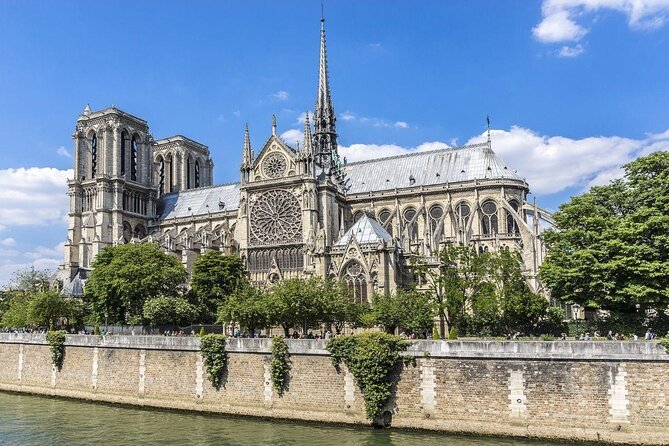
- Notre-Dame from 1163 to 2019 with context like the French Revolution and Napoleon’s coronation
- Pont Saint-Michel WWII details and an explanation of why Paris wasn’t destroyed
- Place Dauphine and Henri IV: early urban planning plus a great lunch zone
- Pont Neuf secrets including the Tooth Pullers of Paris story
- Louvre views, not museum entry with talk about the glass pyramid and key figures
- Tuileries to Eiffel Tower sightlines timed for good urban “wow” moments
Getting Your Bearings on Île de la Cité
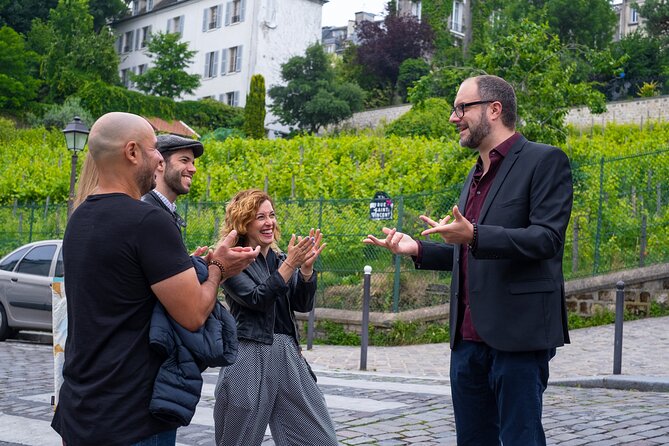
Your tour starts on Île de la Cité, the island that has long been treated as Paris’s center of gravity. You’ll feel it immediately: this is where the city’s story started to stack up—tribes, empires, power, and religion—before Paris spread outward. The guide frames the island in plain terms, from early roots through Roman rule, so even if you’re not a history nerd, you still walk away with a map in your head.
This first stretch matters because it sets the rhythm. Paris can feel random if you bounce between landmarks. Starting here helps you connect the dots between churches, bridges, squares, and royal-era planning. It’s also an efficient warm-up: you’re on foot, moving through the oldest layers of the city without wasting time in long transit rides.
Practical tip: wear shoes you can rely on for uneven stone and curb edges. This is a walking tour, and you’ll want your legs to match your curiosity.
You can also read our reviews of more walking tours in Paris


Notre-Dame Cathedral: the story behind the façade
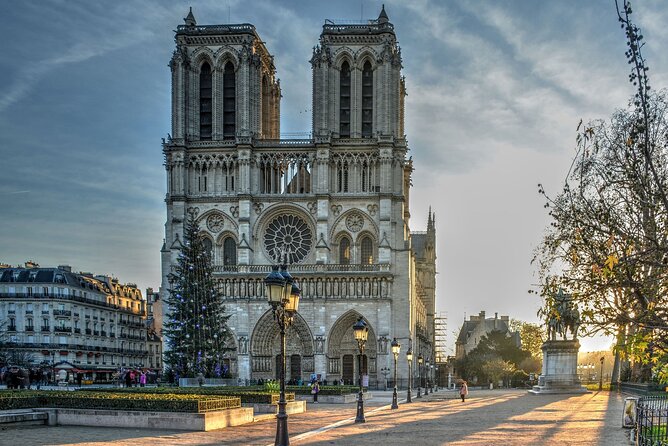
Notre-Dame is the centerpiece, and the tour approach is smart: it doesn’t treat the cathedral like a static photo spot. You’ll hear the construction story beginning in 1163, then the centuries that shaped it, then the 2019 fire and what came after. The guide also connects major historical moments that shaped France itself, including the French Revolution and Napoleon’s coronation.
The result is that Notre-Dame becomes understandable. Instead of just seeing an impressive building, you start noticing why certain periods matter, and why people keep returning to this site. That’s the value of a good guide: they translate time.
What you’ll get visually: you’ll take in the setting and the feel of the cathedral’s location on the island. Even if you’ve seen Notre-Dame in photos, it hits differently when you hear the “why it looked like this” background while you’re standing there.
Small caution: the area can be busy. You’ll likely be moving through a crowd rather than stopping for long, quiet moments. If you want stillness, treat it as a moment to absorb, not a long sit-down.
Fontaine Saint-Michel: the Paris rebuild story in one stop
Next up is Fontaine Saint-Michel, a fountain tied to one of the big themes of Paris: rebuilding. The guide points you toward the logic behind the grand reconstruction of the city, and the fountain becomes a clue that Paris didn’t just grow—it also transformed itself after major shakeups.
This stop is short, but it’s useful. Many tours sprint from one giant monument to another and forget that Paris is made of details that show planning decisions. Fontaine Saint-Michel is one of those details that gives you a break from pure awe while still keeping you on the historical thread.
Pont Saint-Michel: WWII bullet holes you can actually see
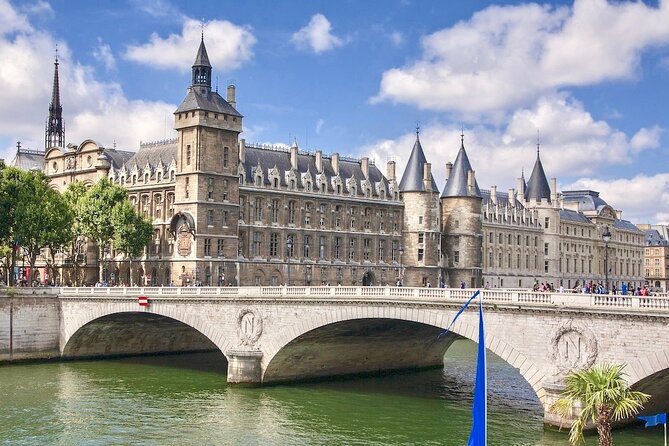
Then comes one of the most memorable turns in the whole walk: Pont Saint-Michel. From the bridge you’ll observe bullet holes from World War II, and your guide explains why Paris wasn’t destroyed during the war. This is the kind of storytelling that makes a city feel less like a postcard and more like a place that lived through real events.
I like this stop because it forces you to look closely. The guide turns your eyes toward marks most people would walk past. And when you understand that those scars are physically still there, the rest of the Seine bridges feel more meaningful too.
Why it’s worth it: the lesson isn’t just “war happened.” It’s how a city carried damage and kept going—using architecture, crossing points, and stubborn continuity.
Place Dauphine: a quick walk that pays off at lunch
From the bridges, you’ll shift into Place Dauphine, a charming square that’s among the earliest projects built by Henri IV. It’s a different mood from the cathedral area—more contained, more square-like, and very “here’s where people actually linger” feeling.
You’ll also notice why it’s a strong choice for food. The square is known for restaurants, and it’s a solid place to picture a relaxed lunch after the heavier history stops. If you plan your next meal around this stop, you’ll feel less like you’re rushing and more like you’re living in the city.
Best use of your time: if you have food allergies or you know exactly what you want, ask your guide for options. One guide in particular (Daniel) was the type to give practical lunch recommendations, not just vague ideas.
You can also read our reviews of more city tours in Paris




Henri IV viewpoints: statue and river views
Next is the Statue équestre d’Henri IV. The statue is famous enough to spot, but the tour makes it more than a “see it and move on” moment. You’ll pair the monument with views along the Seine, and your guide shares why Henri IV’s reign mattered—even though it was short.
This is one of those stops that helps you switch from “history lecture mode” to “Paris reality mode.” You get a landmark, but you also get geography: the river, the line of sight, and the way the city’s key places relate to each other.
Pont Neuf and its strange Paris stories
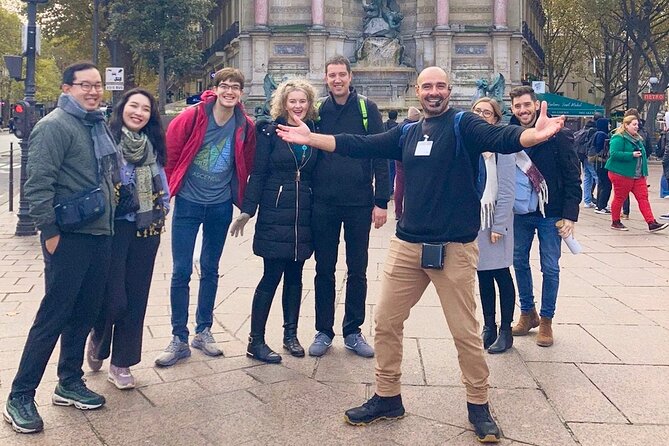
Pont Neuf is next, and it deserves the attention. It’s the oldest bridge in Paris, and your guide turns it into a story engine. You’ll hear about Henri IV’s role in finishing the bridge in 1607, and you’ll also get unusual details like the Tooth Pullers of Paris—an example of how everyday life used to orbit around these public spaces.
I like this kind of stop because it makes you stop thinking of “old Paris” as only royal and religious. Bridges were commerce, gossip, survival, and services. Hearing a story like Tooth Pullers makes the city feel older in a human way.
Photo note: this is a good bridge for pictures that show both the structure and the surrounding streets, since it connects important areas rather than feeling like a dead-end bridge.
Louvre Museum: see the key parts without paying for entry time
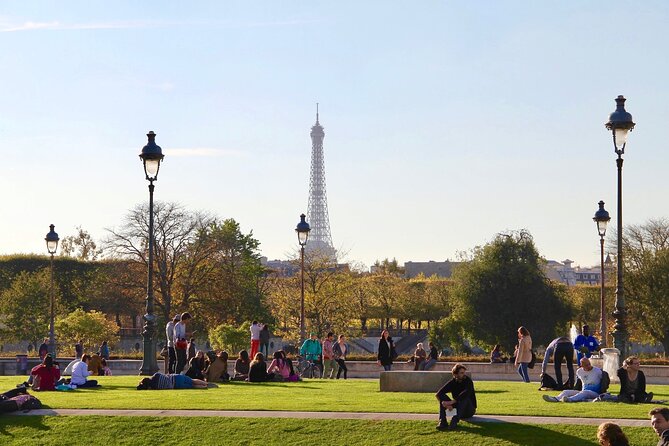
The tour includes a Louvre stop, but with an important limitation: you do not enter the museum on this experience. Instead, you learn the story connections outside—like why the Mona Lisa is so famous—and you hear how Francis I helped establish the Louvre’s foundations as both fortress and palace.
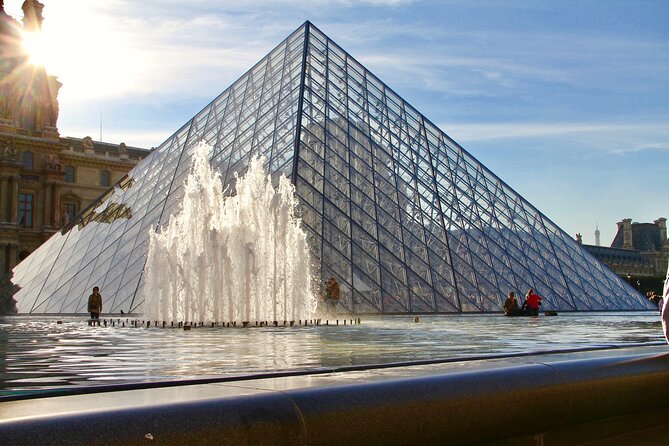
You’ll also look at the glass pyramid from the outside perspective and hear the guide explain what you’re seeing and why it matters.
For whom this is ideal: if you want an orientation to the Louvre and its major themes before deciding whether to do museum time later, this stop works. It gives you context so you don’t feel lost when you return.
For whom it’s not ideal: if you came specifically to spend hours in galleries, this is not the ticket you want. You’ll get knowledge, not “museum hours.”
Napoleon’s Arc du Carrousel and the shift toward the modern city axis
Then you’ll move to the Arc de Triomphe du Carrousel. It’s built by Napoleon, and the tour connects the monument to his rise as a master of Europe. This is another “quick stop, meaningful framing” moment. The guide helps you read the arc as political messaging carved into stone.
This part of the walk is useful because it marks a transition. You’re moving from medieval and early modern center points toward more imperial-era planning and grand public spaces. Paris starts to feel like it has different chapters, not one long timeline.
Tuileries Gardens: statues, sculptures, and a Versailles-style planning idea
From there, you’ll head into the Tuileries. You’ll walk through the gardens and see statues, sculptures, and fountains, and your guide ties the planning approach back to the designer behind the gardens of Versailles. The goal here isn’t just pretty scenery; it’s the sense of order and drama that old-world planners tried to create.
This stop gives your legs a slight rhythm reset. Gardens don’t feel as heavy as cathedral streets, and you can breathe for a minute while still seeing major Paris landmarks.
Eiffel Tower views: the big finish with Gustave Eiffel’s story
Finally, you’ll reach the Eiffel Tower viewpoints from the Tuileries direction. You’ll get some of the best city-feel moments because you’re seeing the tower framed by the surrounding streets and gardens. Your guide also explains how Gustave Eiffel pulled off construction in 1889, turning the tower into an engineering story instead of just a silhouette.
This ending works well because it’s both emotional and practical. You finish with a recognizable Paris icon, and you leave with enough context to understand why it became such a symbol of the city.
Tip for your last photos: if the light is good, take one wide shot first, then work for closer angles after. The tower looks different from different corners of the garden edge, and the guide’s orientation helps you pick the best positions.
Why the guide quality changes everything
This tour lives or dies on the guide, and the evidence is in the way people talk about them. Michael’s style stands out for high energy and clear understanding of Paris and French history. Daniel adds practical extras—like restaurant recommendations and a suggestion for a small bookstore stop. Alberto is praised for friendliness, strong English delivery, and pacing that keeps it easy to follow.
That matters because Paris is easy to misunderstand if you only read plaques. A great guide does three things at once:
- Puts events in time so you can connect dates to buildings
- Shows how power shows up in stone (Napoleon, Henri IV, and so on)
- Turns logistics into comfort by giving you “what to do next” advice
If you want to use the tour to plan the rest of your day, ask a direct question at the right moment—like where to eat nearby without a tourist trap vibe, or what to do after the Seine walk. That turns a sightseeing tour into a full itinerary starter.
Value at about $156: what you’re really buying
At $156.01 per person for about 2.5 hours, the price isn’t about one single landmark. It’s about getting a guide who stitches together a big city with a lot of history—Île de la Cité, Notre-Dame, multiple bridges, royal-era planning, and the path toward the Eiffel Tower.
You’re also getting value through what’s not included. The tour doesn’t depend on museum admission, and since it doesn’t include entering the Louvre, you avoid the “pay for time you can’t get” trap. Instead, you get context and outside views.
A couple more value signals:
- Mobile ticket makes day-of logistics simpler.
- It’s offered in English, and the way guides teach matters here because the whole point is interpretation, not just pointing.
- It’s described as private for your group, which usually means less waiting and a better chance for questions.
If you’re trying to make one day in central Paris count, this is a strong way to do it. If you’re only interested in ticking off one monument, you may find it feels like too much content packed into one walk.
What to expect on the ground: walking, pacing, and comfort
This is a walking tour in the historic core, starting at Cité (75004) and ending near the Tuileries Garden (75001), close to public transportation. That ending is handy: you’re positioned for an easy jump into more sightseeing, dining, or metro/bus access.
The route is structured as a sequence of short stops, so you’ll hear stories while you move and then pause briefly for viewpoints. That format is excellent for first-time orientation. It can feel intense if you’re hoping for long photo breaks or quiet time in one place.
My advice for comfort: keep a light daypack, bring water, and plan your biggest sit-down meal for after Place Dauphine or later near the Tuileries area.
Should you book this Historic City Center tour?
Book it if:
- You want an organized introduction to central Paris built around history you can actually visualize.
- You care about the connection between monuments, bridges, and the people who shaped the city.
- You like guided context more than museum ticket marathons.
Consider passing or pairing it with another plan if:
- You want to spend real time inside the Louvre galleries. This tour does not include museum entry.
- You prefer slow, quiet wandering over a tight sequence of stops and explanations.
If you’re new to Paris and want a single “core story” day, this is one of those walks that tends to pay off quickly. You finish with better bearings, smarter photo angles, and restaurant ideas that help you keep the momentum going.
FAQ
How long is the Paris Historic City Center walking tour?
It runs about 2 hours 30 minutes.
Where does the tour start and end?
It starts at Cité 75004 Paris and ends very close to Tuileries Garden 75001 Paris.
Is the tour offered in English?
Yes, it is offered in English.
Does the tour include the Louvre Museum entrance?
No. You learn about the Louvre and see views, but you do not enter the museum on this tour.
Is pickup or drop-off included?
No pickup or drop-off is included.
What’s included in the price?
The tour includes a certified expert guide and a private walking tour.
Can I bring a service animal?
Yes, service animals are allowed.