REVIEW · PARIS
Paris: Montmartre Culture and Local Pastries Walking Tour
Book on GetYourGuide →Operated by Simply France Tours SAS · Bookable on GetYourGuide
Montmartre changes fast when you have a guide in your ear. This walking tour strings together the art history you see in the streets with the landmarks you recognize, from Sacré-Cœur to the Moulin Rouge. I love how the route mixes famous names with real neighborhood details, so it feels like a place you could actually step back into.
I also like the human pace of the tour. Guides such as Frédéric (and once a guide named Climgont) are easy to follow, tell stories with personality, and help you find corners you’d miss on your own.
One thing to plan for: this is not a food tasting tour. Even though you’ll visit pastry and drink stops, food and drinks are not included in the $37 price, and pastry testing isn’t included either.
In This Review
- Key highlights to know before you go
- Montmartre’s lanes feel random until you get a local guide
- Meeting at Lamarck-Caulaincourt and Chez Ginette: a smart starting point
- Sacré-Cœur and the stories the basilica can’t tell by itself
- Place du Tertre: art culture you can actually watch
- The artist names you’ll connect to real streets
- Pastry stops at the right moment (but tasting is not included)
- Moulin Rouge at the end: the iconic finale
- Price and timing: what $37 buys you in real walking time
- Who this tour fits best (and who should choose something else)
- What to bring so you feel comfortable the whole way
- Should you book this Montmartre Culture and Local Pastries Walking Tour
- FAQ
- How long is the Paris: Montmartre Culture and Local Pastries Walking Tour
- What is the meeting point for the tour
- What’s included in the $37 price
- Are pastries or drinks included
- Which landmarks are included during the walk
- What languages is the tour guide available in
- Is the tour suitable for wheelchair users or people with mobility impairments
- What is the cancellation policy
Key highlights to know before you go
- Start at Chez Ginette then move into Montmartre’s back streets with a guide.
- Sacré-Cœur and Place du Tertre give you the big-picture landmarks and the street-level art vibe.
- Artist connections on the route include Modigliani, Picasso, Utrillo, Van Dongen, Juan Gris, and Matisse.
- Renoir and Van Gogh’s famous mill is part of the artistic story you’ll walk past.
- Pastry and drink stops happen without tasting being included in the tour price.
- The tour ends at Moulin Rouge, tying the art past to the iconic Paris present.
Montmartre’s lanes feel random until you get a local guide
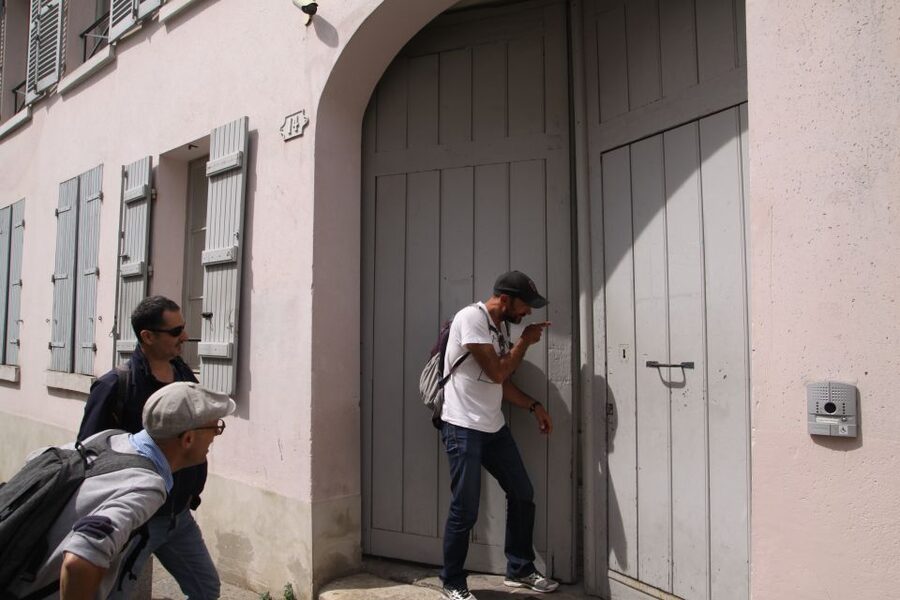
Montmartre is famous, but it can also feel confusing—up, down, around, and then suddenly a view opens. That’s exactly why this tour works so well. You’ll walk with guidance through the tight side streets so you’re not just collecting postcard stops. You’re also learning how the neighborhood fits together.
I like that the tour doesn’t treat Montmartre like a museum. You’re moving through a district that still has its own rhythm, with places like Place du Tertre where art culture is easy to spot in everyday life. That’s the difference between seeing a place and understanding it.
You can also read our reviews of more walking tours in Paris



Meeting at Lamarck-Caulaincourt and Chez Ginette: a smart starting point
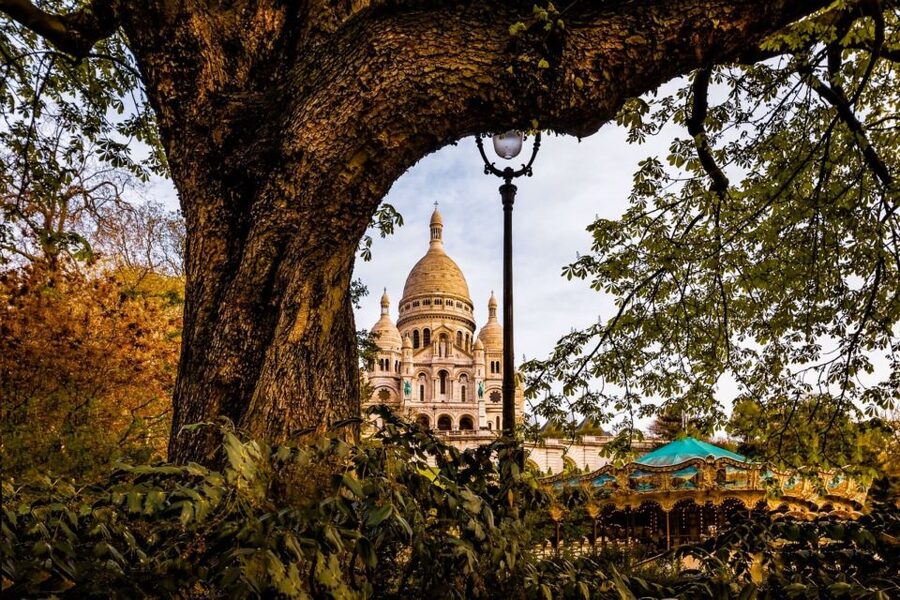
You meet your guide at the point between the metro stairs (Lamarck – Caulaincourt) and the restaurant Chez Ginette. That matters because it puts you close to where the walk naturally begins, instead of starting in some far-off square and trying to “transfer” into the area on your own.
Starting at Chez Ginette is a practical move. It’s a clear reference point you can find, and it gets you into the flow of Montmartre quickly. Bring comfortable shoes, because you’ll be walking a lot on uneven streets and slopes.
If you’re camera-happy, this is a good tour for you. The route takes you past major landmarks and also through lanes where the details (signs, walls, storefronts, small squares) are the real story.
Sacré-Cœur and the stories the basilica can’t tell by itself
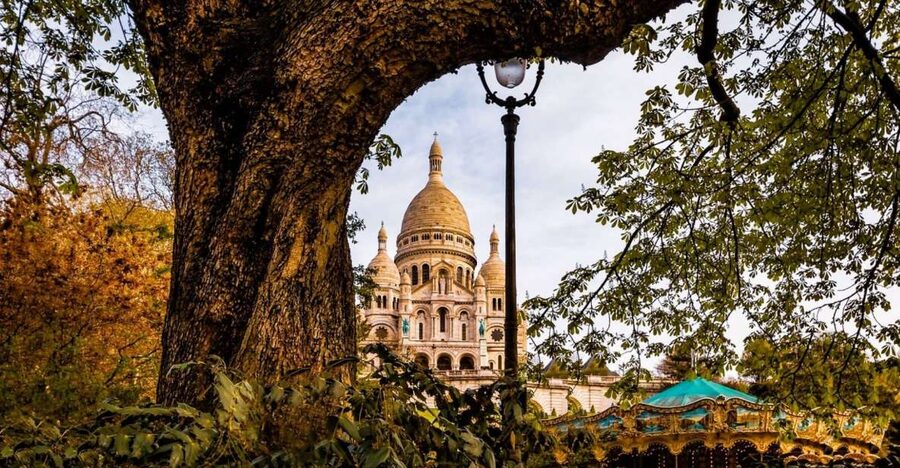
Sacré-Cœur is the obvious stop, but with a guide you’ll get more than the standard photo angle. The basilica is the symbol people know, yet Montmartre’s identity is bigger than one building. During this part of the walk, your guide connects what you see with why artists and writers were drawn here.
I love this kind of context because it changes how you look. Instead of staring at a façade and calling it a day, you understand the neighborhood’s gravitational pull—why it became a creative magnet in different eras. You’ll also get a sense of how the area’s fame grew, and how it still shapes what you see today.
This section is also where the “why” of the walking tour shows up. With all the angles and elevation changes, a guide helps you keep your bearings fast and not miss the key turns.
Place du Tertre: art culture you can actually watch
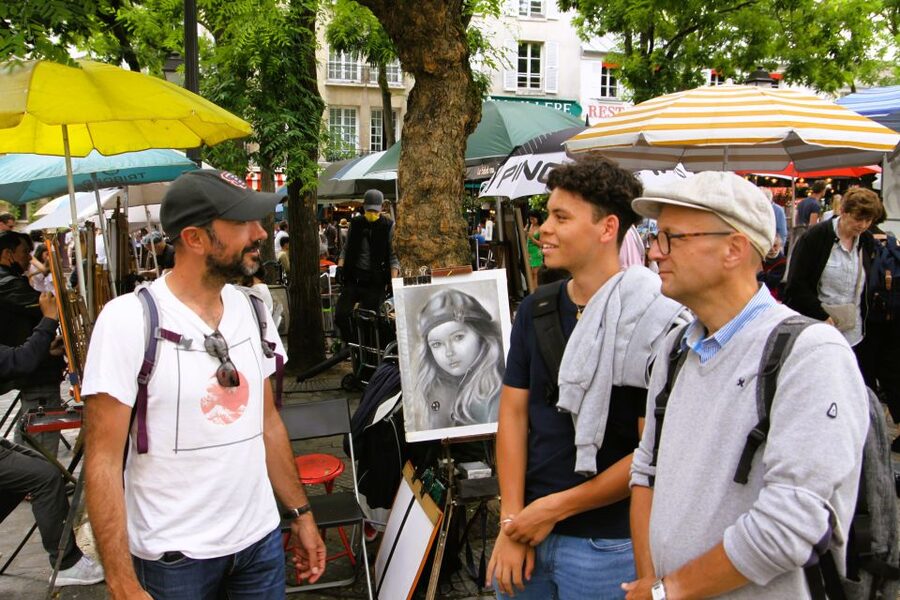
Place du Tertre is the kind of square that looks like a stage even on a regular day. Your guide brings it into focus, explaining what makes it the artistic hub it’s known for. You’ll see how art culture isn’t just something that happened here long ago—it’s still part of the neighborhood’s daily scene.
What I like is that Place du Tertre isn’t presented as a single viewpoint. It’s a gateway. Once you understand what’s going on in the square, the rest of Montmartre’s details make sense. It becomes easier to connect your surroundings to the stories you’re hearing.
You’ll also get time to look around at street life as you move. This isn’t a rush-through “three minutes then next stop” kind of walk.
The artist names you’ll connect to real streets

One of the most compelling parts of this tour is that it doesn’t keep the art history behind glass. You’ll visit parts of the district tied to famous artists, including Modigliani, Picasso, Utrillo, Van Dongen, Juan Gris, and Matisse. You’ll also hear about the famous mill painted by Renoir and Van Gogh.
Here’s why that’s valuable: you can read names all day. But when you connect those names to a physical place in a neighborhood, the stories become easier to remember. It turns famous biographies into something you can picture while you’re walking.
Also, this tour helps you understand that Montmartre attracted a community of creators, not just one superstar. Your guide weaves the connections as you move through the district’s winding side streets. That makes the neighborhood feel like a lived-in creative space rather than a list of famous addresses.
A practical note: these parts of Montmartre can be visually busy. That’s normal. Keep your eyes on your guide for direction, and use your camera when you spot a moment that feels extra “Montmartre” to you.
A few more Paris tours and experiences worth a look

Pastry stops at the right moment (but tasting is not included)

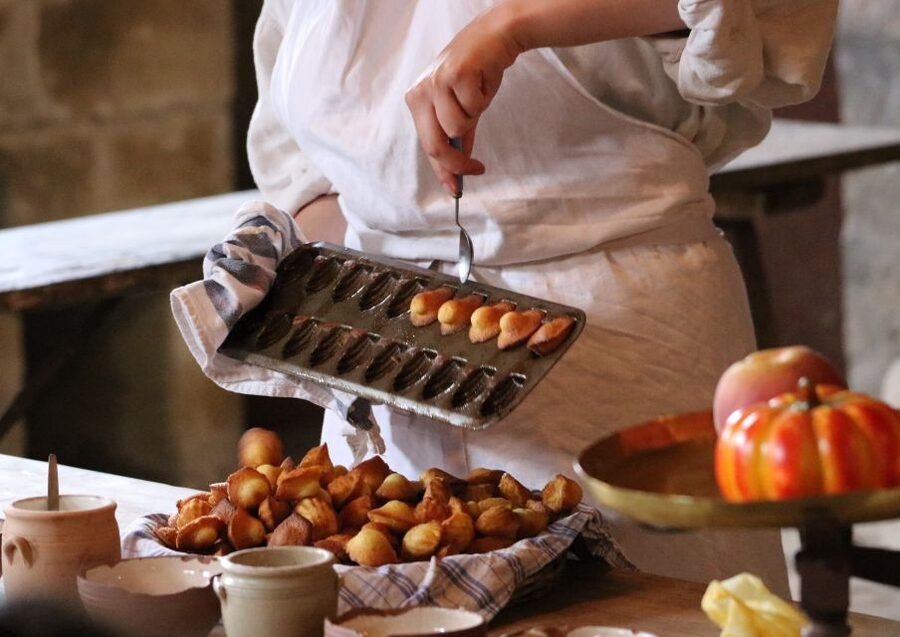
This is where the tour can surprise you, in a good way if you plan for it correctly. You’ll be guided to some of the city’s best spots for pastries and drinks, including the famous Café des Deux Moulins.
But here’s the important point: pastry testing is not included in the price of the tour. Food and drinks aren’t included at all. The tour presents iconic Parisian pastries as part of the experience, but you should expect to pay separately if you want to actually eat or drink.
I think that structure can work well. If you love pastries, you’ll know you need to budget extra and you can choose what fits your tastes. If you’re more focused on history and walking than snacking, you can keep your stops lighter without feeling like you’re missing a required tasting component.
Tip for value: decide in advance what you want most—sweet, coffee, or a sit-down pause. Then use the guide to point you to the better places and go from there. That’s often more satisfying than being rushed through pre-selected items.
Moulin Rouge at the end: the iconic finale
The tour ends at the Moulin Rouge cabaret. This closing stop is smart because it connects the neighborhood’s creative reputation to the Paris landmark most people already associate with Montmartre.
By the time you reach Moulin Rouge, the area’s stories have had time to build in your head. You’re not just arriving at a famous building; you’re arriving with context. That tends to make photos better too, because you’re aiming at a bigger idea than a single attraction.
This is also a good moment to slow down and take in how Montmartre’s image has shaped what stands at street level. The neighborhood changed, but the creative pull didn’t disappear.
Price and timing: what $37 buys you in real walking time
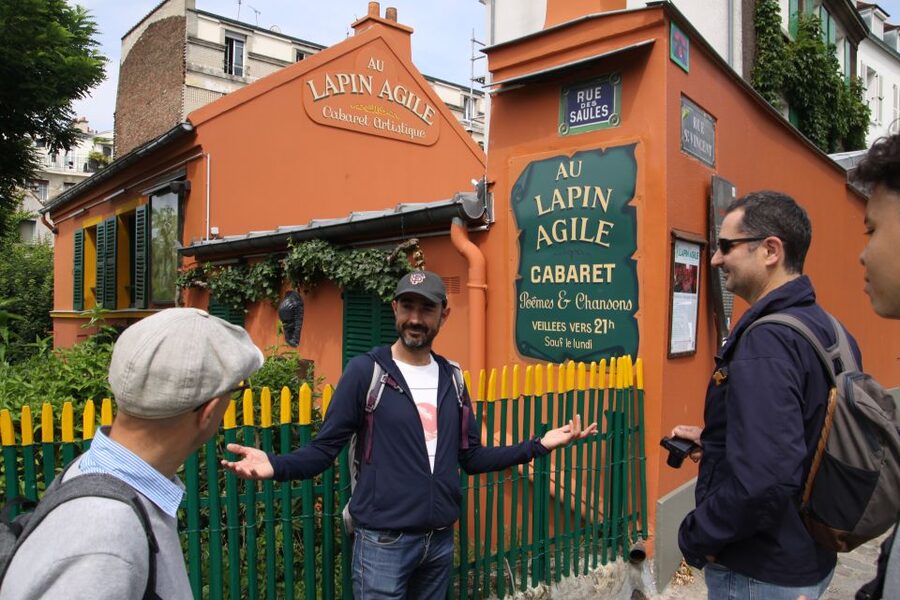
At $37 per person for about 150 minutes, you’re paying primarily for guided time in one of Paris’s trickiest neighborhoods to navigate on your own. That matters. Montmartre’s charm is partly in the layout—steep streets, twists, and sudden squares. Without help, it’s easy to miss the story and just do the walking.
Is it a bargain tasting tour? Not really, and you shouldn’t treat it like one. Food and drinks aren’t included, and pastry tasting isn’t part of what you get for the ticket price. The value is in the guiding: the landmark connections, the artist stories, and the help sorting out where to go next.
One review also noted the tour felt like it ran around three hours with a friendly, lively guide. Even if your group pace differs, the main takeaway is the same: this is enough time to feel like you explored Montmartre, not just checked boxes.
Who this tour fits best (and who should choose something else)
This tour is a great match if you want a guided walk focused on art culture and major landmarks, without the pressure of a structured food program. I’d especially recommend it if you like learning in the field—while you’re actually moving through the streets.
You’ll likely enjoy it if:
- You want Sacré-Cœur, Place du Tertre, and Moulin Rouge covered in one outing
- You like hearing artist stories connected to places you can see
- You’d rather get direction through side streets than wander by guesswork
It’s not suitable for people with mobility impairments or wheelchair users, because it’s a walking route through Montmartre’s uneven streets.
If you’re coming with a strict snack budget, you’ll be fine—just remember you’ll need to pay for pastries and drinks separately.
What to bring so you feel comfortable the whole way
This tour doesn’t ask for much, but a few items make a big difference:
- Comfortable shoes (non-negotiable here)
- Camera for Sacré-Cœur and the artist-connected streets
- Comfortable clothes for walking and changing light as you move around
If you plan to buy pastries, bring a little extra cash or card flexibility. You’ll get the guidance, and you can choose what to order when you’re ready.
Should you book this Montmartre Culture and Local Pastries Walking Tour
Book it if you want a guided Montmartre walk that connects famous landmarks to the neighborhood’s creative past, with help navigating the side streets and a pastry stop along the way. This is the kind of tour where a personable guide can make the time feel like a long stroll with a friend who happens to know the stories.
Don’t book it expecting a tasting tour. The $37 price covers the walking and guide only, while food and drinks are on you. If you’re okay planning for that, the tour earns its keep with clear direction, well-chosen landmarks, and art-focused context.
My decision checklist is simple:
- You’re comfortable paying extra for pastries if you want them.
- You want Montmartre art history tied to where you’re walking.
- You want the route handled for you, so you can focus on seeing.
If those boxes fit, you’ll probably have a great Montmartre afternoon.
FAQ
How long is the Paris: Montmartre Culture and Local Pastries Walking Tour
The tour lasts 150 minutes.
What is the meeting point for the tour
Meet your guide at the point between the metro stairs (Lamarck – Caulaincourt) and the restaurant Chez Ginette.
What’s included in the $37 price
The price includes a walking tour and a local guide.
Are pastries or drinks included
No. Food and drinks are not included in the tour price, and pastry testing is not included.
Which landmarks are included during the walk
You’ll see Sacré-Coeur, Place du Tertre, and you’ll end at Moulin Rouge. You’ll also visit artist-related stops such as the studios tied to Modigliani, Picasso, Utrillo, Van Dongen, Juan Gris, and Matisse, plus the famous mill painted by Renoir and Van Gogh.
What languages is the tour guide available in
The tour is available in English, German, French, Italian, and Spanish.
Is the tour suitable for wheelchair users or people with mobility impairments
No, it is not suitable for people with mobility impairments or wheelchair users.
What is the cancellation policy
You can cancel up to 24 hours in advance for a full refund.