REVIEW · BERLIN
Berlin: Historic Center Walking Tour with a Real Berliner
Book on GetYourGuide →Operated by You In Berlin · Bookable on GetYourGuide
Berlin history feels close-up here. This 2-hour Mitte walking tour with Carlo brings the city’s big moments down to street level, from royal Prussia to reunited Germany. You’ll walk with a live, certified multilingual guide and stop at the kind of sights you usually only see in photos, like Museum Island and the Brandenburg Gate.
I especially like that the route is packed but not frantic, with clear story beats across the Spree and the historic core of the city. I also like Carlo’s style: passionate, friendly, and ready for questions, with groups often saying the tour taught them more than years of school history.
One consideration: this is a true walking tour, so you’ll want comfortable shoes and a bit of weather tolerance since it runs in all conditions on public holidays.
In This Review
- Key things that make this tour worth your time
- Mitte’s straight-line history: why this walk clicks
- Meeting at St. Nicholas Church Museum: start where the story begins
- Nikolaiviertel and the feeling of early Berlin
- Museum Island: Berlin’s cultural center in one sweep
- The Humboldt Forum and the reconstructed Berlin City Palace
- Spree views and the Television Tower moment
- Unter den Linden: the oldest boulevard and its long political shadow
- Brandenburg Gate: reunification’s symbol, explained with care
- Price and what $43 buys you (and what it doesn’t)
- Who this tour fits best
- Weather, pace, and packing for a comfortable walk
- Should you book this Berlin Mitte tour?
- FAQ
- FAQ
- How long is the Berlin Historic Center walking tour?
- Where do I meet the guide?
- Where does the tour end?
- What languages are the guides available in?
- How big is the group?
- Is the tour wheelchair accessible?
- What should I bring for the walk?
- Will the tour run in bad weather or on holidays?
Key things that make this tour worth your time
- Small group (max 10) for more conversation and less crowd noise
- 2 hours that fit well on a first or second day in Berlin
- Carlo’s storytelling connects eras, not just dates and dates
- Major sights in tight order: Museum Island, Unter den Linden, Brandenburg Gate
- Wheelchair accessible route options, with walking as the main format
- Start/end at central landmarks so you can keep exploring right after
Mitte’s straight-line history: why this walk clicks
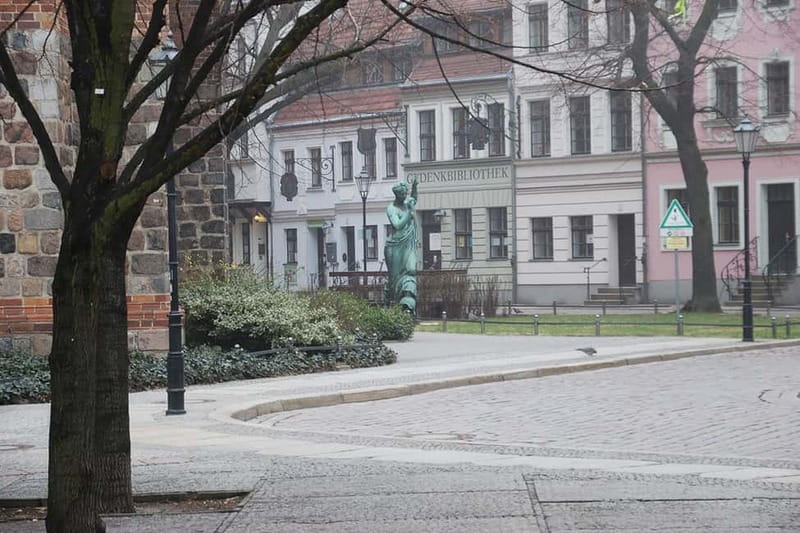
Mitte is where Berlin’s “main character moments” line up. And on this tour, you’re not just hopping between postcards. You’re tracing how the city changed shape—politically, culturally, and physically—while walking the exact urban spine that still holds those layers together.
What makes this especially useful is the pacing. Two hours sounds short until you realize the guide has built it like a guided timeline. You start with early roots near St. Nicholas (Nikolaikirche) and end at Brandenburg Gate, which acts like a punctuation mark for reunification in 1990. Along the way, the walk keeps pulling you from one era to the next, so you build a mental map fast.
Another smart choice: the tour threads famous landmarks with “why they matter” context. The guide doesn’t treat buildings like museum objects. They’re shown as part of the city’s power story—who built what, who used it, and what changed when Berlin was divided.
If you’re the type who wants a solid foundation without drowning in details, this is a great fit.
You can also read our reviews of more walking tours in Berlin


Meeting at St. Nicholas Church Museum: start where the story begins
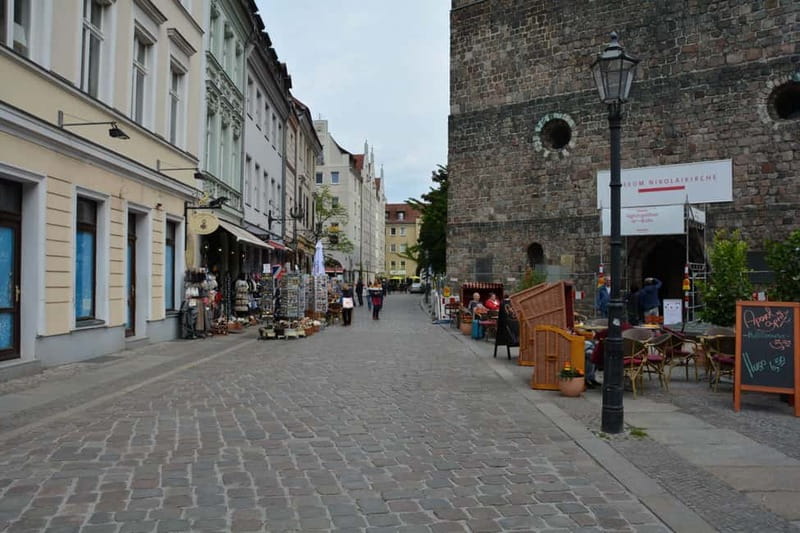
You meet outside the main entrance of the Nikolaikirche Museum (St. Nicholas’ Church Museum). Look for the tour guide holding a GetYourGuide – You in Berlin flag.
That starting point is handy for two reasons. First, it places you right in the historic core of Berlin, where the city’s early identity is easier to understand. Second, it gives you an immediate walking base: you’re not traveling across town to begin your “real Berlin” day.
The vibe at the start is also practical. Carlo tends to orient the group quickly, and that matters on a first visit. Berlin is big, but Mitte is walkable if you know where you are. This tour is built to help you feel that early sense of direction.
Nikolaiviertel and the feeling of early Berlin
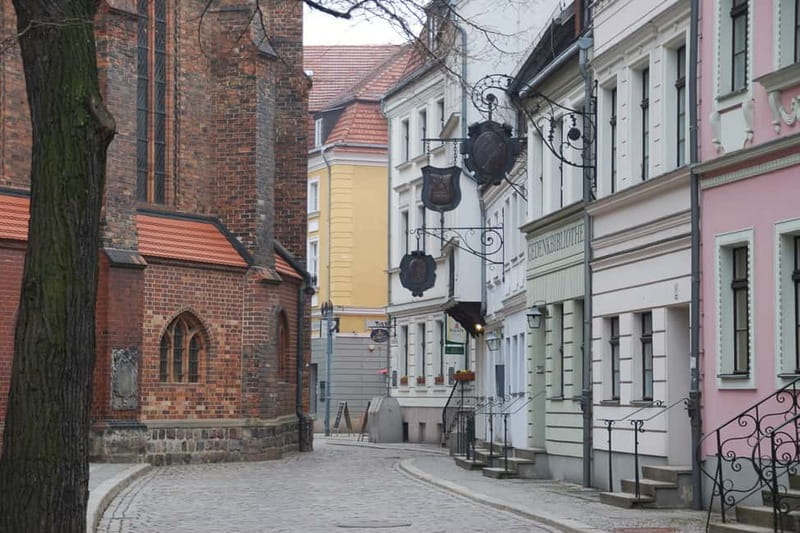
From the meeting point, you head into Nikolaiviertel, a district that helps you sense Berlin’s older texture. Even if you’re seeing it for the first time, the area’s character supports the guide’s larger theme: Berlin growing from a small trading settlement into a city that keeps reinventing itself.
This is one of those stops where the point isn’t one single building—it’s how the setting supports the story. You’ll get explanations about where the city came from and how it evolved into Germany’s capital. That “before the big symbols” grounding is useful later when you reach the more obvious monuments.
If you like your history anchored to places you can actually stand in, you’ll appreciate this part of the walk.
Museum Island: Berlin’s cultural center in one sweep
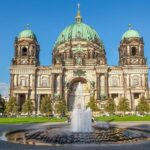
Next up is Museum Island, where Berlin Cathedral, the Old Museum, and the Humboldt Forum sit together like a cluster of meaning. This is a major highlight area, and for good reason: the architecture and institutions make the city’s priorities feel tangible.
Here’s what I think you’ll get from this stop:
- A clearer sense of how Berlin built its cultural reputation
- A “big picture” view of power and education—who funds culture and why
- A guided way to look at landmarks that can otherwise feel like three separate places
You’ll also walk around views tied to the Spree. That water corridor is part of why Berlin feels like it has an internal rhythm. It turns a simple walk into something atmospheric, even when you’re just following the guide’s route.
One small drawback: Museum Island is a popular area, so expect crowds at certain moments. The group size is small, which helps, but you’ll still feel the city around you.
The Humboldt Forum and the reconstructed Berlin City Palace
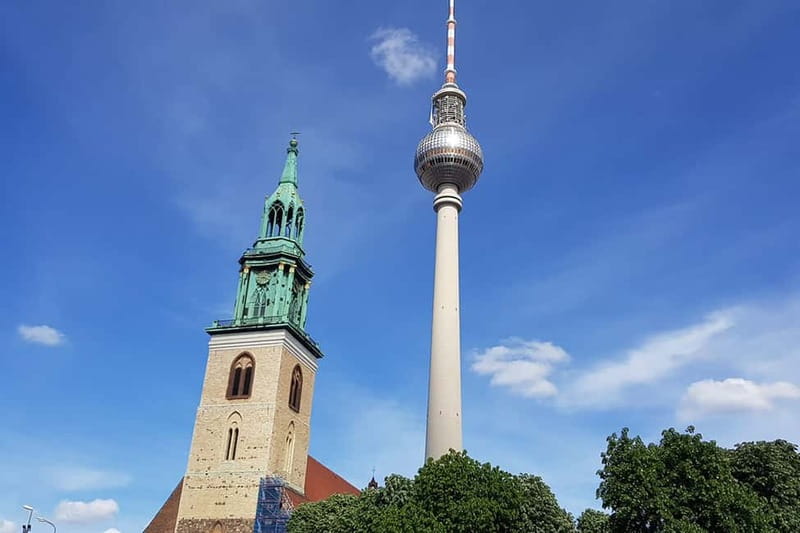
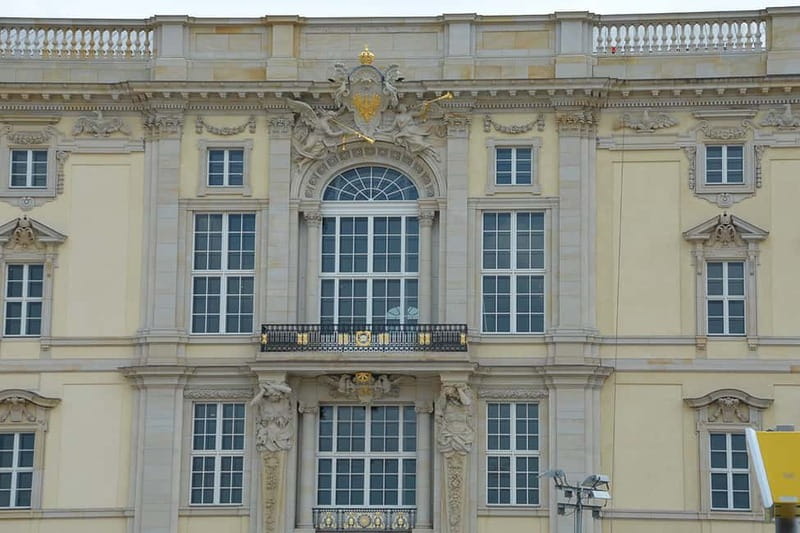
At the Humboldt Forum area, the tour shifts from “institutions” to “symbolism.” You’ll see the reconstructed Berlin City Palace and hear about what the reconstruction represents in Berlin’s modern identity.
This is one of the stops where the guide’s storytelling really matters. Without context, a reconstructed palace can look like a themed set. With context, it becomes a clue about what Berlin chose to restore, what it chose to reinterpret, and how it frames memory after big political shocks.
You’ll also cross the Palace Bridge (Schlossbrücke), which is a smart transition point. It helps you move from the Museum Island cluster to the broader historical center with a natural change in scenery. It’s not just “more walking”—it’s a shift you can feel.
You can also read our reviews of more historical tours in Berlin



Spree views and the Television Tower moment
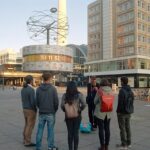
The route also includes seeing Berlin’s highest building: the Television Tower. You won’t just be told it exists—you’ll understand how it fits into the city’s modern skyline.
This stop works for two kinds of people:
1) If you like modern Berlin and want one clean, visible landmark, it gives you that quickly.
2) If you’re more history-focused, the Television Tower provides contrast to the older cores you’ve been walking through.
In other words, it’s a visual reminder that Berlin isn’t stuck in the past. It keeps building on top of itself. Even if you only catch a partial view from the walk, it’s an easy landmark anchor for your memory.
Unter den Linden: the oldest boulevard and its long political shadow
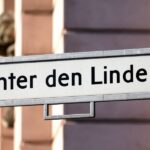
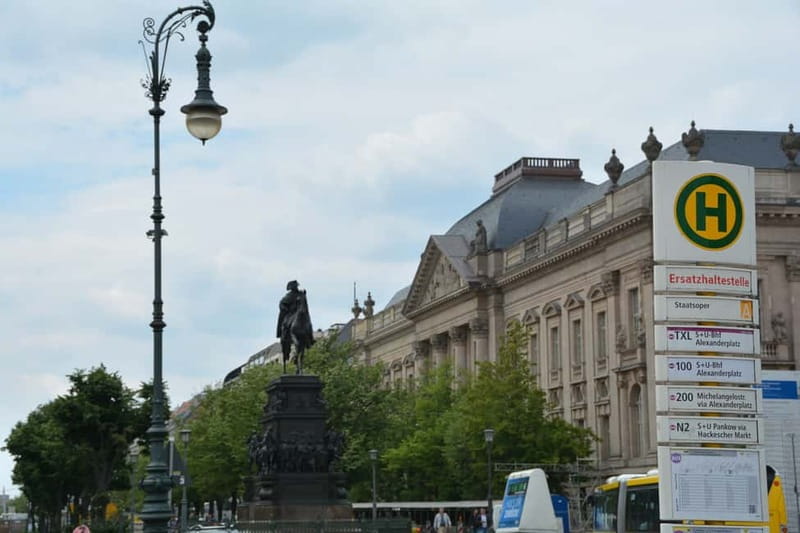
Then you hit Unter den Linden, described as the oldest boulevard in Berlin. This is where the walk becomes extra “Berlin.” It’s a straight, grand-feeling corridor lined with institutions and monuments tied to different eras of rule.
Along the way, you’ll spot:
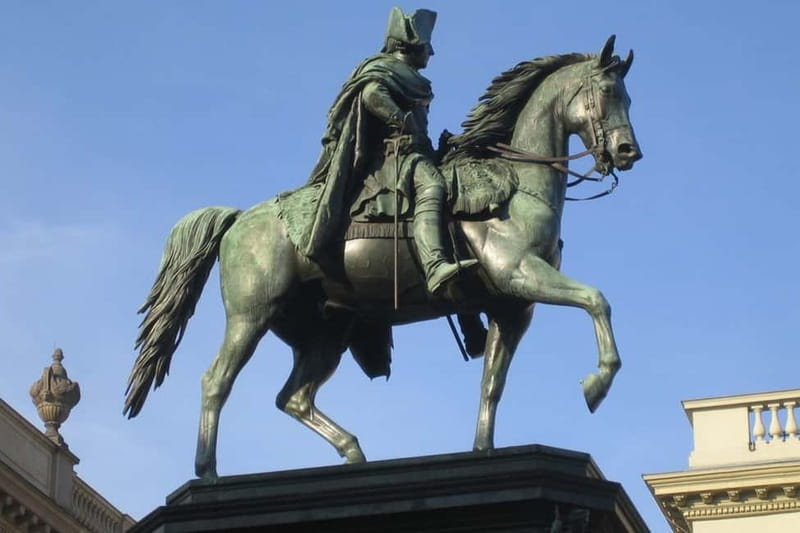
- The Equestrian Statue of Frederick the Great
- The State Opera
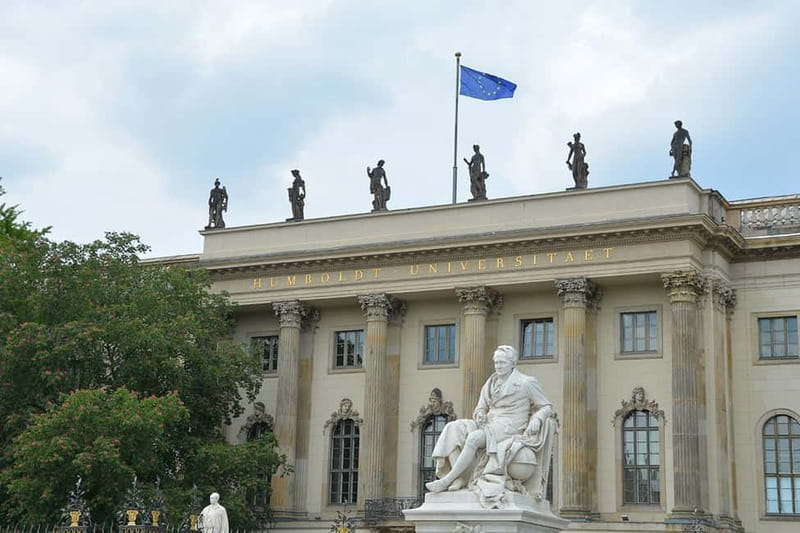
- Humboldt University
- St. Hedwig’s Cathedral
What makes this section valuable is the way the guide ties each landmark to the city’s evolving identity. These aren’t random stops; they’re pieces of one big story about power, culture, education, and faith.
If you’re taking the tour early, this is also where you can start using the street itself as your mental map. You’ll later recognize the boulevard in other parts of the city and feel less lost.
Brandenburg Gate: reunification’s symbol, explained with care
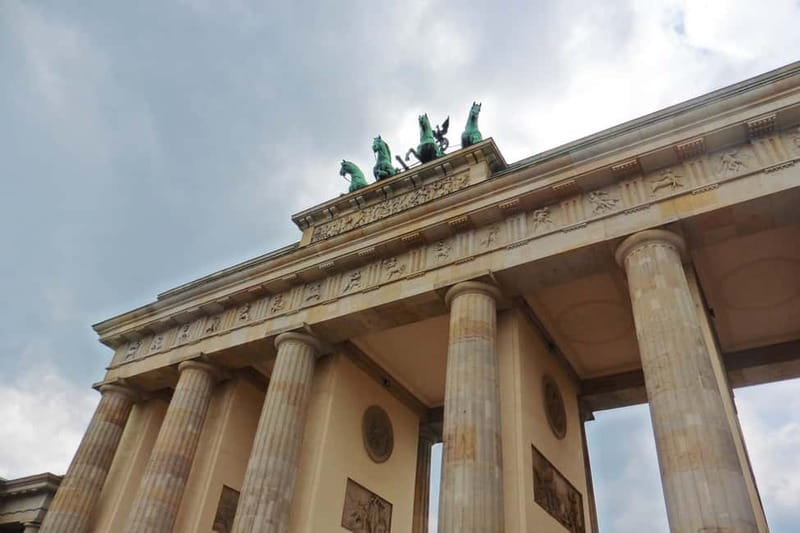
The tour ends at Brandenburg Gate, and it’s not an afterthought. You’ll hear the landmark’s moving story before, during, and after Berlin’s division, plus why 1990 is such a focal point for reunification.
This is the big emotional payoff. Brandenburg Gate is famous, yes—but what makes it land is the guided narrative. The guide connects the gate to broader political change, so it feels less like a photo backdrop and more like a witness to history.
One practical note: Brandenburg Gate area can be busy. If you want photos, plan for quick pauses rather than slow wandering. Your guide will keep the group moving at the right pace for the story.
Ending here is also a gift. It’s a central location, so after the tour you can keep going on foot or by transit without feeling stuck.
Price and what $43 buys you (and what it doesn’t)
For $43 per person for a 2-hour walking tour, you’re paying for one thing: a professional guide who can connect places into a timeline. You’re not just buying access to landmarks; you’re buying interpretation—how to read Berlin as it layers past and present.
That cost feels especially reasonable if:
- It’s your first time in Berlin and you want fast orientation
- You prefer fewer stops with better context
- You’d rather spend your energy asking questions than Googling while walking
What’s not included is equally important. Food and drinks aren’t part of the price, and there’s no hotel pickup/drop-off. Bring water if it’s warm, and plan a snack or meal afterward.
Who this tour fits best
This tour is ideal if you want:
- A clear foundation in Berlin history without getting lost in details
- A guided walk through the classic Mitte highlights
- A small-group experience where Carlo can answer questions
It also suits people who like a balanced approach—yes, there’s division and reunification content, but you’ll also hear how Berlin developed from Prussian residence city to capital of a reunited Germany.
If you only have a short window and you want the “big hits” in a logical order, this is a strong choice.
If you hate walking, or you need long breaks every few minutes, then it may feel too much. Otherwise, it’s a very efficient use of time.
Weather, pace, and packing for a comfortable walk
The tour runs in all weather conditions and on public holidays. That means your clothing matters more than usual.
Bring:
- Comfortable shoes
- Comfortable clothes
That simple rule covers most scenarios. If it’s rainy, you’ll want something you can move in and keep your footing. And it’s worth noting that Carlo has shown up prepared for bad weather in past groups—so you’ll likely get guidance if conditions shift.
The pace is designed for a small group and a 2-hour arc. You’ll be walking continuously, with stops for explanation and photos. If you like to linger, plan a longer follow-up walk after the tour at Brandenburg Gate or along Unter den Linden.
Should you book this Berlin Mitte tour?
I’d book it if you want the fastest way to understand Berlin’s historic core: Prussia to the Cold War, then to reunification. The route hits the places you’ll keep hearing about—Museum Island, Humboldt Forum/City Palace reconstruction, Unter den Linden, and Brandenburg Gate—and the guide’s job is to connect them into one story you can remember.
I’d skip it only if you already know Berlin history well and you mainly want free time to roam without a structured narrative, or if you have mobility needs that make a walking-centered route hard.
FAQ
FAQ
How long is the Berlin Historic Center walking tour?
The tour lasts 2 hours.
Where do I meet the guide?
Meet in front of the main entrance of the Nikolaikirche Museum (St. Nicholas’ Church Museum).
Where does the tour end?
The tour ends at Brandenburg Gate.
What languages are the guides available in?
The live guide speaks German, English, and Italian.
How big is the group?
The tour is a small group limited to 10 participants.
Is the tour wheelchair accessible?
Yes, it is wheelchair accessible.
What should I bring for the walk?
Wear comfortable shoes and bring comfortable clothes.
Will the tour run in bad weather or on holidays?
Yes. The tour takes place in all weather conditions and on all public holidays.