REVIEW · BUDAPEST
Jewish Quarter of Budapest Walking Tour
Book on GetYourGuide →Operated by Triptobudapest.hu - Free Budapest Walking Tours · Bookable on GetYourGuide
One sentence hook: This walk turns Budapest history into human stories. I like the personal, story-driven approach and the way you’ll connect the Jewish Quarter to today’s street life, including nightlife and urban art. The main catch: you won’t go inside synagogues, and you’ll need upper-intermediate English to keep up.
You’ll meet at a very specific spot by Budapest Eye, follow a guide through the Jewish Triangle sights, and end with a local pub stop where the mood shifts from facts to feelings. If you want a quick hit that still includes heart and context, this tour is built for you—just know it’s paced for understanding, not rushing.
In This Review
- Key Things I Think Are Worth Your Time
- Meeting the Royal Blue Flag by Budapest Eye
- Why This Jewish Quarter Walk Feels Personal (Not Just Scenic)
- The Jewish Triangle: Seeing 3 Synagogues Without the Ticket Rush
- Hungarian Jewish History and the Stories of the Righteous Gentiles
- Hidden Symbols, Street Art Clues, and Why the Nightlife Matters
- The Last Stop: A Local Pub Moment (And Easy Into Your Night)
- How Long You’ll Walk, English Level, and the Real Pace
- Price and Donations: What You’re Really Paying For
- Who Should Book This Tour (And Who Might Want Something Different)
- Should You Book the Jewish Quarter of Budapest Walking Tour?
- FAQ
- How long is the Jewish Quarter of Budapest walking tour?
- Is this a free tour, and how do donations work?
- Do you enter the synagogues during the tour?
- Where is the meeting point?
- What language is the tour in?
- Is the tour wheelchair accessible, and are there group limits?
Key Things I Think Are Worth Your Time
- Royal Blue flag meetup by the Budapest Eye fountain makes it easy to find the group
- Three synagogues of the Jewish Triangle are the core landmarks (without entering them)
- Hungarian Jewish history plus the Righteous Gentiles gives real moral context, not just dates
- Hidden symbols and lesser-known stories help you read the neighborhood instead of just seeing it
- A pub/ruin bar finish connects the past to Budapest’s current hangout culture
Meeting the Royal Blue Flag by Budapest Eye
Getting started is part of the charm here. You’ll meet at the Budapest Eye ferris wheel meeting point, right next to the fountain, and your group will be holding a ROYAL BLUE flag so you can spot them fast. This matters because the Jewish Quarter is a maze of side streets—finding the right group quickly keeps the first minutes relaxed instead of frantic.
From there, expect an easy walking rhythm for about 1.5 hours. The tour is live-guided in English, and it’s designed to be followable on foot without needing extra planning on your end. Since the activity is wheelchair accessible, you’ll also want to go with a mindset of careful pacing and frequent small pauses rather than sprinting between stops.
You can also read our reviews of more walking tours in Budapest


Why This Jewish Quarter Walk Feels Personal (Not Just Scenic)

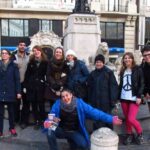
This isn’t a “read a plaque, move on” type of tour. The guides focus on touching, personal stories that put history back into the people who lived it. You’ll also get a lens on contemporary Budapest—nightlife and the city’s urban art scene—so the neighborhood feels like it has a present-day pulse, not only a past.
I like how the tour’s structure supports empathy. You’re not asked to memorize a timeline. Instead, you learn how communities formed, how they were targeted, and how some people acted with courage. That’s exactly where many visitors need help: turning big, hard events into something you can actually understand.
The tone can be serious. That’s not a drawback for the right audience—it’s the point. Still, if you’re looking for a purely light, photo-only sightseeing loop, you may find the emotional weight a bit more than you planned.
The Jewish Triangle: Seeing 3 Synagogues Without the Ticket Rush
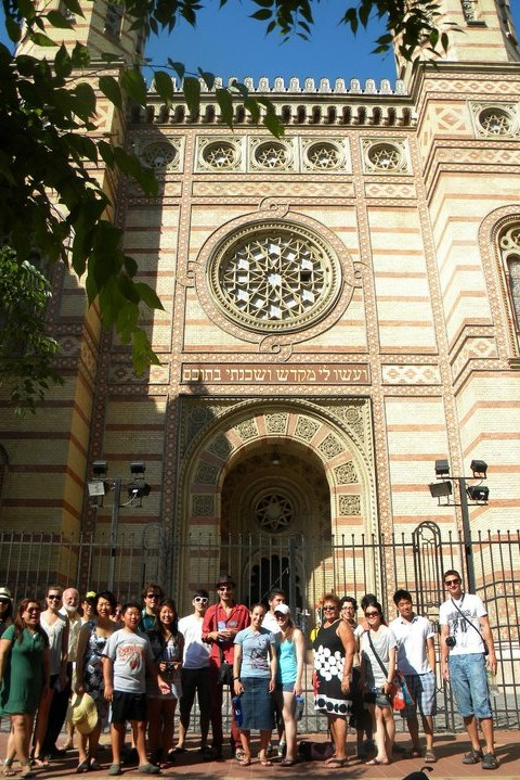
The centerpiece is the Jewish Triangle, built around three synagogues you’ll visit as part of the walk. You should know up front: you don’t enter the synagogues on this tour. That changes the experience in a big way.
Here’s the trade-off:
- You save time and avoid lining up, getting stuck in last-minute ticket logistics.
- You also rely on the guide’s explanation to bring the buildings to life from the sidewalk.
For many people, that’s a smart choice. Budapest’s Jewish Quarter is dense, and with only about 90 minutes, the tour team keeps the focus on what you can absorb while walking between landmarks. If you want interior access, you can do it afterward on your own, when it fits your schedule.
A practical tip: bring your “look mode.” Stand, take a moment, and let the guide connect the visible details to the history they’re describing. Since you won’t be inside, your eyes become part of the learning process. You’ll get more out of it if you slow down for 30-second pauses instead of treating each stop like a quick snapshot.
Hungarian Jewish History and the Stories of the Righteous Gentiles
This tour highlights Hungarian Jews and also the idea of the Righteous Gentiles—non-Jewish people who risked themselves to help Jewish neighbors. That pairing is powerful because it stops the story from becoming only about victims and villains. It introduces moral choices, human bravery, and the complexity of everyday life under pressure.
What I find especially useful for visitors is that the guide’s job here is not just to summarize. They’re meant to explain why these stories matter to understanding Budapest today. When a neighborhood has been shaped by loss and survival, it shows up in architecture, street names, community institutions, and even the emotional tone locals carry.
You’ll also likely encounter lesser-known narratives and hidden symbols as you move through the area. Those are the kinds of details that make the Jewish Quarter feel readable, like you’re learning the neighborhood’s private language rather than only the tourist version.
Hidden Symbols, Street Art Clues, and Why the Nightlife Matters
One of the best surprises of this tour is that it bridges eras. The Jewish Quarter isn’t just a museum district—it’s connected to Budapest nightlife and an active urban art scene. The guide helps you connect that present-day creativity to the neighborhood’s past without making it feel like a shallow “past meets party” gimmick.
You may also hear about small, easy-to-miss features around the city—like recurring symbols and details that don’t get noticed on a normal walk. Some visitors specifically call out learning about things like miniature statues around the city and how ruin bars fit into the neighborhood’s identity. Even if you don’t remember every symbol, you’ll walk away with the habit of looking more carefully.
The tour includes a “local” ending, which usually means you’ll finish near a pub or ruin bar. That matters because ruin bars aren’t just nightlife venues; they’re part of how Budapest reinvents older spaces and keeps the area alive after dark.






The Last Stop: A Local Pub Moment (And Easy Into Your Night)
Most walking tours end with a shrug and a photo. This one tries to make the transition smoother. You’ll end with a stop at a local pub and get a chance to continue the conversation in a more natural setting.
Here’s what you can plan around:
- Your tour ticket may indicate the activity ends back at the meeting point.
- Guide stories and tour experiences often point to a final stop at a ruin bar area, with places like Bar Simplar showing up in guide feedback.
Either way, think of the last part as a soft landing. You’ll have a clearer mental map of what you just learned, and you’ll have a practical suggestion for where to go next without guessing.
If you’re planning your evening, this is a smart way to do it. You’ll get recommendations tied to the neighborhood’s vibe rather than generic “go here because it’s famous” advice.
How Long You’ll Walk, English Level, and the Real Pace
The duration is listed as 1.5 hours, so you should expect a focused route with stops that balance talking and walking. A recurring theme from guide feedback is that pacing tends to be considerate—pauses, shade stops when available, and enough time to ask questions.
Two key things to keep you comfortable:
- Bring patience for the emotional moments. Some stories are moving and serious, and the guide won’t rush past them.
- Keep your English level strong. The tour notes that you need an upper-intermediate English level to enjoy and follow the guide.
Also note a group-size rule: groups of 8 or more aren’t allowed to book this tour. That’s usually a good sign for your experience. Smaller groups tend to move better and allow more questions without feeling like a school assembly.
Wheelchair accessible means route planning is more thoughtful than a typical “just keep up” tour. Still, on cobbled streets, it can help to wear supportive shoes and keep your expectations practical.
Price and Donations: What You’re Really Paying For
The listing price shows $2.27 per person, which sounds symbolic—and that’s because the tour is essentially donation-based. The important part is what happens at the end.
The information you get is clear:
- Guides depend entirely on your donations at the end.
- Your paid booking fee goes to administration and does not go to the guide.
So the value question becomes: is the price you see just a way to secure a spot, while the real cost is what you choose to tip?
Most guests are suggested to tip around €10 per person, with some tipping more. If you like story-based guiding, ask yourself what you’d pay for an equivalent guided experience in a city museum or paid city walk. If the guide holds your attention, answers questions, and makes the history stick, tipping in that neighborhood range is a fair match.
One practical mindset shift: treat this like a cultural performance you’re responsible for supporting, not a freebie you get to take lightly.
Who Should Book This Tour (And Who Might Want Something Different)
This tour fits best if you want:
- A short, structured walk that still covers serious history
- The Jewish Triangle synagogues as landmark anchors
- A mix of reflection and Budapest’s current feel (nightlife, street art culture)
- A guide who can handle questions and explain difficult themes with respect
It may feel less ideal if:
- You want to go inside synagogues during the tour (this one does not enter them)
- Your English is below upper-intermediate and you struggle to follow live explanations
- You’re hoping for a light, purely entertainment-style walking loop
If you’re the type who enjoys learning how cities got shaped—especially through people, not just buildings—this is a strong match.
Should You Book the Jewish Quarter of Budapest Walking Tour?
I’d book it if you’re visiting for the first time and you want a fast way to understand what the Jewish Quarter means—morally, historically, and in today’s Budapest. The standout value is the combination of 3 key synagogue landmarks, Righteous Gentiles context, and a human guide style that keeps your brain engaged instead of letting facts slide past.
Skip it only if synagogue interior access is your top priority or if you know you’ll struggle with upper-intermediate English pacing. Otherwise, this is a very reasonable way to turn a neighborhood walk into a story you’ll remember.
FAQ
How long is the Jewish Quarter of Budapest walking tour?
The tour duration is listed as 1.5 hours.
Is this a free tour, and how do donations work?
It’s presented as a free walking tour experience where guides depend on your donations at the end. The booking fee you pay goes to administration, not to the guide’s earnings.
Do you enter the synagogues during the tour?
No. The tour does not enter the synagogues, but you can visit them on your own.
Where is the meeting point?
Meet at the Budapest Eye ferris wheel meeting point, next to the fountain. The guide will be holding a ROYAL BLUE flag.
What language is the tour in?
The tour is in English with a live tour guide.
Is the tour wheelchair accessible, and are there group limits?
Wheelchair accessibility is listed. Groups of 8 or more are not allowed to book this tour.