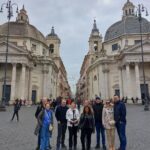
REVIEW · ROME
Rome Jewish Ghetto and Great Synagogue Small Group Walking Tour
Book on Viator →Operated by Sara Terracina · Bookable on Viator
Rome hides a second story in plain sight. This small-group walk through the Jewish Ghetto and into the Great Synagogue turns history into something you can actually picture, with careful pacing and a guide who knows the neighborhood beyond the facts. I love how the tour mixes big landmarks with everyday street details, so you leave with both context and atmosphere.
The best part is the guide-led experience: you’ll visit the Jewish Museum and the Great Synagogue with the same person explaining what you’re seeing. And if you want less hassle, you’ll appreciate the multilingual format, since the tour runs in English (and can be arranged in Spanish or Italian).
One thing to consider: the Great Synagogue visit is brief, and on certain Jewish holidays in 2025 the synagogue and museum can be closed to the public, so you’ll get an outside explanation instead of entry.
In This Review
- Key highlights at a glance
- Why Rome’s Jewish Ghetto still matters
- Meeting at Largo 16 ottobre 1943: an easy start point with gravity
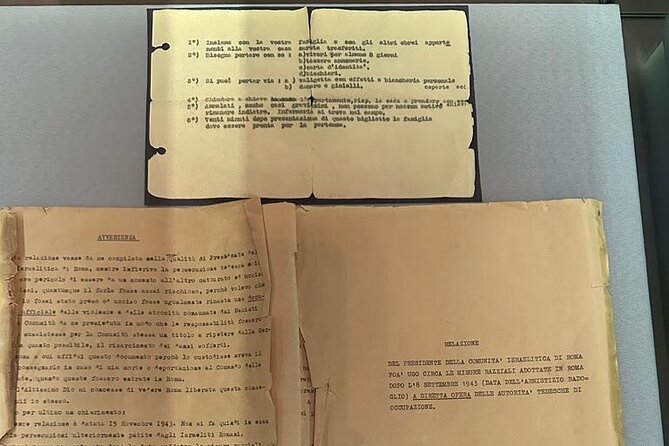
- Jewish Museum of Rome: artifacts that turn into real context
- Tempio Maggiore di Roma: the Great Synagogue moment
- Antico Quartiere Ebraico walk: streets, squares, and daily-life clues
- Small-group energy and Sara Terracina’s personal touch
- Price at $169.31: what you’re paying for (and what you’re not)
- Timing, special closures, and how to plan your day
- Who should book this tour, and who might prefer another option
- Should you book the Rome Jewish Ghetto and Great Synagogue tour?
- FAQ
- How long is the Rome Jewish Ghetto and Great Synagogue small group walking tour?
- How much does the tour cost?
- What group size should I expect?
- What languages are available?
- What will I see during the tour?
- Are tickets included?
- Where is the meeting point?
- Will the tour visit the Great Synagogue and Jewish Museum on Jewish holidays in 2025?
- Are service animals allowed?
- What is the cancellation policy?
Key highlights at a glance

- Max 12 travelers keeps the group calm and question-friendly
- Inside time at Tempio Maggiore lets you see the Great Synagogue up close
- Jewish Museum + ghetto streets give you both artifacts and real-world geography
- Largo 16 ottobre 1943 is a striking start point that sets the tone quickly
- Sara Terracina’s personal connection gives the stories extra weight and clarity
Why Rome’s Jewish Ghetto still matters
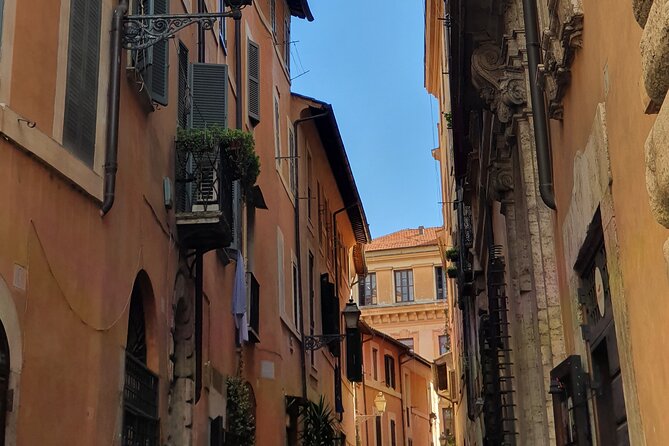
Rome’s Jewish community has a long timeline, with periods of stability, pressure, and change that shaped daily life as much as politics did. That’s why this tour works: you’re not just checking buildings off a list. You’re learning how a community left its mark on streets, institutions, religious spaces, and even local routines.
You’ll also get a sense of how Rome’s layers overlap. The ghetto area is all narrow lanes, quiet squares, and old stonework, and it feels different from the usual high-traffic sightseeing routes. Walking it with a guide helps you notice what’s easy to miss on your own.
Most importantly, you’ll hear the human side—why endurance, identity, and adaptation weren’t abstract ideas. The tour keeps steering you back to what life was like across different eras.
You can also read our reviews of more walking tours in Rome



Meeting at Largo 16 ottobre 1943: an easy start point with gravity
You meet at Largo 16 ottobre 1943 Deportazione degli Ebrei di Roma, which instantly grounds the experience in the reality of what happened to Rome’s Jewish community during World War II. Even if you already know the broad outline, the location helps the story land in a concrete way.
It’s also practical. The meeting point is central and easy to find, and it’s near public transportation, so you can line it up with the rest of your day without stress. You return to the same spot at the end, which makes logistics simple.
If you’re traveling with someone who needs consistency and clear directions, this kind of setup helps. The tour keeps its structure tight, and you’re not hunting for the next landmark while the clock runs out.
Jewish Museum of Rome: artifacts that turn into real context
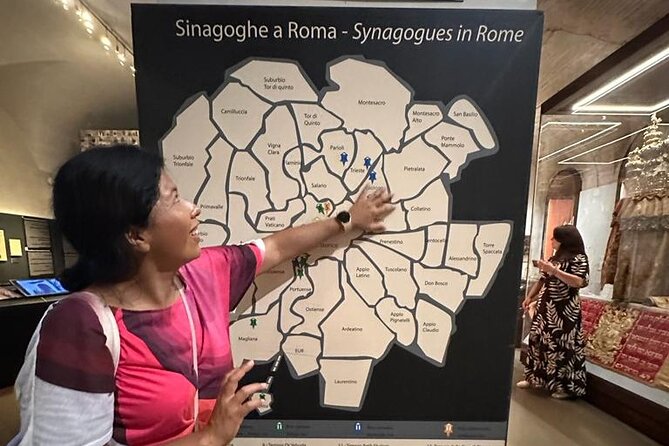
The first stop is the Jewish Museum of Rome, which is a key place for understanding the community behind the buildings. You’ll spend about 1 hour here, and the focus is on learning how Jewish life, objects, and memory connect across time in Rome.
One practical note: ticket handling for this stop is described as being done on the spot, using credit card or cash. So if you’re planning ahead, bring a card and some cash just in case. That way you don’t feel stuck in line or at a machine.
The value of the museum time is that it gives you a lens before you step into the synagogue. Without that setup, it’s possible to see impressive rooms and architecture but miss what they symbolize. With it, you start to recognize why certain objects and stories matter.
Also, museum pacing tends to work best for smaller groups. You can ask questions as you go, instead of waiting until you’re outside, which is when your curiosity usually spikes.
Tempio Maggiore di Roma: the Great Synagogue moment
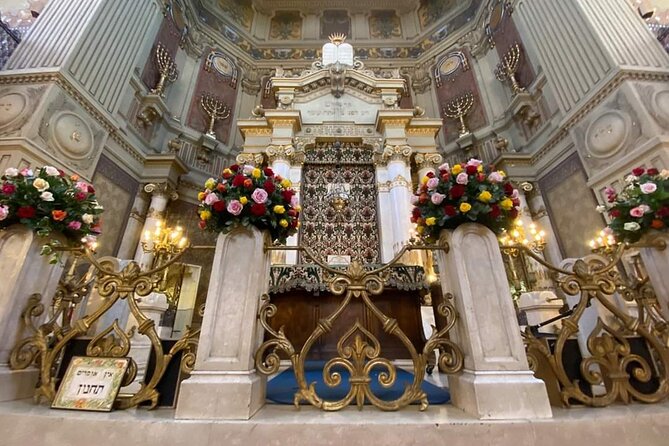
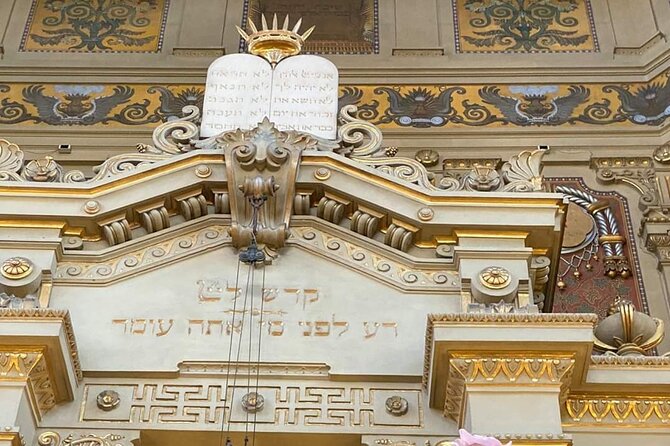
Next comes the Tempio Maggiore di Roma, Rome’s Great Synagogue, known for its striking dome. You’ll get about 15 minutes inside, and the entrance is included as part of the tour.
Even with a short visit window, the payoff is big. In a place like this, a little time inside goes farther than you’d expect, because you’re noticing layout, details, and the feel of the space—not just taking photos. This is the stop that many people remember as the physical centerpiece of the whole experience.
The guide’s role here is crucial. You’ll be hearing explanations from the same person who took you through the museum, which means the synagogue isn’t treated like a standalone spectacle. You get the meaning behind what you’re looking at.
What to keep in mind: 15 minutes is not a long time. If you’re the type who likes to linger and read every label, you may wish you had more time. The flip side is that you’re also less likely to feel rushed by the crowd; with a small group, the time feels focused rather than frantic.
Antico Quartiere Ebraico walk: streets, squares, and daily-life clues
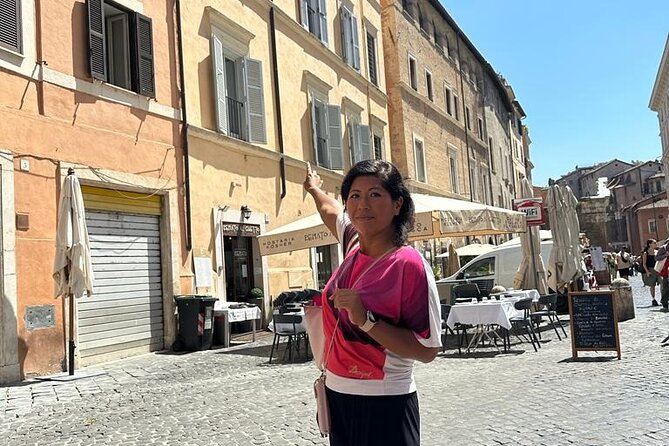
After the indoor stops, the tour shifts into a walking rhythm through the Antico Quartiere Ebraico—the old Jewish quarter. You’ll spend about 1 hour here, and there’s free admission, because you’re moving through the neighborhood fabric rather than paying for another building.
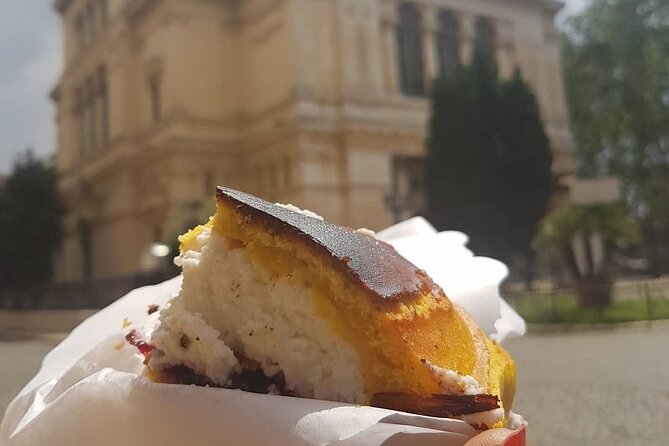
This part is where the tour becomes atmospheric. You’ll notice narrow streets, quiet squares, and even hidden fountains that make the area feel calmer than you might expect in a big city like Rome. And you’ll also pass traditional restaurants and bakeries in historic buildings that date back to Roman and Medieval periods.
This stop is also one of the best times to ask questions about what you’re seeing. When you’re looking at streets and facades, it’s easy for a guide to connect architecture to the community’s lived reality—how people moved, where they gathered, and how the neighborhood evolved.
Practical tip for you: wear comfortable shoes. The route is a walking experience through an older street network, so good traction and cushioning matter more than you might think.






Small-group energy and Sara Terracina’s personal touch
This tour runs with a maximum of 12 travelers, and that matters. In small groups, you don’t feel like you’re on rails. You can ask questions without the guide having to speed past your curiosity, and you get a more human pace.
You also benefit from a consistent guide throughout, which is a quiet detail that makes the whole experience smoother. The same person explains the Great Synagogue and the Jewish Museum, so the “why” and “what” stay connected.
A name you’ll see repeatedly is Sara Terracina, and her personal ties to the area come through in the way she tells stories. Many guests highlight that her connection adds depth—especially when history includes painful chapters. You get more than a lecture; you get guided meaning.
There’s another real advantage here: you can ask follow-up questions and get careful answers. If you like context, she’s the kind of guide who doesn’t treat questions like interruptions. People also note her use of Hebrew and Yiddish phrases and excerpts, which can make the experience feel less like secondhand information and more like a living cultural thread.
Price at $169.31: what you’re paying for (and what you’re not)
At $169.31 per person for roughly 2 to 3 hours, this is not a budget add-on. So you should ask: is it worth it?
Here’s what you are paying for, based on the tour structure you’ll experience:
- A guided visit through both the Jewish Museum of Rome and the Great Synagogue
- A guide who stays with you across indoor and outdoor stops
- Small-group pacing (max 12 travelers)
- Entrance coverage for the synagogue and museum as part of the tour’s plan
If you’re the type who likes depth over photo stops, this price starts to make sense quickly. Two hours can be tight in large crowds, but in a small-group format, you gain time for questions and real understanding. The tour also saves you from piecing together multiple visits on your own, especially when timing inside sacred spaces is involved.
You might also consider this as value insurance. Tickets, timing, and interpretation are bundled, and your guide handles the flow. That’s often worth something, especially for places that can feel complex at first glance.
Timing, special closures, and how to plan your day
The tour lasts about 2 to 3 hours, and the experience tends to work best when you give it a spot that doesn’t feel rushed. You’ll move from museum to synagogue to neighborhood walk, and each segment relies on the previous one for momentum.
There’s one key scheduling detail: on multiple Jewish holidays in 2025, the Great Synagogue and the Jewish Museum may be closed to the public. When that happens, the tour still runs in the afternoon, and the guide explains from outside only.
If you’re traveling around the dates listed (including Yom Kippur, Sukkot, Rosh HaShanà, and others), check your calendar early and be ready for the outside-only version. That can still be meaningful, but your expectations should shift from entry time to street-level interpretation.
If you want the full inside experience, try to book on a day that isn’t one of those closures. When you’re planning Rome, I’d also pair this with less time-sensitive sightseeing later, so the day stays flexible.
Who should book this tour, and who might prefer another option
This tour fits especially well if you:
- Want an organized way to understand the Jewish story in Rome, not just see buildings
- Prefer a small group over a large crowd
- Appreciate guides who bring local, community-rooted context
- Enjoy asking questions and getting thoughtful answers
It’s also a solid choice for families, because the tour is described as approachable for most travelers and the guide can handle different levels of curiosity. If you’re traveling with teens, the Q&A style can be a good match for their tendency to ask lots of why questions.
Who might hesitate? If you’re someone who needs long, unhurried time in indoor spaces, the 15 minutes inside the Great Synagogue may feel short. Also, if you’re visiting specifically on a listed Jewish holiday in 2025, you should plan for an outside-only format for the synagogue and museum.
Should you book the Rome Jewish Ghetto and Great Synagogue tour?
If you want Rome in a different key—one that connects sacred spaces, artifacts, and lived neighborhood details—this is a strong booking. The small-group size, the consistent guide, and the personal storytelling from Sara Terracina are the big reasons. You’re getting structure without losing humanity.
I’d book it if you care about context and you’d rather learn something meaningful than just snap pictures and rush away. It’s also a great fit if you want a tour that respects heavy history while still focusing on culture, endurance, and what the community built and carried forward.
If you’re visiting during a 2025 Jewish holiday on the closure list, only book if you’re okay with the outside-only version and the tour shifts into interpretation from street level. Otherwise, aim for a regular day and enjoy the full arc from museum understanding to the synagogue’s interior experience and then the ghetto walk.
FAQ
How long is the Rome Jewish Ghetto and Great Synagogue small group walking tour?
It runs about 2 to 3 hours.
How much does the tour cost?
The price is listed as $169.31 per person.
What group size should I expect?
The tour has a maximum of 12 travelers, and it requires a minimum of 4 people to run.
What languages are available?
The guided tour is offered in English, Spanish, or Italian. If you book in a language other than English, you’re asked to contact the guide immediately, otherwise the tour will still be conducted in English.
What will I see during the tour?
You’ll visit the Jewish Museum of Rome, the Great Synagogue (Tempio Maggiore di Roma), and then walk through the Antico Quartiere Ebraico.
Are tickets included?
Entrance ticket for the Jewish Museum and the Great Synagogue is part of the tour. For the Jewish Museum stop, ticket purchasing is noted as being done on the spot with a credit card or cash.
Where is the meeting point?
You meet at Largo 16 ottobre 1943 Deportazione degli Ebrei Di Roma, 00186 Roma RM, Italy, and the tour ends back at the same meeting point.
Will the tour visit the Great Synagogue and Jewish Museum on Jewish holidays in 2025?
On the listed 2025 Jewish holidays, the Great Synagogue and the Jewish Museum may be closed to the public. The tour will still take place in the afternoon, but visits will be from outside only with explanations.
Are service animals allowed?
Yes, service animals are allowed.
What is the cancellation policy?
You can cancel for a full refund up to 24 hours before the experience starts. If you cancel less than 24 hours before, the amount you paid will not be refunded.