REVIEW · BERLIN
Berlin: Charité Hospital Walking Tour of Medical History
Book on GetYourGuide →Operated by Beyond and Beneath Tours · Bookable on GetYourGuide
Medical history, set in stone and silence. This walking tour links the Charité campus’ neo-gothic beauty with real breakthroughs and real controversies across centuries. I especially like how it points you toward major figures like Robert Koch while keeping the route on foot and easy to follow.
I also like the way the story doesn’t stop at science. You’ll see how medicine tied itself to politics, from early women’s progress at Charité to the Nazi misuse of medical ethics. One drawback to plan for: it’s a mostly outdoor walk, and cold or rainy weather can make those two hours feel longer.
In This Review
- Key things you’ll notice on this Charité tour
- Robert-Koch-Platz to the Charité Campus: architecture you can’t ignore
- The 1710 plague house origin and the medicine people feared
- Veterinary Anatomy Theatre: why animal disease mattered in 18th-century Berlin
- The campus loop: where Koch and Virchow made medicine faster
- Rachel Hirsch and women in medicine: progress with resistance
- The Nazi chapter at Charité: when medicine lost its moral compass
- East Germany’s Charité legacy: pride, propaganda, and even bricked-up windows
- The ending near Central Station: turn history into an easy Berlin day
- Price and value: why $29 can be a smart spend here
- Who should book this Charité medical history walk
- Who should skip it
- Should you book this Charité medical history tour?
- FAQ
- How long is the Charité Hospital Walking Tour of Medical History?
- Where is the meeting point?
- Is the Veterinary Anatomy Theatre admission included?
- What language is the tour offered in?
- Is the tour wheelchair accessible?
- Is this tour suitable for children?
Key things you’ll notice on this Charité tour
- 1710 plague-house beginnings that shaped early hospital medicine
- Veterinary Anatomy Theatre and what it reveals about 18th-century animal disease
- Neo-gothic campus circuit tied to names like Koch and Rudolf Virchow
- Rachel Hirsch’s 1913 professorship and the friction she faced
- Nazi regime medical crimes and the idea of racial hygiene forced into practice
- Finish near Central Station so you can keep exploring right away
Robert-Koch-Platz to the Charité Campus: architecture you can’t ignore

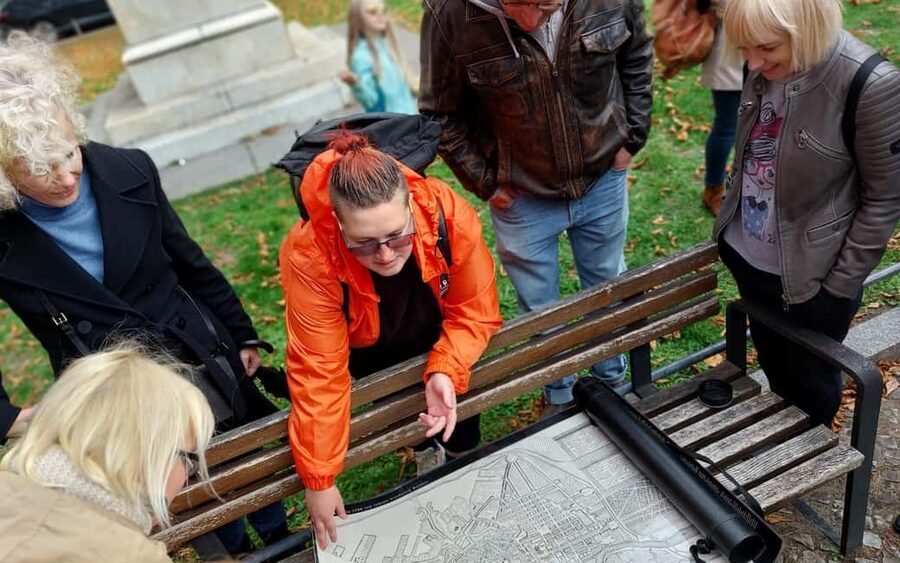
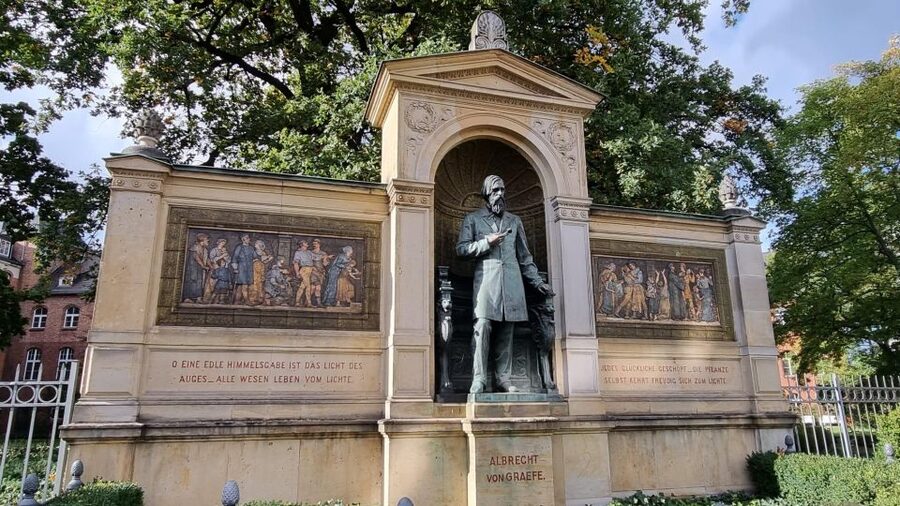
Your tour starts at Robert-Koch-Platz, meeting by the Robert Koch statue. You’ll spot the guide holding an orange umbrella, so you don’t have to play guessing games in the square. This opening matters because Charité isn’t just a hospital site. It’s also a living city block of stone, arches, and institutional grandeur.
Once you’re moving, the neo-gothic campus becomes part of the story. The buildings look permanent because institutions wanted to project stability. And in a way, that’s the point: medicine aims for trust, even when the people practicing it weren’t always trustworthy. Seeing the campus up close helps you understand why the later chapters—women’s rights battles, authoritarian politics, and ethical collapse—hit harder. The setting is beautiful, and that contrast is part of the experience.
The pacing is steady. You’re walking long enough to feel like you’re actually circling the campus, but not so long that you’re stuck marching with no context. It’s built for understanding, not just sightseeing.
You can also read our reviews of more walking tours in Berlin



The 1710 plague house origin and the medicine people feared

One of the most useful things this tour does is start at the beginning: Charité’s founding in 1710, originally built as a plague house to protect against a coming epidemic. That alone gives you a grounded lens. You’re not hearing medical history as trivia. You’re hearing it as survival.
From there, the early treatment methods sound brutal by today’s standards, but they also make sense in context. You’ll hear about practices like bloodletting, doses of mercury, and amputations. Don’t treat these as cartoonish “olden days” mistakes. The guide’s tone (and the tour’s structure) pushes you to see the logic of limited tools: when you don’t have antibiotics or modern diagnostics, people use what they believe will work, even if it harms.
This part helps you read the rest of the story differently. Later, when the tour reaches Nazi-era abuses, you’ll notice something important: medical power has always been tied to knowledge limits. The difference is that, in the worst chapters, ideology replaced ethics. You can’t understand that without starting where Charité began: trying to fight fear with the tools the era had.
Veterinary Anatomy Theatre: why animal disease mattered in 18th-century Berlin
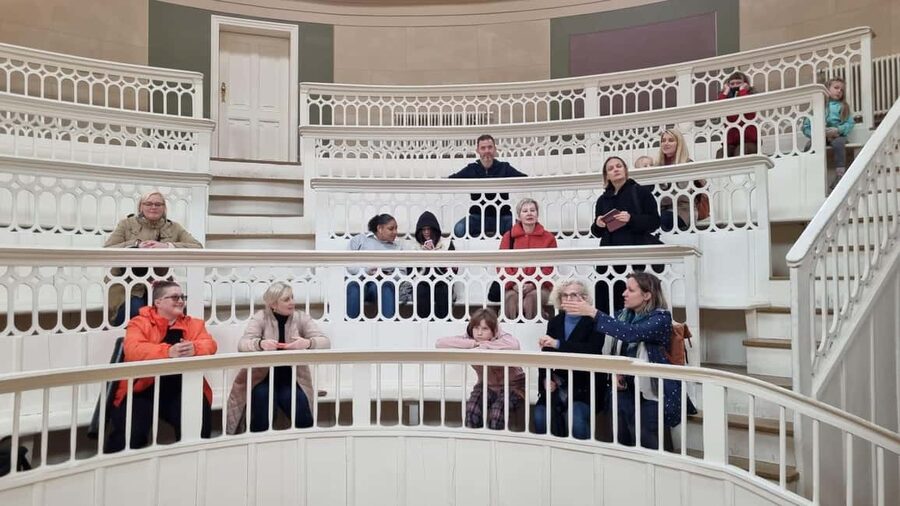
Then you visit the Veterinary Anatomy Theatre, a stop that feels like a time capsule. The tour includes the theatre visit as free admission, and it’s scheduled for a short, focused window. Even if you’re not a history nerd, you’ll probably find it memorable because it shifts the usual idea of hospitals.
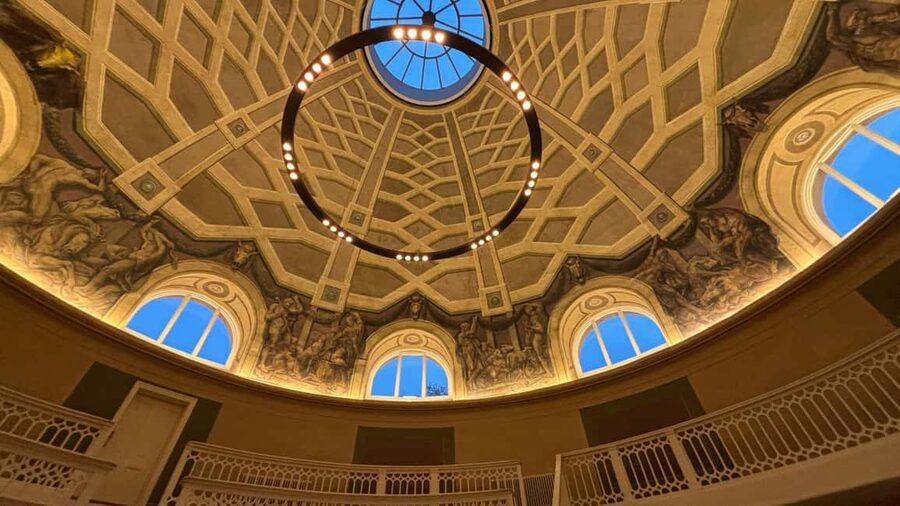
This theatre is described as the oldest academic building still in existence in Berlin. That matters. It shows you how serious scholarship was about animal health long before modern veterinary medicine became what you know today.
The guide connects the theatre to real needs in 18th-century Berlin—ailments affecting livestock and cavalry horses. That connection is practical, not abstract. Healthy animals meant food supply and mobility, which meant the city’s daily functioning. So when you think about “medicine,” this stop quietly expands your definition. Medicine wasn’t just for people. It was for the economy and the army too.
One note for expectations: the theatre can occasionally be closed due to internal events or public holidays. It’s rare, but it’s worth remembering if your plan is tight. If it’s closed on the day you go, your guide may adjust on the spot.
The campus loop: where Koch and Virchow made medicine faster
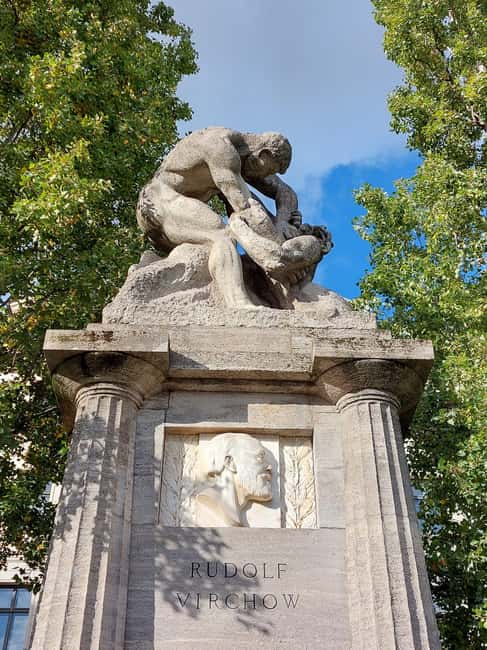
After the theatre, the tour moves into the historical neo-gothic campus circuit. This is where you start seeing medicine’s big names in place, not in textbooks. You’ll hear about Robert Koch and Rudolf Virchow, pioneers associated with groundbreaking discoveries.
I like this approach because it anchors reputation to geography. You see how an institution’s layout supports work: lecture spaces, research culture, corridors where ideas get shared. Even if you don’t enter every building, the outside viewing still helps you picture how science grew.
It’s also a good reminder that medical breakthroughs weren’t made by one genius alone. Institutions, funding, staff, and politics shaped what research could happen—and what could be ignored. That theme returns again later in the tour, when Charité’s role in Nazi and later East German narratives gets discussed.
If you’re the type who likes “meaning per minute,” this portion is efficient. You get names, but you also get the bigger why: how discoveries become possible when an institution prioritizes certain kinds of knowledge.
Rachel Hirsch and women in medicine: progress with resistance
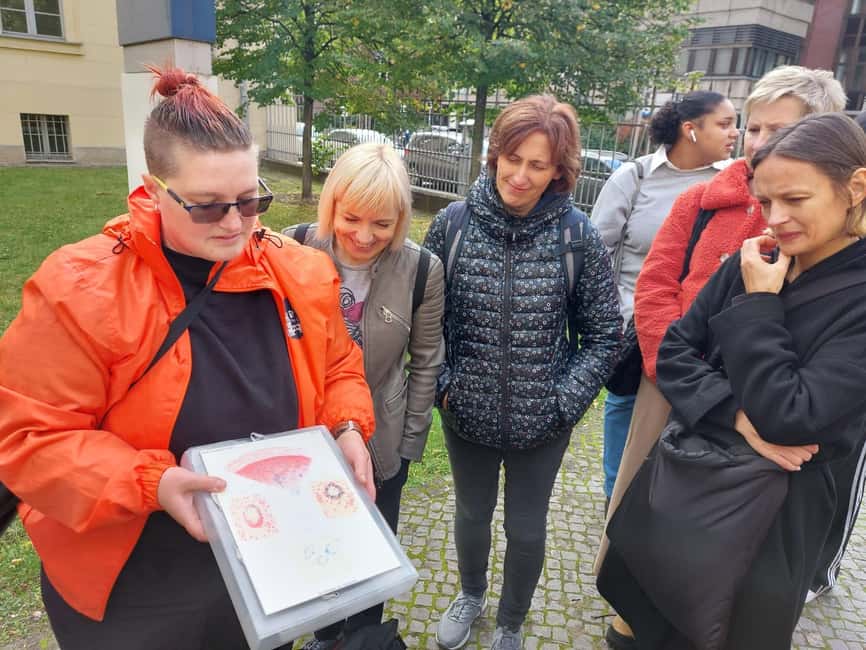
A standout chapter is Rachel Hirsch, tied to Charité in Prussia. Her appointment in 1913 as the first woman to hold a medical professorship in Prussia marks a significant step forward for women in medicine. The tour also doesn’t sugarcoat the human part of that progress. You’ll hear about the resistance she faced within the institution.
I like including this because it keeps the narrative from becoming only a story of science and catastrophe. This is a story of change, fought by real people in real systems. It’s also a reminder that “firsts” don’t mean easy wins. They often mean conflict, and Charité becomes the place where that conflict had to be faced publicly.
If you care about social history as much as medical history, this section will feel especially rewarding. It links professional advancement to broader attitudes in the early 20th century—how society was shifting, but not uniformly.
You can also read our reviews of more historical tours in Berlin





The Nazi chapter at Charité: when medicine lost its moral compass

This tour doesn’t dodge the dark side. Under the Nazi regime, medical ethics were disregarded and ideas of racial hygiene were ruthlessly imposed. The guide also covers how some doctors kept quiet, while others actively organized the extermination of psychiatric patients.
This is heavy material, and the tour handles it as history with weight, not as shock value. The practical value for you is that it gives context to something you’ll encounter across Berlin: institutions that survived regime change while their roles changed with it.
You may feel uncomfortable here. That’s not a bug. It’s the point of bringing the story into the real physical space. Charité’s buildings and campus are where decisions happened. Understanding that makes the ethical breakdown feel less like an abstract horror and more like a system that ordinary people could join—or resist.
If you’re sensitive to topics like this, it helps to know in advance what’s included. Bring yourself prepared, and give your feet—and your mind—room to process.
East Germany’s Charité legacy: pride, propaganda, and even bricked-up windows
After the Nazi period, the tour moves into subsequent decades under East Germany. The story there is complicated in a very Berlin way: Charité was a point of pride, with achievements highlighted, but at the same time, the campus was shaped by political division.
You’ll hear about windows bricked up that faced the capitalist West. That detail sticks because it’s visual. It’s not only about what was said. It’s about what was blocked. The campus becomes a prop in a divided narrative—medicine shown through the lens of the state.
I like that this part reinforces a core lesson for you: medical institutions don’t just treat patients. They help shape public story. Who gets credit? Which facts become inconvenient? What gets physically altered? Those questions matter when you’re trying to understand any historical site, not just Charité.
The ending near Central Station: turn history into an easy Berlin day

The tour finishes near Alexanderufer, close to Central Station. That ending is practical. You don’t get stuck out in the far reaches of the city with no next plan.
Once you’re done, you can keep moving through Berlin with less friction. Take the history you just walked and look at the city with a new lens—how buildings carry memory, how institutions rewrite themselves, and how architecture can hold both pride and pain.
It also helps that the tour is about two hours. It’s long enough to feel full, but not so long that it eats your entire day.
Price and value: why $29 can be a smart spend here
At $29 per person for about two hours, this tour sits in the “good value” zone for Berlin walking tours. You’re paying for three things that usually cost more separately: an expert local guide, a focused route around the Charité campus, and a visit to the Veterinary Anatomy Theatre with free admission.
The balance is important, too. Certain hospital or university buildings where medical activity happens are not included, and some restricted areas won’t be accessible as part of the guided visit. But that doesn’t make it less worth it. It means you’re getting the story through architecture and key stopping points, not a ticket-based rush through rooms that may not be viewable anyway.
And because the tour ends near Central Station, you’re saving time planning your next move. Time saved in Berlin is real money in the form of fewer transit hassles.
Who should book this Charité medical history walk
This experience fits best if you like history that connects to real places, and if you’re comfortable with moral complexity. It’s also a good match if you want more than a surface-level campus stroll. The tour is built around the big arcs: early epidemic survival, scientific pioneers, women’s progress, and the ethical collapse under Nazism, followed by East German reshaping.
You might particularly enjoy it if:
- you like medical history with social context, not just famous names
- you enjoy architecture and want it tied to meaning
- you want an efficient, two-hour plan that still feels substantial
Who should skip it
Skip it if you don’t like walking. You should expect comfortable walking and standing for about two hours, and much of the tour is outside. Also, it’s not suitable for children under 14. The recommended age is 14 and up, because the content is historically deep.
Should you book this Charité medical history tour?
If you want a Berlin walk that’s more than photos, I’d book it. The strong value is the blend: Charité’s neo-gothic architecture plus the names and events you’ll actually remember—Koch, Virchow, Rachel Hirsch—and the uncomfortable chapters that keep medical history honest.
Do it if you can handle cold weather and want a guided route that makes the campus feel like a timeline, not just a location. I’d also pick it when you’re interested in why medicine changes with society—because this tour treats that as the central story, not an afterthought.
FAQ
How long is the Charité Hospital Walking Tour of Medical History?
The tour lasts 2 hours.
Where is the meeting point?
Meet by the Robert Koch statue in Robert-Koch-Platz. Look for your guide holding an orange umbrella.
Is the Veterinary Anatomy Theatre admission included?
Yes. The tour includes a visit to the Veterinary Anatomy Theatre with free admission.
What language is the tour offered in?
The live guide offers German and English.
Is the tour wheelchair accessible?
Yes, the tour is listed as wheelchair accessible.
Is this tour suitable for children?
It is not suitable for children under 14. The tour is recommended for ages 14 and up, with minors accompanied by an adult.