REVIEW · MATERA
Matera walking tour in English
Book on GetYourGuide →Operated by Gaetano Campanile · Bookable on GetYourGuide
Matera makes you rethink what a home can be. On this English Sassi walking tour, you’ll walk the old cave districts and get real context for how life worked here for centuries. You also get a ticketed stop at the palombaro, the big underground rainwater cistern that kept families going.
Two things I really like: the tour is led by a licensed local guide who knows the town’s history from the ground up (often with guides such as Gaetano Campanile, and occasionally others like Vito). And the experience includes a cave-house visit plus entry to the palombaro, so you’re not just looking at photos—you’re seeing how survival and architecture were built together.
One consideration: Matera sits on a hill, so you’ll climb stairways through the old quarters. The pace is described as leisurely, but you still need comfortable shoes and a “slow and steady” mindset.
In This Review
- Key highlights that make this tour worth your time
- Why Matera feels unlike any other town in Italy
- Meeting at S. Pietro Caveoso: getting started without stress
- Walking the Sassi: viewpoints, hidden corners, and a leisurely pace
- Cave-house visit: seeing everyday life carved into rock
- The palombaro cistern: how rainwater became survival
- What the guides do that makes the tour feel personal
- Timing, stairs, and what to bring on this Matera walk
- Value check: is $29 worth it for cave houses and the palombaro?
- Who this Matera caves and palombaro tour is best for
- Should you book the Matera walking tour in English?
- FAQ
- How long is the Matera walking tour?
- Where do I meet the guide?
- Is the tour in English?
- What’s included in the tour ticket price?
- Does the tour include churches?
- Are there stairs on the route?
- What should I bring?
- Can I cancel and get a refund?
- Can I reserve without paying right away?
Key highlights that make this tour worth your time
- Licensed local guide with strong English who tells Matera’s story clearly and with personality
- Sassi (Sasso Caveoso) walking route with viewpoints and quieter corners you might not find alone
- Cave-house visit that shows how families lived inside the rock
- Palombaro cistern entry and the practical story of rainwater collection
- Small-group feel (often under 13 people), with headsets mentioned in recent experiences
Why Matera feels unlike any other town in Italy
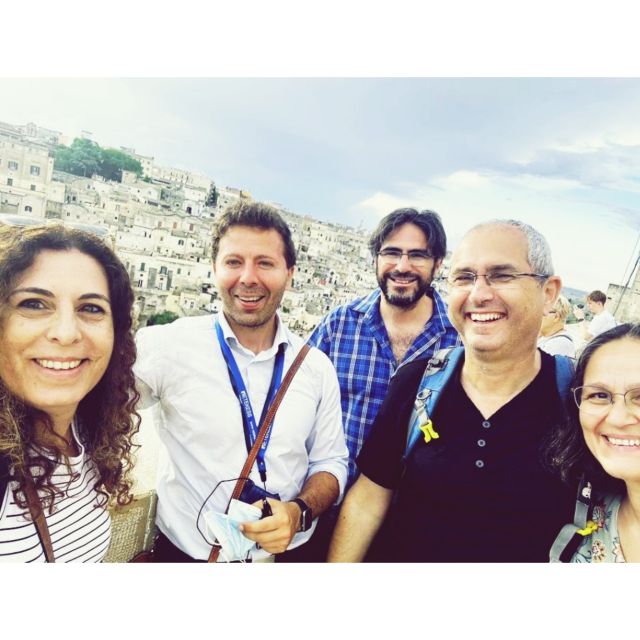
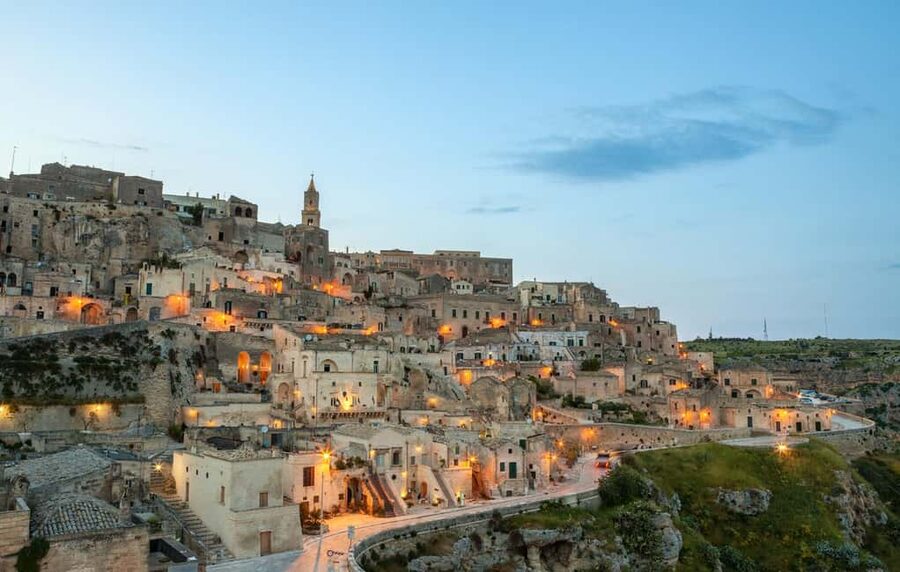
Matera is in Basilicata, in southern Italy, and it has the kind of past you can’t fake. The Sassi are ancient rock districts where people once lived in cave dwellings carved into the landscape. It’s the sort of place where you immediately understand why the city is tied to both hardship and ingenuity.
What makes this tour special is that it doesn’t treat Matera like a postcard. You’ll learn how the city went from being called the shame of Italy to becoming a UNESCO site and a jewel of Italian cultural heritage. That transformation matters because it changes how you interpret everything you see: the cramped spaces, the systems for water, the way communities organized themselves to survive.
You’ll also get the “human layer” of Matera. Instead of only architecture and dates, the guides focus on daily life—how families made do with what they had, and what life looked like when the caves were still home. That’s the difference between seeing Matera and understanding it.
You can also read our reviews of more walking tours in Matera
Meeting at S. Pietro Caveoso: getting started without stress
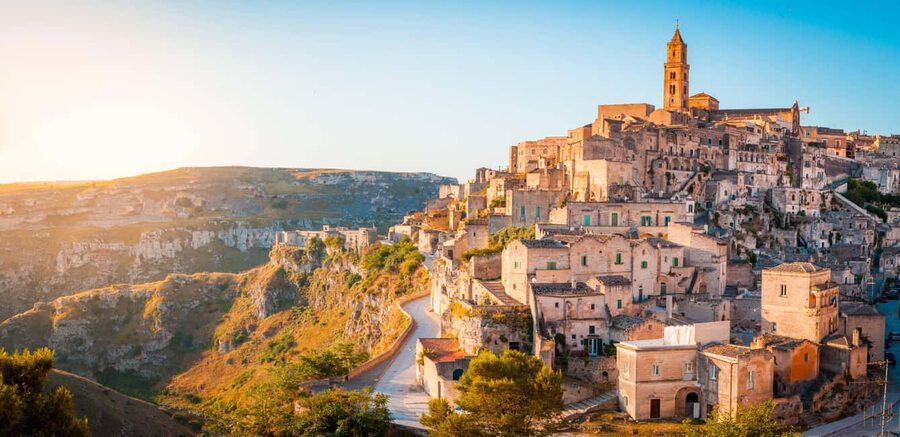
The meeting point is in front of the church of S. Pietro Caveoso. Your guide will be waiting there wearing a badge. It’s a practical setup because this area is a natural entry point for walking into the Sassi.
If you’re driving, the info you’re given is straightforward: there are garages in Via Vena and Via Scotellaro where you can park your car when you arrive in Matera. That matters because Matera is one of those places where it’s easy to waste time circling or second-guessing where to leave a vehicle.
Once you meet up, the tour starts with the walk into the Sassi. You’re not dealing with long transfers or complicated logistics. The whole experience is designed to be on foot, and it stays focused on Matera’s core: the rock districts and the life-support systems hidden underground.
Walking the Sassi: viewpoints, hidden corners, and a leisurely pace
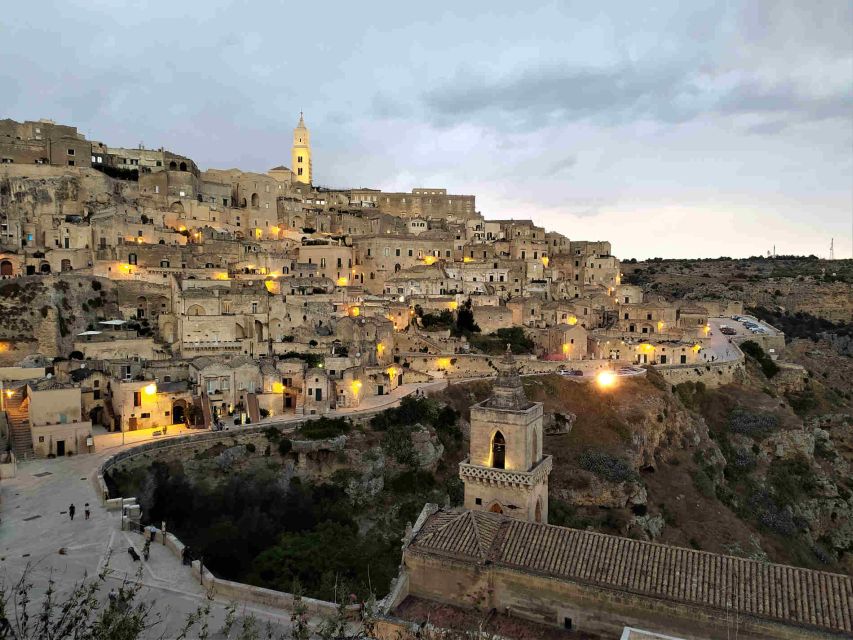
The tour begins at Piazza S. Pietro Caveoso and explores the Sassi, the ancient districts of the city. You’ll move through winding streets and passageways, and you’ll also pause for some of the better viewpoints—the moments where Matera opens up and suddenly makes sense from above.
The wording is clear about the walking style: because the old city sits on a hill, there are stairways to climb. But the tour is described as a leisurely pace. That’s important because Matera’s layout can feel physically demanding if you’re sightseeing solo without a plan. With a guide, you get smoother routing and more deliberate stops for photos and explanations.
The route is also meant to take you beyond the easiest, most obvious stops. You’ll hear stories tied to corners that many people miss when they wander without context. That’s the quiet advantage of a guided walk: someone helps you “read” the place as you go, instead of treating it like a scavenger hunt.
Tip: bring a small sense of patience. This is a walking tour where you’ll want to slow down at the viewpoints, not race to the next camera spot.
Cave-house visit: seeing everyday life carved into rock
One of the core inclusions is a visit to a cave house, so you can experience Matera’s rock-dwelling reality up close. This is where the Sassi stop being just dramatic scenery and start feeling like lived-in space.
Expect to step into the kind of environment where families once lived—spaces shaped by stone, light, and necessity. The tour also explains how people used the caves as homes and how conditions eventually led to the city’s major transformation. Even if you know Matera’s reputation, seeing a cave dwelling in person changes the scale of what you’re looking at.
This stop is also where a good guide makes the biggest difference. The best tours don’t just show rooms; they give you the context to imagine daily routines. Recent experiences describe guides making the experience feel like a story—how people worked, adapted, and built community inside constraints.
If you’re the type who likes cultural history with practical details, you’ll probably love this portion most. It’s tangible. It’s also the stop that helps you connect all the other elements of Matera—the water system, the architecture, and the eventual change in how the city supported its people.
The palombaro cistern: how rainwater became survival
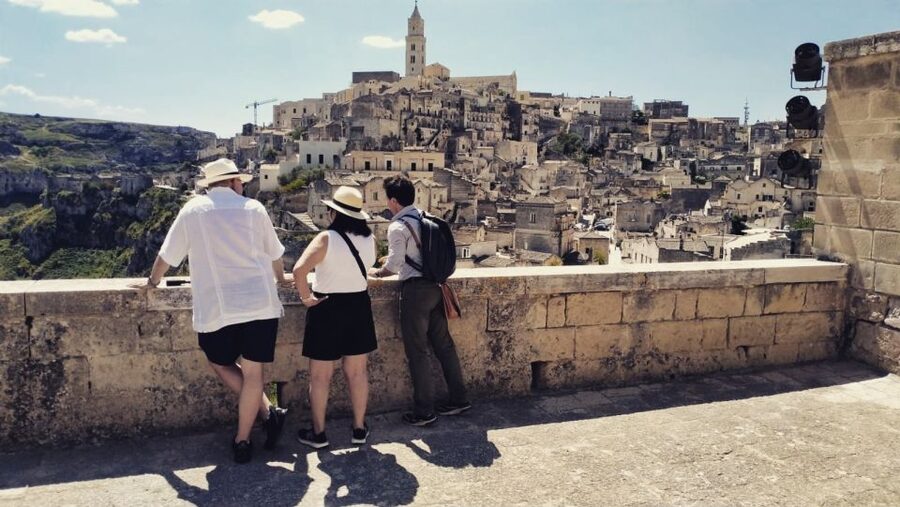
The tour’s ticketed highlight is the palombaro, the large cistern for rainwater collection. You’ll get entry included, which is a big deal because it turns a key part of Matera’s survival system into something you can actually see, not just hear about.
Here’s why this stop matters: in a place like Matera, water isn’t an abstract concept. It’s the difference between staying and leaving, between rebuilding and collapse. The tour explains that the palombaro was essential for survival because it captured rainwater for the population.
Standing near a cistern like this gives you a different lens for the whole Sassi story. You start to understand why the architecture developed the way it did and how underground infrastructure supported everyday life. It’s not only about aesthetics; it’s about a city designed to cope with limited resources.
And because entry is included, you’re not stuck making quick decisions about tickets mid-walk. The guide keeps the flow, and you get the payoff of seeing the water system up close as part of the narrative.

What the guides do that makes the tour feel personal
The tour is led by a live English-speaking guide, and the quality of storytelling comes up again and again in real-world feedback. Guides such as Gaetano Campanile are described as passionate, funny, and historically grounded—exactly what you want when you’re walking through a place that could otherwise feel like facts on a stone wall.
What I’d call the “practical magic” here is that the guides don’t leave you with disconnected information. They explain Matera’s past in a way that helps you interpret what you see from one corner to the next. You hear both history and social details: how people lived, why the city changed, and how the community shaped itself over time.
Group size plays into this. Several experiences mention small groups, including groups of around four to larger ones still under 13. With that size, questions actually land, and the pace stays manageable. Headsets have also been mentioned as a helpful touch, which matters in places where you’re walking and stopping in different spots.
Also, the guide arrival detail is simple: you’ll spot them by the badge at the meeting church. That small thing reduces friction on a tour day.
Timing, stairs, and what to bring on this Matera walk
This tour lasts 2 hours, so it fits well into a day when you want to see Matera without turning the whole schedule into a walking grind. The route is planned at a leisurely pace, but the geography is real. Matera is built on a hill, and you’ll encounter stairways and uneven old-city passages.
So: wear comfortable shoes. Don’t treat this as a casual stroll in sandals. Even if you’re comfortable on your feet, the stone paths and stairs can add up across the full walk.
Also keep your expectations realistic about breaks. There aren’t lots of opportunities to stop for long resets during a compact, focused tour. It can be smart to bring water, especially if you’re visiting in warmer weather or if you know you get thirsty while walking. (Some experiences mention there aren’t many places to grab water along the route.)
Weather-wise, Matera can feel chilly in winter even when the day is bright. If you’re going during a cool season, a light layer helps you enjoy the viewpoints without feeling rushed.
Value check: is $29 worth it for cave houses and the palombaro?
At $29 per person for a 2-hour guided walking tour, the value comes from what’s included, not just the fact that it’s guided. You’re getting:
- a walking tour with a licensed guide in English
- a cave-house visit
- entry to the palombaro cistern
That combination is the key. Matera is one of those places where self-guided sightseeing is possible, but it’s also easy to miss the meaning behind the stones. When you pay for a guide plus the ticketed cistern entry, you’re effectively paying for interpretation and access in the same package.
The other value factor is time. A guided walk helps you cover the right areas efficiently. You don’t need to figure out which alleys are worth your attention or how to connect the cave-life story to the water system story. In two hours, you get the kind of orientation that makes the rest of your Matera wandering feel smarter.
Is it cheap? It’s priced as an accessible activity. Is it “worth it”? If you care about understanding the Sassi and seeing the palombaro, yes—because the included stops are exactly the stuff that defines Matera’s identity.
Who this Matera caves and palombaro tour is best for
This is ideal for you if you want:
- a first-time orientation to the Sassi that makes your later exploration easier
- a guided look at how families lived in the cave houses
- the practical story of survival via the palombaro rainwater system
- English explanations without having to translate complex history on the fly
It also suits mixed ages. Some experiences describe families with young children staying engaged, and others mention that guides adapted to different mobility needs within the limits of a stair-heavy historic area. If you’re traveling with people who might find a long, freeform walk difficult, a planned, story-led 2-hour route can feel more manageable than a DIY loop.
If you’re looking for a strictly church-focused itinerary, note that the tour information says it doesn’t visit churches. That said, some recent guide-led experiences mention stepping into rock-church spaces as part of their route. If churches are a must for your trip, you may want to confirm what’s included with the operator when you book.
Should you book the Matera walking tour in English?
My take: book it if you want your Matera day to start with clarity. This tour does the heavy lifting—cave houses, the Sassi walk, and the palombaro stop—so you can spend your free time afterward seeing Matera with better context.
Skip it only if you strongly prefer a totally self-guided visit and you’re happy figuring out the stories without a guide’s help. Otherwise, for the price, the combination of included access and licensed interpretation is hard to beat.
If you’re choosing between “see the caves” and “understand the caves,” this is the choice that gives you both, in two hours.
FAQ
How long is the Matera walking tour?
The duration is 2 hours.
Where do I meet the guide?
Meet your guide in front of the church of S. Pietro Caveoso. The guide will be wearing a badge.
Is the tour in English?
Yes, the tour is in English with a live tour guide.
What’s included in the tour ticket price?
You get a walking tour with a licensed guide, a visit to the cave house, and an entry ticket to the palombaro cistern.
Does the tour include churches?
The tour information states that during the tour you don’t visit churches.
Are there stairs on the route?
Yes. Matera’s old city lies on a hill, so there are stairways to climb. The walk is described as leisurely paced.
What should I bring?
Wear comfortable shoes. That’s the main item called out for this tour.
Can I cancel and get a refund?
Yes. The tour offers free cancellation up to 24 hours in advance for a full refund.
Can I reserve without paying right away?
Yes. You can reserve now and pay later.