REVIEW · ATHENS
Athens: Acropolis Guided Walking Tour without Entry Ticket
Book on GetYourGuide →Operated by Secrets of Greece IKE · Bookable on GetYourGuide
Steep stairs, big views, and myths that actually match the rocks. This Acropolis guided walking tour is a smart way to connect ancient stories to the exact buildings you are looking at, with a guide who keeps the pace lively even when the site gets crowded. I especially liked how Juan tied the mythology to what you see, so it did not feel like memorizing names off a brochure.
What I like most: you get a licensed guide who answers questions, and the route hits the Acropolis highlights beyond the Parthenon, including the theater of Dionysus, the Odeon of Herodes Atticus, and the Athena Nike temple. You also get that small-group feel, which matters on a site where everyone wants the same photo angle. A key consideration: this tour does not include your Acropolis entry ticket, so you must handle timed access before you meet your guide.
In This Review
- Key things to know before you go
- Why a Guided Acropolis Walk Without the Ticket Can Still Be a Smart Deal
- Meeting at Acropolis Metro: Start Here, Not at the Ticket Counters
- Propylaea Gateway: Getting Oriented on the Sacred Hill
- Parthenon Area, Caryatides, and the Temple of Athena Nike
- Theater of Dionysus: Where Festivals Lived in Stone
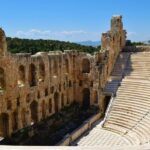
- Odeon of Herodes Atticus and the Power of Performance Architecture
- Erechtheion and Temple of Asclepius: Myth Names That Still Matter
- Using the Free Time After the Tour Without Losing Your Bearings
- Price and Group Size: What You Get for $32.75
- Small Details That Matter on the Acropolis
- Should You Book This Acropolis Guided Walking Tour?
- FAQ
- Is the Acropolis entry ticket included in this tour?
- Where do I meet the guide?
- How early should I arrive at the meeting point?
- How long is the tour?
- What language is the guide?
- Do I need a timed ticket, and what if I buy it online?
- Can I buy the ticket at the ticket office the day of?
- What if there is no availability for the ticket?
- Is free cancellation available?
- Is this tour wheelchair or stroller friendly?
Key things to know before you go
- You must bring your own timed entry ticket to the Acropolis; the tour itself does not include it
- Meet at the Metro station Acropolis street level and arrive 10 to 5 minutes early
- A Spanish licensed guide leads the walking and adds mythology tied directly to each ruin
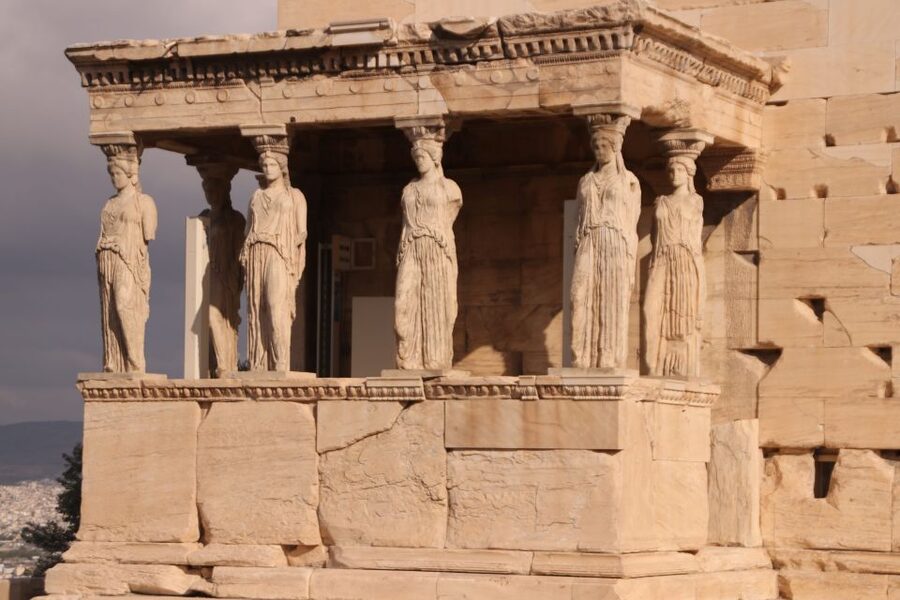
- Expect major photo stops like the Propylaea gateway, Caryatides, and the tiny Athena Nike temple
- You see multiple theaters and temples, not just Parthenon viewpoints
- After the tour, you can stay longer and explore the site at your own pace
Why a Guided Acropolis Walk Without the Ticket Can Still Be a Smart Deal
You are paying $32.75 per person for a 2-hour guided walk, and the trade-off is clear: the tour includes guidance but not entry. For me, that is often the right balance at the Acropolis. The site is timed and ticketed, so adding the entry ticket into every bundle can create extra confusion. Here, you keep the responsibility for entry on your side, while you still get what makes the Acropolis worth it: a guide who turns stone into meaning.
The biggest value is interpretation. The Acropolis looks like a collection of impressive ruins, yes. But with a licensed guide, you start noticing the logic of the complex: gateways, religious spaces, and performance areas built for festivals tied to the Greek gods. When the guide explains what each location represented, you feel less like you are browsing and more like you are reading a map written in marble.
One more practical upside: the pacing. On a two-hour tour, you do not burn the whole day just reaching viewpoints. You get the high-impact sights, then you have free time after for a slower wander, when the photos and crowds settle a bit.
You can also read our reviews of more tours and experiences in Athens.



Meeting at Acropolis Metro: Start Here, Not at the Ticket Counters
Your meeting point is straightforward: meet your guide at the entrance of the Metro station Acropolis on the street level. Plan to arrive 10 to 5 minutes early. In a place that is constantly busy, being early is not about being polite. It is about avoiding that last-minute sprint up to find your exact group.
There are also ticket logistics to keep straight. The Acropolis ticket must be bought previously by the visitor, and you can buy online. If you choose to buy at the ticket office, go to the ticket office area of the South entrance about 30 minutes before your tour time. Once you receive your tickets, head to the meeting point, which is less than 2 minutes walk away.
Small detail, big stress saver: the ticket rules depend on season and the specific tour start time. If you book a slot like 09:15 in low season (01/11 to 31/03), your ticket must be for 09:00 to 10:00. For 14:30 in low season, you need 14:00 to 15:00. In high season (01/04 to 31/10), 08:15 requires 08:00 to 09:00, and 17:00 requires 17:00 to 18:00. These time-slot mismatches are the kind that can cause headaches, so check your ticket window carefully before you arrive.
Also note the tour language is Spanish. If you need another language, you will want to check availability options before you book.
Propylaea Gateway: Getting Oriented on the Sacred Hill
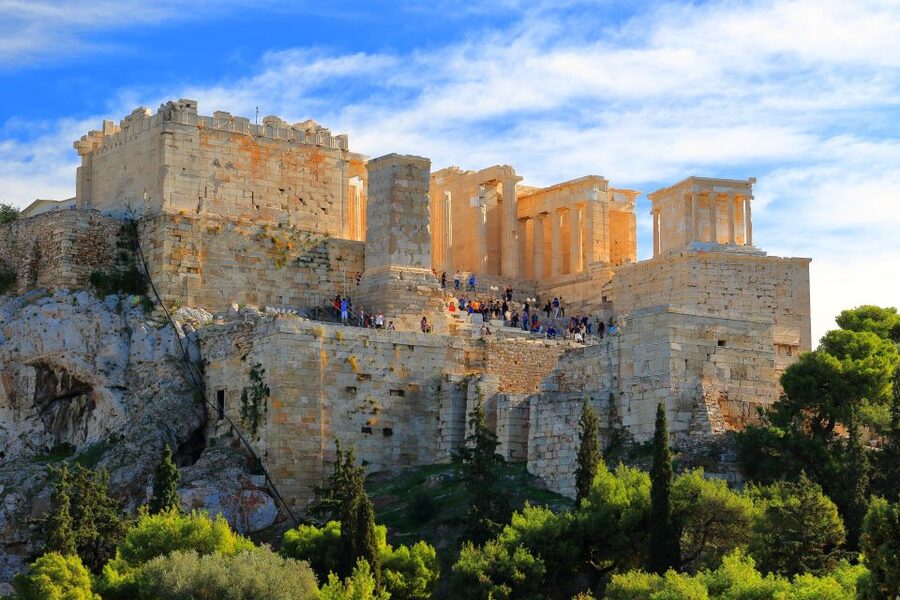
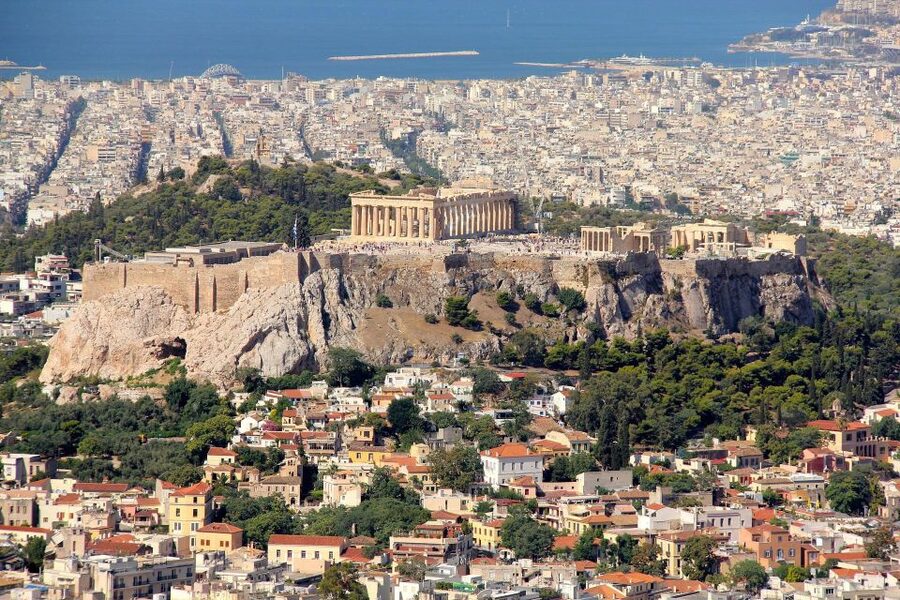
From the moment you start walking, the tour helps you understand what the Acropolis is: not one monument, but a sacred complex stacked with purpose. Your guide brings you to the Propylaea, the monumental gateway into the rocky citadel. This is one of those spots where orientation matters. The Propylaea is essentially the threshold, the place where you stop being in the modern city and start reading the site as the ancients intended.
You also get your first strong look at the general layout around the Parthenon area. Even if you have seen photos before, standing there with commentary helps you connect scale and placement. You begin to understand why the view from the gateway matters, and why this site was built so prominently above Athens.
This is also where the guide’s mythology explanations pay off. You are not just hearing generic stories. You are hearing myths that connect to specific spaces and religious festivals tied to Athens.
Parthenon Area, Caryatides, and the Temple of Athena Nike
The tour focuses on the core religious and symbolic areas, including the Temple of Athena Nike, described as the smallest temple. That size detail matters. It makes you slow down, because you cannot cover everything at speed and still appreciate the craftsmanship. The guide points you to what to look for, which saves you from the classic tourist problem: taking photos of a highlight without actually noticing the feature that makes it special.
Another stop that gets attention is the Caryatides. These stone figures are easy to miss if you just walk through for the next view. With a guide, you learn what role these sculpted forms play in the architecture and what they symbolize in the broader space dedicated to Athena. You start seeing the Acropolis as a designed story, not a random pile of famous ruins.
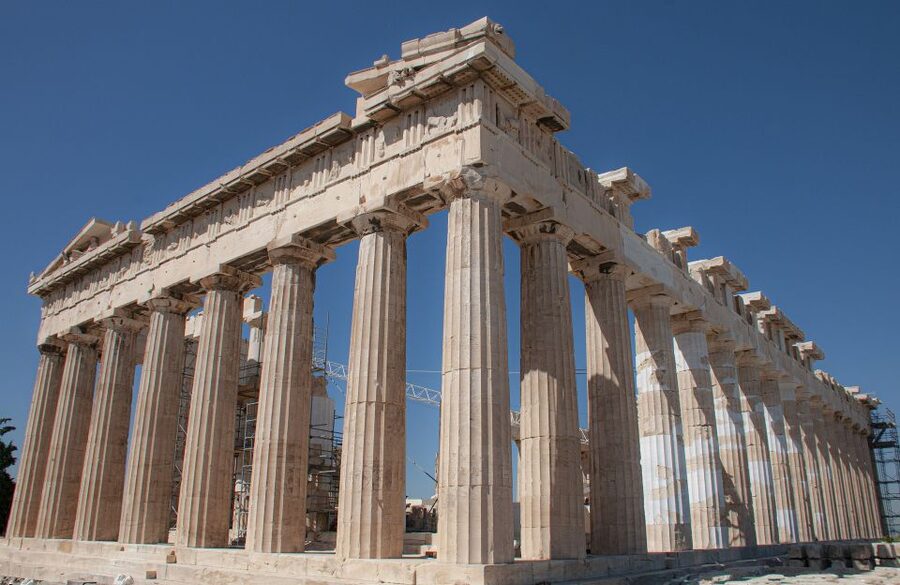
Then there is the Parthenon itself in the wider complex. Even though the tour is walking-based and does not promise an entry-tied highlight route, it still gives you the essential landmarks around the Parthenon area. The benefit is that you see the Parthenon in context: gateway first, then the sacred spaces, then the performance and support structures.
This section is also where the small-group feel helps. When you can ask a question without yelling over everyone, the guide can tailor explanations to what you are actually standing in front of.
Theater of Dionysus: Where Festivals Lived in Stone
If you want to feel the Acropolis as a stage, the theater of Dionysus is your moment. This theater held 17,000 spectators, which is massive by any modern standard. Standing near it, you start imagining not just a building, but an event with crowds and sound and ritual.
Your guide connects this theater to Greek festivals honoring the god of the performances, with the tour describing these events as celebrations related to the birth of the Greek god. Even if you have heard a name before, it becomes clearer why theaters belonged on sacred ground. This was not just entertainment; it was part of religious life.
A practical benefit here: the commentary helps you look at seating and structure in a purposeful way. You are not guessing. You know what you are looking at and why it mattered to an ancient audience.
And yes, there can be heat and crowds. One of the best parts of doing this with a guide is that the pacing and explanations keep you moving with less frustration. You get breaks in attention, not just pauses in shade.
You can also read our reviews of more walking tours in Athens





Odeon of Herodes Atticus and the Power of Performance Architecture
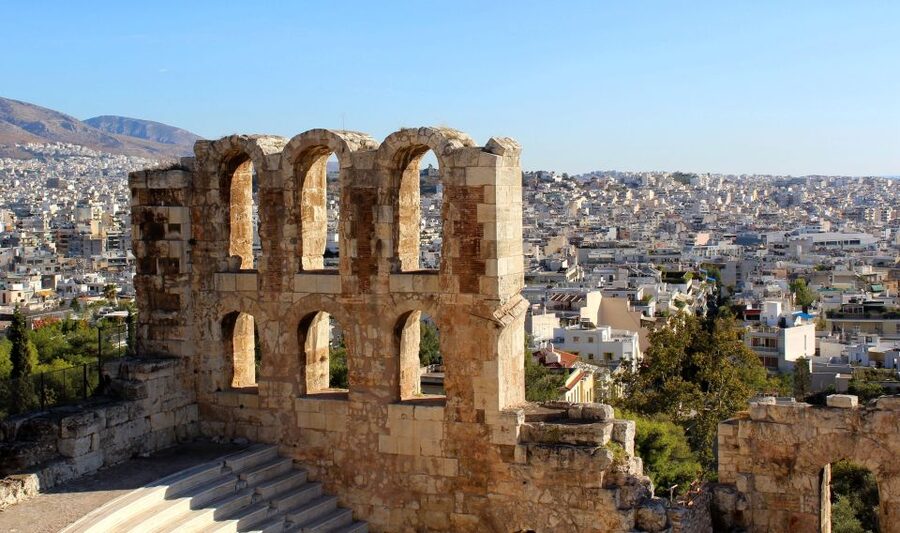
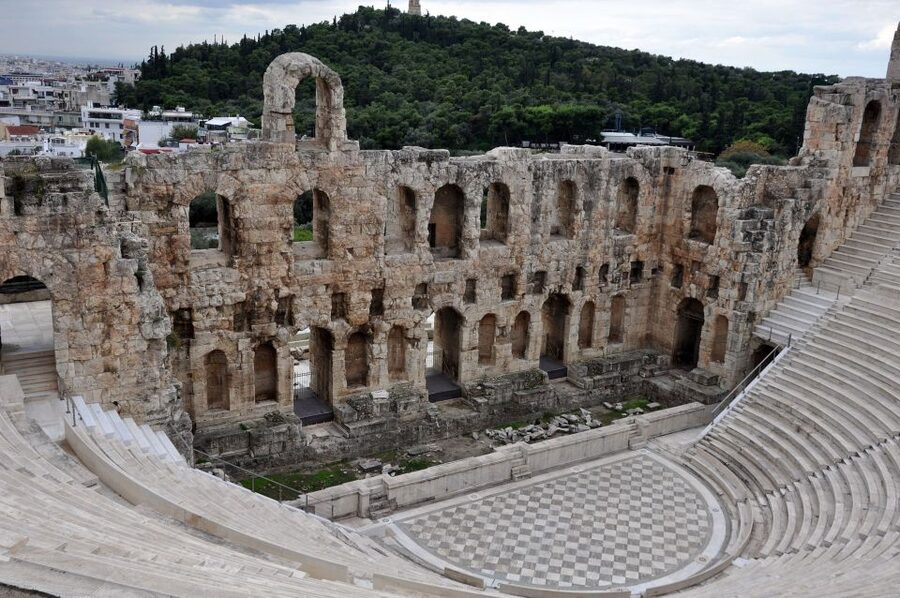
After the theater of Dionysus, the tour moves into the impressive Odeon of Herodes Atticus. Think of it as another reminder that the Acropolis was built to host public life as well as worship. This odeon is described as a giant stone theater, and that phrase fits what you feel on-site. The structure reinforces how seriously ancient Athens treated performance, gathering, and civic identity.
This section is great for people who love architecture but do not want only dry facts. The guide’s mythology and history commentary helps connect why these spaces are where they are. You can see how the Greeks used stone to make places feel permanent, official, and sacred.
If you are the kind of traveler who usually walks past ruins and wonders what you are missing, this is where you stop wondering. The tour nudges you to notice details, like the scale relationships between buildings and the way performance spaces sit within a broader religious site.
Erechtheion and Temple of Asclepius: Myth Names That Still Matter
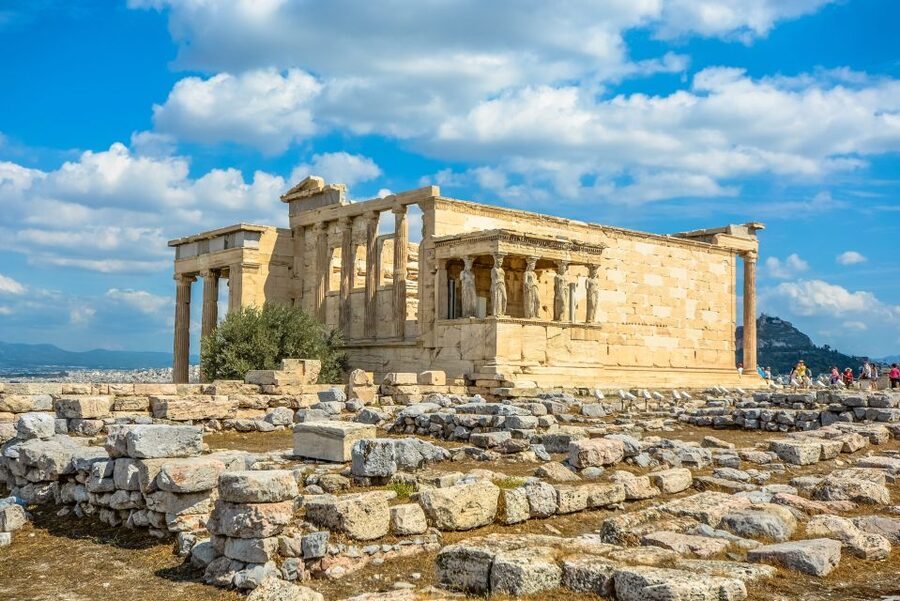
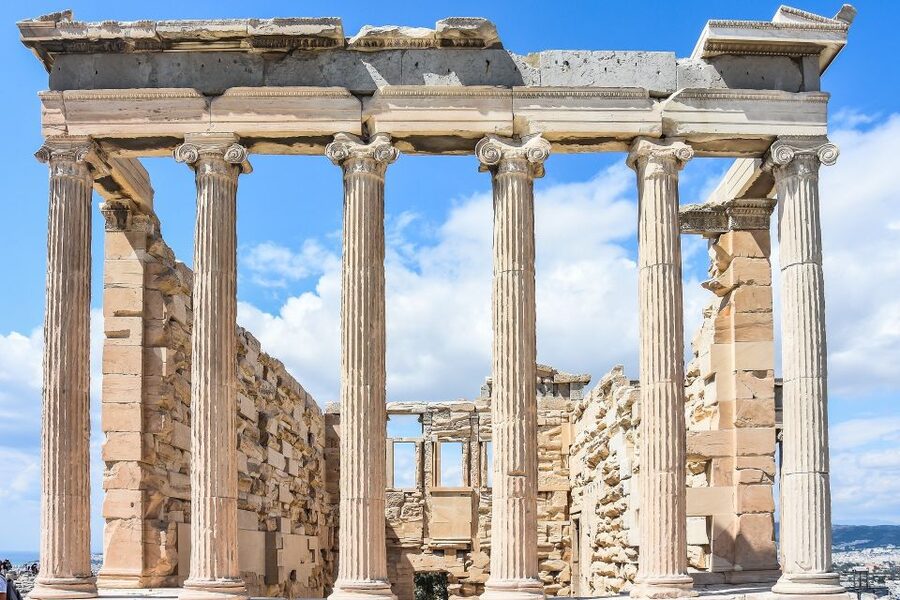
Two stops really highlight how the Acropolis is tied to stories: the Erechtheion and the temple of Asclepius. The Erechtheion is named after the demi-god Erechtheus, and that naming is not random. It is a clue that each architectural space had its own myth-based identity and purpose.
You also visit the temple of Asclepius. This is where the tour adds another layer of Athens beyond gods tied to festivals. Asclepius is associated with healing, so you get a different type of sacred theme than performance or warlike protection. Even without going deep into sacred practice details, the guide’s linking of myth and physical location gives you a more complete picture of what Athenians likely expected from these spaces.
If you love Greek mythology but hate reading complicated footnotes, this approach is practical. You see the site first, then the guide connects it to stories. Your brain stores it faster because you have a visual anchor.
Using the Free Time After the Tour Without Losing Your Bearings
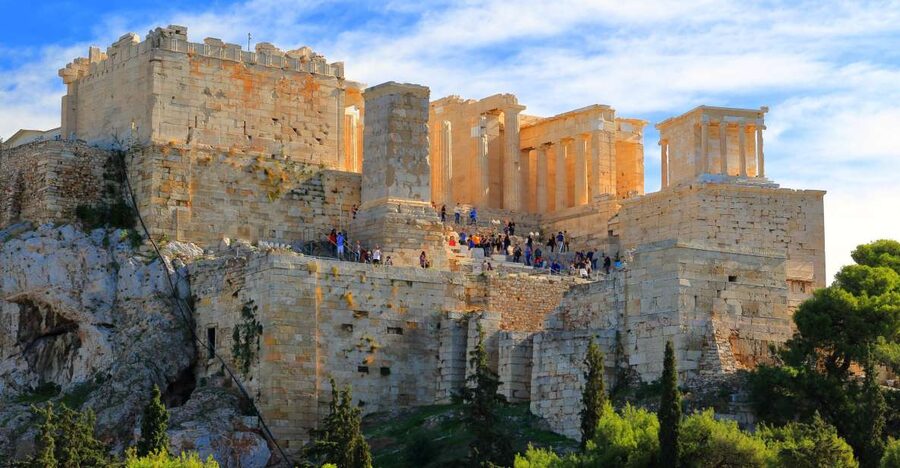
One of the smartest parts of this experience is what happens after. After your guided portion, you get free time to stay longer and explore at your own pace. This is where you can choose what you missed, what you want to photograph again, or what you want to examine more closely.
My advice: use the guided portion to set your bearings. You will know where the gateway sits, where key temples and sculptural features like the Caryatides are located, and where the main performance structures sit in the overall flow. Then, your independent time becomes productive instead of wandering.
Given that this tour is only 2 hours, you will likely not see every corner. That is okay. Think of it as a guided map plus a springboard. You get the story framework first, then you decide how much you want to slow down.
Price and Group Size: What You Get for $32.75
At $32.75 per person, you are mostly paying for licensed guiding plus a structured route. The entry ticket is not included, so you should budget separately. The true value depends on how you handle timed entry.
If you already plan to buy your Acropolis ticket online, this can be a cost-effective way to add high-quality interpretation without overpaying in a packaged bundle. If you struggle with ticket availability or you are not comfortable with time-slot rules, you might feel more pressure. The good news: the tour notes that if you cannot get the ticket due to no availability, they will help.
So ask yourself two questions before booking:
- Do you want the Acropolis explained as you walk, instead of reading a guidebook while you are standing in the sun?
- Are you comfortable buying a timed ticket ahead of time and matching it to your tour start?
For many people, the answer is yes. The guide-and-structure combo is especially useful at the Acropolis because it helps you prioritize. When you are standing in front of famous ruins, you need a filter.
Small Details That Matter on the Acropolis
A couple of practical points that can affect your comfort. Strollers are not allowed, and non-folding wheelchairs and electric wheelchairs are also not permitted for this activity. If mobility is a concern, you will want to verify options and consider alternate access plans before you book.
Also remember the tour ends back at the meeting point. That means you are not being dropped off somewhere else. Plan your next move accordingly, especially if you are hopping to another site afterward.
Finally, because the tour is Spanish, plan your comfort with Spanish-guided explanations. If your Spanish is limited, you might still pick up a lot from visuals and simple explanations, but this is not marketed as multilingual.
Should You Book This Acropolis Guided Walking Tour?
Book it if you want the Acropolis experience to feel organized and meaningful in a short window. A guide who explains mythology and history tied to the ruins helps a lot, especially at a site where everyone tends to rush from one photo spot to the next. I also think it is a great fit for people who enjoy asking questions, because the small-group format makes that more realistic.
Skip it or rethink it if you do not want to manage the timed entry ticket yourself. Since entry is not included, you will need to confirm your access slot and follow the season time-slot rules. Also consider language: this one is live guided in Spanish.
If you can handle the ticket piece, this tour is a strong way to see the Acropolis with context. You leave not just with photos of famous buildings, but with a clearer sense of how the gods, festivals, theaters, and temples all worked together on the hill above Athens.
FAQ
Is the Acropolis entry ticket included in this tour?
No. The tour includes the guided walking and a licensed guide, but you must buy the Acropolis entry ticket separately in advance.
Where do I meet the guide?
Meet your guide at the entrance of the Metro station Acropolis on the street level.
How early should I arrive at the meeting point?
Arrive 10 to 5 minutes before the tour starts.
How long is the tour?
The duration is 2 hours. Starting times vary, so check availability.
What language is the guide?
The live tour guide is Spanish.
Do I need a timed ticket, and what if I buy it online?
Yes, the ticket needs to be bought previously by the visitor, and it can be bought online. Your tour start time has specific time-slot rules depending on season.
Can I buy the ticket at the ticket office the day of?
Yes. If you buy at the ticket office, go to the ticket office area of the South entrance around 30 minutes before the tour time, then walk to the meeting point (less than 2 minutes).
What if there is no availability for the ticket?
If you cannot get the ticket because there is no availability, the activity states that they will help.
Is free cancellation available?
Yes, free cancellation is available up to 24 hours in advance for a full refund.
Is this tour wheelchair or stroller friendly?
Strollers are not allowed, and non-folding wheelchairs and electric wheelchairs are not allowed for this activity.