REVIEW · BARCELONA
Barcelona: Gothic Quarter Walking Tour
Book on GetYourGuide →Operated by Barcelona Dragon Tours · Bookable on GetYourGuide
Old stones, new stories, and a guide who actually talks. This German-language Gothic Quarter walk strings together Roman to early 1700s moments with the feeling of wandering a living city, not a museum. I love how you get history told through streets and squares you can actually touch with your eyes and your feet, and I also love the quirky, human details the guide brings in, from dragons to the Jewish Quarter’s lingering traces. The main thing to think about: the tour keeps it outdoors, so you shouldn’t expect indoor museum-style visits.
A tight route, a relaxed pace, and plenty of chances to stop for photos. I appreciate that it’s designed as a no-rush walk with time for bathrooms and weather breaks, and the guide’s focus on exteriors means you spend your effort looking at the real texture of the neighborhood. The possible drawback is simple: because it’s an outdoor route through narrow streets, you’ll be doing real walking for about 3.5 hours, and you’ll need to follow the clothing rule if you reach the cloister.
In This Review
- Key highlights worth your time
- Entering Plaça de Catalunya: where the old city starts breathing
- Getting the timeline right: Romans to early 1700s in one route
- Tight alleyways, romantic squares: what you’re really practicing
- The Jewish Quarter traces: seeing what’s left, not what’s missing
- Santa Maria del Mar and the idea of collaboration
- The cloister stop: what to wear and why the guide bothers
- Weather-proof walking: how the tour handles real Barcelona days
- Price and logistics: is $212 per group good value?
- Small private group feel: why it helps questions
- Who this tour suits best
- Should you book this Barcelona Gothic Quarter Walking Tour?
- FAQ
- What language is the guide?
- How long is the tour?
- Where does the tour start?
- Where does the tour end?
- Is the tour private?
- Are interior visits included?
- Is it suitable for bad weather?
- What should I wear for the cloister visit?
- What is included in the price?
- Can I cancel or pay later?
Key highlights worth your time
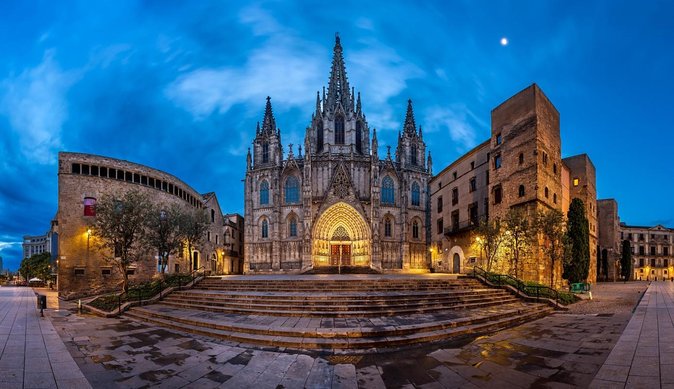
- German guide storytelling that keeps the Gothic Quarter moving like a narrative
- Roman-to-early-1700s timeline told right on the street corners
- Exteriors only, so you learn what you’re looking at without the museum detour
- Cloister stop with a clothing requirement (knee-length and covered shoulders)
- Ribera Quarter viewpoints that connect Barcelona’s old walls to its port-city mindset
- Small-group feel (private group up to 4) that supports real questions
Entering Plaça de Catalunya: where the old city starts breathing
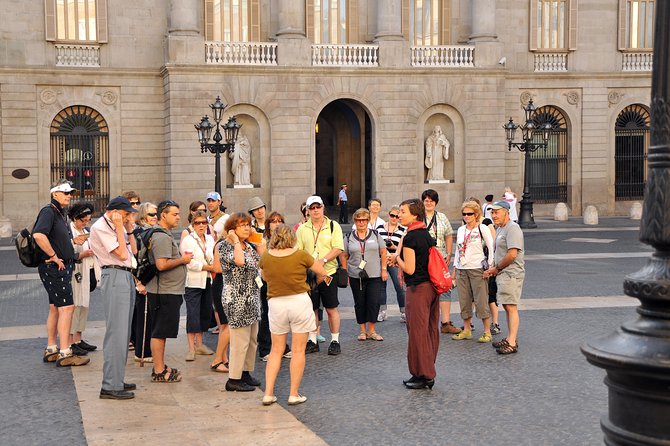
You begin at Plaça de Catalunya, right in the practical center of Barcelona’s grid. From there, the tour doesn’t waste time getting you oriented: you’ll be guided into the maze where the Gothic Quarter starts to feel like a film set that’s still being used today. The best part is that the guide doesn’t treat this area like a frozen backdrop. Instead, you’re walking through a place that still functions—neighbors, shops, traffic noise in the distance—while the stories shift the way you see every doorway and arch.
This is where I like to pay attention to pace. The tour is described as a relaxed walk, not a sprint, and that matters in Barcelona because your brain needs time to absorb details. When the guide stops to explain something specific—why a certain kind of structure appears, or what a legend connects to—you’ll be able to look up, look closer, and actually remember it later.
And yes, it’s in German. If that’s fine for you (or you’re learning), you’ll get a deeper experience than the quick English gist. Even if you only catch key words, the guide’s rhythm tends to make the story clear.
You can also read our reviews of more walking tours in Barcelona



Getting the timeline right: Romans to early 1700s in one route
The structure of this tour is built on a simple idea: every stone has a story, but those stories stack. You’ll start with Roman-era themes and then move through the Middle Ages, continuing into the early 18th century. It’s not just dates for the sake of dates. The guide connects each era to something you can see nearby, so you start building a mental map.
Here are the story themes you can expect to hear woven into the walking route:
- Roman luxury and water tied to a convalescent colony concept
- A holy city storyline—concurrence and power
- Nation-building through nasty conflicts, including bloodier moments
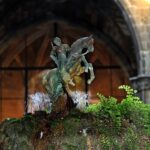
- The local twist: how the dragon came to Barcelona
- A mix of dramatic and spooky details: a brotherhood, the Inquisition, and “hound kings” stories
- Shifts from medieval power to political control, including the Crown of Aragon and maritime force
- Jewish Quarter threads: remnants of a lost world
- Later emotional layers: scars of the Spanish Civil War, told through places described as romantic or haunting
You might think that’s a lot for 3.5 hours. But because the guide keeps the route tight and the focus visual, it stays manageable. Instead of feeling like a lecture, it feels like a guided walk where the city keeps changing meaning as you move.
Tight alleyways, romantic squares: what you’re really practicing
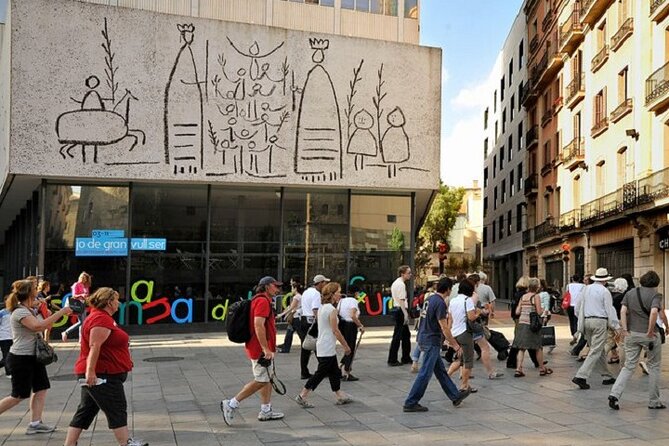
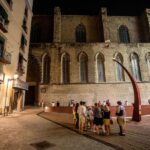
One of the smartest choices here is that the guide stays in streets and squares. That might sound obvious, but it changes your whole experience. If you’re constantly jumping between distant points, you lose the sense of how neighborhoods work. Here, you learn the feel of the Gothic Quarter the way locals move through it: narrow lanes, small plazas, sudden openings to light.
The tour also mixes emotional beats with practical observation. You’ll hear about scenes that sound like drama—like a young girl story paired with a French soldier’s bayonet, or references to a “watch that egg dance”—and those details are meant to make you look twice. When you leave, you won’t only remember the Gothic look. You’ll remember the stories attached to it, and that makes your later self-guided wandering more rewarding.
If you’re the kind of traveler who likes to take photos, this helps too. The tour is built with time to stop, so you won’t feel guilty about pausing for a shot when the guide points something out.
The Jewish Quarter traces: seeing what’s left, not what’s missing
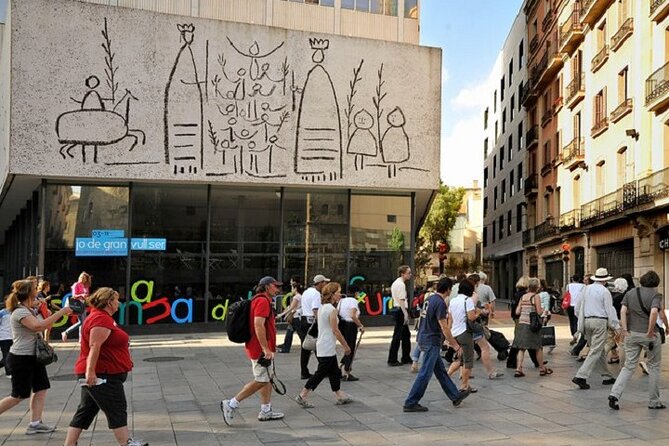
This is one of the most important parts of the tour’s narrative focus. The guide explicitly includes the Jewish Quarter topic, framed as the remnants of a lost world. That phrasing matters because it shapes your expectations. You’re not expected to find a perfectly preserved chapter. You’re learning how history can linger in layout, architecture, and place-name memory, even after communities have changed.
As you walk, keep an eye out for how stories are used to connect the past to the physical surroundings. The guide’s job is to help you translate what you’re seeing into context—what came before, what power shifts meant, and how later events rewrote the neighborhood.
If you care about authenticity, this approach is a win. You’re not being handed a polished story from an exhibit. You’re being taught how to read a real neighborhood like a living document.
Santa Maria del Mar and the idea of collaboration
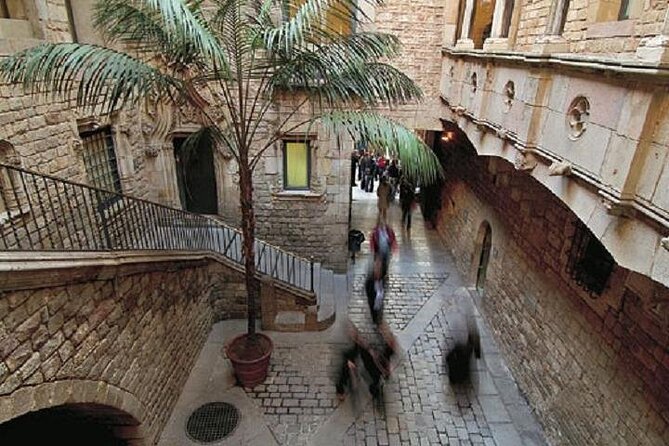
Later in the walk, you’ll reach Santa Maria del Mar, and the guide ties it to the idea of being a first collaborative project, with legends and heroes connected to the story. Even if you only admire from the exterior (and interior visits aren’t part of the standard program), the building can still hit hard when you understand what it represents: a community effort tied to Barcelona’s maritime identity.
This is where the tour’s “old port city” angle becomes clear. Barcelona isn’t presented as a musty museum. The guide emphasizes that this city reinvented itself and kept changing. That’s exactly what you see when old and newer urban life share the same street.
So while you might think you’re doing a Gothic Quarter tour, you’re really doing something broader: learning how the city’s coastline-and-power history shaped the streets you’re standing in.



The cloister stop: what to wear and why the guide bothers
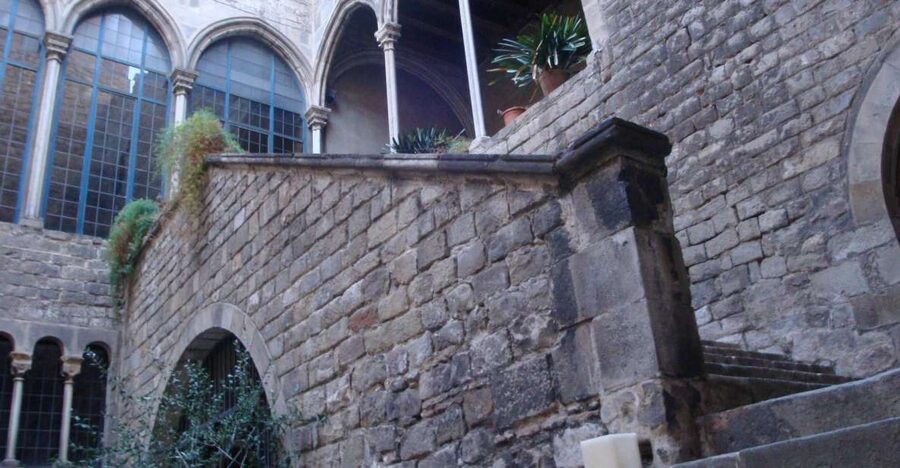
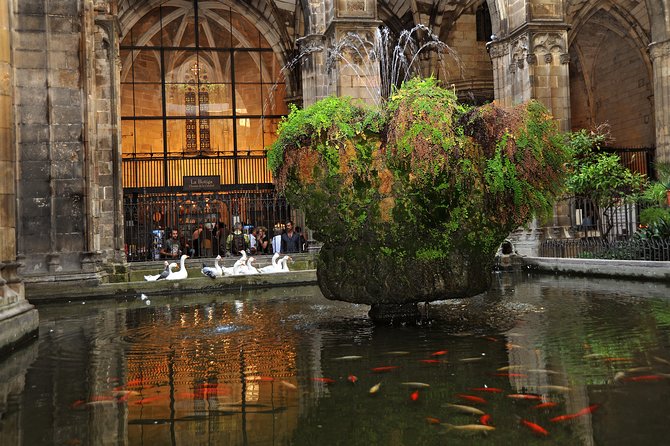
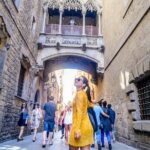
You may make a stop for a cloister visit. If you do, you’ll need knee-length clothing and you’ll also need to cover your shoulders. This is not a small footnote. It affects whether you can participate smoothly, and it’s easy to solve with a light layer or a longer skirt/pants.
Why does the cloister matter? Because it adds a quiet contrast to the street noise. Even if you’re not going inside a church museum experience, a cloister space tends to teach you how religious and civic life organized time and movement. When your guide connects it to the larger timeline—Middle Ages power, later shifts, and the story themes you’ve already been hearing—you’ll feel the tour start to click as a whole narrative rather than isolated anecdotes.
Weather-proof walking: how the tour handles real Barcelona days
Barcelona weather can flip fast, so the tour is set up to run in sun, rain, and wind—even strong showers. That’s good news for planning, because you won’t need a perfect forecast to enjoy the experience.
Still, you’re walking outdoors. Come prepared like you’re doing a neighborhood stroll you can’t fully avoid:
- Bring sun protection in summer (hat, sunglasses, sunscreen)
- Bring a light jacket in cooler months
- If rain shows up, be ready for a damp path and quicker photo timing
One practical note: because the guide keeps you on streets and squares and the tour is described as relaxed, you’re not meant to sprint through weather. The group has time for photos and breaks, so you can stay comfortable.
Price and logistics: is $212 per group good value?
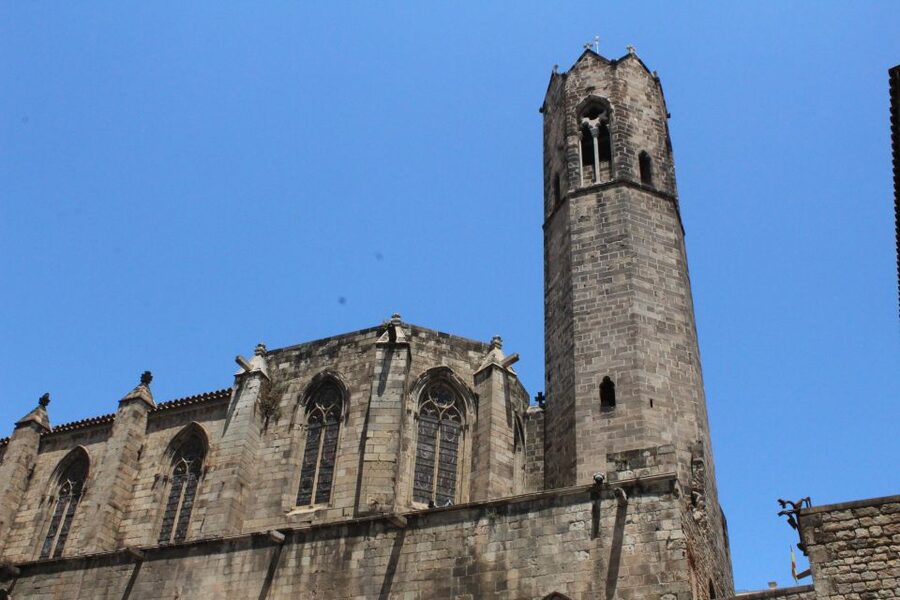
The price is $212 per group up to 4, and the duration is 3.5 hours. The included portion is listed as a 3-hour city tour, which likely explains the extra half hour as start-to-finish time and walking adjustments.
Here’s how I’d judge value. If you’re traveling as a pair, the per-person cost becomes manageable. If you’re a family of two adults plus kids, it can be even better than paying for separate private guiding. If you’re traveling solo, it might feel steep compared with self-guided wandering—but you’re paying for two big things: a German-speaking guide who connects the physical city to the story, and a route that keeps you from getting lost in the fun-but-confusing lanes.
Also, the guide’s style matters for this neighborhood. In the Gothic Quarter, it’s easy to see cool walls and miss the meaning. Paying for a storyteller turns the walk into something you’ll remember beyond the photos.
Small private group feel: why it helps questions
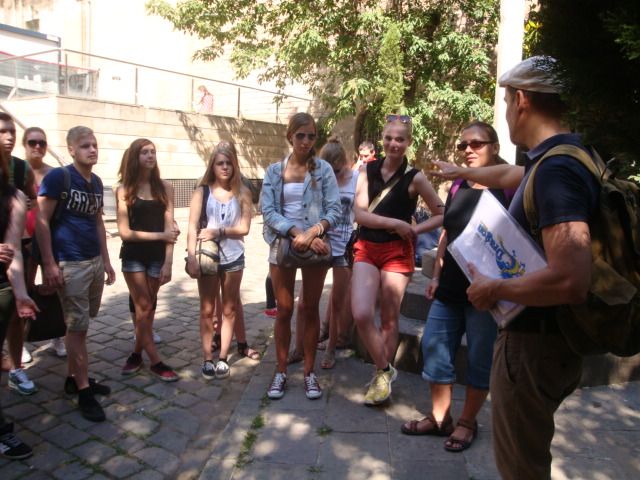
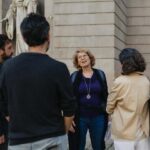
This tour is a private group experience with a group size that can go up to 4 people. That matters in a place where you’ll want to ask small questions. Even with the tour’s structure, a smaller group tends to make it easier for the guide to respond to what you personally care about—what era grabs you, what detail you want repeated, or what kind of walking pace you need.
One highlight from past experiences is that guides bring extra support, like photos that clarify what you’re seeing. I like this because it helps you connect the explanation to details you might not notice in the moment.
Who this tour suits best
This works especially well if:
- You want a guided German-language explanation rather than a general English overview
- You like storytelling that moves chronologically, so the city feels less random
- You prefer walking through real streets, not collecting museum tickets
- You want a small-group pace where the guide can respond to needs
It’s also a solid choice if you’re short on time and want to get your bearings fast in the Gothic Quarter and Ribera area. You’ll leave with a better sense of what to look for the next day.
If you hate walking through crowded narrow lanes or expect lots of indoor stops, you might feel frustrated—this tour is designed for exteriors and street-level observation.
Should you book this Barcelona Gothic Quarter Walking Tour?
If you’re curious about how Barcelona’s layers connect—from Roman themes to medieval power to later darker chapters like the Inquisition and the Spanish Civil War—and you’re happy doing outdoor guiding with a German-speaking storyteller, I’d book it. The price makes the most sense for small groups up to 4, and the relaxed pace plus photo-friendly stops make it enjoyable rather than exhausting.
Just be honest with yourself about expectations: you’re not signing up for a museum marathon, and you won’t be trapped inside. You’re signing up to learn the Gothic Quarter by walking it.
FAQ
What language is the guide?
The live tour guide speaks German.
How long is the tour?
The total duration is 3.5 hours.
Where does the tour start?
The meeting point is in front of the Hotel Olivia Plaza, Plaça de Catalunya, 19 (08002 Barcelona).
Where does the tour end?
The tour finishes at Passeig del Born, 22, 08003 Barcelona.
Is the tour private?
It’s a private group experience, with a price listed for a group up to 4 people.
Are interior visits included?
No—the tour focuses on exteriors. Interior visits and entry fees are not included.
Is it suitable for bad weather?
Yes. The tour runs in sun, rain, and wind, even strong showers.
What should I wear for the cloister visit?
You’ll need knee-length clothing and shoulders covered.
What is included in the price?
You get a guided 3-hour city tour through the old city.
Can I cancel or pay later?
The tour offers free cancellation up to 24 hours in advance for a full refund, and it also includes reserve now & pay later.