REVIEW · KYOTO
Kyoto: Meet the Geisha Maiko with Gion Walking Tour
Book on GetYourGuide →Operated by Japan Wonder Travel · Bookable on GetYourGuide
Kyoto can feel like a movie set. This tour gives you the backstage version, starting with a Gion walking route and ending at an Ochaya for a close maiko performance plus a candid conversation.
What I love most is the access to a private tea house setting, where the atmosphere is calm and personal instead of staged for crowds. And I also like how the guide ties the streets you walk to the world you’re about to meet, so names and traditions make sense fast.
The second big win: you don’t just watch. You sit down for a Q&A with a maiko and also hear stories from a former geiko and the venue owner, which turns curiosity into real understanding.
One drawback to weigh: the performance happens on the 2nd floor with stairs, and the group has to follow venue rules (like socks, and limited photo/video access).
In This Review
- Key points you should care about
- Why this Gion tour feels different than the usual walk
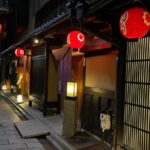
- Gion streets before the tea house: where the guide sets the stage
- Shirakawa Canal stop (about 30 minutes)
- Tatsumi-jinja Shrine (about 5 minutes)
- Hanamikoji Street (about 10 minutes)
- Gion Corner (guided)
- Kenninji Temple photo stop (about 15 minutes)
- Miyagawasuji area (about 1.5 hours, visit/photo stops)
- Ochaya etiquette that matters: socks, stairs, and what you can film
- Socks are not optional
- Stairs matter
- Photography and video rules
- Meeting the maiko and former geiko: what the performance is really like
- The Q&A: where the real value lives
- Guides, translation, and why small groups make it work
- Price and value: what $106 buys in Kyoto terms
- Who should book (and who should skip)
- My practical advice before you go
- Should you book the Kyoto maiko and Gion walking tour?
- FAQ
- Do I need socks for the performance?
- Can I take photos and videos throughout the tour?
- Is it okay to upload photos of the maiko online?
- How long is the tour?
- What language is the tour guide?
- Where does the tour meet?
- Is the tea house experience accessible for wheelchair users or mobility impairments?
Key points you should care about
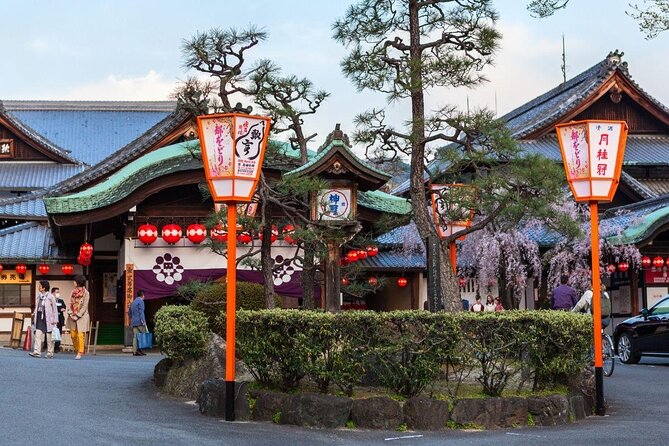
- Private Ochaya access to meet a maiko and a former geiko in a residence-style tea house setting
- Gion walk with context, including key spots like Hanamikoji Street and Kenninji Temple photo area
- Live dances plus a long conversation, with Q&A that focuses on training, traditions, and daily life
- Photo session with the maiko, with specific timing rules for when photos and videos are allowed
- Small-group feel, with English guidance and translation support (guides like Takuma, Mika, Yuko, and Eric have led bookings)
Why this Gion tour feels different than the usual walk
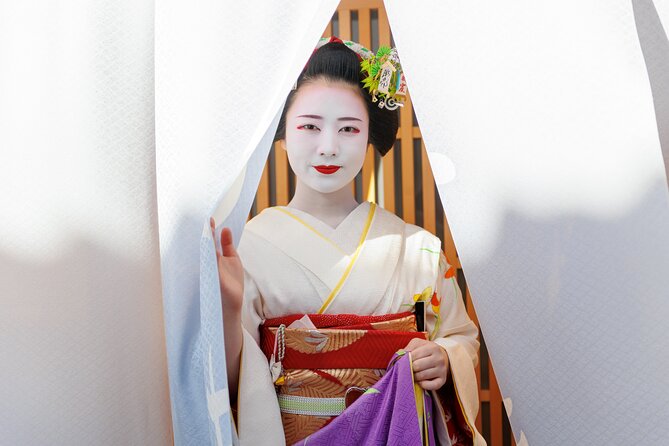
This isn’t a generic Gion sightseeing stroll where you mostly look at architecture and move on. The structure is built like a story: you get the setting first, then you get the people, then you get the explanations.
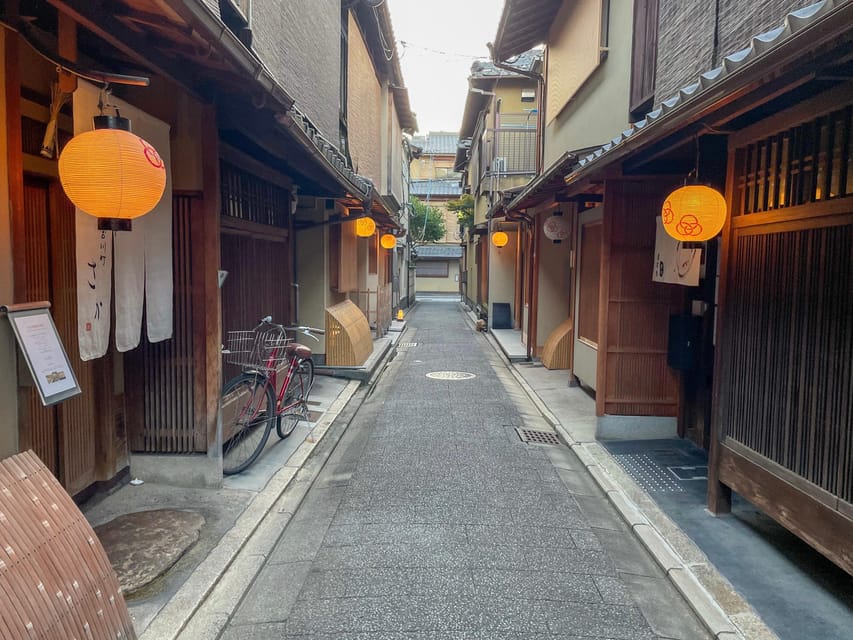
The walk phase is short enough to stay fun (about 70–80 minutes of guided walking total), but it hits real cultural anchors. You’re not just taking photos for Instagram. You’re learning what you’re seeing—why these lanes matter, why certain areas are tied to geiko and maiko life, and what to notice when you’re standing in front of the places where practice happens.
Then comes the Ochaya encounter, and this is where the tour earns its reputation. The live performance is meant for a small group, in an intimate space, followed by conversation. Many people expect the highlight to be the dance. In practice, the Q&A often becomes the part you remember most, because you’re getting straight answers about training, etiquette, and the expectations behind the costumes and music.
You can also read our reviews of more walking tours in Kyoto
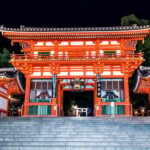
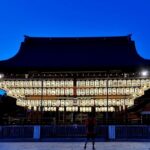
Gion streets before the tea house: where the guide sets the stage
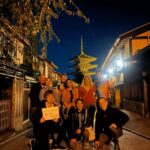
Your tour starts on one of two routes, depending on the option you booked. If you start with the kimono rental option, you’ll change into your kimono at the rental shop, then head on your own to the Izumo-no-Okuni statue area (about a 3-minute walk). Your guide meets you there. If you start at the Shirakawa Canal option, you begin at the canal and build from there.
From there, the guided route typically includes:
Shirakawa Canal stop (about 30 minutes)
This is your warm-up and orientation. The guide points out the kinds of streets and facades that make Gion feel distinct, and it helps you understand why maiko and geiko life is so connected to location, not just costume.
Practical note: if it’s hot, this early stretch can still be sunny. I’d treat the canal portion as a “get your bearings” moment, not a photo sprint.
Tatsumi-jinja Shrine (about 5 minutes)
You’ll get a quick look that adds cultural depth. It’s a reminder that these neighborhoods aren’t just performance districts—they’re part of Kyoto’s everyday spiritual and community landscape.
Hanamikoji Street (about 10 minutes)
This is one of the classic Gion lanes. The guide helps you see it with a different lens, so you’ll notice details you might otherwise miss, like the rhythm of facades and the way the street supports the atmosphere of the area.
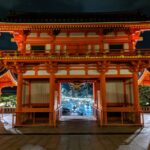


Gion Corner (guided)
You’ll get a short stop where the guide ties the performance culture back to what you’re about to experience. Even if you’ve seen Gion before, this part acts like a bridge into the tea house rules and etiquette.
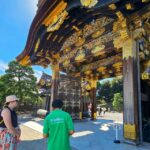
Kenninji Temple photo stop (about 15 minutes)
This stop is short and works as a photo and context break rather than a deep temple visit. If you were hoping for a full temple wander inside, you might find this portion more “quick look” than “long visit.”
Miyagawasuji area (about 1.5 hours, visit/photo stops)
This is where the tour slows down and feels more like strolling. It’s a good chance to reset, take photos, and let the information from earlier stops land before the big encounter.
Ochaya etiquette that matters: socks, stairs, and what you can film
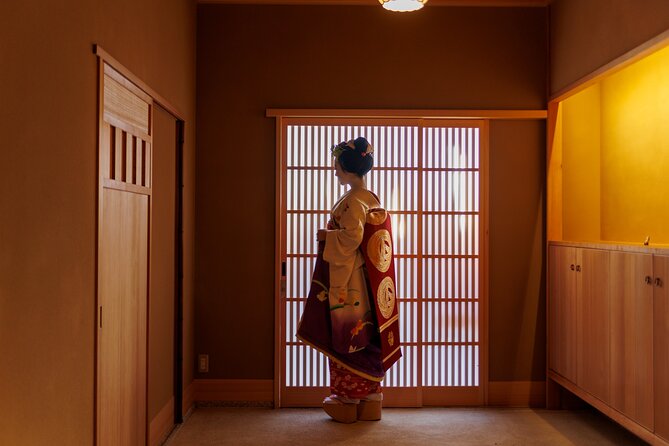
The Ochaya portion is where the tour’s rules really shape your experience. The staff are running a working venue with traditions, and you’ll get the best results if you show up prepared.
Socks are not optional
You must wear socks at the performance venue. This isn’t a fashion suggestion—it’s a requirement. On rainy days, there’s another layer: no wet clothes and no wet socks are allowed at the venue. So if the weather looks iffy, plan for staying dry during the walk and keeping your socks clean and dry for the stairs and entry.
A simple strategy: carry an umbrella, move quickly when you’re between stops, and keep anything damp protected.
Stairs matter
The performance happens on the 2nd floor, and access requires stairs. If you have mobility constraints, this is not the tour to force. The venue restrictions are part of why this experience stays intimate and controlled.
Photography and video rules
You can take photos and video only during the performance and the photo session. After that, it’s a no-go for recording.
Also important: if you want to upload photos of the maiko online, you’ll need direct permission from the maiko beforehand. This is one of those small cultural details that protects privacy. Follow it, and the atmosphere stays respectful.
Meeting the maiko and former geiko: what the performance is really like
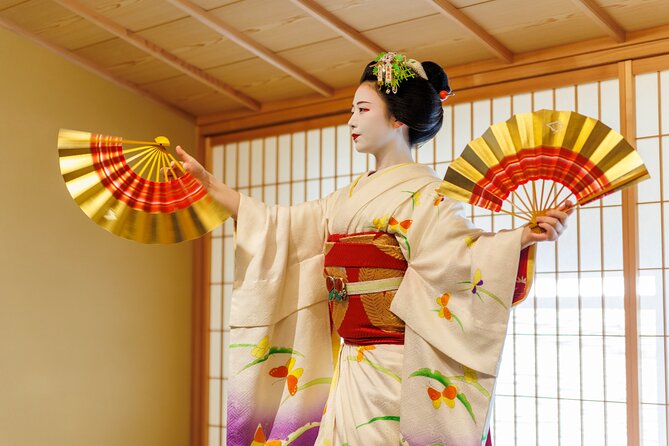
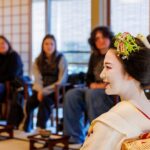
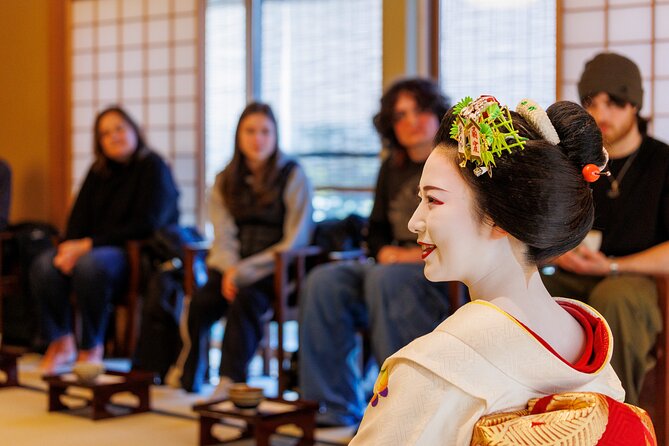
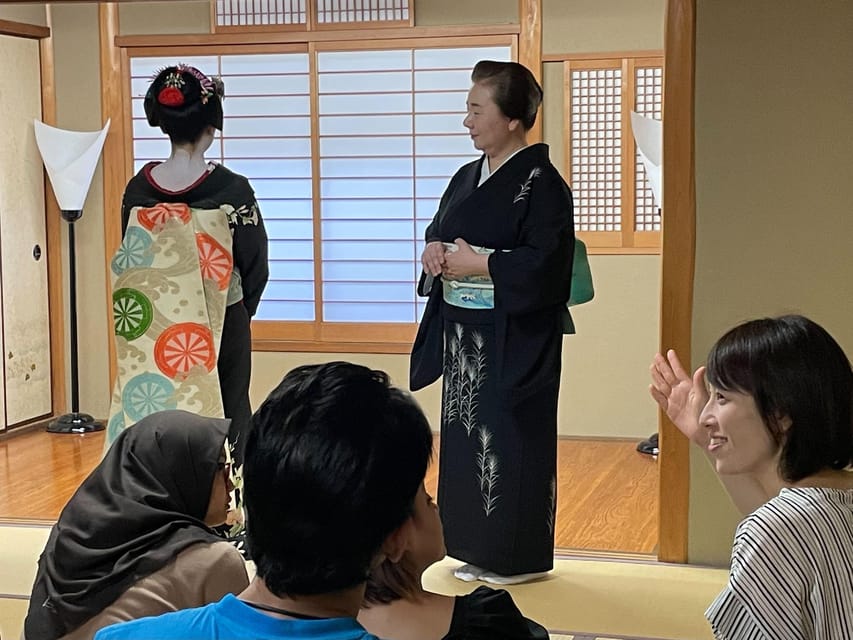
After the walk, you’ll reach the private residence/venue called an Ochaya. This is the core of the experience: you’re meeting a maiko (apprentice geisha) and a former geiko in a space that feels like it belongs to Kyoto locals, not a tourist stage.
The timing is designed for closeness:
- You spend around 90 minutes in the meeting experience.
- The live performance itself usually includes 1–2 dances by the maiko.
- Then you get Q&A, plus a conversation that includes the venue owner.
One detail I think is worth calling out: the performance is the moment people imagine, but it’s short compared to the total time you’re there. Many participants end up loving the conversation even more, because the answers turn “beautiful tradition” into something you can understand—like how training works, what habits matter, and how daily life fits the public image.
From the bookings shared, guides sometimes also help set expectations right before the dances, and they translate calmly as questions come up. Names that have appeared leading tours include Takuma, Mika, Yuko, Ellie, Eric, Tom, Chika, Ayako, Chiko, and Naomi, and participants consistently mention that the guides handled English translation with patience.
The Q&A: where the real value lives
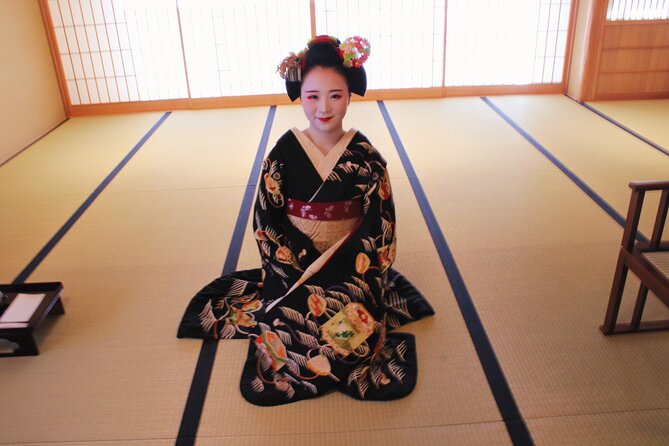
The tour’s heart isn’t just the performance. It’s the permission to ask real questions.
You’ll have a Q&A session with the maiko, plus conversation that typically includes the former geiko and the tea house owner. This is where people learn the difference between facts you can read and realities you can ask about directly.
Topics you’ll likely hear discussed include:
- how maiko training and progression works
- the traditions behind costume, movement, and etiquette
- what the lifestyle demands behind the scenes
- stories from the former geiko’s era and how the world changed
- how the tea house experience connects to community and craft
What I like about the Q&A format is that it slows everything down. You’re not rushing between photo stops. You’re listening, asking, and then learning how others interpret the same cultural symbols you see in the streets.
And yes, you’ll also get a photo session with the maiko. That part is time-boxed, so it helps to show up mentally ready: you’re taking photos as part of an etiquette-driven exchange, not as an endless shoot.
Guides, translation, and why small groups make it work
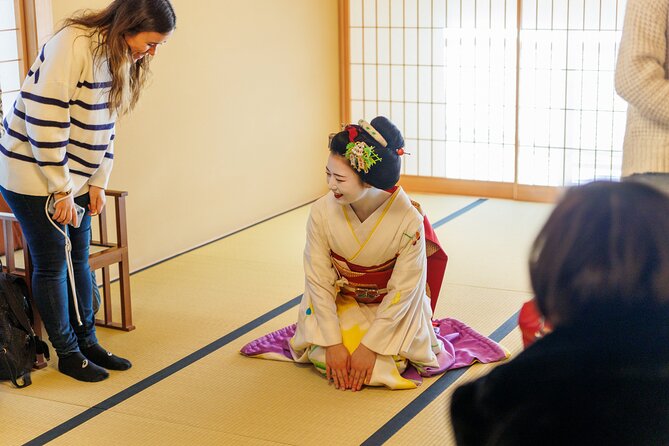
This is a small-group experience, and that size matters. A small group means the conversation can stay human-sized, not “tour-speak.” Several people who booked highlighted the guide’s role in keeping things respectful and clear in English.
If you’re worried about not understanding Japanese cultural terms, you’ll probably feel better knowing translation is part of the service. Guides mentioned in bookings include people like Yuko and Mika, who were described as patient and comfortable answering questions. Others like Eric or Tom have been praised for translating smoothly so guests could ask without hesitation.
Also: if you’ve already done a general Gion walk earlier in your trip, you may recognize a few basics. The value here isn’t the first-time facts. It’s the way those facts lead into the tea house encounter.
Price and value: what $106 buys in Kyoto terms
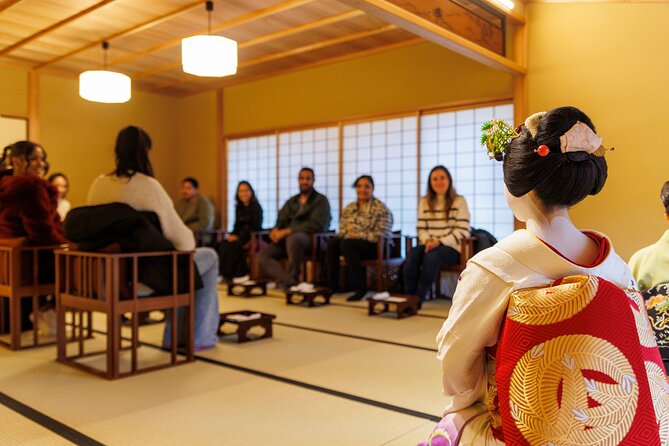
At about $106 per person for a 3–5 hour experience, you’re paying for three things that are expensive in practice:
- private access to an Ochaya setting
- a real live performance tied to a maiko appearance
- guided context and facilitated conversation (including translation and Q&A)
If you compare this to other Kyoto activities, it’s not “cheap.” But it’s also not only a show ticket. You’re getting a guided street primer, a private meeting, live dances, and structured time for questions.
The biggest value lever for me is the interaction. Many “culture shows” in major cities are one-way. Here, you’re part of a conversation with people directly tied to the tradition. That turns your time into something more personal than watching from the sidelines.
One more note: the tour may run a bit longer depending on the day. Build a little cushion in your schedule, especially if you’ve got trains or tight connections later.
Who should book (and who should skip)
This experience is best for you if:
- you want a respectful, people-first look at maiko and geiko life
- you enjoy asking questions and not just watching
- you’re okay following venue etiquette (like socks and photo/video rules)
- you want context for Gion beyond street photos
You should probably skip if:
- you need wheelchair access or mobility support, since the venue requires stairs
- you’re traveling with children under 10
- you’re hoping to record lots of video or upload freely without permission, because the recording rules are strict
My practical advice before you go
- Bring socks and keep them dry. The venue has a strict wet-clothing rule on rainy days.
- Use an umbrella on rainy days during the walk, but also think about what happens once you enter the venue.
- Wear comfortable shoes for the walk. Even with a short schedule, Gion streets add up.
- If you care about photos for social media, remember you need direct permission from the maiko before uploading.
- If you’re already dressed in kimono from a rental, follow the meeting-point instruction carefully—your guide may be waiting at the Izumo-no-Okuni statue area after the change.
Should you book the Kyoto maiko and Gion walking tour?
I think you should book this if you want a rare Kyoto moment that feels controlled, respectful, and genuinely educational. The private Ochaya access plus the maiko performance plus a real Q&A with both a maiko and a former geiko is the kind of experience that doesn’t happen on a standard street walk.
If your main goal is hours of sightseeing or you’re hoping for lots of temple time, you may find the walk portion shorter than you want. And if stairs or wet-weather sock rules are a concern, choose something else.
But for the right traveler, this is one of Kyoto’s best “watch and ask” experiences—less about spectacle, more about understanding how the tradition lives today.
FAQ
Do I need socks for the performance?
Yes. You must wear socks at the performance venue.
Can I take photos and videos throughout the tour?
Photography and video recording are allowed only during the performance and during the photo session. After that, recording is not allowed.
Is it okay to upload photos of the maiko online?
Photos may be uploaded only with direct permission from the maiko beforehand.
How long is the tour?
The duration is about 3–5 hours, depending on the day.
What language is the tour guide?
The live tour guide provides English.
Where does the tour meet?
Meeting point can vary depending on the option you booked (either near the Izumo-no-Okuni statue area or at the Shirakawa Canal).
Is the tea house experience accessible for wheelchair users or mobility impairments?
No. The tour is not suitable for people with mobility impairments or wheelchair users, and the performance is on a 2nd floor with stairs.