REVIEW · TOKYO
Get Unique Insights into Tokyo – Private Tour with local Guide
Book on Viator →Operated by Shiny Tours Tokyo · Bookable on Viator
Tokyo gets easier with one good walk. This private tour strings together key neighborhoods like Meiji Jingu, Harajuku, Shibuya, and Shinjuku while a local guide shares how the city works in real life. I especially like the solo and group photo stops plus the way guides coach you on respectful shrine manners. One consideration: food isn’t a full meal plan here, so plan on buying lunches or dinners on your own.
The best part is how flexible it feels. You choose a morning or afternoon start, then match the duration (2 to 6 hours), and the guide adapts your route and pace. If you’re lucky enough to get a guide like Jero or Franz, you’ll also see how photo-taking and practical navigation tips become part of the day, not an afterthought.
This is a strong choice if you’re new to Tokyo, jet-lagged, traveling with a family, or simply want fewer wrong turns and more “I get it now” moments. Wear comfortable shoes, because even a shorter version can turn into a long walk. One guest reported more than 8 miles on a tour day.
In This Review
- Key reasons this private Tokyo tour works
- How a private guide makes Tokyo feel logical fast
- Price and what you get for $82.90
- Meeting at Meiji Jingu, finishing near Shinjuku Station
- Meiji Jingu Shrine: etiquette, calm, and a smart first stop
- Harajuku’s Takeshita Street and street-style shopping energy
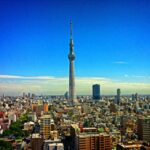
- Shibuya Crossing to Shinjuku skyline: the Tokyo power combo
- Kabukichō Tower and Odaiba: neon Tokyo in two different moods
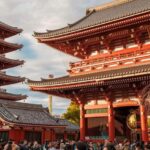
- Asakusa, Akihabara, Ueno Park, and the Imperial Palace East Gardens
- Photos, tea/coffee, and snack breaks that keep your energy up
- Pacing and crowd sense: how guides reduce stress
- Should you book this private Tokyo walking tour?
- FAQ
- How long is the tour?
- What neighborhoods will we see?
- Where do we meet and where does the tour end?
- Is transportation between stops included?
- Does the tour include pickup?
- Is the guide English-speaking?
- Are photos included?
- What food and drinks are included?
- Is this a group tour?
Key reasons this private Tokyo tour works
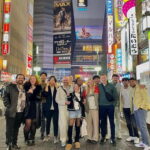
- Photo stops that actually happen: solo shots and group shots at major landmarks, plus extra help if you want pictures for your phone.
- Meiji Jingu etiquette guidance: you learn simple ways to behave respectfully at the shrine instead of guessing.
- You control the day: morning or afternoon timing and a duration choice from 2 to 6 hours.
- Local transit support: transportation between areas is included, and your guide helps you understand how to move around.
- Tea/coffee and a Japanese snack included: small breaks that keep the day comfortable.
- Guide personalities make it feel personal: many reviews highlight adapting to pace and interests, plus warm, friendly energy from guides like Jero and Franz.
How a private guide makes Tokyo feel logical fast
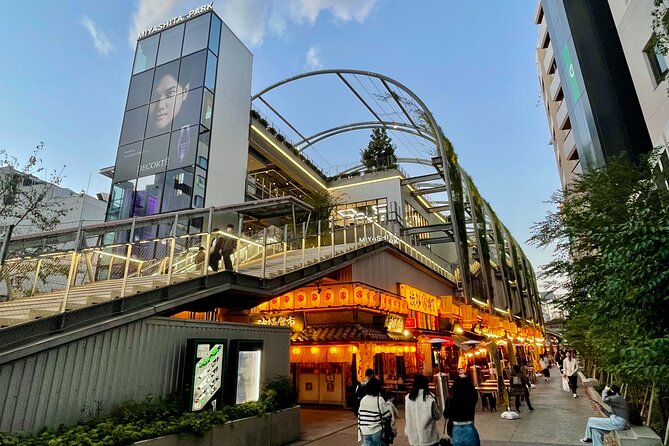
Tokyo can be overwhelming fast: crowded platforms, signage that changes every few blocks, and neighborhoods that feel like different cities. What I like about this tour setup is that it turns Tokyo into a sequence you can remember. You start with a cultural anchor at Meiji Jingu, then move through youth fashion areas (Harajuku), hit the big-city icon (Shibuya Crossing), and finish with skyline energy (Shinjuku).
The guide isn’t just a walking GPS. In reviews, guests describe guides teaching manners at the shrine, pointing out what to notice (not just where to stand), and helping with practical stuff like how to navigate metro and trains afterward. That’s the real win: you’re not only looking at Tokyo. You’re learning how to move through it.
You can also read our reviews of more guided tours in Tokyo


Price and what you get for $82.90
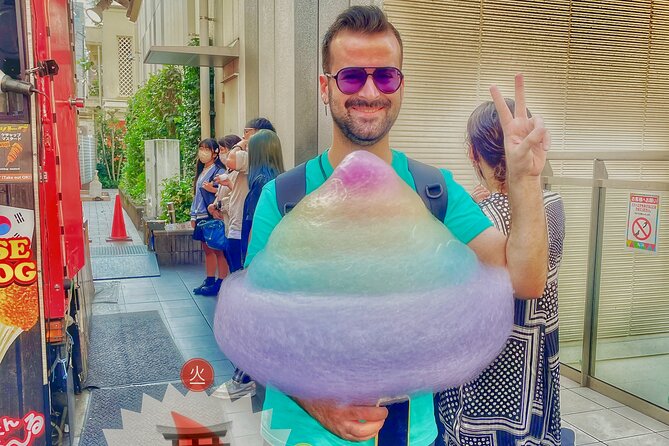
At $82.90 per person, this isn’t the cheapest way to sightsee—but it’s also not priced like a “sit in a car and be chauffeured” tour. Your money goes toward a private English-speaking guide, transportation between destinations, and structured time at the main photo-and-landmark moments.
Here’s what’s included that matters for value:
- Transportation between tour destinations (so you don’t have to figure out the logistics on the fly)
- Solo pictures and group pictures at famous stops
- Coffee or tea and a traditional Japanese snack
- A flexible start time and flexible duration (2 to 6 hours)
And what’s not included: food beyond that tea/coffee and snack. That’s not a dealbreaker, but it does change how you plan your day. If you want a full meal experience as part of the tour, you’ll likely add that yourself afterward.
If your goal is an efficient, low-stress intro to multiple Tokyo districts, this price starts to make sense. If your goal is slow wandering with lots of shopping time and zero transit, you might feel the structure is a bit too directed—though you can usually shape it with your guide.
Meeting at Meiji Jingu, finishing near Shinjuku Station
The tour starts at Meiji Jingu Ichino Torii area in Jingūmae (Shibuya side). You’ll finish near Shinjuku Station—specifically around the Giant 3D Cat location in Shinjuku.
Why this matters: Shinjuku is one of Tokyo’s easiest “transport hubs” to reconnect with. Ending near a major station makes it much simpler to continue your day, whether you’re heading to dinner, shopping, or your next neighborhood.
Another practical detail: the meeting point is near public transportation. You won’t be stuck trying to locate a hard-to-reach spot in the middle of nowhere.
Pickup is also offered. If that’s important to you, confirm the setup at booking, since the tour has a named starting point.
Meiji Jingu Shrine: etiquette, calm, and a smart first stop
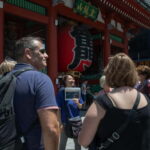
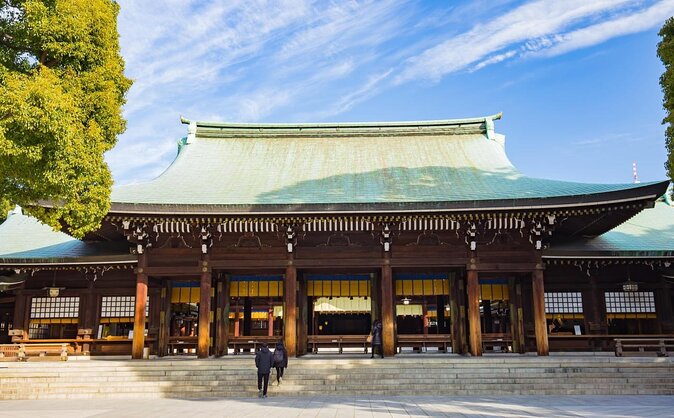
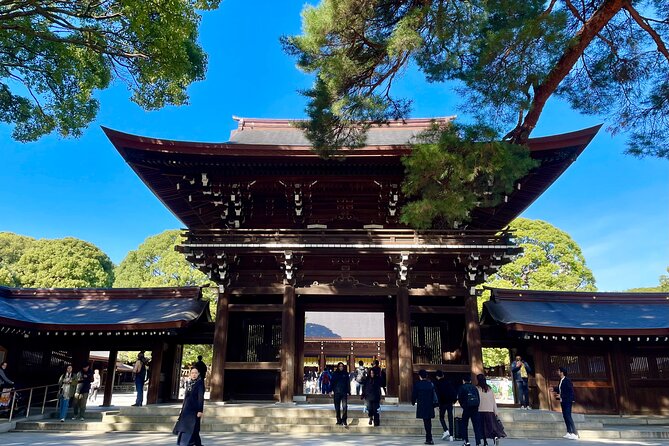
The day begins at Meiji Jingu Shrine, one of Tokyo’s most important Shinto sites. The guide walks you together to the main building area and shares culture and history so it’s more than a photo moment.
From guest notes, two things show up again and again:
- The shrine visit isn’t just sightseeing; you learn how to behave respectfully.
- The pace is paced for real people, not a rush-through schedule.
This is a great first stop for newcomers because it creates contrast. You start in a quiet, wooded-feeling space and then you’re ready for the energy that comes later.
Practical tip: budget a few minutes for the “transition feeling.” Shrines in Tokyo often make you slow down. Then Harajuku and Shibuya can hit like a volume knob turning up.
Harajuku’s Takeshita Street and street-style shopping energy
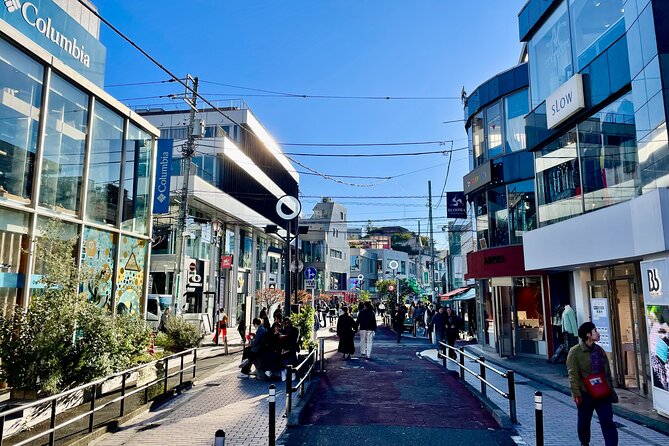
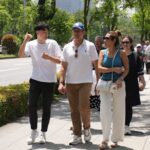
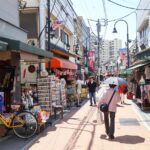
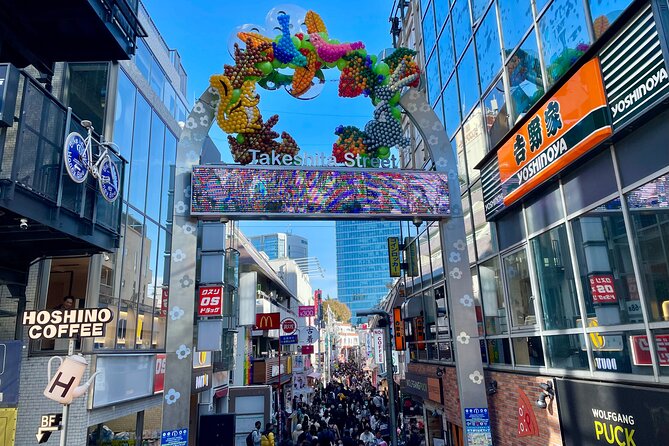
After Meiji Jingu, you head into Harajuku, including Takeshita Street—the famous colorful, youth-oriented shopping strip. This is where Tokyo shows its fashion imagination fast.
The tour also focuses on street style—how people wear trends and how the Harajuku vibe works as a youth culture hub. In reviews, guests mention additional nearby areas like Cat Street and Omotesando as part of the overall Harajuku-to-Shibuya stretch. That likely depends on your exact duration, but it’s a clue about how flexible your route can be.
One possible drawback here: if your timing is peak, you’ll encounter crowds around Takeshita Street. The good news is that a local guide can steer you through with less friction than doing it alone, and you’ll get context for what you’re seeing.
You can also read our reviews of more private tours in Tokyo
Shibuya Crossing to Shinjuku skyline: the Tokyo power combo
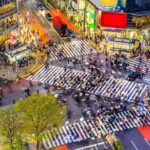
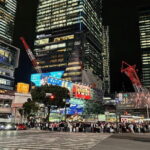
Next up is Shibuya Crossing, the world-famous scramble where you feel Tokyo’s scale in real time. Expect a “look at this, now watch how it flows” kind of moment—then quick direction so you can get photos without spending your whole time fighting the crowd.
Some tours in this route also include sights like the Hachiko statue in the broader Shibuya area, depending on time and the guide’s flow.
Then you move to Shinjuku, famous for skyscraper views and neon intensity. Your guide typically uses transit to move you over efficiently, and you’ll get photo time in key spots.
From a review insight: guides have been known to adapt around busy days by using back entrances or alternate routes. That’s helpful because it reduces the time you spend stuck waiting for movement to reopen.
Kabukichō Tower and Odaiba: neon Tokyo in two different moods
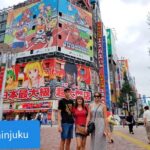
One finish option described in the route is Kubukichō Tower in Kabukichō, a classic spot for that “neon Tokyo” feel. This is where the city looks like a movie set—bright, loud, and unmistakably urban.
If your chosen duration allows more distance, you may also continue toward Odaiba, a futuristic harbor area. The tour can include:
- Aqua City
- DECKS Tokyo Beach
- Hikara Yokocho (a nostalgic-feeling lane attraction)
- The Unicorn Gundam statue
These stops give you a different Tokyo look. Shibuya and Shinjuku are downtown intensity. Odaiba feels more “designed leisure,” with wide views and big set-piece attractions.
What to keep in mind: Odaiba takes time to reach. That’s why your 2-hour vs 6-hour choice matters. If you pick the shortest duration, you’ll likely focus on the core districts and skip the farther segments.
Asakusa, Akihabara, Ueno Park, and the Imperial Palace East Gardens
The longer versions (or flexible route days) can include additional neighborhoods that add depth beyond the big headline districts:
- Asakusa: described as the origin of Tokyo during the Edo period and historically tied to entertainment culture. It’s a strong counterbalance to modern neon.
- Akihabara: the electronics and anime/collector zone, with a history that started as a post-war black market for radio parts and grew into a major pop-culture hub.
- Ueno Park: a beloved green space with cultural offerings and seasonal beauty.
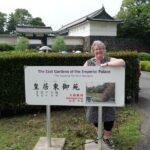
- Imperial Palace East Gardens: a calmer look at Japan’s feudal-era past, with remnants like stone walls, gates, and moat areas from Edo Castle.
How to choose: if you want “Tokyo stories that cover eras,” you’ll like mixing modern icons with at least one older-feeling area (like Asakusa) and one culture-and-history pause (like Imperial Palace East Gardens or Ueno Park).
If you’re short on time, pick what matches your trip. A first-time checklist often benefits from Meiji Jingu + Harajuku + Shibuya + Shinjuku first, then add one or two extras only if your duration allows.
Photos, tea/coffee, and snack breaks that keep your energy up
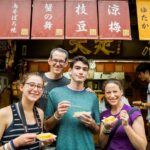
This tour includes more than just motion. You get solo pictures and group pictures at famous stops, and multiple reviews mention the guides making sure photos are easy to capture and share.
That matters because Tokyo landmarks can be crowded. If you’re trying to take your own shots, you lose time and you end up stressed. With photo support built in, you can focus on what’s in front of you and still walk away with memories.
You’ll also get coffee or tea plus a traditional Japanese snack. In practice, these small included breaks are the difference between “great tour” and “why am I hungry and cranky?” So even though meals aren’t included, the tour’s built-in comfort points help you keep going.
Pacing and crowd sense: how guides reduce stress
A good Tokyo day is partly route planning and partly human pacing. Reviews repeatedly describe guides adapting to interests and speed, including working around jet lag and personal needs.
One useful detail: a guest noted walking over 8 miles during their tour day. That doesn’t mean every day is that long, but it does tell you to plan for real walking.
My advice:
- Bring comfortable shoes and socks you actually trust.
- Use the tea/snack window to reset before the next big neighborhood shift.
- If you’re visiting at peak crowd times, trust your guide to route smartly rather than trying to fight foot traffic on your own.
Should you book this private Tokyo walking tour?
Book it if:
- You want a fast, meaningful intro to multiple Tokyo districts without spending half the day figuring out routes.
- You care about photos and want solo and group pictures taken at the right spots.
- You’d rather learn Tokyo etiquette and practical navigation than just collect landmark photos.
- You’re traveling with limited time and still want a day that feels personal (reviews consistently mention guides tailoring pace and interests).
Skip or adjust if:
- You want a fully guided food tour. You’ll only get tea/coffee and a snack included, not full meals.
- You prefer deep, slow neighborhood wandering over seeing many districts in a single outing. With multiple stops possible, the day is structured.
If you want one “first day” plan that helps you understand Tokyo for the rest of your trip, this is a strong bet—especially when you choose a duration that matches how far you want to go, from core neighborhoods to extra areas like Odaiba, Akihabara, or Asakusa.
FAQ
How long is the tour?
The tour runs for about 2 to 6 hours, depending on the option you choose.
What neighborhoods will we see?
The route can include Meiji Jingu Shrine, Harajuku (including Takeshita Street), Shibuya Crossing, Shinjuku, and additional areas like Odaiba, Asakusa, Akihabara, Ueno Park, and the Imperial Palace East Gardens, depending on duration.
Where do we meet and where does the tour end?
You start near Meiji Jingu Ichino Torii in Jingūmae (Shibuya) and finish near Shinjuku Station, around the Giant 3D Cat location in Shinjuku.
Is transportation between stops included?
Yes. Transportation between tour destinations is included.
Does the tour include pickup?
Pickup is offered. Confirm the pickup details during booking.
Is the guide English-speaking?
English-speaking guides are available.
Are photos included?
Yes. The tour includes solo-pictures and group-pictures of you with famous landmarks.
What food and drinks are included?
You’ll get coffee and/or tea and a traditional Japanese snack. Food and drinks are not otherwise included.
Is this a group tour?
No. It’s a private tour, so only your group participates.