REVIEW · CHICAGO
Chicago: Secret Interiors Architecture Walking Tour
Book on GetYourGuide →Operated by Empire Tours & Productions (Chicago River Boat Architecture Tours) · Bookable on GetYourGuide
Chicago hides its best details indoors. This 2-hour Loop walking tour is the kind of trip where you slow down for domes, mosaics, and craftsmanship you’d miss at street level, and I like how the guide ties each stop to the real design problems Chicago builders had to solve. I also love the inside access—you’re not just peeking from the sidewalk. One drawback: a big chunk of your time is outside, so winter and wind can be real, even with frequent stops to warm up.
You meet at Union Station in the Great Hall, under the Clinton Street sign, then you work your way through the heart of the Loop with photo breaks and short interior visits. The whole tour runs on story and looking: ambition, intrigue, and fame mixed with the practical decisions about structure and light.
If you’re hoping for a totally flat, stroller-friendly stroll, plan on stairs and a brisk walking pace at times. The operator lists the tour as wheelchair accessible, but one cold-weather review flagged plenty of stairs inside and out—so if stairs are a deal-breaker for you, it’s worth asking how they handle step-free routes for your specific departure.
In This Review
- Key things I’d zoom in on
- Meeting at Union Station: how to start without wasting time
- The Chicago Loop part: the story behind the city’s architectural ambition
- South La Salle Street photo stop: why this block matters
- Rookery Building interiors: the best reason to wear good shoes
- Field Building and Marquette Building: styles you can actually notice
- Palmer House (a Hilton Hotel): where elegance meets design logic
- Chicago Cultural Center: when civic space becomes a design lesson
- Marshall Field and Company Building: the finale you’ll remember longer
- Price and value: is $35 for 2 hours fair?
- Pace, stairs, and weather: the real-world stuff you should plan for
- Should you book this Secret Interiors architecture tour?
- FAQ
- FAQ
- How long is the Chicago Secret Interiors Architecture Walking Tour?
- How much does the tour cost?
- Where do I meet the tour guide?
- What buildings are included on the tour?
- What should I bring?
- Is the tour wheelchair accessible?
- Is the tour conducted in English?
- What happens if I book on a Sunday?
- What will I learn or focus on during the tour?
- What is the cancellation policy?
Key things I’d zoom in on
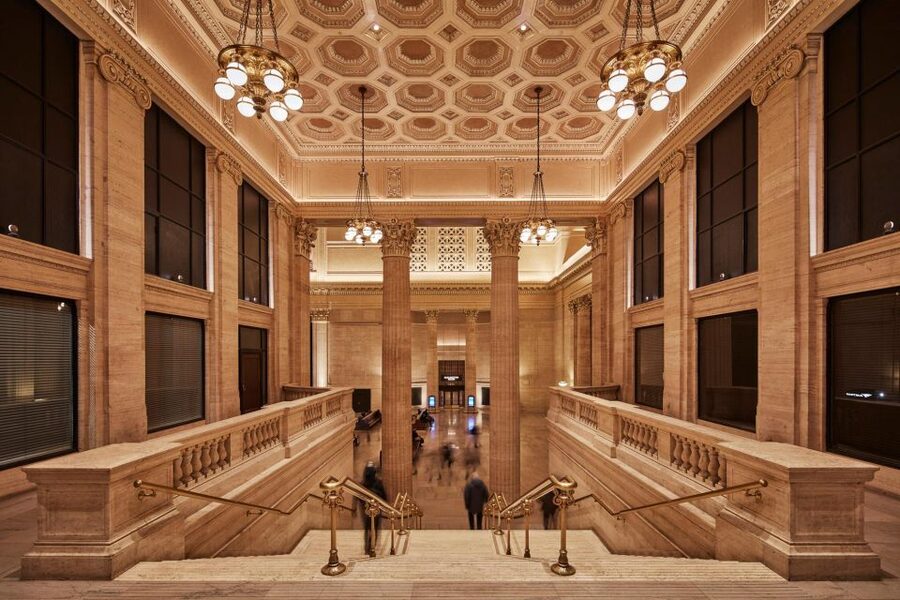
- Secret interiors, not just exterior shots: you get inside multiple buildings and focus on specific design elements
- Engineering choices explained: lighting and structural problem-solving becomes part of the story
- Iconic Loop landmarks in a tight loop: South La Salle, the Rookery, Field and Marquette, Palmer House, Cultural Center
- Real personalities behind the buildings: industrial power, infamous figures, and celebrated names from the Gilded Age and Roaring Twenties
- You’re likely to meet a standout guide: Grant, Talia, Angel, Annie, Matthew, and others are repeatedly praised for keeping it lively
Meeting at Union Station: how to start without wasting time
I like tours that start with a clear target, and this one does. You meet inside Union Station within the Great Hall, under the Clinton Street sign. That matters because Union Station is busy, and you don’t want the first 15 minutes spent playing Where are we supposed to be?
Once you’re in with the guide, the tone is set fast: the tour is built around what you’ll see next, not a long preamble. You’ll begin in the Loop area and move block by block, with photo stops and quick guided visits that are timed so you still feel like you’re experiencing buildings, not just rushing past them.
If you have a short attention span, don’t worry. Even on a cold day, the reviews highlight that guides keep people engaged with story + detail. In particular, Grant gets called out for being personable and for sharing a lot of historical context along the downtown route, not just at the buildings.
You can also read our reviews of more walking tours in Chicago



The Chicago Loop part: the story behind the city’s architectural ambition
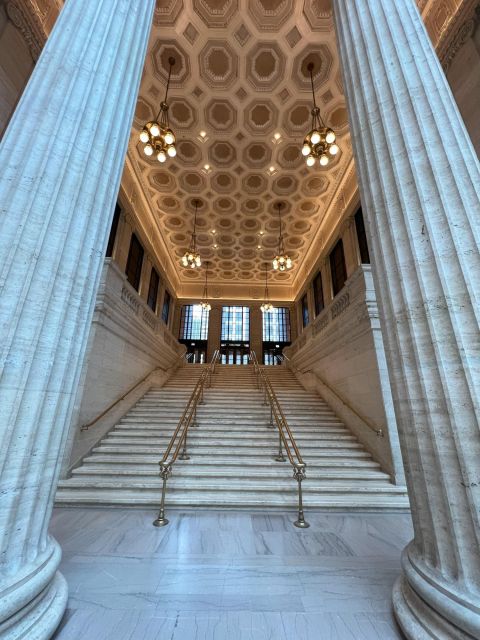
This is where Chicago’s design identity comes into focus. The tour frames the Loop as an architectural turning point—when the city’s ambition turned into a global style influence. The guide doesn’t treat buildings like museum objects. Instead, you connect what you see to the problems architects and engineers were trying to solve: how to handle lighting, how to make structures work, and how to create interiors that feel intentional, not accidental.
A nice touch is that the tour doesn’t stay in pure aesthetics. You’ll hear about industrial magnates and well-known figures who moved through these corridors during the Gilded Age and Roaring Twenties. That helps you read the buildings as part of a human drama: money, fame, competition, and the reputation games that pushed designers to go bigger and smarter.
Expect a mix of exterior sightlines and interior moments. Even when you’re outside, the tour keeps you looking for clues: design elements that repeat across styles, craftsmanship that shows up in the details, and hidden features tucked into places most people walk right by.
South La Salle Street photo stop: why this block matters
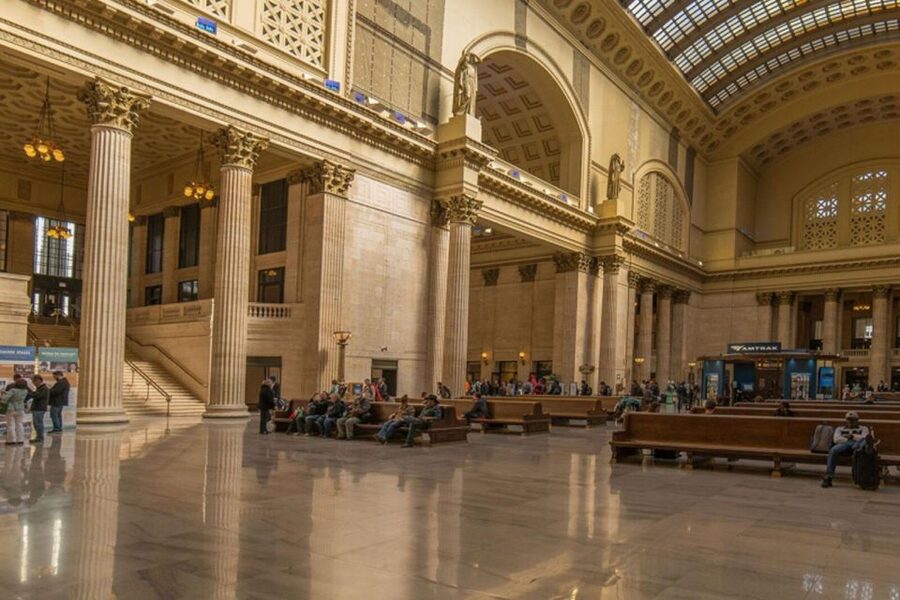
South La Salle Street might sound like a quick roadside checkpoint, but this stop is useful. You get a photo break plus guided commentary, which makes it a great place to reset your focus. If you’ve been staring at towers all morning, you’ll start noticing how the city’s architectural language changes when you get closer to street level.
Here’s the practical angle: photo stops are also orientation stops. You can use this moment to learn how the guide wants you to look—at shapes, materials, and design motifs that connect one building to the next. That makes the later interior visits feel less random, because you’ve already trained your eye on what to expect.
If you’re coming from another sightseeing activity, this is also a good place to ask questions. Multiple reviews praise guides for being happy to talk through smaller details like decorations and doorways. So when the guide points out something specific, don’t be shy about following up.
Rookery Building interiors: the best reason to wear good shoes
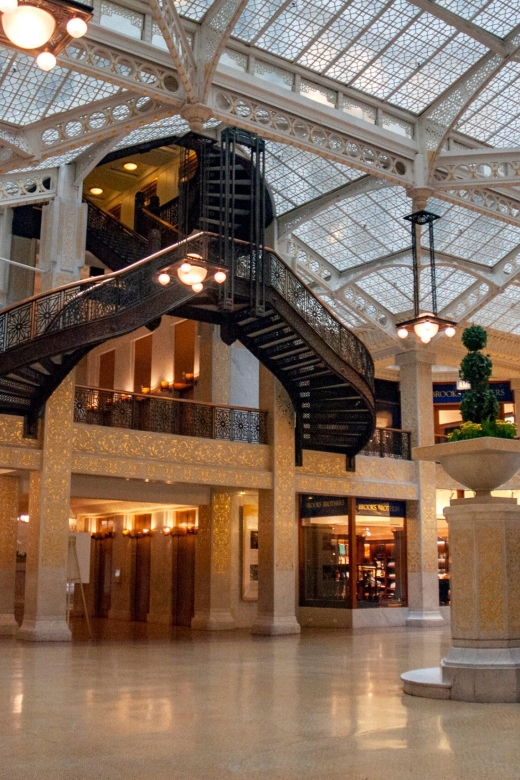
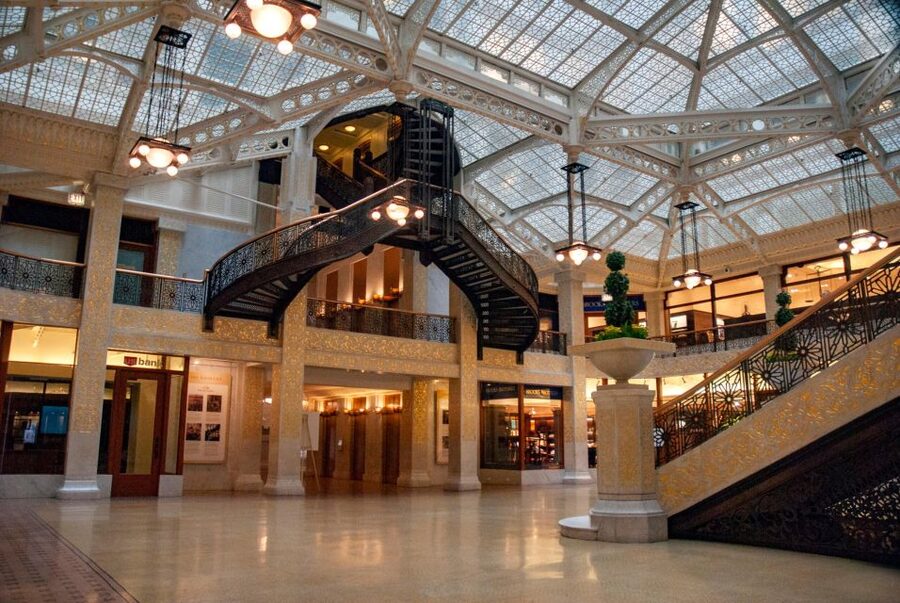
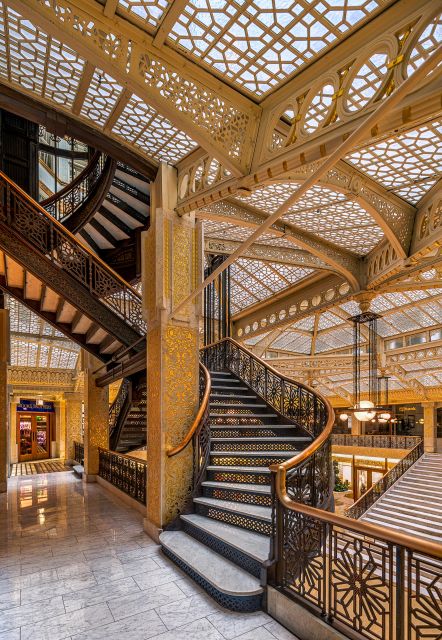
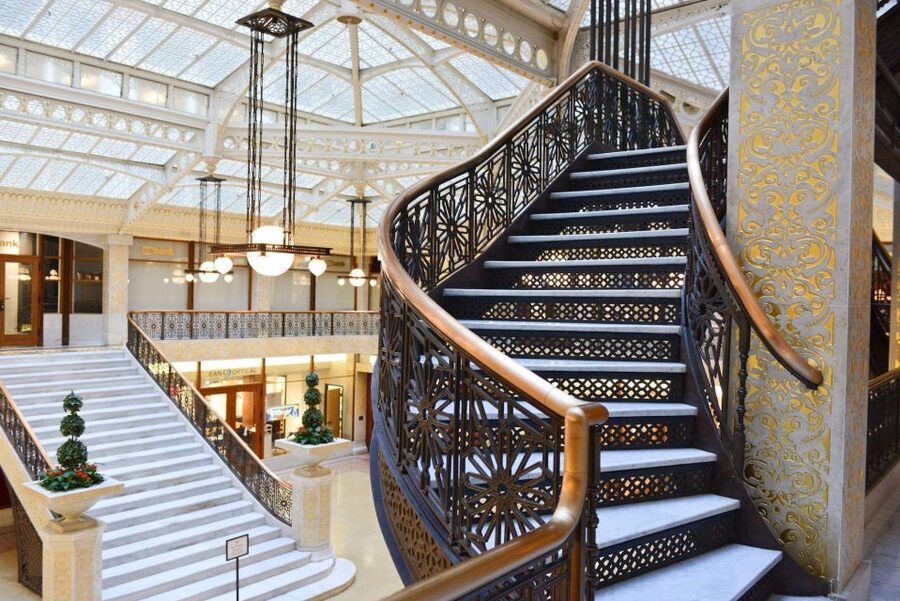
The Rookery Building is one of the tour’s core interior moments. You’ll have a photo stop, then a guided visit where the emphasis is on workmanship and the way Chicago’s architecture creates “wow” without needing a billboard to announce it.
Why I think this stop is worth the time: interiors like this tend to reward slow attention. The tour’s whole pitch is about domes, mosaics, and elaborate craftsmanship inside iconic buildings, and the Rookery is exactly the kind of place where those details can change how you think about the building from the outside.
One heads-up: the Rookery is closed on Sundays. When that happens, an alternative stop is included. So if you’re visiting on a Sunday and this is a must-see for you, plan to keep a flexible mindset. You’ll still get the interior-focused experience; the names may shift.
Also, wear shoes you can trust. One review noted plenty of stairs in and out of buildings, so even if the pace feels comfortable, your legs still pay the price.
Field Building and Marquette Building: styles you can actually notice
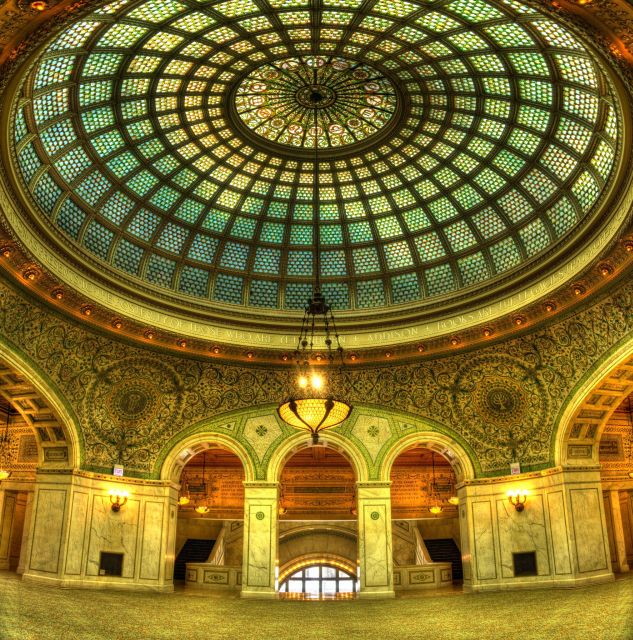
The tour keeps momentum through the Field Building and the Marquette Building with photo stops and short interior visits at each. This part of the walk is built for people who like noticing differences.
The guide points out architectural innovations and styles that make each building unique, and the focus stays on what those differences mean in real terms—how design choices create distinct interiors and how Chicago’s engineering solutions shaped what was possible in the Loop.
If you love architectural detail but sometimes get bored by lectures, this section tends to work well. The tours are structured around stepping into spaces and then getting specific commentary right where you’re standing. That’s a better learning method than trying to remember broad facts later.
If you’re the type who gets “I can’t tell them apart” fatigue, this is also where the tour does a good job separating styles. You’ll see enough variety across the stops that you start building a mental map of Chicago’s architectural evolution—from the pioneering era that defined skyscraper thinking to the modernist directions that followed.
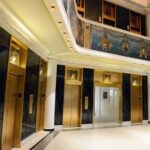





Palmer House (a Hilton Hotel): where elegance meets design logic
Palmer House appears as another interior-focused stop with a photo break and guided tour. I like hotels used this way on architecture tours because they often hide the most polished public spaces behind doors that most people don’t think to open.
Here, the tour’s theme stays consistent: the guide connects the beauty to the thinking—craftsmanship, ornamentation, and how architects and engineers handled lighting and structural integrity. Even if you don’t care about construction theory on day one, you’ll likely start caring by the time you see how the spaces are put together.
On a practical note, this stop is also a good moment for anyone who wants to take a breather. Interiors give you a rhythm break from the outside walking, which matters when the weather turns sharp.
Chicago Cultural Center: when civic space becomes a design lesson
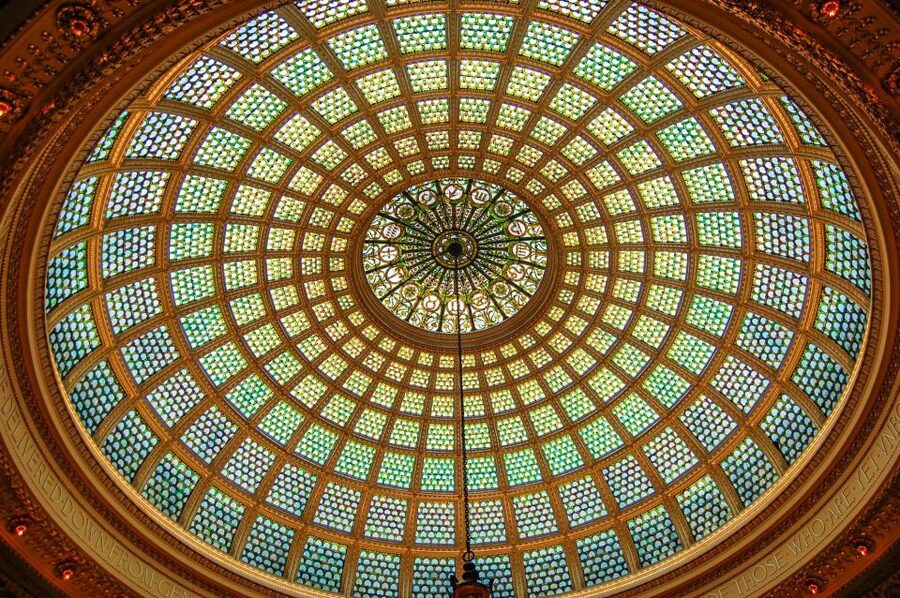
Next up is the Chicago Cultural Center, again with a photo stop and visit. This stop fits the tour’s broader goal: showing how Chicago’s architecture influenced global trends while still feeling deeply tied to its own time and place.
The value here isn’t just the building itself. It’s the way the tour frames civic and cultural spaces as part of the same architectural conversation as banks, trading-era power centers, and commercial landmarks. You start to see the Loop as more than a skyline. It becomes a system of ambition, industry, and identity—all expressed through built form.
If you like art and architecture mixed together, this is a strong stop to linger mentally on. Even though the tour is only about two hours total, the guide uses each building to teach you how to read materials, forms, and decorative details as choices—not just decoration.
Marshall Field and Company Building: the finale you’ll remember longer
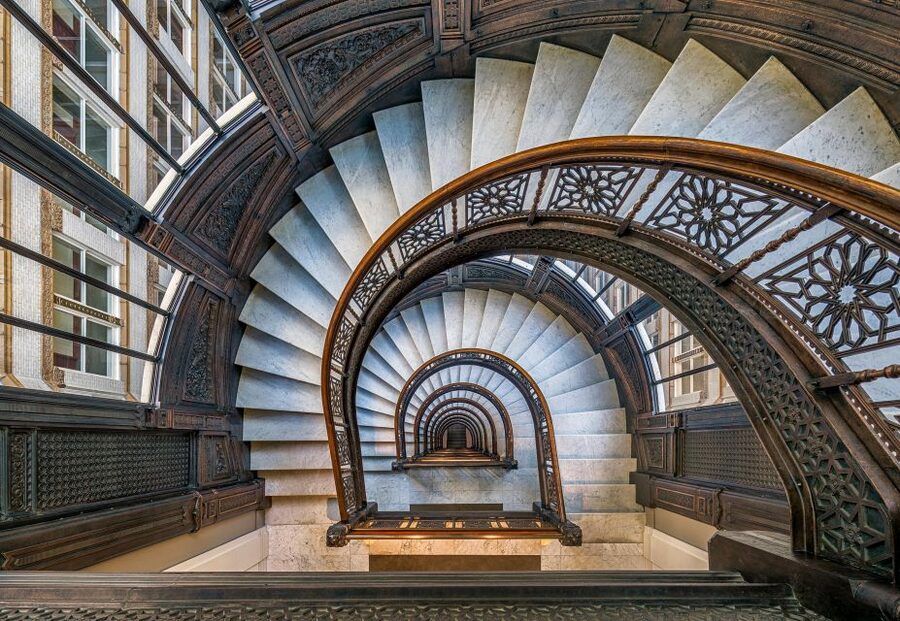
The tour ends at the Marshall Field and Company Building. Ending here makes sense because it’s a closing statement: you finish after multiple “secret interior” moments, then wrap with one of the Loop’s major names.
Why finales matter on architecture walks: your brain is already trained by then. Earlier stops teach you what kinds of details to hunt for, so by the time you reach the end, you’ll be catching design clues faster—domes, mosaics, craftsmanship, and the way structure and light shape the space.
Also, the tour flow (starting at Union Station, working through the Loop, then finishing at a landmark) tends to make it easy to keep exploring afterward. You’re still in the densest sightseeing zone in Chicago, so you can turn this into a longer day without feeling like you traveled across town for one neat stop.
Price and value: is $35 for 2 hours fair?
At $35 per person for a 2-hour walking tour, this is priced in the “doable without stress” range, especially because you get more than a lecture. You’re paying for a live guide, walking route, and commentary on architectural styles and innovations, plus interior visits at multiple iconic buildings.
The best value angle is focus. This tour is built to help you see. Instead of paying for a generic skyline glance, you spend your time inside spaces and learning what specific design decisions mean. The reviews also suggest that guides make a difference: when the guide is engaging (Grant and Talia show up often in praise), the information sticks and the buildings feel more personal.
If you’re deciding between doing architecture from the outside versus getting inside, this is the ticket that leans toward interior experience. One review even called it a great complement to architecture boat tours. If you already plan a river cruise, pairing it with this kind of street-and-interior walk gives you a full picture: engineering and skyline from the water, then the craftsmanship and stories from the sidewalks.
Pace, stairs, and weather: the real-world stuff you should plan for
A two-hour walking tour can feel either relaxed or intense, depending on weather and building design. In cold months, one review mentioned that around 90% of the time can be spent outside. That doesn’t mean the tour is poorly organized—it means Chicago weather controls your comfort.
So pack for outdoors time. Comfortable shoes are a must, and layering helps because you’ll bounce between street air and interior spaces. If you’re visiting in winter, plan on wind chill and keep your gloves handy. Your legs will also notice the pace: one guest said the pace was a bit fast and that there were many stairs in and out of buildings.
Accessibility is listed as wheelchair accessible. Still, because at least one review mentions many stairs, I’d treat that as a prompt to ask questions for your specific needs. Don’t assume every interior visit is step-free.
Group size can also change. Some reviews describe small groups (even just two people on one departure). If you end up in a smaller group, you’ll likely get more back-and-forth with the guide, which is a big part of why these tours feel worth it.
Should you book this Secret Interiors architecture tour?
Book it if you want more than exterior photos. This tour is built for people who like detail, storytelling, and the way architecture reflects real problems—lighting, structural integrity, and the ambition of an era.
Skip it or think twice if:
- You need a tour with minimal stairs.
- You’re visiting in harsh winter weather and hate spending long stretches outdoors (expect most of the time outside).
- You want purely panoramic views and zero interior walking.
Who it’s best for: first-timers to Chicago who want a solid Loop architecture orientation, and repeat visitors who enjoy seeing buildings they’ve walked past but never stepped into.
If you can, pay attention to which guide you’ll get. Names like Grant, Talia, Angel, Annie, Matthew, and Avery come up repeatedly in praise for engaging personality, clear storytelling, and enthusiasm for the city. That kind of guide energy turns a “two-hour walk” into an actual experience you’ll remember when you’re back at your hotel.
FAQ
FAQ
How long is the Chicago Secret Interiors Architecture Walking Tour?
It lasts 2 hours.
How much does the tour cost?
The price is $35 per person.
Where do I meet the tour guide?
Meet your guide inside Union Station within the Great Hall, under the Clinton Street sign.
What buildings are included on the tour?
The tour includes stops in the Chicago Loop, with interior visits/photo stops at South La Salle Street, the Rookery Building, Field Building, Marquette Building, Palmer House (a Hilton Hotel), Chicago Cultural Center, and it finishes at the Marshall Field and Company Building.
What should I bring?
Wear comfortable shoes.
Is the tour wheelchair accessible?
Yes, the tour is listed as wheelchair accessible.
Is the tour conducted in English?
Yes, the live tour guide speaks English.
What happens if I book on a Sunday?
The Rookery is closed on Sundays, so an alternative stop will be included.
What will I learn or focus on during the tour?
You’ll hear stories behind Chicago’s architectural icon status, plus commentary on design elements, hidden features, lighting, structural challenges, and architectural innovations across different styles.
What is the cancellation policy?
You can cancel up to 24 hours in advance for a full refund.