REVIEW · NEW ORLEANS
St. Louis Cemetery No. 1 Official Walking Tour
Book on Viator →Operated by Basin St. Station · Bookable on Viator
St. Louis Cemetery No. 1 is a must-see in New Orleans. This official tour is your ticket into the City of the Dead, where limited daily access keeps the grounds from turning into a free-for-all, and a licensed host brings the place to life with stories tied to names like Marie Laveau.
I like that the tour is built around an official guide who keeps the facts straight and answers questions, not just a quick walk-by. The stop for Marie Laveau and the talk about Delphine LaLaurie are two of the strongest reasons to book—this is how you connect the cemetery’s stones to New Orleans as it really was. One drawback to expect: it’s strictly guided, so you can’t linger or wander on your own for extra photos.
In This Review
- Key things to know before you go
- First stop: Basin St. Station check-in (and why it matters)
- Practical tip
- The heart of the tour: St. Louis Cemetery No. 1 entrance and your guided route
- What you’ll actually learn (and why it feels different)
- Stop-by-stop feel: what each phase is like
- 1) Check-in inside Basin St. Station
- 2) Walk across the street to the front gates
- 3) The guided tour around the grounds (about 45 minutes)
- 4) Return to Basin St. Station
- Guide quality can make or break your experience
- Rules inside the cemetery: what you’re allowed to do
- Timing, walking pace, and who should skip this
- Expect uneven ground
- Strollers and wheelchairs: yes, but it’s still a cemetery
- If you’re going with kids
- Price and value: is $25 worth it?
- Weather and comfort: what to plan for
- Getting there: parking and public transit reality
- Should you book St. Louis Cemetery No. 1?
- FAQ
- How much is the St. Louis Cemetery No. 1 Official Walking Tour?
- How long is the tour?
- Where do I meet for the tour?
- How early should I arrive?
- Is the cemetery open to visitors without a guided tour?
- Can I take photographs during the tour?
- Can I touch tombs or markers?
- Is the tour wheelchair accessible?
- Are pets allowed?
- What happens if weather is bad?
Key things to know before you go
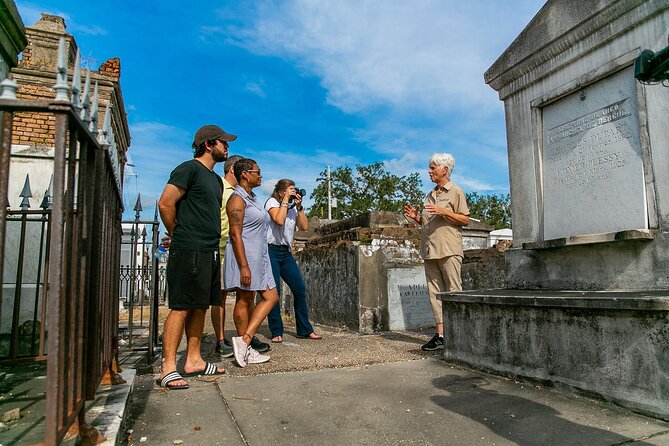
- Official access only: the cemetery is not open like a regular attraction
- Small group cap: up to 20 people per departure
- Two big names get airtime: Marie Laveau and Delphine LaLaurie
- Meeting point is easy: Basin St. Station inside, right by the tour desk
- Photography is allowed: you can take pictures inside the cemetery
- Uneven ground warning: comfortable shoes matter more than style
First stop: Basin St. Station check-in (and why it matters)
Your tour gathers at Basin St. Station at 501 Basin St., inside the building. The operator gives you a clear instruction: arrive 10–15 minutes early so you have time to pick up tickets/tour stickers and get ready for an on-time departure.
I like this setup because Basin St. Station isn’t just a random meeting spot. It’s a real visitors center with exhibits and an interactive map related to Hurricane Katrina floodwaters, plus a café, pristine restrooms, and a gift shop. That means if you’re early, you’re not stuck standing around. You can also use the restrooms before you head into the cemetery route, where stopping isn’t really part of the plan.
Expect the walk to be short but part of the “transition.” Your guide greets you at the cemetery tour desk inside Basin St. Station, then you cross the street and head to the gates. The tour starts promptly, so don’t show up at the exact minute listed on your ticket and hope for the best.
You can also read our reviews of more walking tours in New Orleans



Practical tip
If you’re also planning other French Quarter stops the same day, schedule this tour earlier rather than later. Cemetery tours depend on timing, and you don’t want your whole day to hinge on traffic or parking stress.
The heart of the tour: St. Louis Cemetery No. 1 entrance and your guided route
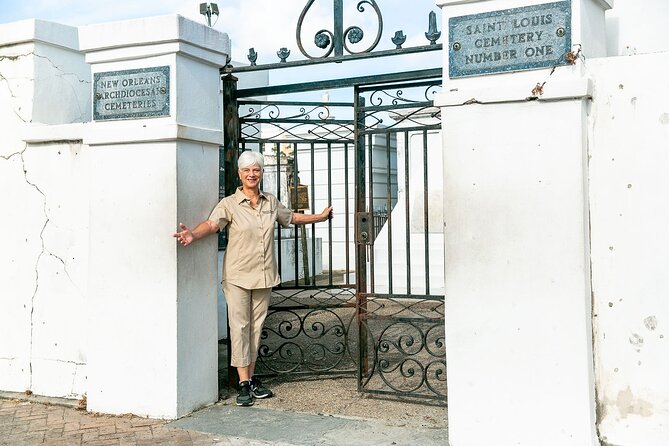
St. Louis Cemetery No. 1 opened in 1789 and is New Orleans’ oldest and one of its most famous. One key thing: you don’t just wander the grounds. You’re guided through a regulated route, which is part of why the cemetery stays intact and accessible in a controlled way.
The tour is about 45 minutes on-site in the cemetery (with additional time moving from Basin St. Station to the gates and back). In practice, that’s a brisk pace, because the operator has to keep groups moving and coordinated. With a maximum of 20 people, it still feels manageable, but you should plan to stay with the group.
What you’ll actually learn (and why it feels different)
The official guide connects the cemetery layout and traditions to the people buried there, and you get two standout story stops:
- Marie Laveau’s final resting place (often called the Voodoo Queen in pop culture, but here you’ll hear context through the cemetery and New Orleans)
- Delphine LaLaurie, one of the city’s most notorious residents
These names work because the cemetery isn’t presented as spooky scenery. It’s presented as a record of New Orleans—social class, culture, superstition and faith, and the darker chapters people sometimes prefer to forget. If you want the cemetery to make sense beyond dramatic photos, a good host is the difference.
Stop-by-stop feel: what each phase is like
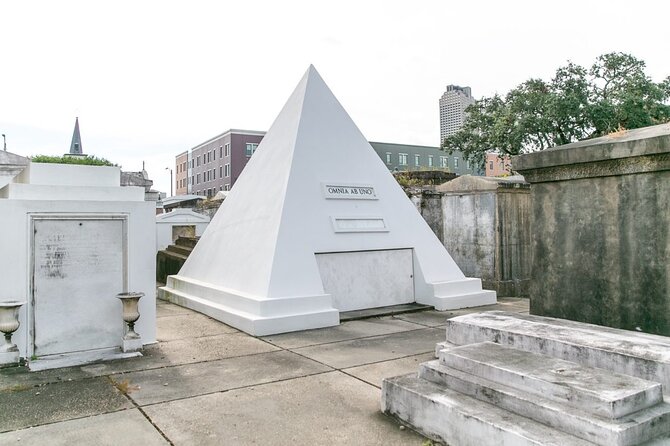
Here’s the flow you can expect, and what it means for your comfort and photos.






1) Check-in inside Basin St. Station
You’ll be inside at the start, which is a small win in New Orleans heat or mild storms. You collect your tickets/tour stickers and then you’re ready to move.
What to watch: the tour departs promptly. If you’re chatting, stop now.
2) Walk across the street to the front gates
This is the moment you’ll feel the shift from “visitors center” to “City of the Dead.” You step through the gates and your guide sets expectations about rules inside (more on that below).
What to watch: the cemetery route includes ground that can be uneven. Even if it’s only a short walk, you’ll want to be steady.
3) The guided tour around the grounds (about 45 minutes)
This is where the stories happen. The official tour focuses on historic residents and how the cemetery was built and used. You’ll hear enough detail to understand why the cemetery looks the way it does and why certain people still pull attention today.
In my view, the biggest value here is accuracy plus structure. The cemetery is not open to the public the way most attractions are. That means you’re paying for access and context at the same time, not just “a walk.”
4) Return to Basin St. Station
The tour ends back at the meeting point. That makes it easy to plan your next stop without guessing where your group will pop out.
Guide quality can make or break your experience

One theme stands out from the guide reviews: when the host is on their game, the tour can feel like a story you don’t want to end. People mention guides like Spooky Rob, Alan, Richie, Emi, Buddy, Jimmy, Denise, Rahsaan, and Zelda by name.
You’ll notice a pattern in the praise:
- clear explanations of the cemetery and New Orleans context
- a lively, funny delivery that keeps the pace moving without turning it into a lecture
There’s also a reality check. A few negative notes mention hearing issues and guides speaking quickly, plus one report about a guide’s personal odor. These are not things you can plan for, so the best you can do is manage what you control:
- arrive early so you’re positioned where you can hear
- bring water (allowed, with a lid)
- wear shoes that won’t make you focus on your footing more than the tour
Rules inside the cemetery: what you’re allowed to do
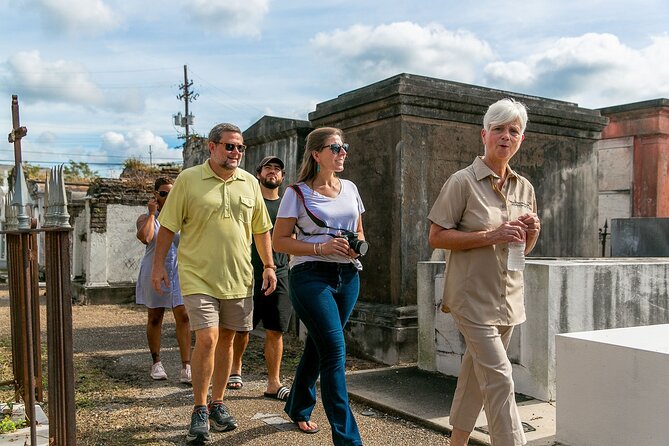
This cemetery is historic and regulated, so you should expect rules and follow them fast. The big ones:
- No touching tombs/markers, and no leaning or sitting on structures or fences
- No marking or rubbing on tombs
- No depositing items (no candles, coins, shells, rocks, and similar)
- No eating in the cemetery (water bottles with lids are encouraged)
- Photography is allowed and encouraged
Also, a helpful point: your guide enforces these rules, and you’re expected to stay with the group at all times. If you’re the type who likes to meander independently, this tour will feel limiting. You can take photos, but you’re not in charge of pacing.
Timing, walking pace, and who should skip this
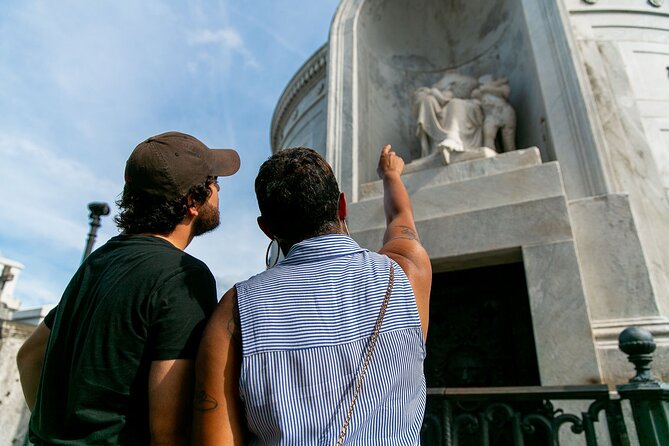
This is a walking tour. It’s not a sit-down museum experience.
Expect uneven ground
The cemetery has surfaces that can be uneven. Comfortable shoes matter. If you have mobility concerns, you might find the walking portion challenging even if wheelchairs and scooters are allowed.
Strollers and wheelchairs: yes, but it’s still a cemetery
Wheelchairs and scooters are allowed, and strollers are allowed too. Still, “allowed” doesn’t mean “easy everywhere.” You’re walking on a historic site, and the ground can be tricky.
If you’re going with kids
People who traveled with families said the tour works for kids when the guide keeps it engaging. But because the route is guided and timed, very young children who need frequent pauses may struggle.
Price and value: is $25 worth it?

At $25 per person, this isn’t the cheapest thing in New Orleans. But you’re paying for two things that matter:
1) Official access to a cemetery that otherwise isn’t open to the general public
2) A licensed host delivering context about real residents and cemetery rules
Also, the maximum group size of 20 people makes it more personal than the big-bus style tours. And the tour is short enough to fit into a day itinerary without swallowing hours.
If you’re only doing one cemetery tour in New Orleans, this is a strong choice because St. Louis Cemetery No. 1 is the most famous and the tour is designed specifically to explain why.
Weather and comfort: what to plan for
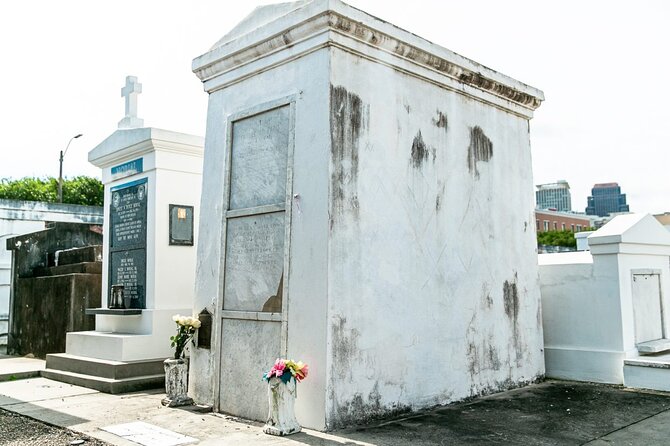
The experience requires good weather. Tours continue as scheduled rain or shine, but you should come prepared: there’s no protection from rain inside the cemetery. If conditions become unsafe, departures may be canceled and rescheduled.
For comfort, I’d pack:
- water with a lid
- layers if it’s cool (New Orleans can feel chilly on certain days)
- a light rain cover or umbrella you can manage while staying respectful of other people’s space
Getting there: parking and public transit reality
The start point is Basin St. Station near public transportation, so you may be able to avoid parking entirely. If you drive, the data points to Park First Parking Lot, a public lot adjacent to Basin St. Station and close to St. Louis Cemetery No. 1. It’s described as reasonable, around $5–$10 for 10 hours, year-round.
One caution: don’t park in the Basin St. Station visitor lot if it’s reserved for short temporary parking. If you’re unsure, ask or read the signs before leaving your car.
Should you book St. Louis Cemetery No. 1?
Book it if you want the simplest way to see New Orleans’ most famous cemetery with context you can actually use later. This tour is especially worth it if you care about:
- learning why the cemetery is structured the way it is
- hearing stories connected to Marie Laveau and Delphine LaLaurie
- getting access you can’t get on your own
Skip it or adjust expectations if you:
- need to wander and spend extra time at photos
- hate timed, group-paced walks
- have strong mobility needs and don’t want to deal with uneven surfaces
If you’re deciding between “casual passing photos” and “meaningful guided access,” this tour leans hard toward the second option—and that’s the point.
FAQ
How much is the St. Louis Cemetery No. 1 Official Walking Tour?
It costs $25.00 per person.
How long is the tour?
The tour duration is about 55 minutes on average, with roughly 45 minutes spent at the cemetery.
Where do I meet for the tour?
You meet at Basin St. Station, 501 Basin St., New Orleans, LA 70112, USA.
How early should I arrive?
Arrive at least 10–15 minutes early so you can collect tickets/tour stickers and be ready for an on-time departure.
Is the cemetery open to visitors without a guided tour?
No. The cemetery is not open to the public and can only be accessed by authorized tours. Private family visitation may be arranged through the Archdiocese of New Orleans for family members.
Can I take photographs during the tour?
Yes. Photography is allowed and encouraged.
Can I touch tombs or markers?
No. You must not touch, sit, or lean on tombs, fences, or other structures, and marking or rubbing on tombs is prohibited.
Is the tour wheelchair accessible?
Yes. Wheelchairs and scooters are allowed, and the pathway is described as easy to maneuver.
Are pets allowed?
No. Pets are not allowed, except certified service animals.
What happens if weather is bad?
The experience requires good weather. Tours continue rain or shine, but if conditions are unsafe, departures may be canceled and rescheduled. If it’s canceled due to poor weather, you’ll be offered a different date or a full refund.