REVIEW · KYOTO
Kyoto: Gion Magical Night Walking Tour with Geisha Trivia
Book on GetYourGuide →Operated by TravelinGood · Bookable on GetYourGuide
Gion at night feels like a different Kyoto. I love the small-group pace, which keeps the walk relaxed and question-friendly, and I love the mix of geisha trivia with quiet shrines and lantern-lit streets instead of just a photo stop parade. One consideration: the route includes stairs, so it’s not a fit if you have limited mobility.
You’ll start at the landmark Minamiza Theatre in Gion and head straight into the atmosphere on foot. If you’re hoping for a guaranteed celebrity sighting, plan otherwise: spotting a geisha or maiko can happen, but the tour isn’t designed to meet them. Dress for night walking, especially in winter evenings.
In This Review
- Key things that make this Gion night walk worth it
- Why Gion Looks Different After Dark
- Meeting at Minamiza Theatre and Getting a Smooth Start
- Hanamikoji Streets: Geisha Trivia on the Lanes You’ll Want to Revisit
- A Matchmaking Shrine and the Night-Lit Buddhist Pagoda
- Hidden Pathways to a 1,000+ Year Old Shrine Finish
- Guides, Group Size, and the Photo Service That Actually Helps
- Price, Time, and the Value of a 100-Minute Night Walk
- Who Should Book This Kyoto Gion Night Tour (and who should skip)
- Should You Book This Gion Night Walk?
- FAQ
- Where do I meet for the Kyoto Gion night walking tour?
- What time should I arrive?
- How long is the tour?
- Is the tour in English?
- Is this a small-group tour?
- Does the tour include photography?
- Is there a February 3pm start time?
- Are kids allowed, and do they need tickets?
- Is the tour wheelchair accessible?
- Can I choose another tour time after booking?
Key things that make this Gion night walk worth it
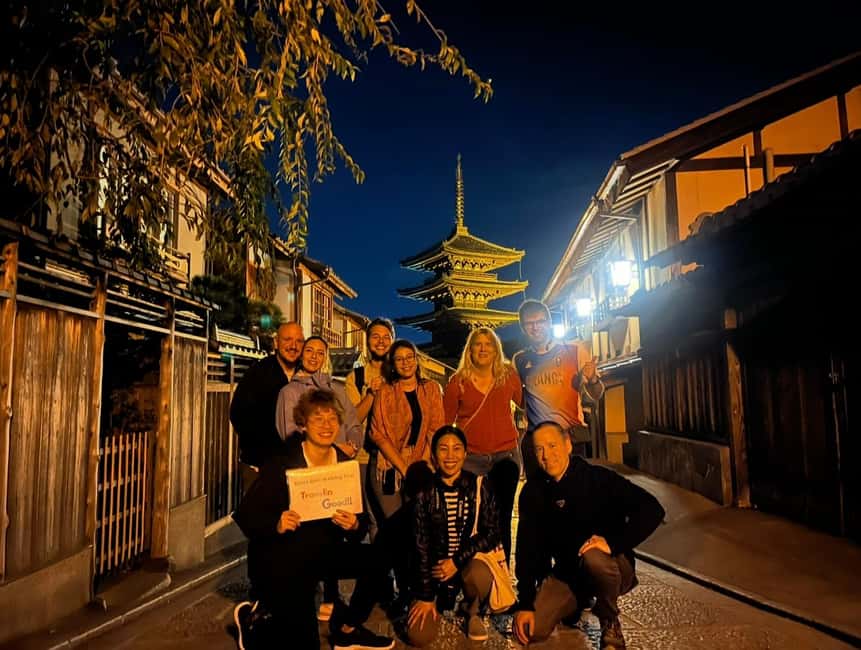
- Up to 10 people means you’re not packed shoulder-to-shoulder on narrow lanes
- Geisha culture trivia goes beyond costumes, with rules, traditions, and Maiko/Geisha differences often explained
- Lantern-lit Gion + fewer crowds makes the streets feel calmer and more readable
- Shrine stops with night lighting include a matchmaking shrine and an illuminated Buddhist pagoda
- A shrine over 1,000 years old gives the walk a meaningful finish, not just a casual stroll
Why Gion Looks Different After Dark

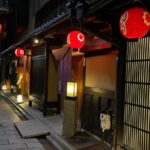
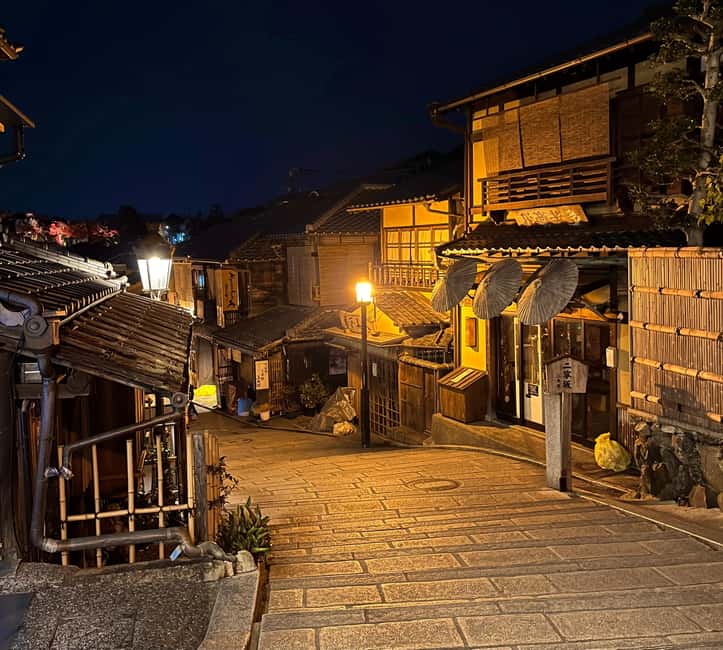
Gion is famous in daylight, but at night it becomes easier to actually see what you’re looking at. The streets of Hanamikoji and the surrounding lanes quiet down, and the glow from lanterns and building lights gives the district a softer, more intimate feel.
That change is the heart of this tour. You’re walking through the same area you’ll hear about during the day, but your guide helps you read it—what the spaces are for, what certain customs mean, and why the nighttime setting matters. It also makes a big difference if you want photos: you still get great street scenes, just with less crowd pressure.
The second big reason I’d recommend this at night: you get context. A few people I noticed in the guide reviews included Wasabi (from Kyoto), Hina, Masami, Shino, Sho, Yuri, Pam, and Kevin. Across those guides, the common theme is clear explanations paired with local stories—so you’re not just walking past landmarks, you’re learning why they’re there.
You can also read our reviews of more walking tours in Kyoto
Meeting at Minamiza Theatre and Getting a Smooth Start
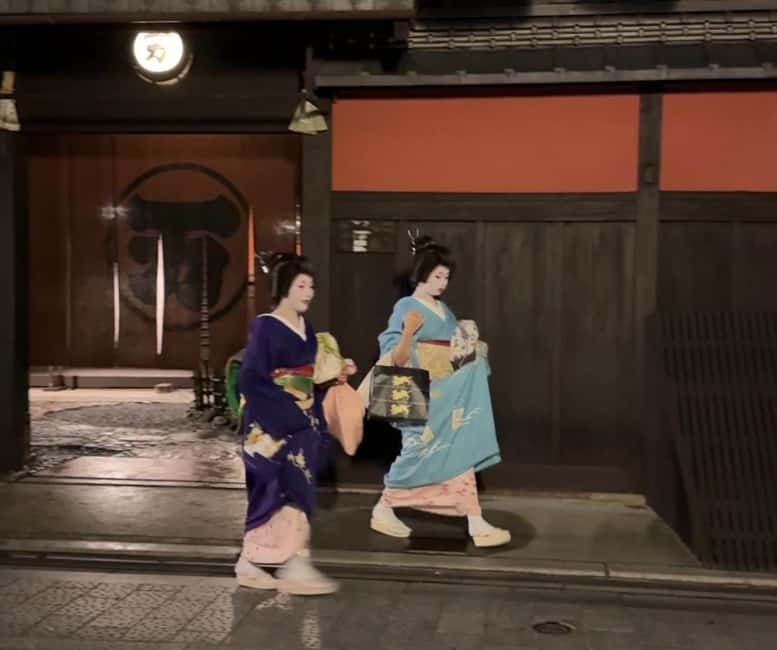
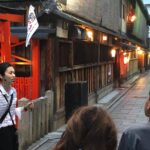
The meeting point is in front of Minamiza Theatre. Go to the front side of the theatre, and look for a guide holding a sign that says TravelinGood.
Timing matters here. The listed time is when the tour leaves, not when it starts at the meeting spot. Arrive at least 5 minutes early so you’re not rushing in the middle of your first instructions. If you’re coming by taxi or bus, give yourself extra buffer for traffic—Gion’s roads can slow down, especially in the evening.
This small detail pays off. A tour that starts on time with a small group tends to feel less chaotic. And since this experience is only about 100 minutes, you want those minutes working for you, not spent waiting.
Hanamikoji Streets: Geisha Trivia on the Lanes You’ll Want to Revisit
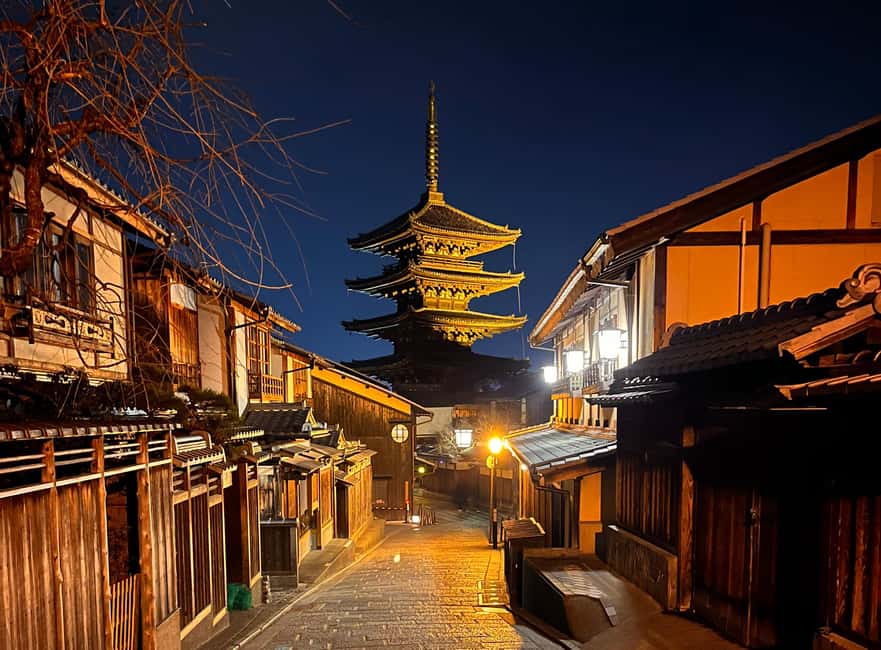
After meeting, you head to Hanamikoji, the classic geisha district street. This is where the tour earns its name: the guide slows things down and points out the kinds of details you’d normally miss if you wandered on your own.
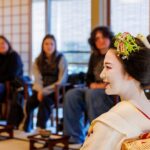
Expect geisha culture trivia that’s more specific than generic background. You’ll learn about traditional rules and customs connected to the district—things tied to how the culture is understood and practiced. Guides often explain the differences between Maiko and Geisha (in some cases with pictures or video examples), which helps you stop guessing what you’re seeing.
Here’s the practical expectation to keep in mind: you might spot a real geisha or maiko, but the tour is not intended for meeting them. That mindset keeps the experience enjoyable. If you see one, it’s a bonus. If you don’t, you still walk away with a better read on what’s normal in Gion at night.
Why this segment works: Hanamikoji is visually rich, but it can also feel like sensory overload. A good guide turns that confusion into understanding—so you remember more than just lanterns and street signs.
A Matchmaking Shrine and the Night-Lit Buddhist Pagoda
Next comes a more atmospheric shift from the main geisha lanes into quieter spiritual spaces. You’ll see a shrine for matchmaking, which adds a layer to your understanding of the district beyond aesthetics. It’s a good reminder that Gion isn’t only about performance culture—it sits inside a living neighborhood with everyday traditions.
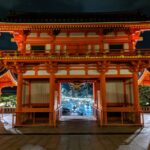
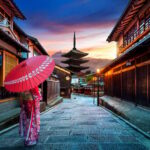
Then you’ll head toward a Buddhist pagoda outside the geisha district, illuminated at night. This stop is often the type you want to slow down for: the lighting makes architectural lines and textures easier to notice, and the night setting helps you see the pagoda as something you might pass in a blur during the day.
One theme that comes through in guide reviews is the way they connect shrine spaces to how people actually behave there—what’s respectful, and what certain rituals are about. One guide even guided the group on how to pray at a Shinto temple, with participation encouraged. That kind of moment can be surprisingly memorable because you’re not performing; you’re learning the meaning behind ordinary actions.
Drawback to consider: nighttime walking is harder if you’re cold. The tour isn’t framed as an outdoor endurance event, but you will be outside. If you run cold easily, pack layers and something warm for your hands.
Hidden Pathways to a 1,000+ Year Old Shrine Finish
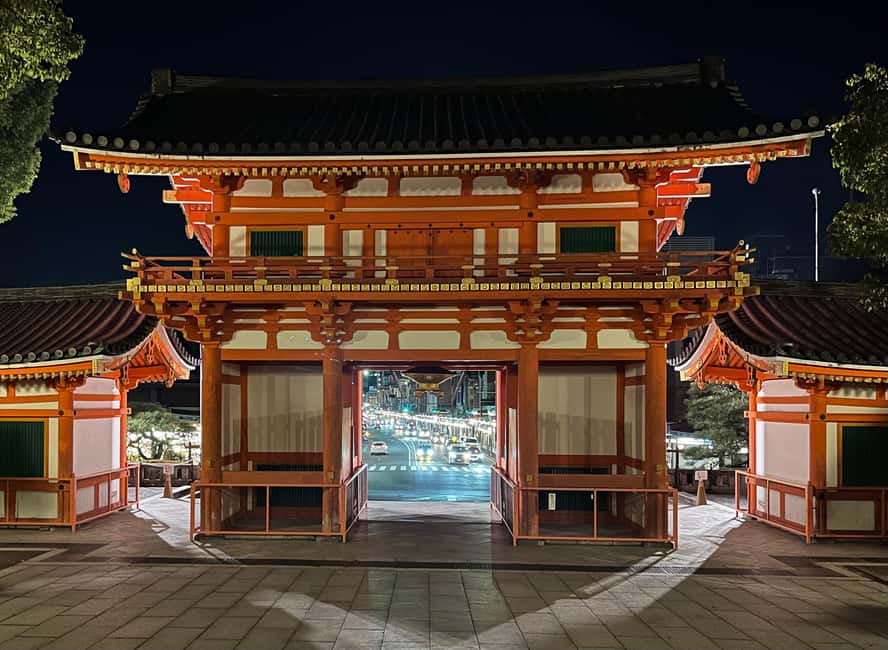
After the more recognizable highlights, you move into hidden spots and pathways—the narrow lanes and side routes where Gion feels more like a real neighborhood than a set built for tourists. This is where the “small group” advantage shows up again. With fewer people around, it’s easier to hear your guide, stop when something catches your eye, and ask questions without feeling like you’re holding up a crowd.
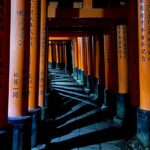
The tour ends at a shrine over 1,000 years old. That ending matters because it gives the walk a sense of continuity. You start in the geisha district, you pass through spiritual landmarks and nighttime lighting, and you finish with something that frames the whole area with time depth.
Pacing is also part of the value here. Reviews note the walking doesn’t feel too intense for many ages, and groups have ranged from solo-ish dynamics to very small groups (some people reported only a handful of participants). Still, you’ll be on foot for about 100 minutes, and the route has stairs, so it’s not for wheelchair users or anyone with limited mobility.
You can also read our reviews of more evening experiences in Kyoto
Guides, Group Size, and the Photo Service That Actually Helps
This is a guided experience with live English commentary and a maximum group size of 10. That cap is not just marketing. Smaller groups make a big difference at night, when streets narrow and the pace needs to stay human.
Look for the guide vibe. Many reviews highlight guides with great energy, friendly communication, and strong English. Names that popped up repeatedly include Shino, Hina, Masami, Wasabi, Sho, Yuri, Pam, Kevin, and others. The common thread is that guides don’t just recite facts—they explain the “why” behind what you’re seeing and keep checking in with questions.
You’ll also get a photography service included. In practice, this means you’re more likely to leave with usable photos from the best viewing spots, without having to constantly hand your phone to strangers on a dark street.
Two smart ways to get more out of this segment:
- Bring your camera/phone fully charged. Night lighting is forgiving, but battery drain is real.
- Ask your guide where to stand before clicking. Your guide sees the same streets in different conditions, so their positioning advice is usually better than guessing.
Price, Time, and the Value of a 100-Minute Night Walk
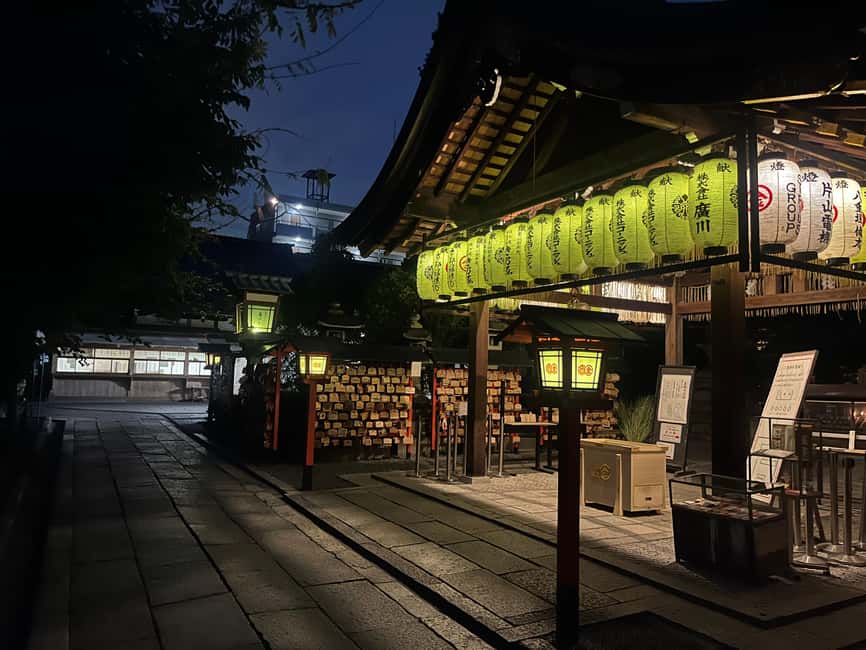
At $24 per person for about 100 minutes, the price sits in the “affordable and worth it” zone for Kyoto. You’re paying for three things that add up fast on your own: an English-speaking guide, a route plan that hits multiple meaningful spots, and a photography service.
If you tried to recreate this yourself, you’d likely need time to figure out which lanes to prioritize, how to connect shrine and pagoda stops logically, and where the best night viewing comes from. Here, the guide compresses that planning into a single evening.
You also get value from timing. A night walk in Gion can feel more worthwhile than daylight wandering because the district is easier to navigate with fewer crowd surges. Even with no guaranteed geisha sighting, you’re still getting a structured route through the parts of Gion that feel special after dark.
Also, there’s a winter note: in February, they offer a 3pm option in a limited way, which is handy if you have evening plans or you want to start while there’s still daylight and then slide into night.
Who Should Book This Kyoto Gion Night Tour (and who should skip)
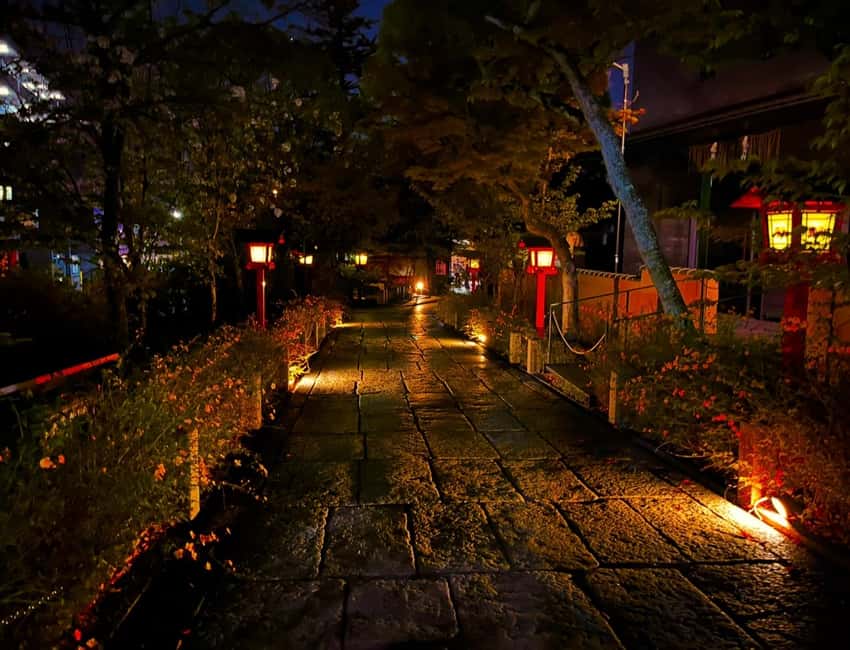
This tour is a strong match if:
- You want Gion at night without dealing with heavy daytime crowding
- You enjoy cultural context—shrines, traditions, and the small rules people follow
- You like walking tours that feel personal, thanks to a group cap of 10
It’s also a good choice for families in many cases. Reviews mention kids enjoying the tour, and guides seem to adapt well. If you’re traveling with children, note that children under 6 years old are not required to purchase tickets.
Skip this tour if:
- You use a wheelchair or need step-free access. The route has stairs.
- You have mobility limitations, since accessibility isn’t suitable.
- You’re traveling with very young babies (the tour notes babies under 1 year aren’t suitable).
- You’re sick with a cold; the tour indicates it’s not suitable in that case.
If your main goal is a guaranteed geisha encounter, adjust your expectations. This is culture-focused, and geisha sightings are a luck-based bonus.
Should You Book This Gion Night Walk?
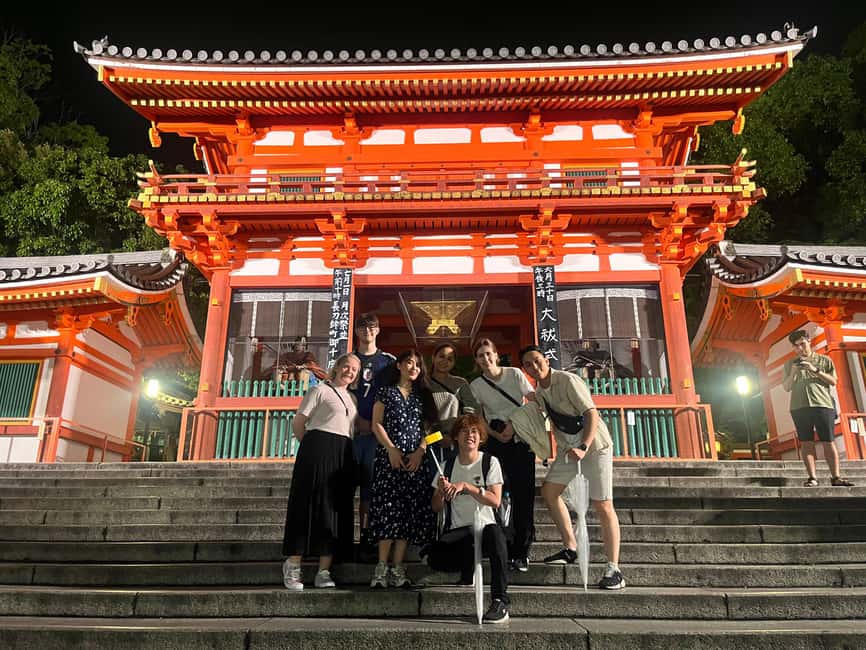
If you’re planning a first or second night in Kyoto and want something that turns Gion from a checklist into understanding, I’d book it. The combination of lantern-lit streets, geisha trivia, shrine stops (including a matchmaking shrine and an illuminated pagoda), and a finish at a shrine over 1,000 years old is a solid package for 100 minutes.
Book it especially if you care about how things work: the etiquette at shrines, the legends people associate with places, and the differences between Maiko and Geisha. This kind of context is exactly what makes a short tour feel like more than a quick walk.
Just be honest with yourself about the stairs and the fact that you’re not signing up for a guaranteed meet-and-greet. If you can handle uneven nighttime sidewalks and you’re okay with sightings being possible rather than promised, this is a very good value way to experience Kyoto’s Gion after dark.
FAQ
Where do I meet for the Kyoto Gion night walking tour?
Meet in front of Minamiza Theatre on the front side. Your guide holds a sign that says TravelinGood.
What time should I arrive?
Arrive at least 5 minutes before the tour starts, since the listed time is when the group leaves the meeting point.
How long is the tour?
The tour duration is 100 minutes.
Is the tour in English?
Yes, it is guided in English.
Is this a small-group tour?
Yes. The group is limited to up to 10 participants.
Does the tour include photography?
Yes. A photography service is included.
Is there a February 3pm start time?
Yes. There is a winter limited offer that includes tours starting at 3pm in February.
Are kids allowed, and do they need tickets?
Children under 6 years old do not need to purchase tickets.
Is the tour wheelchair accessible?
No. The tour is not accessible due to stairs along the route, so it’s not suitable for wheelchair users or limited mobility.
Can I choose another tour time after booking?
Your ticket is valid only for the booked date and time. Joining another tour without confirmation is not allowed.