REVIEW · TIRANA
Tirana: Express Walking Tour with a Guide
Book on GetYourGuide →Operated by Discover Albania · Bookable on GetYourGuide
Few cities let you read their story so fast.
This 2-hour Tirana walk is a tight route through the city center’s most recognizable landmarks, mixing religion, politics, and architecture without wasting your morning. I love how smoothly it strings together major stops like Skanderbeg Square and Tirana’s religious landmarks, so you get a real sense of how Tirana works. I also like the guide-style teaching: in the best examples I’ve seen, guides like Celeste, Antigona, and Megi turn facts into plain human context, plus they share practical ideas for what to do after.
The only real drawback is pace. It’s an express tour, so a few sites are brief pass-bys, and you’ll likely want to come back later if you love lingering. Also, it isn’t suitable for people with mobility impairments or wheelchair users.
In This Review
- Key highlights you’ll feel on the walk
- Why this express walking tour works for first-time Tirana planning
- Meeting point on Myslym Shyri: find the Discover Albania office fast
- Stop 1: Resurrection of Christ Orthodox Cathedral (about 10 minutes)
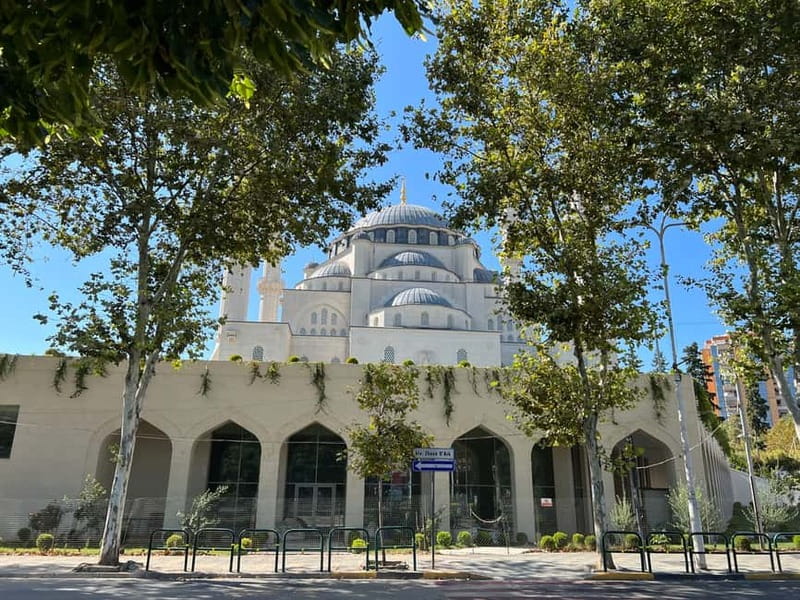
- Skanderbeg Square (about 20 minutes): the political heart, explained simply
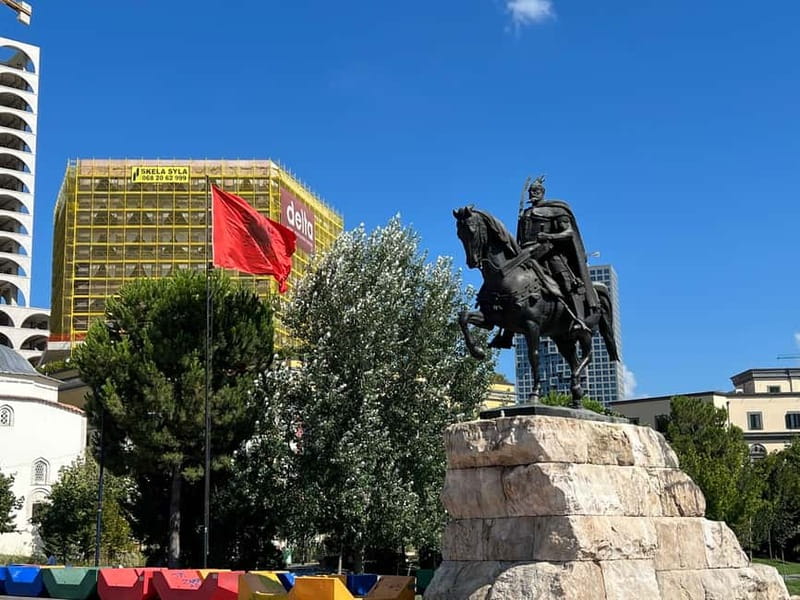
- Et’hem Bey Mosque (about 10 minutes): Ottoman-era architecture in city center
- Tirana Castle (about 10 minutes): the Byzantine-era remnant feeling
- Namazgah Mosque pass-by (about 5 minutes): quick but useful context
- St. Paul’s Catholic Cathedral (Katedralja katolike Shën Pali) (about 10 minutes)
- Komiteti – Kafe Muzeum (15-minute break): where the walk becomes human
- Arena Kombëtare pass-by (about 10 minutes): a modern anchor
- Mother Teresa Square (about 10 minutes): a name that signals identity
- The President’s Office and the Prime Minister’s office area pass-by
- Pyramid of Tirana (about 15 minutes): modern history you can’t ignore
- Pace, group energy, and what to watch for on the route
- Price and value: $14 for a guided Tirana orientation
- Who should book this walking tour (and who might want something else)
- Should you book this Tirana express walking tour?
- FAQ
- Is this tour walking-intensive?
- How long is the Tirana express walking tour?
- Where is the meeting point?
- Is the live guide in English?
- Do I get an audio guide in other languages?
- What landmarks will we see?
- How much does it cost?
- Is it a good tour for a first-time visit?
Key highlights you’ll feel on the walk
- Skanderbeg Square to the Old-But-Still-There Tirana Castle in a single, easy loop
- Religious diversity on one route, from Et’hem Bey Mosque to St. Paul’s Catholic Cathedral
- The Pyramid of Tirana as a modern-history talking point
- English live guide plus multilingual audio for flexibility
- A strong value pick at $14 per person for a structured overview of central Tirana
Why this express walking tour works for first-time Tirana planning
If you only have a short window in Tirana, this tour is designed for that exact moment. You start near a main street, walk through the most walkable core, and hit the big icons that help you understand the city quickly: the squares, the churches/mosques, the castle remnants, and the political landmarks.
At $14 per person for a 2-hour guided walk, you’re basically buying time and context. In a place where history is still very present in the street level details, a guide saves you the guesswork. One review even called it underpriced for the amount of information and the end-of-tour recommendations. That lines up with the format: it’s structured enough to keep moving, but story-driven enough that you leave with names, meaning, and places to follow up later.
My favorite part is how the route tells a story in layers. You see Ottoman-era and earlier remnants, then you move into the post-communist and modern city signals—especially with the Pyramid. You don’t need to be an architecture expert to get it. You just need to pay attention, and the guide does a lot of the heavy lifting.
You can also read our reviews of more walking tours in Tirana
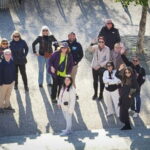
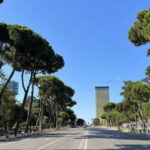
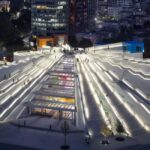
Meeting point on Myslym Shyri: find the Discover Albania office fast
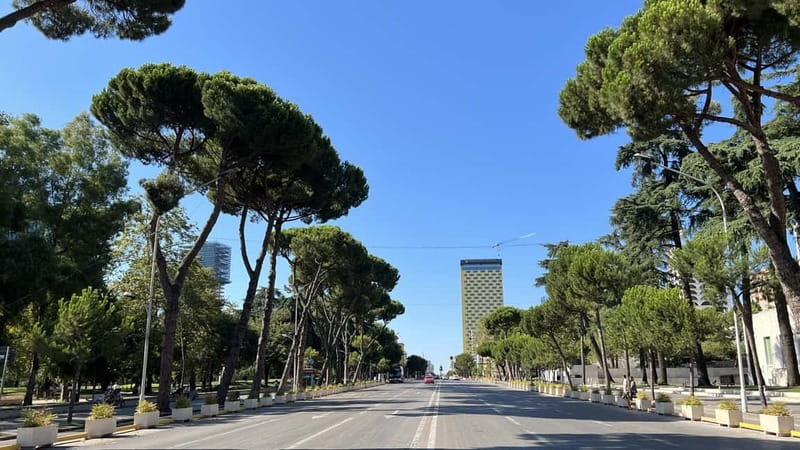
The tour meets near Basico Coffee Shop on Rruga Myslym Shyri (Myslym Shyri 65). From there, you make a short turn to the left and go to the Discover Albania office. It helps to be clear and direct when you arrive: tell them you’re there for the Tirana tour.
Why this matters: with tours like this, the first 5 minutes set the tone. If you show up early, you’re not stressed, you get your bearings, and you start the walk relaxed. If you’re trying to navigate Tirana on foot for the first time, being able to follow a simple meetup instruction is a real advantage.
What about language? The live guide is English. You’ll also have an audio guide option in languages including Italian, Spanish, French, or German (and English is included as well). That’s useful if your group has different language needs or if you want to replay details later.
Stop 1: Resurrection of Christ Orthodox Cathedral (about 10 minutes)
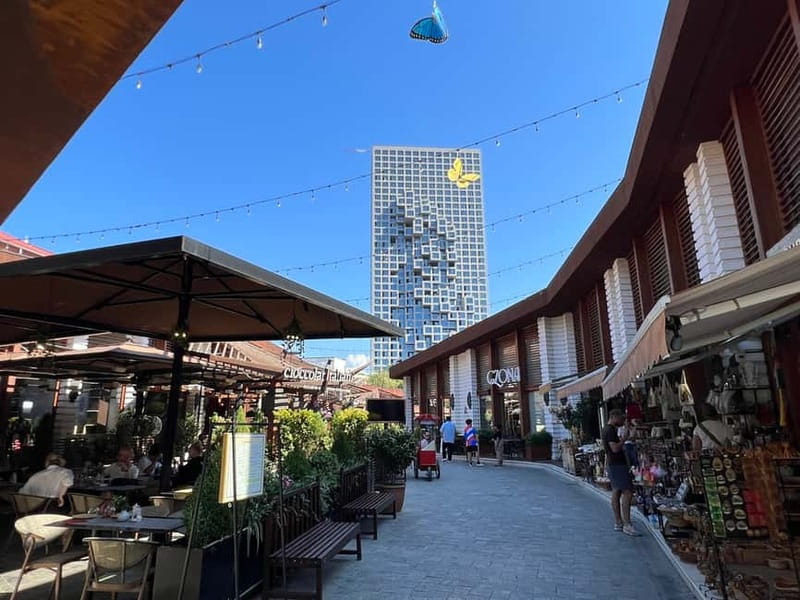
You begin at Resurrection of Christ Orthodox Cathedral, where the story starts with faith and identity. Even with a short visit, this stop gives you a baseline: Tirana isn’t one-style, one-era, one-people. It’s a city where different communities have left visible marks.
What you’ll likely notice in this brief time:
- The exterior details and the church’s presence right in the central area
- How quickly you can connect religion to neighborhood history when a guide explains what to look for
The benefit of keeping it to about 10 minutes: you’re not trapped in a long stop before the walking kicks in. You get the context and keep moving.
Skanderbeg Square (about 20 minutes): the political heart, explained simply
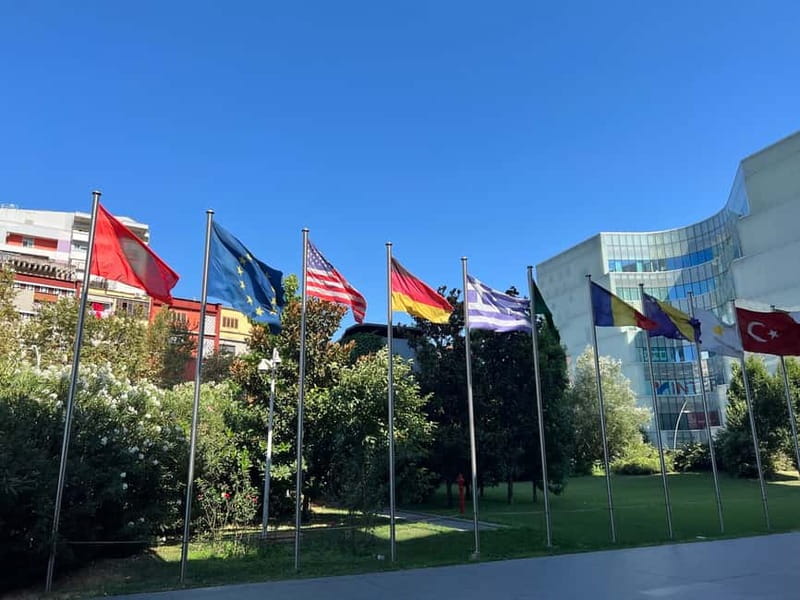
Next comes Skanderbeg Square, and it’s the classic anchor point for a reason. This is where Tirana’s public life becomes easy to understand: a major square, heavy symbolism, and the kind of open space that’s meant for crowds and national events.
This is also a prime place to ask yourself: what does power look like when it’s built into streets and buildings? With a guide, you’ll get the answer in human terms instead of vague tourism slogans. In the stronger tours I’ve seen described, the guide’s personality matters here—one guide example: Celeste was praised for making the information feel personal, not lecture-like.
Practical tip: this is a good stop for photos, but don’t turn your brain off. If you can, listen for the guide’s connections between the square and what you’ll see later (political buildings, the shift toward modern structures, and how the city’s identity kept changing).
Et’hem Bey Mosque (about 10 minutes): Ottoman-era architecture in city center
Then you move to Et’hem Bej Mosque for sightseeing. Even in a short window, a mosque like this teaches you a lot about how Tirana’s older layers still matter.
Why it’s worth the time:
- It gives you a historical anchor point outside the Christian sites
- It helps you compare styles and eras right away
- It sets up the tour’s bigger message about Albania’s cultural mix
A good guide will point out the practical way to look: focus on the façade and the surrounding placement, then connect it to what the guide says about the city’s evolution. You’ll also be able to understand later why the religious stops aren’t random—they’re part of the city’s map.
Tirana Castle (about 10 minutes): the Byzantine-era remnant feeling
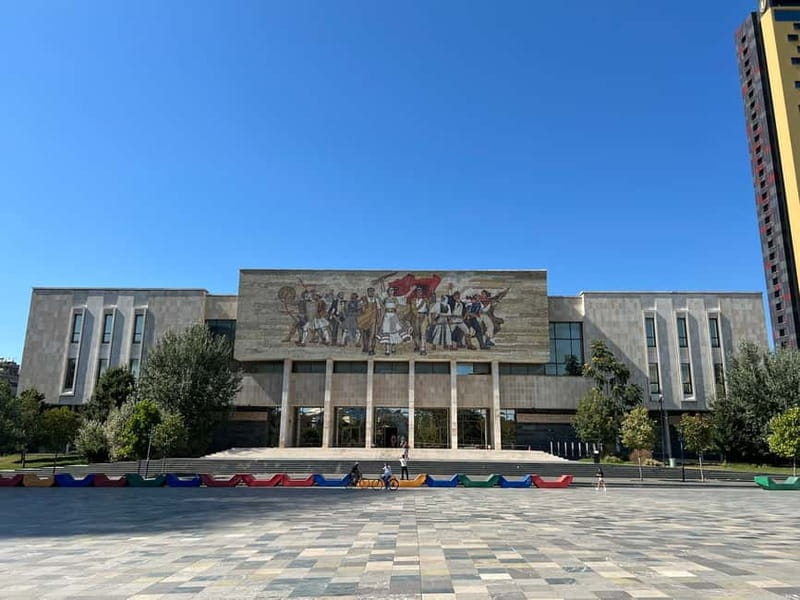
One of the tour’s stated highlights is Tirana Castle, described as a remnant from the Byzantine era in the city center. Even though you only walk through briefly, this stop can change how you see the whole city. A castle remnant in the middle of a capital is a visual reminder that Tirana didn’t start as an instant modern city grid.
What you can expect in this short segment:
- A walk that keeps you moving rather than locking you into one viewpoint
- A guide explanation that helps you picture the older structure and its place in Tirana’s long timeline
The short visit is the trade-off. If you want museum-level time, you’ll need a follow-up visit. But as a first pass, it does its job: it makes the past feel present.
Namazgah Mosque pass-by (about 5 minutes): quick but useful context
You’ll then pass by Namazgah Mosque. Five minutes sounds tiny, but it serves a purpose: it adds another layer to your understanding of Tirana’s religious geography.
The key point here is realism. This isn’t a deep interior visit (the time is short). But you still benefit because you’re seeing the city’s mix of faith sites across different eras.
St. Paul’s Catholic Cathedral (Katedralja katolike Shën Pali) (about 10 minutes)
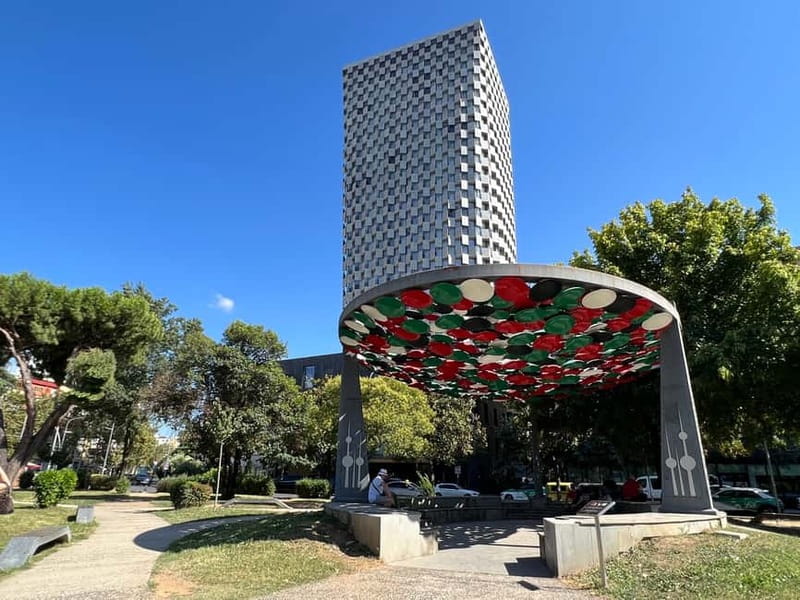
Next is Katedralja katolike Shën Pali for a visit of about 10 minutes. This stop balances the mosque visits and keeps the tour from feeling like only one type of history.
What I like about fitting St. Paul’s in:
- It makes the religious diversity visible, not abstract
- It gives you a comparison point for architecture and community presence
If you’re the type who enjoys small details, you’ll probably like this stop most when the guide points out what’s distinct about the cathedral’s style and how it fits into the broader Tirana story.
Komiteti – Kafe Muzeum (15-minute break): where the walk becomes human
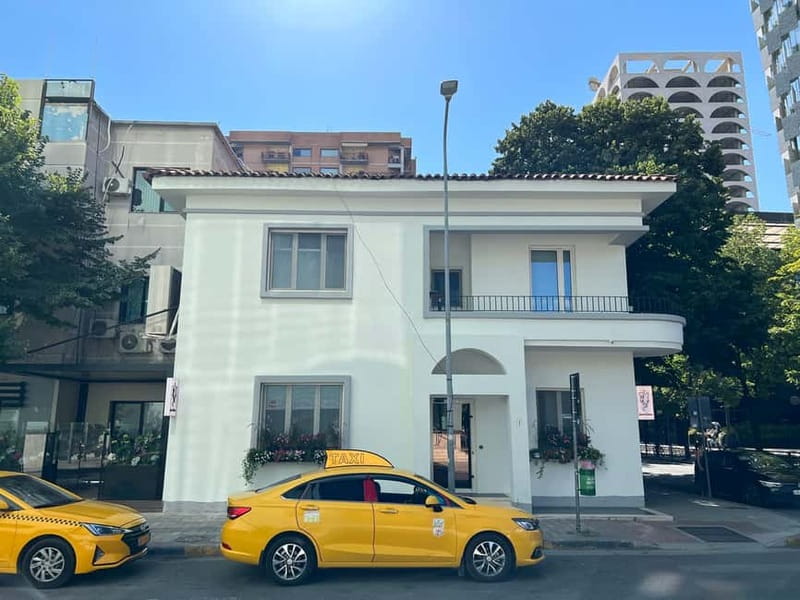
At Komiteti – Kafe Muzeum, you get a break time of about 15 minutes. This is the kind of stop that makes tours better than a checklist. You sit down, reset your legs, and keep the morning from turning into one long street march.
Even if you don’t buy much, the break matters. Tirana can be warm, and having a pause built in is smart. If you want to turn this into a mini-plan for the day, this is also where you can ask the guide something like:
- What area should I explore next?
- Where would you go for an easy meal later?
Several reviews praised guides for exactly that kind of follow-up: recommendations for places to eat, drink, and explore after the tour.
Arena Kombëtare pass-by (about 10 minutes): a modern anchor
You then pass by Arena Kombëtare. This is a quick stop, but it adds a modern contrast after the older religious and castle remnants.
It’s helpful because it prevents the tour from becoming only history photography. You see how Tirana also speaks the language of contemporary public life and major venues.
Mother Teresa Square (about 10 minutes): a name that signals identity
Next is Mother Teresa Square, with a walk through of about 10 minutes. This stop is important because it’s a cultural identity marker. When a city uses famous names in prominent public spaces, you can usually connect it to national pride, values, and how public memory is managed.
Even if you’re not emotionally attached to the figure yet, the guide’s role is to help you understand why the square matters in Tirana’s current identity.
The President’s Office and the Prime Minister’s office area pass-by
You then pass by:
- The President’s Office (about 5 minutes)
- Zyra e Kryeministrit (about 5 minutes)
These short pass-bys are doing a lot of work. They connect the story from the square into the administrative reality of modern Albania. In other words: you don’t just see symbolism; you see where the power sits.
Because time is limited, don’t expect deep photo sessions. The value here is learning what you’re looking at and why it sits where it does.
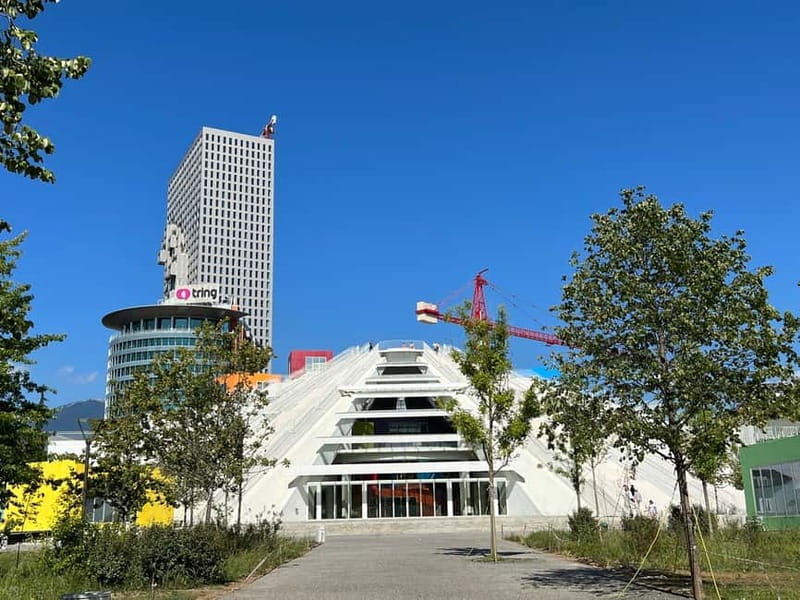
Pyramid of Tirana (about 15 minutes): modern history you can’t ignore
Finally, you reach the Pyramid of Tirana for about 15 minutes. The Pyramid is one of those places people notice instantly, but it can feel confusing unless someone explains its role.
This is why 15 minutes matters. It gives you time to understand it as more than an unusual shape in the skyline. The guide’s explanation turns the structure into a story about Tirana’s changing eras—especially the shift from one political identity to another and how architecture can carry that history.
Practical photo note: pick your angle early. At this stage of the walk, you’ll likely be tired, and you’ll want photos done without rushing. If you’re with a guide who’s energetic (more than one review praised guides for humor and warmth), you’ll probably be in good shape to capture it before you sprint to the end.
Pace, group energy, and what to watch for on the route
This tour is built around momentum. You’ll get many recognizable sights, but you won’t spend equal time everywhere. That’s not a problem if you use the tour correctly.
Use it like this:
- Think of the stops as orientation points.
- If something grabs you, treat it as a lead for later.
- Listen for the guide’s explanations about why each place is here, not just what it looks like.
The experience also seems to depend on guide energy. Multiple reviews mention specific guides—Megi, Celeste, Antigona, Besmir, Ana, and Anna—and praise factors like English fluency, humor, and going beyond the walk with practical suggestions. Some even mention small touches such as free water at the start and a group selfie at the end, which can make the experience feel more personal for the price.
Price and value: $14 for a guided Tirana orientation
Let’s talk value directly. At $14 per person for a structured 2-hour overview, this tour is priced like a budget-friendly “get oriented fast” option.
Where the value comes from:
- You pay for a guide to connect the dots between landmarks.
- You avoid the mental overhead of researching every stop yourself on day one.
- You leave with a clearer plan for where to spend more time.
If you’re traveling solo, it’s also an easy way to get local context quickly. If you’re in a group, the route makes it simpler to agree on an order of sights without everyone downloading a different set of maps.
Who should book this walking tour (and who might want something else)
This express tour is a great fit if you want:
- A quick, guided overview of Tirana’s center
- Stops that cover both religious and political landmarks
- A practical way to learn what each place means in everyday city life
- Tour support in English, with audio available in other major languages
You might choose another format if:
- You need a slow pace and want long stays at each stop
- You’re not comfortable with walking and short visits
- You’re planning on deep museum time rather than landmark orientation
And one important note for planning: it’s not suitable for people with mobility impairments or wheelchair users, since it’s a walking route.
Should you book this Tirana express walking tour?
If you want an efficient first look at Tirana’s core landmarks, I think this one is a solid choice. The route covers the essentials—Skanderbeg Square, major religious sites like Et’hem Bey Mosque and St. Paul’s Cathedral, the Byzantine-era Tirana Castle remnant, and the Pyramid of Tirana—with a guide who explains the “why,” not only the “what.”
Book it if:
- You have limited time in Tirana and want the big sights connected into one story.
- You’d like a guide-led plan for your remaining hours, including food and drink ideas.
Skip or consider something longer if:
- You hate short stops and prefer lingering in one place.
- You want only indoor time or museum-style experiences.
FAQ
Is this tour walking-intensive?
Yes. It’s a 2-hour express walking tour through central Tirana with multiple short stops. It isn’t suitable for people with mobility impairments or wheelchair users.
How long is the Tirana express walking tour?
The duration is about 2 hours.
Where is the meeting point?
The meeting point is near Basico Coffee Shop on Rruga Myslym Shyri (Myslym Shyri 65). From there, you turn left briefly and go to the Discover Albania office to check in.
Is the live guide in English?
Yes. The live tour is conducted in English.
Do I get an audio guide in other languages?
Yes. An audio guide is included in English plus Italian, Spanish, French, or German.
What landmarks will we see?
You’ll see or pass by central Tirana highlights including Skanderbeg Square, Et’hem Bey Mosque, Tirana Castle, Namazgah Mosque, Katedralja katolike Shën Pali, Arena Kombëtare (pass by), Mother Teresa Square, the President’s Office (pass by), Zyra e Kryeministrit (pass by), and the Pyramid of Tirana.
How much does it cost?
It costs $14 per person.
Is it a good tour for a first-time visit?
It’s designed for exactly that. The short route gives you a fast overview of the city center’s key sights and the stories behind them, helping you plan where to go next.