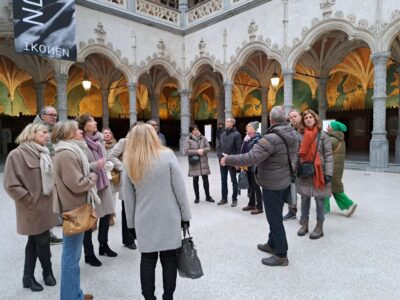
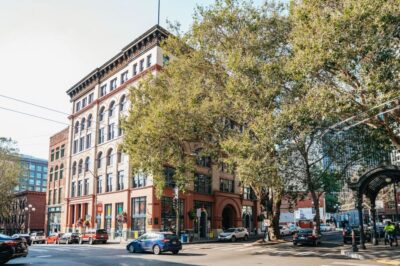
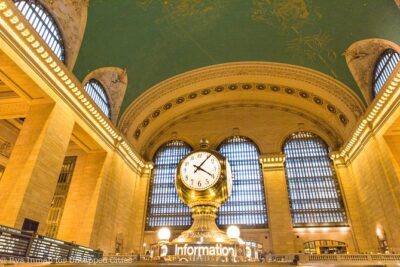
Manchester on foot feels like a story. This afternoon walk strings together major Manchester landmarks with guide commentary that helps it all make sense in one go, from suffrage history to modern city life. I like that the route mixes big buildings with street-level details, including spots you just do not get by bus, and I really liked how the guide’s storytelling style (Gareth, in one recent group) kept the whole day moving while still answering questions.
Second, I like the pacing: about 2 hours 30 minutes for a small group (up to 25), with short stops where you can look, regroup, and listen without it turning into a long slog. The tour also includes a handy list of 101 things to do, which is perfect when you want to keep exploring after the walking part ends.
One thing to consider: this is a walk-and-stand tour. If the weather is rough or you are not up for constant forward motion and occasional steps, plan accordingly and pack layers, plus an umbrella.
In This Review
- Key takeaways before you go
- Why this Manchester afternoon walk works when your time is tight
- Price of $24.27: what value you’re really buying
- Logistics that matter: where you start, how the walk runs, and what to wear
- From Central Library to Chinatown: the middle of the loop
- Start at Manchester Central Library
- Emmeline Pankhurst statue: suffrage history in public space
- Bridgewater Hall and Manchester Central: arts and civic scale
- Manchester Ship Canal: the first man-made canals
- Palace Theatre, 39 Sackville St, and the drink stops
- Sackville Gardens: the green heart of the gay village
- Alan Turing Memorial: the computers and Enigma story
- Chinatown and Manchester Art Gallery: food, culture, and art
- Civic monuments and theatre quarter to the Shambles: the end stretch
- Manchester Cenotaph and Albert Square: public memory and big-city events
- Albert Memorial, Town Hall, and St Anne’s: formal architecture stops
- Royal Exchange Theatre: a theatre stop with admission included
- Modern because of history: the walk through city contrasts
- The Shambles and Corn Exchange: old streets and remade spaces
- Old newspaper factory and then Manchester Cathedral and Chetham’s
- National Football Museum and AO Arena: sports and arena modern life
- One last architectural highlight near the finish
- How the guide turns landmarks into a story you can remember
- Who this Manchester afternoon walking tour is best for
- Should you book this Manchester Afternoon Walking Tour?
- FAQ
- What time does the Manchester Afternoon Walking Tour start?
- How long is the tour?
- Where do I meet the guide?
- Where does the tour end?
- Is the tour offered in English?
- How much does the tour cost?
- Is admission included for all stops?
- How big is the group?
- What if the weather is bad?
Key takeaways before you go
A small group and an easy-going pace help you actually hear the stories and ask questions.
A “many sights in one day” loop means you can cover a lot of central Manchester fast.
Several stops include admission (like the Ship Canal walk and Chinatown), so you avoid surprise add-ons.
You get city orientation fast and leave with food and drink ideas from your guide.
It’s weather-dependent, so bring proper gear even in mild seasons.
The route ends near Cathedral Street, which makes it simple to keep exploring afterward.
Why this Manchester afternoon walk works when your time is tight
Manchester is one of those cities where the details matter. This tour is built for exactly that moment when you only have one afternoon and you want more than quick photos. You move through a core slice of the city where history shows up in buildings, statues, theatres, markets, and even specific neighborhood vibes.
What makes it work well is the mix of scales. You start with civic landmarks (libraries and halls), then shift to community history (including suffragist legacy and Alan Turing’s impact), and then you land in cultural districts (Chinatown and the theatre quarter). You get the big picture without it feeling like a lecture.
And because it’s a walking tour, you also get the streetscape parts. A car ride can drop you near something impressive, but it cannot replace the slow, on-foot look at how places connect.
You can also read our reviews of more walking tours in Manchester
Price of $24.27: what value you’re really buying
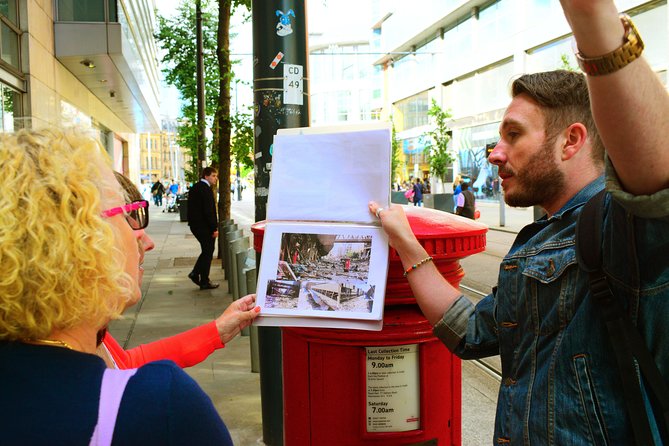
At $24.27 per person for roughly 2.5 hours, the headline value is obvious: you’re paying for guided time, not just entry tickets. But the smarter part is what you can avoid planning.
Several stops have admission included, which reduces the mental math when you’re on holiday. Even when admission is not included, you still get the benefit of someone pointing out why the place matters, what to notice, and how it links to the rest of Manchester.
Also, the included list of 101 things to do is the kind of extra that pays off later. It turns your guide from “someone you met for a couple hours” into a resource you can use for the rest of your trip.
Logistics that matter: where you start, how the walk runs, and what to wear
You meet at Manchester Central Library at 2:00 pm. The tour ends on Cathedral Street near M3 1SW, so you finish in an area that’s easy to keep exploring on foot.
The group size is capped at 25, and in practice it can be smaller, which is one reason people rate this so highly. You stay in a tight cluster, and your guide can still manage questions without the whole thing turning into a rush.
What you should wear is plain and practical: comfortable shoes. The walk is nonstop in the sense that you’re always moving from one point to the next. One review note even called out that it is non-stop walking and standing, and that it may not be the best match for very young kids or elderly visitors who need frequent sitting breaks.
Weather also matters. One review specifically warned about winter cold and suggested warm clothes and an umbrella, and the tour’s own guidance says it needs good weather. Still, people have done it on rainy days, so the real answer is: bring gear, not optimism.
From Central Library to Chinatown: the middle of the loop
Here’s how the day feels as you progress through central Manchester, in the same order you’ll experience it.
Start at Manchester Central Library
You kick off at Manchester Central Library with free entry. This is a good first stop because it sets the tone: the tour immediately frames Manchester as a city shaped by public institutions and ideas, not just brick-and-glass redevelopment.
A bonus here is the easy start. Ten minutes gives you time to orient, settle into the guide’s style, and get your bearings before the pace picks up.
Emmeline Pankhurst statue: suffrage history in public space
Next you pause at the Statue of Emmeline Pankhurst for free viewing. The guide focuses on suffragism history here, which is a smart choice early in the tour. It reminds you that Manchester’s story includes social movements, not only industry.
Bridgewater Hall and Manchester Central: arts and civic scale
You then look toward Bridgewater Hall, described as home of the Halle Orchestra. Admission is not included here, but the stop is short, so you’re using this as a quick “spot the landmark” moment and a context-building moment.
After that comes Manchester Central, again free to view. This stretch works well if you like architecture and city planning, because the tour keeps connecting the dots between culture, community, and the spaces people gather in.
Manchester Ship Canal: the first man-made canals
The tour’s first “hands-on” included feeling arrives at the Manchester Ship Canal, where admission is included and the walk is described as going through the first man-made canals. This stop changes your tempo in a good way because you’re not just looking at buildings—you’re walking through a space shaped by engineering and trade.
If you want a moment that feels more like a city stroll than a photo stop, this is one of the best.
Palace Theatre, 39 Sackville St, and the drink stops
You continue to Palace Theatre, with admission not included. It’s a quick landmark pause that keeps you aware that Manchester isn’t only about museums and monuments. The city also performs.
Then it’s 39 Sackville St for a free stop, described as one unique place dedicated to a drink. Next you reach Vimto Sculpture, where admission is included. This is the kind of stop that makes the tour feel local, not generic. You’re learning Manchester through what people actually consume and celebrate.
Sackville Gardens: the green heart of the gay village
At Sackville Gardens, admission is included, and the tour frames it as the green heart of the gay village. Right after, you also pass a spot described as colorful with rainbows everywhere, which fits the vibe. This is one of those segments where the guide commentary helps you read the neighborhood as a living community, not just a scenic corner.
Alan Turing Memorial: the computers and Enigma story
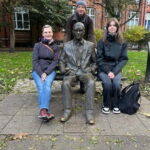
Then you stop at the Alan Turing Memorial, free to view. This is another pivot point: the tour switches from city/community identity to global impact through Turing’s role in computing and breaking the Enigma code.
Even if you only know his name from pop culture, the guide’s framing here makes the moment feel earned instead of random.
Chinatown and Manchester Art Gallery: food, culture, and art
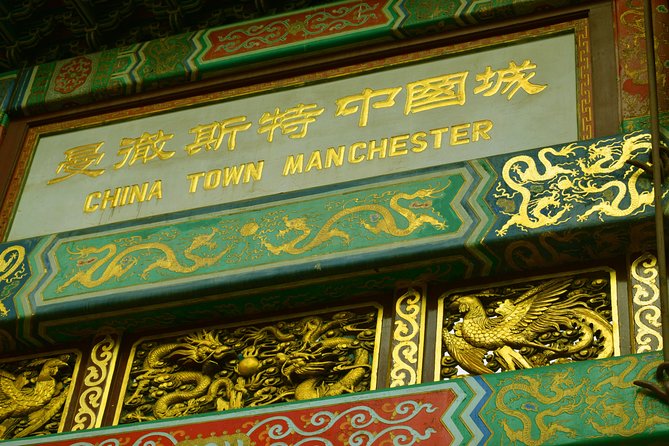
After the rainbow-focused segment, you move into Chinatown, described as the second largest in the UK, where admission is included. This works well after the earlier history moments because it’s a reminder that Manchester’s identity is also built by cultures living together and evolving in real streets.
You then reach Manchester Art Gallery for a longer stop (about 15 minutes) with admission included. The value here is the breathing space. You’re still on foot, but you slow down enough to actually absorb something visual.
Civic monuments and theatre quarter to the Shambles: the end stretch
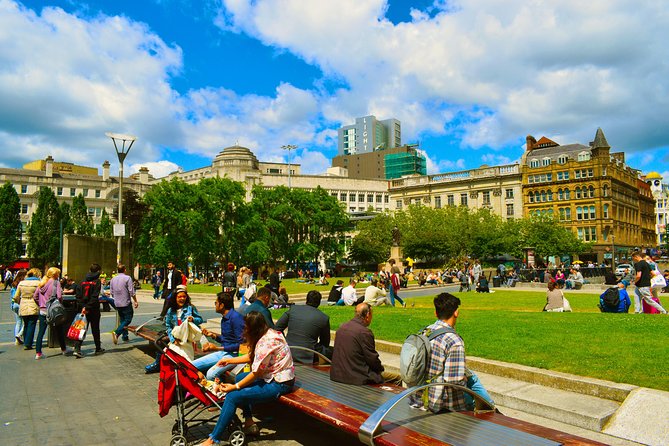
From here, the tour starts stacking Manchester’s public memory—war memorials, civic squares, and historic religious buildings—before it finishes with some of the city’s most atmospheric old-center stops.
Manchester Cenotaph and Albert Square: public memory and big-city events
You pause at the Manchester Cenotaph for free viewing. It’s a short stop, but it gives the tour weight by focusing on the soldiers who fell during the first world war.
Then you head to Albert Square, free to view, framed as home of all the main events in the city. This is a helpful stop because it reminds you that Manchester history isn’t only past tense; it shapes how the city gathers today.
Albert Memorial, Town Hall, and St Anne’s: formal architecture stops
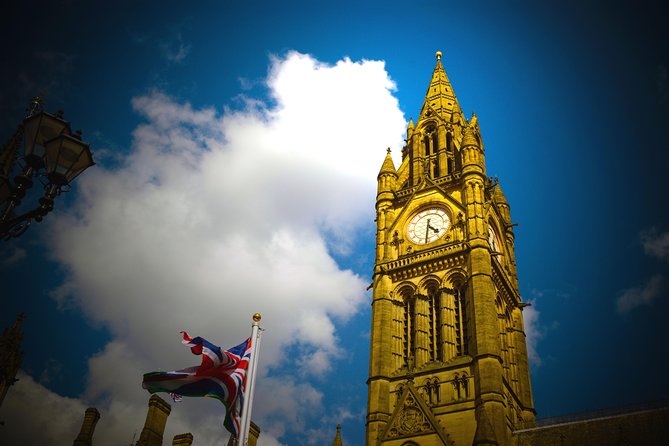
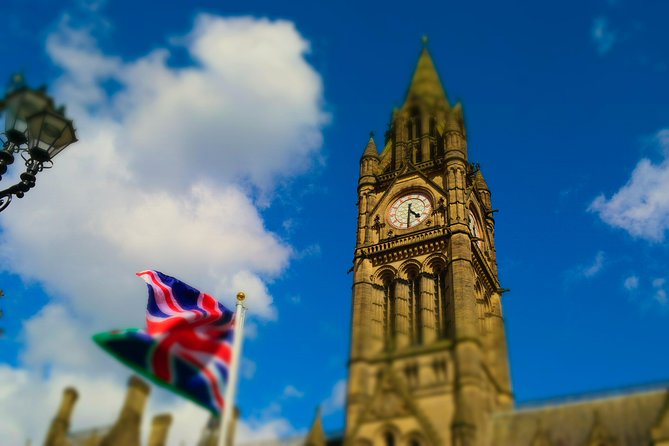
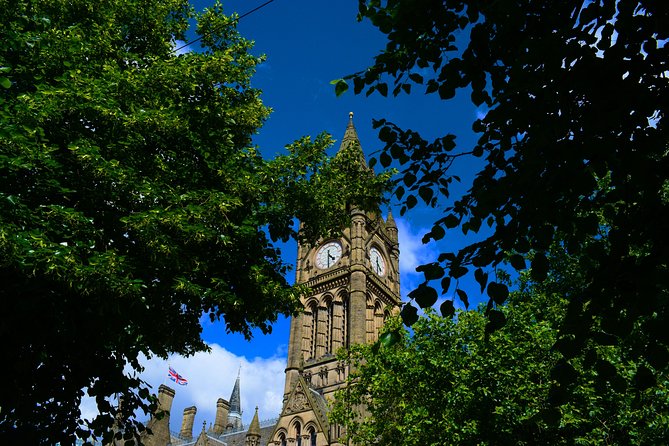
Next is the Albert Memorial, with admission not included. After that you view Manchester Town Hall, also not included. These stops work best if you like civic architecture and symbolic city spaces.
Then you move to St Anne’s RC Church for free viewing and Saint Anns Square for free viewing. These two together create a nice “religion and street life” pairing, so the tour doesn’t become only secular monuments.
Royal Exchange Theatre: a theatre stop with admission included
You reach Royal Exchange Theatre, about 10 minutes, and admission is included. It’s one of the cultural anchors late in the walk. The value is that your guide can keep tying theatre and public life back to earlier civic themes—Manchester’s spaces are built for people to meet.
Modern because of history: the walk through city contrasts
You also get a stop described as modern because of history. Without needing any extra ticket, this kind of pause is perfect for people who like to think like a local: What looks new can still be built over older layers.
The Shambles and Corn Exchange: old streets and remade spaces
Now you start moving into the city’s old-center feel.
You’ll stop at The Shambles, described as the oldest buildings in the city centre of Manchester, with admission not included. Then you pause at the Corn Exchange Manchester, described as completely remade, also not included.
This part of the walk is where the tour leans into atmosphere. You’re close enough to feel the change from formal squares and theatres into the tight, historic streets where you can imagine Manchester’s day-to-day commerce.
Old newspaper factory and then Manchester Cathedral and Chetham’s
Next there’s a stop described as the old newspaper factory. It’s a quick “this place once mattered differently” moment, and it adds texture if you’re interested in how media and industry shape a city.
Then you reach Manchester Cathedral for free viewing, followed by Chetham’s Library, described as the oldest public library in the English speaking world, also free to view. These are great final stops because they end the tour with calm. Even if the earlier parts feel fast, the cathedral and library spaces naturally slow your attention.
National Football Museum and AO Arena: sports and arena modern life
After Chetham’s, the route includes National Football Museum and AO Arena as short stops. Both list admission as not included. This late pair works for sports fans because it keeps the tour balanced: Manchester isn’t only about old stones and monuments. It’s also about fandom and big events.
One last architectural highlight near the finish
The tour closes with a final stop described as one of the most beautiful jewels in the city, and it ends near Cathedral Street. You’ll likely feel a shift into “okay, I can explore on my own now” mode, which is exactly what you want from a sightseeing intro.
How the guide turns landmarks into a story you can remember
The strongest repeated praise is not just the list of stops—it’s how the tour is told. In recent groups, the guide’s style has been described as funny, engaging, and steady, with a clear narrative that keeps each location tied to the larger Manchester story.
A practical advantage: you’re given room to ask questions, and the guide can answer beyond the obvious photo spots. People also mention that Gareth (in one group) gave suggestions for food and drinks and maintained the narrative so you don’t lose the thread when you’re standing around in the rain.
If you like structure, this tour delivers it. If you like flexibility, it still works because the guide gives recommendations at the end that match your interests.
Who this Manchester afternoon walking tour is best for
This is a strong fit if:
- You’re on a first Manchester trip and want to get your bearings quickly.
- You want a compact route that covers civic buildings, community history, theatre culture, and classic old-center streets.
- You’re comfortable walking nonstop for about 2.5 hours with short breaks at each stop.
It may be less ideal if:
- You need frequent sitting breaks or you struggle with standing and occasional steps.
- Weather really knocks you out, since the tour requires good weather and is timed for an afternoon start.
Should you book this Manchester Afternoon Walking Tour?
I’d book it if you want one afternoon that does real work: it saves you time, gives context at each stop, and ends in a place where you can keep exploring right away. The price feels fair because you’re paying for a guided route through a dense set of sights, plus multiple included admissions and a 101-item list to extend your trip.
I’d hesitate only if you know you will be unhappy with nonstop walking and standing, or you’re traveling during a very stormy period and hate carrying a backup plan. Otherwise, this is a smart way to meet Manchester in human-scale form.
FAQ
What time does the Manchester Afternoon Walking Tour start?
It starts at 2:00 pm.
How long is the tour?
The tour lasts about 2 hours 30 minutes.
Where do I meet the guide?
You meet at Manchester Central Library, Manchester M2 5PD, UK.
Where does the tour end?
The tour ends on Cathedral Street, Manchester M3 1SW, UK.
Is the tour offered in English?
Yes, the tour is offered in English.
How much does the tour cost?
The price is $24.27 per person.
Is admission included for all stops?
No. Some stops list admission as included, like the Manchester Ship Canal, Vimto Sculpture, Sackville Gardens, Chinatown, Manchester Art Gallery, and Royal Exchange Theatre. Other stops are free to view but do not include admission, and some stops explicitly say admission is not included.
How big is the group?
The tour has a maximum of 25 travelers.
What if the weather is bad?
The experience requires good weather. If it’s canceled due to poor weather, you’ll be offered a different date or a full refund.