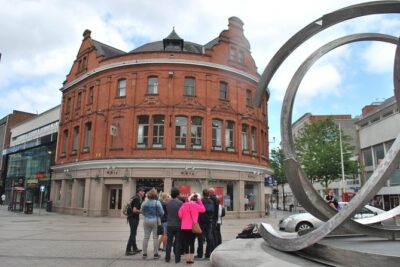
REVIEW · CAPE TOWN
Cape Town: Street Art Walking Tour in Woodstock
Book on GetYourGuide →Operated by One Day Africa · Bookable on GetYourGuide
Street art here has a backstory. On this Woodstock street art walking tour, you’ll get a local read on murals and graffiti—plus a chance to see international names alongside current Cape Town work. I especially love the storytelling guides (Mandy, Diego, Chandy, and Sipho have all led groups) and how each stop explains what the art is saying. One heads-up: it’s a 2-hour walk, so wear comfy shoes and expect to be on your feet.
You’ll start at Salt Circle Arcade, then move through the Woodstock and Salt River pocket where art has become part of daily life—cultural, political, and sometimes painfully honest. The route is short enough to fit into a busy Cape Town day, but long enough to make sense of the themes: community, identity, and the changing face of the neighborhood. If you hate walking or want only postcard views, this may not be your style.
If you like street art for more than the visuals—when you want the meaning—this is a great way to connect fast. And at $37 for two hours with a local guide, it’s priced like a real activity, not a souvenir hunt.
In This Review
- Key things to know before you go
- Why Woodstock’s street art feels different from the usual mural tour
- Meeting at Salt Circle Arcade: the start that makes the route click
- Salt Circle Arcade to Woodstock Exchange: seeing art as a neighborhood story
- Woodstock Brewery and Salt Orchard (Unit B10): where creativity meets everyday Cape Town
- Old Biscuit Mill and Salt River Nature Park: textures of change, not just paint
- Finishing through Woodstock and Salt River: making sense of the messages
- The real star: your guide’s storytelling style (Mandy, Diego, Chandy, Sipho, and more)
- Price and value check: is $37 worth a 2-hour walking tour?
- What to bring and how to plan your day around it
- Who should book this walking tour (and who should skip it)
- Should you book the Woodstock Street Art Walking Tour?
- FAQ
- How long is the Cape Town Street Art Walking Tour in Woodstock?
- Where do I meet the guide?
- What is included in the price?
- Is hotel pickup or drop-off included?
- What language is the tour guide?
- Is the tour wheelchair accessible?
- What should I bring?
- Does the tour run in bad weather?
Key things to know before you go
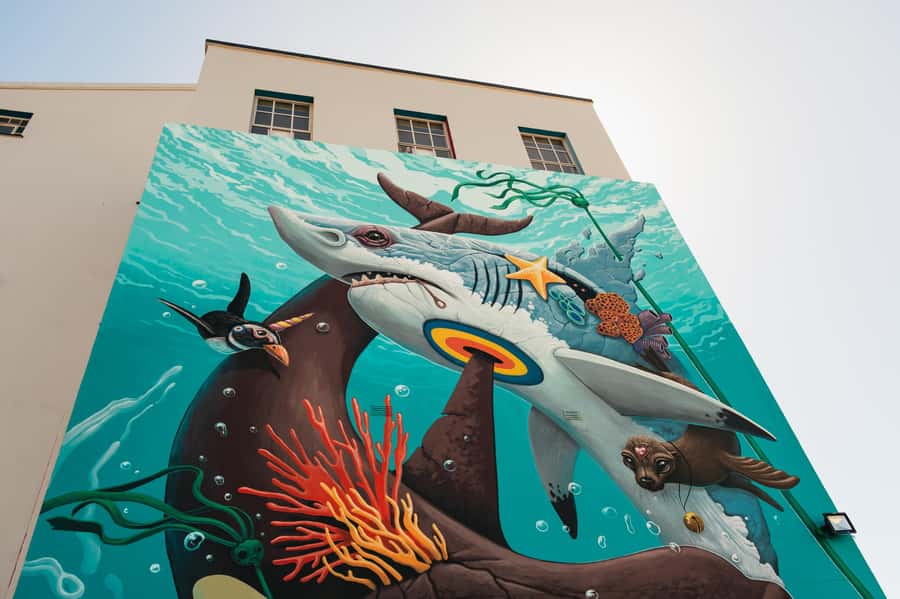
- Salt Circle Arcade is the launch point, with a short tea ceremony moment and a quick workshop-style stop that sets the tone.
- You’ll walk through Woodstock and Salt River, not just stand in one mural spot.
- International + local art shows up side-by-side, so you can compare styles and messages.
- Guides bring the context—history, neighborhood change, and why street art matters socially.
- Time for coffee and photo stops is built into the flow (and yes, you should bring a camera).
- It runs rain or shine, so pack sunscreen and plan for wet weather if needed.
Why Woodstock’s street art feels different from the usual mural tour

Woodstock is one of those Cape Town places where you don’t just see art on walls—you feel how it’s part of the neighborhood’s voice. This walk is built around that idea. You’re not rushing from one Instagram wall to the next; you’re learning what people were reacting to, who created what you’re looking at, and why the community keeps returning to public art.
The best part is the balance. You’ll see work connected to well-known international street artists, but you’ll also get the thread back to local creators and what’s happening right now in Cape Town culture. Street art here is often political and cultural, so even when the visuals are striking, the stories explain the pressure behind them—economic change, identity, and local conversations that don’t always make it into typical tourist descriptions.
I like that the tour frames street art as communal. It’s not presented as graffiti-for-attention only. It’s presented as communication—sometimes celebration, sometimes argument, sometimes a record of struggle and change. If you can handle a few heavy themes, you’ll leave with a sharper understanding of why Woodstock’s walls look the way they do.
You can also read our reviews of more walking tours in Cape Town



Meeting at Salt Circle Arcade: the start that makes the route click

You meet your guide at Shop 5 inside Salt Circle Arcade. That matters because the tour begins in a place that already feels like the creative belt of the area, not a random street corner.
From there, you’ll get early momentum: photo stops, walking through the arcade area, and a short tea ceremony moment plus a workshop-style stop (about 10 minutes). I like that this opening doesn’t feel like a lecture. It’s a soft landing into how the tour will read the walls—what to notice, how to interpret style, and how to connect artwork to its place.
If you’re the type who needs to warm up with context before you can appreciate details, this first segment helps. You also get a chance to pick up basics like where you can stop for photos and how the group will move at a comfortable walking pace.
Practical note: bring sunscreen and a camera right away. Early angles can be good, and lighting changes quickly as you leave the arcade area.
Salt Circle Arcade to Woodstock Exchange: seeing art as a neighborhood story
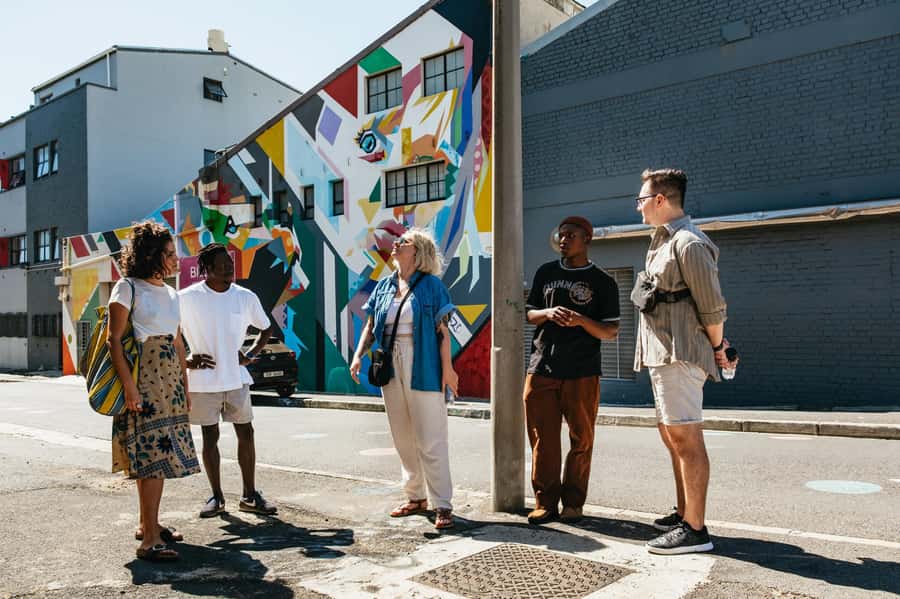
After the initial Salt Circle Arcade portion, the walk turns into the heart of Woodstock’s mural corridors. One of the early stops is the Woodstock Exchange area. Here you’ll do another photo stop and guided look while moving through the streets nearby.
What makes this stretch valuable is the way the guide connects the art to the neighborhood. You’re not just seeing a mural and moving on. You’re learning how street art fits into community life and how the area’s identity has shifted over time. That’s what transforms the walk from pretty to meaningful.
Possible drawback to consider: the tour is mostly outdoors and built around viewing walls from street level. If you’re looking for super wide views or indoor museum-style exhibits, this part won’t scratch that itch. It’s very much an up-close, “read the wall” experience.
Still, that close-up is the point. When a guide points out symbolic choices—color decisions, recurring themes, or stylistic influences—you start seeing patterns you’d miss if you walked alone.
Woodstock Brewery and Salt Orchard (Unit B10): where creativity meets everyday Cape Town

Next comes a stop near Woodstock Brewery, Cape Town, followed by Unit B10 at Salt Orchard.
At Woodstock Brewery, you’ll likely notice the tension and energy that come with art in real working spaces. It’s not staged. The walls sit in the middle of commerce and everyday movement, and the street art feels like part of the surrounding rhythm.
Then you head to Unit B10, Salt Orchard, where the itinerary includes a guided segment plus time for coffee and photo stops. This is one of the more relaxing blocks of the walk. It gives you a chance to refuel, compare what you saw earlier, and ask questions while you’re not in constant motion.
I also like this pacing because it prevents the tour from feeling like a nonstop wall-to-wall sprint. When you’re learning meaning behind visuals, a short pause helps you keep the story straight.
If you’re visiting with kids, this portion tends to be a good moment to reset. One review mentioned a guide who kept the content balanced for a 10-year-old, and coffee stops are exactly the kind of structure that helps families stick with the full 2 hours.
Old Biscuit Mill and Salt River Nature Park: textures of change, not just paint

A key mid-to-late stop is The Old Biscuit Mill. Like Salt Orchard, this is the kind of creative area where you can sense the overlap between food, markets, and art culture. The guided walk here helps you understand how street art and the broader creative economy influence each other.
Then the route takes you toward Salt River Nature Park. The contrast is useful. After a string of walls and murals, being near green space gives your eyes a break and helps you reset your attention. It’s also a reminder that street art doesn’t exist in a vacuum—it’s placed in a living city with changing uses for land, buildings, and public space.
One practical takeaway: don’t treat the park segment as a random scenic stop. The guided component keeps linking the visuals you just saw to the bigger story of the area’s shift—why people wanted public art here, and how community identity gets expressed in places that aren’t polished tourist zones.
If you dislike uneven sidewalks or slightly rough terrain, wear shoes with grip. This is an active walking route, even though it’s only 2 hours.
Finishing through Woodstock and Salt River: making sense of the messages
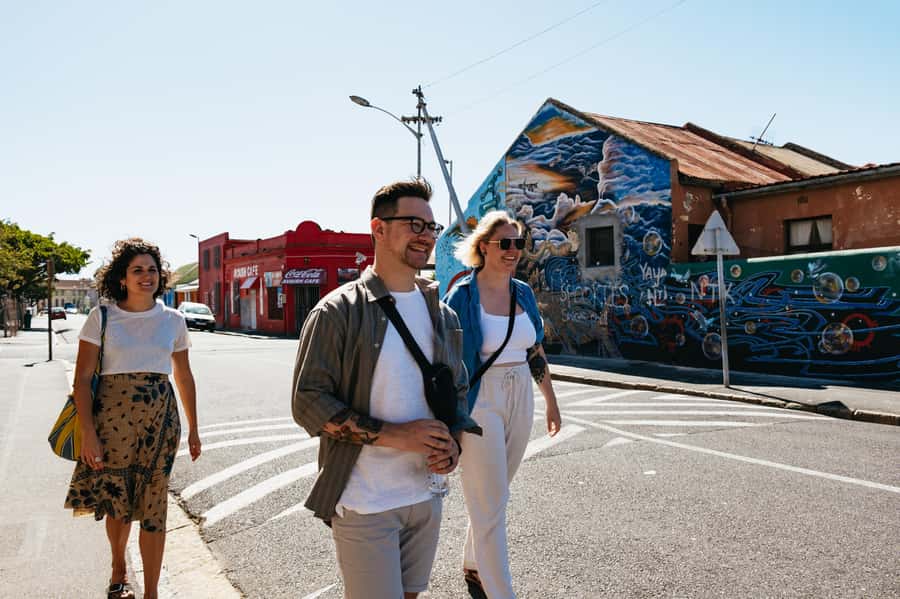
Toward the end, you’ll do short photo-stop segments as you move through Woodstock and then Salt River again before looping back to where you started at Salt Circle Arcade.
These last sections are where the tour’s message starts to click. Earlier, you learn how to interpret symbols and themes. Later, you can notice how themes repeat across artists and walls: ideas about identity, community voice, and the social pressure street artists respond to.
A good guide makes these final moments feel less like a finish line and more like a wrap-up of what you were meant to understand. In the better-led tours, you’re able to look at a mural and say to yourself: now I know why that artist chose that style, why that message shows up here, and what it’s pushing against in the neighborhood.
This is also where having your camera ready helps. The final stretch tends to offer good angles, and because you’ve built context, you’ll photograph with more meaning, not just for color.
The real star: your guide’s storytelling style (Mandy, Diego, Chandy, Sipho, and more)
Every tour is built around the walls, but the guide is what turns it into a story you remember. Based on multiple past guides’ styles, you can expect strong emphasis on meaning, history, and personal connection to the art.
- Mandy/Mandi: praised for being welcoming, communicative, and well-researched, with explanations that make the two hours feel like they fly by.
- Diego: especially noted for knowledge of mural art plus the ability to explain themes in a way that makes the area feel legible. One group even got an extra detour involving an artist studio and a short shared taxi ride, showing how flexible and spontaneous a guide can be.
- Chandy/Shandy/Chandie: consistently described as funny, warm, and strong on linking murals to history, culture, politics, and neighborhood life. Some tours also included help with photos.
- Sipho/Sipo: remembered for giving context that reaches beyond art—South African society, not just street visuals.
Here’s what you should do: pick your guide with your preferences in mind. If you want more humor and extra stories, guides like Chandy-style energy seem to deliver that. If you want a methodical mural-reading approach and an emphasis on art history and artist themes, Diego-style leadership is often the match.
Even if you don’t choose your guide in advance, this is a tour worth taking because it’s clearly designed around a live person telling the story, not just a self-guided audio track.
Price and value check: is $37 worth a 2-hour walking tour?
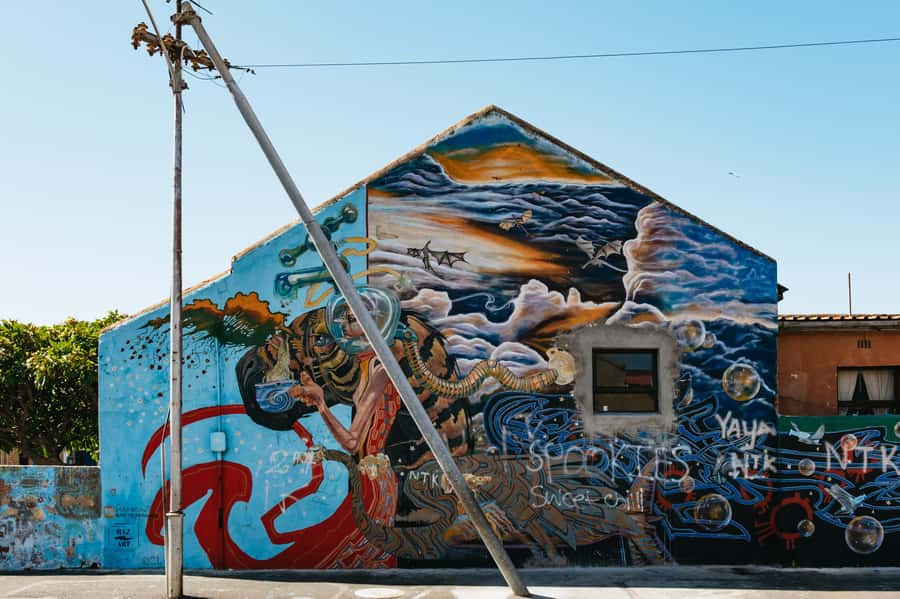
At $37 per person for 2 hours, this feels like solid value for Cape Town. Why? Because you’re paying for three things that are hard to replicate on your own:
- A guide who can explain meaning behind murals and connect it to neighborhood history.
- A route that actually moves through Woodstock and Salt River, so you see the art in context.
- The comparison between international artists and current local works, which is where street art becomes more than decoration.
Could you walk Woodstock on your own and find murals? Sure. But street art isn’t labeled like a museum. Without context, it’s easy to miss why a piece matters or what specific symbols and references are pointing to.
So for me, the value comes down to one question: do you want the why, not only the wow? If yes, $37 for a local guide plus a structured 2-hour route is a fair deal.
What to bring and how to plan your day around it
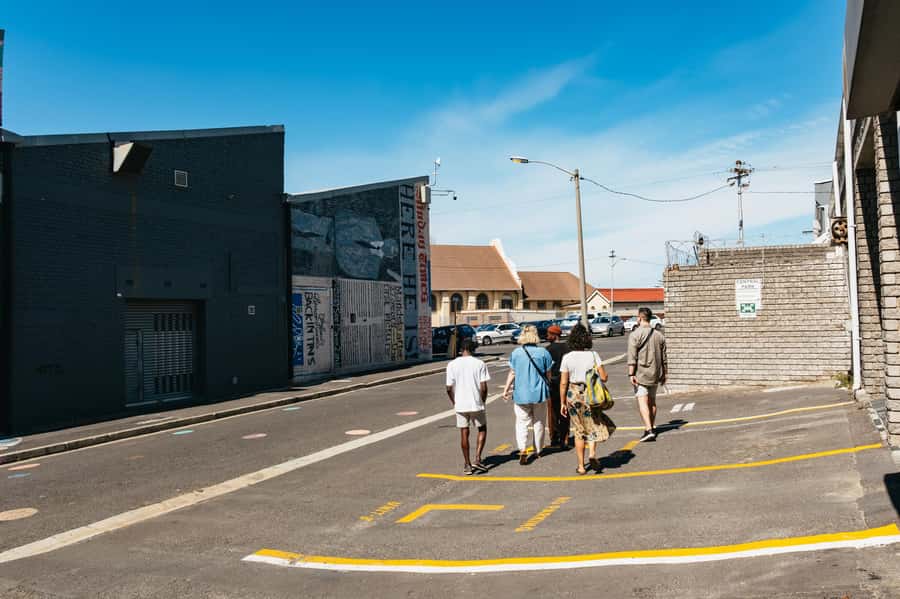
Bring comfortable shoes. I can’t stress that enough for a walking tour. The route is short in time, but your feet will do the heavy lifting.
Also bring:
- Camera (you’ll want it)
- Sunscreen (morning and mid-day sun can be real)
- Cash (helpful to have on hand for small purchases like coffee and snacks)
The tour runs rain or shine, so pack for Cape Town weather swings. A light rain layer can save your mood if the sky changes.
Timing tip: try to schedule this earlier in your Cape Town trip. Once you understand Woodstock’s art culture, you’ll start noticing meanings faster in other parts of the city too.
Who should book this walking tour (and who should skip it)
I’d book this if you:
- love street art but want more than surface-level visuals
- want a local cultural perspective on Woodstock and Salt River
- enjoy history and social themes connected to art
- like walking tours that are structured but not rigid
I’d skip it if you:
- want mostly indoor, sit-down sightseeing
- dislike political or socially charged themes (some murals carry strong messages)
- can’t comfortably handle a 2-hour walk in mixed street conditions
It can work for families too, as at least one guide reportedly kept the content balanced for a child. Still, bring your own judgment on whether your kid can stay engaged with stories during a walk.
Should you book the Woodstock Street Art Walking Tour?
Yes—if you want Cape Town street art with context. This tour is built around meaning, not just murals. For $37, you’re getting a structured route through Woodstock and Salt River, plus a guide who can connect international influences to local voices and explain why the art matters to the community.
If you’re the kind of traveler who only photographs walls, you might feel like you paid for walking. But if you want to understand what you’re seeing—history, culture, and the reasons behind the paint—this is one of the better ways to get your bearings fast in a neighborhood that’s still changing.
FAQ
How long is the Cape Town Street Art Walking Tour in Woodstock?
It lasts 2 hours.
Where do I meet the guide?
Meet your guide at Shop 5 inside the Salt Circle Arcade.
What is included in the price?
The tour includes a walking tour and a local guide.
Is hotel pickup or drop-off included?
No. Hotel pickup and drop-off are not included.
What language is the tour guide?
The live tour guide speaks English.
Is the tour wheelchair accessible?
Yes. The tour is wheelchair accessible.
What should I bring?
Bring comfortable shoes, a camera, sunscreen, and cash.
Does the tour run in bad weather?
Yes. The tour takes place rain or shine.