REVIEW · BERLIN
Explore Berlin: Walking Tour of All The Iconic Sites
Book on GetYourGuide →Operated by Insider Tour Berlin · Bookable on GetYourGuide
Berlin can feel like a puzzle. This tour shows you how the pieces fit. You’ll start in the Reichstag area and walk to major symbols like the Brandenburg Gate and the Reichstag, then connect them to harder truths like the Holocaust Memorial and the former Nazi book burning site.
I especially love two things: first, how the guide ties landmarks to the bigger story of a divided city turning into a united capital; second, the mix of iconic stops and quick “wait, that’s the exact spot” moments, from Checkpoint Charlie to the Berlin Wall. One drawback to plan for: it’s about 3 hours on your feet, so comfortable shoes matter even if you stop often to look and listen.
In This Review
- Key Things To Know Before You Go
- Where the Tour Starts: Friedrichstraße, The Palace of Tears, and a Strong Setup
- Museum Island and Bebelplatz: Learning to See Berlin’s Layers
- Gendarmenmarkt: A Quick Detour That Makes the Walk Feel Human
- Checkpoint Charlie and the Berlin Wall: Where the Cold War Becomes Real
- Hitler’s Bunker Area and the WWII Shadow Over the City
- Holocaust Memorial: A Pause That Changes the Rest of the Walk
- Reichstag and Brandenburg Gate: Seeing Symbols Through the Story
- The Pace: How a 3-Hour Walking Tour Stays Engaging
- Price and Value: What $17 Buys You in Central Berlin
- Who Should Book This Tour (and Who Might Want Another Option)
- Should You Book Insider Tour Berlin?
- FAQ
- How long is the walking tour?
- Where does the tour start and how do I find the guide?
- What languages are offered?
- Is pickup available?
- What should I bring or wear?
- Does the tour run in bad weather?
Key Things To Know Before You Go
- Small-group feel with guides who keep the story clear and fast-moving
- Multiple languages offered: English, German, Spanish
- Central start outside Friedrichstraße station by the Palace of Tears area, easy to find
- Big sights, short stops so you cover a lot without feeling rushed through the whole city
- History with context: Cold War tension, WWII aftermath, and Berlin’s reinvention
- Rain or shine operation, so bring an umbrella if the forecast looks gray
Where the Tour Starts: Friedrichstraße, The Palace of Tears, and a Strong Setup
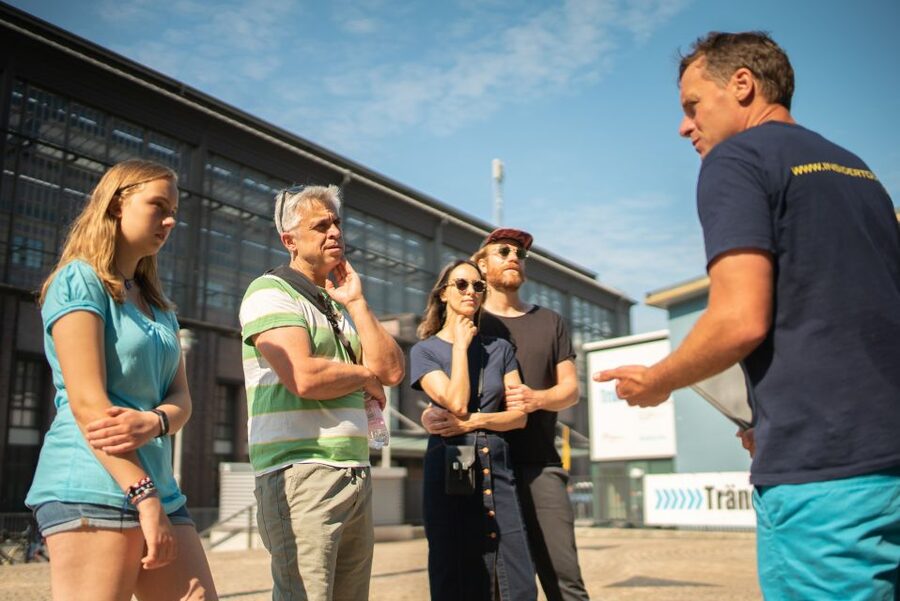
The meeting point is outside Friedrichstraße train station, on the square beside the Palace of Tears (Traenenpalast), Reichstagufer 17. Look for guides holding yellow umbrellas. It’s a smart start because the area already puts you in a Berlin mindset: trains, borders, crossings, and the uneasy choreography of divided Europe.
If you choose the private option, pickup is available from your accommodation. The guide wears a yellow name tag, and you’ll want to wait in the lobby about five minutes ahead of the scheduled time. That’s a nice touch for people who don’t want to navigate the city first thing.
Two practical notes I think you’ll appreciate:
- Bring comfortable shoes. This is real walking on real pavement.
- Bring a camera, because you’ll have several photo stops at places that can’t be fully appreciated from a bus window.
Also, it operates rain or shine, and the vibe stays the same even if the streets are wet. Berlin in a drizzle is still Berlin, and the guide keeps the momentum.
You can also read our reviews of more walking tours in Berlin



Museum Island and Bebelplatz: Learning to See Berlin’s Layers
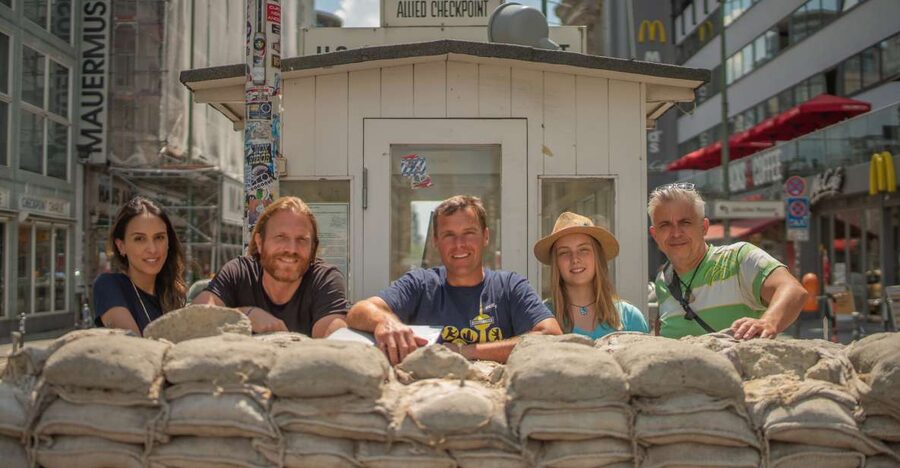
Early in the walk, you move toward Museum Island and then to Bebelplatz. Even without going museum-deep, this is where the city’s identity starts to make sense. Museum Island gives you a sense of Berlin’s cultural gravity—art, scholarship, and the idea that a city becomes more than politics and walls.
Then you hit Bebelplatz, and the tone shifts. This is the site of the Nazi book burning, and the guide’s job here is crucial: they’re not just pointing at a location. They’re explaining why this moment matters and how Berlin remembers it. You’ll feel the contrast between Berlin as a seat of learning and Berlin as a place where ideas were attacked and controlled.
One reason I like tours that include a stop like Bebelplatz is that it keeps your brain from treating WWII-era history like a single chapter. Here, it’s a scar that shows up inside the same city that later becomes a global capital.
Gendarmenmarkt: A Quick Detour That Makes the Walk Feel Human
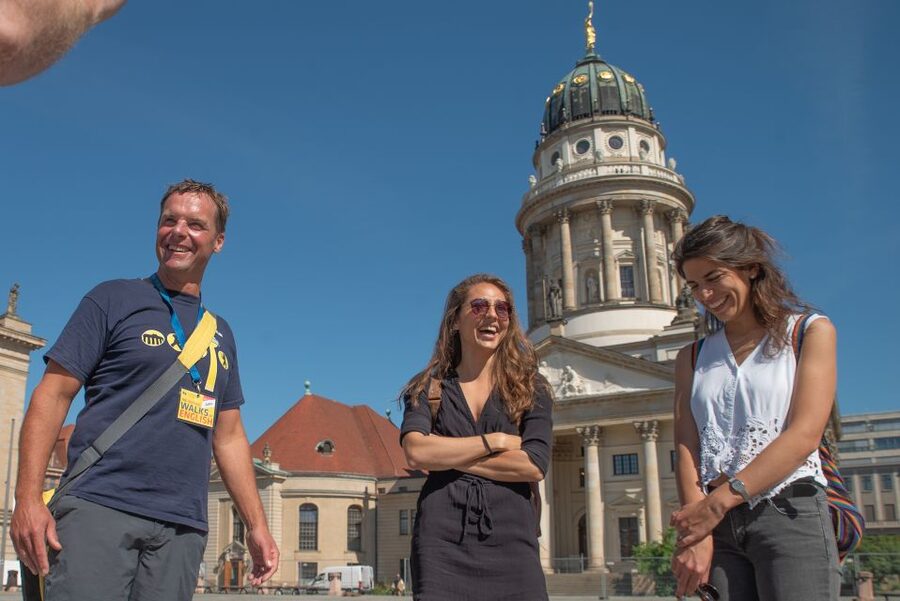
From Bebelplatz, you continue to Gendarmenmarkt. This stop acts like a palate cleanser. You get a beautiful, “this is what people actually enjoy in Berlin” kind of moment, which helps when the next parts of the story get darker and more intense.
Guides use stops like this to slow the group down without calling it a break. You’ll get time for photos and quick context, and then you’ll move on with a sharper sense of contrast: Berlin doesn’t only remember its worst moments. It also lives around them.
If you’re the type who worries a history tour will feel heavy all the way through, this is the balance point.
Checkpoint Charlie and the Berlin Wall: Where the Cold War Becomes Real
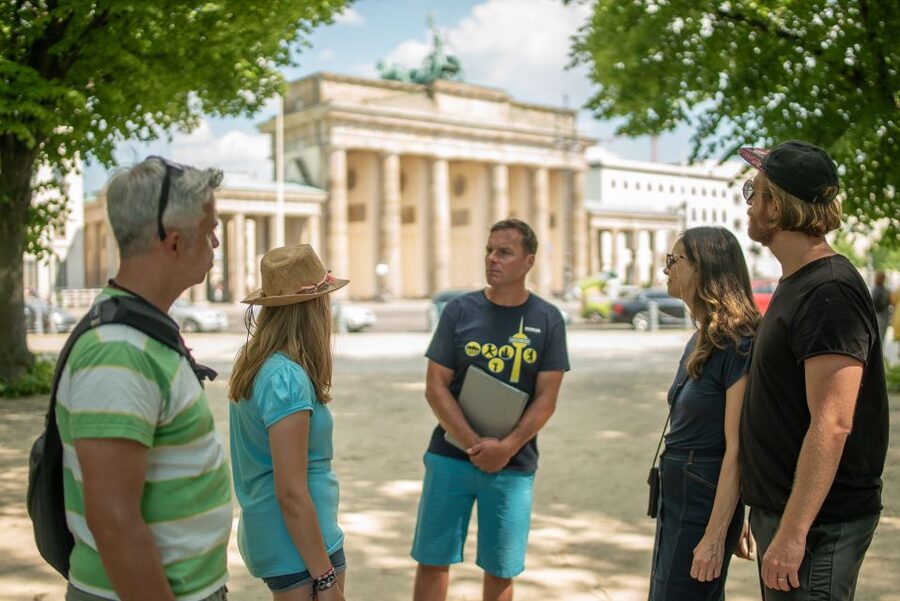
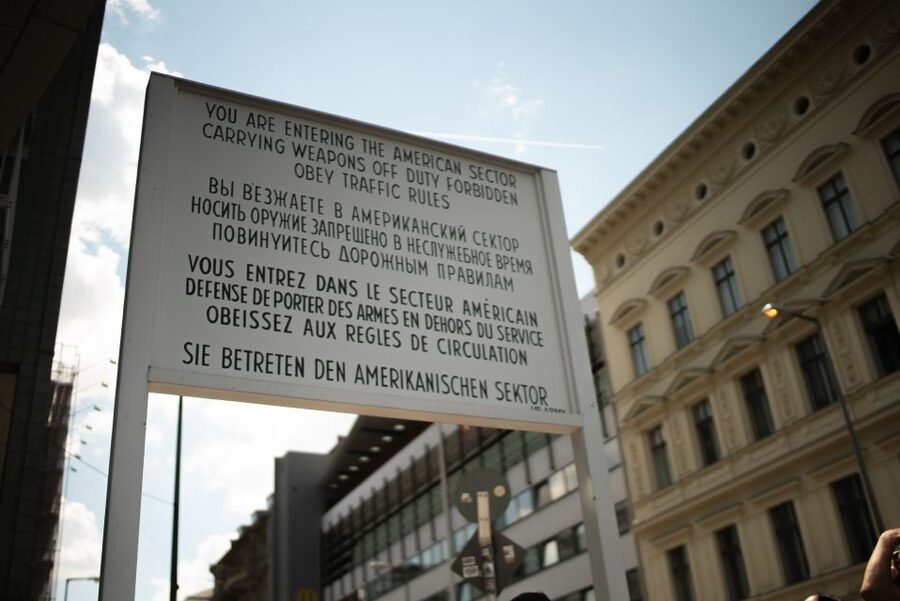
Next up is Checkpoint Charlie. You’ll get a photo stop and short guided walk, and the guide frames it as the moment where East met West. This is one of those places that can feel overly staged if you only see it from postcards. On foot, with a guide connecting the dots, it reads differently.
What I value here is the way the tour treats Checkpoint Charlie as a checkpoint in both directions: not just the tourist version, but the human reality of borders, fear, and decisions. The guide also adds stories about Cold War espionage and daring escapes, which makes the area feel less like a set piece and more like a pressure cooker.
Then you shift toward the Berlin Wall. You’ll have another photo stop and more context, including what it meant to live with barriers—physical and mental. The tour also includes the former Death Strip and connects it to Hitler’s Bunker area. That’s heavy material, but the way it’s paced matters: you’re not left sitting with it too long, and you’re not blasted through it so fast you miss the meaning.
One thing you’ll notice from guides named in past groups—like Hannah and Maria—is how they keep the tone respectful while still making the explanations clear. People mention humor and sensitivity in the guide style, and that balance is what keeps stops like this from turning into a lecture.
Hitler’s Bunker Area and the WWII Shadow Over the City
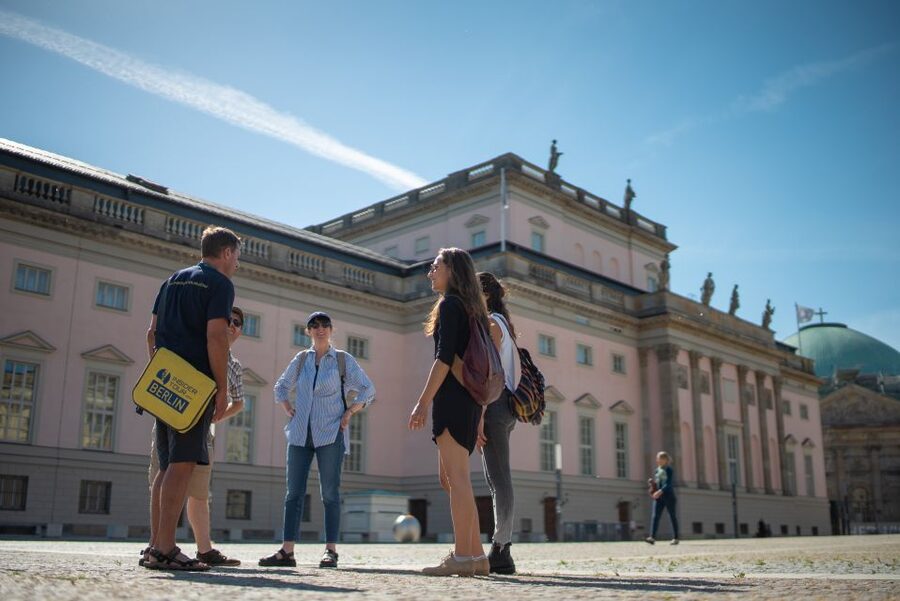
The tour includes a photo stop at Hitler’s Bunker. Even if you know the basics, standing in this kind of area changes the feel of the history in your head. You go from dates and names to geography.
The description also points out seeing the former SS and Gestapo headquarters and walking across the former Death Strip as part of the narrative. Those are not light subjects, and the guide’s role is to keep you oriented: what happened here, how it connected to the wider system of terror, and how Berlin handled the aftermath.
This is also where I’d suggest using your guide’s rhythm to your advantage:
- Ask questions if something feels confusing. The guides are used to handling real curiosity, not just a passive crowd.
- Take a breath during the photo stops. You’ll get your camera shots, but you should also let the place sink in for a moment.





Holocaust Memorial: A Pause That Changes the Rest of the Walk
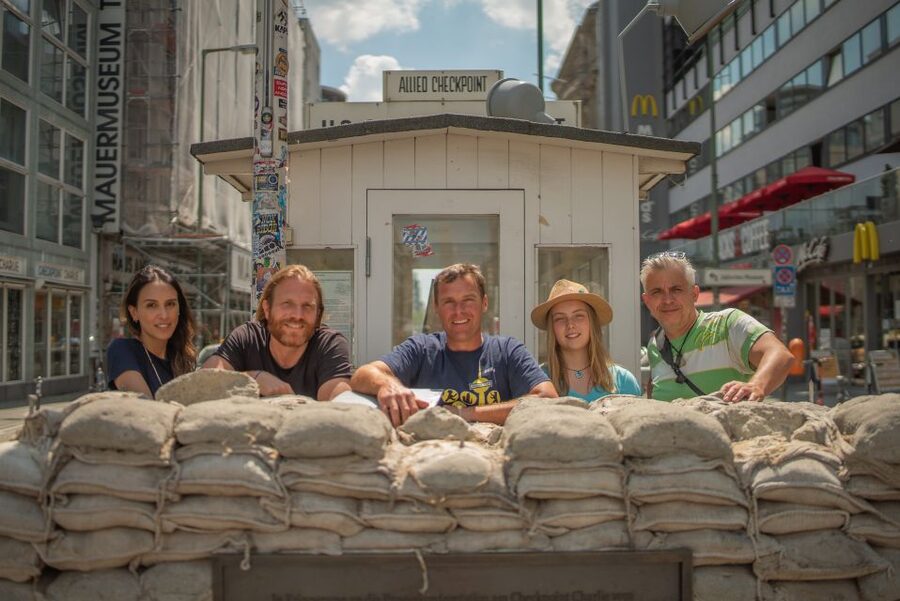
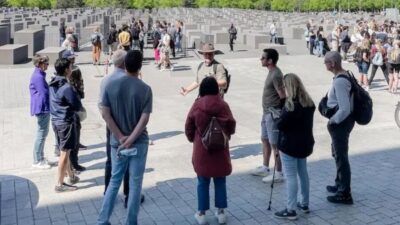
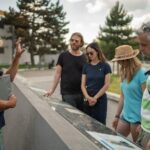
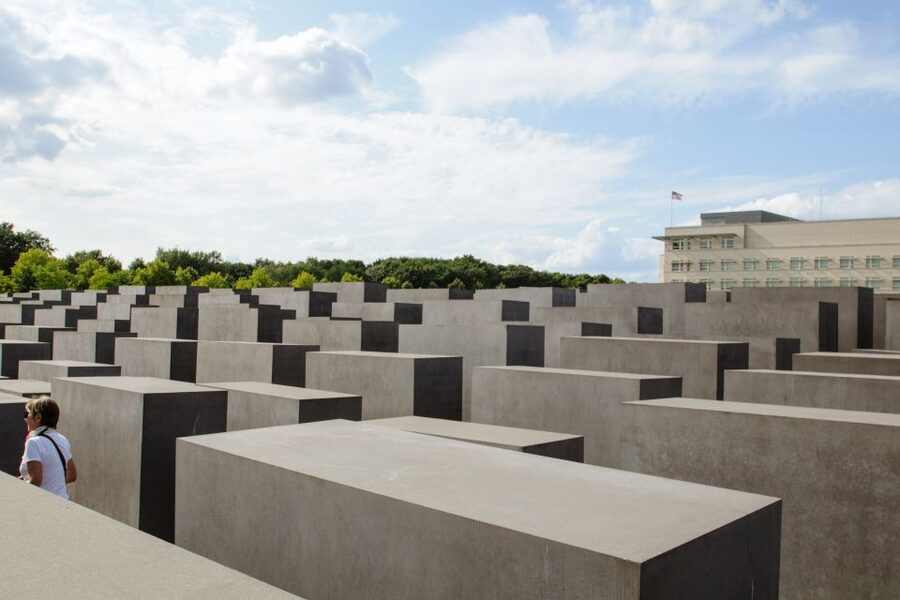
The Holocaust Memorial stop is one of the strongest parts of the tour. You’ll see the memorial dedicated to the Murdered Jews of Europe and get a guided moment there, including time for a photo stop.
This stop works because it’s not just a “look and go” stop. It’s built into the route as a moral anchor, and the guide treats it with care. You’ll likely leave with the sense that the rest of the tour isn’t about sightseeing first. It’s about remembering why places exist and why they were allowed to become what they became.
If you’re visiting with teenagers or younger kids, you’ll also want a guide who can explain without turning it into shock value. Past groups highlight guides such as Hannah, who made explanations clear and reflective while still keeping the energy up.
Reichstag and Brandenburg Gate: Seeing Symbols Through the Story
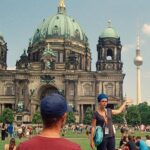
After the memorial pause, you move toward the Reichstag. This is a “photo stop, guided tour” moment, and the guide connects it to the idea of Berlin as a united capital after the era of division. It’s not just the building that matters here. It’s the meaning you bring to it once you’ve spent the earlier part of the walk understanding walls, checkpoints, and control.
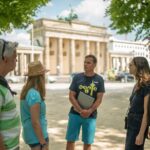
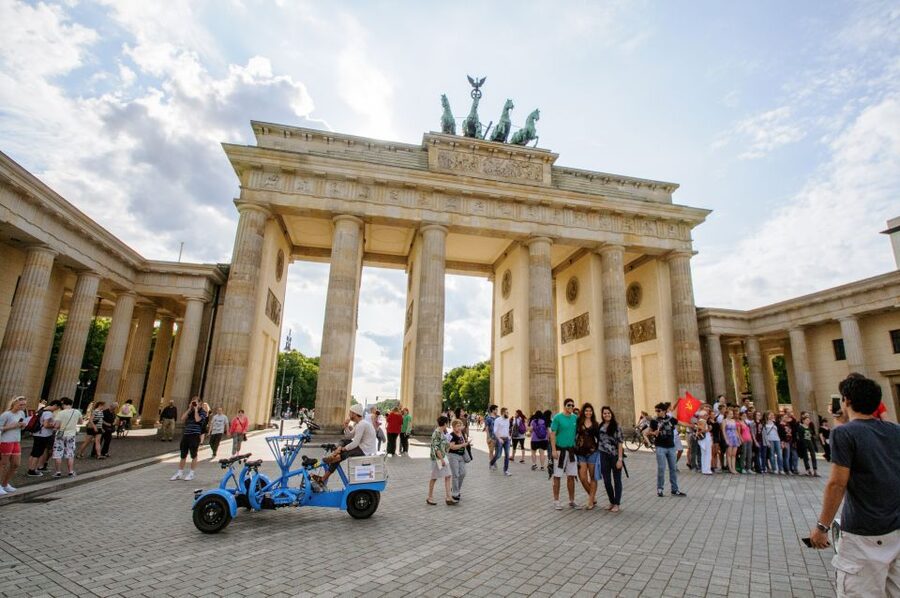
Then you reach the Brandenburg Gate. This is Berlin’s headline symbol, and your guide gives you the context so it doesn’t feel like just another famous structure. You’ll stand beneath it with the story of division and reunification in your head, and that changes how the gate reads.
This is the payoff of the route. The tour doesn’t end with a monument and call it a day. It uses the walk to stitch together how Berlin became a modern city while still living with its past.
The Pace: How a 3-Hour Walking Tour Stays Engaging
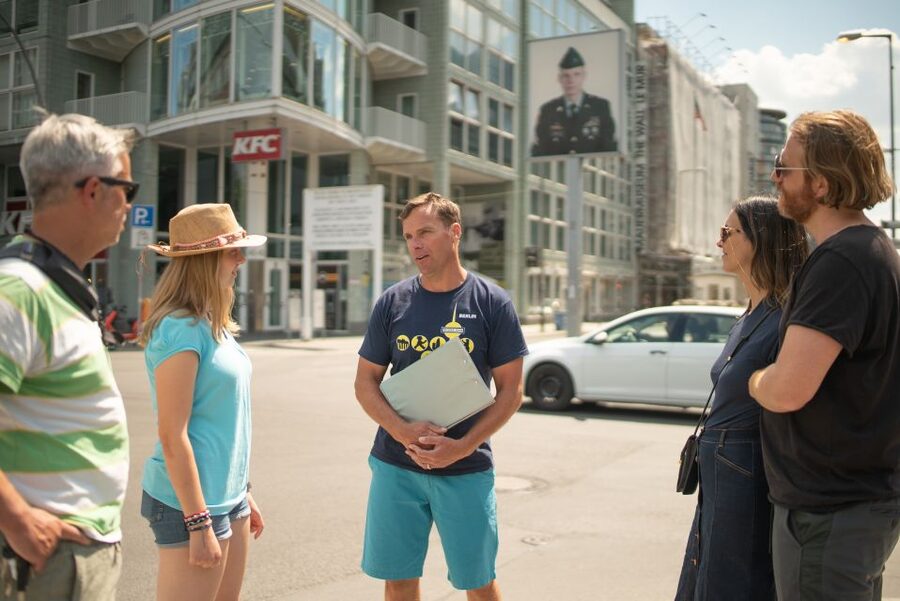
This tour runs about three hours. That’s long enough to connect multiple eras, but short enough that you’re not mentally fried by the end. You’ll stop often at each major site, including guided segments at several stops.
What makes three hours work is that the guide keeps a thread: border, control, resistance, and reinvention. People repeatedly praise guides like Maria and Martha for making explanations clear and engaging, and for getting the balance right between facts and readability.
One comment that comes up in guides’ styles: humor. It’s not slapstick history. It’s the kind of lightness that keeps you paying attention. If you prefer strictly serious tours, you can still expect respect here, but the delivery often includes a friendly tone.
And yes, there’s a lot of walking. If you’re planning to do other things later in the day, I’d schedule something low-key afterward until your feet reset.
Price and Value: What $17 Buys You in Central Berlin
The price is listed at $17 per person for about three hours. On paper that can sound almost too low for covering major landmarks like Reichstag, Brandenburg Gate, Checkpoint Charlie, and the Wall-related stops.
Here’s how I’d think about the value:
- You’re paying for a guide to connect the sites into one coherent story, not for individual museum tickets.
- You get multiple photo-and-look moments in a tight route, which saves you the guesswork of “where do I go next?”
- The guide helps you read what you’re seeing. A lot of Berlin’s history is embedded in place names and layouts, and it’s easy to miss that if you’re wandering alone.
If you’re on a tight schedule, this is also efficient. You get a concentrated education across WWII and the Cold War, then you end with Berlin’s modern-symbols perspective.
Who Should Book This Tour (and Who Might Want Another Option)
This tour is a great fit if you:
- Want a strong overview of Berlin’s key sights without planning a whole day of logistics
- Like history that connects different periods into one story
- Enjoy walking and don’t mind frequent stops to look and listen
You might consider another type of tour if you:
- Want a slower pace with longer time at fewer sites
- Prefer deep museum time instead of outdoor landmark context
- Are looking for a purely political or purely artistic Berlin focus
Should You Book Insider Tour Berlin?
If this is your first real Berlin experience, I think it’s worth booking. The route hits the biggest iconic sites, but it also includes the moments that make those icons meaningful: the Holocaust Memorial, the Nazi book burning site at Bebelplatz, and the Cold War locations around Checkpoint Charlie and the Berlin Wall.
The guides seem to make the difference. Names that come up often include Hannah, Maria, Martha, and Daniel, and the praise is consistent: clear explanations, respectful handling of serious themes, and a humor level that keeps the group attentive. If you get lucky with your guide, you’re likely to finish the walk feeling like you understand what Berlin is trying to tell you.
Go for it if you want orientation fast and you’re ready to walk. Skip it only if you’re craving a slower, museum-heavy day.
FAQ
How long is the walking tour?
The duration is listed as 3 hours.
Where does the tour start and how do I find the guide?
Meet outside Friedrichstraße train station, on the square beside the Traenenpalast (Palace of Tears), Reichstagufer 17, 10117 Berlin. Look for guides holding yellow umbrellas.
What languages are offered?
The live tour guide is available in English, German, and Spanish.
Is pickup available?
Pickup is optional if you choose the private option. You wait in the hotel lobby about 5 minutes before the pickup time, and the guide will wear a yellow name tag for easy recognition.
What should I bring or wear?
Bring comfortable shoes and a camera.
Does the tour run in bad weather?
Yes, it operates every day rain or shine.