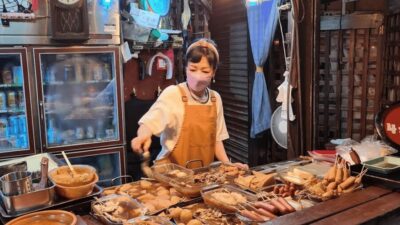
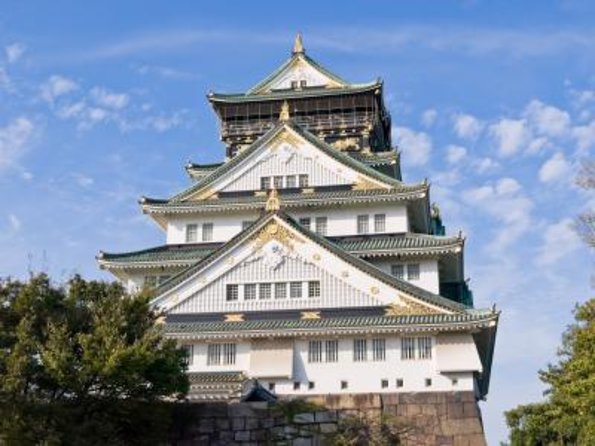
Osaka on foot beats hopping trains. I love how this day threads big sights with side streets, and you get a street-food lunch that feels like a local break, not a tourist trap. My one watch-out: the tour takes you to Osaka Castle area sights but you do not enter the castle.
What makes it work is the structure. You’ll cover key neighborhoods like Amemura and Dotonbori on foot, plus two short train rides, and guides such as Tim, Kenzo, Scott, Adam, Alex, Daniel, and Andy have a knack for explaining what you’re looking at in plain English. Pick comfortable shoes, because it’s a full 5 to 7 hours.
In This Review
- Key highlights you’ll feel the moment you start
- Price and time: what $73.29 really buys
- Getting started at Ōsakajōkōen Station: your day’s walking rhythm
- Osaka Castle area (no entry): the best way to see it fast
- Amemura and Shinsaibashi-suji: style street meets long-running shopping culture
- Dotonbori canal: neon, street-food energy, and easy photos
- Hozenji Yokocho and Hozen-ji Temple: where old Osaka slows down
- Kuromon Market: Osaka’s Kitchen and how to enjoy it without guessing
- Shinsekai: pre-WW2 nostalgia and Tsutenkaku energy
- Lunch that actually feels local (and when it won’t)
- Guides make or break it: the “5- to 7-hour” magic trick
- Practical tips: shoes, train fares, and the no-filming rule
- Who should book this Osaka walking tour
- Should you book this Osaka walking tour
- FAQ
- Does the tour include entry to Osaka Castle?
- How long is the Ultimate Osaka Walking Tour?
- Is pickup included?
- What does the lunch include?
- Are train fares included in the tour price?
- Can the tour accommodate vegan or gluten-free diets?
- Where does the tour start?
- How many people are in the group?
- Is filming allowed during the tour?
- What happens if the weather is bad?
Key highlights you’ll feel the moment you start
- Castle area views without the entry line so you spend time walking the city instead
- Street-food lunch with a drink at a local restaurant, built into the price
- Amemura + Shinsaibashi-suji for youth style and classic Osaka shopping
- Dotonbori canal + neon energy with quick stops that keep the day moving
- Hozenji Yokocho and Hozen-ji Temple for an old-Osaka reset from the crowds
- Kuromon Market and Shinsekai to round out food culture and pre-war nostalgia
Price and time: what $73.29 really buys
At $73.29 per person, you’re paying for a guided route through central Osaka that’s built around your time. The good news: lunch is included, and the day is mostly on foot, so you’re not burning your day on long transfers.
You also get flexibility. You can choose 5, 6, or 7 hours, and the tour runs as a group with others or as a private personalized option. The group size caps at 11 travelers, which helps the pace stay manageable and makes it easier to ask questions without feeling lost in a crowd.
The “gotcha” is that your money doesn’t cover train fares. Two short train rides are required, and you’ll pay them yourself (noted as ¥240 and ¥190). It’s still easy, but plan for it so you don’t get surprised halfway through.
You can also read our reviews of more walking tours in Osaka

Getting started at Ōsakajōkōen Station: your day’s walking rhythm
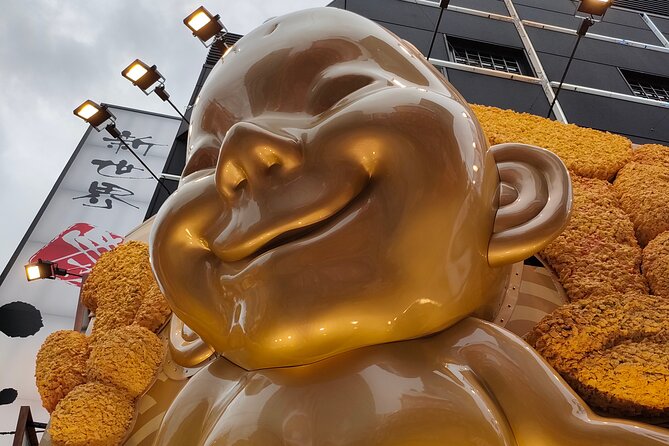
Your tour starts at Ōsakajōkōen Station (Exit/side marked as 3), in the Osaka Castle park area zone. From there, you’ll move into the castle neighborhood and surrounding sights that set the tone for Osaka’s big-history-meets-modern-energy story.
This is also one of those tours where meeting point clarity matters. The start is near public transportation, which is helpful if you’re using your own transit plans before the walk begins. And because hotel pickup is not offered for group tours, you’ll want to arrive a little early, get your bearings, and then settle into the group rhythm.
Expect a moderate walking day. One past guest noted it felt like roughly 15,000 steps, even though the pace stayed relaxed. Translation: it’s not a sprint, but you should bring real walking energy.
Osaka Castle area (no entry): the best way to see it fast
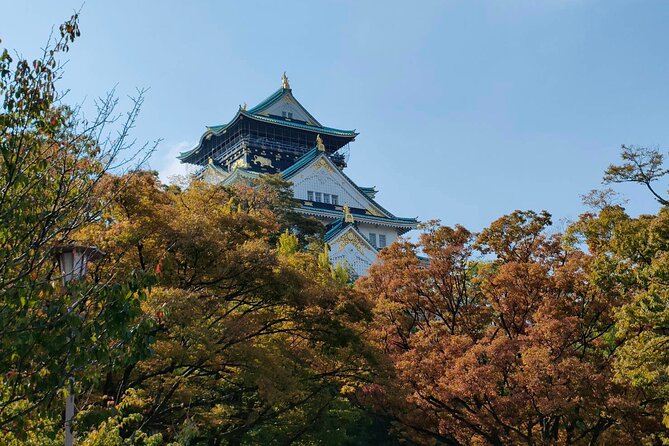
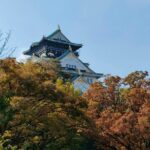
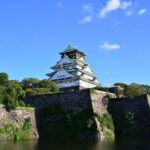
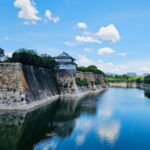
Here’s the deal upfront: you do not enter Osaka Castle. Instead, the stop is about seeing the area and learning the background that shaped Osaka during Japan’s samurai unification era.
Why that can be a smart choice: you get the historical context without spending time on entry tickets and inside-only logistics. For a first-time day in Osaka, that often means you’ll see more of the city overall, especially since this tour keeps flowing into shopping streets, canals, and food-focused neighborhoods.
If you specifically want castle interior time and museum-style wandering, you’ll need a separate plan. But if you want the icon plus a city-day route that stays lively and practical, this approach fits well.
Amemura and Shinsaibashi-suji: style street meets long-running shopping culture
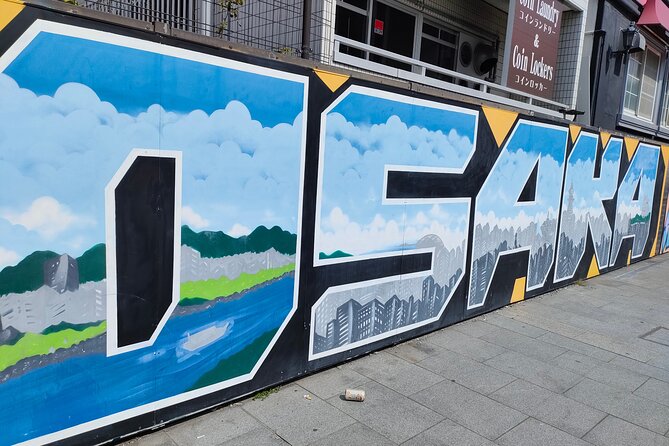
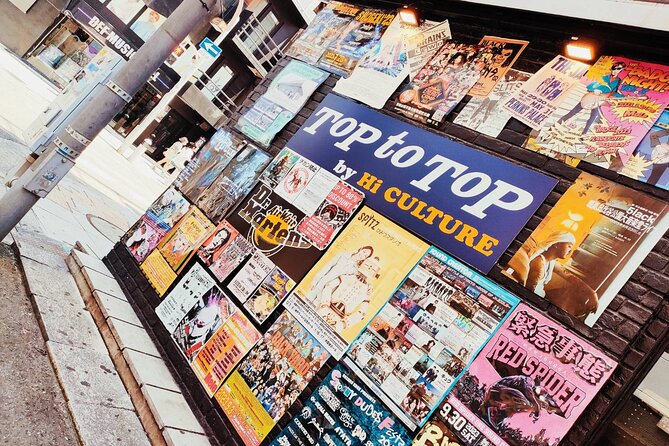
After the castle area, you move into Amemura (locals call it Amemura/Amemura). You’ll walk a warren of narrow streets tied to youth culture—urban apparel, hip-hop wear, and all the small shops you can’t fully catch from a single main road.
Then the day shifts toward Shinsaibashi-suji Shopping Street, a covered corridor that’s been a big shopping anchor for centuries. It’s only about 600 meters long, but it gives you a feel for how Osaka does retail: dense, practical, and made for strolling.
What I like about combining these two is contrast. You get the street-fashion Osaka side right next to the long-established shopping heartbeat. It also gives your eyes a break from the heavy neon later, so your Dotonbori walk lands with more energy.
Dotonbori canal: neon, street-food energy, and easy photos
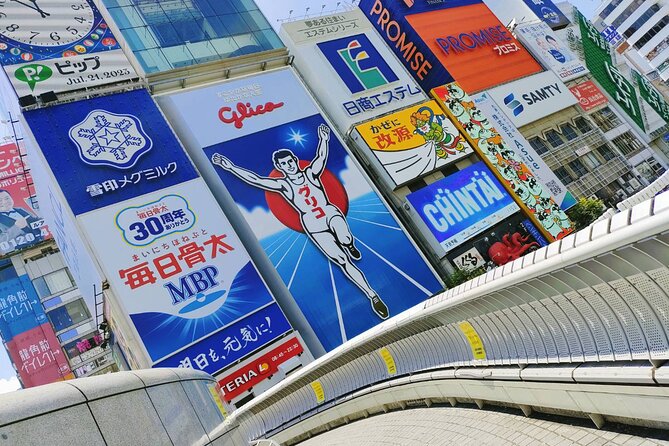
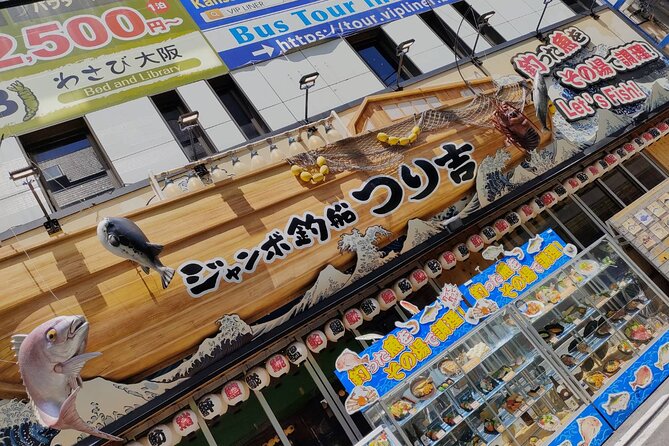
Dotonbori Tsuribori is where Osaka turns the volume up. You’re along the canal, and the area is known for nightlife, neon lights, and mouth-watering street food.
This stop is short by design (around 30 minutes), but it’s enough to understand why people come back year after year. A good guide helps you see past the biggest signs and point out what matters: the vibe of the neighborhood, how locals snack here, and where you can pause without getting swept into the busiest flow.
Bring patience for the crowds. This is a major tourist destination, so you’ll share space. The win is that your guide keeps you moving at a pace that still feels like you’re looking, not rushing.


Hozenji Yokocho and Hozen-ji Temple: where old Osaka slows down
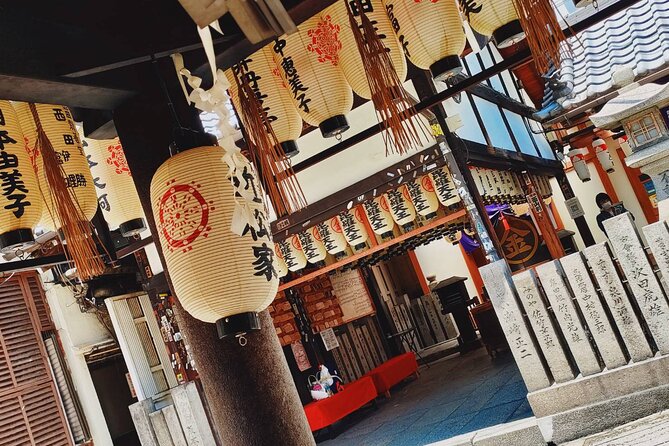
After Dotonbori, you get a real mood shift. Hozenji Yokocho is a narrow alley with traditional lanterns and cobblestone paths—exactly the kind of place you’d miss if you only stayed on the main roads.
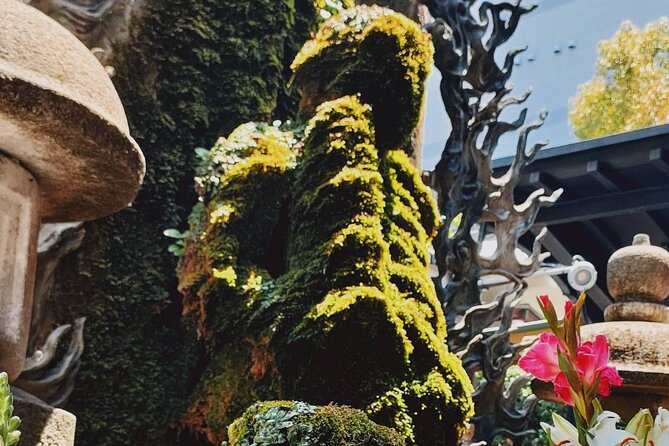
Right after, you visit Hozen-ji Temple, a small Buddhist temple built in the 17th century, dedicated to Fudo Myoo. The stop is brief, but it adds something important: a pause where Osaka’s modern face gives way to older spiritual and architectural rhythms.
This is one of the stops I’d call the “breather.” It helps the day feel balanced. You go from neon and snacks, to stone lanes and temple details, and then you’re ready for more food-focused culture next.
Kuromon Market: Osaka’s Kitchen and how to enjoy it without guessing
Kuromon Market is often described as Osaka’s Kitchen, and it’s been around for over 200 years. It’s a covered market where fresh seafood and everyday food culture dominate the scene.
This stop is about 30 minutes, so you don’t need a food-shopping map. A guide’s job here is to help you choose what makes sense and what’s worth your limited time. You’ll also get recommendations that help you avoid the common first-time mistake: grabbing something that looks good but isn’t the best local choice.
One practical note: lunch is included earlier, but you’ll likely still want snacks. The tour is built around street-food culture, and that means you should expect the day to tempt you.
Also, note that the market stop is listed as day and private tours only. If you’re booking a specific day or tour type, it’s worth confirming it applies to your scheduled option.
Shinsekai: pre-WW2 nostalgia and Tsutenkaku energy
The final neighborhood stop is Shinsekai, a district that was developed before World War II. Tsutenkaku Tower is the iconic symbol here, and the area carries a retro feeling with neon and older Osaka charm.
This portion of the walk works like a closing chapter. Earlier you explored shopping streets and canal nightlife; here you end with a more nostalgic Osaka story. It’s also visually memorable, so it’s a good spot for relaxed photos before you head off on your own.
Your tour ends in a different location than where you start, so don’t plan a tight appointment right at the endpoint. Build a buffer so you can find your way easily.
Lunch that actually feels local (and when it won’t)
Lunch is included as a complimentary meal at a local restaurant, featuring Osaka-style street food with a drink. For $73.29, that’s a big part of the value—because it covers one of the most expensive meal moments in major city centers.
There’s also a clear limitation: vegan and gluten-free cannot be catered for at lunch. If you need either of those diets, you’ll have to plan around it and maybe treat lunch as something you supplement rather than fully count on.
If you don’t have those restrictions, the lunch is a chance to slow down, reset your feet, and eat with the same Osaka-style logic you’ll see in markets and street-food stalls later in the day.
Guides make or break it: the “5- to 7-hour” magic trick
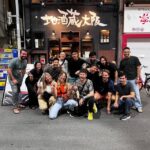
This tour earns its high marks through the guides and the pace. Names that show up in standout experiences include Tim, Kenzo, Scott, Adam, Alex, Daniel, and Andy, and the common thread is how they explain context while keeping the walk fun.
A big reason this works for solo travelers: the tour gives structure. One solo guest said it made them feel comfortable walking around on their own, because the guide handled timing, crossings, and the “what am I looking at” explanations.
You’ll also get practical photo help. One private tour experience mentioned the guide pointing out good Insta-style photo locations, which is useful because it keeps you from wandering off the route just to find a shot.
Practical tips: shoes, train fares, and the no-filming rule
This is mainly a walking tour. Two short train rides are required, and fares are not included, so carry cash or a card you can use on transit.
Wear comfy shoes. One guest mentioned the walk felt like about 15k steps, and they still felt it was worth it. That lines up with a route that strings together multiple neighborhoods without long breaks.
Don’t plan on filming the tour. Filming is not permitted, so keep your camera use to your own moments without recording the guide or group.
If you’re a private-tour seeker and want pickup, that may be available via the pickup option. For group tours, hotel pickup is not offered, and you’ll meet at the station.
Finally, the experience requires good weather. If weather forces a change, you’ll be offered a different date or a full refund.
Who should book this Osaka walking tour
Book it if you want a day that mixes history, food culture, and modern Osaka in one route. It’s especially good for first-timers who feel overwhelmed by how many areas Osaka has, but still want to explore beyond the most obvious viewpoints.
It’s also a solid choice for people who like guided context. If you want someone to connect Osaka Castle history to Amemura fashion streets, then to Dotonbori nightlife and Hozenji’s quiet lanes, this format fits.
One fit note from real-life experience: a family with a 16-year-old and up found it worked well. If your group includes younger kids, you’d need to judge how they handle a long walking day.
If you require vegan or gluten-free lunch options, this is likely not the easiest match.
Should you book this Osaka walking tour
I’d book it if your priority is getting a guided Osaka overview without wasting your limited time. The included lunch, small group size, and the mix of castle area views, markets, and old-lantern lanes give you a full picture of how Osaka feels.
I wouldn’t book it if castle interior time is your must-do. This tour doesn’t enter Osaka Castle, and lunch can’t be adapted for vegan or gluten-free diets. If those two points don’t matter to you, you’ll likely find this is a high-value, well-paced way to see central Osaka like a local.
FAQ
Does the tour include entry to Osaka Castle?
No. You’ll see Osaka Castle area sights, but the tour does not enter the castle.
How long is the Ultimate Osaka Walking Tour?
Choose between 5, 6, or 7 hours.
Is pickup included?
Pickup may be available for the overall experience, but hotel pickup is not offered for group tours. You’ll meet at Ōsakajōkōen Station (3) for group departures.
What does the lunch include?
Lunch is complimentary and features Osaka-style street food with a drink.
Are train fares included in the tour price?
No. Two short train rides are required, and fares are not included (¥240 and ¥190 are noted).
Can the tour accommodate vegan or gluten-free diets?
No. Vegan and gluten-free cannot be catered for at lunch.
Where does the tour start?
The tour starts at Ōsakajōkōen Station 3 in Osaka.
How many people are in the group?
The tour has a maximum of 11 travelers.
Is filming allowed during the tour?
No. Filming of the tour is not permitted.
What happens if the weather is bad?
The tour requires good weather. If it’s canceled due to poor weather, you’ll be offered a different date or a full refund.